

Where can I find kertas soalan SPM Sejarah? If you’re asking this question right now, you’ve come to the right place. SPM Sejarah is a mandatory subject to pass alongside Bahasa Melayu to obtain your SPM certificate. But why?!
This might be a question for many students since the Malaysian government announced the news in October 2010, and it officially came into effect for the 2013 SPM examination. Many thought they were unlucky, while students who sat for the exam before 2013 thought they were lucky.
Honestly, this move is not to burden the pelajar in any way. Former Second Education Minister, Datuk Seri Idris Jusoh, said it was an effort to cultivate interest among our young people in learning and understanding the basic history of our country.
It is not our intention to fail them, we certainly intend to pass them but at least let them know the basic history of our country. We see that when it (History) is not made a compulsory-pass, many treat the subject as unimportant and they don’t even want to know our history, what happened in the past and will not appreciate what we have now.
Former Second Education Minister, Datuk Seri Idris Jusoh
We’re aware that many students find it challenging and overwhelming. That’s why practising kertas soalan SPM sebenar tahun-tahu lepas (past-year papers), combined with the right techniques, is key to building confidence and mastering the subject. This approach can help you beyond just passing the kertas; you can even achieve an A+!
By familiarising yourself with the exam format, understanding question patterns, and applying effective answering techniques, you’ll be well-prepared to tackle the exam with ease!
Kertas Soalan SPM Sejarah: Where to Find & Stay Consistent
- Where to Find Soalan Sejarah SPM Papers?
- How to Use Kertas Sejarah SPM and Soalan Percubaan Smartly
- How to Stay Consistent with Practising Past Year Questions?
- Common Mistakes When Practising SPM Sejarah Past Year Papers
- Benefits of Studying and Attempting Sejarah Reference Papers
- Revision Tips to Score an A+ in SPM Sejarah



Where to Find Soalan Sejarah SPM Papers?
Since the SPM is the main national peperiksaan for learners studying under the Malaysian National Curriculum, which determines the future academic path of many Malaysian students, there are ample resources available to help them find learning and revision materials.
Here are some of the resources available for you to download in PDF files, Word or other formats, depending on the online platforms:
Trial Sejarah SPM Papers
Kertas soalan percubaan differ according to the region, Sekolah Berasrama Penuh (SBP) or Fully Residential School and Maktab Rendah Sains MARA (MRSM).
Usually, each party or special body will discuss and draft these soalan for their respective schools that fall under their jurisdiction.
Therefore, there are many different kertas soalan percubaan that learners can study and attempt in order to help them achieve high marks. The peperiksaan percubaan is the one learners take before the actual SPM examination.
These trial kertas are set by experienced teachers from various states in Malaysia. Some of them are involved in setting the actual soalan peperiksaan SPM. Therefore, these questions tend to be good practice and help learners to prepare for the actual peperiksaan.
Actual Past Year SPM Examination Papers
Knowing the examples of previous years' questions is very useful for candidates. It provides an overview of how a question is asked, and the number, distribution and frequency of each topic.
This is acknowledged by many History teachers because the Lembaga Peperiksaan itself often issues an analysis report of the candidates' answers several years ago every year. From the report, they can identify the weaknesses in each area made by candidates last year. In this way, the candidate can address weaknesses and improve them during revision. It also provides learners with a great opportunity to familiarise themselves with the exam format.
Furthermore, learners will be able to understand better the marking scheme, which will serve as a guide for answering questions in order to obtain maximum marks.
For these reasons, regularly practising kertas peperiksaan tahun lepas is highly recommended to boost exam readiness.
Practice Questions (Contoh Soalan Sejarah SPM)
If you have not finished reviewing all the chapters for both Form four and Form five yet, and feel that you are not ready to attempt the kertas peperiksaan tahun lepas and the kertas percubaan. You can feel free to attempt practice questions for each chapter as you revise.
Consider buying a practice workbook and completing the exercises regularly to reinforce your understanding and track your progress. Just make sure to start revising early and do not try to rush everything in the last few months before the peperiksaan.
How to Use Kertas Sejarah SPM and Soalan Percubaan Smartly
We’ve looked at the online platforms where you can download past-year and trial papers online. The first step is done. What’s next? Obviously, start working on those kertas, right? If only things were as easy as they’re being said.
Downloading these kertas online is easy, but the most important thing is to apply them to get your desired results. Some learners won’t review the downloaded papers until the last minute. We don’t want you to do that, so we’re going to share with you how to use those kertas soalan effectively to reap the maximum benefits and achieve your desired grade, whether it’s an A+ or just a pass.
- Simulate exam conditions
Sit down with your kertas, set the timer and practice under real exam time limits. This will help you get trained to answer questions like you’re in a real exam. This practice will help identify your weak areas or even topics that take more time to complete, which also trains your focus and stamina.
- Check your answers against the official jawapan
Most of the platforms we’ve shared provide sample responses or highlight the key points that examiners are looking for. Once you’ve completed the kertas, take time to check against the sample responses to identify errors and also understand what the examiners are looking for.
- Reflect on your mistakes
Practising on these kertas is not only about getting to the right response but also about identifying the mistakes made and reflecting on them when reviewing. This helps you to analyse why you got the question wrong or low marks, to understand the weak areas where you need help or improvement.
- Identify weak topics
Sometimes it’s normal that you can’t get all the soalan done. It happened to many learners who found that some past-year or kertas percubaan were too difficult to work on. Consider skipping after giving it a fair attempt before moving on.
Write down the topic as a weak area to revisit during revision. This helps you focus on improving the areas that need the most attention without ignoring them.
- Use the textbook or your notes as your reference
If you don’t have sample responses, the next best thing to refer to is your textbooks and notes (if prepared) to check your responses and reinforce your understanding.
- Practice regularly
Consistency is the key to success. Don’t expect mastery in the topics after attempting one kertas peperiksaan tahun lepas. It takes more than one set to master a topic, so until then, keep practising, A LOT. This will help you build confidence and retain the knowledge learnt in school and during your revision.
- Revise with purpose
Additionally, learn to revise with purpose. Avoid just copying the answers. Instead, focus on why yours was wrong and why that’s the right answer.
By following this approach, we are confident that learners can turn these kertas-kertas peperiksaan into their most effective revision tools. This is indeed a proven method for tackling any topic and mastering it.

How to Stay Consistent with Practising Past Year Questions?
Knowing how to maximise the benefits of the previous-year assessment materials alone won’t be enough if you don’t stay consistent. As mentioned earlier, consistency is key – it builds discipline and forms habits that will pay off later in the form of better grades.
Let’s go through how you can make regular practice a habit.
1. Set a weekly schedule: As a student, having a schedule helps organise your life and ensures you dedicate enough time to revise all your subjects. To get started, prepare your schedule by breaking your study sessions into manageable chunks. For example, on Tuesday, you focus on Paper 1, and then on Friday, you focus on Paper 2, instead of trying to tackle both in one day. When you break it down like this, you’ll feel less overwhelmed and intimidated.
If you’re struggling to get started, try this method: Aim to complete the first 20 soalan in the objective section and set the timer to 30 mins. If you feel motivated, continue with the remaining. If not, take a 5-minute break, then set the timer again for another 30 minutes and complete the rest. Starting with small, achievable goals makes it easier to begin and maintain focus.
This “start small and build momentum” approach is related to executive function in neuroscience, specifically, starting a task and maintaining attention. Breaking tasks into smaller steps reduces mental overload and helps your prefrontal cortex stay focused.
2. Mix subjects: To avoid feeling bored or frustrated quickly, combine your practice sessions with Bahasa Inggeris, Pendidikan Moral, Matematik Tambahan, or Ekonomi Asas to maintain the balance. This is where a timetable comes in handy.
3. Track progress: Keep a log of your revisions by recording the results after each attempt to monitor development. You can write yourself a personal report card that highlights the struggles and wins when working on a particular previous-year assessment material.
Do you need a guide in creating your study timetable and managing your time? Here's a video from a learner who can show you how to do it!
4. Find study buddies: Some learners love studying in groups or with a friend. You are more likely to complete your tasks when you know that someone is counting on you. This helps build traits such as accountability and responsibility. Create a group or find a partner who shares the same goal to discuss topics, review answers, and clarify doubts.
5. Reward yourself: After completing a full set of the assessment materials (or whatever the goal is), take a short break or enjoy a treat to make studying more enjoyable and something that you look forward to.
Selain itu, try using online platforms offering quiz sejarah or interactive exercises. If you can’t find one, you can create one to help you stay engaged and make learning less monotonous.
Did you know that note-taking is crucial for Sejarah? We’ve written an article that shows you how to take effective notes and highlights other materials you can use to excel.
Common Mistakes When Practising SPM Sejarah Past Year Papers
Perfect! We’ve looked at the practical ways to stay committed to practising the previous year's assessment materials. Hopefully, you’ll try one method or combine them all to stay consistent with your revisions.
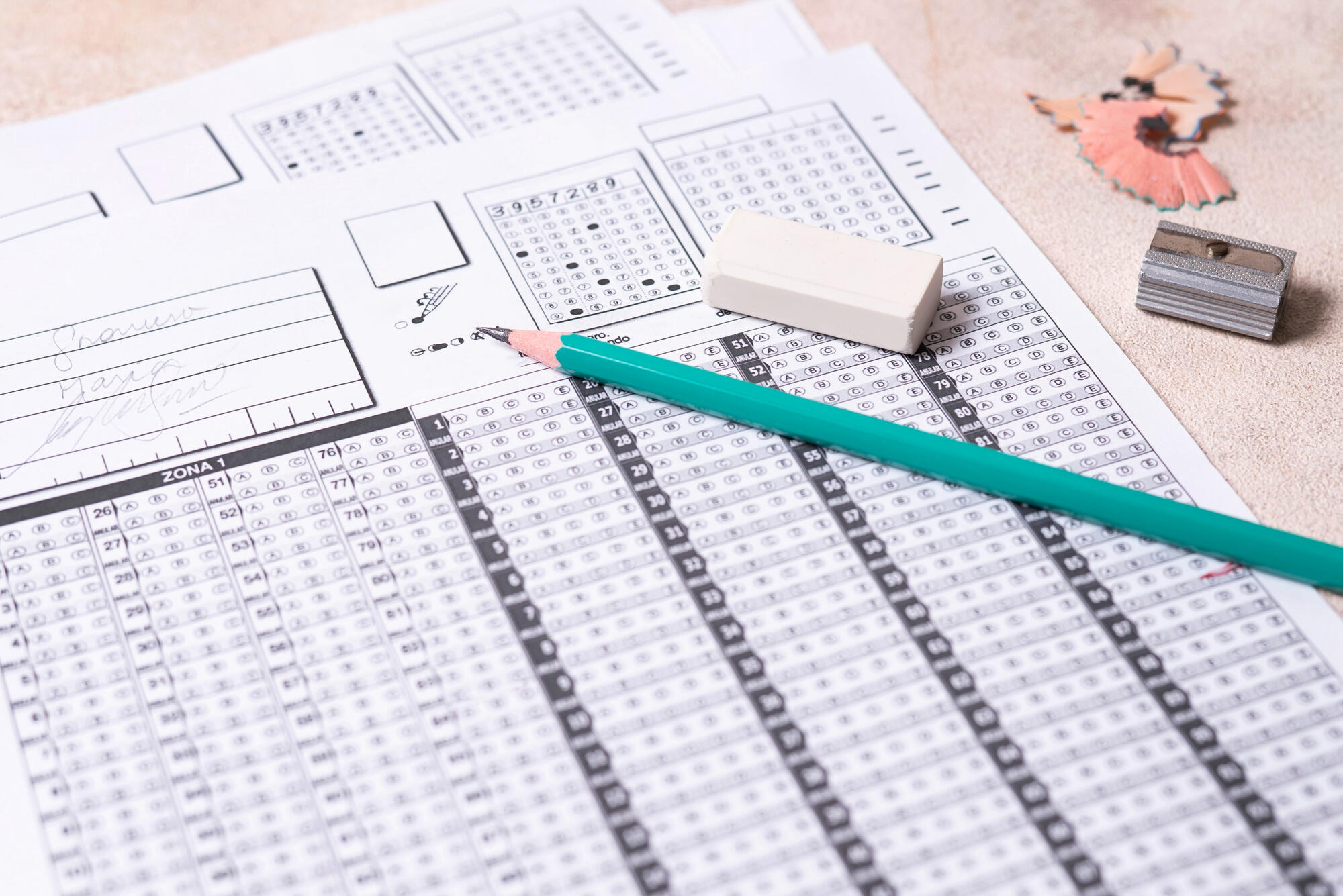
The most important thing to keep in mind is to be aware of the common mistakes. This will guide learners to avoid them. Let's find out the common mistakes learners make when practising.
1. Memorising the answers without understanding them: Many learners can memorise the answers to any questions and can write them down easily. However, this approach can be challenging for the essay section, as memorising without knowing the context makes it harder to recall during the actual exam. Examiners seek the application of high-level thinking skills (KBAT), factual accuracy, and the ability to apply and elaborate on historical knowledge.
2. Skipping the essay section: Practising this section will help you learn how to write concisely, analyse questions effectively, think critically, manage exam stress, and improve your overall time management. Skipping it will only make you less prepared and reduce your chances of achieving a good score.
3. Ignoring keywords in the question: The soalan begins with verbs like huraikan, jelaskan, or terangkan. Pay attention to these keywords and answer accordingly. These keywords guide the level of detail in your response.
4. Not reviewing your mistakes: Some learners don’t review their mistakes. You’ll never know why you got it wrong and what misinformation you may have regarding a section or topic. So, always go back and identify where you went wrong. Cross-check with the buku teks or a tutor if needed.
Benefits of Studying and Attempting Sejarah Reference Papers
Candidates who consistently practise with a diverse range of reference materials will enter the exam better prepared, more confident, and more motivated.
These materials play a key role in preparation, helping learners focus on important themes while providing solid opportunities to practise responding to structured prompts.
Here are some of the benefits you can gain:
Understand the Structure and Pattern of the Assessment
The exam format was updated in 2021, with the kertas Sejarah reduced from three to two.
Regular revision and practice allow learners to stay aligned with the current structure and recognise recurring patterns, increasing the chances of achieving strong outcomes.
Boost Confidence
Consistent practice builds confidence because it reduces uncertainty. This repeated exposure trains the mind to recognise patterns, recall facts more quickly, and understand how responses should be structured.
Over time, the content begins to feel less overwhelming. Learners know what to expect, how to approach the questions, and how to organise their thoughts under pressure. This familiarity creates a sense of control, which naturally boosts confidence during the actual exam.
Improve Time Management
Many learners know almost all the answers to the questions asked in the SPM Sejarah paper, but they are unable to complete the paper due to poor time management.
This issue can be avoided if learners attempt a wide variety of questions, including previous-year and trial assessments. This will train them to have good time management skills to complete all questions within the allocated time.
While memorising key points, revisiting the buku teks, and creating your own summaries are essential, it is just as important to write everything you’ve learned clearly and within the time provided on the answer sheet.
Revision Tips to Score an A+ in SPM Sejarah
There are various revision methods and learning strategies you can incorporate into your preparations to improve your grade in Sejarah. With excellent tips and methods, you will be able to study more efficiently, understand and retain what you have learned.
Here are some useful revision methods and tips for mastering Sejarah:
Use the Buku Teks as Your Primary Reference
Your Form 4 and Form 5 buku teks remain the primary reference because they provide the officially approved narrative, facts, and historical interpretation – ensuring that your knowledge aligns with what is expected in the SPM examination.
Acronyms
One of the most effective and easy ways to remember facts is by incorporating acronyms. Making notes by integrating acronyms makes it easier for you to remember and memorise historical facts. Learners are only required to remember the first letter of every keyword to recall the historical facts. This technique is one of the best ways to help retain historical facts.
Mind maps
Mind maps make learning more engaging and help improve comprehension of concepts, information, and facts. Using mind maps allows you to organise topics clearly, identify key points, and strengthen both understanding and memory retention.
Study Together with Friends
It is very important to find a committed group of friends to study the Sejarah subject together. By revising Sejarah in a group, you get the opportunity to share and exchange opinions with each other. You will also be able to understand the same topic from different angles.
We’ve written an in-depth article with strategies to revise Sejarah and achieve the results you want. Read the full guide here.
Get Expert Help: Learn Sejarah with a Superprof Tutor
If you struggle to stay consistent and understand complex historical events, getting expert help can make a huge difference. Mastering Sejarah isn’t about memorising hundreds of facts. It’s about understanding the past to shape a better masa hadapan.
With Superprof, you can connect with experienced Sejarah tutors across Kuala Lumpur or other parts of Malaysia. You’ll receive:
- Personalised lessons tailored to your weak areas
- Flexible schedule
- Online or physical classes (you choose!)
- Guidance on essay-writing, time management, and revision strategy
- The first session is free before committing long-term commitment
- Select a tutor from a pool of over 30,000 verified tutors all over Malaysia
- Other areas you need help with
Superprof tutors act as your academic partners, ensuring you achieve your desired grade in SPM. So, if you’re struggling to understand historical events, need personalised classes, or someone to help you with the past-year papers, start learning with a Superprof tutor today.
Summarise with AI:
Did you like this article? Leave a rating!

 Loading...