
Wondering what baking tools you need to start baking? If you’ve asked yourself this question, you’re not alone. When I first got interested in baking, I had no idea where to begin, what to buy, or which tools were truly essential – because everything felt essential to me 😵💫.
If you’re a beginner and have no clue – don’t fret. To bake successfully, you’ll need some basic baking equipment. For instance, most cakes and pastries require an oven. Sure, there are no-bake recipes, but the majority of recipes out there rely on one. So, you can’t go far in your baking expedition without an oven by your side.
Starting your baking journey may feel overwhelming, because there are so many gadgets, pans and utensils, and some of them can be pricey. But listen – you don’t need to spend a fortune on the most expensive baking tools. You’ll only need to invest in good-quality tools that will last and serve your needs.
As your skills grow, and if you decide to pursue baking more seriously, you can then gradually upgrade to higher-quality and larger baking equipment to produce larger quantities of baked goods.
In this article, we’ll cover must-have baking tools for beginners, advanced tools for enthusiasts, and speciality bakery equipment for professionals. By the end of it, you’ll know where to start, and you’ll feel confident picking up your first whisk, mixing bowl or baking pan 🥣.
Baking Tools Every Beginner Baker Must-Have:
- The right baking tools make baking easier, more consistent, and more enjoyable.
- Start with essential baking equipment and upgrade only as your skills grow.
- Knowing where to buy quality baking tools helps you save money and avoid unnecessary purchases.
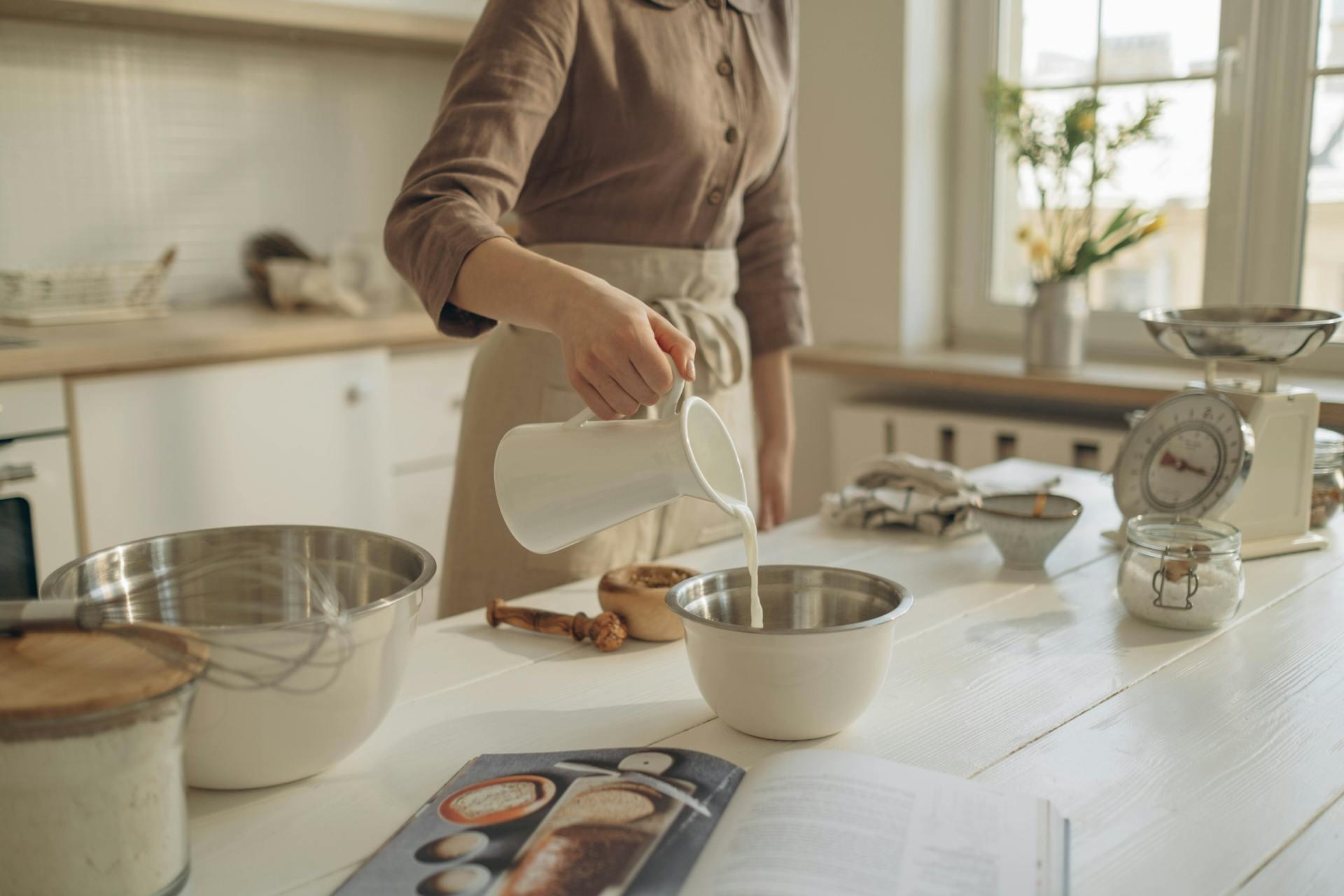


Must-Have Baking Tools for Beginners
Starting your baking journey doesn’t have to be overwhelming. Every baker, whether a complete beginner or someone looking to brush up on their skills, needs a solid set of basic tools to create delicious treats.
Having the right tools not only makes baking easier but also more enjoyable – it saves time, reduces frustration, and helps you get consistent results. That way, the next time you bake, you won’t have a meltdown in the middle of making a recipe because you don’t have the right cups, or accidentally overmix a batter because you don’t have a proper spatula!
If you need an ultimate guide that will prepare you for this, I gotchu! This baking guide will help equip you with everything you need to know about baking to begin this journey confidently.
Absolute Essentials:
| Name of the tools | Function |
|---|---|
| Oven | The oven is the heart of baking. Its main function is to provide consistent, controlled heat that allows your cakes, cookies, bread, and pastries to rise, cook evenly, and develop the right texture. |
| Measuring cups | Used for scooping and levelling dry ingredients like flour and sugar. |
| Measuring spoons | Used for measuring small amounts of dry or liquid ingredients such as salt or vanilla extract. |
| Mixing bowls & whisks | Get a set of mixing bowls dedicated to baking, along with a whisk to help you mix, blend, and combine your ingredients with ease. Metal, glass or plastic – choose what you prefer, and it can last long. |
| Baking pans | Cake pans in different sizes, a loaf pan, and a muffin tin are all useful to have. Choose the types of pans you keep based on what you bake most often. |
| Silicone spatula | Let your baked goods cool evenly and don’t turn soggy. When you let the baked goods sit in the baking pan, the trapped steam can make the bottom and sides soggy. |
| Cooling rack | Let your baked goods cool evenly and don’t turn soggy. When you let the baked goods sit in the baking pan, the trapped steam can make the bottom and sides soggy. |
Highly Useful (Optional but Makes Life Easier):
| Electric handheld mixer | Highly recommended for creaming butter and sugar, as this process is much harder to do by hand. A hand mixer is also useful for many other recipes, making your baking prep faster and easier. |
|---|---|
| Baking sheet | A flat metal tray used for baking cookies, pastries, and roasting ingredients evenly. |
| Parchment paper | A non-stick liner that prevents baked goods from sticking and makes cleaning easier. |
| Sieve/sifter | Used to remove lumps and make dry ingredients like flour light and fluffy for smoother batters. |
| Oven thermometer | Helps you check the real temperature inside your oven so your bakes cook correctly. |
| Cookie cutters | Shape dough into fun, uniform designs for cookies, pastries, or festival-themed treats. |
| Digital scale | It can be useful, especially when the recipe measures in grams or ounces. |
| Liquid measuring cup | Used for accurately measuring liquids like milk, water, and oil. |
| Wooden spoon | More sturdy for stirring thick mixtures and won’t melt under high heat. |
Honestly, what will help you is to look at your current baking situation and choose what you truly need. For example, someone using an old oven may rely heavily on an oven thermometer because their oven doesn’t heat accurately, while another person who is interested in baking cookies rather than cakes would benefit more from having multiple cookie cutters. Start with what suits your baking style – and build up from there!
If you’re wondering what some beginner-friendly recipes are out there to begin your baking adventures, don’t worry. I’ve rounded up the easy and simple recipes for anyone interested in this sweet journey to try. All you need to do is read and follow the instructions!
Advanced Baking Tools for Enthusiasts
Are you thinking of becoming a professional baker one day, like the famous banker2baker?
You’ll probably need better equipment and tools.
Once you’ve mastered the basics, these tools help you take your baking to the next level:
- Piping Bags and Tips: A piping bag is used to add icing. It’s often used in baking because it allows you to apply icing or whipped cream to baked goods. You can add different nozzles.
- Stand Mixer: Handles large batches and tough doughs with ease.
- Digital Food Scale: Provides precise measurements for consistent results.
- Pastry Brushes: Ideal for glazing, applying egg washes, or greasing pans efficiently.
- Silicone Baking Mats: Reusable, non-stick surface for cookies, macarons, and chocolate work.
- Bench Scraper: Useful for cutting dough, transferring chopped ingredients, and cleaning work surfaces.
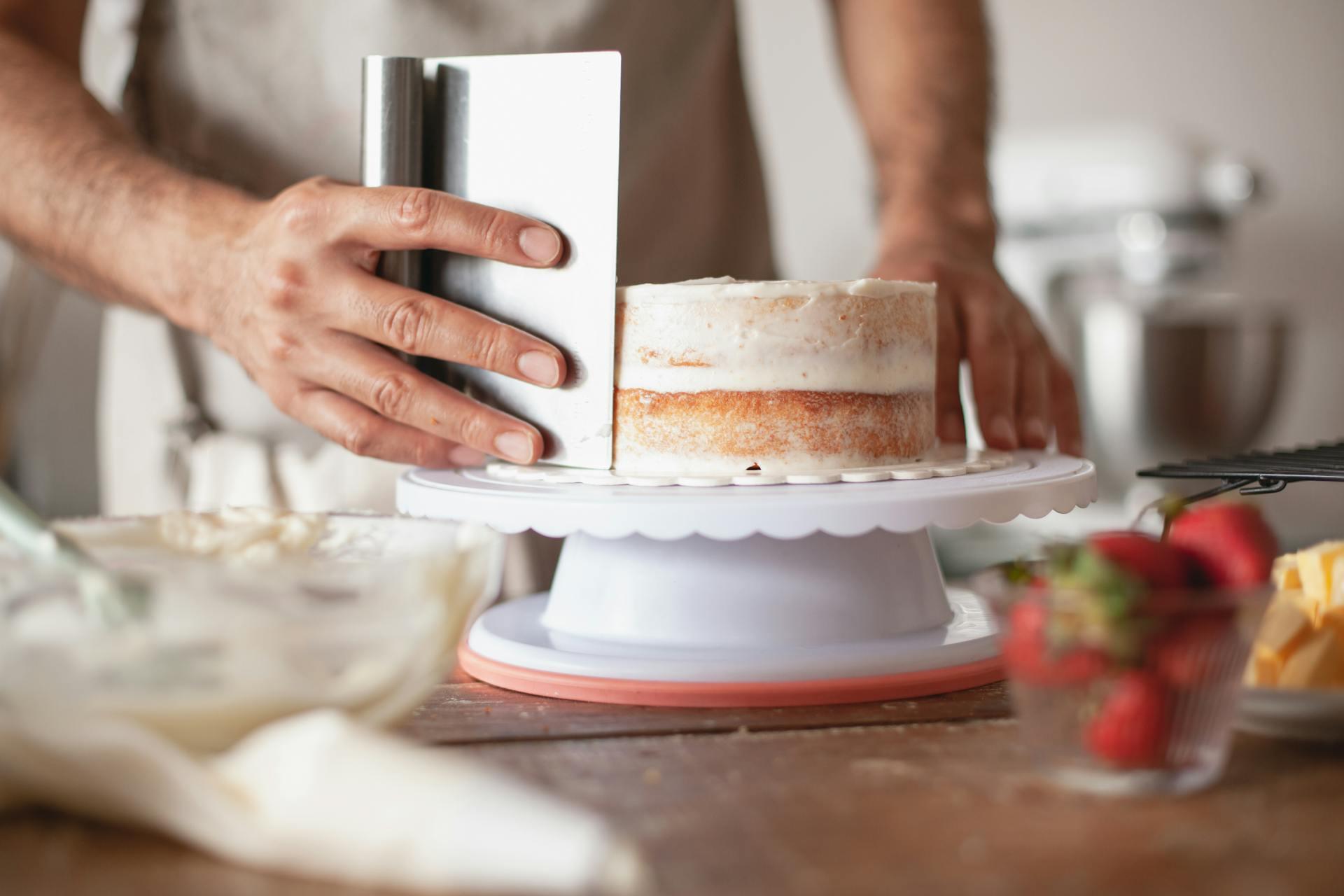
- Cake Turntable: Makes frosting and decorating cakes smoother and easier.
- Candy Thermometer: Ensures precision when making caramel, sugar, or chocolate.
Speciality Tools for Professional Bakers
Professional baking often requires specialised tools and equipment. At this stage, whether you’re running your own bakery or working for one, having advanced tools helps you work efficiently and consistently produce high-quality results. You’ll need these tools for handling larger quantities, intricate techniques, and the demands of serving multiple clients.
- Food Processor: Speeds up prep work by chopping, slicing, grating, and mixing large quantities of ingredients.
- Blowtorch: Caramelises toppings and adds professional finishing touches.
- Dough Sheeter: Rolls dough evenly for laminated pastries, croissants, and puff pastry.
- Proofing Cabinet: Maintains perfect temperature and humidity for yeast-based doughs.
- Chocolate Tempering Machines: Ensures chocolate has perfect shine, texture, and snap.
- Decorating Moulds & Stencils: For professional chocolate, sugar, and pastry designs.
- Ice Cream Maker: For making fresh, homemade ice cream and frozen desserts.
- Pie Weights: Used when baking a pie crust without any filling (called blind baking).
- Juicer: Useful for fresh juices, fruit purées, or flavouring for baked goods.
- Bench Scraper: A flat, rectangular tool used for scraping dough from countertops, portioning dough, and keeping your workspace clean.
- Rotating Cake Stand/Turntable: Enables smooth, effortless rotation of a cake while frosting or decorating, allowing for even coverage on all sides.
- Offset Spatula: A thin, flat blade angled from the handle, perfect for evenly spreading frosting, lifting delicate items, and layering cakes.
- Springform Pan: A pan with a base and a removable side ring, ideal for delicate desserts like cheesecakes or deep-dish tarts that can’t be easily inverted.
- Bundt Pan: A decorative, ring-shaped pan that ensures even baking and creates a distinctive cake shape.
- French Rolling Pin: Narrowed at the ends and handle-free, offering superior control and sensitivity when rolling out delicate doughs such as pie crusts.
Having all these tools is no use if you don’t know where to begin. Is baking making you feel a little overwhelmed? This guide will help you ease into it with confidence.
Selecting the Right Baking Oven for Home Kitchens
As I mentioned earlier, an oven is the true star of baking ⭐ Without it, you can’t enjoy those warm, freshly baked goodies straight from the oven. Choosing the right oven is just as important as picking the right tools. The type of oven you use will directly affect your baking results – from the texture of your bread to the evenness of your cookies.
Types of Ovens:
Here are the most common ovens you’ll encounter in many households in Malaysia:
| Oven type | Heat source | How it works | Best for |
|---|---|---|---|
| Conventional Oven | Electric or Gas | Heats from top and bottom; no fan. May need to rotate trays. | Cakes, cookies, bread |
| Convection Oven | Usually Electric | Has a fan that circulates hot air around food | Cakes, cookies, pastries, roasting; more even results |
If you want even baking with minimal tray rotation, go for a convection oven. If you just want a simple, reliable oven, a conventional oven works just fine.
For professional baking or a small business, choose an oven that matches your capacity needs – larger ovens, dual ovens, or deck ovens work well for handling multiple trays and higher volumes, while commercial bakeries may need combi or industrial ovens for precise control and fast, consistent results.
Features to Consider:
When choosing an oven, paying attention to the right features can make a big difference in your baking results.
- Temperature Control – Adjustable temperature is essential for precise baking and consistent results.
- Heating Type – Electric, gas, or combination, depending on your kitchen setup and baking needs.
- Blower/Fan – In convection ovens, a fan circulates hot air for even baking and crisp textures.
- Power/Wattage – Higher wattage is needed to operate blowers effectively in convection ovens.
- Viewing Window – Lets you monitor your baked goods without opening the oven.
- Digital Controls – Modern ovens may include computerised timers and temperature settings for convenience.
- Capacity (litres) – Make sure the oven is large enough to handle the quantity you plan to bake.
- Accessories – Check what comes included, such as baking trays, racks, or other useful add-ons.
Safety – Look for multi-layered, cool-touch glass doors, which are safer, especially if kids are around.
Where to Find Quality Baking Equipment Near You
Once you know which baking tools you need, the next question is: where do you actually buy them? The good news is that finding quality baking equipment near you is easier than ever – whether you prefer browsing in-store or shopping online. Here are some reliable options to consider.
Physical stores:
- Bake With Yen: One of the largest and most established baking-supply retailers in KL & Selangor. You can get a wide range of baking equipment, tools, ingredients, and packaging materials suitable for both beginners and professional bakers.
- IKEA: This is the haven for personalised, affordable and functional home furnishings. It’s a perfect place to stock up on basic baking tools such as mixing bowls, spatulas, baking pans, measuring tools, storage boxes, and even larger equipment like ovens, hand mixers, and stand mixers. You can also find plenty of organisers and work surfaces to help you set up a simple yet efficient mini baking station at home.
- Senheng: Another great place to get a good oven, mixers, bread makers, or other essential baking appliances. It’s a good choice if you want warranty coverage and after-sales support.
- Courts: Offers a range of household and kitchen appliances, including ovens and mixers suitable for baking. It’s a convenient choice if you’re planning a larger purchase and prefer flexible payment or instalment plans.
- AEON (Electrical section): The electrical section allows you to browse basic baking equipment from various brands while also picking up ingredients in the same trip – making it a practical one-stop option for beginners.
- Harvey Norman: Ideal if you’re looking for larger bakery equipment, such as ovens, mixers, and food processors. It’s a good place to compare appliance features, sizes, and warranties before making a bigger purchase, with instalment options available as well.
Many of the stores mentioned above also operate online, allowing you to shop without visiting a physical location. In addition, these online platforms are popular among home bakers:
- Shopee: It’s great for finding affordable baking tools, beginner kits, and baking accessories. You’ll find everything from measuring cups to silicone baking mats, often at lower prices. Just be sure to check seller ratings and reviews before buying.
- Lazada: Offers a wide selection of baking equipment, including branded tools and kitchen appliances. It’s a good option if you’re looking for better quality products, official brand stores, or appliance warranties.
Though their names are similar, a macaron is a delicate French almond meringue cookie with a smooth shell and creamy filling, while a macaroon is a dense, chewy coconut cookie. Both names come from the Italian word maccarone, meaning paste, but their recipes evolved differently!
Maintaining and Caring for Your Baking Equipment
Proper care of your baking equipment helps it last longer, stay safe to use, and perform at its best.
Why are cleaning and maintenance important?
- Better-tasting bakes:
Leftover batter, oil, or spices on your pans, cups, or spoons can affect the flavour and texture of your next recipe if it’s not cleaned properly. - Prevents contamination:
Proper cleaning avoids bacteria growth, cross-contamination, and unwanted smells in your tools. - Extends the lifespan of your tools:
Good equipment isn’t cheap – especially stand mixers, bakeware, and speciality tools. Regular cleaning and gentle handling help them stay in top condition for years.
Cleaning Tips
Mixing Bowls
- Rise any batter or dough from mixing bowls immediately to prevent it from drying and sticking. Wash it with warm water and mild dish soap using a non-abrasive sponge to avoid scratching the surface.
- If the bowl feels greasy from butter or oil, fill it with warm water and add a teaspoon of white vinegar to help cut through the grease.
Measuring cups and spoons
- Most metal and plastic measuring cups/spoons are dishwasher-safe, but always check the label first.
- Wash them immediately after use, especially if you measured sticky ingredients like honey, molasses, or oils
- If used for oily ingredients, soak in hot water for a few minutes before washing to remove stubborn grease.
- For the whisk, soak it in warm, soapy water for 5–10 minutes to loosen batter stuck between the wires before washing thoroughly.
Baking pans, moulds and skillets
- Avoid acidic cleaners like vinegar or lemon on non-stick pans and cast-iron skillets.
- Soak the pans in warm, soapy water for 20–30 minutes to loosen stuck batter or stains. Use a soft sponge to prevent damaging the non-stick coating.
- For cast-iron skillets, never soak in water. Clean with a small amount of hot water and scrub with a brush, then dry completely and re-oil lightly.
- For silicone moulds, use hot soapy water and rinse well to remove oily residue.
Rolling pins (wooden)
- Never soak a wooden rolling pin – excess water can cause warping or cracking.
- Simply wipe it with a damp cloth to remove flour or dough, then dry it immediately.
- If it smells or feels slightly greasy, wipe with a cloth dipped in mild soapy water, then rinse quickly and dry.
Stand mixers
- Detach all removable parts (bowl, whisk, dough hook, paddle attachment) and wash them in warm, soapy water.
- Dry all attachments thoroughly before storing.
- Never submerge or wash the mixer base. Wipe the exterior with a damp cloth, especially around crevices where flour or butter may accumulate.
Piping bags and tips
- For reusable piping bags, rinse immediately with warm, soapy water and hang to air-dry. Avoid drying in direct sunlight to prevent wear.
- For piping tips, use a small brush or a dedicated cleaning toothbrush to scrub inside the narrow openings and remove cream or icing residue thoroughly.
Sifter and sievesTap out the sifter or sieve after use, then gently brush the mesh with a soft brush to remove anything stuck. If needed, wash it with warm, soapy water, rinse thoroughly and let it air-dry completely to prevent rust.
Baking is about multi-tasking. If you are organized and prepared, that’s half the battle
Johnny Iuzzini
Storage Solutions
Proper storage keeps your baking tools organised, easy to find, and in good condition. Here are some simple ways to store your baking essentials:
- Store baking pans vertically using a pan rack. This prevents stacking damage and makes it easier to grab the exact pan you need.
- Keep piping tips in a container with compartments, so they don’t get lost or mixed up.
- Use airtight, labelled containers for dry ingredients like flour and sugar, and keep them in a cool, dry place to maintain freshness.
- Group similar tools together, for example, store spatulas, measuring cups, and spoons in designated drawers or storage bins.
- Install sturdy hooks to hang items such as mixer attachments, scoops, moulds, and sieves.
- Store rolling pins in a tall utensil holder to keep them upright and easily accessible.
- If you have space, create a small baking station where all your tools, equipment, and ingredients stay in one place. This saves time and prevents you from running around the kitchen while baking.
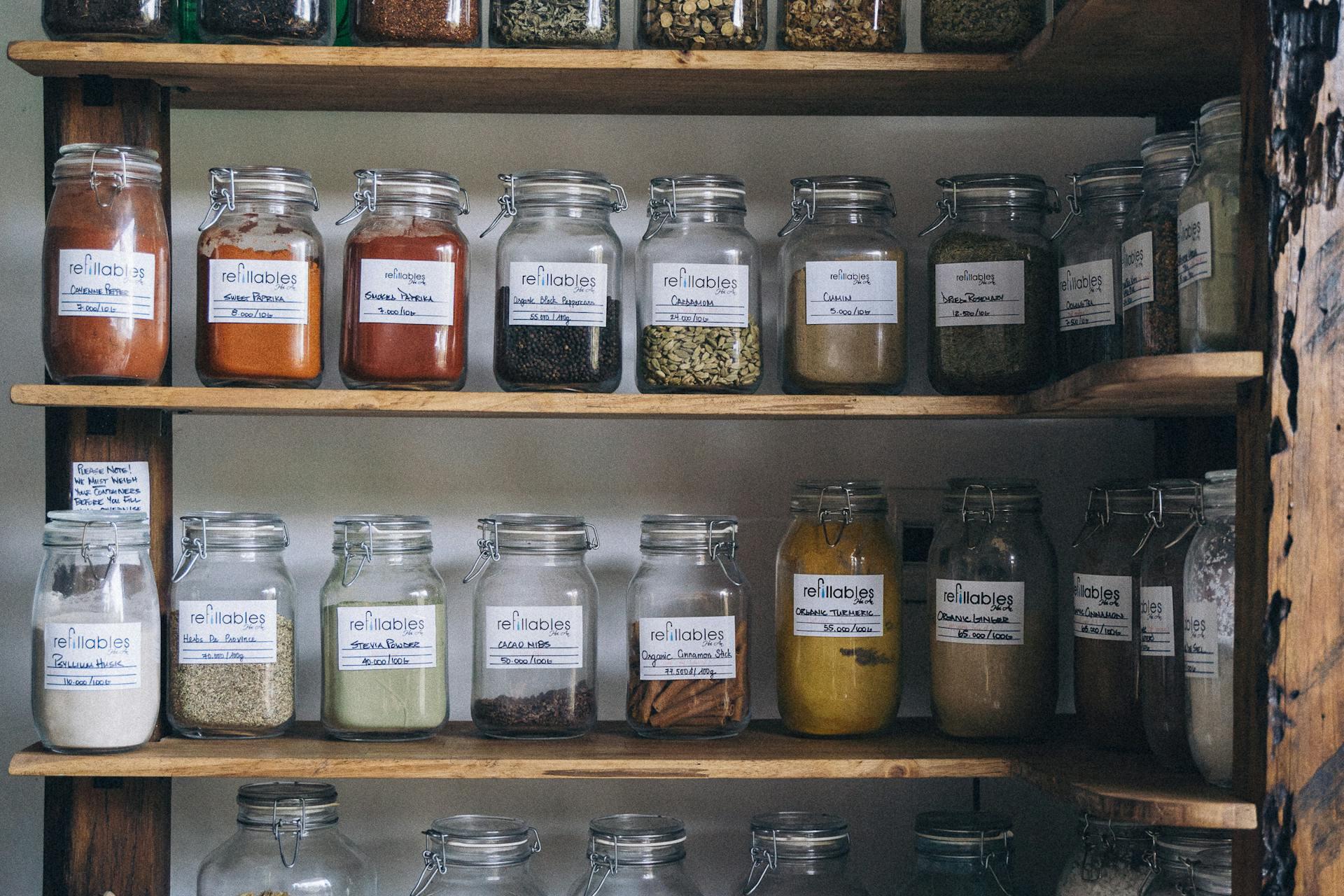
There are plenty of creative storage ideas online that you can take inspiration from when designing your baking station (if you’re serious about baking). Honestly, you don’t need to get everything perfect right away/ Your space may look messy at first, but that’s completely normal. You’ll figure out what works best for you as you continue baking.
With the right baking tools and bakery equipment, anyone can transform their kitchen into a mini bakery. Start with the basics, gradually add advanced and speciality tools, and don’t forget to maintain them.
With that note, we have come to the end of the article, and we truly hope the information shared has helped you kick-start your baking journey. If you ever feel stuck or feel like giving up, remember that Superprof has over 6,000 verified tutors who can guide you through any baking challenges.
Learning a new skill is always easier when there’s a tutor by your side. You can ask questions, clarify your doubts, watch techniques up close, and receive real-time feedback as you practice. Even the most successful pastry chefs didn’t rise to the top without facing countless failures, but they kept going, and so will you.
So, don’t hesitate, reach out to our talented tutors to help you in your journey! It’s time to grab your whisk and make some magic! 🥣✨
Summarise with AI:
Enjoyed this article? Leave a rating!

 Loading...