
Are you looking for a baking guide to elevate your love from a pastry lover to a home baker? Maybe you’ve tried that perfect chocolate cake from your local bakery and wondered if you could recreate it at home. There’s no denying the joy that baked goods bring – a soft, buttery cake with a melt-in-your-mouth texture and a delicate vanilla flavour is pure heaven 🤤.
Preparing pastries from scratch is a wholesome hobby that can put a smile on your face. We don’t deny it can seem a little intimidating and overwhelming at first, but with time and lots of patience, you’ll find the payoff is worth it, especially when your brownies are rich, dense, moist and fudgy.
Baking is meant to be therapeutic, fun and relaxing. Whether you can barely manage to bake a cake from a boxed mix or have attempted that perfect butter cake from your local bakery, we’re here to help you become a more confident baker. In this guide, you’ll discover essential tips and techniques for beginners that many expert bakers wish they had known when they first started out.
A baking guide that you never thought you'd want:
- Core ingredients every home baker should have for cakes, cookies, and bread.
- Speciality items, including chocolate, baking powder, baking soda, and pie crust essentials.
- Where to source quality items, bakery products, and baking utensils names.
- Tips for selecting, storing, and managing the high-quality items for consistently great baked goods.
- Simple tips beginners can follow to make perfect cakes and cookies every time.
We’d love to hear from you! Which of these do you enjoy making the most?


Essential Baking Equipment
When you first start baking, there are a few tools and utensils that will help an awful lot. There are many handy utensils, but some can be difficult for beginners to handle. Here are some of the most essential ones for any aspiring baker.
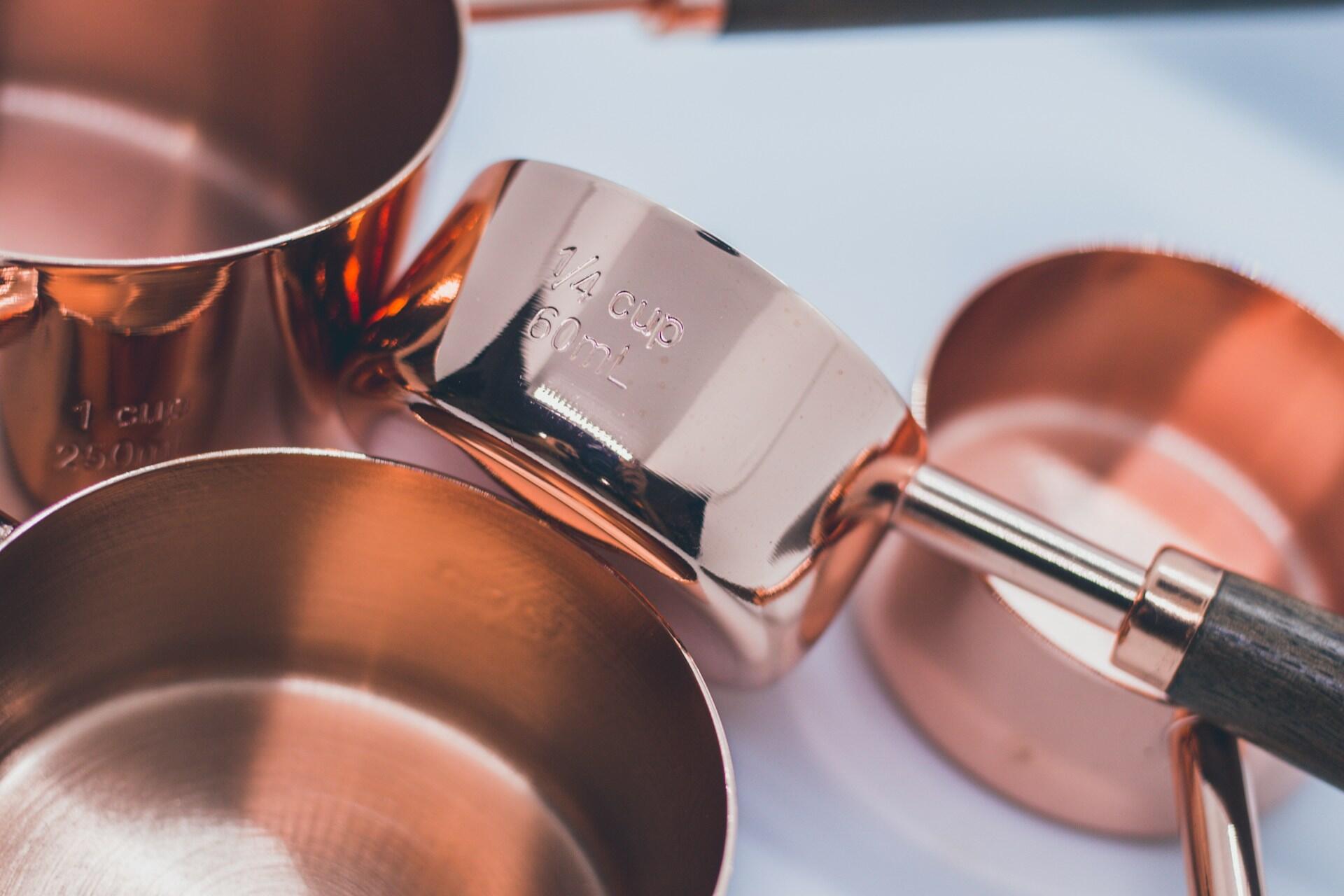
Must-Have Baking Tools
Every baker, whether a beginner or a seasoned pro, requires a set of reliable tools to ensure a smoother and more enjoyable process. While you don’t own every gadget under the sun, having these essentials will help you tackle almost any recipe with confidence 😉
- Mixing bowls - for combining the ingredients comfortably
- Measuring cups & spoons - to ensure accuracy of the ingredients
- Whisk - For mixing dry items and whipping eggs or batter light and fluffy.
- Silicone spatulas - for scraping bowls and folding items gently.
- Oven thermometer - to ensure precise temperatures
- Digital kitchen scale - to ensure exact weight, especially for flour, preventing over-measurement.
- Sieve/sifter - for lump-free flour and powdered sugar.
- Parchment paper - a heat-resistant pan liner that prevents food from sticking to the pans.
- Cake pans or tins - For baking cakes, cookies, muffins, or other treats. Pick the shape and size based on what you want to bake, such as an 8- or 9-inch round or square pan.
Speciality Baking Utensils
Once you’re comfortable with the basics, these speciality utensils can take your creations to the next level. These utensils will come in handy, especially when you’re ready to tackle more complex dishes.
- Hand-held mixer or stand mixer - For quickly mixing, beating, or whipping ingredients, such as batter, cream, or eggs, in large quantities.
- Rolling pin - for evenly rolling out dough
- Piping bags & tips - for decorating homemade treats.
- Silicone mats - non-stick baking liner that is durable, easy to clean, and reusable.
- Cooling racks - to avoid soggy bottoms and ensure even cooling
- Bench knife/dough scraper - A versatile kitchen tool with a flat blade designed for scraping dough, dividing dough, or cleaning the countertop.
- Palette knives - A steel blade ideal for icing cakes, smoothing batter, or layering filling.
- Sprinform pans - a two-piece pan with removable sides secured by a latch.
- Cookie scoops - for even cookie size
- Kitchen torch - A handheld device intended to create a high-temperature flame for sugar caramelisation, browning meat, and melting cheese.
- Pastry brush - to spread liquids such as butter, oil or egg wash.
Remember, you don’t have to buy all these to get started. We understand that it can be daunting and expensive at first. Begin with the basics, try simple treats, and gradually expand your collection as you gain confidence and experience.
Setting Up Your Baking Space
- A well-organised kitchen makes oven-cooking more enjoyable:
- Dedicate a “baking zone” counter for mixing and prep.
- Keep frequently used utensils within easy reach and organised in separate boxes – such as mixing bowls in one box and measuring spoons and cups in another.
- Ensure your oven is clean and calibrated for accurate temperatures.
- Store flours, sugars, and other staples in labelled airtight containers.
- When restocking your pantry, put new items at the back or bottom and older items at the front or top to reduce waste.
- Prepare your ingredients and utensils before you start to avoid scrambling mid-prep and causing errors.
- Clean as you go to avoid a big mess at the end. Wash small items in between if possible, to reduce the workload later.
The chocolate chip cookie was invented by accident in the 1930s when Ruth Graves Wakefield ran out of baker’s chocolate and used Nestlé’s semi-sweet pieces instead – creating a timeless classic!
Understanding Baking Ingredients
If there’s one thing that bakers can’t do without, it’s ingredients. While pralines, pear, coconut, or cocoa are all popular items, there are a few that are essential for oven cooking.
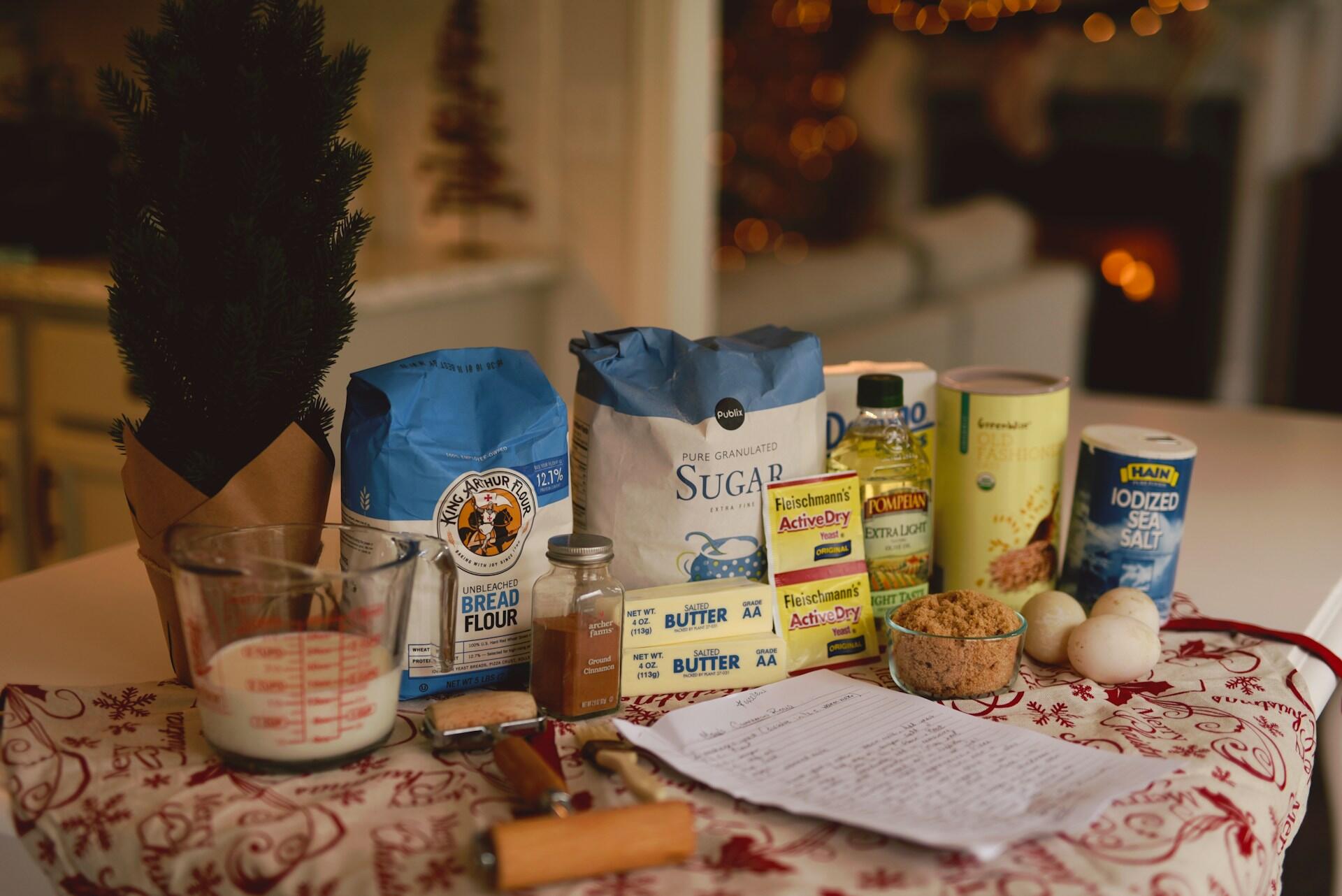
Core Ingredients and Their Roles
Some are fundamental to most baked goods:
- Flour: A staple – you’ll find it in most recipes. It can be made from wheat, almonds, or oats.
- Sugar: A lot of confectionery involves sweet foods, so it’s hardly surprising that you’ll find sugar in almost every pastry craft. While there are several types, some treats can also incorporate replacements such as honey.
- Fats: When we talk about fats in treat preparation, it’s usually from butter, and most pastries contain some form of fat. It’s often used in preparing pastry. Pastry chefs also tend to spray the moulds with oil or fat.
- Leavening agents: Baking powder and baking soda help baked goods rise.
Exploring Alternative Ingredients
Nowadays, with more people adopting vegan and vegetarian diets, some items have to be swapped to suit these preferences. Many pastry chefs online are introducing the vegan and vegetarian versions of the famous pastries to ensure everyone gets to enjoy them.
On top of that, many have dietary restrictions such as lactose or gluten intolerance, so it’s helpful to know alternatives to ensure everyone can enjoy your treats. Let’s explore some of these alternatives, shall we?!
- Gluten-free flours: Almond, whole wheat, coconut, or oat flour for gluten-free baked goods.
- Natural sweeteners: Honey, stevia, maple syrup, or coconut sugar.
- Plant-based substitutes for eggs: Flax, chia seeds, applesauce, arrowroot or aquafaba.
- Butter alternatives: Greek yoghurt, coconut yoghurt, oils, plant-based margarine or sticks.
When experimenting, start with small changes and be mindful of how the alternative ingredient’s flavour and texture will affect the overall result. Some recipes online include alternatives, allowing you to experiment more freely. However, many don’t, so in that case, do some online research to find a suitable substitute for the recipe you’re attempting.
Sourcing Quality Ingredients
The foundation of any scrumptious treat starts with the ingredients. Fresh, high-quality items can deliver a noticeable difference in taste, texture and overall results. Whenever possible, choose:
- Fresh eggs and dairy – for richer flavour and better consistency
- Good-quality flour and sugar – they affect texture and sweetness
- Real flavourings – pure vanilla extract instead of artificial flavours
- Fresh fruits and nuts – for natural sweetness and crunch
Getting Started with Baking
These are some of the shops where you can get your utensils, items, and accessories. Additionally, you can always search on Google to find a shop near you that sells the utensils and bakery products for your every need.
- Bake With Yen
- Bake Well Supplies
- House of Ingredients
- Online platforms such as Shopee & Lazada
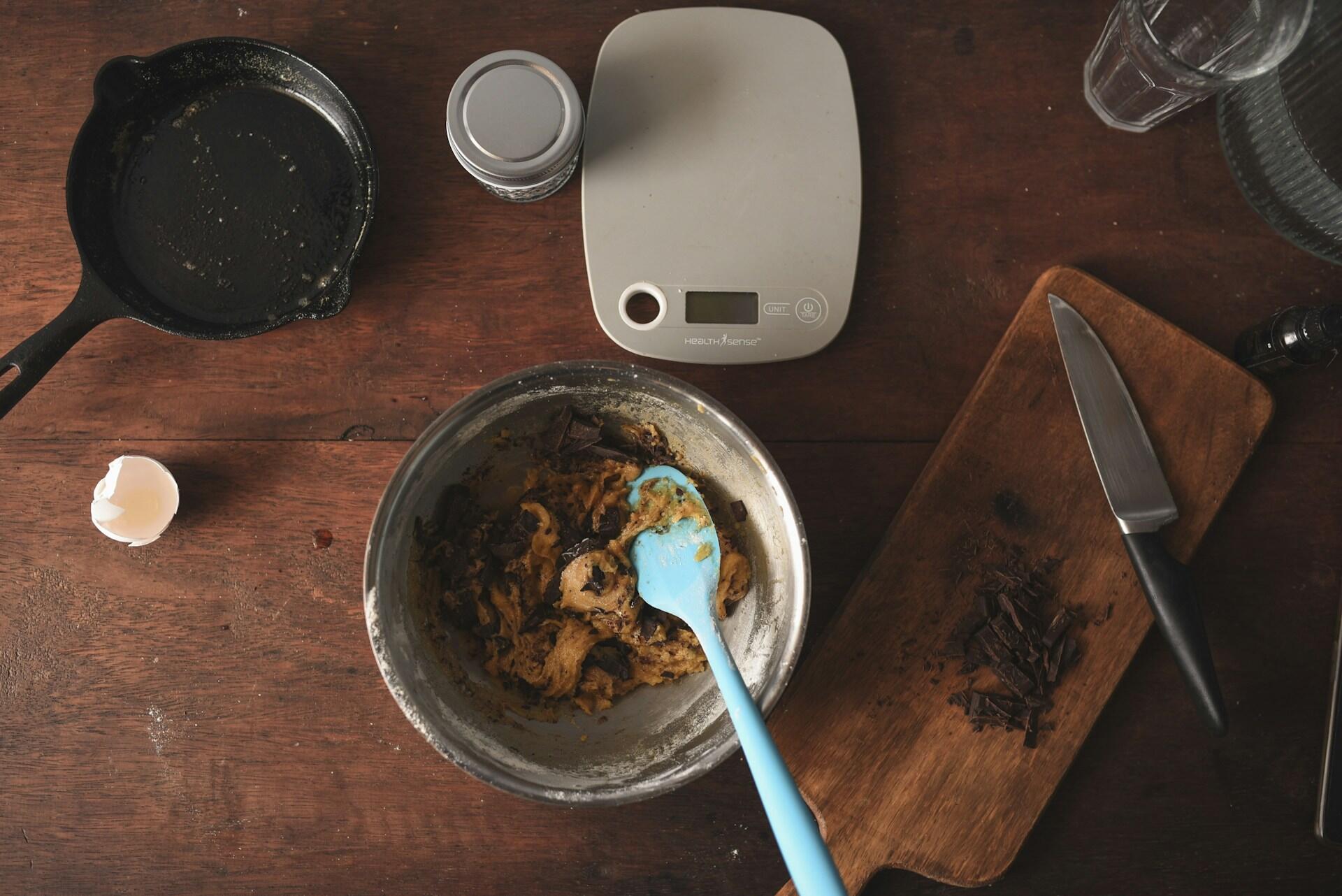
Must-Have Ingredients for Beginner Bakers
When it comes to creating pastries, there are some staple items that beginners must have in their kitchen pantry. These are some of the basics required in almost every recipe, so whether you suddenly crave brownies on a Wednesday afternoon or want to whip up a simple cake, you won’t have to worry about missing anything.
Now, let’s take a look at the must-have item to keep from running out!
- Flour: Any type, depending on your preference – whole wheat, all-purpose, cake flour, oats or almond flours. Ensure your pantry is well-stocked with the flours you’ll use regularly to prepare your preferred pastries.
- Baking powder: This leavening agent is essential for most baked treats, helping them rise and become light and fluffy in the oven.
- Baking soda: A leavening agent that reacts with acidic components such as buttermilk or yoghurt, helping mixtures expand during heating.
- Butter: Always keep an unsalted butter on hand so you can control the salt content in your treat. Keep some backup in the freezer.
- Sugar: No treats can be done without this hero ingredient. Keep granulated, brown, or powdered varieties on hand. Keep substitutes if you’re managing diabetes, watching your calorie intake, or seeking healthier options such as stevia, monk fruit, or applesauce/fruit purees.
- Vanilla: Most treats require this ingredient. Keep a high-quality pure vanilla extract to ensure an excellent flavour.
- Eggs: This goes without saying. We use this almost every day. Just ensure it never runs out. If you’re a vegan, keep egg alternatives in your pantry.
- Milk: Whole milk is commonly used in most treats, so it’s good to keep it on hand. For vegans or those avoiding dairy, plant-based alternatives such as almond, soy, or oat milk work just as well.
- Chocolate: This includes all types – unsweetened, semisweet, dark, white, as well as chocolate chips, bars, and cocoa powder.
- Nuts: It’ll be helpful to keep some mixed nuts in your pantry, including pecans, walnuts, almonds, hazelnuts, cashews, pistachios or nuts of your choice. Keep them in the fridge or freezer to maintain freshness.
- Spices: Some treats, for instance, carrot cake or banana bread, use spices such as cinnamon and nutmeg. Keep these spices in your kitchen drawer if you know you’ll be making more pastries with them.
- Yeast: This is a must-have if you’re a bread baker. Active dry yeast or instant yeast is often used to bake a fresh loaf. Store it in the freezer to maintain its freshness.
- Salt: This goes without saying. Your regular table salt works well. Sometimes, sea salt is used as a finishing touch.
If you’re looking for a little guidance, this guide will help you get started on your dessert-making journey.
Baking may be regarded as a science, but it's the chemistry between the ingredients and the cook that gives desserts life. Baking is done out of love, to share with family, to see them smile.
Anna Olson
Fundamental Baking Techniques
Mastering the basics is the key to becoming a confident baker. Understanding measurement, mixing, dough consistency, and baking times can significantly influence the final outcome.
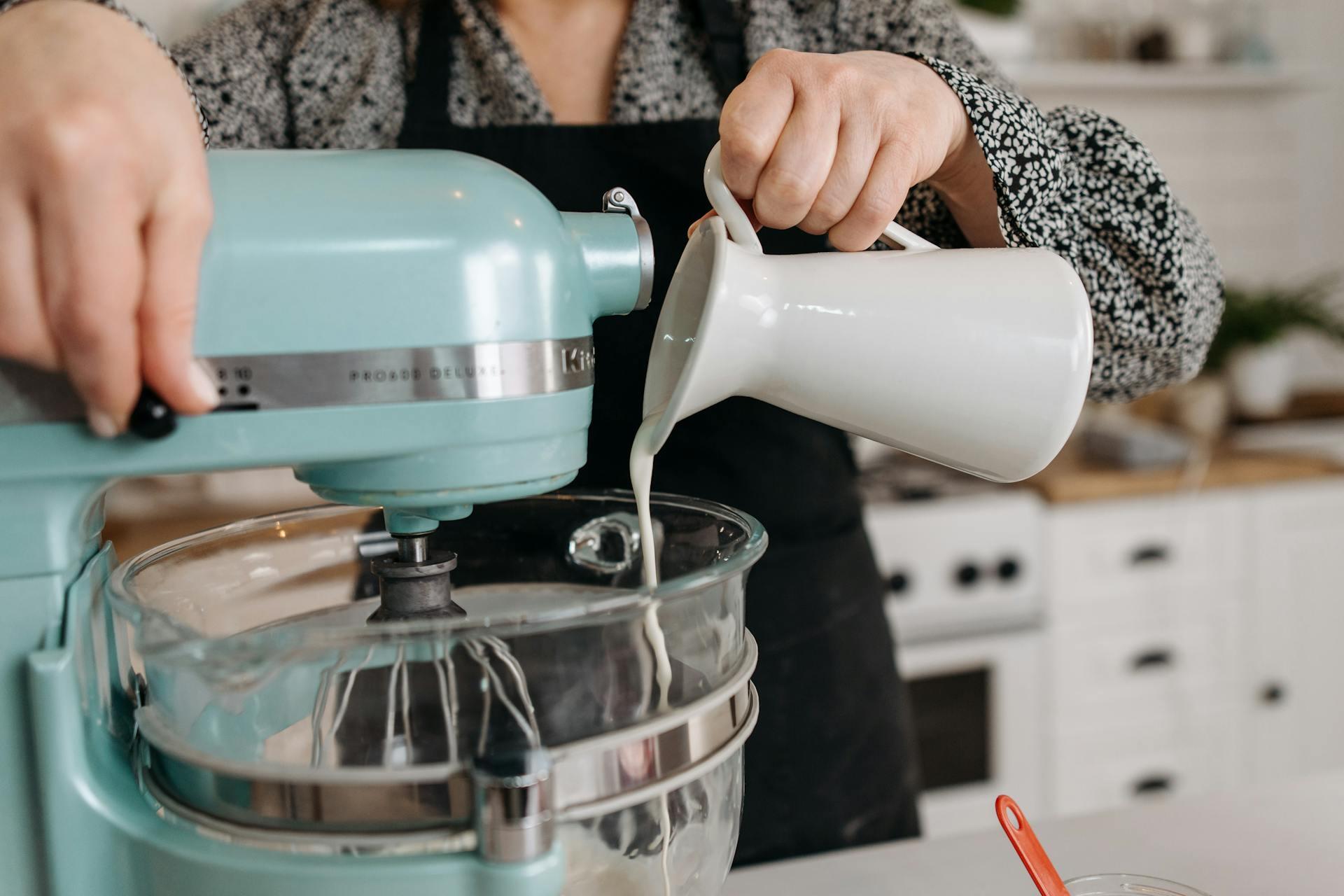
Key Techniques & Methods
- Beating: Mix items quickly to achieve a smooth and airy texture, giving your creations a light, fluffy consistency.
- Blending: Mix two or more items until they are evenly distributed.
- Creaming: Beat softened butter and sugar together to create a light, airy mixture, which helps cakes and cookies turn tender and fluffy.
- Cutting: Incorporate solid fats into dry items to create small lumps, which melt during baking and give pastries a flaky texture.
- Folding: A gentle method to combine light items such as whipped eggs or cream into a thicker mixture without losing air, creating a light, airy texture.
- Kneading: Working dough to develop gluten for structure in breads and yeast-based products.
Sifting: Pass dry items, namely flour and powdered sugar, to remove lumps and add lightness. - Stirring: Gently mix items until evenly combined without adding too much air.
- Whipping: Beat items vigorously to incorporate air, making them light and fluffy.
Baking Temperatures and Times
Even the top recipes can fail if your oven isn’t properly managed:
- Preheat your oven – Always allow the oven to reach the desired temperature. Look for the temperature details in the recipe you’re following.
- Have an oven thermometer – Many ovens have inaccurate readings; a thermometer ensures precise temperature.
- Follow baking times as a guide – Check for doneness visually. For cakes, insert a toothpick: it should come out clean or with just a few crumbs. For bread or cookies, look for golden-brown edges and a slightly soft and shiny centre.
- Rotate pans if needed – For even baking, especially in older ovens, rotate trays halfway through the baking time.
Ever wondered what the utensils are that will help you achieve the desired results? Here are some of the utensils you must have as a beginner!
Beginner-Friendly Baking Recipes
To get started, keep things simple. Follow the instructions carefully for the desired results. Here are some suggestions for beginners.
Classic Pound Cake
The pound cake is one of the simplest treats around. You just need to take equal quantities of eggs, butter, sugar, and flour, usually a pound of each, hence the name.
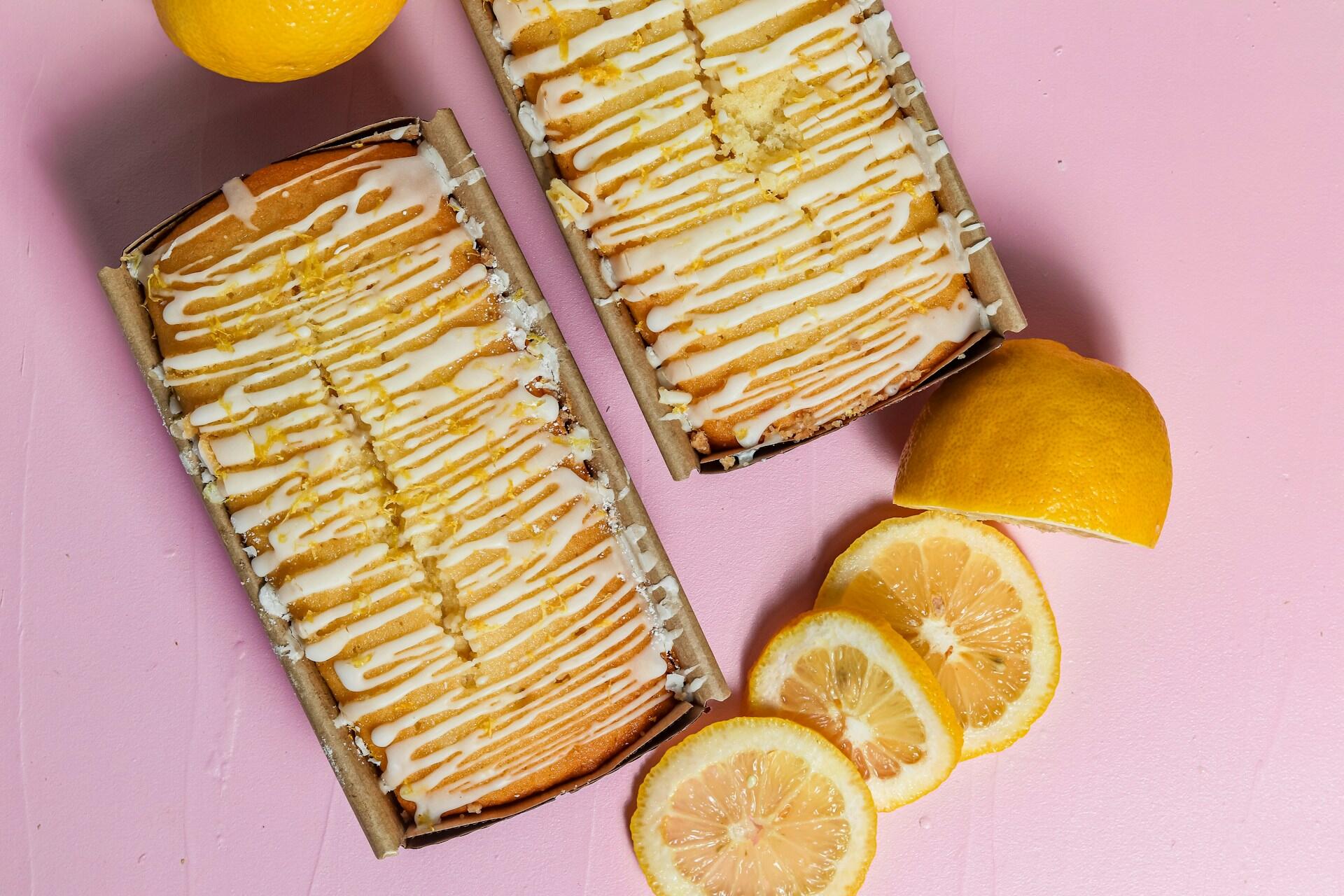
Here is what you’ll require:
- 3 eggs.
- The same weight in butter.
- The same weight in sugar.
- The same weight of flour.
- A pinch of salt.
- Vanilla extract.
- The zest of 1 lemon.
This recipe is great for your first foray into the world of pastry creation.
Decadent Chocolate Mousse
A chocolate mousse is a great way to get started with pastry creation. Follow each step carefully for the desired results. Here is what you’ll require:
- 3 eggs.
- 100 grams of dark or milk chocolate.
- 1 sachet of vanilla sugar.
Start by separating the egg whites from the yolks while melting the chocolate in a bain-marie. Then mix the egg yolks and sugar into the chocolate off the heat. Beat the egg whites and then delicately add them to the chocolate mix. Pour the mix into glasses and leave it in the fridge for at least 2 hours. Voila!
Homemade Fruit Jam
Set aside at least two hours to create a homemade fruit jam.. This isn’t a complicated recipe if you follow the instructions. Here is what you’ll require:
- 1.5kg of fruit
- 1.5kg of sugar
- 1 sachet of gelatine
You can choose the fruit you prefer, from apricot to mango or even citrus fruits or rhubarb. Start by blending the fruit and mixing in the sugar. Then mix the gelatine into two tablespoons of sugar. Boil the fruit mixture and after three minutes, add the gelatine-sugar mixture.
Then fill the pots and close them immediately. Let them sit for two days before you taste them.
Check out this article for more simple sweet treat ideas for beginners!
Troubleshooting Common Baking Issues
Do you struggle with your cakes not rising every time you bake? Below is a quick reference table to help you fix common problems when making sweet treats. Follow these tips to ensure your baked goods turn out perfectly every time.
| Problem | Likely cause | How to fix/tips |
|---|---|---|
| Cakes sink in the middle | Overmixing batter, wrong oven temperature, too much baking powder or baking soda | Use the right ingredients, follow the recipe precisely, preheat the oven, avoid overmixing, and measure baking powder/baking soda accurately. |
| Cakes are dry or crumbly | Overbaking, too little fat, or inaccurate flour measurement | Check oven temperature with a thermometer, make sure to use the correct amount of butter or oil, measure ingredients properly, and reduce baking time slightly if needed. |
| The cookies spread too much | Too much butter or sugar, oven too hot, or wrong | Chill the dough before baking, or freeze cookie dough if needed, use proper cookie baking pans, and check oven settings. |
| Cookies are hard | Overbaked, too little fat, or overmixing | Bake for less time, make sure to use the right fats, mix until just combined, and store cookies in airtight containers. |
| Bread won’t rise | Old yeast, incorrect baking ingredients, low humidity, or overproofing | Use fresh yeast, follow baking recipes carefully, maintain a warm environment for proofing, check vital wheat gluten if using gluten-free bread, and avoid overproofing. |
| Bread dense | Too much flour, not kneaded properly, or too short baking time | Measure ingredients correctly, knead dough until smooth, use proper baking tools, and bake until fully cooked inside. |
| The bread crust is too hard | Too high oven temperature or overbaked | Reduce oven heat slightly, check baked goods periodically, and try placing a pan of water in the oven for moisture. |
Watch the video below to discover some common errors:
Expanding Your Baking Knowledge
Creating pastries can be challenging for beginners, especially if you’ve never cooked before. Fortunately for you, we’ve got some advice.
Recommended Baking Books
As you begin your crumbs-filled journey into the world of homemade treats, these books are wonderful companions to help you learn, practise, and grow.
1. Books for baking loaf-making:
- Mastering Bread: The Art and Practice
- The Bread Baker's Apprentice by Peter Reinhart
- The Bread Bible by Rose Levy Beranbaum
- Bread Baking for Beginners by Bonnie Ohara
2. Other baking books:
- The Baking Bible by Rose Levy Beranbaum
- Great British Bake Off: How to Bake by Linda Collister
- Baking and the Meaning of Life" by Helen Goh
- On Baking: A Textbook of Baking and Pastry Fundamentals by Sarah R. Labenskey et al
- French Patisserie by The Ferrandi Paris pastry school
Attending Baking Workshops and Classes
These days, there are many workshops and classes held both online and face-to-face. Experienced bakers are now sharing their techniques, tips and the correct handling of the utensils with fellow pastry lovers, helping them try their hands at their favourite treats with confidence.
You can find these classes here on Superprof as well. With over 6,000 verified tutors ready to impart their knowledge and help you become a great baker. You can scroll through their profiles and choose someone who matches your learning goal. Classes start at an average of RM49/h, and many tutors offer a free first session so you can try before committing.
So, what are you waiting for? Roll up your sleeves and dust the dough!
Summarise with AI:
Did you like this article? Leave a rating!

 Loading...