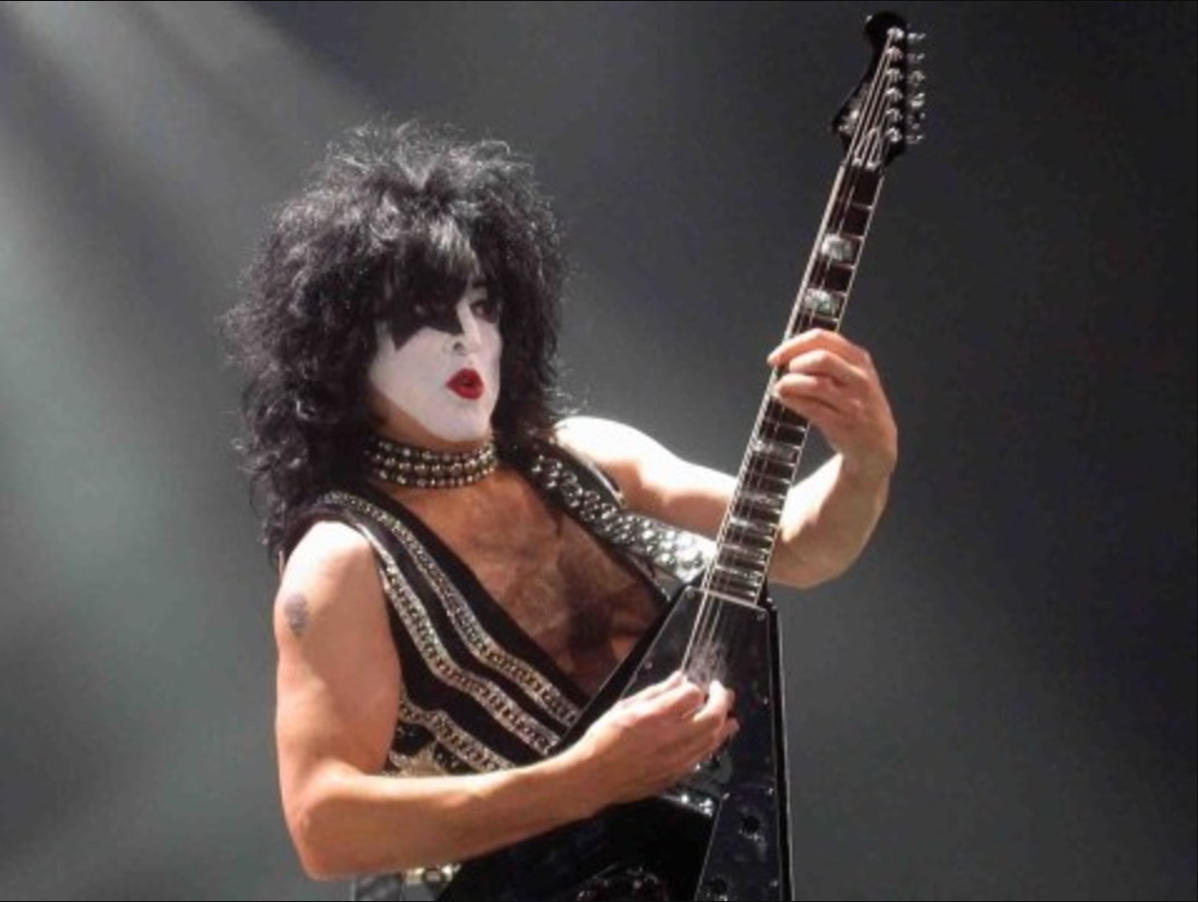

The moment you decide to learn the guitar, you step into a world shaped by countless legends who’ve redefined music across generations. From soulful blues to electrifying rock, intricate classical pieces to laid-back folk and funk grooves, every genre has its own icons who’ve inspired millions to pick up the instrument.
It’s no surprise that discussions about the greatest guitarists of all time often spark passionate debate. After all, everyone has their own musical hero, and their reasons for choosing them. Some value technical brilliance and speed, others admire creativity, tone, or emotional depth. For a few, it’s the ability to connect with audiences worldwide that truly defines greatness.
Names like Jimi Hendrix, Eric Clapton, B.B. King, Stevie Ray Vaughan, Robert Johnson, Django Reinhardt, Jimmy Page, Slash, and John Frusciante continue to resonate through every riff and solo that echoes today. Each of them brought something unique, innovation, feeling, and a distinct voice that changed the way we experience music.
Compiling a top 10 list of guitarists is no easy task. It’s influenced by personal taste, genre preference, and even the era in which one grew up. Yet, what remains certain is that these musicians — whether blues pioneers or modern rock icons- have all contributed immensely to the story of the guitar, inspiring new generations to learn to play guitar for beginners and follow in their musical footsteps.



How Do We Define the Greatest Guitarists?
Defining what makes a great guitarist is never simple, after all, how can one fairly compare a soulful acoustic fingerstyle player to a rock virtuoso, or a jazz improviser to a rhythm guitarist who holds a band together with effortless groove? Each of them contributes something invaluable to the music landscape.
Much like naming the best albums or vocalists of all time, ranking guitarists means weighing completely different skills: technique, tone, improvisation, creativity, stage presence, and emotional connection. No two artists share the same blend of these qualities, which is what makes music such a personal and fascinating art form.
Understanding What Makes Music “Good”
Before deciding who the best players are, it’s worth reflecting on a bigger question: what actually makes music good?
Across genres and cultures, certain patterns, harmonies, and emotions connect with listeners in ways science still strives to explain. Researchers at institutions such as the University of Cambridge and the Berklee College of Music have shown that musical enjoyment often comes from how sounds trigger emotional and neurological responses. To understand where this deep connection began, explore the origins of the guitar and how the instrument’s evolution has shaped the emotional language of music across centuries.
In simpler terms, good music makes us feel something real, and that’s where great musicians stand out.
Passion Beyond Popularity
It’s true that music is also an industry. Artists today can study listener trends through analytics, social media insights, and streaming data. But beyond the business, the greatest musicians, including guitarists, are those who continue to play out of love, not merely for recognition.
They create music to:
- Tell stories that resonate across languages and cultures.
- Express emotion that words alone can’t capture.
- Connect with listeners, building shared experiences through sound.
- Inspire others, especially young learners picking up their first guitar.
Even for world-famous artists, sustaining that authenticity for decades is no easy feat. Fame may open doors, but passion keeps them playing.
What Truly Defines a Great Guitarist?
When discussing the greatest guitarists, the goal isn’t just to celebrate technical perfection; it’s about acknowledging musicians who’ve shaped the way people feel, learn, and think about the guitar.
A truly great guitarist often embodies:
- Musicality: The ability to arrange sounds with intention and emotion, turning notes into stories.
- Consistency: Years of dedication to mastering the craft while evolving with time.
- Influence: Inspiring others, from global fans to local music teachers, to pick up the instrument.
- Connection: A genuine bond with audiences, whether in small jam sessions or massive stadiums.
- Character: A stage presence and artistic identity that extends beyond fame or charts.
These qualities transcend genre, geography, and generation, from Kuala Lumpur’s street musicians to international icons.
Why They Continue to Matter
The guitarists who appear on our list have spent years, even decades, shaping modern music. They have balanced artistry with accessibility, creativity with discipline, and individuality with collaboration.
Their legacy doesn’t just lie in sold-out tours or hit singles, but in their ability to keep the human spirit of music alive, to make people dream, dance, and feel.
And perhaps that’s the ultimate measure of greatness: not how many notes they play, but how many hearts they touch. True mastery lies in expressing emotion through sound, something every musician discovers when learning how to play different guitar styles and finding their unique musical voice.
Best Guitarists of All Time
We’ve explored nearly a century of music history to present our selection of the top 10 greatest guitarists the world has ever known.
Of course, rankings like these are inherently subjective, so set aside your preconceived ideas, open your mind (and your ears), and simply enjoy revisiting the icons who shaped the sound of modern music.
1. Jimi Hendrix
When it comes to guitar legends, Jimi Hendrix stands unmatched. A self-taught pioneer of rock and blues, he transformed the instrument through his inventive use of tone, distortion, and feedback, shaping the sound of modern music.
Known for classics such as “Voodoo Child (Slight Return)” and “Purple Haze,” Hendrix fused rhythm and melody with remarkable precision. His ability to blend thumb-driven basslines with expressive solos gave his music a depth few could match.
A proud left-handed guitarist, he famously reversed his Fender Stratocaster to suit his playing style, proving that creativity knows no limits. Although his career was brief, ending at just 27, his influence continues to inspire guitarists across generations. Hendrix remains a timeless symbol of musical freedom and innovation.
2. Eric Clapton
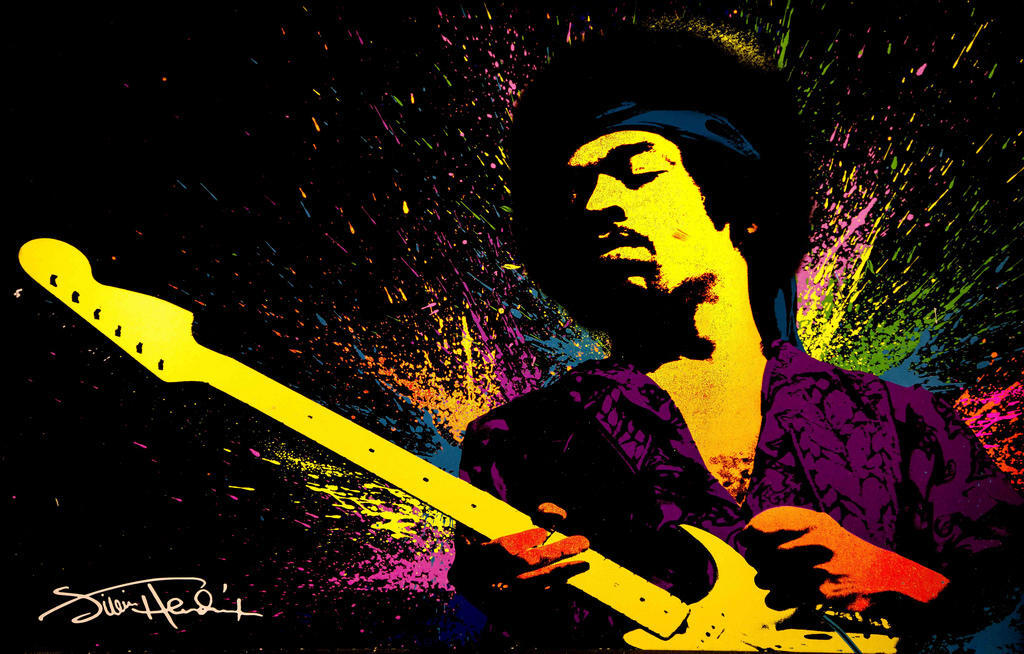
Often hailed by fans as “Slowhand,” Eric Clapton is one of the most respected and enduring figures in rock and blues. For more than five decades, this British musician has pushed creative boundaries while maintaining a distinctive and soulful sound.
From timeless hits like “Cocaine,” “Layla,” and “Wonderful Tonight,” to his moving acoustic rendition of “Tears in Heaven,” Clapton’s music showcases both emotional depth and technical brilliance. His versatility spans from fiery electric solos to heartfelt unplugged performances.
As a member of The Yardbirds and Cream, and through collaborations with artists such as Phil Collins, Clapton helped define the sound of modern blues-rock. His trademark fluidity, subtle vibrato, and expressive tone have influenced generations of guitarists.
Now in his seventies, Clapton continues to perform live, proving that genuine artistry transcends time. His music remains a benchmark for anyone learning or teaching the guitar, blending skill, emotion, and timeless appeal. For aspiring musicians, exploring commonly held beliefs about the guitar can offer valuable insight into breaking misconceptions and developing a more authentic playing style.
3. Jimmy Page
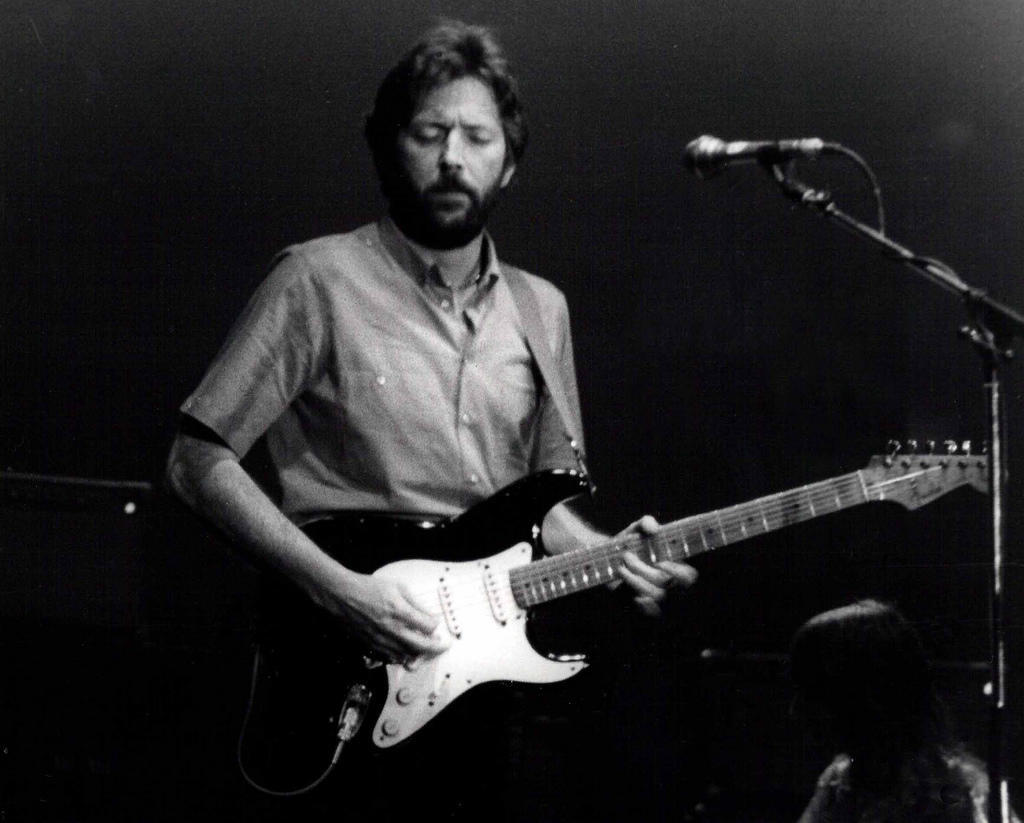
A founding member of Led Zeppelin, Jimmy Page remains one of the most influential and inventive guitarists in music history. Nicknamed “The Wizard,” he blended blues, rock, and folk with extraordinary creativity, often experimenting with new sounds and techniques.
Page’s legendary riffs and solos on tracks such as “Stairway to Heaven,” “Whole Lotta Love,” “Black Dog,” and “Since I’ve Been Loving You” have become essential study pieces for guitarists worldwide. His use of the violin bow on the guitar and innovative recording methods redefined what the instrument could achieve.
More than a performer, Page was a true visionary whose music could transport listeners into another world. His technical mastery, songwriting genius, and fearless experimentation continue to inspire generations of guitarists and shape the sound of rock to this day.
4. Robert Johnson
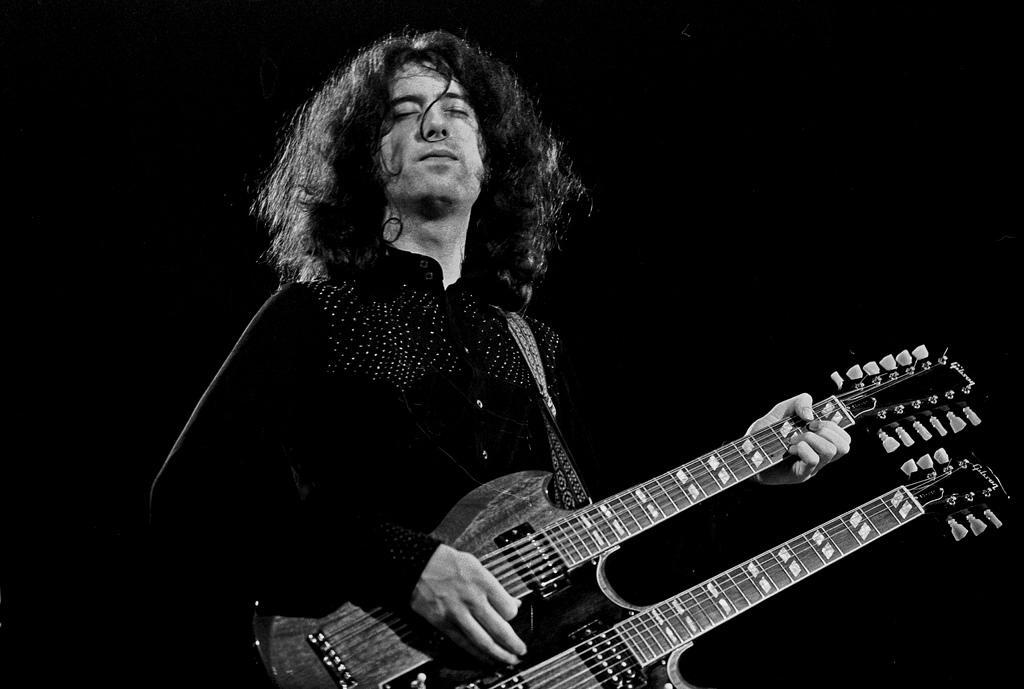
With fewer than 30 recorded songs, Robert Johnson changed the course of blues and rock music forever. His haunting voice, intricate fingerpicking, and emotive storytelling shaped the foundation of modern guitar playing.
Though surrounded by legend, including tales of him “selling his soul” for talent, Johnson’s influence is undeniable. His recordings, such as “Cross Road Blues” and “Sweet Home Chicago,” became cornerstones of blues history and inspired countless rock musicians, from Eric Clapton to Keith Richards.
Despite his mysterious life and early death, Johnson’s legacy endures. He remains a symbol of raw musical expression and the timeless connection between the guitar and the human spirit. Explore benefits of playing guitar, from emotional release and creativity to personal growth and connection through music.
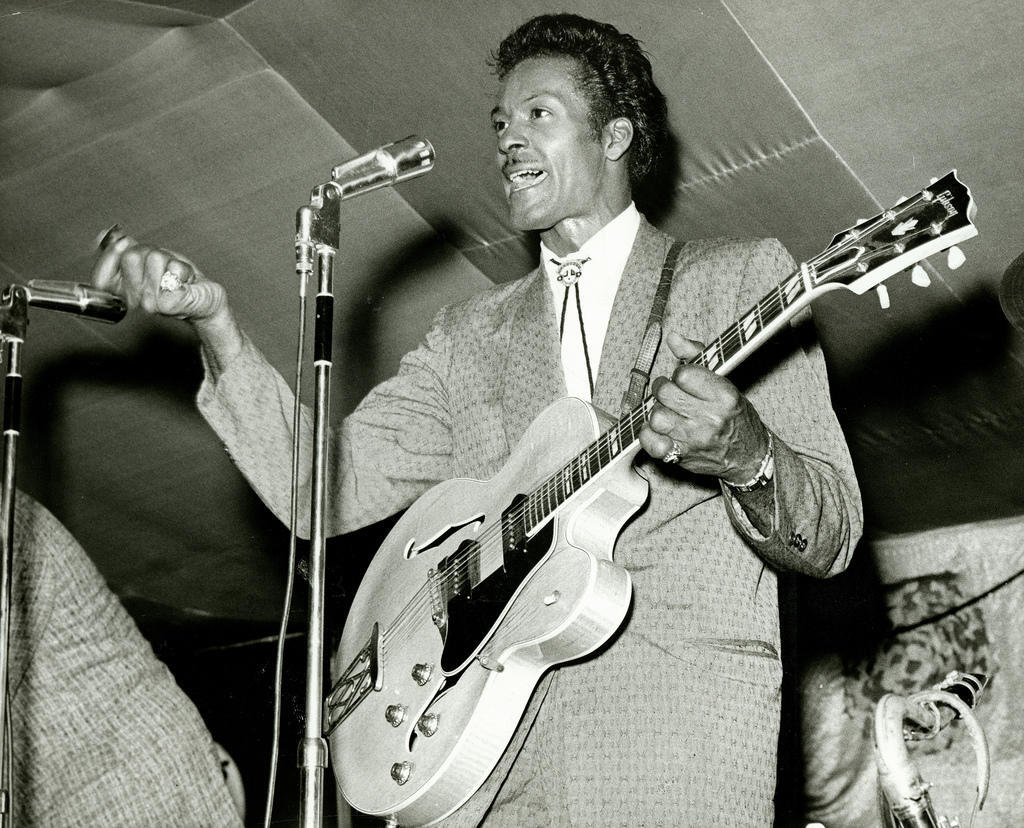
5. Chuck Berry
Often called the father of rock and roll, Chuck Berry brought energy, showmanship, and innovation to the stage. A gifted guitarist, singer, and songwriter, he fused blues and country influences to create a sound that would define an entire generation.
Songs like “Johnny B. Goode,” “Roll Over Beethoven,” and “Maybellene” introduced a rhythmic, storytelling style that influenced artists from Elvis Presley to The Beatles. Berry’s signature guitar intros and confident stage presence became the blueprint for modern rock performance.
Though his career had its ups and downs, his musical impact remains unmatched. Chuck Berry’s sound laid the groundwork for rock music as we know it today, making him one of the most important guitarists in history.
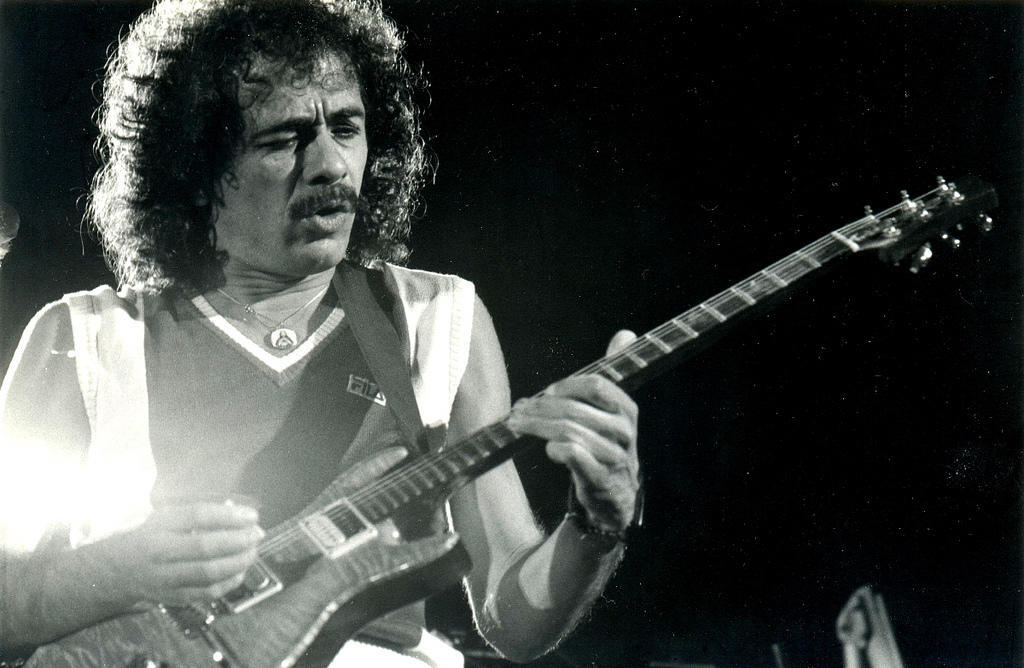
6. Carlos Santana
Mexican-born Carlos Santana is a trailblazer in world music, known for blending rock, blues, Latin rhythms, and jazz into a sound entirely his own. Often described as a genius of musical fusion, Santana’s playing is instantly recognisable for its smooth tone, lyrical phrasing, and expressive emotion.
Songs such as “Europa” and “Smooth” showcase his signature warm, sustained notes and effortless rhythm. His music often carries messages of peace, unity, and compassion, reflecting his belief that music can heal and connect people across cultures.
Throughout his career, Santana has collaborated with a wide range of artists, constantly reinventing his sound while staying true to his Latin roots. Few guitarists can be identified from a single note, but Santana’s unmistakable tone makes him one of the most distinctive and inspiring musicians in the world. His ability to channel emotion through music also highlights the powerful connection between guitar playing and health & wellbeing, proving that music can nurture both the mind and the soul.
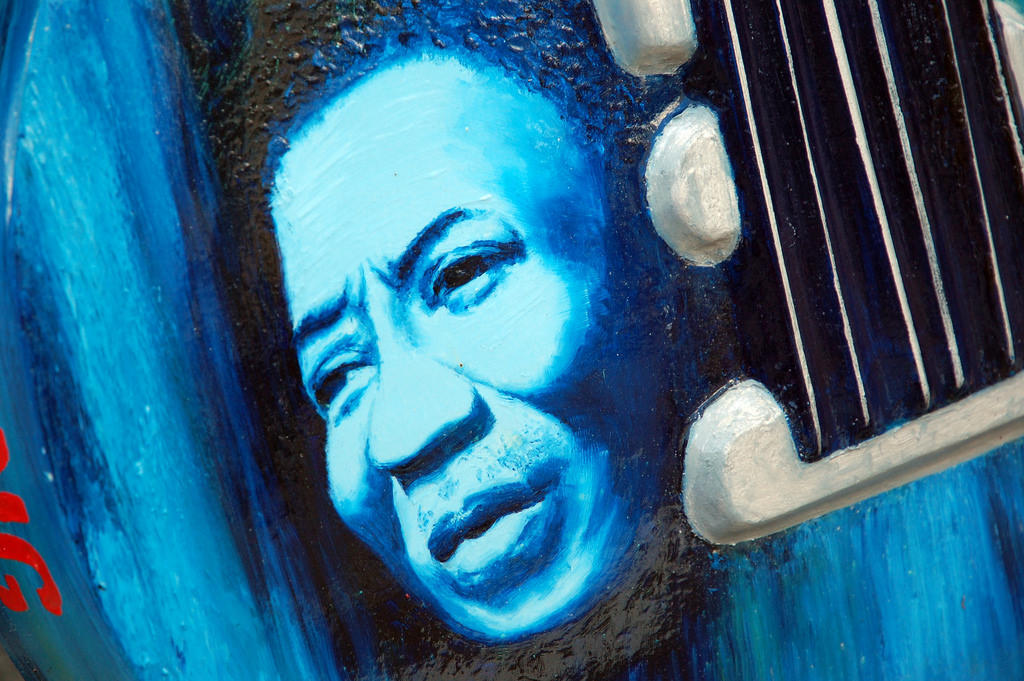
7. Muddy Waters
Known as “The Lord of the Blues,” Muddy Waters was one of the most influential figures in shaping modern music. He popularised the bottleneck slide technique and brought raw Mississippi blues to a wider audience, bridging the gap between acoustic tradition and electric innovation.
With classics like “Hoochie Coochie Man” and “Rollin’ Stone,” Muddy’s deep voice and expressive guitar style defined the Chicago blues sound and inspired generations of artists, from B.B. King to The Rolling Stones (who took their name from his song).
His mastery of rhythm, emotion, and storytelling earned him a permanent place among the greatest guitarists of all time. Muddy Waters didn’t just play the blues; he was the blues.
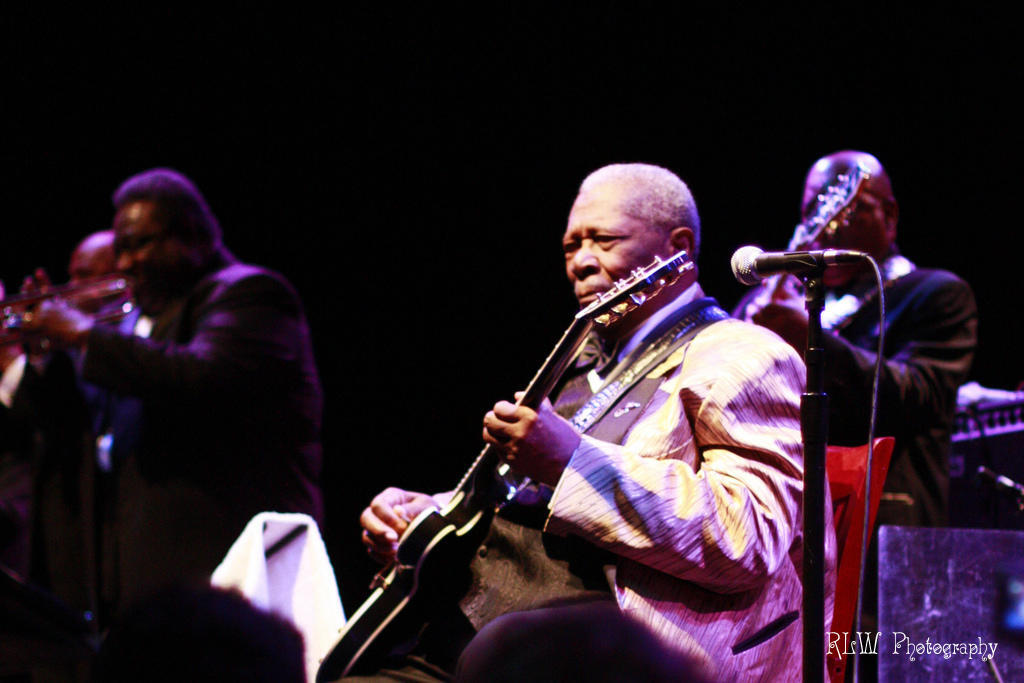
8. BB King
Known as the master of New Orleans blues, B.B. (Blues Boy) King remains one of the most influential guitarists in history. His expressive vibrato, soulful phrasing, and emotional depth transformed the blues into a universal language.
Though not as technical as players like Stevie Ray Vaughan, King’s genius lay in his ability to say more with a single note than others could with a flurry of scales. His timeless songs, including “Sweet Little Angel” and “Sweet Sixteen,” blend his rich, heartfelt voice with a guitar tone that feels alive and personal.
His inimitable touch and phrasing inspired generations of musicians, from Eric Clapton to Jimi Hendrix, proving that true mastery comes not from speed or complexity, but from emotion, restraint, and soul.
9, Keith Richards
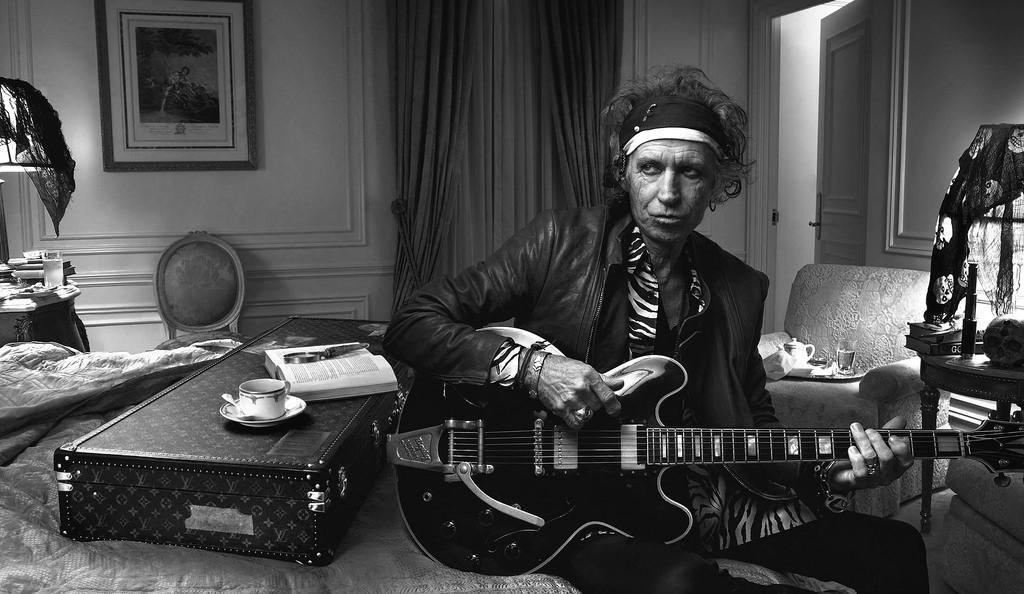
A founding member of The Rolling Stones, Keith Richards is a rock icon whose riffs shaped the sound of an era. Known as “The Human Riff,” Richards isn’t celebrated for dazzling solos, but for his unmistakable rhythm, feel, and raw authenticity.
Favouring simplicity over flash, he famously said it’s better to have “two notes that kill than virtuosity for nothing.” His distinctive open-G tuning on a five-string guitar gave rise to some of rock’s most memorable sounds, dark, gritty, and full of swagger.
Richards co-wrote countless rock classics such as “(I Can’t Get No) Satisfaction,” “Jumpin’ Jack Flash,” and “Paint It Black.” His relentless pursuit of tone and texture, combined with his rebellious spirit, cemented his status as one of the greatest rhythm guitarists of all time.
10. Eddie Van Halen
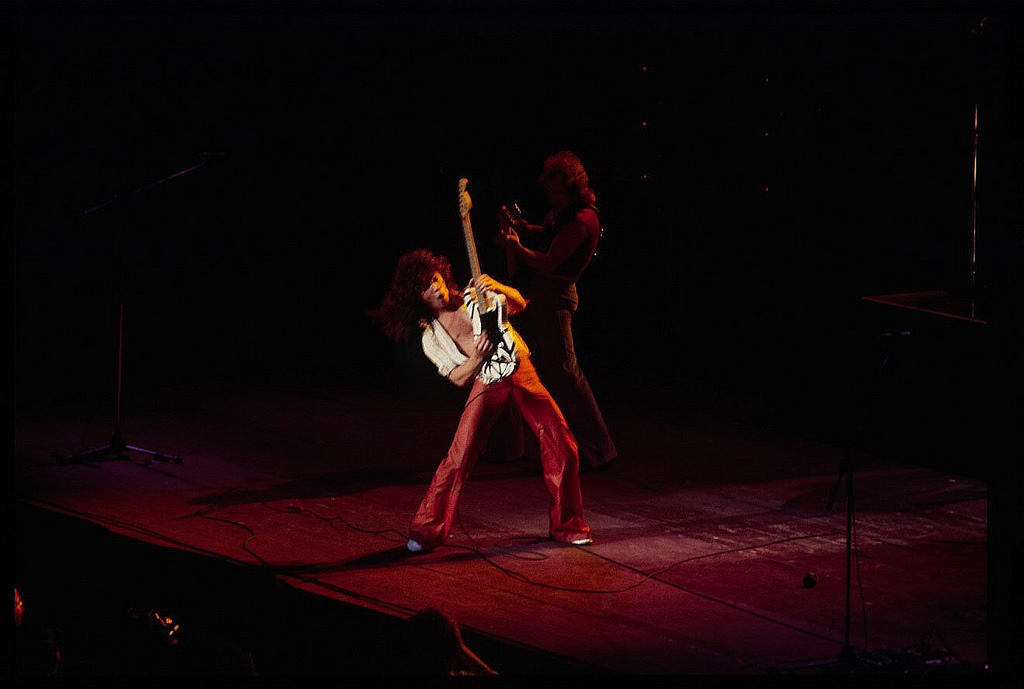
For many musicians, there is a clear before and after Van Halen. He revolutionised the way the electric guitar was played in just one minute and forty-two seconds, the length of his legendary solo “Eruption.”
With only his guitar and ten fingers, Van Halen created sounds that seemed impossible, making listeners believe an entire band was performing. His groundbreaking tapping technique and lightning-fast precision redefined rock guitar forever.
Nicknamed “Superman,” Eddie Van Halen’s mastery, energy, and innovation continue to inspire guitarists around the world. He did not just play the guitar; he transformed what the instrument could be.
Honourable Mentions to Other Legendary Guitarists
Buddy Guy
A major influence on Eric Clapton, Jimi Hendrix, and Stevie Ray Vaughan, Buddy Guy shaped modern blues. A former member of Muddy Waters’ band, he signed with Chess Records and brought a fiery, modern edge to traditional blues. His tracks like “Howlin’ Wolf,” “Killing Floor,” and “Wang Dang Doodle” showcased his raw energy and unmistakable Louisiana flair.

Kirk Hammett
Kirk Lee Hammett has been a guitarist and songwriter in the iconic heavy metal group Metallica since 1983.
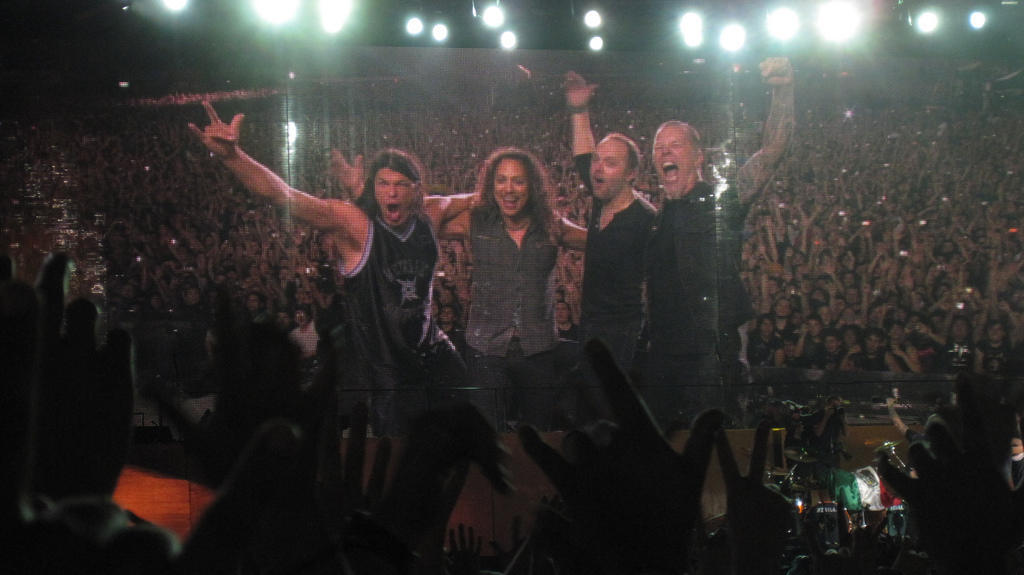
In 2003, Hammett was ranked 11th in the Rolling Stone list of the 100 greatest guitarists of all time.
And in 2009, Hammett was ranked number 15 in Joel McIver’s book on the 100 greatest Metal guitarists.
Tom Morello
Thomas Baptiste “Tom” Morello is a singer-songwriter and political activist. He’s especially known for playing with the groups Rage Against the Machine and Audioslave.
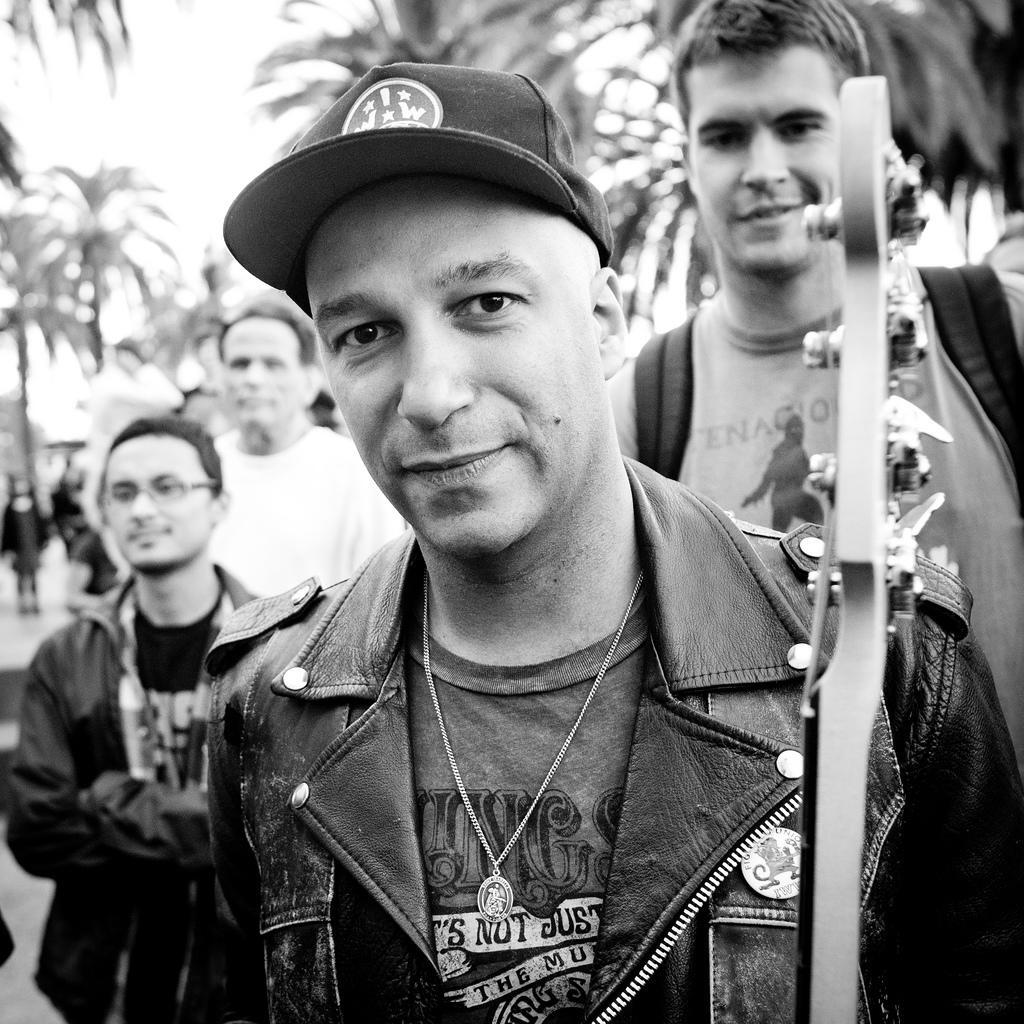
Morello was also a touring musician with Bruce Springsteen and the E Street Band. He was well known for his acoustic solo “The Nightwatchman” and “Street Sweeper Social Club.”
Pioneer of rap metal, he explored the musical potential of the guitar, integrating mixing and hip hop.
John Mayer
Criticised after his first televised concerts in 2001, John Mayer was perceived by many as just one of those artist-composers who make music for lovelorn adolescents.
Although his first album was quickly forgotten, Mayer’s unconditional love of the blues helped his career take a completely different turn…

Notably, he appeared at Eric Clapton’s Crossroads Guitar Festival in 2004, at which time he introduced his song “City Love” with an incredible blues solo inspired by Jimi Hendrix’s “Machine Gun.”
His music blends technique and emotion, with his thumb subtly touching the lowest string to enrich each note, a hallmark that places him among the greatest blues musicians. For those who want to get a better idea of his talent, listen to the album “Try” with bassist Pino Palladino and drummer Steve Jordan. Grab those headphones and discover how a good guitarist can earn money by combining technical mastery with authentic musical feeling.
Jack White
Despite often being considered a purist of vintage blues, Jack White is not one to show off technical effects. In fact, you may be shocked to see him in this category. But it’s largely thanks to his guitar talent that his group, The White Stripes, has made a name for itself in blues rock (You heard that right!).
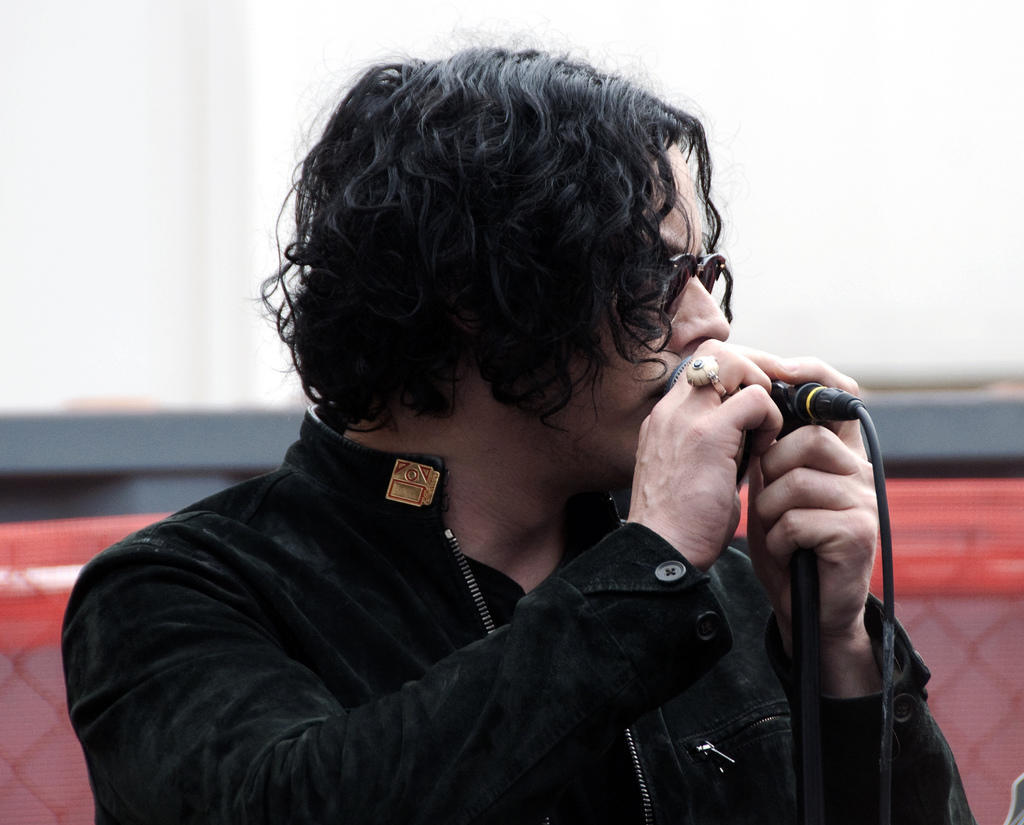
Oh yes, The White Stripes is a blues group. By covering the songs “Stop Breaking Down” by Robert Johnson or even “St. James Infirmary Blues” with his classical guitar on their first album, his listeners are able to revisit the history of blues music.
The Top 'World Music' Guitarists
Bombino du Niger
Marked by the conflicts in his native country of Agadez in Niger, his numerous trips into exile, and his Tuareg culture, Bambino du Niger is an absolutely unique guitarist on the musical stage.
While some might classify him under the genre “World Music”, the sacredness of Bambino du Niger’s guitar bars him from entering any musical category.
Forced to flee in 1990 during his childhood, this Tuareg artist-guitarist has known persecution and governmental oppression. This included the prohibition of the string instrument, which came to be considered a symbol of resistance for the Tuareg culture.
Despite the loss of some members of his group (who were killed), Bombino du Niger continues to promote unity and social togetherness at concerts and festivals.
His music, which draws on traditional Tuareg instruments and a mastery of the guitar, oscillates between sadness and joy.
Paco de Lucía

Eyes closed and head thrashing about, with hands that pivot on guitar strings with a rare dexterity that pianists would be jealous of, vibrating to melodies that transport you to another place… It’s none other than Francisco Gustavo Sánchez Gomez, aka Paco de Lucia.
Unanimously recognised as one of the greats since his first studio album came out, the Andalusian guitarist has left his musical imprint on the history of flamenco.
Although he’s won awards since the age of 14, Paco de Lucía’s music became more perfect with time. This guitarist from the South of Spain contributed to the modernisation of traditional flamenco while never straying far from its noble notes.
Influenced by the United States, where he often played during his musical career, Lucía’s music is enriched with influences of jazz and diverse musical currents, which is evident in pieces such as “Entre Dos Aguas” and “Rio Ancho.”
The atypical trajectory of this Andalusian guitarist is also due to his musical upbringing, initiated by his father, who taught him to play the 6-string instrument alongside his brothers Ramón de Algeciras and the flamenco singer Pepe de Lucía.
While you can learn more about his life by watching a cinematographic documentary that appeared just after his death in 2014, it’s through his music that one can best perceive (or hear) his genius on the flamenco guitar.
Today, this flamenco virtuoso counts among the eternal legends. And we are not just saying that because after the official mourning was decreed by the mayor of his native city, Google depicted the icon as a “Doodle.”
Top 30 Award-Winning Guitarists Who Shaped Music History
From the smoky blues clubs of Mississippi to the raucous stadiums of rock’s greatest bands, the guitar has been shaped by musicians whose creativity and achievement set them apart. This list honours fifty guitarists who not only mastered their instruments but also earned major recognition, whether via awards, breakthrough albums, or lasting influence on other artists. Among these are legends whose names are familiar worldwide, and a selection of Malaysian guitarists whose local achievements deserve our attention. Their stories remind us that while technique and style differ, the true mark of greatness lies in connecting with audiences, inspiring peers, and leaving a legacy that continues to ripple through time.
| Guitarist | Career Start | Major Awards & Year(s) | Key Achievements / Notes |
|---|---|---|---|
| Jimi Hendrix | 1962–1967 | Rock & Roll Hall of Fame (1992); Posthumous honours | Pioneered electric guitar tone, feedback and studio effects; classics like 'Purple Haze'. |
| Eric Clapton | 1963–1968 | 18 Grammy Awards; Brit Award; CBE (2004) | Key blues-rock figure; albums 'Slowhand' and 'Unplugged'. |
| Jimmy Page | 1960s | Rock & Roll Hall of Fame (Led Zeppelin) | Led Zeppelin co-founder; iconic riffs in 'Stairway to Heaven'. |
| Robert Johnson | 1920s–1938 | Rock Hall induction (1986) | Delta blues pioneer; songs 'Cross Road Blues', 'Sweet Home Chicago'. |
| B.B. King | 1940s–1950s | Multiple Grammys; Lifetime Achievement (1987) | Blues icon; famous for 'The Thrill Is Gone'. |
| Carlos Santana | 1966–1969 | 10 Grammys; 3 Latin Grammys; Album of the Year (2000) | Blended rock, Latin and jazz; hit album 'Supernatural'. |
| Muddy Waters | 1940s–1950s | Blues Hall honours | Electrified Chicago blues; influenced early rock. |
| Eddie Van Halen | 1972–1978 | Rock & Roll Hall of Fame (2007) | Revolutionised rock with tapping technique; 'Eruption' legend. |
| Stevie Ray Vaughan | 1960s–1980s | Grammy (1991); Blues Hall of Fame (2000) | Revived blues in the 1980s; albums 'Texas Flood', 'In Step'. |
| Jeff Beck | 1965 | 8 Grammys; Rock Hall (solo, Yardbirds) | Innovative tone; pioneer in rock and fusion guitar. |
| John Frusciante | 1988 | Rock Hall (RHCP, 2012) | Melodic guitarist of RHCP; expressive solo work. |
| Slash | 1985–1987 | Loudwire Best Guitarist (2012) | Lead guitarist for Guns N’ Roses; riffs in 'Sweet Child O’ Mine'. |
| Mark Knopfler | 1977 | Grammy Awards; OBE (1999) | Dire Straits founder; fingerstyle master; 'Brothers in Arms'. |
| Ritchie Blackmore | 1968 | Rock Hall (Deep Purple) | Hard rock pioneer; Deep Purple and Rainbow co-founder. |
| Tony Iommi | 1970s | Q Award (2015); GRAMMY recognition | Black Sabbath founder; father of heavy metal riffs. |
| Eric Johnson | 1969–1990 | Grammy (1992) for 'Cliffs of Dover' | Celebrated for tone and technical precision. |
| Tom Morello | 1980s–1991 | Rock Hall (RATM, 2023) | Known for creative effects and political rock style. |
| George Harrison | 1950s–1960s | OBE; Beatles awards | Innovative Beatles guitarist; slide and world music influence. |
| Steve Howe | 1960s–1970 | Guitar Player Best Guitarist; Rock Hall (Yes) | Progressive rock icon; eclectic style. |
| Steve Vai | 1978–1980 | 3 Grammys | Virtuoso instrumentalist; known for technical mastery. |
| Joe Satriani | 1970s–1980s | 15 Grammy nominations | Top-selling instrumental rock guitarist; G3 founder. |
| Yngwie Malmsteen | 1970s–1980s | Neo-classical metal pioneer | Introduced virtuosic classical style to rock/metal. |
| John Petrucci | 1980s–1985 | Grammy recognition (Dream Theater) | Progressive metal master; technical and melodic. |
| Allan Holdsworth | 1970s | Jazz fusion accolades | Renowned for legato phrasing and harmonic innovation. |
| Kurt Cobain | 1988–1991 | Cultural honours | Defined grunge; raw, emotional guitar style. |
| John Mayer | 1990s–2001 | Multiple Grammys (2003, 2005) | Modern blues-pop guitarist; known for expressive phrasing. |
| Nile Rodgers | 1970s | Multiple Grammys; Lifetime Achievement | Funk/disco legend; producer for global hits. |
| Gary Moore | 1970s–1990s | Critical acclaim; chart success | Blues-rock virtuoso; emotional solos in 'Still Got the Blues'. |
| Angus Young | 1973 | Rock Hall (AC/DC, 2003) | High-energy AC/DC lead; signature riffs and stage style. |
| Paul Gilbert | 1980s–1990s | Guitar polls; educator | Known for speed, precision, and teaching influence. |
Conclusion: The Timeless Legacy of Guitar Greats
From the soulful bends of B.B. King to the electrifying solos of Eddie Van Halen, the world of guitar music continues to evolve while honouring its roots. Each guitarist we’ve explored – from pioneers like Robert Johnson and Chuck Berry to modern virtuosos such as Carlos Santana and Eric Clapton – has shaped the soundscape of contemporary music in their own distinct way. Their mastery transcends genres, borders, and generations, proving that the guitar remains one of the most expressive and universal instruments ever created. To see how passion and style come together on stage, explore the world of impressive guitar music and discover how performance energy can make the instrument even more captivating.
What truly defines greatness in a guitarist isn’t merely technical skill or fame, but the ability to evoke emotion, inspire others, and redefine what music can be. Whether it’s Jimi Hendrix’s revolutionary approach, Jimmy Page’s mystical riffs, or Malaysia’s very own Man Kidal blending cultural influences into rock, each artist has left a mark that continues to inspire both seasoned musicians and beginners who are just picking up the guitar.
In the end, the greatest guitarists are those who remind us that music is not just about notes or chords – it’s about connection, emotion, and storytelling. Their legacies continue to ignite creativity, reminding us why the guitar will forever remain the heartbeat of modern music.
Summarise with AI:
Did you like this article? Leave a rating!

 Loading...