
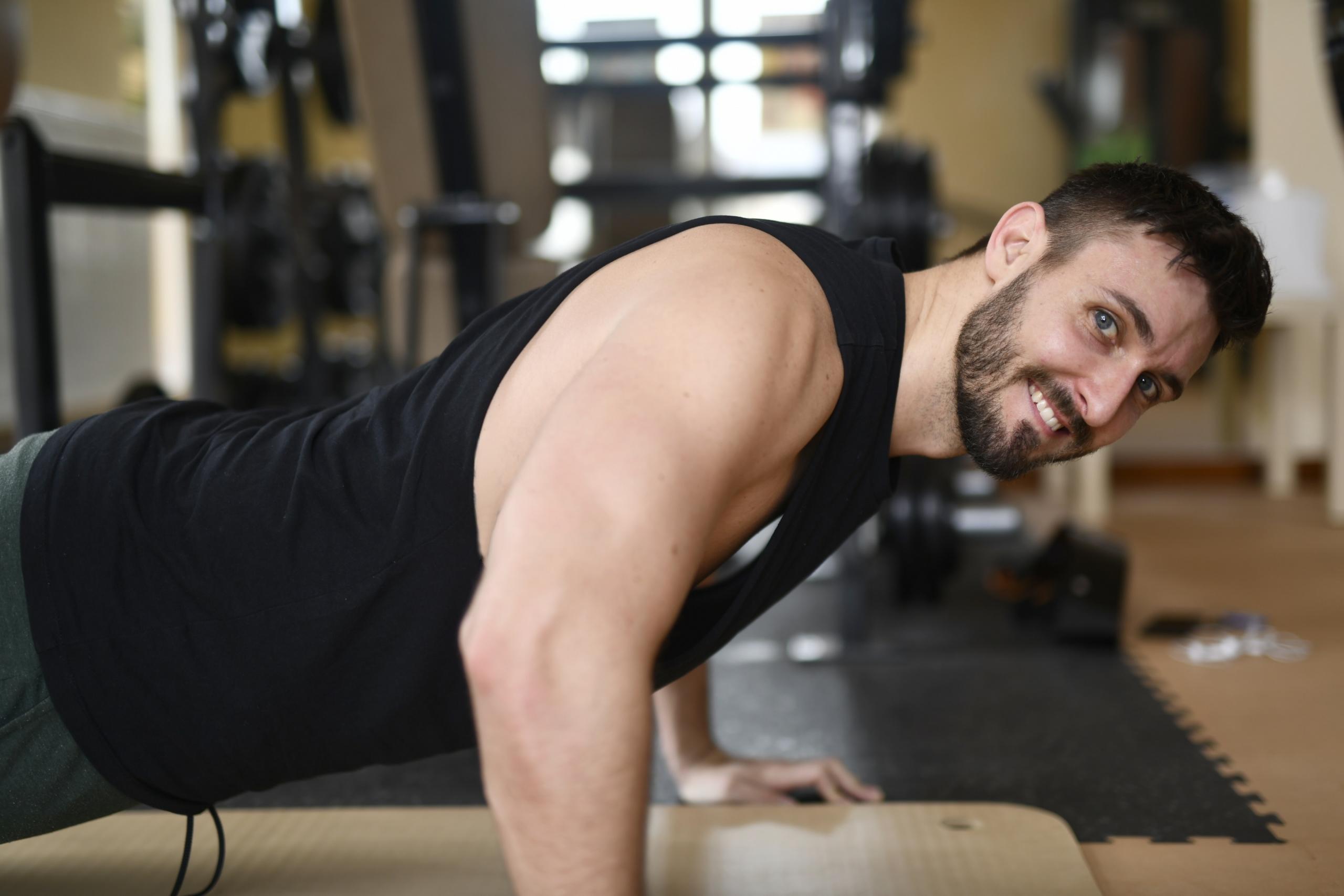

Looking for a cost-saving exercise that you can perform anytime and anywhere?
With many effective moves that require little to no equipment, callisthenics is an exceptional exercise for people who are looking to keep fit without having to go to the gym. In callisthenics, an individual relies on their body's ability to support their own weight and this is built through exercises that strengthen the muscles, build endurance, and improve body control.
So, what is callisthenics and how do you start?


What should I do first in callisthenics?
Before starting exercises like those in callisthenics, it's recommended that you adopt a good workout plan.
And that is precisely what you should do first: plan your callisthenics workout.
To know what type of callisthenics exercise you want to include in your workout plan, begin by identifying the goals you want to achieve through callisthenics. These goals don't necessarily have to centre on physical gains because callisthenics have helped many others achieve personal goals unrelated to building a toned body.
Here are some realistic fitness goals that you can gain through callisthenics:
- Improve stamina and endurance
- Maintain a healthy weight
- Build a stronger core
- Increase flexibility and mobility
- Improve upper body strength
- Increase strength in the legs
There are also other health benefits that callisthenics offers even for those who have just started a callisthenics workout.
After identifying general fitness goals, the next step is to break down these goals to create a feasible plan. This means goals that are SMART: specific, measurable, attainable, relevant and time-bound. Here's an example SMART goal for a person looking to improve their upper body strength through callisthenics:
Example SMART goal for a callisthenics workout plan
Goal: Able to perform a full chin-up in 3 months' time
How:
- Progressively build strength in back and arms through bodyweight rows, dead hangs and assisted pull-ups.
- Perform 10 reps x 3 sets of these exercises, four times a week.
Equipment needed: resistance bands, callisthenics bars
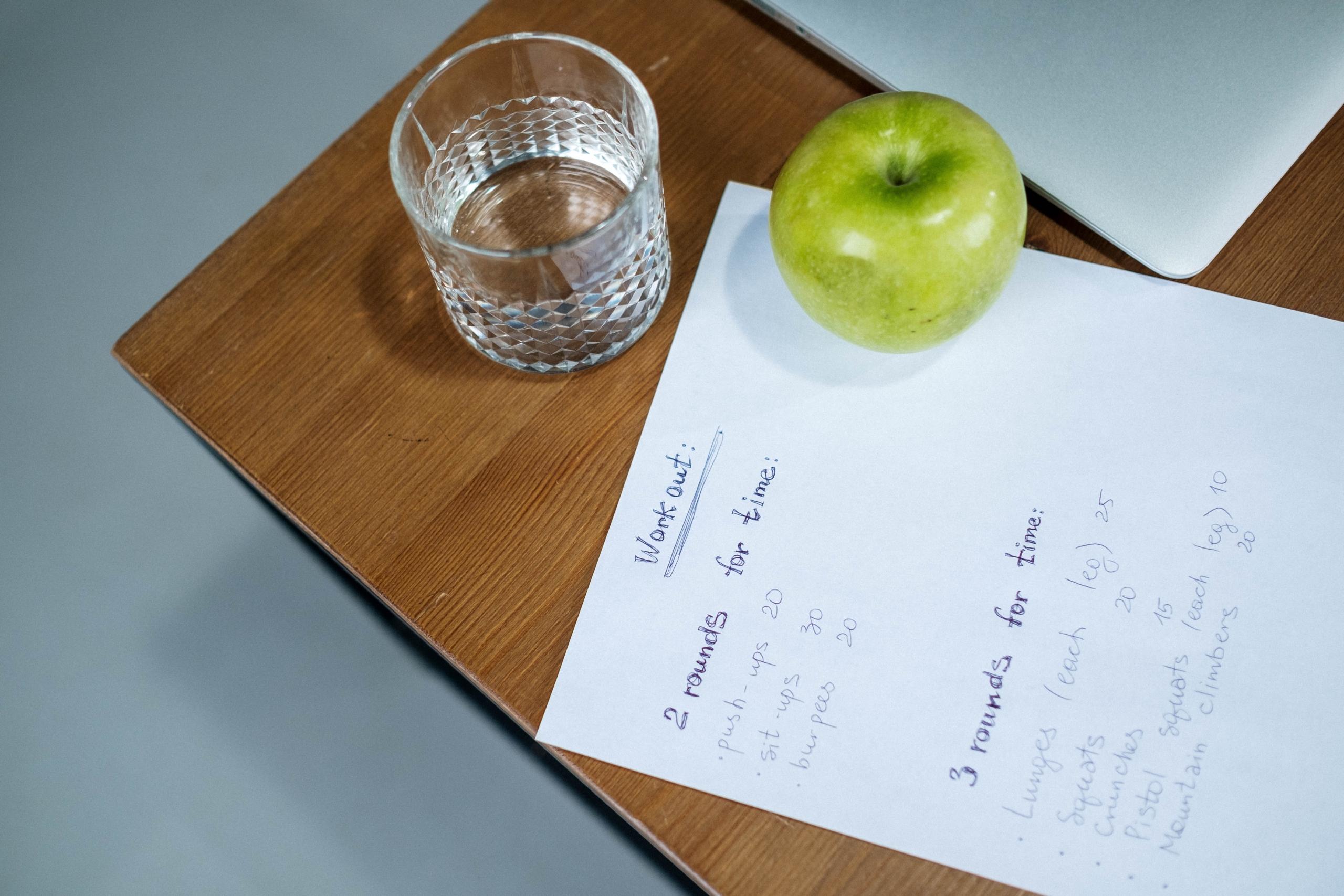
Ready to explore what exercises you should include in your basic callisthenics workout?
Basic callisthenics workout #1: Push and Pull
What is callisthenics without having the strength in your upper body? Being able to perform a one-handed push-up is really a callisthenics benefit that is built through push-pull exercises. A pushing exercise targets the upper body muscles that perform pushing movements, whereas you would target the muscles that perform pulling movements in a pulling exercise.
Pushing exercises primarily work the chest, shoulders and triceps while pulling exercises are for the back, forearms and biceps. In a basic callisthenics workout, push-pull exercises are typically done on different days, i.e. pushing exercises on one day, and pulling exercises on another day. Examples include:
Push: Wall push-ups, assisted dips, parallel dips
Pull: Inverted rows, chin-ups, Australian pull-ups
These push-pull exercises in callisthenics are great for those looking to increase muscular size and strength. And if you want to perform advanced callisthenic moves like the planche successfully, training your upper body through pushing and pulling exercises will help you achieve that.
Basic callisthenics for beginners routine that incorporates push-pull exercises can look like this:
Monday (pushing): Complete 8 to 12 reps of assisted tricep dips, incline push-ups and French dips. Perform 3 sets of each with 1 to 2 minutes of rest in between.
Thursday (pulling): Complete 8 to 12 reps of inverted rows, assisted pull-ups and negative pull-ups. Perform 3 sets of each with 1 to 2 minutes of rest in between.
To know what other movements you can include in your workout without using callisthenics bars, learn more through this essential callisthenics guide.
Basic callisthenics workout #2: Core
Another callisthenics benefit you need to look out for is the core work involved in the sport. You may be familiar with athletes performing miraculous feats in callisthenic competitions like Battle of the Bars and Ninja Warriors. Did you know that most of these activities require core strength, which you can build through callisthenics?
Your core muscles are located around your hips, pelvis, lower back and stomach. Beyond just aesthetic purposes, having a strong core lowers the risk of lower back pain, improves one's posture, and enhances the stability and balance of the body.
This means that core exercises can help you perform your daily tasks more efficiently and comfortably, and the stability it offers will help you run, jump and lift your body off the ground with ease! Examples of core work in a callisthenics exercise include planks, lying leg raises, crunches and hollow rocks.
Here's basic callisthenics for beginners routine to train your core:
Tuesday (core): Complete 8 to 12 reps of lying knee tucks, straight leg raises and crunches. Perform 3 sets of each with 1 to 2 minutes of rest in between.
Additionally, it's recommended that you practise holding a plank to enhance your core strength. Start with 20 seconds for a week, and then slowly increase it to 40 seconds, then one minute and so on.
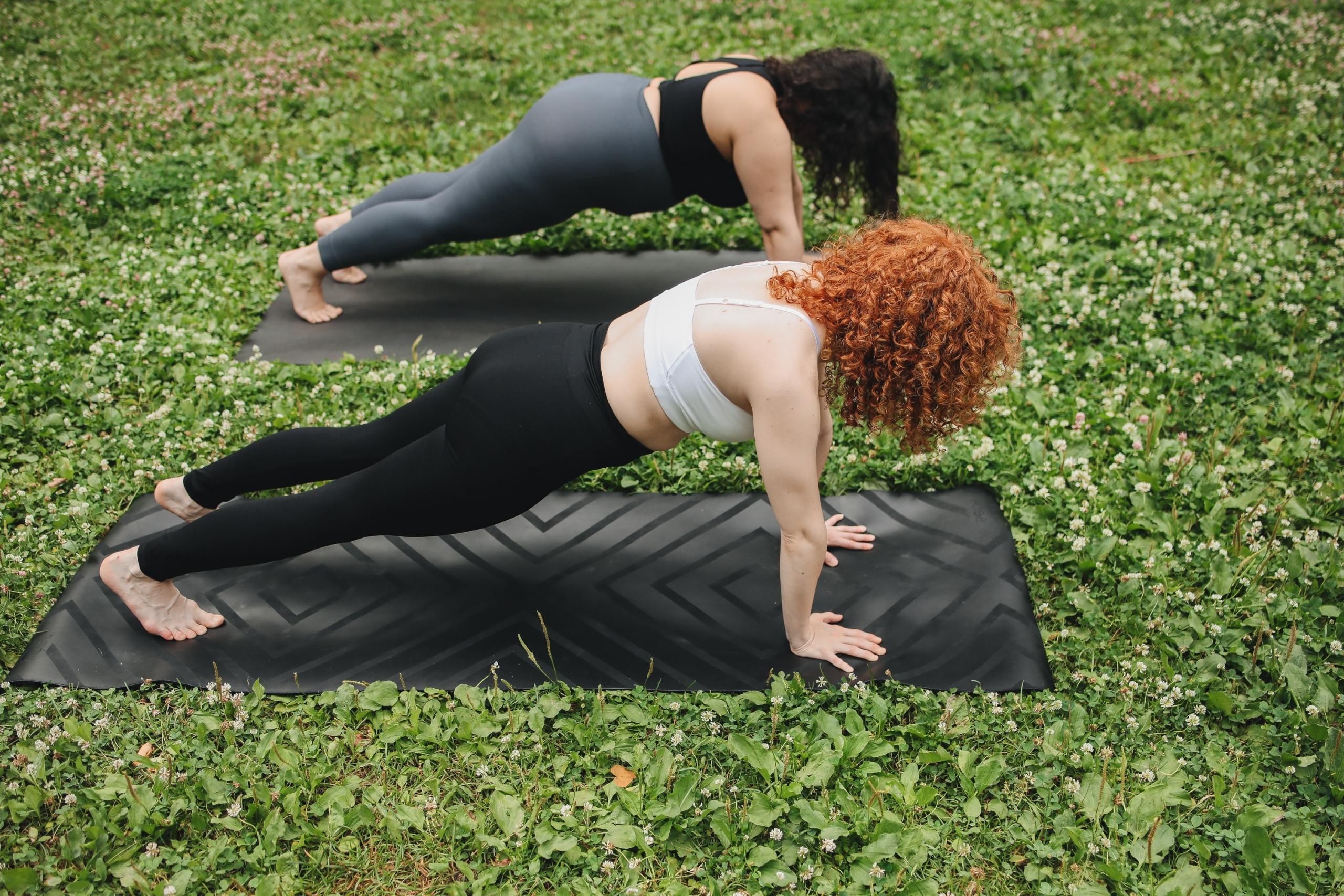
Although there are some similar moves in callisthenics like those in yoga, do take note of the differences in the benefits of yoga versus callisthenics.
Basic callisthenics workout #3: Legs
Not to forget the callisthenics benefit of training your lower body! We are moving down to the muscles in your legs: namely the glutes, hamstrings, quadriceps and calves. All these muscles function together to facilitate lower-body movement: walk, stand, tip-toe and crouch... of course, your lower body plays a key role in supporting your weight!
A callisthenics exercise is a fantastic choice for training your legs and you don't even have to use callisthenics bars to get started. Popular callisthenic moves that work the legs include lunges, squats, wall sits, and box jumps.
To start callisthenics for beginners routine, you could try these leg exercises:
Friday (legs): Complete 8 to 12 reps of half squats, lunges, step-ups and glute bridges. Perform 3 sets of each with 1 to 2 minutes of rest in between.
Were you able to catch each callisthenics exercise that you can use for the week?
Use this handy summary for building your callisthenics workout plan as a beginner:
| Day/ Target Area | Moves | Steps |
|---|---|---|
| Monday/ Push | Assisted tricep dips Incline push-ups French dips | 8-12 reps each 3 sets of each 1-2 minutes of rest |
| Tuesday/ Core | Lying knee tucks Straight leg raises Crunches Plank (optional) | 8-12 reps each 3 sets of each 1-2 minutes of rest |
| Wednesday/ Rest | Rest | Rest |
| Thursday/ Pull | Inverted rows Assisted pull-ups Negative pull-ups | 8-12 reps each 3 sets of each 1-2 minutes of rest |
| Friday/ Legs | Half squats Lunges Step-ups Glute bridges | 8-12 reps each 3 sets of each 1-2 minutes of rest |
| Saturday/ Rest | Rest | Rest |
You may have noticed that we included rest days in between. What is callisthenics without the rest after all? Even though you could be hoping to see physical gains as soon as possible, giving your body time to recover is actually going to benefit your body by allowing the muscles to heal from the callisthenics exercise of the day before and grow back stronger.
Don't skip your rest days and you'll be able to do dips on the callisthenics bars with much less effort in the near future.
How to build a callisthenics for beginners routine?
Incorporate all the body parts and target areas above for a balanced callisthenics routine!
What is callisthenics without enhancing your body's general well-being? In order to take care of your body, you shouldn't focus only on building your leg muscles and neglect your arms, back and core. After all, a complete callisthenics exercise should train various body parts to build an overall stronger physique.
In addition to training all body parts, you should also consider the fitness areas of strength, flexibility, coordination and endurance. Which callisthenics exercise will help you improve in these areas with the resources you already have? What callisthenics workout can you practise daily to work on these areas?
Combine these elements with the goals you've identified in your callisthenics workout plan and review your goals after two weeks of exercising. Observe the progress you've made and make any adjustments where necessary (e.g. this could be substituting your full push-ups with knee push-ups, or vice versa) to achieve your goals. These can later be monthly to bi-monthly reviews of your progress!
Here are the best callisthenics resources to get you moving.
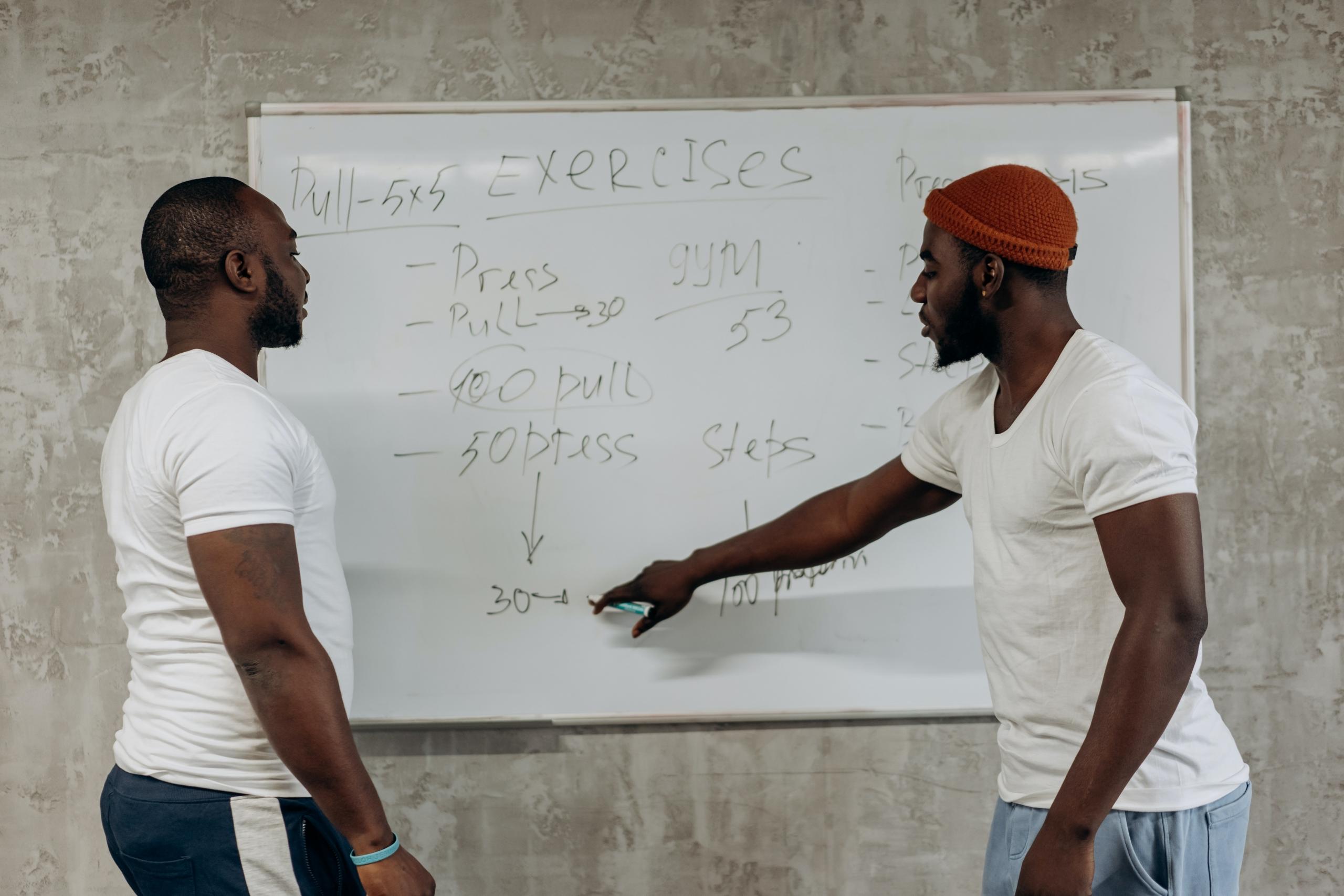
For the best callisthenics workout routine, don't hesitate to speak with our personal trainers on Superprof. A personal trainer on Superprof can help you create an effective callisthenics exercise programme that is personalised to you while providing useful feedback for improving your workout regimen. Did you know you can learn callisthenics online with Superprof?
You have the choice of meeting your personal trainer in the gym or via virtual sessions when you sign up with Superprof. Additionally, all the necessary information such as session rate per hour, personal trainer certifications and whether your personal trainer can travel to your area are provided on the Superprof Tutors webpage. Everything you need to know about your Superprof personal trainer is available for your convenience!
Don't forget to claim your first free personal training session on Superprof! Visit our page today to have a fantastic callisthenics workout!
Note: Ensure you are in good physical condition and are able to perform the exercises in your basic callisthenics workout. Continually monitor your health and fitness levels, and consult a licensed medical professional in the event of any physical injury or health concerns.
Summarise with AI:
Did you like this article? Leave a rating!

 Loading...
