
Do you know how to convey Chinese New Year wishes to someone celebrating the festival? Sure, you can stick to standard Chinese New Year greetings in English, like "Happy Chinese New Year" or "Happy Lunar New Year," as they are easy to remember and widely used. But if you really want to make your wishes stand out, there are phrases in Mandarin and Cantonese that can add a personal touch.
🥁No formal Chinese class required!
That’s why I’m saying that these greetings are more than just words; they carry meaning and tradition, expressing good luck, happiness, and prosperity for the year ahead. By learning a few key phrases, you will not only impress your family, friends, colleagues, and elders but also show thoughtfulness and cultural awareness. Even a small effort goes a long way in making your wishes feel sincere and festive.
In this article, I’ve rounded up some easy-to-learn messages in both Mandarin and Cantonese, along with tips on when and how to use them. I have also included some personalised messages that you can use based on the situation. By the end, you’ll be ready to confidently go beyond the basic “Happy Chinese New Year” and bring smiles, laughter, and a touch of tradition to everyone you greet this Chinese New Year!
Chinese Lunar New Year Wishes in this Guide:
- Learn popular New Year messages used during the CNY
- Discover common Mandarin and Cantonese phrases, including xin nian kuai le, gong hei fat choy, hay fat choy, and nin fai lok
- Find the right CNY messages for loved ones and business contacts, with blessings for good health, luck, and fortune.
- Learn how you can personalise new year wishes


Common Chinese New Year Greetings
CNY is one of the most important festivals, celebrated not only by the Chinese community in Malaysia but also by folks in China, Korea, Vietnam1, and many other countries around the world.
It marks the arrival of the new year based on the lunar calendar and usually falls between January 21 and February 20. The celebration lasts for 15 days, beginning on the first day of the lunar calendar and ending with the Lantern Festival on the fifteenth day.
In Malaysia, the final day is more commonly known as Chap Goh Mei2. It is celebrated more culturally and socially, with lanterns lit and displayed in temples and dedicated public spaces, and visits to temples to offer prayers for well-being, vitality, and abundance. Special dinners are also held to mark the end of the celebrations.
You don’t need to be an expert to know everything in and out about the 15-day-long festival. For now, let’s just take a look at the common CNY expressions that are widely used in Malaysia.
Chinese New Year Wishes In Mandarin
新年好 (Xīnnián hǎo) - New Year Greetings
This is a shorter and more casual expression. It’s commonly used in conversations or as a quick greeting when meeting someone during the CNY. It’s less expressive than “Happy New Year”, but it’s still polite and widely understood.
新年快乐 (xīn nián kuài lè) - Happy New Year
sshin-nyen kwhy-ler/
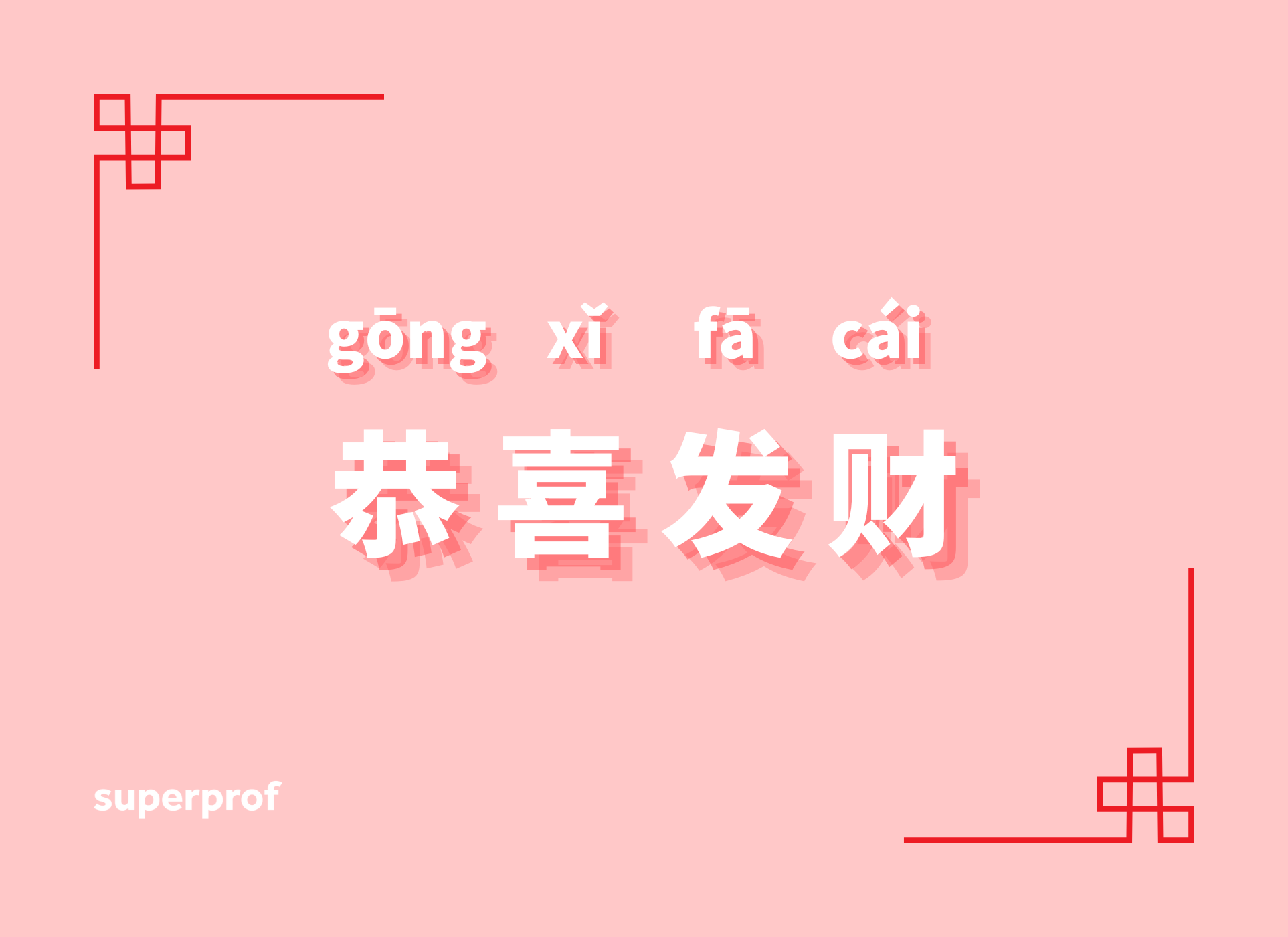
恭喜发财 - gōng xǐ fā cái
I can never speak this version of Happy New Year in Chinese without hearing Andy Lau sing it. He is one of Hong Kong cinema's biggest stars, and he's currently the Vice-Chairman of China's Film Association.
In China, as elsewhere in the world, the celebrations feature an hours-long, televised gala. Though many younger locals consider the show trite, Andy Lau's appearance, to sing 恭喜发财, is the spectacle's highpoint.
Putting nĭ (你 - you) in the middle - 恭喜你发财 makes the expressions more targeted.
This expression, which means "Joy and Abundance", is suitable for everyone. Adding “nĭ” (gōng xǐ fā cá nĭ) changes it to "Joy and Abundance to you". That's how Andy sings it!
蛇年快乐- shé nián kuài lè
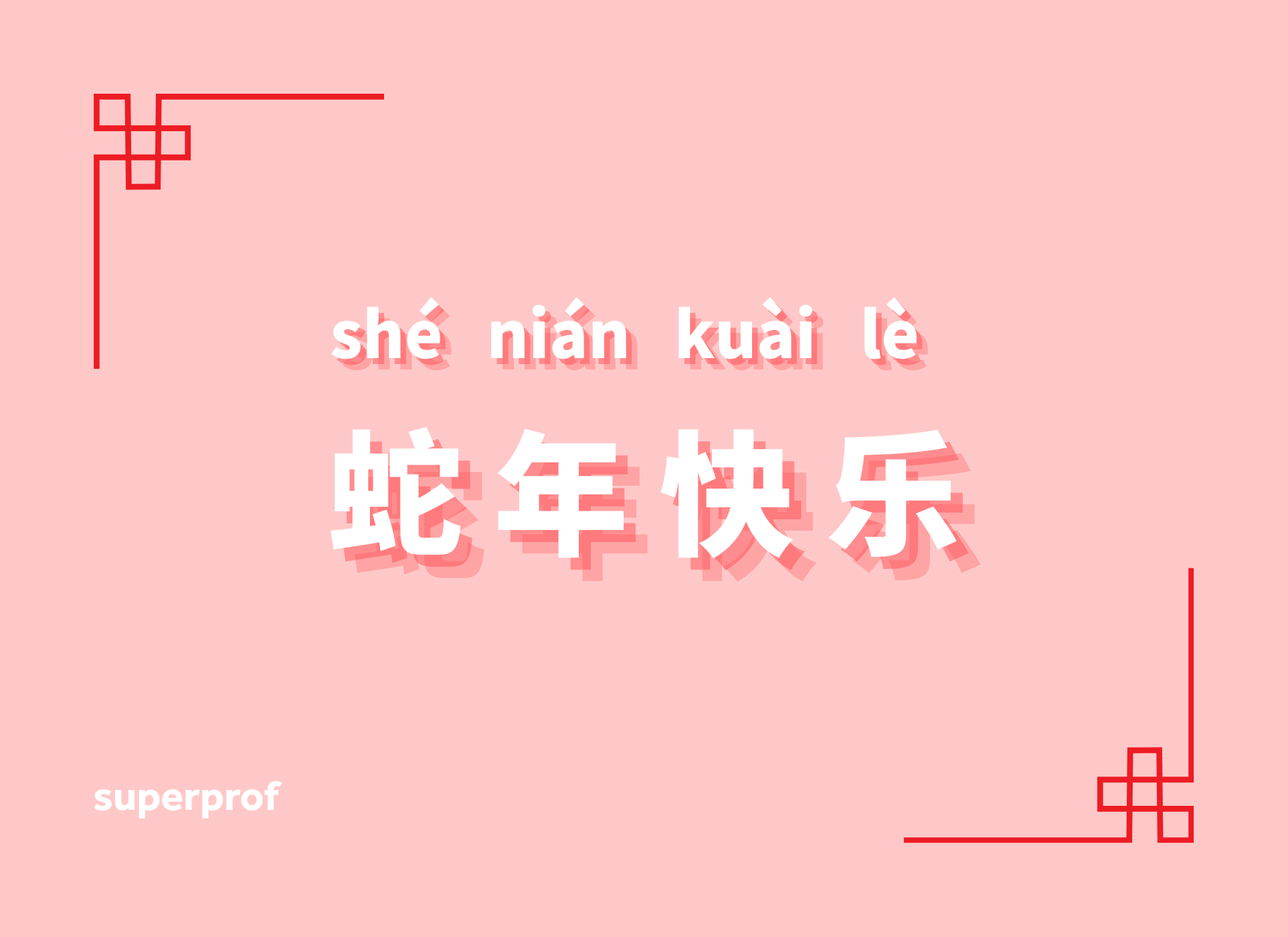
2026 marks the cycle of the Horse, according to the zodiac. So, it's appropriate to wish folks a Happy Horse Year.
In China, it's common to wish folks "Happy (zodiac animal) New Year!" ahead of or just after the festival. But you don't have to. You can stick with the standard 'New Year Happiness'. It applies to both observations.
Like wishing folks a good Horse Year, you can wish loved ones and neighbours a good New Year (新年好 - xīn nián hǎo). Don't forget the 啊 at the end! Roughly translated, it means "Have a good New Year, okay?"
This is a handy expression to remember because you only need to insert the proper zodiac animal each cycle.
In the zodiac, 2026 marks the Year of the Horse, a symbol of energy, vitality, and forward momentum. Individuals born under this sign are often associated with independence, courage, and a spirited personality. During this festival, many expressions focus on achievement, well-being, and smooth progress, encouraging both personal growth and professional development.
Folks born in this year are often seen as confident, social, and free-spirited, but dislike being controlled.
This is best for children, casual acquaintances, and neighbours. You can make it more colloquial by saying 马年好 (mǎ nián hǎo) - have a good Horse Year. It sounds even more natural when you add the 啊 (ah) particle at the end!
Chinese New Year Wishes in Cantonese
Alongside Mandarin, Cantonese (different dialects) is also a widely spoken language among the Chinese in Malaysia. Learning classic expressions in the language is a fun approach to connect with loved ones and neighbours during the festival.
- 恭喜发财 (Kung Hei Fatt Choi) – Wishing you happiness and prosperity
Pronounced differently in Cantonese, but it has the same meaning as the Mandarin version: wishing someone joy and abundance. - 新年快乐 (San nin faai lok) – Happy New Year
To cheerfully mark the start of the new year. - 身体健康 (San Tai Gin Hong) - May you enjoy strong health
This can be used among friends and family (especially elders or someone with health concerns). - 心想事成 (Sam Seung Si Sing) - May all your wishes be realised
Often used among friends and family to wish that all their heart's desires be fulfilled.
You can keep your message simple with just number 2, or layer additional wishes like 1, 3, or 4 on top to make it more personal and meaningful.
Chinese New Year Wishes for Different Recipients
1. General
| Greeting | Meaning |
|---|---|
| 新年快乐 Xīn nián kuài lè | Happy New Year |
| 春节快乐 Chūn jié kuài lè | Happy Spring Festival |
| 恭喜发财 Gōng xǐ fā cái | Wishing you happiness and prosperity |
| 恭贺新禧 Gōng hè xīn xǐ | Good luck in the upcoming year |
| 万事如意 Wàn shì rú yì | May everything go as you wish |
2. Family & Togetherness
| Greeting | Meaning |
|---|---|
| 年年有余 Nián nián yǒu yú | Year after year of abundance |
| 五福临门 Wǔ fú lín mén | May the Five Blessings arrive at your home |
| 大吉大利 Dà jí dà lì | Big luck and great profit |
3. Wealth and Business Prosperity
| Greeting | Meaning |
|---|---|
| 财源滚滚 Cái yuán gǔn gǔn | May wealth keep flowing in |
| 大展宏图 dà zhǎn hóng tù | Wishing for your business to flourish |
4. Career and Professional Success
| Greeting | Meaning |
|---|---|
| 步步高升 bù bù gāo shēng | To rise continually, in the context of promotion in one’s career |
| 事业有成 Shì yè yǒu chéng | May you have great success in your career. |
| 招财进宝 zhāo cái jìn bǎo | Ushering in lots of wealth and prosperity |
5. Academic Achievements
| Greeting | Meaning |
|---|---|
| 学业进步 Xuéyè jìnbù | May your studies progress smoothly. |
| 学有所成 Xué yǒu suǒ chéng | May you achieve great accomplishments in your studies. |
6. Health Regards
| Greeting | Meaning |
|---|---|
| 身体健康 Shēn tǐ jiàn kāng | Wishing you good health (very common, especially for elders). |
| 祝您健康长寿 Zhù nín jiàn kāng cháng shòu | Wishing you health and longevity. |
7. Love, Marriage & Newlyweds
| Greeting | Meaning |
|---|---|
| 心心相印 xīn xīn xiāng yìn | To be closely attached and emotionally connected to each other |
| 月圆花好 yuè yuán huā hǎo | Wishing couples perfect happiness and blissful harmony |
| 永结同心 yǒng jié tóng xīn | Wishing newlyweds to stay together forever, and to be always devoted to each other |
| 百年好合 bǎi nián hǎo hé | A happy and harmonious marriage for a hundred years or a lifetime |
8. Zodiac-Year
| Greeting | Meaning |
|---|---|
| 马年快乐 Mǎ nián kuài lè | Happy Year of the Horse |
These are some of the variations you can use when expressing yourself to those around you. You don’t need to memorise them all – simply save this article and refer back to it whenever you need 😉
You can make your expressions more personal by adding words related to studies or career. Likewise, if you have a friend aiming for a promotion, you can stack a specific one on top of a general one, for example:
Gōng xǐ fā cái, bù bù gāo shēng
(Wishing you prosperity and steady career growth)
Modern and Creative Chinese New Year Wishes
1. 春节快乐 - chūn jié kuài lè (Happy Spring Festival)
Here, again, we have a song, though it's perhaps a bit outdated. Also, it's more for children, something you might hear in kindergarten classes. Sing 春节到了,春节到了 (chūn jié dào le) to 'Are you Sleeping?'
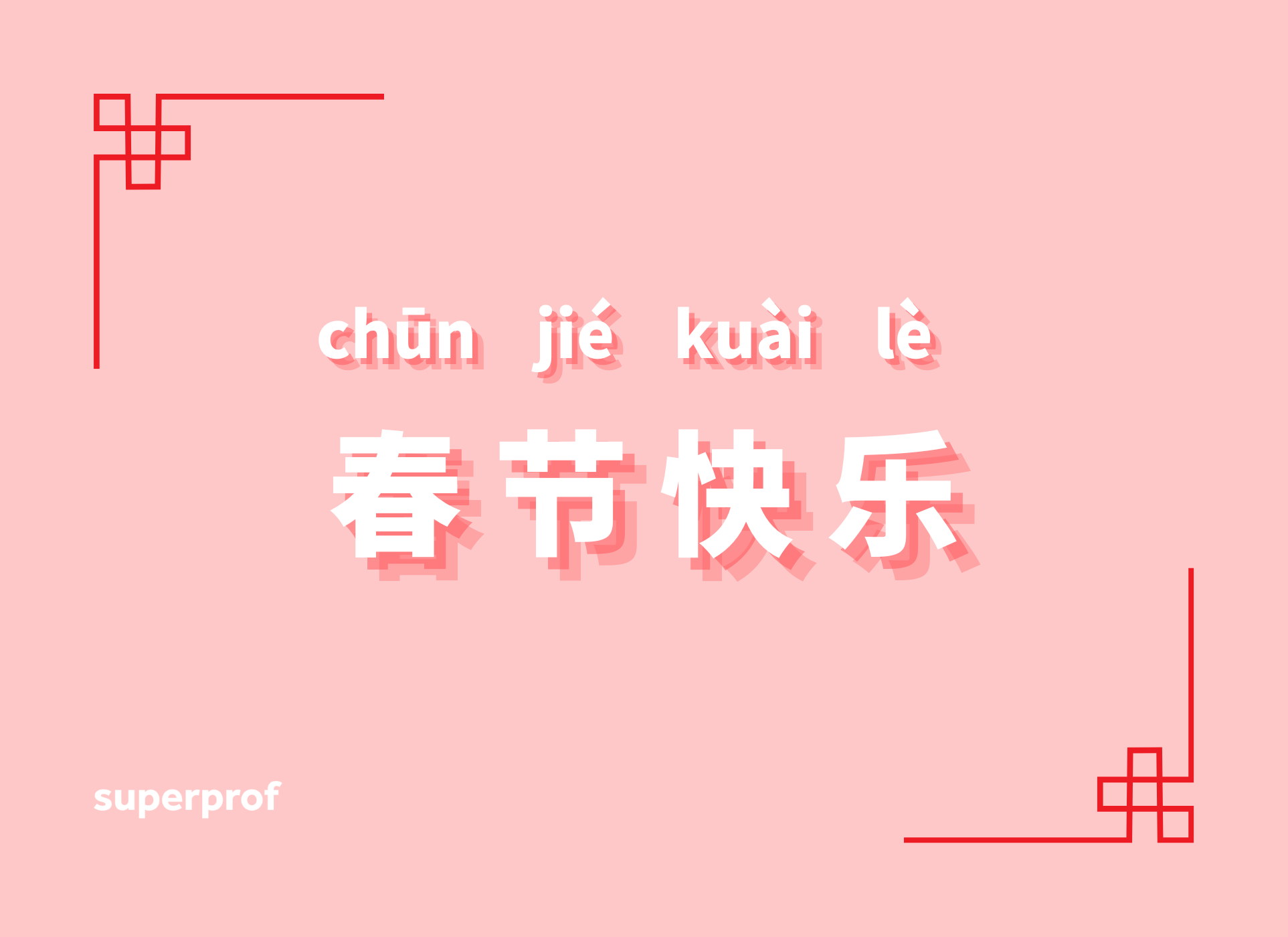
This is a common expression used in Mainland China. 春节快乐 (Chūn Jié Kuài Lè) means “Happy Spring Festival” and is used throughout the 15-day festival period, from the first day until the Lantern Festival. It’s often used in formal or polite settings, such as at work or in writing, while in casual conversation, most locals prefer a shorter, more informal expression.
You can wish your mates 春节好 - chūn jié hǎo. This is a more casual version. Do not greet your elders, teachers or shopkeepers in that manner, though.
It would be very rude!
We can go further, to say that Spring Festival practices and superstitions abound. Learn what you can say and do, and words you must never speak during these celebrations.
2. 大吉大利 - dà jí dà lì (Boundless luck and fortune)
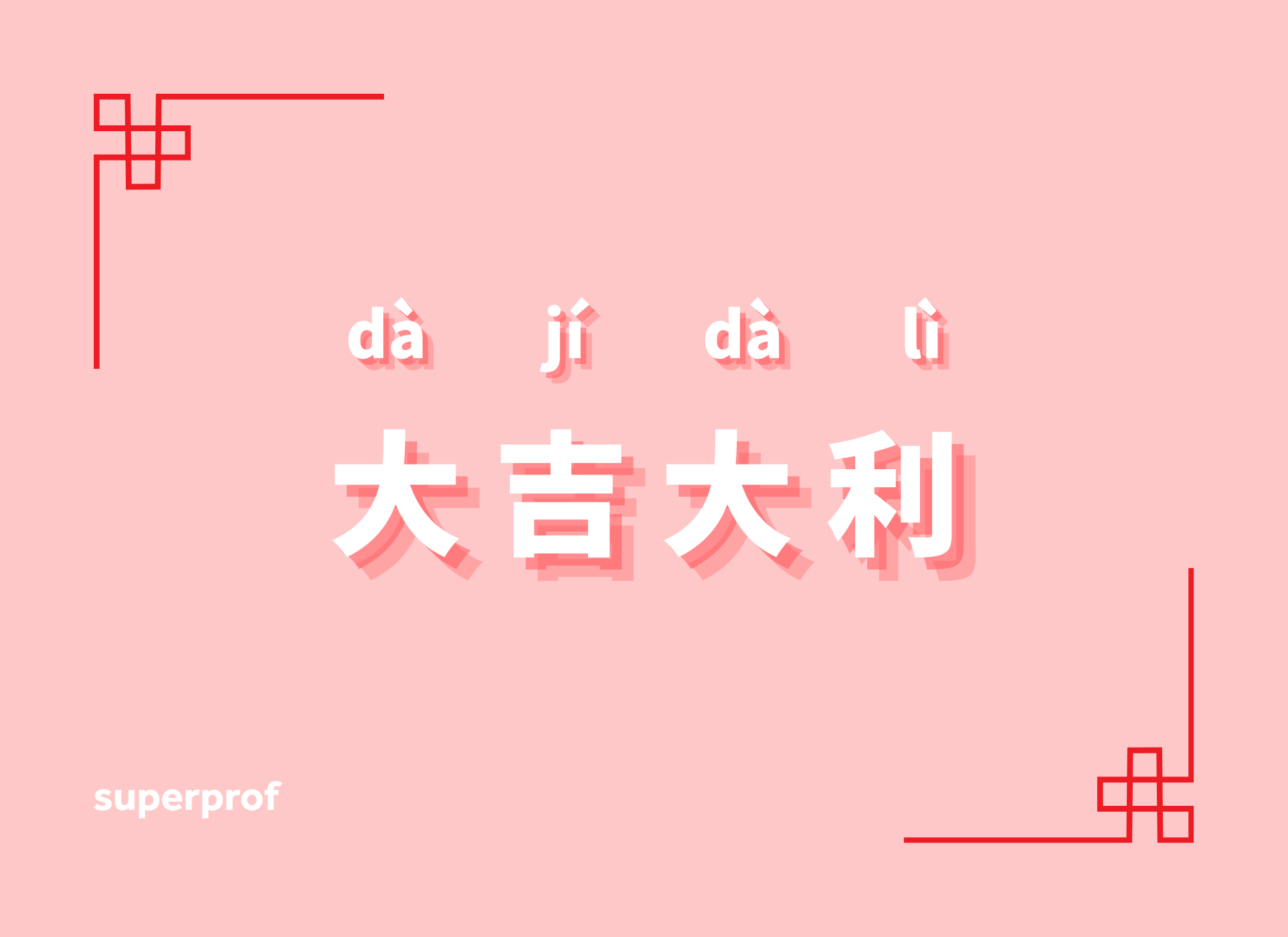
This form of Happy New Year in Mandarin is more of a rallying cry than a well-wishing. It means "Big luck and big profit!" Those are sentiments typically aimed at anyone trying to advance in their work.
In China, it's common to offer toasts, blessings and well-wishes throughout the meal.
Imagine a team dinner in a fine restaurant, ahead of the Spring Festival break. The employees might toast their boss with this greeting, and then clink their glasses together before drinking.
Just remember to keep the rim of your glass below your boss's! A glass at the same height (or higher) means you see yourself on the same level, or better. The same etiquette applies to toasts among elders; ensure to keep your glass rim lower than theirs.
3. 年年有余 - nián nián yǒu yú (Abundance year after year)
Who wouldn't want "Continuous blessings and abundance"? That's exactly what this phrase means. You may direct it to practically anyone, except children, of course.
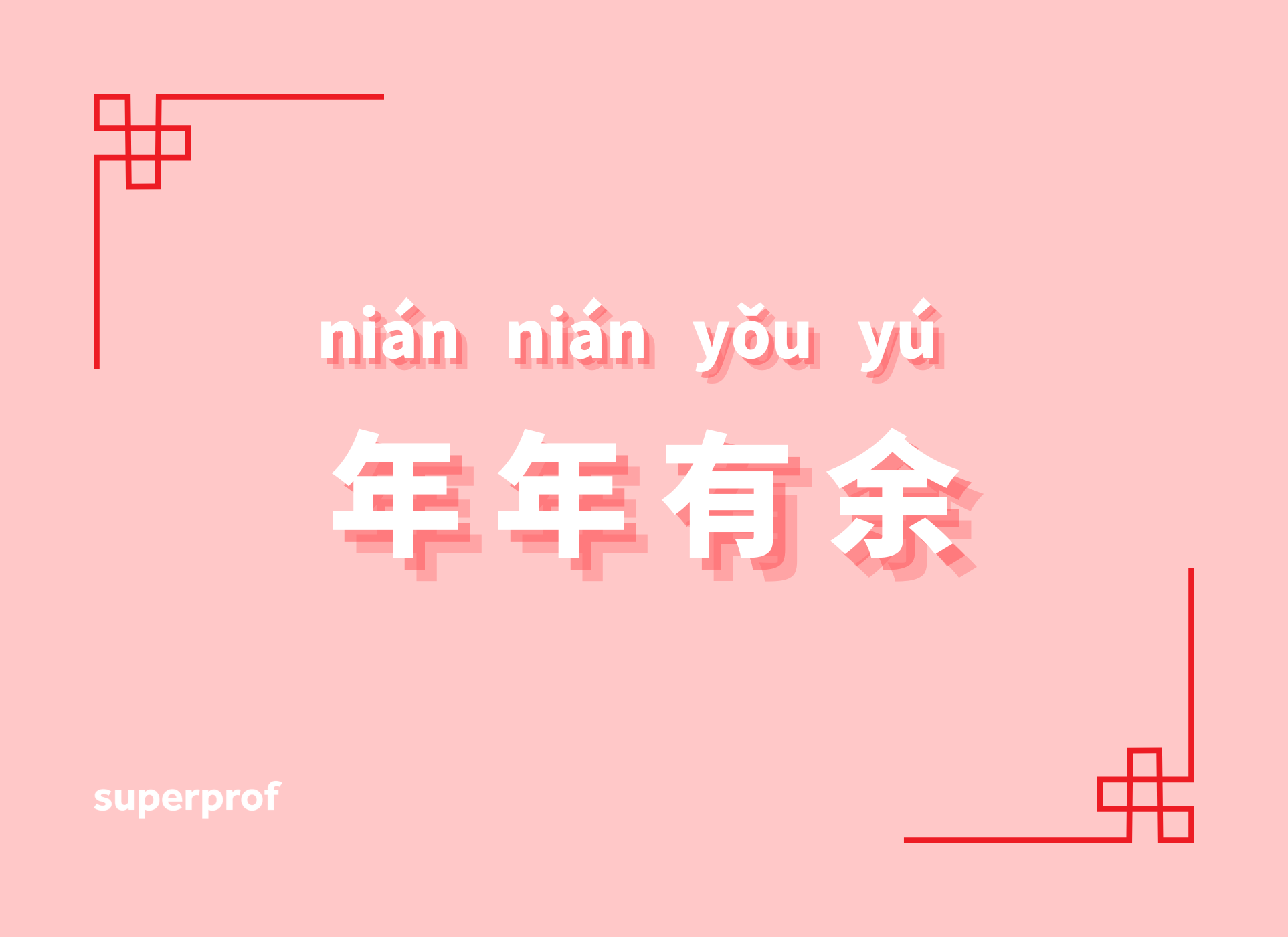
It's especially suitable for newlyweds celebrating their first festival together. Or, if you just started a new job, your colleagues and new boss would thrill to hear this from you.
Do you have an uncle who just launched themselves into business? You know what to say!
4. 财源滚滚 - cái yuán gǔn gǔn (May wealth pour in continuously)
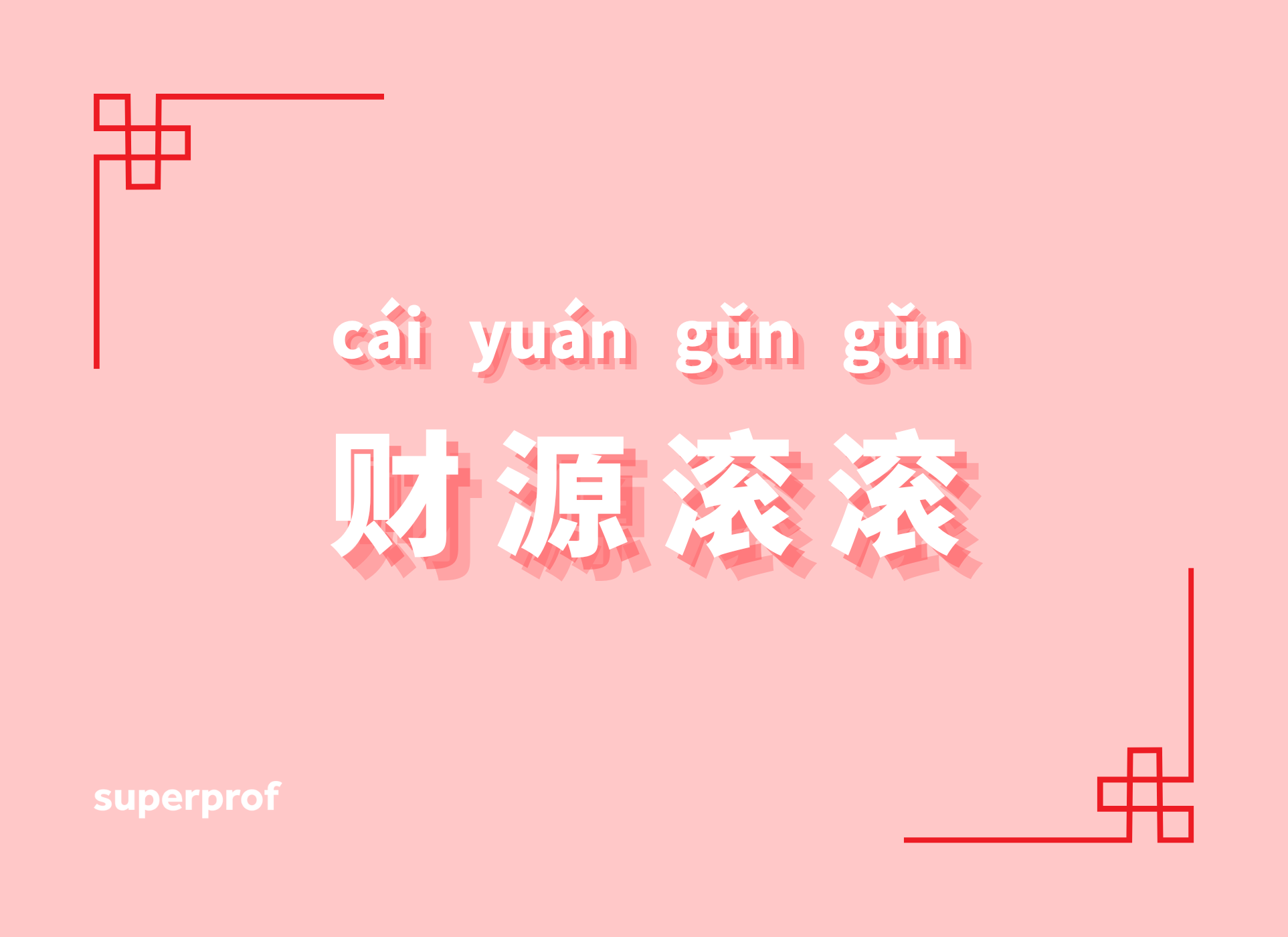
Following up on the above sentiment, you can express your hope for abundance to continue flowing.
In Mandarin, doubling particles adds emphasis and conveys sincerity.
This phrase, literally translated, says "Wealth (financial resources) roll-roll.
By now, you might have noticed that many festival expressions invoke wealth, prosperity, and well-being.
Focusing on specific expressions of goodwill is one of the aspects of the festival that makes this celebration feel personal.
5. 五福临门 - wǔ fú lín mén (May the five blessings arrive at your home)
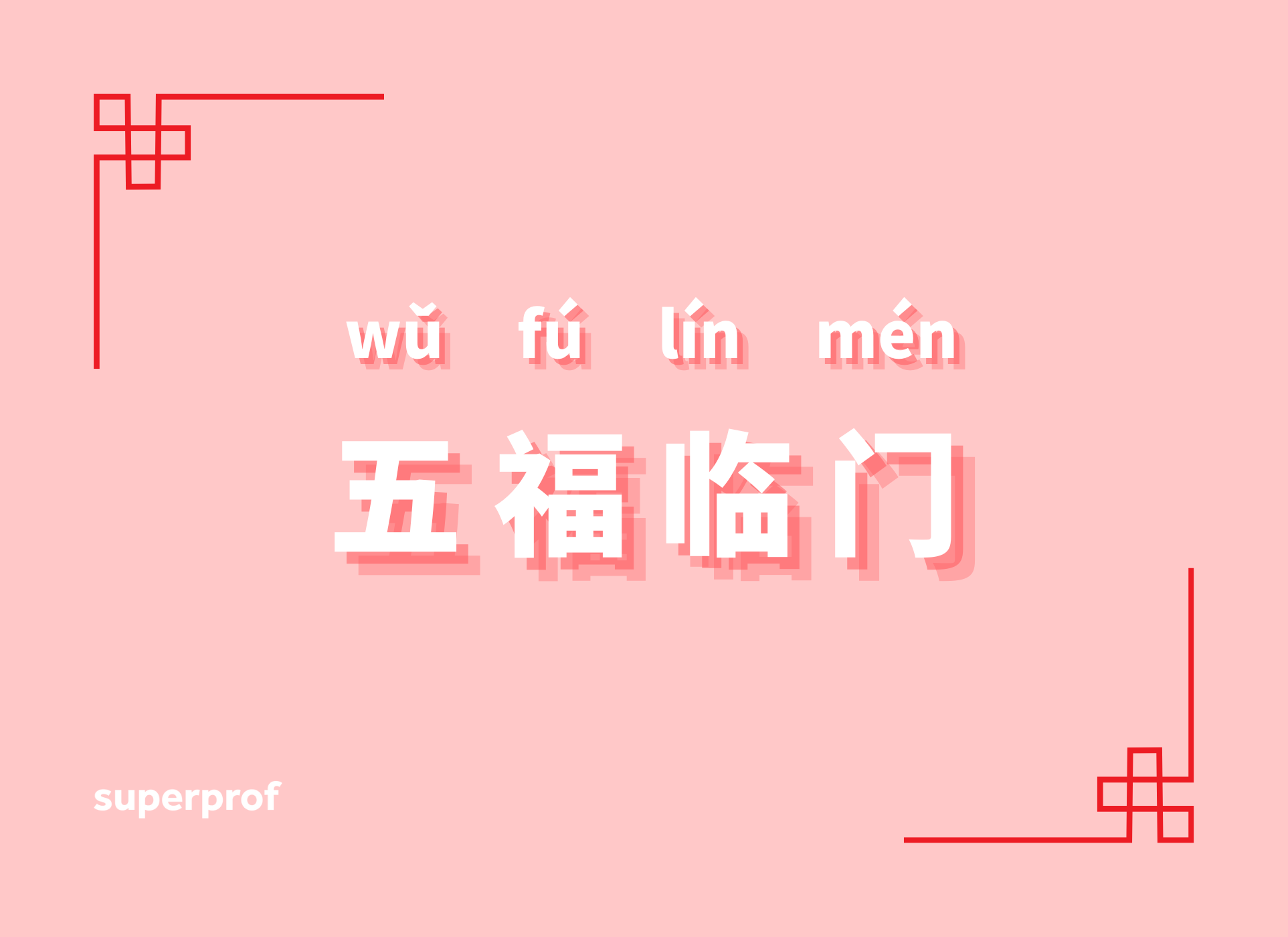
For festival expressions with a classic vibe, deliver "Five blessings at your gate". Or, as it is more commonly translated: "May the Five Blessings reach you".
It's the perfect expression for any elder or a high-ranking official.
Wealth, Health, Virtue, Longevity, Natural Death
In Western cultures, it seems morbid to wish anyone any type of death, particularly during a celebration. However, traditional Chinese culture accepts death as a fact of life. Therefore, wishing someone a peaceful, natural death respects the culture and the person.
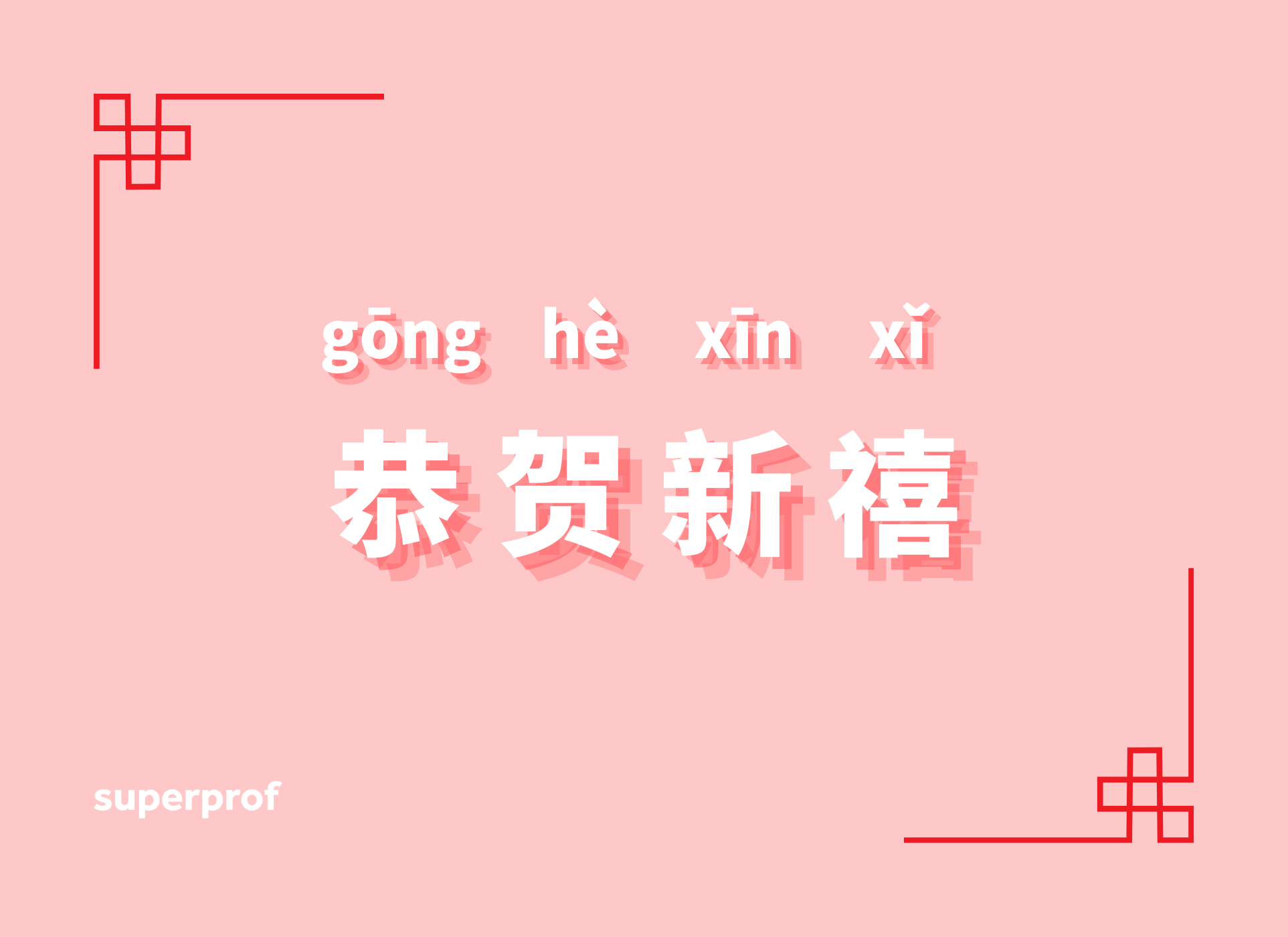
6. 恭贺新禧 - gōng hè xīn xǐ (Good luck in the upcoming year)
When someone is about to face a challenging ordeal, wishing them "All the best in the upcoming year" is the most appropriate festival expression.
Students preparing for their university entrance exam (高考 - gāo kāo) need this kind of support.
It's also ideal for someone starting a company or a new position. Remember that it's a bit generic; speaking it on its own could land flat. You should personalise the expression with "On the occasion of your (ordeal), good luck." (为你的 ... 恭贺新禧)
7. 万事如意 - wàn shì rú yì (May all go well)
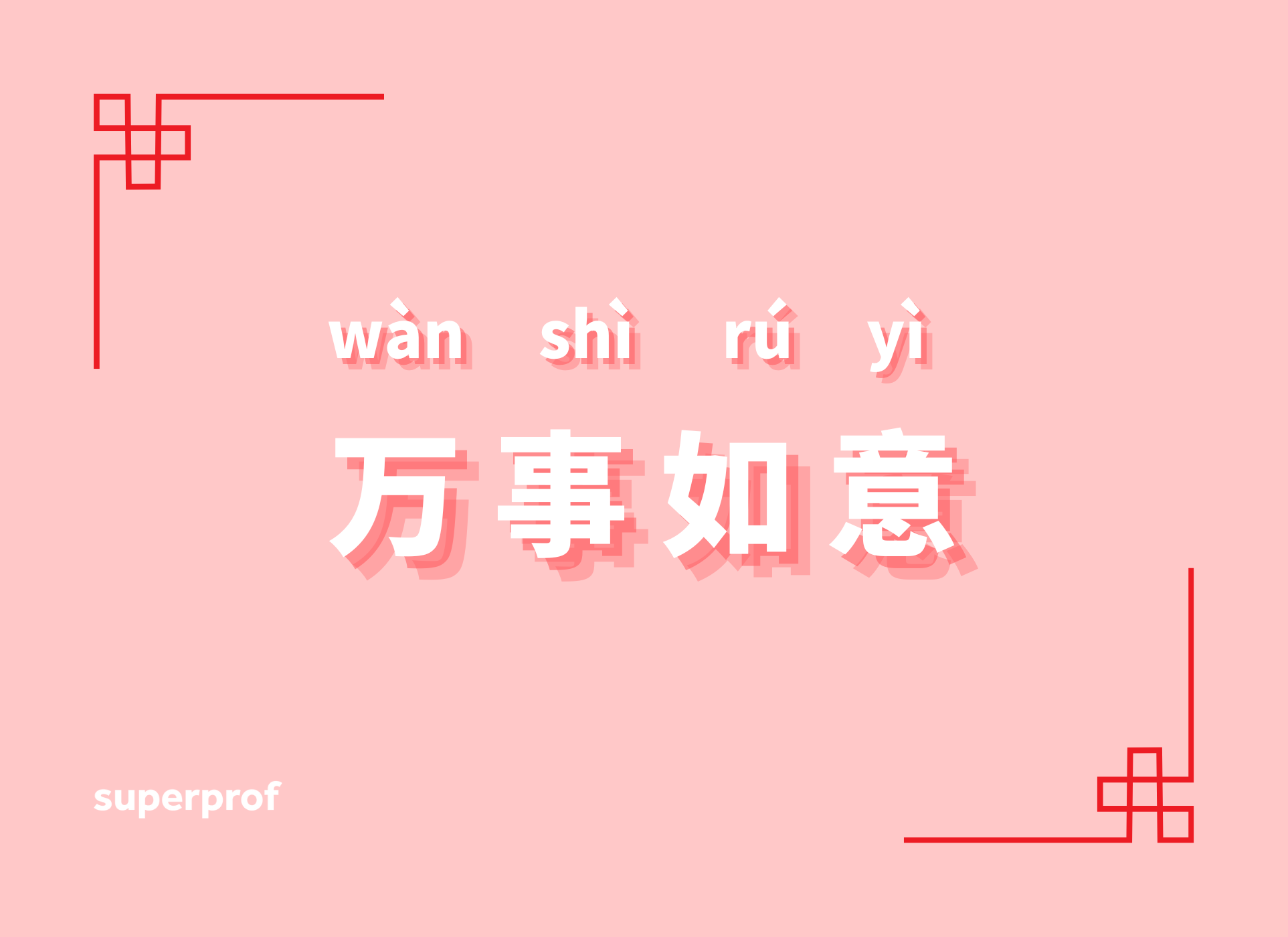
This is how to wish someone a happy Chinese New Year if you're not particularly invested in them. Or, if they admit to a difficulty ahead. Saying "May all go well" is rather non-committal.
This is a versatile expression, appropriate for acquaintances and those you don’t know well.
Chinese singles wishing to remain unattached will hire a boyfriend or girlfriend for the holiday.
This is one of the most interesting Chinese New Year phenomena I discovered whilst living there. Traditional Chinese culture insists on marriage and family. Today's young adults aren't always so keen on that idea.
So, instead of the whole family harping at them over their woeful single status throughout the visit, they hire a partner. This temporary fiancé(e) will subject themselves to all the prospective in-law scrutiny a genuine lover would. With that in mind, wishing them "May all go well" is reasonable.
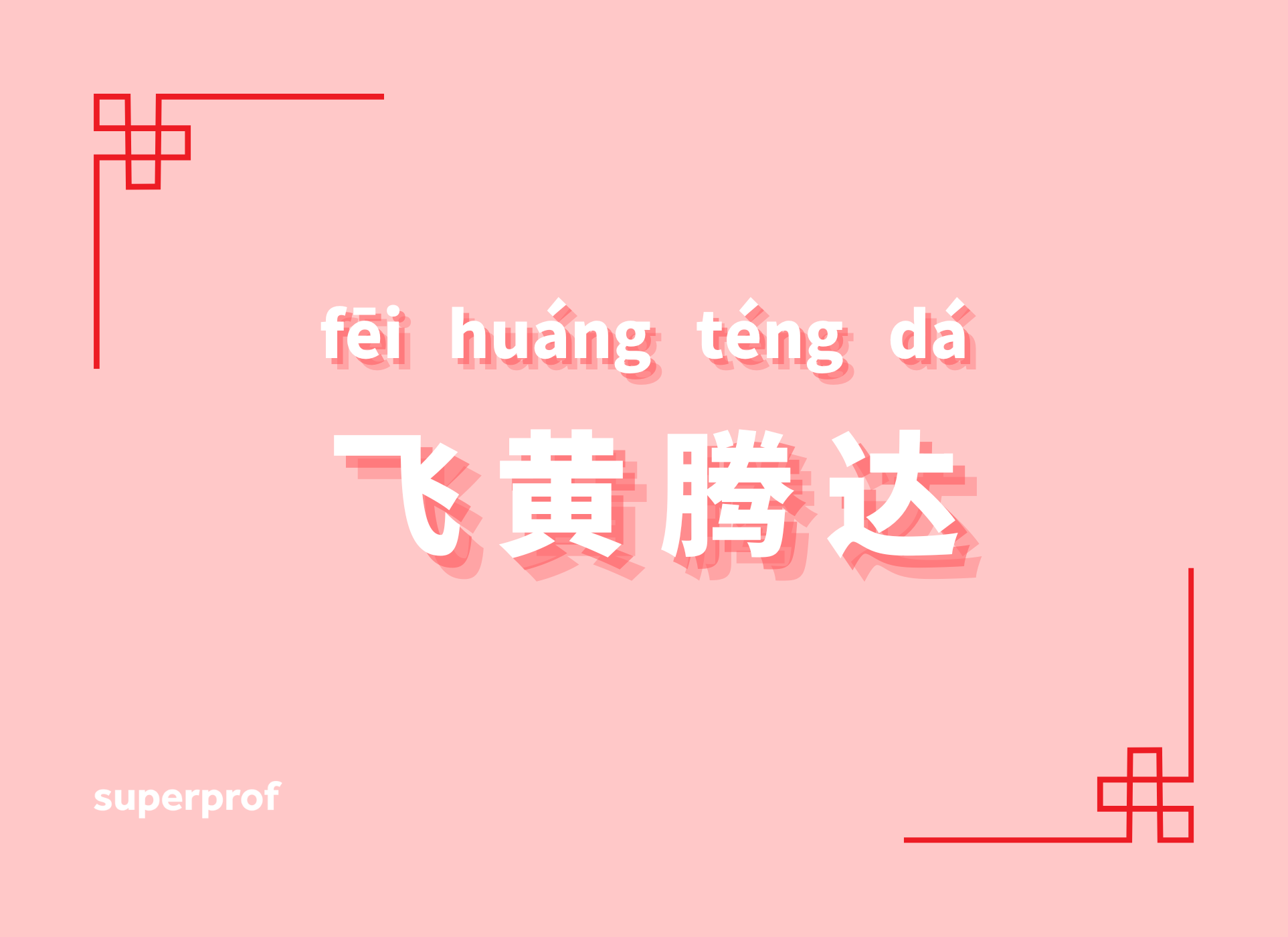
8. 飞黄腾达 - fēi huáng téng dá (May you rise rapidly in career)
When sharing festival messages in English, "All the best for quick career growth" might not be the first thing that strikes you. However, it's a very common expression, directed at young professionals and students about to begin their work journey.
Other festival expressions along these lines include:
- 平步青云 (píng bù qīng yún) - May your rise be meteoric
- 升官发财 (shēng guān fā cái) - Promotions and prosperity.
- 蒸蒸日上 (zhēng zhēng rì shàng) - May your business grow daily
- 事业有成 (shì yè yǒu chéng) - Remarkable success in your career
- 马到成功 (mǎ dào chéng gōng) - May you have remarkable success
Remember that, in Chinese culture, wealth, prosperity, and success are the best things you can wish on others. It's not a matter of greed, but a sincere desire for everyone to do well.
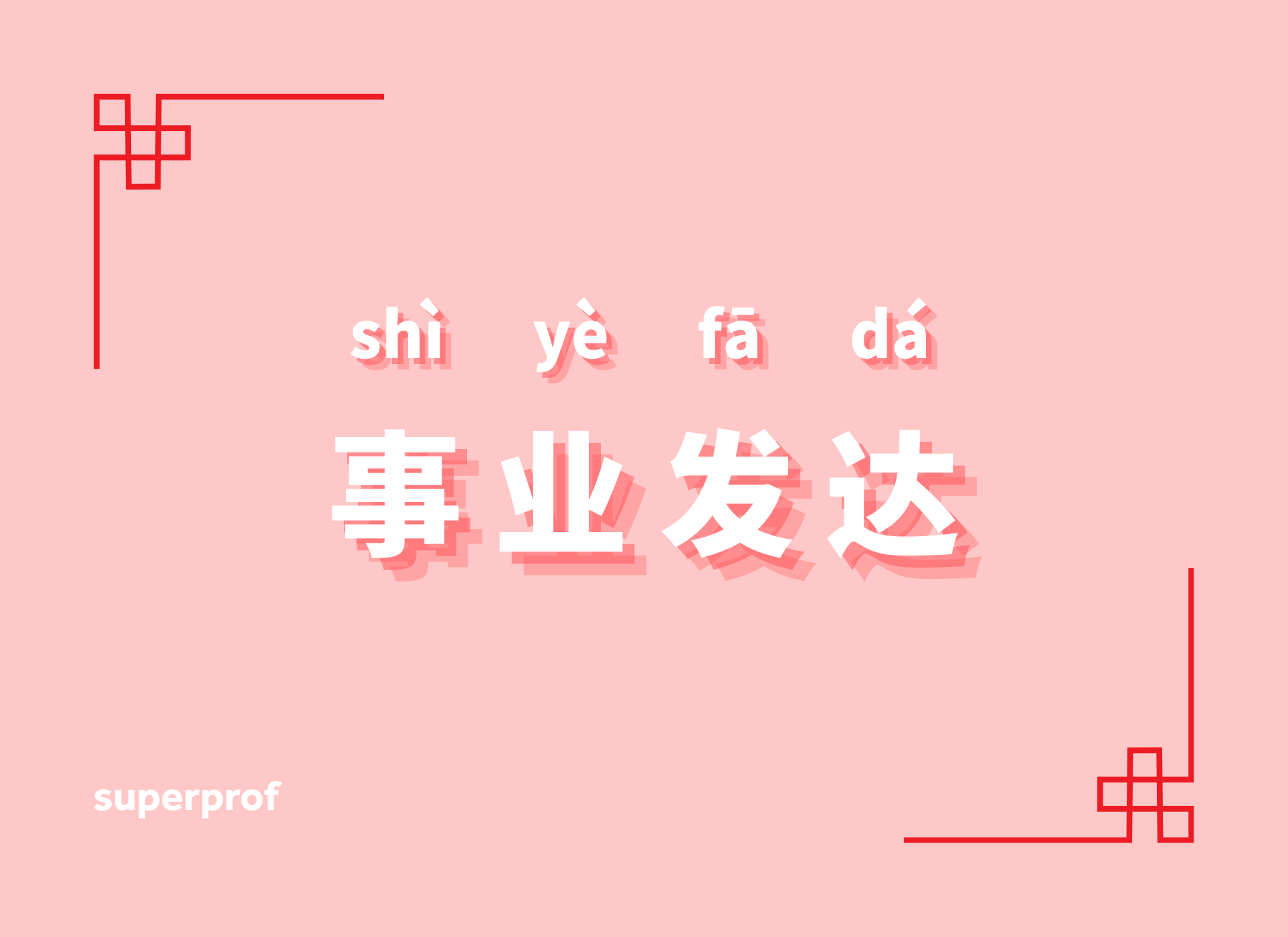
9. 事业发达 - shì yè fā dá (Career development & prosperity)
This expression is in line with the ones above. It means "May your career take off". This one, too, is for young professionals, folks just starting their careers, and students about to enter the workforce.
Hard work is central to the community. Working hard and striving for success underpins all the hopes parents send their children into the world with. So, offering these young ones encouragement also supports the family’s aspirations.
10. 出入平安 - chū rù píng ān (Safety wherever you go)
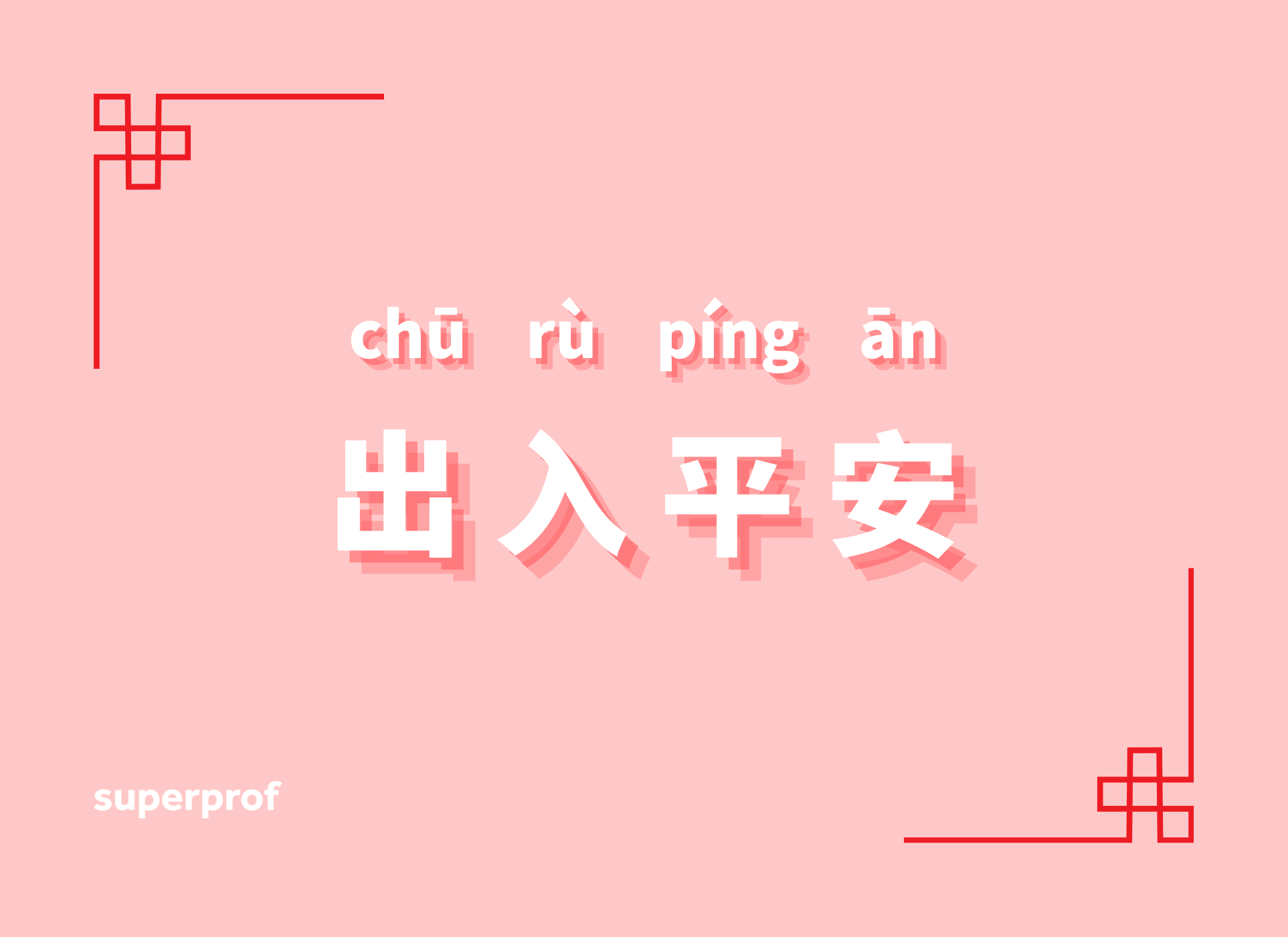
"Peace and safety, coming and going": this is a festival expression the whole world can get behind!
It's particularly apt as a Spring Festival greeting, because of all the travelling individuals do around that time.
China's Spring Festival celebration marks the world's largest annual human migration.
That's when folks take to the roads, rails and skies to return to their homesteads and villages. After the festivities, migrant workers, university students, and entrepreneurs will return to the cities. For these travellers, "Peace and safety, coming and going" is the perfect expression.
Some of these expressions might be more common in Mainland China than in Malaysia, but it’s really handy to know a few extra lines you can pull out whenever the occasion calls for it!
How to Deliver Chinese New Year Wishes
You can stick to the English version if you feel like you don’t have the confidence to use regional dialect expressions. Here are some variations, so that you don’t sound boring:
- "Wishing you a prosperous Year of the Horse filled with good fortune, health, and happiness".
- "May the Year of the Horse bring you wisdom, strength, and success in all your endeavours".
- "Happy New Year! May the Horse's energy inspire you to achieve your dreams and bring you joy throughout the year".
- "Gallop into the Year of the Horse with courage and confidence".
- "May this Lunar New Year be as spirited and vibrant as the Year of the Horse itself".
For those who want to take it up a notch, you can combine a general expression with a more specific one from this article, like this:
Happy New Year
新年快乐 – Xīn nián kuài lè
“Abundant blessings in the Year of the Horse”
马年大吉 – Mǎ nián dà jí
Now your expressions won’t sound generic and will show a little extra thought and care for the person.
Tips for Personalisation
- Mention the positive things: The Year of the Horse is associated with strength, freedom, vitality, perseverance and passion. It symbolises energy, movement, and independence.
- Be sincere: The most important part of any festival expression is the sincerity behind the words.
In Person: Tips on Proper Etiquette When Greeting Elders and Peers
If you were invited to an open house and you have no idea how to greet elders and others in the house without offending anyone or making mistakes, here’s what you need to keep in mind:
When visiting a friend’s house, don't forget to greet everyone in the family as a sign of respect. Here, you don’t have to customise for everyone, unless you know them. Just wish a simple “Xīn nián kuài lè” would do.
Keep it polite and warm.
A slight bow, a smile, or offering both hands when receiving red packets (ang pao) shows courtesy and sincerity. It’s not guaranteed that you’ll get one, but you can definitely look forward to being treated to a delicious feast!
For elders, focus on well-being, peace, and longevity. For peers, you can include encouragement for career growth or achievement. If you feel confident, go ahead and try them. If not, sticking to a simple “Xīn nián kuài lè” works perfectly.
Skip questions about marriage, salary, or career pressure – keep the moment joyful and light. Don’t be a party-pooper!
Through Digital Means: Sending New Year Wishes via Text and Social Media
- Keep them short and sincere
A simple message with a meaningful wish works best, especially on WhatsApp or SMS. For example,
“Happy Lunar New Year. May this new year bring abundance, health and prosperity to you and your loved ones!”
- Personalise when possible
Simply add a line related to the recipient – studies for students, career or health wishes for loved ones, close colleagues or anyone else. - Customise them based on the platforms.
Text/WhatsApp: For loved ones and close colleagues
Email: Customers, clients, or work contacts.
Social Media: Followers, friends and family - Send them on New Year’s Eve or the first day for the most impact.
For social media/WhatsApp, pairing a thoughtful caption with a royalty-free image is more than enough to show your care and effort.
There you have it! As promised, here's the curated list of CNY wishes you can share with loved ones, relatives, colleagues, clients and anyone who's celebrating. With these options, you're no longer limited to the same old phrases; you can personalise your expressions and make them more thoughtful and sincere.
Now, discover the famous CNY foods and the stories behind them.
The purpose of a fresh year is not only to have a fresh year. We need to have a new soul.
Gilbert K. Chesterton
References
- World Population Review. (2026, January 19). Countries that celebrate the Lunar New Year. https://worldpopulationreview.com/country-rankings/what-countries-celebrate-the-lunar-new-year
- Visit Malaysia. (n.d.). https://rai.malaysia.gov.my/visit
Summarise with AI:
Did you like this article? Leave a rating!

 Loading...