
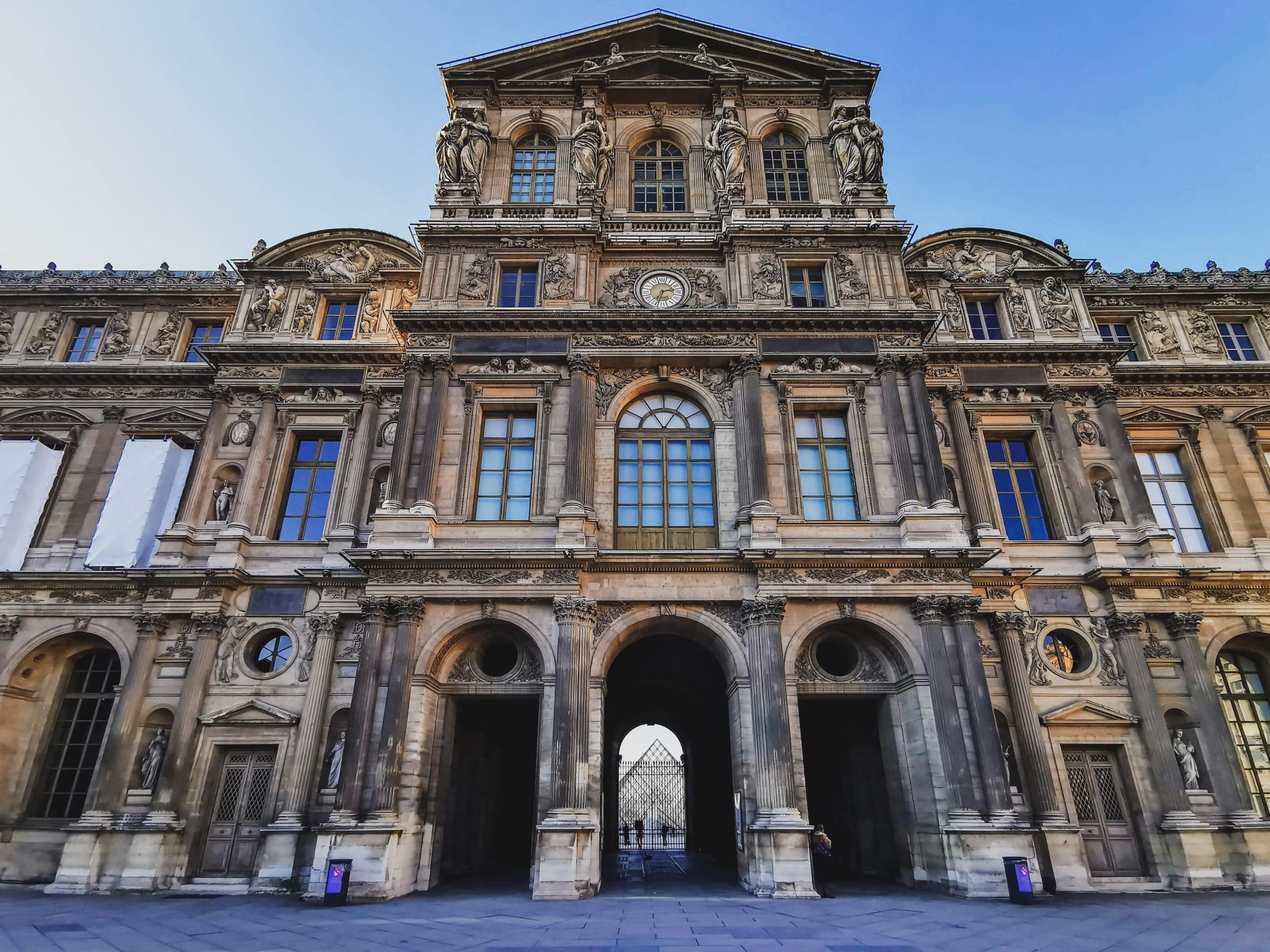

The term "French" refers to both the people and the language, although you probably knew that already.
This could be due to the idea that people are tied to the language they speak, as it is often through language that art, music, food and history are transcended.
If that is true, did the birth of the French language lead to the birth of its people?
We'll leave that question for you to answer. For now, let's answer some other interesting questions about French language history together.




Who created French?
This is actually a challenging query, but to answer this question directly: no one person created the French language. Or at least, that's as far as historians know. Instead, the French language was formed after various incidents that surrounded areas of what we now recognise as modern-day France. It all started in an ancient region of Western Europe!
Before the 5th Century A.D...
Known as Gaul, this ancient region of Western Europe represented the countries of France and Belgium we know today. When Gaul was conquered by the Romans around the first century B.C., the Gaulish language, a Celtic language which represented the region at the time, came under attack: hence the term "Romance language", or "to speak in a Roman fashion".
And the 5th Century A.D. onwards...
But then again, thanks to the Romans, Latin overtook Gaulish to become the new regional language. Over time, Gaulish did disappear - but not before passing on some words to Latin, which is why we can see some words of Gaulish origin in modern French. Think of mousse and béret - yes, we do mean the chocolate mousse and the béret that's worn on your head!
The history of the French language doesn't stop there. With the expansion of the Roman Empire, classical Latin transformed following lower-class and indigenous influences to become a "language of the people", known as Vulgar Latin. It is said that Vulgar Latin is where much of the French language has descended from.
A little later, when Gaul fell into the hands of the Franks, which was a group of Germanic tribes, Vulgar Latin again changed to accommodate the dialects of different regions. Post-Germanic invasion, when the Gallo-Romans merged with the German settlers, the fusion of these Celtic, Latin and Germanic roots led to the birth of the French language.
Are there different types of French language?
By now, you would've guessed from the history of the French language that it was influenced by many different cultures.
And vice versa, the same has happened for other regions and cultures that have intertwined themselves with the language. Just to be clear, it is more accurate to say that there are varieties of French dialects, also known as patois, or "local and regional dialects". But this doesn't go to say that these French dialects exist only in France.
Here's a list of well-known French dialects around the world.
- Parisian French: Also known as standard French, which is meant for second language learning.
- Regional French dialects: Parisian aside, there is also Alsatian, Occitan, Basque, Breton... there are as many as 28 regional dialects in France!
- Canadian French: Also known as Quebec French, as many as 95% of the people in Quebec speak French as either a first or second language!
- Belgian French: With some Dutch influences, about 45% of the Belgian population speaks French.
- African French: Varieties of the French language are spoken across 24 francophone countries in Africa, making it the continent with the most French speakers!
French language history also tells us that while some of the accents, dialects and creoles of the language are widely spoken, some are rare and endangered, such as the Louisiana Creole that's spoken by far fewer than 10,000 people. It seems like more people need to know about the history and benefits of learning the French language!
What are the unique features of the French language?
But do all dialects of the French language share the same features?
Universally, there are some specific features of French that make it a unique language. Notably, French has a distinct pronunciation, which can make it challenging to learn as compared to other Romance languages like Spanish and Italian.
This special pronunciation has also been linked to French phonology, as many parent forms of the words, often from Latin, underwent huge changes to become the words we know today. For instance, vōcem, which means "voice" in Latin, turned into the French "voix" but is pronounced as "vwa". In line with these changes, it's also been said that French grammar has been greatly simplified from Latin.
Some things we also know about the history of the French language are:
- Une liaison, also known as French liaison, happens when the final written consonant of a word becomes the first sound of the next word. Try saying "a friend", or un ami.
- While masculine and feminine genders are distinguished in French, they are usually applied not to a noun but to its accompanying article. Adding "e" to "une" tells you that une étudiante is a female student.
- French verbs are conjugated for person, tense, mood and whether something or someone is being referred to as singular or plural. Interestingly, while different spellings are applied across different forms, several of these forms are pronounced identically.
Even if you conjugate parler (meaning "to speak") with the verb forms of "je, tu, il, elle, on, ils, elles", they are all pronounced exactly the same as its stem, "parl"!
However, a cool thing that French does share with many other Romance languages is that it uses the Roman alphabet - so if you're familiar with your 26 letters, then you're already one step in towards learning the language. Here are some of the best resources for learning French in 2023 to get you started.
How many people speak French?
So, what does French language history look like today?
You might've guessed that with standard French used for second language learning, along with a multitude of French dialects, quite a population of people speak French worldwide. As of 2022 in fact, roughly 300 million people across the world speak French. It is also the only language that is spoken across five continents, alongside English!
Get ready for some cool facts about the present-day French language.
- Apart from the 29 countries that use French as a national or official language, 11 overseas territories also use French - these are administrative subdivisions of France outside its mainland.
- Can you guess the four other countries in Europe that speak French? Luxembourg, Monaco, Switzerland and... you can find a hint about the fourth country under the French dialects section!
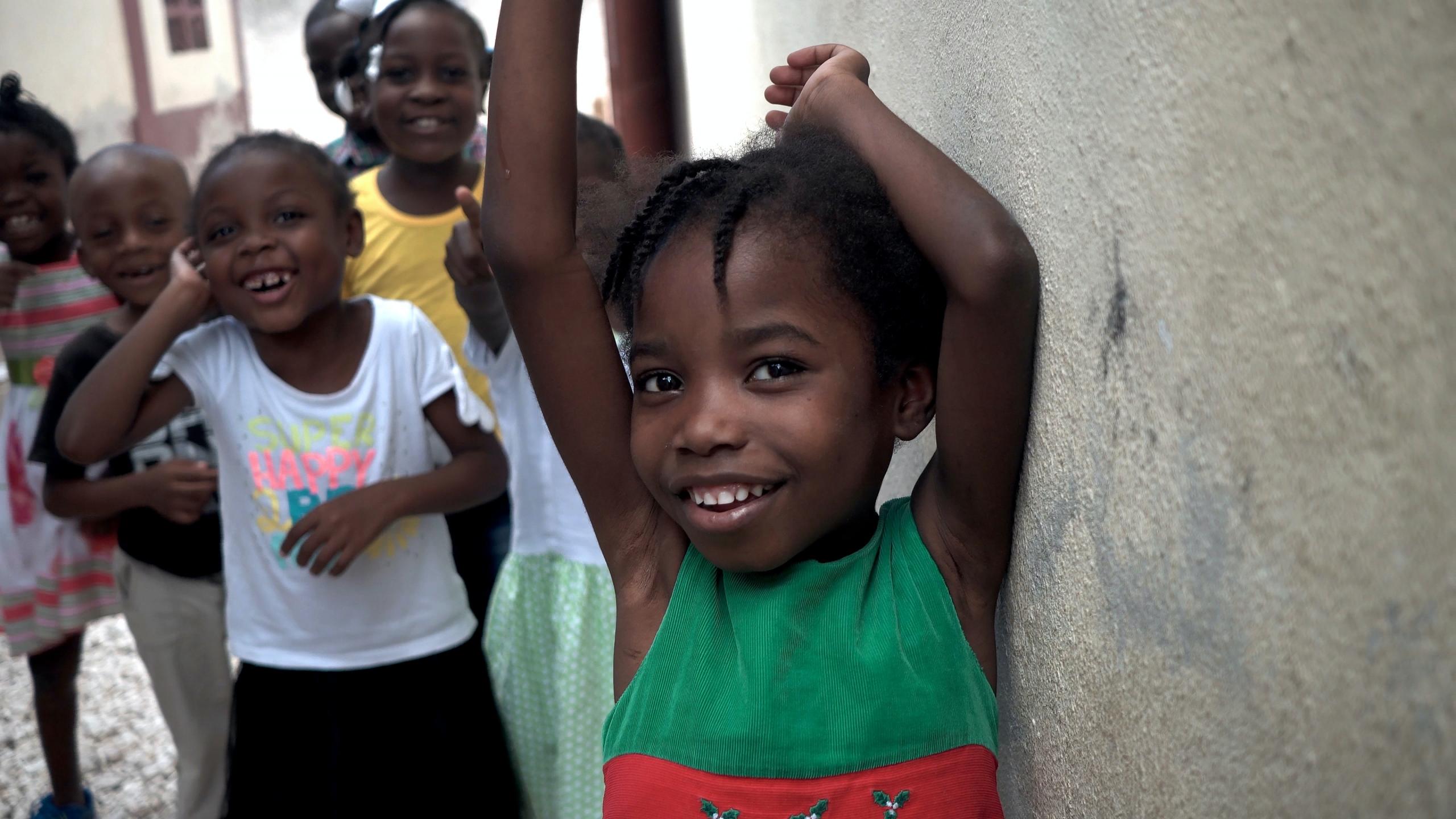
- Haiti is the only country in the Caribbean that uses French as an official language. Not to be confused with Haitian Creole (which shares similar pronunciations with the French language), roughly 42% of Haitians speak French.
- Where French isn't an official language, at least 10% of the population in certain countries speak the language! This includes Mauritius, Andorra, Tunisia and the Netherlands!
As you can see, the history of the French language is growing and expanding beyond its known five continents where it is officially spoken. That's because there are many fun ways to pick up French, even if you are not from a French-speaking country!
Is French easy to learn?
Looks like we've caught your interest to learn the French language! But is the language easy or difficult to pick up?
Well, if you happen to be a native English speaker, you may just be in luck. As French is a Romance language, it is considered "more similar to English" than many other languages. It's even been said to be one of the easiest languages to learn for people who speak English as their mother tongue.
It's still going to take you some time to master French, however, especially if you want to achieve professional working proficiency. Some other factors to consider are linguistic ability, experience with learning a second language, and if you are learning with a French tutor who best fits your needs.
At Superprof, you can easily find a French tutor who can guide you through:
- French listening skills, crucial to learning the language in the first place
- French speaking skills, perfect for travelling abroad and business purposes
- French reading and writing skills, if you are keen on studying the language in-depth or even furthering your French studies
- French culture, as you'll be introduced to the wonderful world of French art, cuisine and entertainment
Over 13,700 French tutors are waiting for you on Superprof. We are certain you will find the right one who is just as passionate about French language history as you are!
Summarise with AI:
Enjoyed this article? Leave a rating!

 Loading...
