
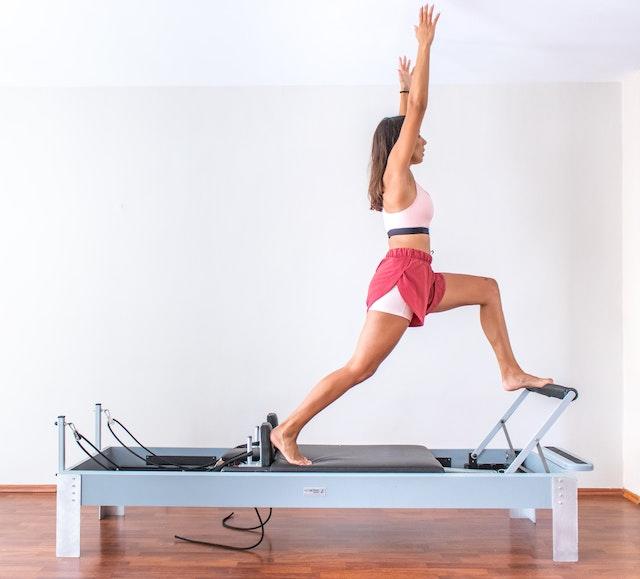

Although we are aware of the significance of physical activity in our daily routine, we might need to fully comprehend the reasons behind it or the benefits it offers. It's worth noting that our ancestors were nomads who constantly moved in search of sustenance and refuge, covering vast distances daily. Our physical makeup is such that regular exercise is integral to our well-being and is a product of our evolutionary development.
Individuals of all ages, including children, teenagers, and adults, require consistent physical activity to maintain optimal health. Engaging in physical activity is beneficial for your well-being, and it is recommended to remain active throughout your life, irrespective of your body shape or BMI.
In recent times, yoga and Pilates have been trendy and highly regarded for their wide-ranging health advantages, including fostering a connection with one's body, alleviating stress, and enhancing flexibility, strength, control, and stamina. Despite the numerous variations of both practices (with some considering one a balance class while others view it as cardio), the common thread that unites them is the focus on breath work.
Ever wondered what the difference is between Pilates and Yoga? Although they seem similar and have similarities in maintaining fitness and health to keep the body in prime condition, yoga and Pilates have differences.
Let’s take a closer look at what is Pilates and yoga, then explore the differences together!


What is Pilates?
Although Pilates may seem like an ancient exercise practice, it is relatively young compared to yoga. In the 1900s, a physical trainer named Joseph Pilates created Contrology, an exercise program designed to help athletes and dancers recover from injuries by correcting muscle imbalances and improving flexibility, strength, and stability. Joseph also invented various types of equipment that can be used to support and challenge the exercises. After Joseph's death, Contrology came to be known as Pilates.
Even though Pilates has elements of calisthenics, yoga, and ballet, it emphasizes using the mind to control the body. It strongly focuses on precise, controlled movements that align the spine. Pilates has six fundamental principles, including breathing, centring, concentration, control, flow, and precision.
Click here to check out Pilates for men!
What is Yoga?
While you may have some familiarity with various yoga poses or asanas, these are just a small part of the larger practice of yoga. Originating in India over 5,000 years ago, yoga is an ancient spiritual practice that aims to connect the body, mind, and spirit and promote physical and mental strength and awareness.
A fundamental principle of yoga is the concept of chakras, the seven energy points within the body. The chakras reflect the state of the mind and determine one's perception of reality. If a chakra is blocked, it can result in mental or physical issues. Practicing yoga can help to stimulate and balance these chakras, and different asanas can target specific chakras.
As yoga has evolved, various styles have emerged, each with its unique characteristics. For beginners, hatha yoga is a great starting point, but the ultimate goal of connecting the body, mind, and spirit remains consistent across all forms of yoga.
Now that we know what is yoga and Pilates, let’s take a look at the differences.
Building Core Strength Vs. Spiritual Practice
Mastery of Pilates or yoga is equally impressive since both demand high control and strength. However, one aspect distinguishing yoga from Pilates is its emphasis on spirituality.
While some yoga classes may not focus on this aspect, traditional yoga aims to unify the mind, body, and spirit. As a result, many yoga sessions involve meditative practices or the repetition of mantras.
Yoga typically involves holding various poses for specific durations, while in Pilates, the primary goal is to fortify the core muscles, obliques, and leg muscles, with all movements originating from the center, regardless of whether you are lying down, standing, or sitting.
Teachers often emphasise holding a steady position in yoga rather than disrupting balance with additional movements.

Contemporary Vs. Ancient Practice
Pilates has a relatively brief history and is not based on religious or spiritual principles. It was created during World War I by Joseph Pilates, whom we mentioned earlier. In contrast to yoga, which focuses on the connection between mind, body, and spirit, Pilates was primarily developed to rehabilitate injured German soldiers. Joseph Pilates personally assisted these soldiers in stretching, strengthening, and stabilising their muscles.
Yoga, on the other hand, has a vastly different origin than Pilates. Its mind-body practices date back around 5,000 years or even more. The inception of yoga can be linked to Eastern religions, and it has been used as a comprehensive approach to overall health, body awareness, and consciousness.
Body Awareness Vs. Mind Awareness
One of the most notable distinctions between Pilates and yoga lies in their primary emphasis: the body and the mind.
Pilates concentrates on body awareness, and although its mental aspect is essential, the main objective is to develop core strength and stability through precise and accurate movements.
In contrast, yoga encompasses a wide range of styles and approaches but generally emphasizes the connection between the mind, body, and breath. Yoga postures, or asanas, improve flexibility, strength, and balance while promoting relaxation and mindfulness. In addition to physical postures, yoga includes breathing exercises, meditation, and other practices that can help cultivate inner peace and awareness.
Breathing Technique
The breathing techniques in yoga and Pilates have distinct focuses. In yoga, the emphasis is on expanding the belly and directing the breath throughout the body, emphasising breathing through the chest. In contrast, Pilates breathing aims to activate the core by directing the breath to the lower lobes of the lungs and the front, sides, and back of the ribcage, which is referred to as "three-dimensional breathing." This technique helps to engage the core throughout the movements.
Yoga breathing involves a rhythmic pattern of inhaling and exhaling through the nose, which helps to focus the mind inward. Pilates focuses on inhaling through the nose and exhaling through the mouth to keep the core activated. The breath is directed outward to the physical body rather than inward.
Equipment
Both traditional Pilates and Yoga can be performed on a mat with additional equipment. They often incorporate various tools and props to enhance the workout.
Pilates equipment is typically more complex and specialised than yoga equipment. There are many pieces of equipment that Joseph Pilates devised to help his clients support their balance of strength and flexibility – these included the barrel, chairs, foot corrector, and a whole heap of other incredible contraptions.
Yoga equipment is generally more straightforward and more versatile than Pilates equipment. It is typically practiced without any or many props – though it has become increasingly common to see blankets, bolsters, straps, and blocks used in modern classes.
Pilates equipment is more specialised and focused on resistance training, while yoga equipment is more versatile and focused on support and modifications.

Which is the Right Choice: Yoga or Pilates?
Yoga and Pilates are two types of exercises that are gentle on the body and can enhance strength and flexibility. Deciding which one to choose depends on your personal preferences and goals.
For instance, Pilates exercises may be more suitable if you have an injury, while yoga may be more effective if you aim to improve your flexibility. Some individuals enjoy the spiritual aspect of yoga, while others prefer the physical workout Pilates provides. Try both, decide which one you prefer, or even incorporate both into your fitness routine.
It's recommended to commence either yoga or Pilates by attending a class with a qualified trainer, where you can focus on enjoying the movements rather than worrying about performing them correctly. Lessons can be tailored to your needs, with exercises modified or rest taken if required. Did you know that women can practice Pilates during pregnancy?
If you're interested in learning Pilates or yoga but struggling to find suitable instructors, why not search for private tutors on Superprof? We can assist you in finding an ideal tutor who can guide and enhance your skills in the art of Pilates and yoga, whichever you are interested in, whether for fitness, to lose weight, or to de-stress.
At Superprof, we cater to various motivations for learning Pilates and yoga and offer a wide range of private tutors. You can easily find a tutor who meets all your requirements on our platform and learn online or in person with them.
So, if you want to learn and improve your Pilates and yoga skills, search for a private tutor on Superprof today!
Summarise with AI:
Did you like this article? Leave a rating!

 Loading...
