

Biological science permeates every aspect of our existence. Being a living entity, you are inherently connected to biology. Therefore, biology is the key to unlocking this knowledge if you seek to understand the workings of the human body and all other living organisms. You can learn about biodiversity, sexual reproduction, inheritance and even variation in biology.
Are you studying biology for your SPM exam? If so, continue reading to learn about Chapter 9 in Form 4, which covers nutrition and the human digestive system.





Digestive System
The human body's digestive system is composed of organs that collaborate to transform food into energy and essential nutrients to fuel the body. When we consume food, it undergoes digestion and is utilised by our body, while unused portions are eliminated through excretion.
The digestive system in the human body consists of the alimentary canal, which is a lengthy tube that food travels through after entering the mouth. This canal begins at the mouth, proceeds through the oesophagus, stomach, small intestine, and large intestine, and eventually exits through the anus. Additionally, other organs are involved in digestion, such as the liver, gallbladder, and pancreas. Digestive juices are secreted into the alimentary canal by salivary, gastric, and intestinal glands.
Digestion
Digestion is the intricate procedure of converting the nourishment consumed by living beings into essential nutrients that the body requires for energy, development, and cellular repair, all crucial for sustaining life. There are two types of digestion:
- Physical Digestion - This entails the physical fragmentation of food molecules into a more compact, absorbable structure
- Chemical Digestion - It encompasses a sequence of chemical processes responsible for breaking down food, and these processes take place within the stomach, facilitated by gastric juices and enzymes
Digestion of Carbohydrates in the Mouth
The digestion of carbohydrates initiates as soon as you start eating, right when food enters your mouth. Food in the mouth prompts the salivary glands, including the parotid, sublingual, and submandibular glands, to release salivary amylase, which breaks down starch into maltose.
Digestion of Protein in the Stomach
The inner lining of the stomach wall is covered with epithelial cells that have undergone structural and functional modifications to create gastric glands. These epithelial cells are:
- Chief cell - It releases pepsinogen, which, in hydrochloric acid, undergoes conversion into pepsin to break down proteins into polypeptides
- Parietal cell - Produces hydrochloric acid to eliminate bacteria and create an acidic environment that allows pepsin to perform at its best
- Mucous cell - It generates mucus to safeguard the stomach lining from erosion caused by the effects of hydrochloric acid
Digestions of Carbohydrates, Proteins and Lipids in the Small Intestine
Protein digestion occurs at various points within the digestive system, but the bulk of this process unfolds in the small intestine. The small intestine comprises three sections:
- Duodenum
- Jejunum
- Ileum
The duodenum, the initial segment of the small intestine, accepts chyme from the stomach while simultaneously receiving secretions from both the gallbladder and the pancreas. The duodenum also takes in bile produced by the liver and pancreatic juice released by the pancreas.
Pancreas
The pancreas releases pancreatic amylase, trypsin, and lipase into the duodenum via the pancreatic duct.
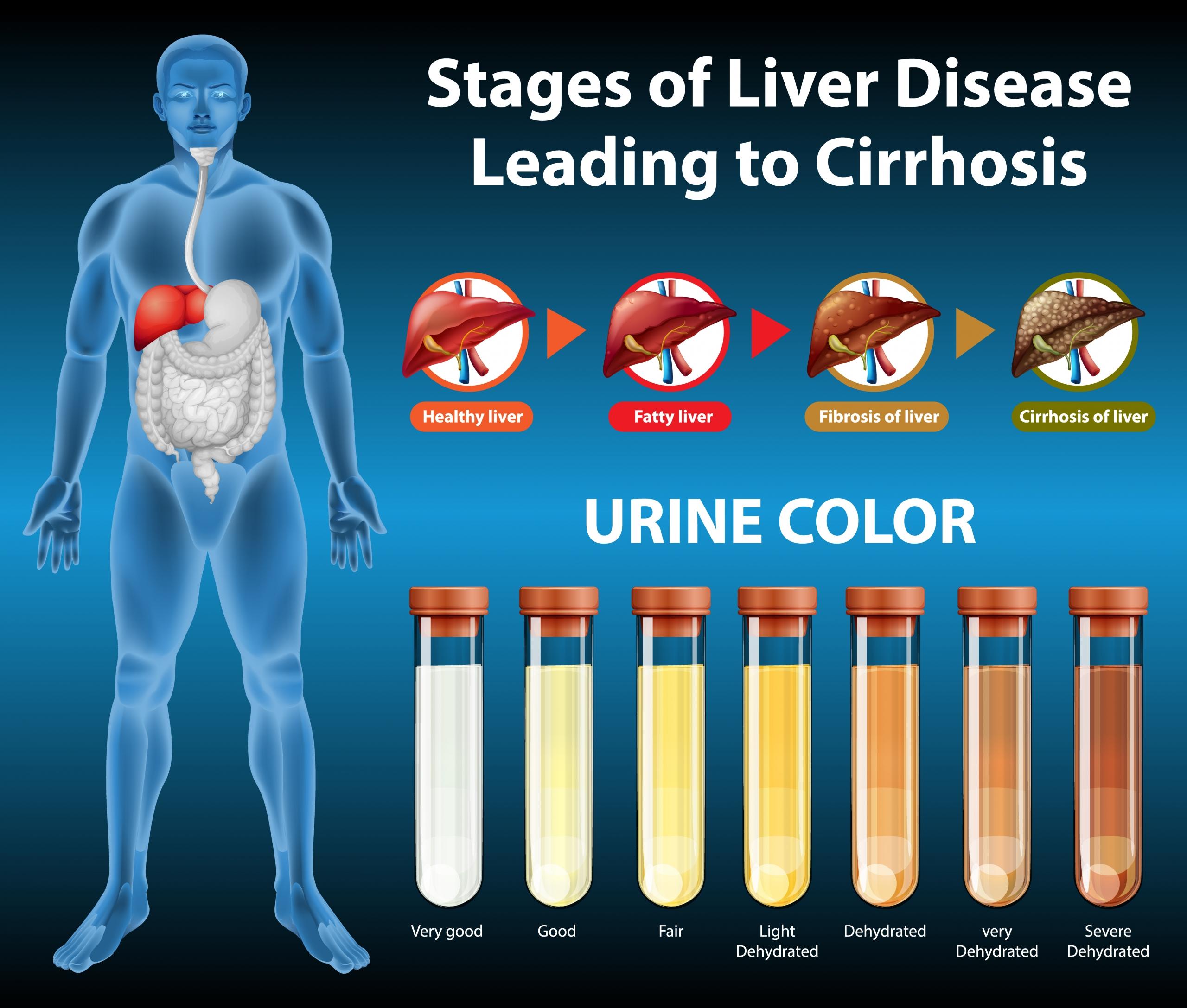
Liver
It generates bile, which is then stored in the gallbladder.
Duodenum
- Pancreatic amylase hydrolyses starch into maltoseLipase hydrolyses lipids into fatty acids and glycerol
- Trypsin hydrolyses polypeptides into shorter peptides
- The glands in the wall of the ileum release mucus and intestinal juice containing enzymes:
- Maltase
- Sucrase
- Lactase
- Lipase
- Erepsin
The alkaline environment in the ileum provides the optimal conditions for these enzymes to function effectively.
Small intestine:
- Maltase hydrolyses maltose into glucose
- Lactase hydrolyses lactose into glucose and galactose
- Sucrase hydrolyses sucrose into glucose and fructose
- Erepsin hydrolyses peptides into amino acids
Absorption
The process of digested food molecules passing through the intestinal wall and entering the bloodstream or lymphatic system is called absorption. The small intestine is the primary location for this absorption of digested food, most of which occurs in the ileum.
Ileum
The extended ileum is specialised for nutrient absorption due to its folded inner layer covered with small projections known as villi (singular: villus)
The villus possesses the following adaptations for nutrient absorption:
- Feature an extremely thin wall consisting of a single cell layer, enabling rapid diffusion of food molecules
- Exhibit an extensive surface area with numerous folds on the internal surface and microvilli.
- It contains a dense blood capillary network, ensuring efficient food molecule transportation
- Their epithelial cells possess a high concentration of mitochondria, which supply energy to transport nutrients
- The presence of a lacteal is for the absorption of fatty acids and glycerol
Assimilation
The Role of the Circulatory System
Assimilation is the term used for creating intricate compounds or structural elements. Certain digestive products are transported directly to the liver through the hepatic portal vein for further processing, where they are utilised for metabolic functions or assimilation. Lacteals transport lipids and fat-soluble vitamins, eventually entering the subclavian veins through the right lymphatic and thoracic ducts.
Functions of the Liver in the Assimilation of Digested Food
The liver is the controller that manages the amount of nutrients entering the bloodstream. The liver performs the following functions:
- Food Metabolism
- Detoxification
- Storage of Nutrients
Assimilation Process in the Liver
Amino Acids
The liver utilises amino acids to synthesise plasma proteins and enzymes. Surplus amino acids cannot be stored and are subjected to deamination. In cases of glucose deficiency, the liver transforms amino acids into glucose.
Glucose
Crucial for cell respiration, the excess is stored as glycogen in the liver. Once glycogen reserves are saturated, glucose is transformed into fat. When there's a decline in blood glucose levels, the liver converts glycogen back into glucose.
Assimilation Process in the Cells
Amino Acids
They are utilised for the formation of new protoplasm and for mending damaged tissues, serving as the fundamental building blocks for synthesising hormones and enzymes.
Glucose
It is the primary substance for cellular respiration, where cells utilise energy for various vital processes. Any surplus glucose is stored as glycogen within the muscle tissues.
Lipids
Phospholipids and cholesterol constitute the principal constituents of the cell membrane. Extra fats are stored in adipose tissue as an energy reserve. In instances of glucose deficiency, fats are oxidised to provide energy.
Defaecation
Following the absorption of nutrients, what remains proceeds into the colon. The contents of the intestines include a combination of water, undigested food, and indigestible fibres, along with deceased cells and bacteria. The primary roles performed by the large intestine encompass the reabsorption of water and minerals and the creation of stool.
Colon
- The process of reabsorbing water, minerals, and essential metabolic byproducts like vitamins B, K, and folic acid occurs.
- The absorption of water from undigested leftovers leads to the creation of stool.
- The stool comprises indigestible food remnants, deceased cells, and various waste products such as bile pigments, bacteria, and harmful substances.
- The mucus secretion from the colon's lining assists in propelling stool through the colon.
Rectum
- It typically takes 12 to 24 hours for faeces to move through the digestive system and reach the rectum.
- As faeces collect in the rectum, the pressure in this area rises, leading to the urge to eliminate waste from the body.
- The muscles in the rectal wall will then contract to push the faeces out through the anus. This entire process is known as defecation.
Balanced Diet
The assimilation of essential nutrients meets the body's fundamental requirements. Consequently, to meet these requirements, it is imperative to maintain a well-rounded diet. A balanced diet should encompass carbohydrates, proteins, fats, water, fibre, vitamins, and minerals, all consumed appropriately to fulfil the body's daily energy demands.
Energy Value
This term pertains to the heat produced when one gram of food is burned, typically expressed in kilojoules per gram (kJ/g). Another unit for measuring heat energy is the calorie (cal), where one calorie is equivalent to 4.2 joules, which represents the amount of heat energy needed to raise the temperature of 1 gram of water by 1 degree Celsius at standard atmospheric pressure.
Diet Modifications for Specific Individuals
Various factors influence the diversity of balanced diets among different groups of people:
- Age
- Lifestyle
- Health conditions
- Specific nutritional needs
Consuming excessive carbohydrates can result in conditions such as diabetes mellitus, obesity, and dental caries, as the surplus is stored as fat. Obesity is typically defined as weighing 20% more than the average height. Additionally, a diet high in saturated fats can elevate cholesterol levels in the blood, ultimately contributing to cardiovascular disease, high blood pressure, and atherosclerosis.
Health Issues Related to the Digestive System and Eating Habits
Adaptation of Digestive Organs
One of the surgical treatments available for obese individuals is gastric bypass surgery. This procedure aids in weight reduction by altering how the stomach and small intestine process ingested food. Following the surgery, the stomach's size is reduced, making it easier to experience satiety with smaller food portions.
Health Issues Related to Defecation
Constipation represents one of the most prevalent challenges associated with bowel movements. A well-balanced diet should include adequate water intake and fibre-rich foods like fruits and vegetables. Prolonged constipation has the potential to result in conditions like haemorrhoids, colon cancer, and rectal cancer. Here are a few roles that fibres play:
- Stimulate peristalsis
- Absorb and remove toxic substances
- Control the absorption of glucose (significant for diabetic patients)
- Increase the population of gut bacteria
Water assists in hydrating the fibres, augmenting their volume, which, in turn, facilitates the passage of stool through the colon and guards against constipation.
Health Issues Related to Eating Habits
Unhealthy dietary practices are associated with a range of health issues that can impact the daily lives of numerous individuals, such as:
Are you confused with the SPM biology syllabus? On the Superprof online platform, you can easily choose from a wide array of tutors available in every state of Malaysia to help with this subject. You can find a tutor with the right qualifications, expertise, and specialisation that matches your requirements while staying within your budget.
Summarise with AI:
Did you like this article? Leave a rating!

 Loading...
