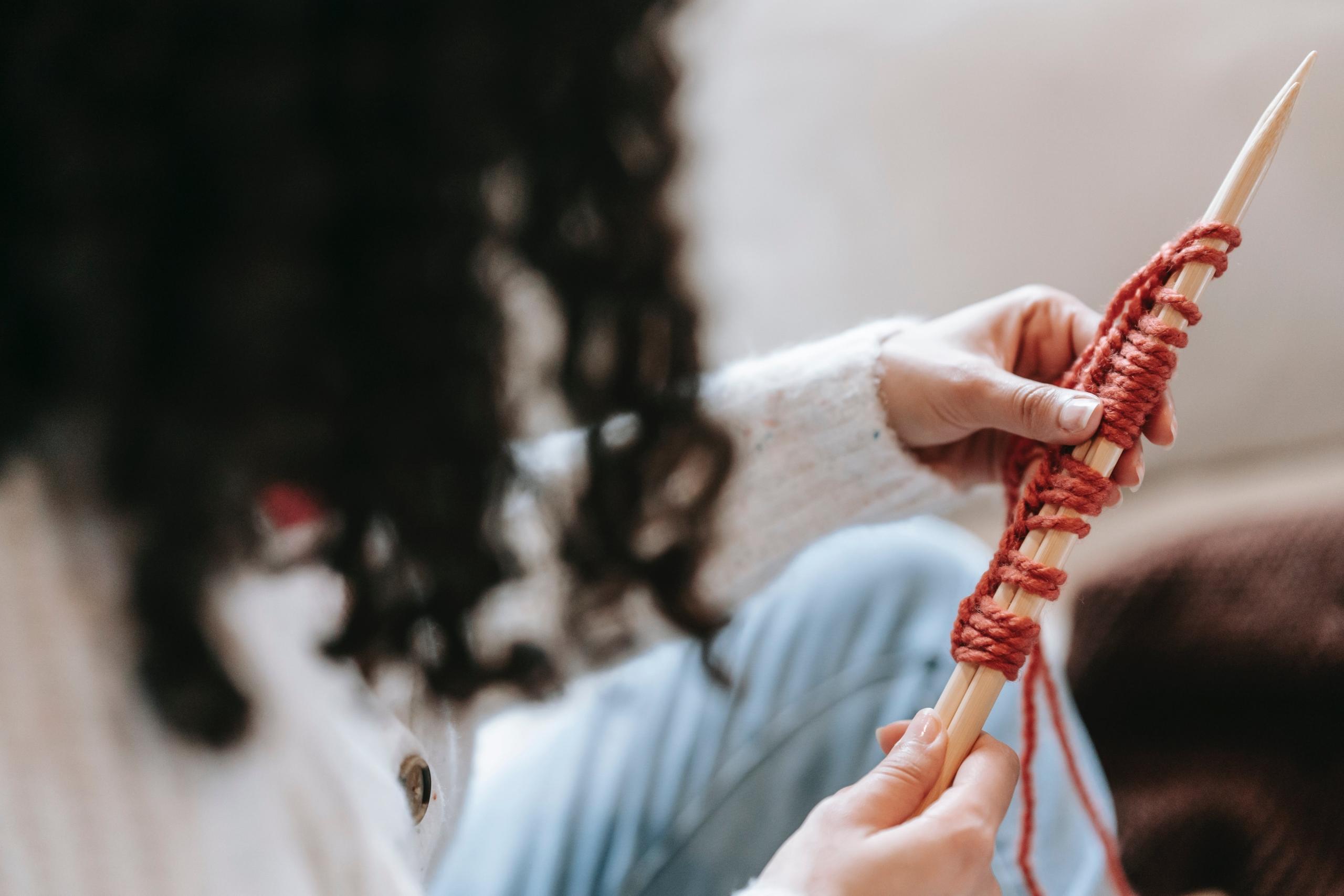

Perhaps you've come across a gorgeous knitted scarf and wondered what it would be like to try making one for yourself.
Well, you'll be pleased to know that knitting is an activity that anyone can learn.
Read on to learn what knitting is all about and why you should begin learning how to knit from today onwards!






What is the concept of knitting?
Knitting is one of the oldest methods of making clothes.
Now it is trending as a hobby and a means of fighting stress among young people!
But how do you tell knitting from other forms of needlework?
Generally, knitting is the production of fabric made of interconnected loops of yarn. The most basic form of knitting is done with a pair of knitting needles and continuous knitting yarn, but the person using these knitting tools may also several yarns as opposed to just one type of yarn to create various knitting patterns.
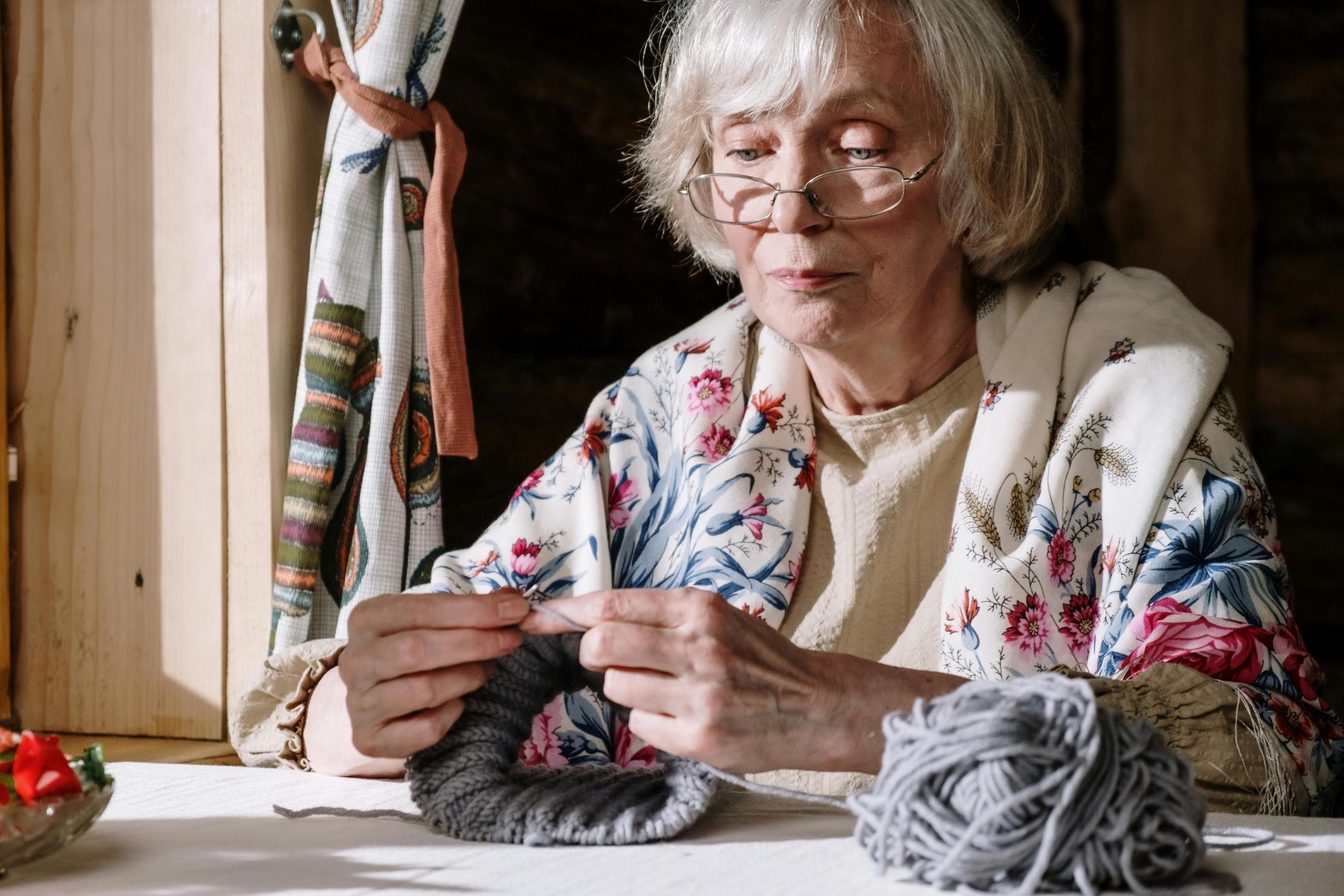
What we have been referring to so far is hand-knitting, which is often used to hand-make unique and customised fabric pieces - think of beanie hats, colourful mittens and animal-themed baby sweaters! It's also the category of knitting most talked about when speaking of it as a hobby, especially among those who are knitting for beginners.
Sometimes, there may be too much knitting wool to handle so knitters will turn to machine knitting. Those working in the garment industry need to be able to produce consistent pieces of fabric within a short timeframe, so they will benefit the most from machine knitting. Therefore, additional knitting tools are needed: needle pushers, transfer tools, weights, and of course, a knitting machine.
This is different from crochet, which relies on a hook to create fabric. Learn how to tell the difference between knitting and crochet here.
What is the most important in knitting for beginners?
Before you learn knitting patterns and stitches, you must have the essential supplies on hand! You can visit local shops near you to purchase knitting wool and there are even some supermarkets that may have what you need. Some knitting supplies you should consider are:
- Knitting yarn
- Knitting needles
- Scissors for cutting yarn
- Measuring tape
- Stitch markers
- Blocking tools
In addition to your knitting tools, there are basic knitting techniques that you should practise in your free time to help you get familiar with the rhythm of knitting and ensure a smoother knitting experience when working on projects. For starters, learn the process of casting on and off in knitting and the basic knit stitch.
After that, you can explore popular knitting styles and techniques.
On Superprof, you can learn how to knit and create the most beautiful knitting patterns.
Did you know that you can get knitting lessons with Superprof tutors who have over a decade of experience in the craft? You'll be happy to know that sewing tutors on Superprof are offering the choice of face-to-face and virtual lessons to pass on their experiences to enthusiastic knitters such as yourself! You don't even need to have a background in knitting to get started.
To find a sewing tutor on Superprof who can teach you the basics, or even just help you improve your current knitting styles, create your student account on the Superprof Tutors website so that you can find knitting lessons suited to your level of mastery, set a preferred lesson budget and schedule a knitting lesson with your Superprof tutor.
Wait no longer and learn how to knit like a pro with Superprof!
Why is knitting good for your health?
Your ability to concentrate on tasks and solve problems may improve with knitting!
One study which surveyed over 3,000 knitters worldwide identified mathematical skills, planning and organising skills, and spatial awareness among the cognitive skills enhanced through knitting. The study also indicated that those who practised their knitting styles more frequently showed better concentration on tasks and improvements in memory.
Since the activity involves remembering certain instructions and knitting patterns, knitting directly benefits your working memory, allowing you to retain focus and concentration in other areas of your life - be it paying attention during a lecture or completing work projects on time.
Remember that there is a mind and body connection in this activity!
Learning how to use knitting needles and creating designs out of knitting yarn requires a lot of physical practice, which is why knitters often have better fine motor skills than non-knitters. Older adults can benefit from knitting as it can improve dexterity in the hands and fingers, as well as hand-eye coordination.
Studies have even found that knitting slows the onset of dementia, reduces the effects of chronic pain and lowers heart rate which induces calm - similar to that of yoga!
Knowing how to knit benefits your overall health and you can start with these easy knitting projects for beginner knitters.
How does learning how to knit help socially?
You could experience more happiness when you knit in a group over doing it alone.
There's nothing like being part of a community to feel that a personal hobby or activity is worth pursuing. Like book clubs and dance groups, knitting is a powerful social activity: it's popular not only with older women but also among young adults and teenagers who are passionate about discussing their knitting styles with like-minded people.
Like crochet, knitting can be a solo activity but it can be fun learning how to knit with others!
As social beings, we thrive when we are in a community and spend time around others, which also improves our quality of life. When socialising with others in knitting clubs, even if it's just to compare knitting yarn or have a debate about which knitting needles are the most versatile, you can beat off any feelings of loneliness and reduce your risk for depression.
Since many knitting clubs are formed in neighbourhoods or public spaces within a local community, you can even contribute to meaningful causes by joining a knitting for beginners group. When knitters come together, they can pick up their knitting tools to create beautiful knitted hats, bags and cardigans to be put up for sale, and later donate the proceeds to a charitable cause!
Hence, knitting can both improve your social skills and provide you with a sense of purpose.
You don't even need to head outside to meet new friends!
Have you ever thought about meeting other knitters online?
Nowadays, you can build friendships through knitting by reaching out to groups and communities online. Malaysian Knitters & Crocheters, for instance, is an online group for Malaysian knitting and crochet fanatics who enjoy discussing their passion and sharing their unique knitting patterns with others.
Online platforms like Instagram and Facebook are fantastic places to start connecting with other knitters in your area.
Your new friends may even know where to find great resources to learn knitting.
How can knitting be rewarding to a person?
Did you know that people who knit are found to be happier and calmer daily?
Just feeling knitting wool can bring relief to the person holding it.
It's well-known that knitting can do wonders for one's emotional well-being. Many enthusiasts turn to their knitting tools to be relieved of the stressors of daily life and lower their feelings of anxiety. However, you don't have to pick up your knitting needles only when you're feeling low - there's nothing wrong with 30 minutes of knitting to uplift your day!
The effects of knitting towards elevating mood and encouraging feelings of happiness have been linked to the mindfulness element of this activity. To finish knitting patterns successfully, the knitter must be in a calm state and focus their attention on their knitting yarn: so consistently doing this activity can teach one how to fully relax and remain mindful of any activity they are doing.
You can carry this practice of mindfulness to other areas of your life, too!
Finally, learning knitting styles is rewarding because it boosts your self-esteem at the end of the day.
How does knowing how to knit make you more confident?
At its heart, knitting is an outlet for people to express their creativity and personality. It can be exciting to explore different coloured yarns and knitting patterns - and then come up with original knitting styles! By experimenting with knitting needles of different sizes and patterns that intrigue you, you are ultimately letting your artistry shine through your knitted projects.
Indeed, it is rewarding to be able to share one's life story through knitting.
As you continue to express your ideas and creativity through knitting, you will quickly realise that your confidence has improved after sharing your personal stories with others and meeting others who have been inspired by your knitted projects. That's a healthy boost to your self-esteem!
The next time you consider whether you should learn knitting, take it from us that it's a choice you won't regret!
Summarise with AI:
Did you like this article? Leave a rating!

 Loading...