
Are you aware that there are many Chinese New Year Facts that you probably didn’t know? Like, for example, have you ever wondered why the Chinese hang the character for “good luck” (Fu) upside down? Or did you know that yee sang (also known as yu sheng or lo sang) is actually a tradition unique to Malaysia and Singapore?
There are many little details like these that often go unnoticed during this beautiful Lunar New Year celebration. You might wonder why it even matters to know all this. Sure, you can enjoy the festivities without understanding the reasons behind them – but once you do, everything starts to make more sense.
Behind every tradition and custom, there’s a meaning. Knowing why certain practices exist helps you appreciate the celebration more, rather than simply following along with the crowd.
In this article, I’ve rounded up some interesting Chinese New Year facts that everyone should know – whether you celebrate it or not. After all, learning about different cultures and traditions is always fun.
Let’s get started!
Interesting Facts About the Chinese New Year
- Historical origins and legends behind the Chinese New Year, including the Nian story and Spring Festival.
- Traditional customs, foods, decorations, and taboos of lunar new year celebrations.
- Chinese zodiac and how each year the Chinese are influenced by their animal sign.
- Modern and global celebrations and how people celebrate the Chinese New Year worldwide.


Chinese New Year History Facts
Chinese New Year has been celebrated for over 3,000 years and comes with many legendary stories passed down through generations. While these stories are folklore rather than historical records, they play an important role in explaining the meaning behind many Chinese New Year customs that people still practise today.
1. Warding Off Monsters and Evil (The Nian Legend)
The legend tells of a monster, Nian, who would rise up once per year. He would enter the village and eat its inhabitants, especially the children.
One year, an old man came to the village, just ahead of Nian's invasion. He promised the villagers he would save them and get revenge for them.
The villagers all went into hiding, and the old man remained. The villagers returned the next morning to find their village intact and plastered with red paper.
The old man explained he wasn't a god sent to save them. He simply knew Nian didn't like loud noise and the colour red.
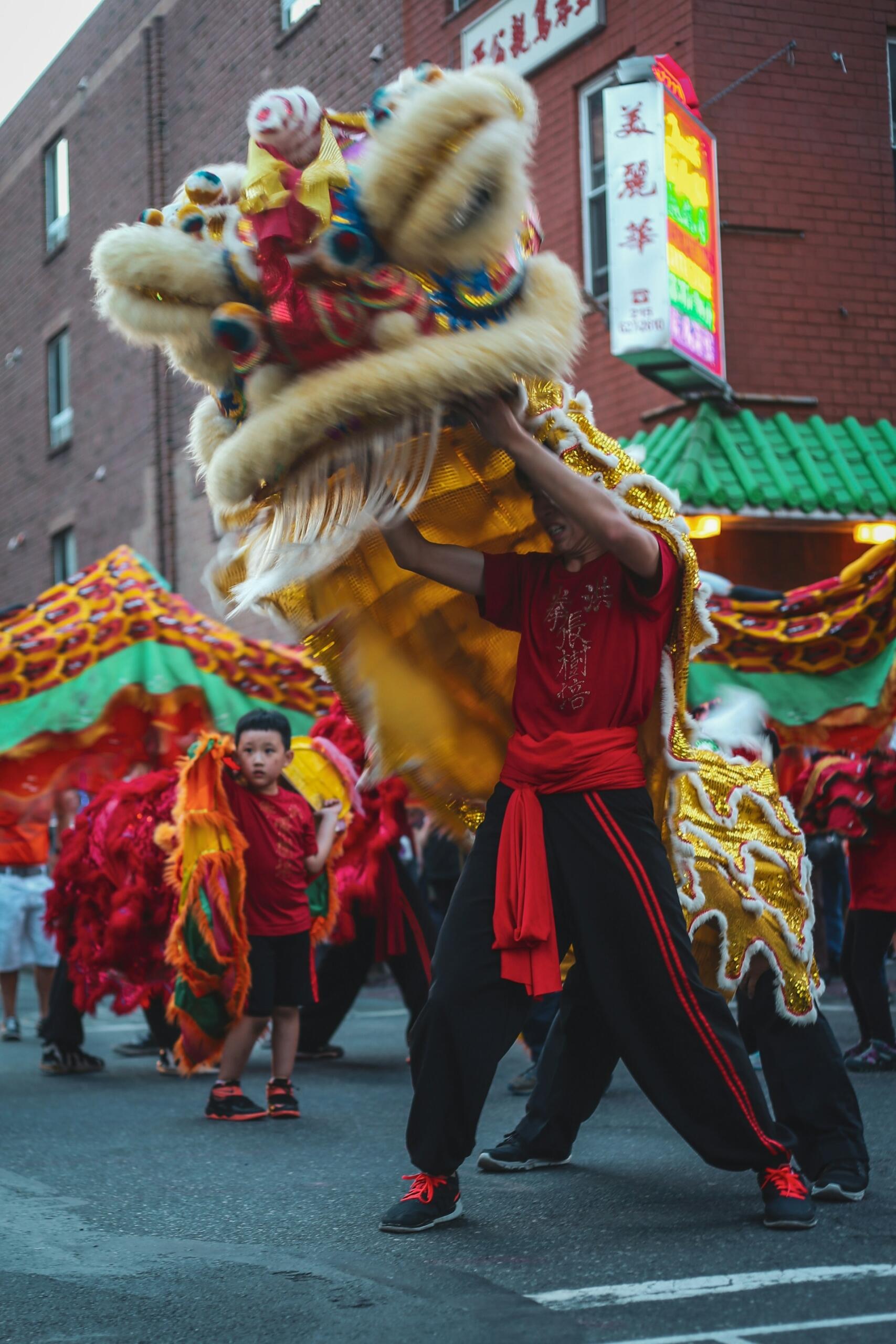
Dragon dances are associated with warding off evil and bringing luck, and are sometimes linked to Nian in popular explanations.
So, villagers started wearing red and hanging red lanterns around the time Nian was due to appear. They also lit firecrackers to scare him off. This story is the basis for today's New Year practices.
2. Fireworks

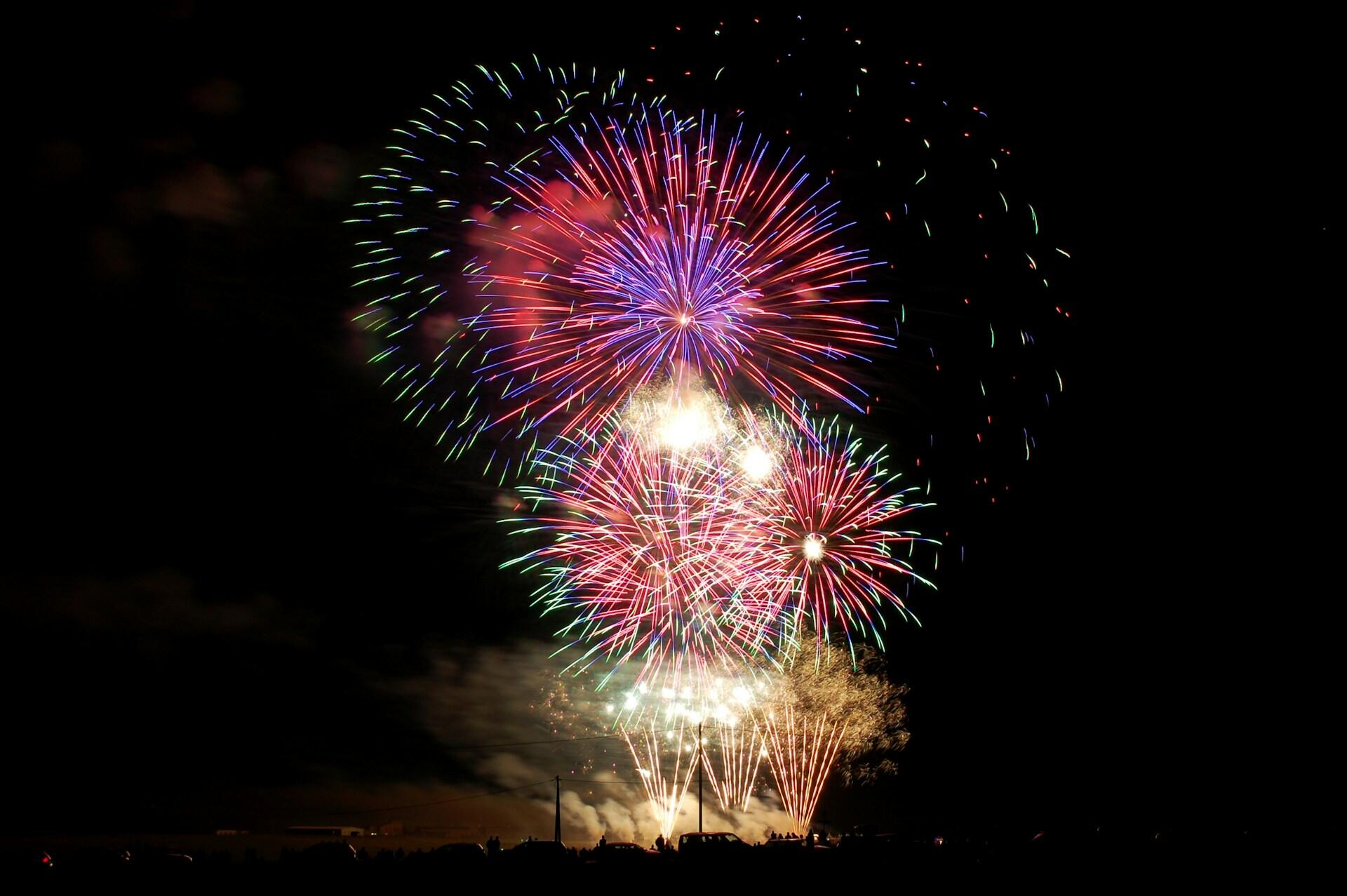
We now know why fireworks are an essential part of New Year celebrations: to keep Nian at bay. So it has been since at least the year 1044, according to Song Dynasty writing.
Ancient records show that gunpowder was invented by accident, while on the quest for immortality. The Chinese people put their new, explosive substance to good use, making festival fireworks.
This legend explains why red decorations, firecrackers, and fireworks (loud sounds) remain such an important part of Chinese New Year celebrations today. Even in modern Malaysia, these New Year traditions continue not just for fun, but as symbolic ways to welcome good fortune, ward off negativity, and start the new year on a positive note 🧨
The long string of red firecrackers, known as Baozhu, are commonly sold during the festive season and are especially iconic during CNY. It’s common to see families setting off firecrackers on the night before and on New Year’s Day itself to welcome the new year.
3. How Long Does the Chinese New Year Last?
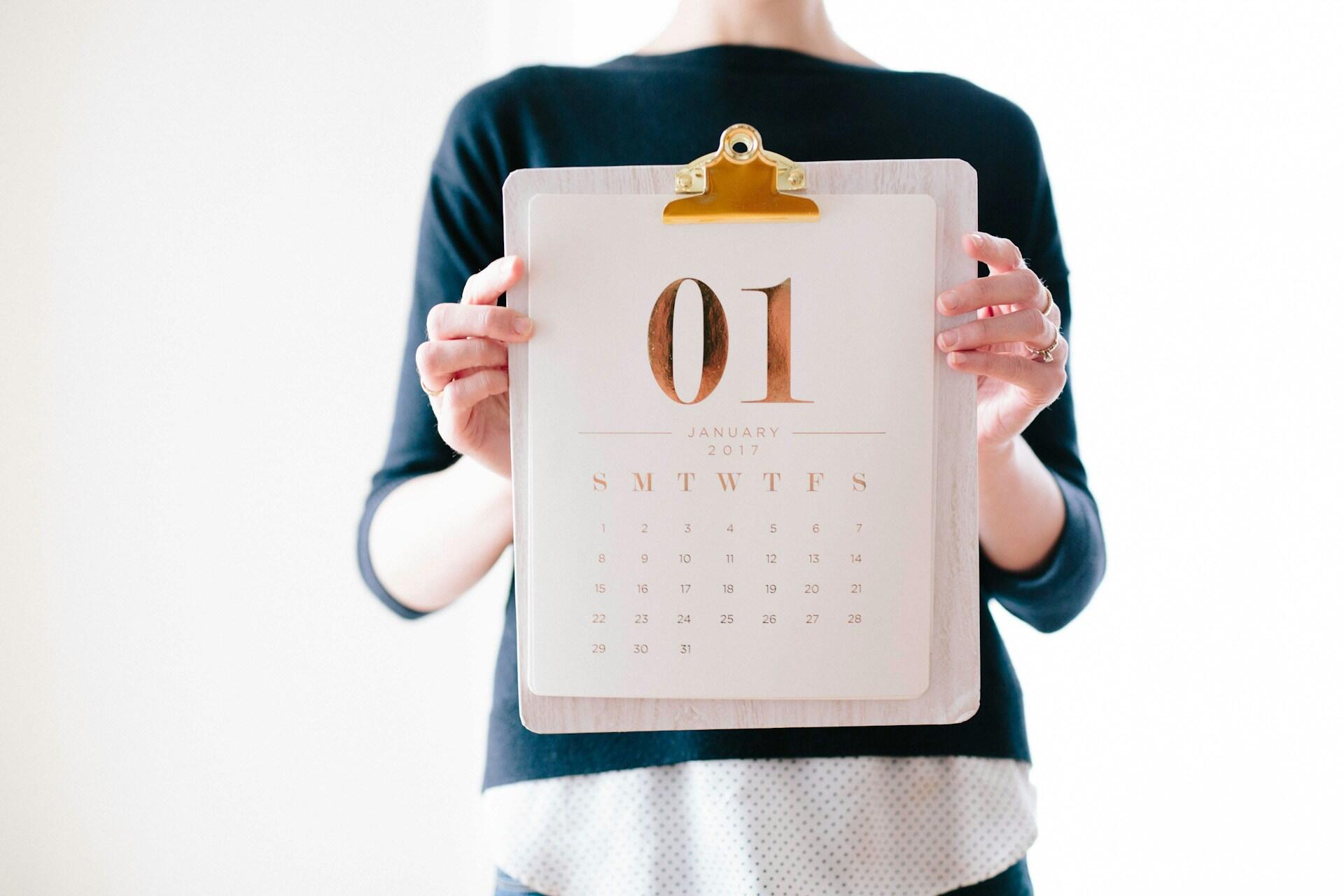
Chinese New Year is not just a single-day celebration; it’s a 15-day festival, starting on the first day of the lunar calendar and ending with the Lantern Festival or Chap Goh Mei in Malaysia on the 15th day.
While the main public holidays may only last a few days in countries like Malaysia (2 days) or Singapore, the celebrations, rituals, and family gatherings often continue throughout the whole 15 days.
4. Chinese New Year is also known as the Spring Festival
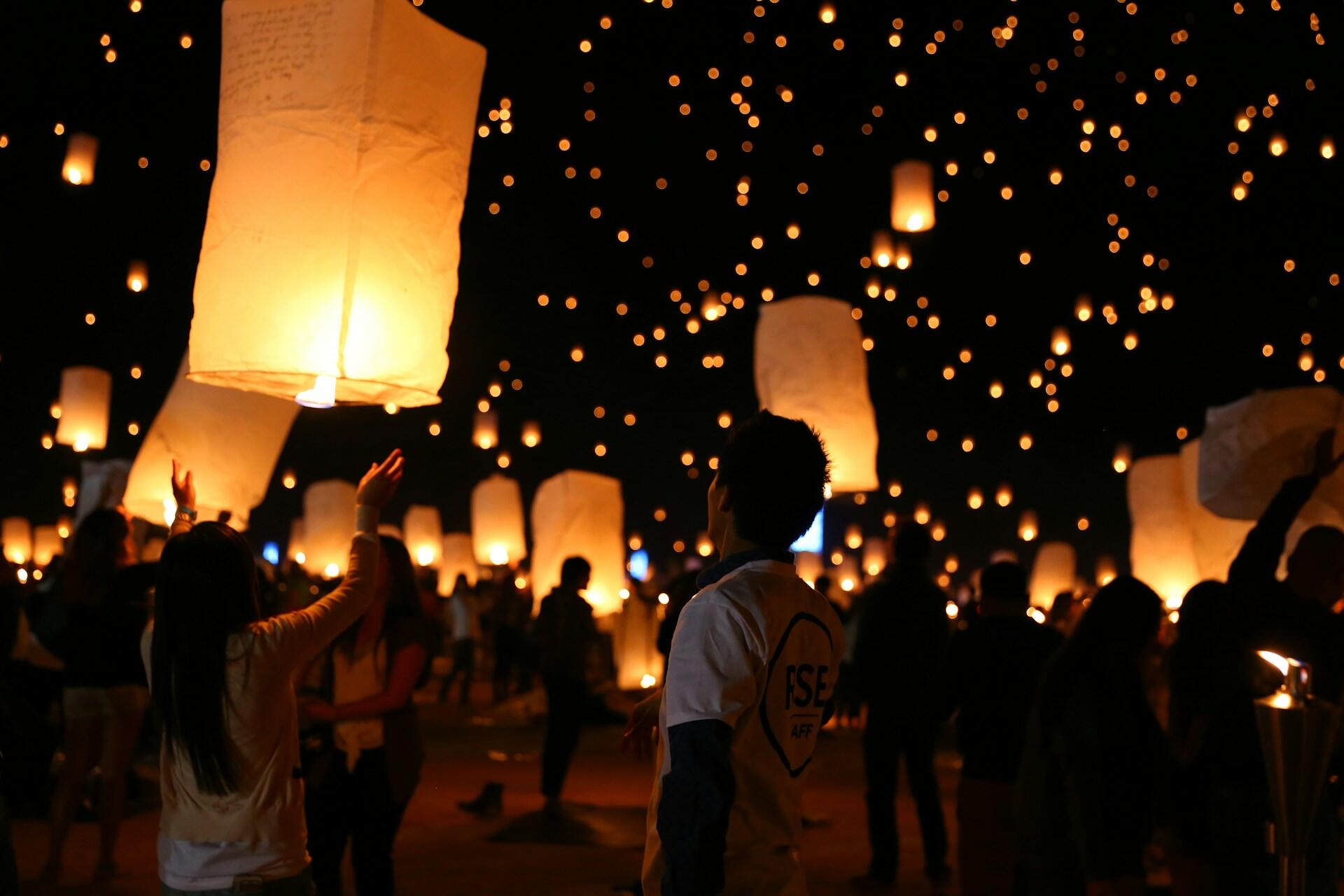
Spring Festival (春节 - chūn jié) is what people think about when asking the 'how long' question. This Festival begins on New Year's Day and lasts for 15 days. The 15th day is the Lantern Festival.
That's when children of all ages launch paper lanterns into the heavens, usually after writing their most fervent wishes on them. We became familiar with launching such lanterns, thanks to the 2010 film, Tangled.
This, and all the facts you'll read here, are just a part of what makes Chinese New Year so special.
5. No Set Date for New Year
Our Gregorian calendars make it easy to predict when the New Year will roll around. The Gregorian monks who designed it allotted each month a specific number of days. Once they run out, a new month begins. And, once all the months are past, a new year starts.
By contrast, China's lunisolar calendar relies on sun and moon cycles. Aligning the two and meshing them with the standard, widely used calendar is a complicated process.
But you’re not completely clueless, the CNY can fall between January 21st and February 20th.
For exact dates, fortunately, we can buy calendars that already have all that information prefigured. Knowing that this calendar's holidays don't have set dates is good enough for our purposes.
6. Red Decorations for Chinese New Year
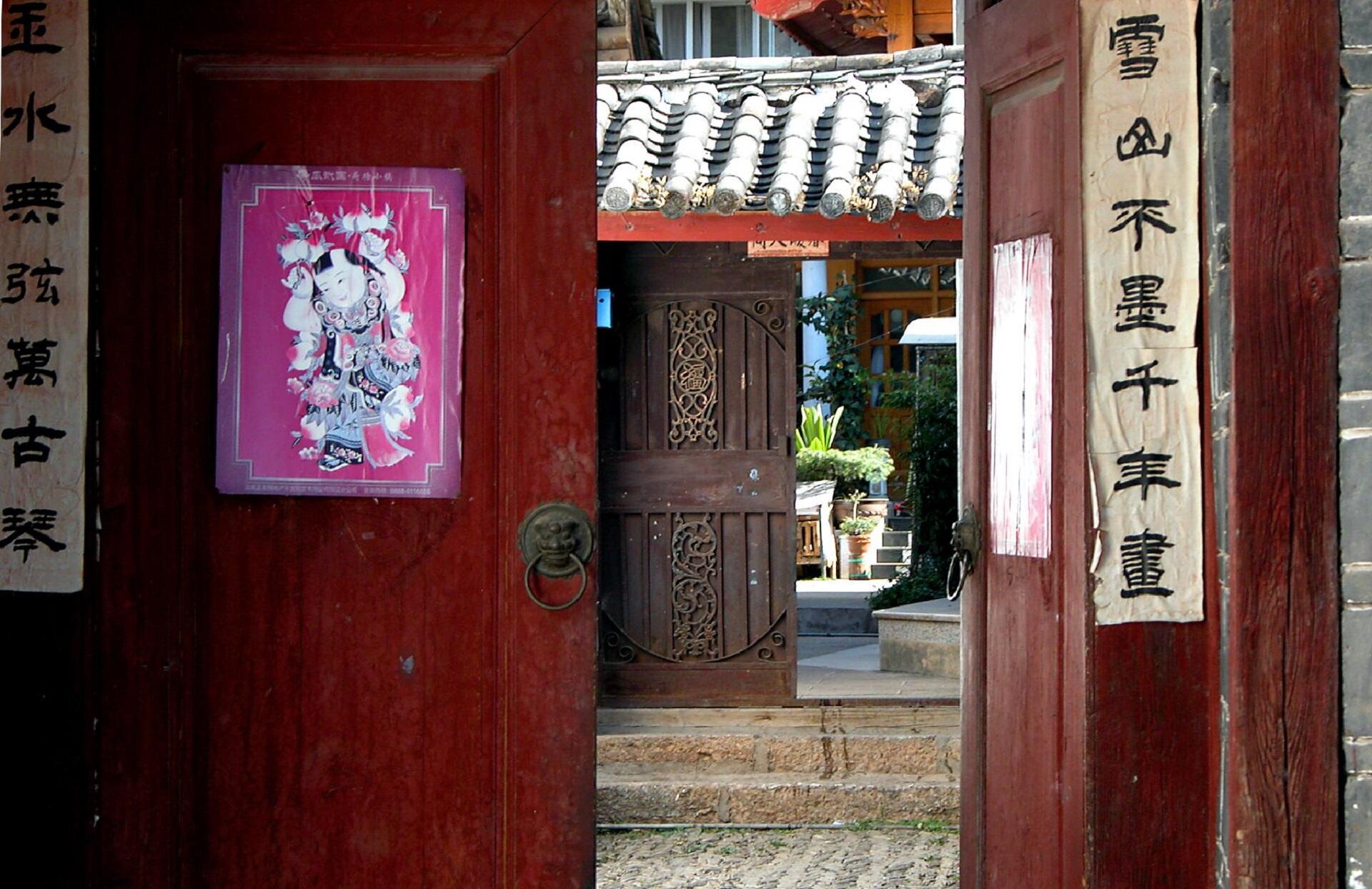
Thanks to the legend of Nian, we know why entire villages are festooned with red during Chinese New Year. People framing their homes' entrance doors in couplets, written on red paper, keep the whole house safe. Here's what you need to know about these verses:
- They are poems, complete with metre and counterpoint
- They typically express profound ideas
- couplets (dui lian - 对联) are not unusual; you can see them year-round
- couplets for the New Year are called chun lian - 春联
- Chun Lian are happy, hopeful verses
- Couplets on yellow paper mean someone in the family passed away during the last year.
7. Ancestor Worship
If you've ever been in a typical Chinese home, you likely saw an altar with portraits of ancestors. This surface may also feature food, incense, and money.
In ancient traditions, ancestors are never far away, even for modern city-dwellers.
New Year's Eve celebrations usually kick off with an offering to the family's ancestors. Each family member, starting with the head of household, will light incense and bow. Others will offer gifts, speak the ancestors' names, and ask them to safeguard them from the beyond.
8. The Chinese Zodiac
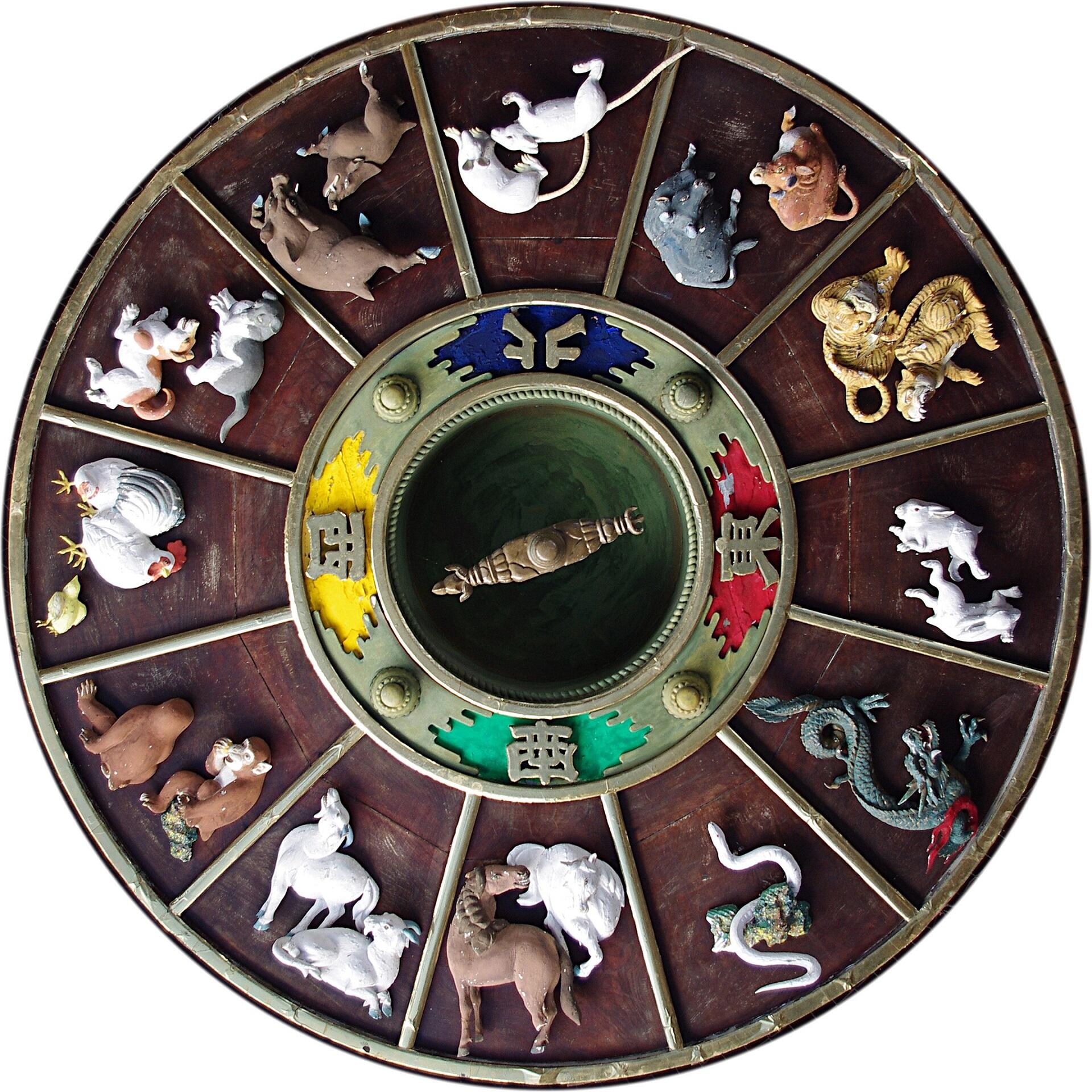
Western astrology grants each sign only a month's worth of influence. By contrast, the Chinese zodiac system gives each animal an entire year.
Each Spring Festival, the lunisolar calendar shines a spotlight on a different zodiac animal, marking a unique year, and reminding everyone of the traits believed to be associated with that animal.
9. It Was Actually a Day For Praying to Gods and Ancestors
Did you know that before the Chinese New Year became what it is known today, it originally started as a religious and spiritual practice, with sacrifices and prayers offered to deities and ancestors? This practice was deeply rooted in ancient agrarian life, aimed at ensuring blessings for a good harvest.
Over time, with the addition of traditions such as firecrackers, red envelopes, and dragon and lion dances, the festival gradually evolved into the vibrant celebration we see today.
Chinese New Year Fun Facts
1. Giving and Receiving Lucky Money
In China, receiving a red envelope containing money is the standard gift for children. Typically, this envelope (hong'bao - 红包) will bear a 'good luck' character, written in gold.
Avoiding unlucky numbers is very important. Filling a hong'bao with any amount that includes the number RM 4 - 14, or 40, is like putting a curse on the recipient's head. Also, because in Chinese, the number 4 sounds like “death” (si), that’s why you must avoid it.
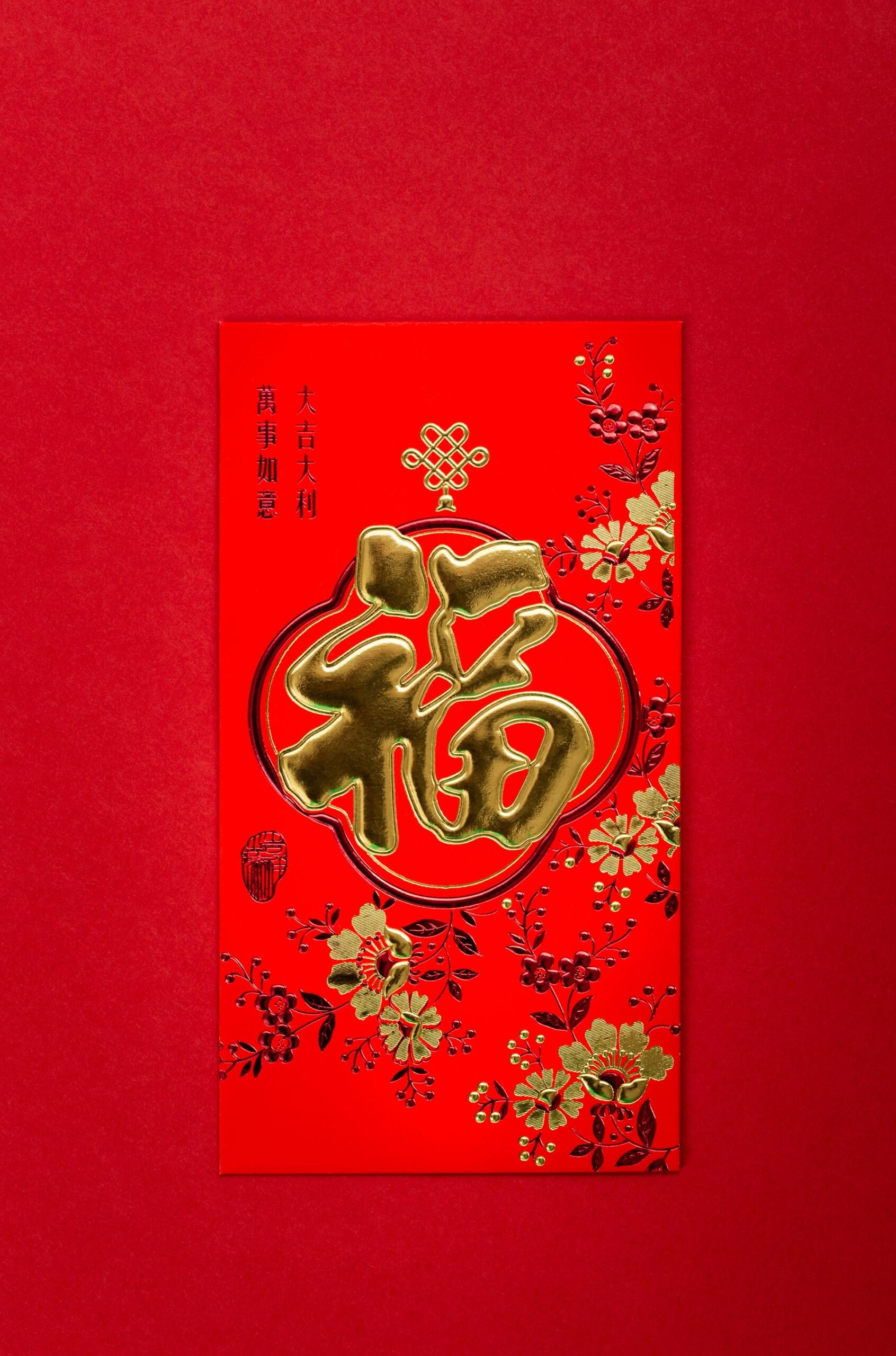
The amount should generally be an even number because it symbolises “good things come in pairs”. Additionally, numbers like 6,8,9 are favoured for luck (e.g., 8 for fortune and 9 for longevity), so you can give amounts that end in these digits like RM 8, RM 18, RM 88, RM 68, etc.
Avoid amounts in odd numbers, a white envelope and sealing the packet tightly; it should be easy to open.
2. Dumplings: the Staple Lunar New Year Dish
Dumplings (jiao'zi - 饺子) are the staple dish on all New Year tables. Wrapping dumplings (bao'jiao'zi - 包饺子) is a family affair. Family members will gather around the table, which features stacks of wafer-thin dough 'coins', and bowls of filling.
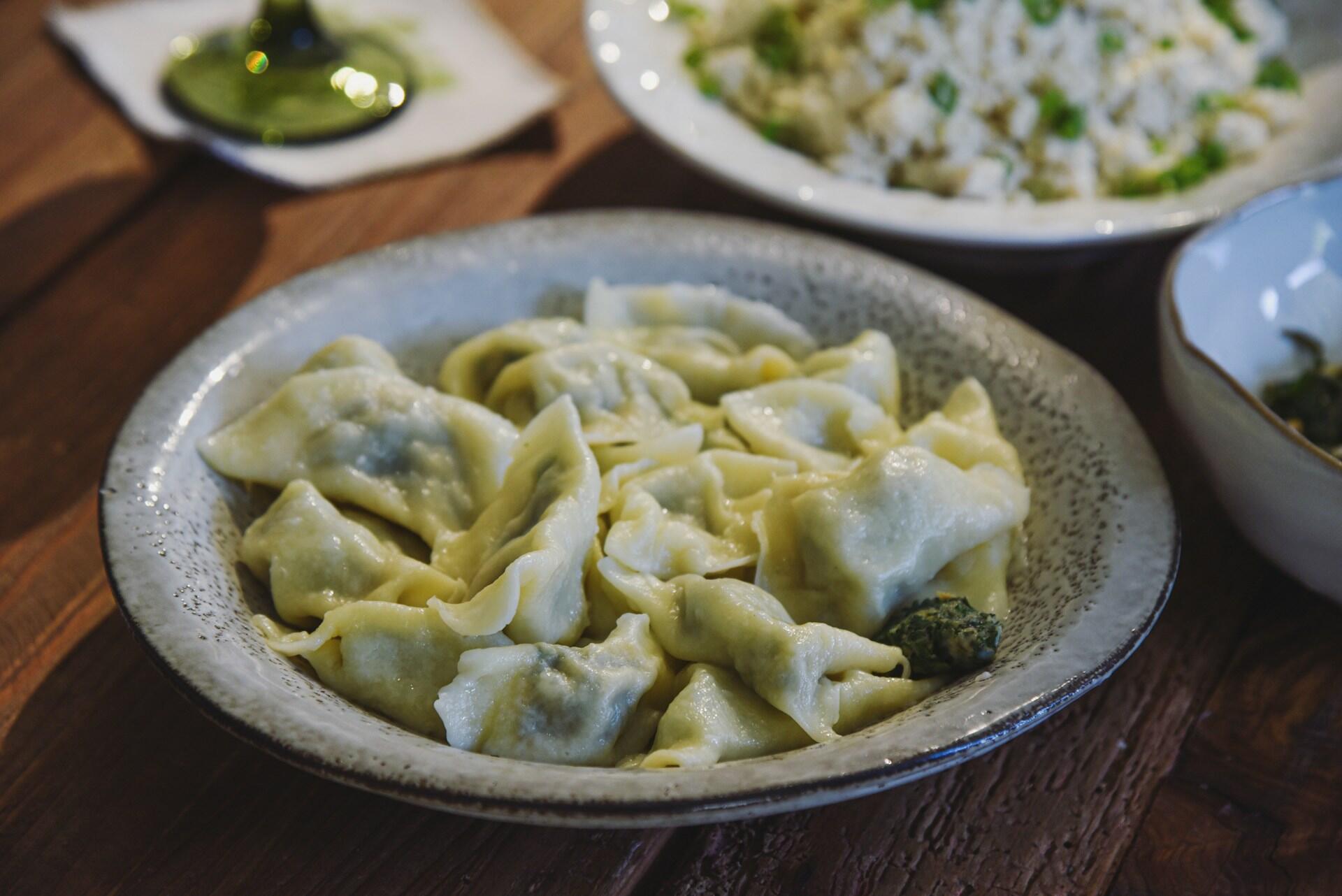
As the clock counts down the year's last hours, dumpling-builders will fold bits of filling into their doughy shells. The raw morsels are transferred to the pot of simmering water before taking pride of place on the dinner table.
You can learn how to make dumplings and other Chinese New Year dishes with our recipe article.
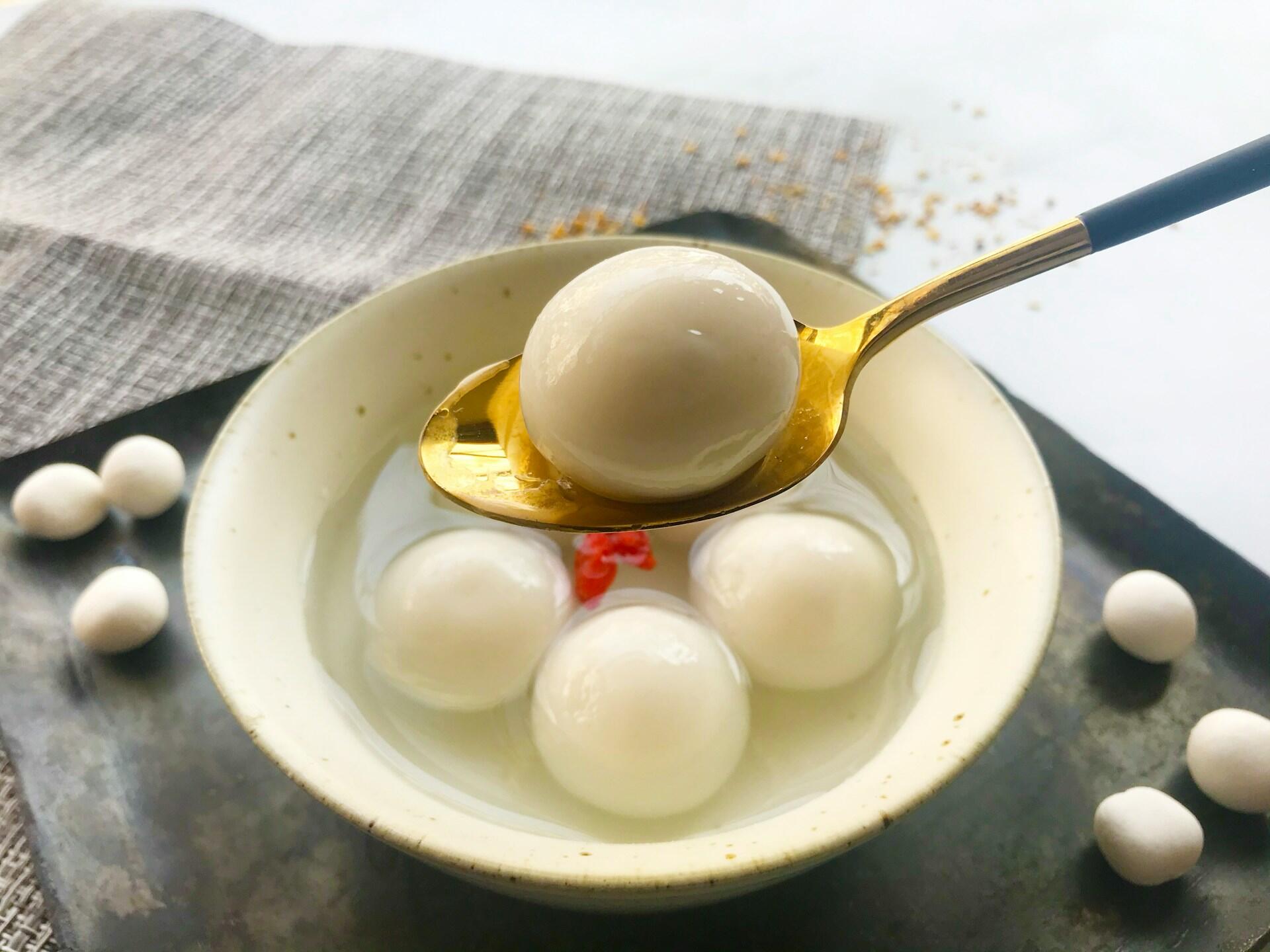
3. Lunar New Year Desserts
Until recently, the Chinese diet didn't include tarts, cakes and pies. At least, not in the rich style the Western diet favours. Still, that doesn't mean cakes are unheard of. Especially for the New Year, three desserts dominate the table:
Nian gao (年糕) (sticky rice cake)
- symbolising prosperity, growth, and good fortune
- sometimes shaped like gold bars
- many regional variations
Tang yuan (汤圆) (Soup Balls)
- Sounds like “tuanyuan” (团圆), which means reunion
- rice balls with sweet filling
- symbolise the sweetness of reunion called
- Yuan Xiao (元宵) in the north
Fa gao (发糕)(Chinese steamed cupcake)
- delicate rice cakes
- signals hope for wealth
- sometimes made with vegetables
In Malaysian households, these desserts are often given a local twist, with flavours like pandan, coconut, or gula melaka, making the festive desserts both meaningful and uniquely Malaysian.
4. Chinese New Year Taboos
There are several taboos that must be followed to invite good fortune and avoid bad luck. Chinese culture boasts a long list of taboos to heed during the Chinese New Year. It includes everything from unsuitable gifts to forbidden actions. Some of them are:
- Avoid sweeping or taking out trash on New Year’s Day because it means you’re sweeping away the good fortune.
- Don’t use negative words, such as “death, loss, or sick”.
- Avoid giving certain gifts like mirrors, clocks and handkerchiefs.
- Don’t break objects or use sharp items like knives, scissors and needles, which are considered unlucky.
- Avoid wearing black and white, which are traditionally associated with funerals.
Many of these taboos are observed differently depending on the region or country, or even the individual family. As society modernises, some people choose to forgo certain practices, while others continue to follow them closely, keeping the traditions alive. Watch the video below to learn more about the rest of the taboos associated with CNY!
5. Hiring a Partner for the Chinese New Year

Yep, you read that title right 🫣 Did you know that hiring a pretend romantic partner for the Chinese New Year is a real and known phenomenon in China?
Many young Chinese people often face intense pressure from their families to get married and have children. Family gatherings, especially during Chinese New Year, can feel more like interrogations, with aunties and uncles asking when you’re getting married or having kids. It’s no surprise that many young, unmarried people try to avoid these conversations altogether.
I think we all can relate to this as well 😅
So, to ease the pressure during the annual family reunion, some singles in China hire a stand-in partner for the festive period. For some, this feels like the easier option compared to coming clean about personal choices such as not wanting to get married, not having a partner, or not planning to have children. This allows them to avoid awkward questions, judgmental stares, and unnecessary drama at the reunion dinner.
The rental partner services often include accompanying the client’s family gatherings, having meals with the family, and sometimes staying overnight. However, most services strictly prohibit any form of sexual activity, which is illegal in China. The cost of hiring a fake partner varies depending on the duration and any specific requests or expectations.
Asking for a friend – Do we have something like this here in Malaysia? Let us know in the comments!🫣
Lunar New Year Around the World
We often call this celebration the Chinese New Year, but many other countries1 follow the lunar calendar, including:
- Vietnam
- the Philippines
- Singapore
- India
- Taiwan
- Malaysia
- China
- Korea
- Thailand
- Brunei
- Indonesia
So, it's more appropriate to call this holiday the Lunar New Year. Particularly as other nations celebrate it according to their customs.
Among the interesting facts about the Chinese New Year on this topic, we find Japan. During the Meiji Restoration, this country abandoned many Asian traditions, including the Lunar New Year.
London, San Francisco, and Sydney are said to have Spring Festival celebrations outside of Asia. In London, Chinatown near Leicester Square is especially popular, famous for its iconic red gate and array of Asian restaurants.
7. Chinese New Year Greetings
Happy Horse Year! (Mǎ nián kuài lè! - 马年快乐! )
A generic greeting for the Year of the Horse
People have many ways to greet one another for the holiday. The greeting they give depends on many factors. For instance, the greeting above works for friends and neighbours. It's not suitable for your boss or other officials.
Chinese traditional culture dictates using the proper greeting at the right time. Master the right greetings for every New Year instance from our companion article.

8. Largest Annual Human Migration in the World
The world's largest human migration, known as chun'yun in China, happens during the CNY period. Billions of people travel by road, rail, and air to return to their hometowns and reunite with family, placing enormous pressure on the country’s transportation systems.
The world's largest annual human migration.
Train stations, airports, and highways operate at peak capacity for weeks as folks travel back home, requiring extensive planning and coordination to ensure safe and efficient travel. The sheer scale of this annual movement highlights the importance of family reunions during Chinese New Year and explains why chun’yun is widely regarded as the largest recurring human migration in the world.
9. Firecrackers and Fireworks are Banned in Some Countries
Yeah, this might come as a surprise to many Malaysians because we don’t go without fireworks for any festivals.
However, due to safety reasons and concerns over air pollutants, many cities in China have banned fireworks. In countries like Ireland2 and Chile, fireworks are also illegal for private use and are only allowed when handled by licensed professionals. Even though fireworks have been a part of ancient tradition, safety concerns have moved many communities away from this practice.
10. Special Wine for the Spring Festival
A common Chinese saying goes, “there’s no manner/etiquette without wine”, which means wine is essential for important occasions like the spring festival, dinner, wedding, engagement and birthday celebrations.
Alcohol, particularly baijiu, is deeply ingrained in Chinese culture, symbolising respect and bonding. Oh, and there’s also a strict toasting etiquette rule that you need to follow when dining with someone older than you: when clinking glasses, you should always hold your glass lower than the elder’s to show respect. Don’t forget this rule, okay?
In essence, wine isn’t just an alcohol; it’s a social tool, a way to show respect, and a way to strengthen connections during celebrations. In Malaysia, you’ll often see this tradition adapted with local favourites like whisky, red wine, or even sparkling beverages, but the spirit of respect and togetherness remains the same.
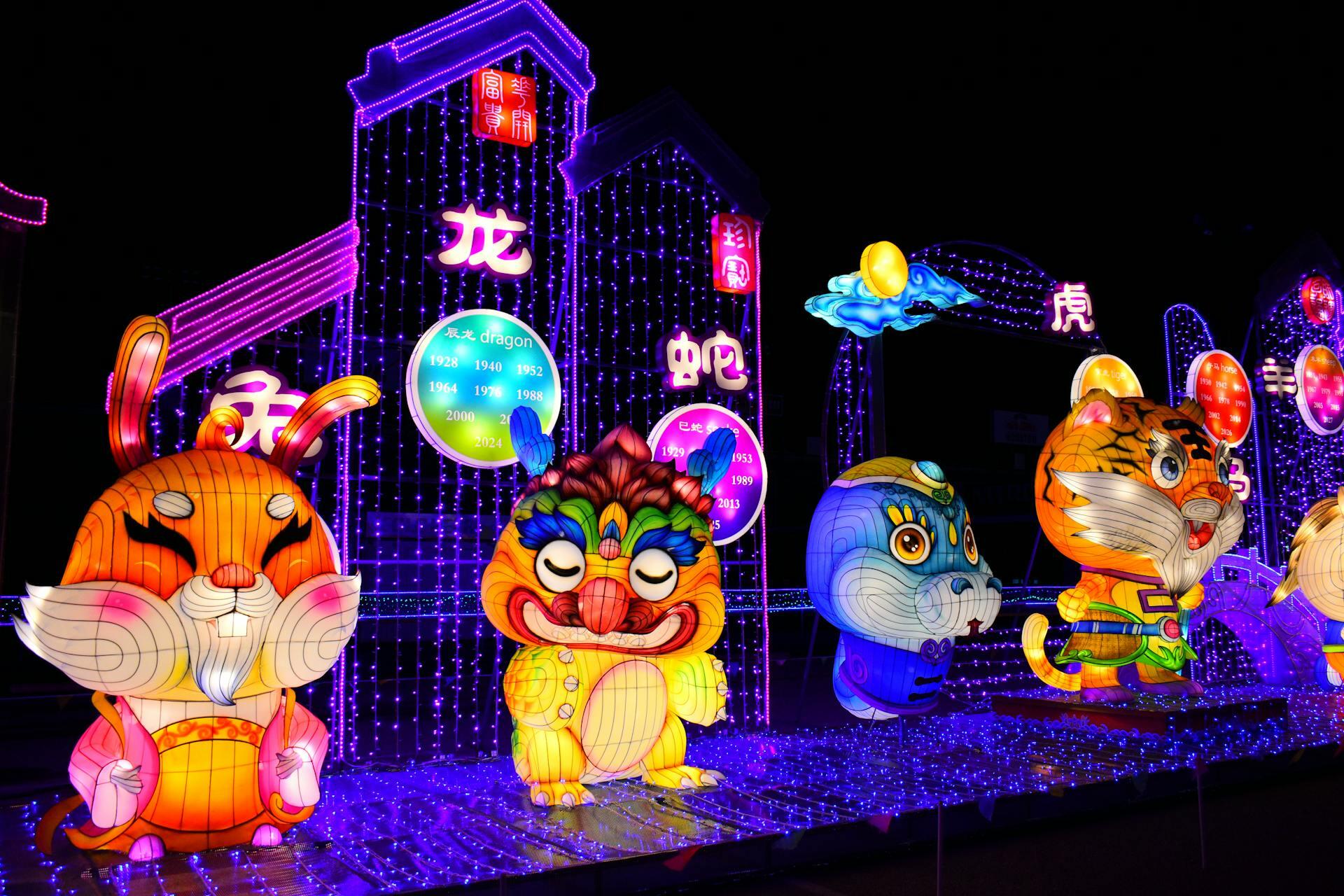
11. Your Zodiac Year is Considered Unlucky (Ben Ming Nian)
This is interesting….
In Chinese culture, your own zodiac animal year, known as Ben Ming Nian, is believed to bring potential bad luck. People believe that it’s happening because you may “offend” the God of Age, or Tai Sui, if you share the same zodiac animal year as this deity.
Rather than being lucky (as one would think), entering your own animal year is seen as directly confronting Tai Sui, which may invite challenges or misfortune. That’s why many people take extra precautions during their Ben Ming Nian, such as wearing red clothing or accessories, jewellery with lucky symbols to protect themselves and balance out the bad luck.
But don’t worry, this only happens to someone every 12 years in the lunisolar calendar.
12. Real Age and Fake Age
Did you know that your Chinese friends may have two ages? There’s the modern or Western age (實歲, shí suì) and the traditional Chinese age (虛歲, xū suì).
Your Western age is straightforward. It’s based on your date of birth and the one stated on your IC or birth certificate. Traditional Chinese age, however, is calculated differently. A person is considered one year old at birth, and everyone adds a year to their age when the Lunar New Year begins.
So, while your age increases on your birthday in the Western system, in the traditional Chinese system, it increases by one at the Lunar New Year. In other words, your traditional Chinese age is usually one year ahead of your actual age!
Of course, this “fake” age is more of a cultural concept than an official one. In Malaysia, we strictly follow our IC and birth certificate for legal and administrative purposes. The traditional age mostly comes up in family conversations, festive greetings, or when aunties are doing the math. 😂
13. Yee Sang, the Star of the Season in Malaysia
We’ve already seen how dumplings are the star of the festival in China earlier. However, in Malaysia, many Malaysians are aware of Yee Sang, which is a tradition that was largely popularised right here in Southeast Asia!
Yee Sang, also known as the prosperity toss, is a raw fish salad symbolising prosperity and good fortune. The ritual of tossing the salad, called “Lo Hei”, is just as important as the ingredients because all the ingredients have meanings.
To do it properly, you need to mix the ingredients by tossing them as high as possible because the higher the toss, the greater the fortune and prosperity for the year ahead. While tossing, you can shout auspicious phrases like “Huat Ah” (to prosper).
Some of the key ingredients are: raw fish (salmon), shredded vegetables like carrots, radish, peanuts, sesame seeds, plum sauce and oil, and crispy crackers.
There you go! A curated list of fun facts you may not have come across before. Now that you have this knowledge, you can enjoy the spring festival from a new perspective, appreciating the culture, customs, and meaning behind it all!
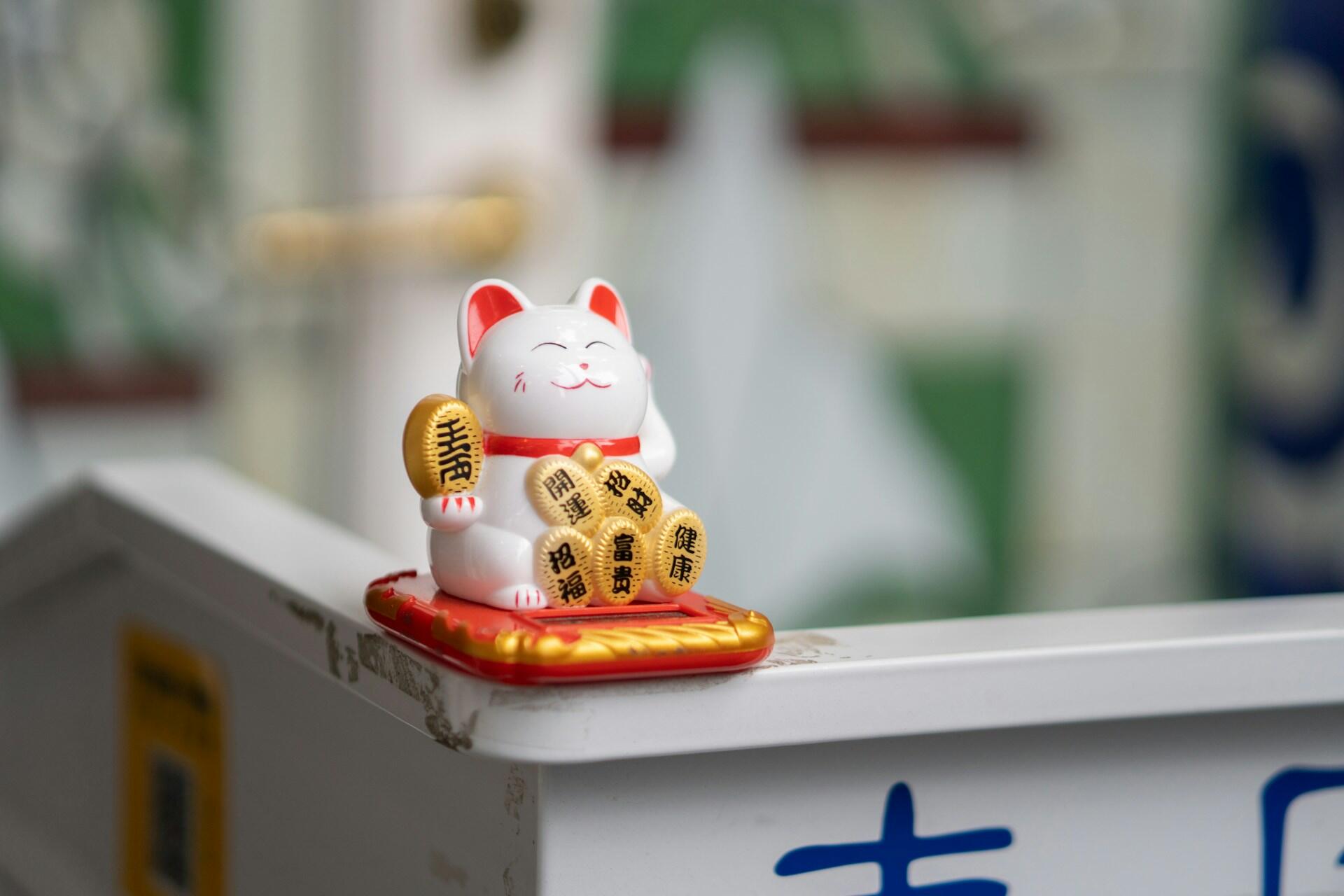
马年大吉 (Mǎ nián dà jí) - Wishing you great luck and prosperity in the Year of the Horse!
References
- Buchholz, K. (2024, February 9). Where the world celebrates Chinese New Year. Statista Daily Data. https://www.statista.com/chart/29164/chinese-new-year-public-holiday/?srsltid=AfmBOor9Se2VdPdW1GLbdWRc-mPuixyW4UBmhRdvR-7QnoU0hDhLy-Wg
- Department of Justice, Home Affairs and Migration. (2025, April 11). Fireworks. gov.ie. https://www.gov.ie/en/department-of-justice-home-affairs-and-migration/publications/fireworks/
Summarise with AI:
Did you like this article? Leave a rating!

 Loading...