
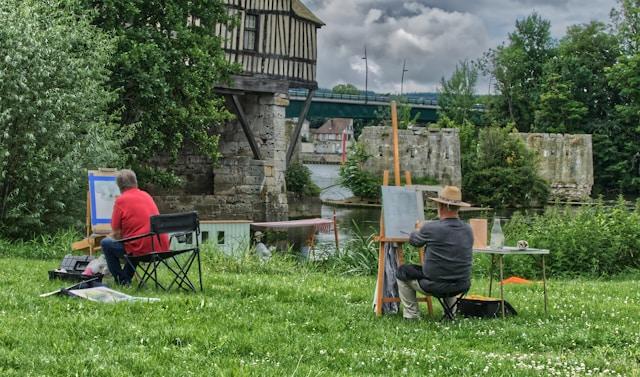

French impressionist and artist, Edgar Degas once said, "Art is not what you see, but what you make others see."
We hardly ever encounter two paintings that look 100% the same even though they are painting the same subject. No matter how you try to imitate a famous painting, you can only recreate a similar effect or vibe.
That's because a good piece of artwork is not always a result of an outburst of inspiration, but it is a combination that the artist tries to recreate in their mind vs with the tools and techniques that they have in hand.
Even if you use the same painting techniques as the original artist, there's also a difference in terms of skill and range as to how to apply them. That said, every painting technique is equally important and unique to create a masterpiece.
In this article, we will discover the various painting techniques that you can apply to different artworks.


Movements of Bold Illusions — The Impasto Technique
First, let's learn about the definition of the Impasto technique. Impasto is actually derived from the Italian verb impastare which means to mix and dough.
The Impasto technique is like a trademark for many Impressionist paintings. It has no fixed rules. You can apply a thick undiluted layer of paint (of any colour) to a particular section when you want to highlight something like a tree or mountain, or you can even use this technique throughout the entire painting.
The thick layers of paint create a three-dimensional texture, making the whole painting more vibrant and eye-catching. Apart from using a painting brush to create this effect, you can also use a painting knife to create thick layers and think marks on the surface.
Having said that, the impasto technique is mostly used in these two painting mediums: oil paint and acrylic paint. For added convenience, more people tend to prefer acrylic paint because it has a quicker drying time as compared to oil paint. That way, you can work faster on the dried layer.
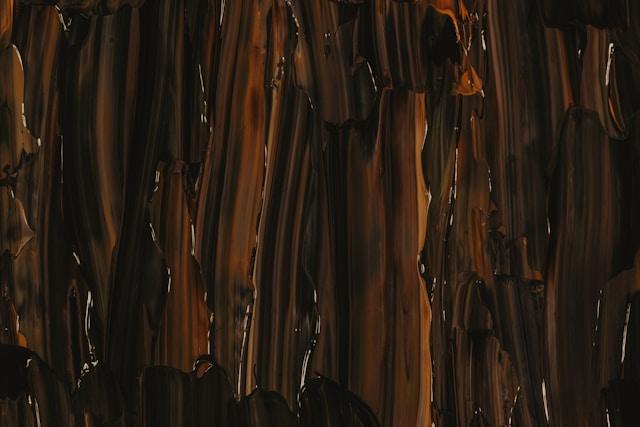
Photo by Pawel Czerwinski on Unsplash
You'll be surprised to know that the impasto technique has been practised by some of the most established painters of all time.
Rembrandt, a Dutch Golden Age painter was one of the key individuals who popularised the impasto technique through his portrait artworks such as Self-Portrait of Rembrandt and The Night Watch.
During the beginning of the Impressionism movement, French painter, Claude Monet (a nature lover) also applied the impasto technique in his lovely artwork, Water Lilies — based on his very own garden at his home in Givenchy, France.
Dutch painter, Vincent Van Gogh used the impasto technique in his most representative Post-Impressionism artwork, The Starry Night as he recreates an image of the night sky, featuring vivid colour hues of blue and yellow.
If you are trying this technique for the first time, you can first sketch the subject (with a pencil) that you intend to paint so that you know where to focus on. Start with a small area before you expand to a larger area.
Have an overview of what painting entails and how you can master this skill as a beginner.
Thin Layers of Transformation — The Glazing Technique
Glazing is another unique painting technique that adds a layer of charm to your artwork.
It happens when you apply thin and transparent paint to dried paint (like the underneath opaque layer) to create a subtle colour variation and aesthetic effect. It is usually applied for oil painting.
This technique is often used in many landscape arts especially when you want to portray various reflections. For example, when you want to paint trees' reflections on the water, when you want to depict the gradual depth of a river (from shallow to deep) to give the painting a shiny-like appearance.
It is also applied when you are trying to capture a delicate feature of a portrait painting. One notable example is by Dutch Golden Age painter, Johannes Vermeer for his painting, Girl with the Pearl Earring. What Vermeer did was he painted transparent paint over the background colour for the artwork, creating a sense of alluring mystery over the subject that was painted.
Another notable example includes the Flemish painter, Jan van Eyck in his artwork, The Arnolfini Portrait. He repeatedly used the glazing technique to enhance the texture, tone, and vibrancy of colours, further creating a sense of realism in the painting.
A recent study showed that Italian Renaissance painter, Leonardo Da Vinci applied more than 40 layers of thin glaze, known as the sfumato effect for his masterpiece, Mona Lisa to create a smoky appeal.
These glazed layers enable painters to create a sense of colour transition in terms of intensity and saturation. Furthermore, glazing acts as a protective layer for the painting against dust, dirt and even UV rays from sunlight.
Get to know about the amazing backstories and achievements of these Malaysian painters.
Solid Repetition of Paints — Wet on Wet Technique
The wet-on-wet technique is a classic favourite by many art lovers. It is straightforward and requires less "control" and precision.
All you need to do just apply wet paint onto another wet surface. It is very commonly used in both watercolour paintings and oil paintings. In the case of watercolour painting, it allows different colours to combine seamlessly, which produces a unique transition of colours, especially in the case of the depiction of the sky, the sea, and even trees.
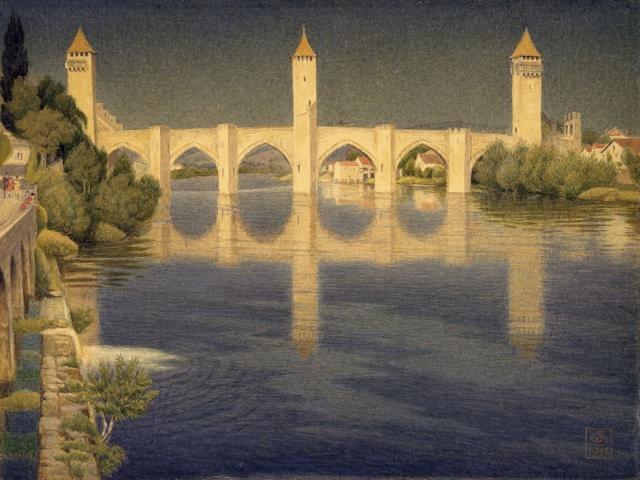
Photo by Birmingham Museums Trust on Unsplash
When you are doing the wet-on-wet technique in watercolour painting, you must know how much water is needed to have the desired spread of colour as you are painting. This helps to foster a sense of consistency on the paint surface. That's because you don't want to have a huge difference in colour spread, whereby one side appears to be darker than the other side.
When it comes to oil painting, the theory is also the same. But one thing you need to be aware of is the difference in drying time of the first wet layer before you apply another layer of wet paint to it. The more thick the layer of paint is, the longer it takes for it to completely dry off.
Some examples of famous artists who have used the wet-on-wet technique in their paintings are Dutch Golden Age painter, Frans Hals, American landscape painter, Winslow Homer as well as famous American painter and art instructor, Bob Ross who hosted the educational programme, The Joy of Painting.
Learn more about these famous painters across history and their contributions to the world of art.
Rainbow of Colours and Patterns — Splattering Technique
The final painting technique that we will talk about today is the splattering technique. We are pretty sure the name itself has given you a big hint about how it is supposed to be applied (in the most literal sense).
There are a few ways that you can splatter the paint to create an assorted range of patterns and colour combinations.
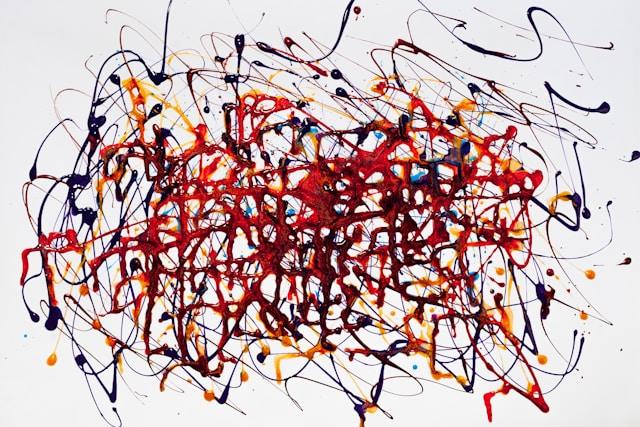
You can do it vertically, or horizontally and drip the paint of different colours from different directions of the paper or painting medium that you are using.
For instance, to create different scales of patterns, you can opt for different types of painting brushes during the process. Some people even use toothbrushes too!
To have a lighter colour and smaller dot-like patterns, you can choose to dip your painting brush closer to the medium. You can try out different wrist movements like using both hands to dip paint of different colours in opposite directions or to let them intersect.
The essence of the spattering technique is to create an abstract effect. Do you know that the splattering technique was revolutionised during the Abstract Expressionist movement particularly by American painter, Jackson Pollock during the 1940s?
The splattering technique opened a new view in terms of contemporary art — celebrating the beauty of lines, and colours without being confined to the traditional practice of art. Anyone and everyone can learn and master the splattering technique in a few tries.
Don't forget to discover different painting mediums and how you can make beautiful artwork with them.
How To Decide The Right Painting Technique To Use While Learning To Paint?
We have reviewed about four painting techniques so far.
First, we learnt how the Impasto technique creates vivid imagery and dimension to a painting. Next, the glazing technique embraces the beauty of layering.
We also talked about the wet-on-wet technique, which is a popular technique for landscape arts. Last but not least, we have the splattering technique which allows us to create many different patterns through drips of paint.
Now all that's left is to put all this head knowledge on paper. What's next then?
We highly recommend you to get practical by enrolling in a series of private painting lessons with an experienced Superprof tutor!
Private tutoring allows you to learn painting at your pace regardless of your learning level. With a Superprof tutor, you can have extensive practice and guidance on different types of painting techniques. Not only that, you will receive immediate feedback which allows you to improve consistently. Isn't that amazing?
Just head to the Superprof Malaysia homepage to start browsing the profiles of various art tutors across different locations in Malaysia. Whether you are based in Klang Valley, the Southern region or even East Malaysia, there is always a tutor for you! The best part, you can opt for either home tutoring or online tutoring!
As you master all these painting techniques, you will not only just develop an eye for art, but also a knack for art.
One day, you will let others see what you see in your brilliant mind through your beautiful painting.
Summarise with AI:
Did you like this article? Leave a rating!

 Loading...
