For anyone interested in learning about Chinese culture, including Chinese folk religion and traditional Chinese beliefs, it is important to know about its traditions, myths and beliefs, such as those connected to Chinese mythology, the Jade Emperor, gods and goddesses, and festivals like the New Year. These ancient myths and legends, rooted in Chinese folk traditions and history along the Yellow River, reveal how ancient man viewed the universe and tell us a lot about their key beliefs and religious systems, from the time of the Xia dynasty and Shang dynasty to legendary rulers like the Yellow Emperor.
Chinese mythology is closely linked to Chinese folk traditions and is deeply influenced by Buddhism and Taoism.
It also introduces us to legends like Nuwa, Yu the Great, Monkey King, Pangu, heroic figures such as Erlang Shen, and countless mythical creatures like dragons, phoenixes, the Jade Rabbit, the White Tiger, and symbols later reflected in the Chinese zodiac.
Now that we know why Chinese mythology is so important, let's take a look at particular aspects of it and how it originated.


Origins and Evolution of Chinese Mythology
Chinese myths and legends have played a key role in shaping its culture and traditions. These myths are not merely stories but act as an important preserver of its ancient traditions, folk beliefs, and religious beliefs. Many of these myths can be traced back to the 12th century BCE and possibly even earlier.
Some of the earliest references to Chinese mythology appear in the oracle bones of the Shang dynasty, which include references to Shangdi, river spirits and ancestor worship. The Supreme god was known as “Di”, who presided over both human and nature spirits.
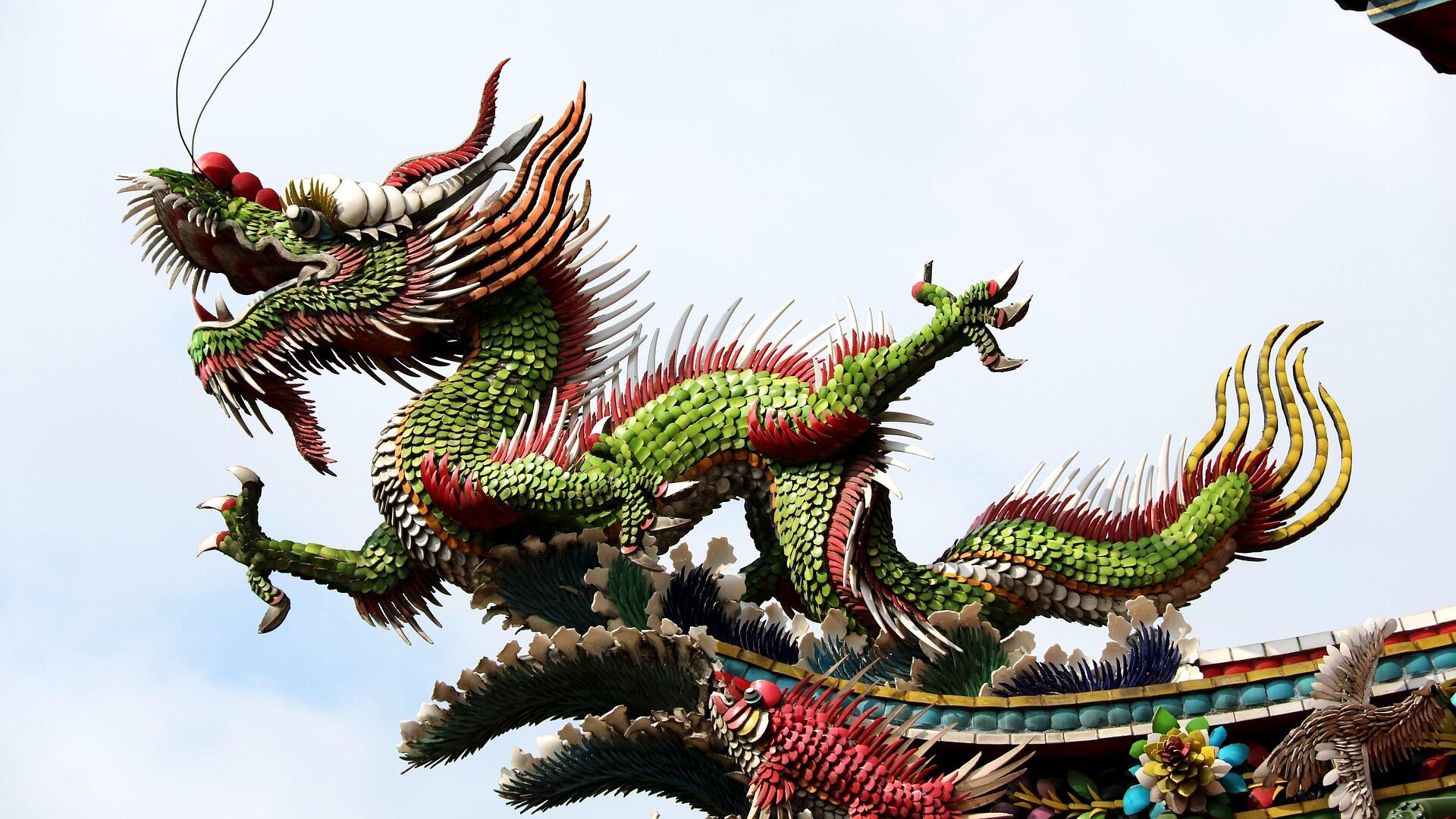
Another cornerstone of Chinese mythology is the Shan Hai Jing (Classic of Mountains and Seas), which is regarded as a foundational text. It contains references to many Chinese mythological characters like the Yellow Emperor, a legendary Chinese sovereign; Nuwa, the goddess who created human beings and mended the sky; and Yu the Great, who tamed the rivers alongside other mythical creatures of Chinese mythology.
The Daoist book Leizi also enjoyed a wide readership. It features numerous parables of immortals and, through mythical tales, talks about core Daoist ideas, the role of fate, and the relationship between nature and human invention. In the book, you can find references to Nuwa, King Mu of Zhou and the famous "Automation of Yan Shi."
It walked with rapid strides, moving its head up and down, so that anyone would have taken it for a live human being. The artificer touched its chin, and it began singing, perfectly in tune. He touched its hand, and it started posturing, keeping perfect time. The King, looking on with his favorite concubine and the other inmates of his harem, could hardly persuade himself that it was not real.
Description of the Famous Automation in the Book of Leizi
Key Takeaways
- Chinese mythology is a central part of Chinese culture.
- Shang dynasty oracle bones, Daoist writings and the Classic of Mountains and Seas provide some of the earliest records of Chinese gods and spirits.
- Chinese mythology is a blend of Buddhism, Taoism, and folk religion.
- Mythological creatures like Four Guardians, the Eight Immortals, and Sun Wukong are important figures in Chinese mythology.
- Several Chinese festivals, including Lunar New Year, Qi Xi Festival, Dragon Boat Festival, and Mid-Autumn Festival, are directly rooted in mythological stories.
Major Deities and Divine Figures
Jade Emperor
The Jade Emperor is a Taoist god who is considered the ruler of heaven and earth. He is also the official deity of the human emperors and traditionally depicted in full emperor regalia in flowing robes, a beaded crown, and seated upon a throne.
Like an emperor, he commands all gods lower to him, handing out rewards and punishments and keeping those lower than him in check. But mere mortals can also contact him. He is also endearingly called the “Heavenly Grandfather”, and those in urgent need of help can directly contact him if their petition to the lower gods has gone unanswered.
The Jade Emperor is depicted on joss paper, also known as hell money and offered to ancestors for their use in the afterlife.
These notes come in huge denominations like millions and billions to signify immense spiritual wealth.
According to tradition, he didn’t become a god overnight. He was born as a human and spent countless lifetimes cultivating the Dao. Celebrated as a just and benevolent ruler, he devoted his youth to serving the poor and needy.
Shangdi
Shangdi was the highest celestial deity in ancient Chinese mythology and was the ancestral deity of the Shang dynasty (1600–1046 BCE). Later, he became an ancestral deity of the entire country. However, he had no cult following like the Jade Emperor, as he was considered to be too distant.
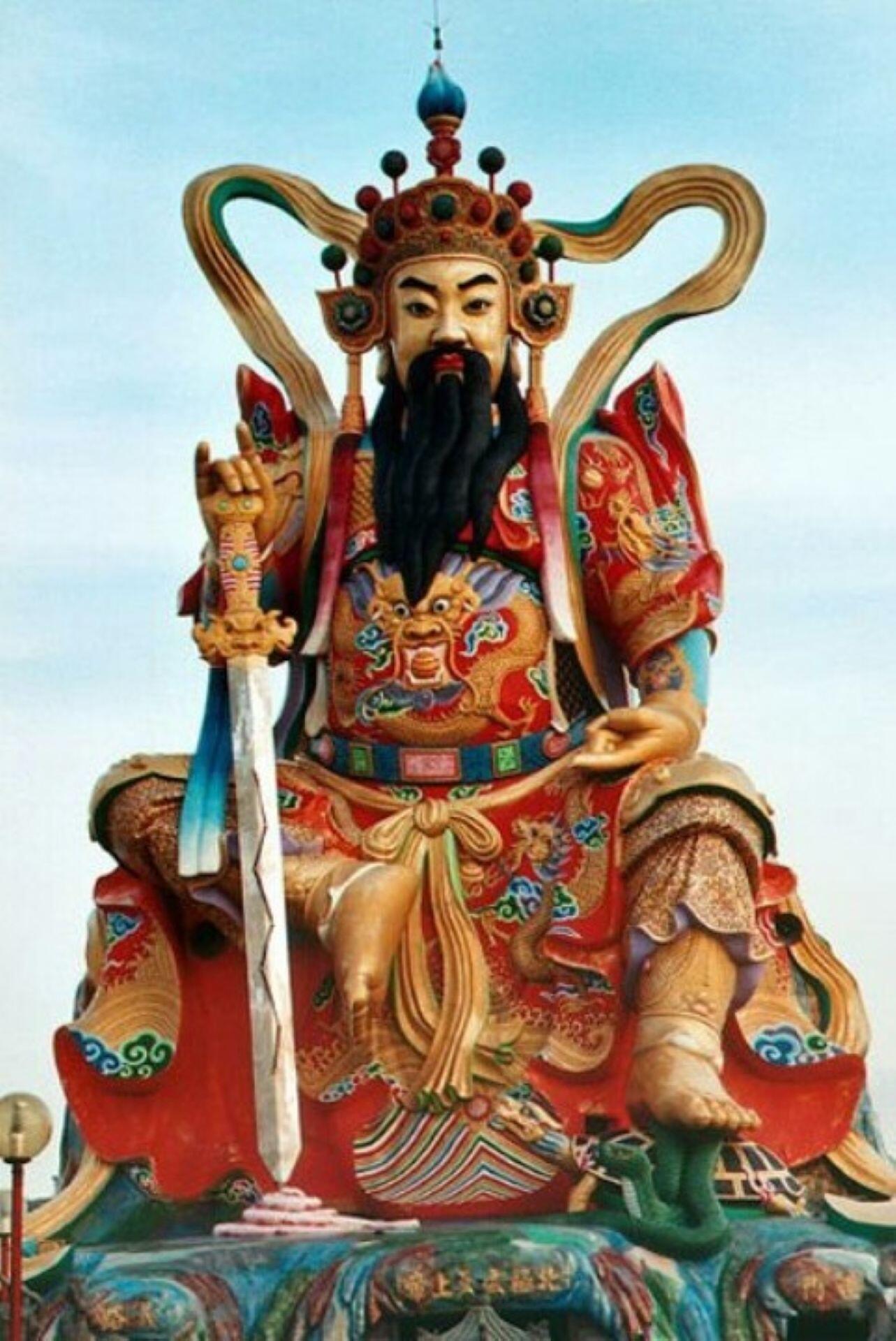
According to legend, Qi, who was the founder of the Shang Dynasty, was the son of Shangdi. The story goes that Shangdi turned into a black bird and dropped an egg, which was swallowed by the wife of Emperor Diku. She swallowed the egg and miraculously gave birth to Qi.
Around the eleventh century, Shangdi's prominence diminished, while Tian rose in prominence.
Hong Xiuquan, the leader of the Taiping Revolution, believed Shangdi had ordained him to establish a "Heavenly Kingdom" on Earth.
He was known to preside over:
- Agricultural process
- Weather phenomenon
- Success in war
Guanyin
The Chinese goddess Guanyin is depicted as a female in Chinese mythology. She is one of the most revered Chinese deities and is believed to be a representation and adaptation of Bodhisattva Avalokiteśvara, a male form.
Guanyin is represented in a white flowing robe, holding a water jar in the right hand containing water, wisdom, and compassion, while in the left hand she is seen holding a willow branch to sprinkle the divine water on devotees.
Chant Om Mani Padme Hum or simply chant, or "Namo Guan Shi Yin Pusa."
People pray to her when in trouble and for inner peace and harmonious relationships.
Mythological Creatures and Beings
The Four Guardians
The Four Guardians, also known as the Four Symbols, are mythical creatures representing the four directions. According to the I Ching, an ancient Chinese text, the origins of the Four Guardians can be traced to the beginning of the world, emerging from the ring of yin and yang.
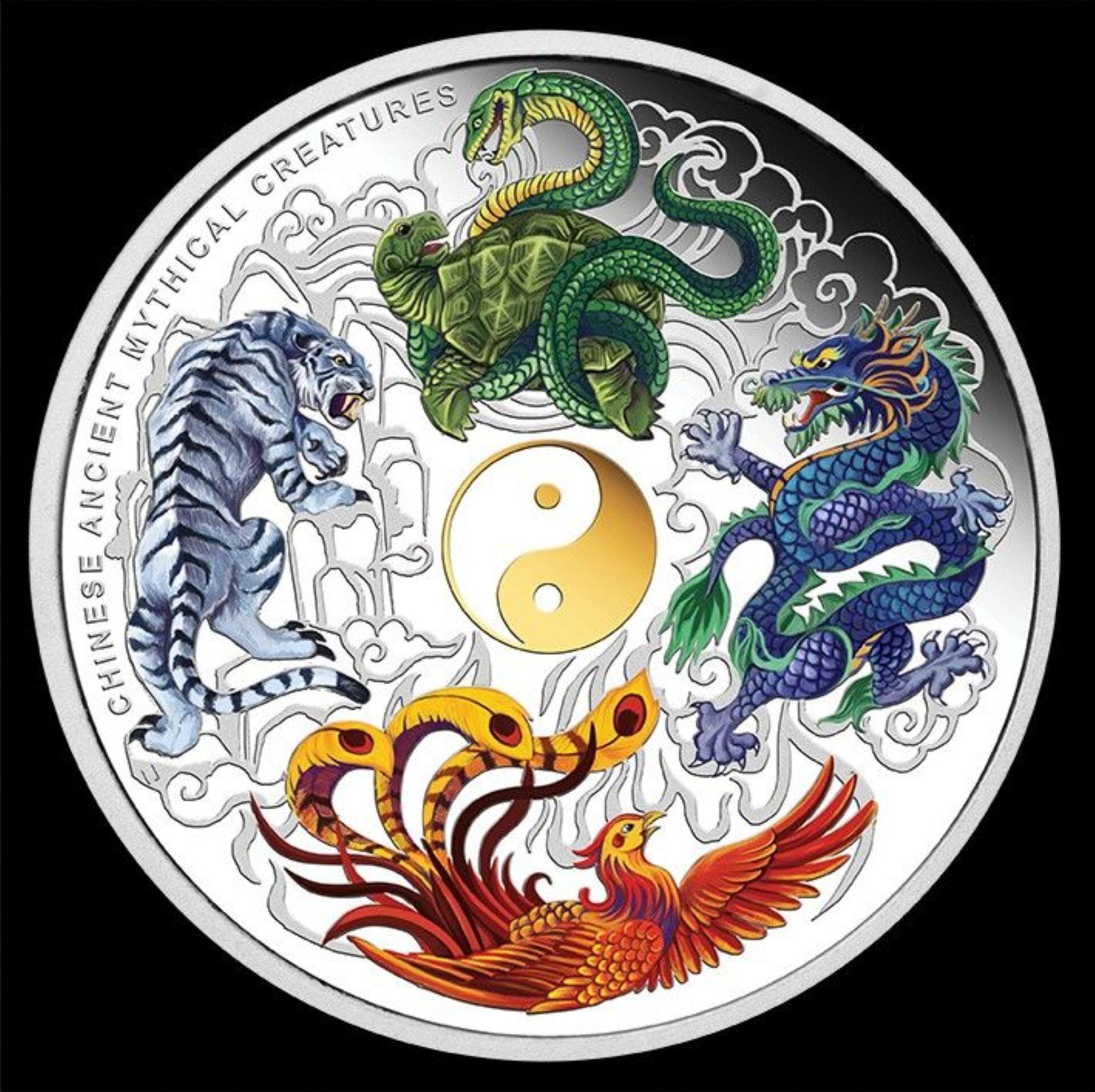
The Four Symbols are:
- Azure Dragon – Represents the East. Dragons were regarded as sacred creatures in ancient China and recognised as symbols of imperial authority.
- White Tiger – Represents the West. It stands for autumn and is a symbol of the arm
- Vermilion Bird – Represents the South. It refers to the phoenix, and like it, can be reborn from fire.
- Black Tortoise – Represents the North. It symbolises longevity and is depicted as a tortoise with a snake coiled around its neck.
In 1987, archaeologists uncovered a late Neolithic burial chamber at Xishuipo, Henan. The tomb contained a human burial flanked by clam-shell images of a dragon to the east and a tiger to the west. The site dates to roughly 4,500–5,000 years ago, reinforcing the truth behind the legends.
Sun Wukong
Sun Wukong (孫悟空) or the Monkey God makes his first appearance in the Chinese classic Journey to the West. In Chinese mythology, he is a trickster god who rebelled against Heaven but later achieved redemption and became a saint.
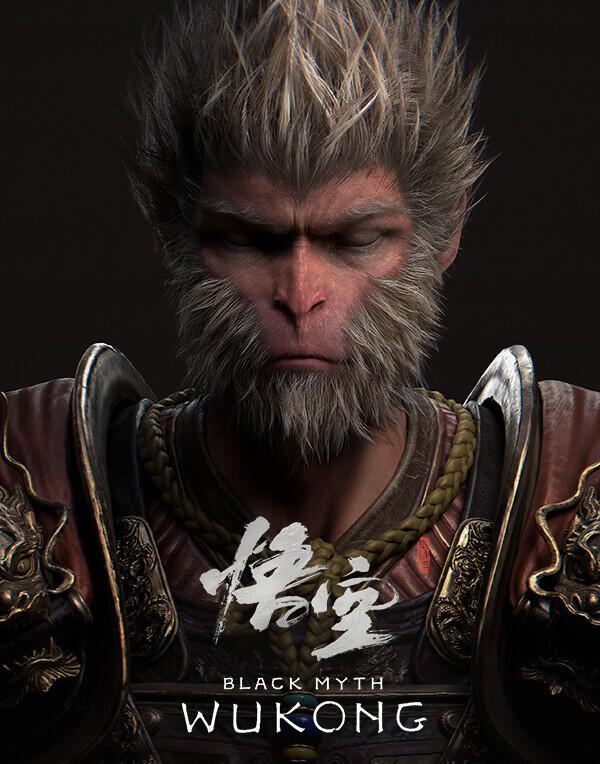
Legend has it that he was born from a magical rock situated atop the Mountain of Flowers and Fruit (Huaguo shan, 花果山), an island in the Buddhist disc world system. The stone sat there for countless ages, after which it hatched a stone egg from which emerged the stone monkey.
Eight Immortals
The Eight Immortals are a group of legendary figures who achieved immortality and are renowned for their wisdom and magical powers. The majority of the Eight Immortals emerged during the Tang Dynasty and existed individually.
It was during the Song Dynasty that they were referred to together as BaXian.
One of the most famous stories associated with the Eight Immortals is of them crossing the Bohai Sea. The story goes like this: the Immortals travel to the palace of Xi Wangmu to attend a banquet. On their journey, each one of them encounters an obstacle.
To overcome it, each one of them uses a magical power and showcases their individual prowess. This gave rise to the saying:
Ba xian guo hai, ge xian shen tong (八仙過海, 各顯神通) — "The Eight Immortals cross the sea, each revealing their divine powers.
Chinese Saying
Do you want to know more about Chinese gods? Read the detailed overview of Chinese gods to broaden your understanding about these mythical deities and creatures.
Legendary Heroes and Tales
The Legend of Hou Yi and Chang'e
Once there lived a skilled archer called Hou Yi who was renowned for his unmatched power and bravery. He led a peaceful and happy life with his beautiful wife, Chang’e, until the day when ten suns appeared in the sky at the same time. Blazing with relentless heat, these suns caused rivers to dry up, crops to wither, and resulted in untold suffering among the people. The cries of the people reached the Heavens, pleading for a saviour to restore balance and bring relief.
Moved by their pleas, the Jade Emperor called upon Hou Yi and asked him to deal with the errant suns. Hou Yi scales the divine Kunlun Mountain and releases an arrow. It slices through the air and extinguishes one of the suns. He kept going—arrow after arrow, sun after sun, and didn’t stop until nine suns had fallen. Now only one sun remained in the sky—rivers started flowing, the land became fertile, and people rejoiced.
Pleased with Hou Yi, the Queen Mother of the West gifted him with an immortality pill. However, unwilling to leave his wife, Hou Yi hid the pill and continued leading a mortal life. Now, here variations in the myth emerge. Some say Chang’e ate the pill herself, longing for immortality, while others say she ate it to prevent an evil man, Feng Meng, from devouring it.
Nevertheless, once Chang’e ate the pill, she became lightless, flew upward, ascended to the moon, and became the Moon Goddess. Alone on Earth, Hou Yi missed his wife so much that he made an offering to the moon and tried to find Chang’e's shape there.
To remember her, Chinese people worship the moon by eating fruit and moon-shaped desserts called mooncakes. This festival is known as the Mid-Autumn Festival.
The Journey to the West
The Journey to the West is a sixteenth-century 100-chapter novel, based on the epic pilgrimage of the monk Xuanzang (c. 596–664) to India in his quest to retrieve Buddhist scriptures. In the novel, Xuanzang is accompanied by four nonhuman disciples: Monkey (Sun Wukong), Dragon Horse, Pigsy (Zhu Bajie), and Sandy (Sha Wujing). Each one of the four disciples has been expelled by Heaven for their misbehaviour.
Monkey King and Xuanzang are the central characters in the novel, with the first thirteen chapters devoted to establishing their origins. The real action begins in chapter 14, when Xuanzang releases Monkey from a mountain and from that moment on, they embark on this interesting journey.
The Monkey King carries a magical rod called Ruyi Jingu Bang, weighing 17,550 pounds (7,960 kg), that can be shrunk to the size of a needle and kept in his ear, and, when required, it can be expanded to gigantic proportions.
The novel is so popular that it has been reproduced across countless media, including children’s books, puppet shows, comics, TV series, and movies, with each adaptation retelling the story differently.
Festivals and Cultural Impact
Lunar New Year and Mythological Connections
Chinese celebrations are anchored not to the Gregorian calendar but to the lunar calendar, where mythology is intertwined with astronomical observations, resulting in a cultural structure where stories of gods, heroes, and ancestors are woven into the fabric of the year. This arrangement gives Chinese celebrations a mathematical precision, even though the Gregorian dates keep shifting every year.
A lot of festivals occur on “double dates”, meaning the number of the month and the day match. For instance:
Similarly, the Lantern Day Festival takes place 15 days after the lunar New Year, while the Qing Ming festival falls on the 104th day after the winter solstice.
Lunar New Year
Nian was a beast in ancient Chinese mythology who always appeared during Spring Festival to eat the villagers, especially the children. One year, the villagers decided they would hide in the hills on New Year's Eve. Just as they were leaving town, an old man appeared and told them he would best Nian. When they returned to their village the next day, they were surprised to find the old man alive and their village intact.
The ancient one had known that Nian was afraid of loud noises and hated the colours red and yellow. Thus, he draped the town in yellow and red and set off firecrackers. To this day, that is how the Chinese New Year is celebrated.
Note: Some traditions associate the Lunar New Year with the ascension of Emperor Yao to the throne, one of China's most important emperors.
Other Festivals Rooted in Mythology
Blue Dragon Festival
Also known as “Dragon Raising Its Head”, this festival honours the dragon, the deity that controls the rain - a necessary ingredient in agriculture. The festival signals the rainy season that kicks off the planting and growing season. The Dragon King and Tu Di, a generally local deity, are revered on that day, too.
Dragon Boat Festival
Celebrated on the 5th day of the 5th lunar month, the Dragon Boat Festival or the Duan Wu Festival, is an important festival for the Chinese with a history of over 2000 years. The festival is associated with the court official Qu Yuan, who was unhappy with the Chu king allying with the Qin state, a fierce and powerful rival.
Weighed down by the accusation of treason that followed him into exile, he wrote a lot of poetry. His mournful verses did nothing to ease his anguish when, 28 years after the alliance, the Qin army invaded the Chu capital.
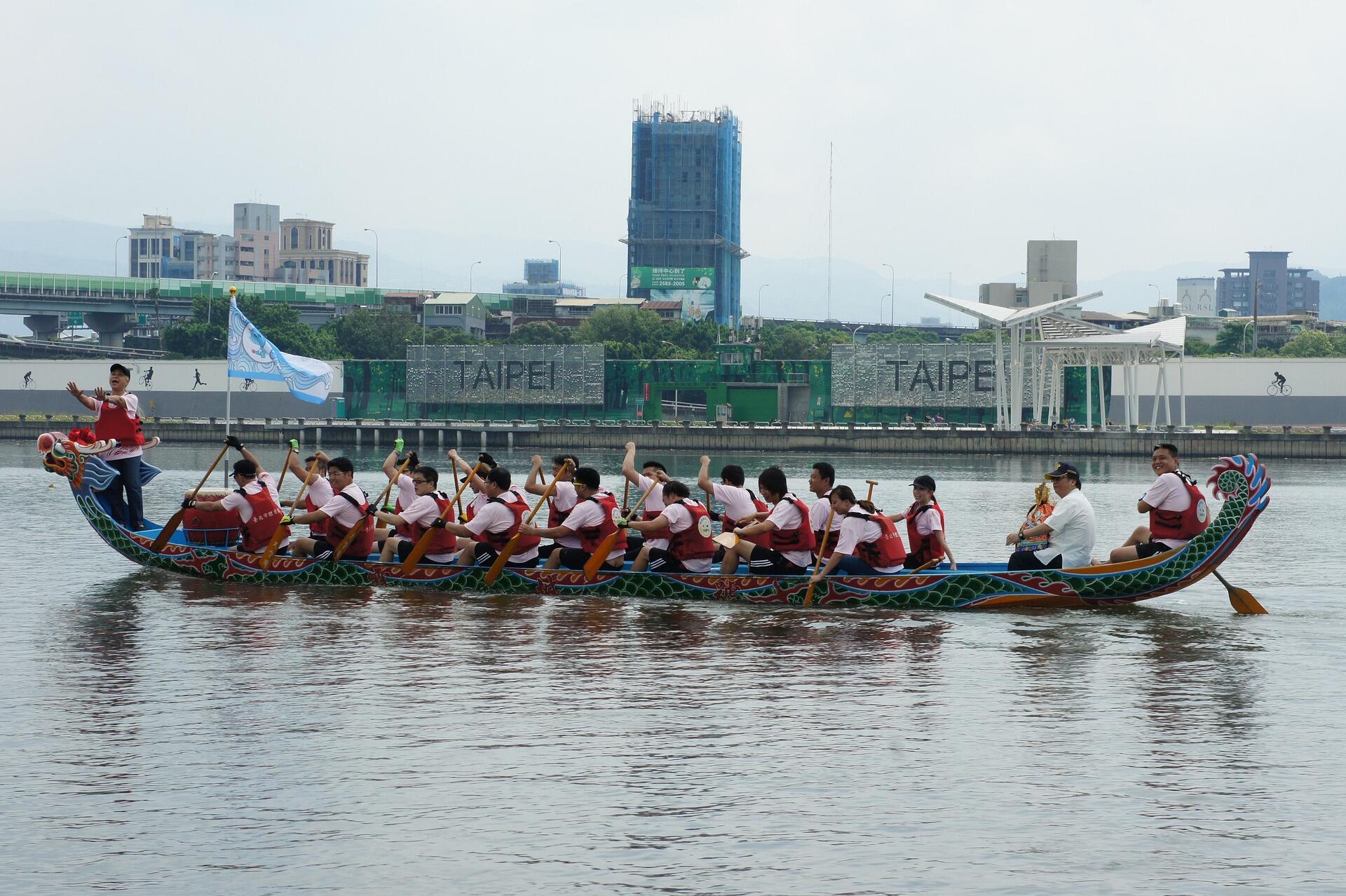
Stricken with grief, he jumped into the river. His admirers raced out to the middle of the river in their longboats, trying to rescue him. As they were not able to locate his body, they threw rice into the water to keep the fish from eating their hero, a story preserved in Chinese mythology and Chinese religion. To this day, the Chinese hold dragon boat races in his honour as part of the lunar calendar traditions.
Modern traditions include:
- Dragon boat races respecting Chinese gods and goddesses
- Eating zongzi (glutinous rice dumplings wrapped in bamboo leaves), an important custom of Chinese folk religion
- Carrying handmade spice bags. It is believed that it wards off bad spirits and brings fortune to those who wear it
Qi Xi Festival
Often known as the Chinese Valentine’s Day, the Qi Xi festival narrates the story of star-crossed lovers Niu Lang (the Cowherd) and Zhi Nu (the Weaver Girl), a famous legend in Chinese mythology. Since their love was forbidden, they were condemned to live apart, one on either side of the Silver River. A flock of magpies felt sorry for them. For one night each year, they form a bridge across the river so that the lovers may meet.
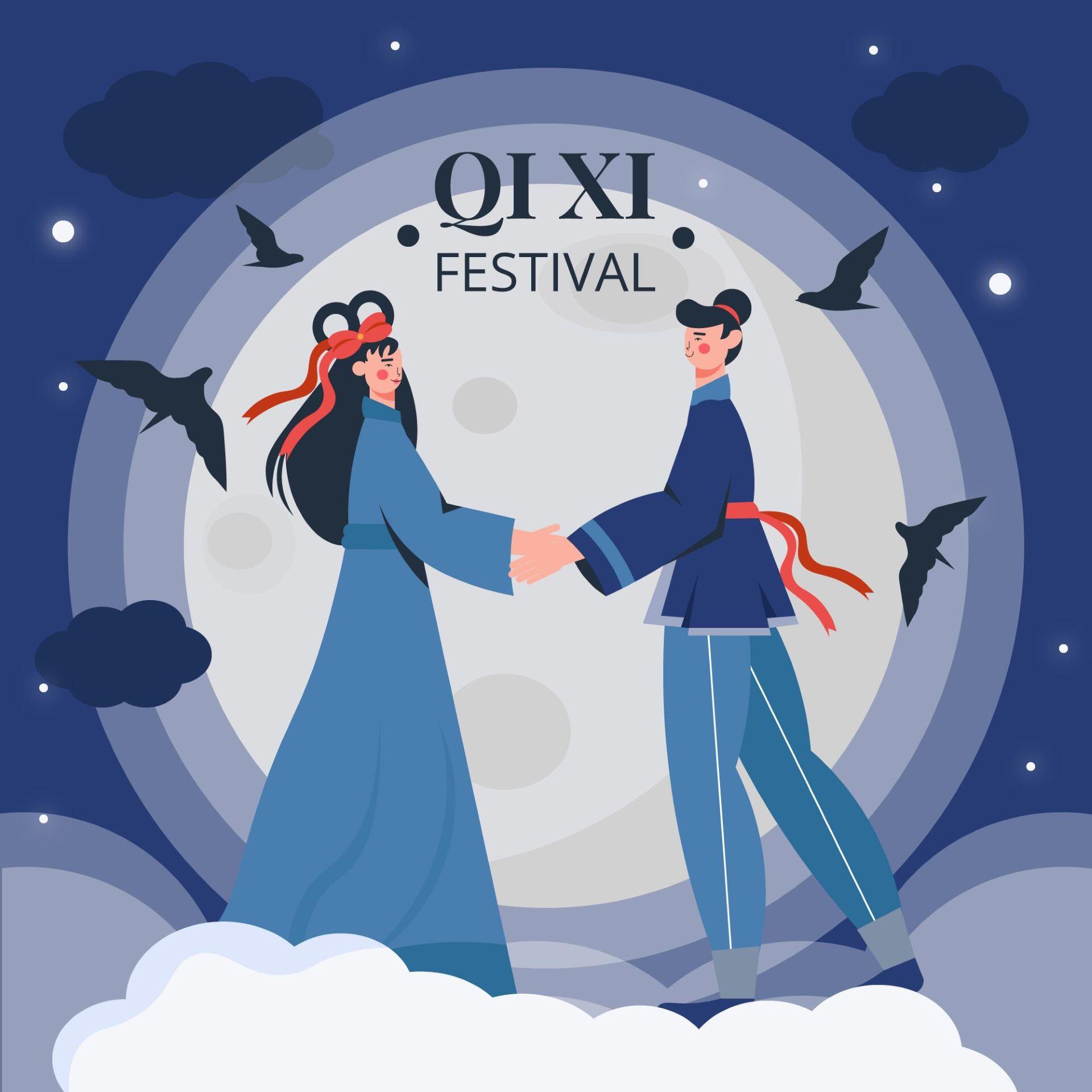
Newlywed couples traditionally pray to the celestial lovers to thank them for uniting them. These rituals promise a happy marriage.
Note: Niu Liang is said to represent Altair while Zhi Nu is actually Vega. The river the magpies span represents the stars in the Milky Way, reflecting astronomical notions associated with the era of the Yellow Emperor (Huangdi).
Are the Chinese people sun worshippers, too? Discover all of the gods in China's heaven.
This tale can be found in classic texts such as the Classic of Mountains and Seas.
Moon Festival
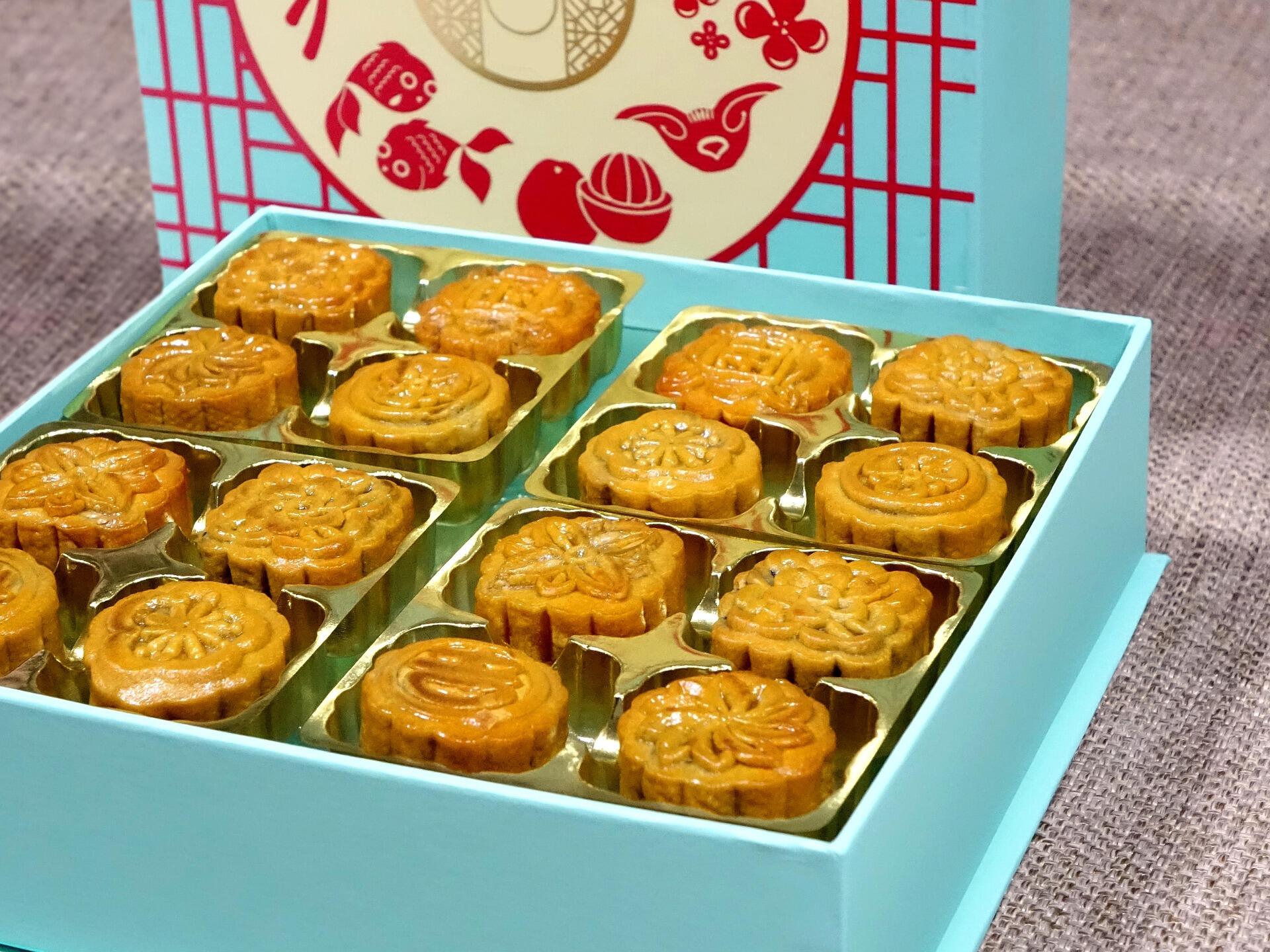
The Moon Festival or Mid-Autumn Festival, also associated with the Chinese New Year, is celebrated every year on the 15th night of the eighth lunar month, when the Mother of the Moon allowed Chang'e to reunite with Hou Yi. Ever since then, people have celebrated this as a festival of reunion within Chinese folk religion. On this night, families come together to look at the moon, make wishes on lanterns and think about the people they love.
How Chinese people celebrate:
Enjoy Lantern Show
Moongazing - Admire the round moon that symbolises happiness and being together
Have a reunion meal with family
Eat mooncakes, an intricately patterned pastry filled with a sweet lotus seed paste and salted egg yolk
Summarise with AI:
Did you like this article? Leave a rating!

 Loading...