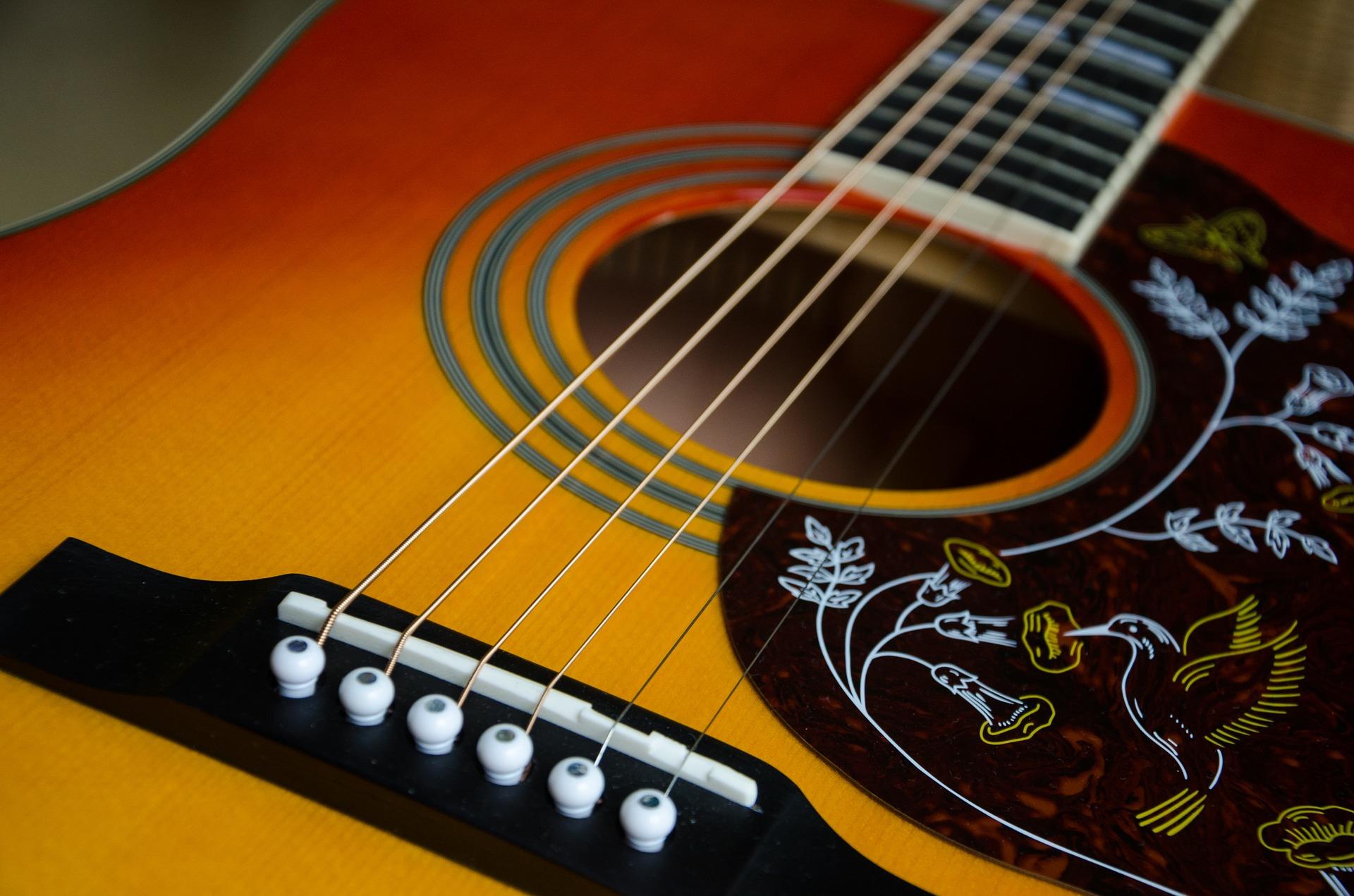

Learning the guitar is much more than mastering chords or tuning strings; it is about understanding the soul of an instrument that has shaped music and culture for centuries. Whether you are drawn to the deep resonance of a bass guitar, the crisp tones of an acoustic, or the electrifying power of an electric guitar, each style tells its own story through wood, wire, and sound.
From the smooth maple neck to the polished ebony fretboard, every detail contributes to the guitar’s unique character. The bridge, pickups, and body define its tone, while the scale length and radius influence the way it feels in your hand. Even features like single-coil electronics, amp effects, and steel strings have evolved to shape the modern guitarist’s experience.
In this comprehensive guide, we will explore everything from the instrument’s fascinating history and craftsmanship to iconic artists who revolutionised the sound of music. You will also discover how guitars became both artistic and scientific marvels, uniting creativity, technology, and passion across generations. Whether left-handed or right-handed, beginner or pro, your journey through the world of guitar starts here, where tradition meets innovation and every note has a story to tell.


The History of the Guitar
The story of the guitar spans more than 3000 years, tracing back to ancient Persia, where early stringed instruments resembling the lute first appeared. These early versions were crafted from wood and fitted with strings made from animal gut, producing gentle, resonant tones that would later inspire the instruments we recognise today.
By the 10th century, this instrument made its way to Spain, where it began to evolve into various forms such as the classical guitar, folk guitar, acoustic guitar, and eventually the electric guitar. Spanish musicians developed expressive styles like flamenco, showcasing the guitar’s versatility and emotional depth. Over time, advances in craftsmanship and technology transformed the instrument further, with skilled luthiers refining the body, neck, and fretboard design to improve sound, playability, and tone.
The rise of amplifiers, pickups, and modern electronics in the 20th century revolutionised the guitar, allowing musicians to shape new sounds through effects pedals, amps, and steel strings. These innovations gave birth to countless genres, from blues and jazz to rock, country, and pop, turning the guitar into a universal instrument that transcends borders and cultures.
Today, the guitar remains one of the world’s most celebrated string instruments, played in studios, concert halls, and homes alike. Whether strummed on a solid-body electric, plucked on an acoustic, or performed with intricate chords on a classical guitar, it continues to inspire artists, musicians, and listeners with its timeless sound and boundless creative potential. To truly appreciate this remarkable instrument, take a look at the fascinating origins of the guitar and discover how its rich history shaped the sounds we love today.

Guitar Styles: Learn How to Play Them
Every musical style carries its own rhythm, tone, and personality, making the guitar one of the most expressive instruments in the world. Whether you are exploring rock, blues, funk, jazz, metal, pop, country, or reggae, each genre has its distinct sound shaped by unique techniques, chords, and tones. With the right amp, pedal, and pickup settings, even subtle changes in sound can completely transform your playing style.
The electric guitar dominates styles like rock ‘n’ roll, heavy metal, and funk, where the fretboard, pickups, and amp effects create dynamic tones full of energy and emotion. On the other hand, the acoustic guitar shines in folk, classical, and baroque music, using natural resonance and careful hand positioning to produce rich, warm melodies. Each variation of the instrument, whether solid-body, hollow, or classical, contributes a distinctive character to every performance.
To master different genres, it is essential to develop proper finger techniques, vibrato, and strumming patterns. Using tools like a plectrum, tuner, capo, and metronome can help refine timing and tone. As your skills progress, you will build speed, coordination, and control, which are key to adapting to diverse styles.
Beginners should start by memorising the parts of the guitar, from the bridge and neck to the fretboard and strings, before moving on to rhythm exercises and simple riffs. Watching guitar tutorials, following guided lessons, and practising daily can accelerate progress. With dedication and patience, every guitarist can find their own voice, learning to switch effortlessly between smooth jazz chords, powerful rock riffs, and soulful blues licks. For more tips on mastering various genres, explore how to play different guitar styles and discover techniques that help you develop versatility and confidence as a musician.
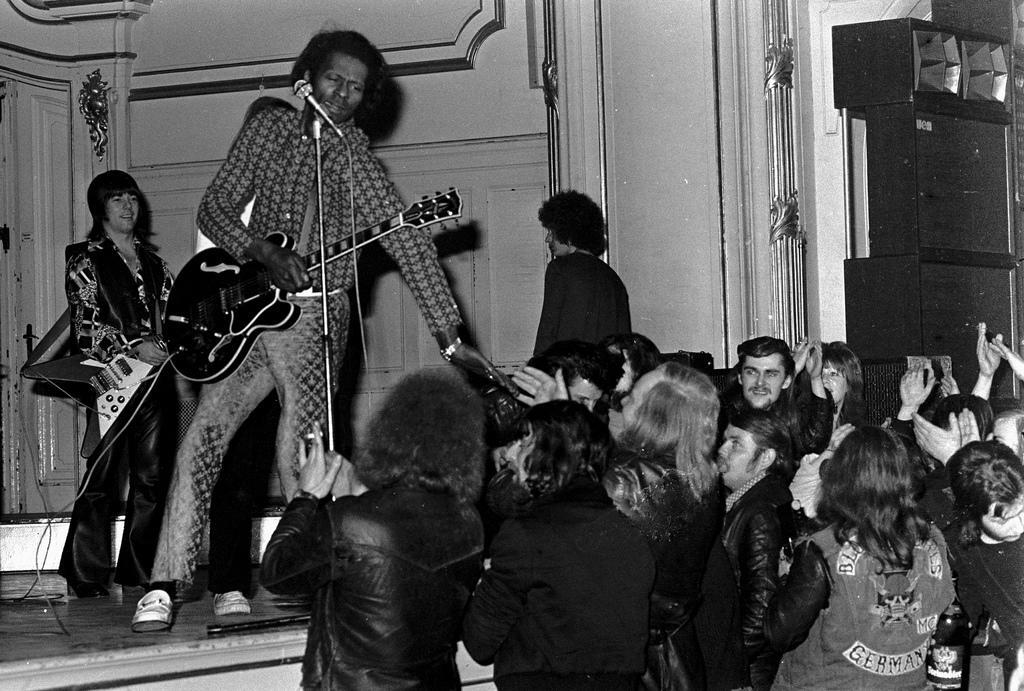
The 10 Best Guitarists on the Planet
Throughout history, certain guitarists have transformed the way we experience music. Their creativity, technical brilliance, and emotional expression continue to inspire players across the world. Here are ten of the most influential guitar players of all time:
- Jimi Hendrix: Revolutionised the electric guitar through innovative use of amps, effects, and feedback, creating sounds that changed rock music forever.
- Eric Clapton: Known for his soulful phrasing and melodic touch, he effortlessly blends blues and rock, earning a reputation as one of the most versatile artists in music.
- Jimmy Page: The legendary Led Zeppelin guitarist who pioneered new recording techniques and introduced creative approaches such as playing with a violin bow.
- Robert Johnson: A pivotal figure in blues history, whose emotive playing and storytelling continue to influence modern guitarists.
- Chuck Berry: The pioneer of rock ’n’ roll, merging country and blues influences to create timeless riffs and energetic performances.
- Carlos Santana: Famous for his signature Latin rock sound, combining smooth guitar tones with rhythmic precision and emotional depth.
- Muddy Waters: The father of modern blues, known for his mastery of slide guitar and his role in shaping electric blues.
- B.B. King: A legend of blues guitar, admired for his expressive bends, smooth vibrato, and deep emotional connection to every note.
- Keith Richards: The driving force behind The Rolling Stones, recognised for his rhythmic precision and ability to distil songs to their purest form.
- Eddie Van Halen: Transformed rock guitar with his groundbreaking two-handed tapping technique, producing sounds that inspired a generation of musicians.
Each of these guitarists brought something unique to music, redefining how the instrument is played and heard. Studying their styles can help any aspiring guitar player develop skill, creativity, and a deeper appreciation for the power of sound. To learn more about the legends who shaped guitar history, check out the best guitarists of all time and discover how their mastery continues to inspire musicians across generations.
5 False Ideas People Have About the Guitar
Many aspiring guitar players hesitate to start learning because of common misconceptions that have surrounded the instrument for years. Whether you are drawn to an electric, acoustic, or classical guitar, understanding the truth behind these myths will help you approach your musical journey with confidence. Here are five of the most widespread false ideas about the guitar and why they simply are not true:
- “I don’t have an ear for music.”
Developing a musical ear is not an inborn talent but a skill that improves through regular practice and training. Listening closely to chords, pitch, and sound while playing your strings will naturally sharpen your sense of rhythm and tone. - “I have no rhythm.”
Rhythm is something every guitarist can learn. Using a metronome, tapping along to beats, or playing with amps and effects can help you feel the groove. Over time, proper hand coordination, consistent strumming, and attention to frets and fretboard movements will make your playing steady and expressive. - “My fingers aren’t made for guitar playing.”
The guitar neck, strings, and frets are designed for adaptability. Whether you play on a bass, electric, or acoustic guitar, finger size or strength is never a limitation. With practice, you will build calluses, flexibility, and precision across the fretboard, allowing smooth transitions between chords. - “I’m left-handed.”
Being left-handed is not a barrier to learning the guitar. Many legendary artists, including Jimi Hendrix and Kurt Cobain, were left-handed players who mastered electric guitars with stunning skill. You can choose a left-handed guitar or restring a standard model to suit your preference. - “I’m too old to learn.”
Age does not affect your ability to learn guitar. Whether you are starting at 15 or 50, consistent practice, curiosity, and the right tutor make all the difference. The guitar welcomes everyone, regardless of age, background, or experience level.
With patience and passion, anyone can enjoy the journey of learning guitar chords, mastering tuning, experimenting with pickups and pedals, and creating music that reflects their own personality and style. And as you grow as a musician, it’s worth exploring the most commonly held beliefs about the guitar to separate fact from fiction and deepen your understanding of this iconic instrument.

Realistic Career Options for Guitar Players.
Mastering the guitar opens the door to a wide range of exciting and creative career opportunities. Whether you play electric, acoustic, bass, or classical guitar, your skills, sound, and style can lead you to rewarding paths in the music industry and beyond. Here are some of the most realistic and fulfilling career options for dedicated guitar players:
- Performing Artist
Join or form your own band and perform at concerts, music festivals, or local venues. Playing live guitar lets you connect with audiences, showcase your chords and solos, and experiment with different amps, pickups, and pedals to perfect your tone. From rock and blues to pop, jazz, and country, the stage is where your sound truly comes alive. - Session Guitarist
Work with recording studios or collaborate with artists who need skilled guitarists for their projects. A session player must be versatile, understanding various styles, frets, scales, and techniques across genres. Knowledge of music theory, tuning, and electronics also helps you adapt to different sounds, whether it’s for a film score, TV advert, or live event. - Guitar Teacher or Tutor
Share your knowledge by becoming a guitar teacher. You can teach at a music school, offer private lessons, or create tutorials and video courses online. Helping others learn frets, strings, and fretboard navigation is both rewarding and inspiring. Students of all ages can benefit from learning chords, scales, and rhythm from an experienced tutor. - Studio Musician or Composer
If you have an interest in production, you can compose and record original guitar tracks. Understanding sound engineering, effects, and amplifiers allows you to create professional-quality recordings. Many modern guitarists now blend acoustic and electric sounds to produce dynamic, genre-bending compositions. - Event Guitarist or Performer
Join entertainment groups that perform at weddings, corporate events, and parties. Audiences always enjoy energetic guitar riffs, catchy melodies, and heartfelt acoustic songs. A skilled performer can bring any celebration to life with music that transcends style and culture.
Whether you dream of becoming a professional guitarist, a teacher, or a studio artist, the possibilities are endless. The guitar remains one of the most versatile and expressive instruments in the world, giving you the freedom to build a career that blends passion, creativity, and sound mastery. To understand why this instrument is such a rewarding choice, explore the benefits of playing guitar and discover how it enhances not just your musical skills, but also your mental well-being and emotional balance.

8 Scientific Reasons for Playing the Guitar
Playing the guitar offers far more than musical enjoyment; science shows it brings remarkable benefits for both the body and mind. Whether you strum an acoustic, pluck a classical, or shred an electric guitar, the effects of guitar playing go beyond sound, as it can truly improve your overall well-being. Here are eight scientifically backed reasons to pick up your guitar today.
- The Guitar Makes You Happier
Playing the guitar triggers the release of dopamine, serotonin, and endorphins, which are chemicals that boost mood and create a feeling of joy. When you play your favourite chords or riffs, your brain’s pleasure centres light up, making each session a genuine happiness booster. - The Guitar Reduces Stress
Studies show that playing string instruments like the guitar lowers cortisol, the hormone responsible for stress. Whether you are practising tuning, fingerpicking, or exploring new scales, music helps calm the nervous system and promotes relaxation. - The Guitar May Help Relieve Pain
Research suggests that playing music can reduce chronic pain by diverting attention and releasing natural painkillers in the brain. Strumming your strings or experimenting with different frets can be both physically and emotionally healing. - The Guitar Improves Intellectual Performance
Learning to read music, memorising notes, and coordinating both hands on the fretboard strengthen cognitive functions. Regular practice improves memory, concentration, and problem-solving skills, abilities that translate beyond music. - The Guitar Enhances Blood Circulation
Playing for extended periods increases hand movement and coordination, stimulating better blood flow throughout the body. Holding the neck properly and alternating fretting patterns also keeps your muscles active and flexible. - The Guitar Boosts Self-Confidence
Mastering new songs, improving your sound, and performing in front of others can greatly enhance self-esteem. From perfecting your tone through amps and pedals to playing with a band, each achievement builds lasting confidence. - The Guitar Encourages Creativity
Composing riffs, experimenting with effects, and mixing different styles such as blues, funk, or rock stimulates your creative thinking. The guitar gives you the freedom to express emotions and ideas through music. - The Guitar Can Improve Social Connections
Whether you join a band, collaborate with other artists, or play at small events, the guitar encourages communication and teamwork. Sharing music builds empathy and bonds between musicians and listeners alike.
Other Reasons to Play the Guitar
Beyond the scientific benefits, guitar playing connects you with a wider musical culture. The instrument brings people together, whether through jazz, rock, pop, or country performances. Playing in a group helps develop rhythm, harmony, and sensitivity to other musicians, making it a true social art.
Learning guitar history, exploring iconic brands like Fender or Gibson, and understanding different woods, pickups, and electronics also deepens your music appreciation. With time, your skills will grow, your sound will mature, and your connection to the guitar will become a lifelong journey of creativity and expression. Beyond the music itself, you can also discover how playing guitar supports your health and well-being — from reducing stress to boosting focus and emotional balance.

Understanding Guitar String Notes and Their Role in Music
Learning to identify and understand guitar string notes is one of the most important foundations in guitar playing. Whether you’re mastering acoustic guitar, electric guitar, or even bass guitar, every string and note you play contributes to the melody, harmony, and rhythm of your music. Knowing your guitar string notes helps you play guitar chords, compose songs, and explore music theory like a true guitarist.
Basic Guitar String Notes Explained
- A standard six-string guitar is tuned to E–A–D–G–B–E, starting from the thickest (lowest) string to the thinnest (highest).
- The low E string is the deepest note, producing strong bass frequencies crucial for rhythm guitar.
- The A string and D string create the midrange foundation of most guitar chords.
- The G string and B string add brightness and melody to your guitar playing.
- The high E string delivers clarity and lead tones, making solos and riffs stand out.
- Memorising these guitar string notes will make learning guitar easier, helping you switch between chords, scales, and melodies smoothly.
Why Guitar String Notes Matter in Music Theory
- Music theory begins with understanding notes, intervals, and scales. Knowing your guitar string notes connects your instrument directly to this theory.
- It helps you recognise chord structures, keys, and progressions used in rock, blues, jazz, and classical guitar music.
- When you tune your guitar correctly using standard guitar tuning, you ensure every chord and note rings true and harmonically correct.
- Guitar players who master string notes can easily transpose songs, create solos, and even improvise effortlessly.
- Every famous guitarist, from Jimi Hendrix to Eric Clapton, mastered string notes before developing their signature sound.
Practical Tips to Learn Guitar String Notes Effectively
- Practice daily by naming each note out loud while tuning your guitar.
- Use flashcards or guitar fretboard charts to memorise guitar string notes quickly.
- Play scales and simple melodies on each string to strengthen muscle memory.
- Apply your knowledge by playing open chords and identifying which string notes form each chord.
- Try alternate tunings like Drop D or Open G to understand how different string notes affect tone and style.
Understanding guitar string notes is the key to unlocking your full potential in guitar playing. It strengthens your grasp of music theory, improves your ear training, and makes composing or improvising easier. Whether you are strumming acoustic chords or shredding an electric solo, mastering guitar string notes will transform how you think and play. And if you’re ready to take your skills beyond practice sessions, explore how good guitarists can earn money from their talent and turn your passion for music into a rewarding career.

The Best Platform to Learn Guitar Online and Face-to-Face
When it comes to mastering the art of playing the guitar online or in person, Superprof stands out as one of the most trusted and comprehensive learning platforms available today. Whether you are a beginner exploring basic guitar chords, an intermediate player refining your techniques on the fretboard, or an advanced guitarist experimenting with electric, acoustic, or classical styles, Superprof offers everything you need to progress confidently.
Why Superprof is the Ultimate Choice for Guitar Learning
- Global Presence: Superprof is available in 50+ countries, making it one of the world’s largest educational networks for music and guitar learning.
- 29 Million+ Teachers: With an impressive community of over 29 million verified teachers, students can easily find skilled tutors who specialise in various guitar styles, including electric, acoustic, bass, and classical guitar.
- Free First Class: Every tutor on Superprof offers the first class free, allowing students to explore different teaching styles and decide what suits them best without any commitment.
- Authentic and Credible Tutors: All teachers are thoroughly verified to ensure quality and credibility. You can check authentic reviews from previous students to choose the best tutor for your learning goals.
- Transparent Pricing: Superprof maintains full transparency in pricing, ensuring you know exactly what you will pay before booking your lessons.
- Online and Face-to-Face Options: Whether you prefer to learn guitar online from the comfort of your home or attend face-to-face sessions with a tutor nearby, Superprof makes it easy to find the perfect match.
- Personalised Learning: You can take private guitar lessons tailored to your goals, from mastering chords and scales to understanding fretboard theory and improving your tone.
Superprof provides the perfect balance between flexibility and personal connection. With its global reach, experienced teachers, and transparent approach, it is the ideal platform to learn guitar online or offline. Whether you want to explore rhythm, lead, or fingerstyle techniques, Superprof ensures that every student can find the right teacher, the right style, and the right pace, all with the freedom of a free first class. To add a touch of flair to your playing, dive into the world of impressive guitar music and discover how rhythms and expressive melodies can elevate your performance and creativity.
Summarise with AI:
Did you like this article? Leave a rating!

 Loading...