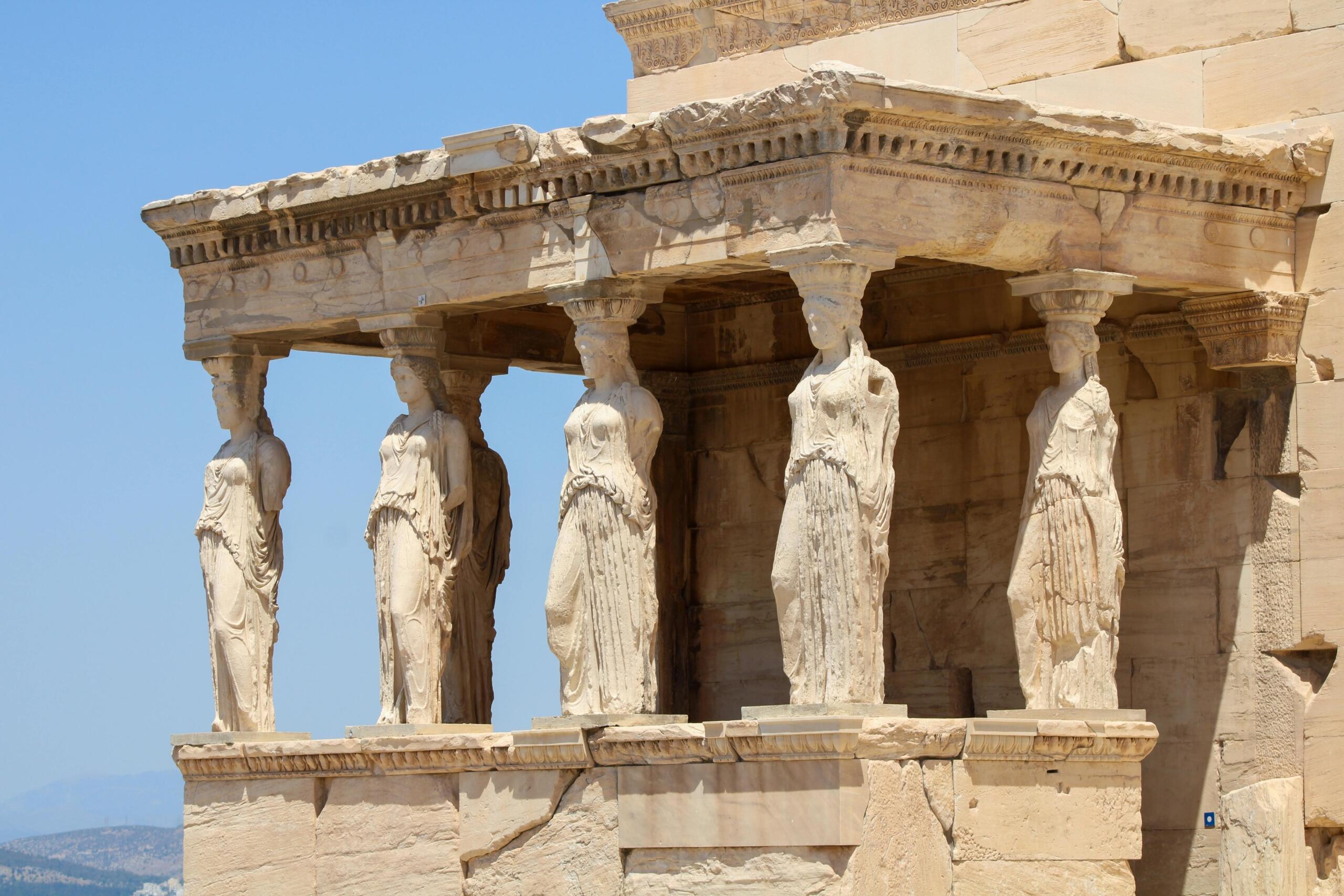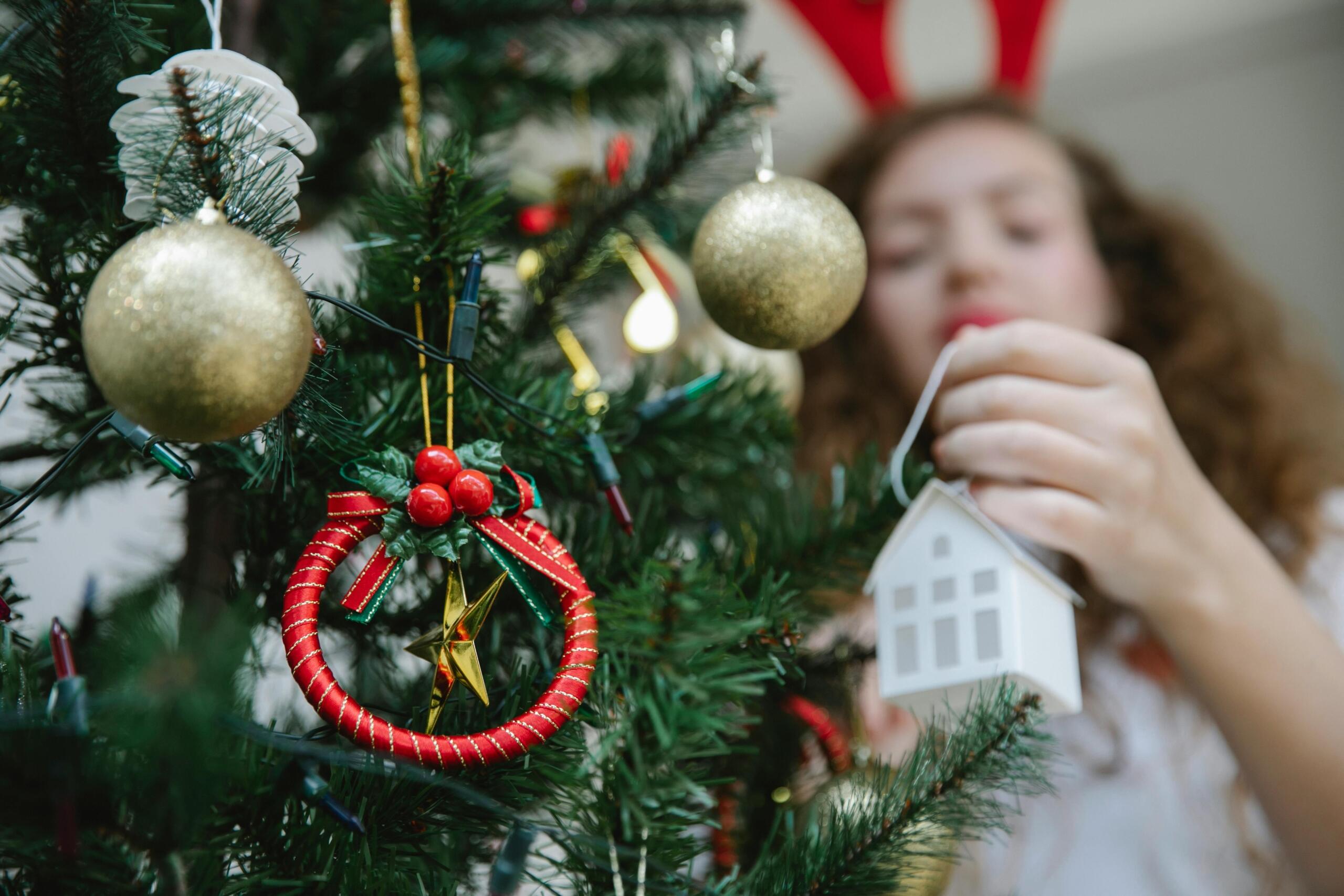

Christmas might look like a cheerful blur of gift-wrapping, sparkling lights, and a Mariah Carey soundtrack on repeat, but its roots stretch far back into history. Long before it became the global celebration we know today, many cultures across Europe already marked mid-winter with festivals honouring light, warmth, and new beginnings. When Christianity spread during the Roman Empire, these existing winter traditions blended with the celebration of Jesus’ birth, eventually forming what we now call Christmas.
To test how much of this global holiday trivia you truly know, try this quiz to see if you're a festive fact expert... or just here for the gingerbread.
Quiz
Quiz :Over time, Christmas travelled across continents - carried by explorers, missionaries, traders, and migrants. Each region embraced the celebration in its own way, mixing imported customs with local culture. That’s why Christmas in Germany features Advent wreaths and Christmas markets, the Philippines lights up with parols (star-shaped lanterns), and Mexico celebrates Las Posadas, a nine-day reenactment of Mary and Joseph’s search for shelter. Despite the cultural differences, the holiday consistently champions community, generosity, and shared joy.
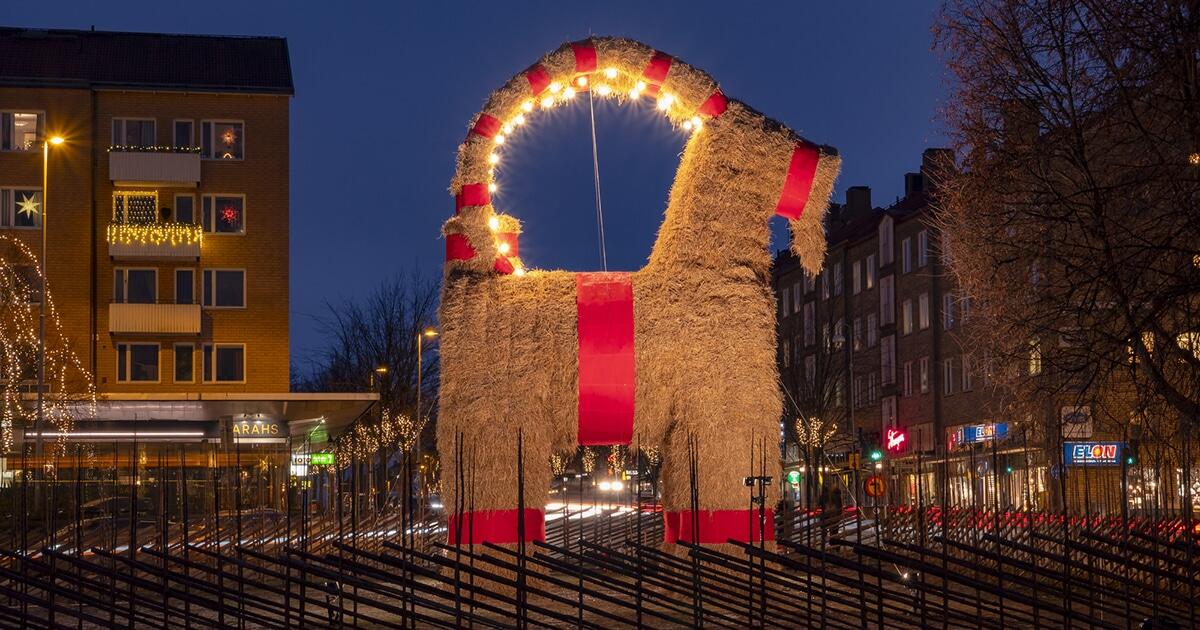
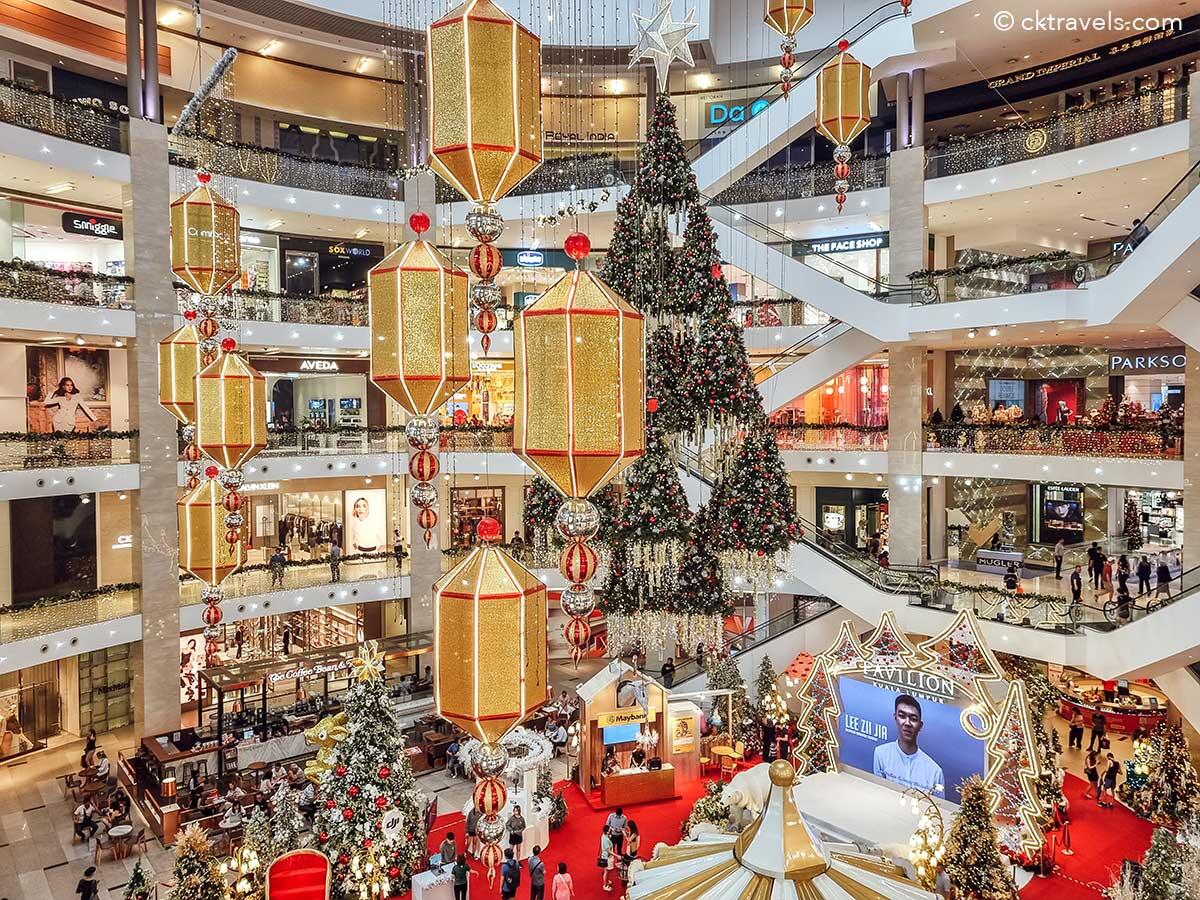
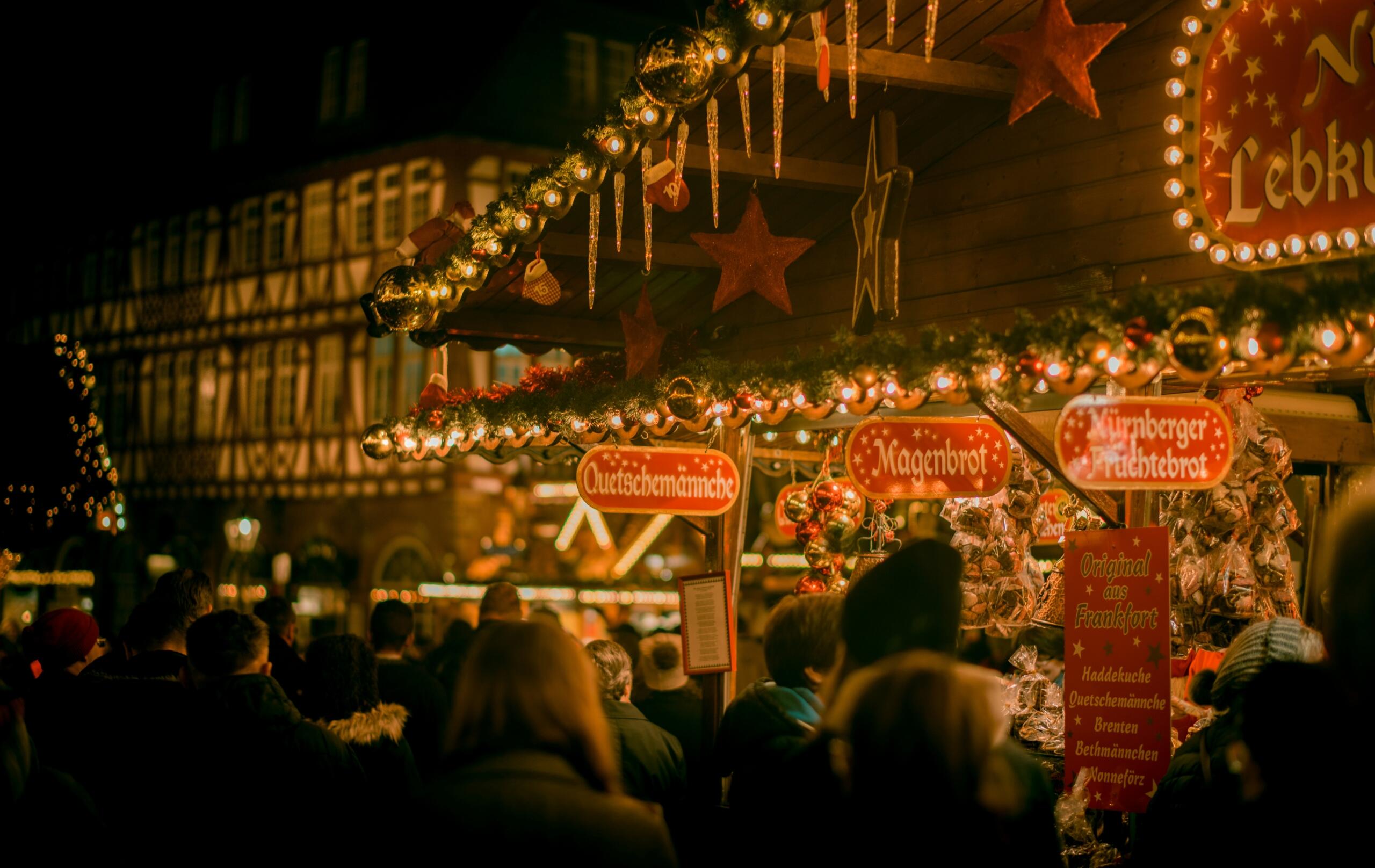
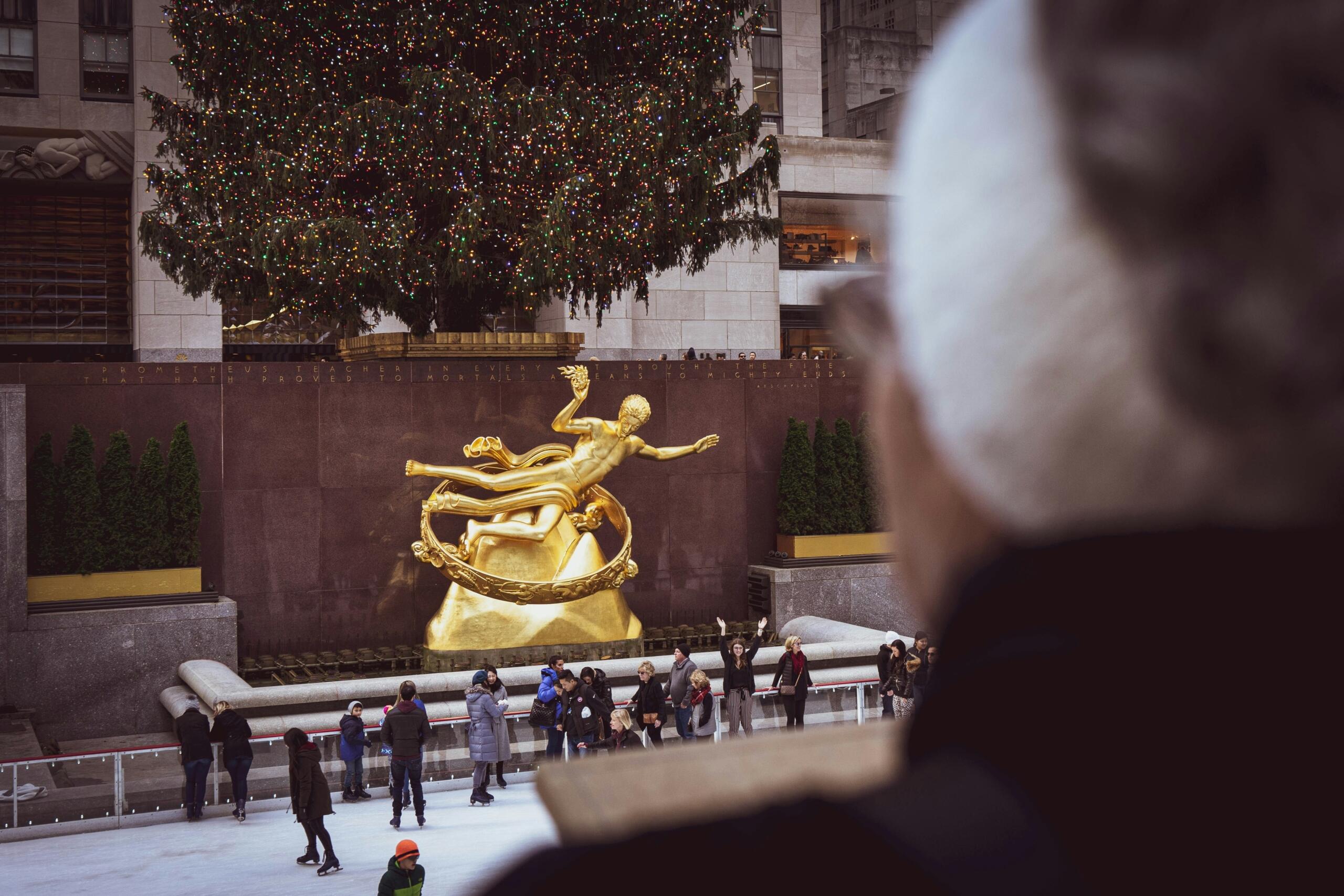
Today, Christmas is celebrated in over 160 countries, and not all of them are majority-Christian. Nations like Japan and South Korea enjoy Christmas Day as a cultural holiday, focusing more on romantic dinners, shopping, and city illuminations over religious traditions. In other places - such as the UK, Australia, the US, and much of Europe - it remains a central cultural and religious celebration around the birth of Jesus. This widespread adoption is exactly what makes Christmas so fascinating: no two places celebrate it quite the same way.


Christmas Celebrations Meaning: A History
The origins of Christmas trace back to early Christianity, when December 25 was chosen to celebrate the birth of Jesus Christ. Interestingly, this date likely aligned with existing pagan winter festivals like Saturnalia (Roman) and Yule (Northern Europe), which already involved feasting, gift-giving, greenery, and celebrating light during the darkest time of the year.
Over time, these older customs blended into Christmas traditions. Decorating homes with evergreen trees symbolised life and hope in winter, while candles and later lights represented warmth and renewal. By the Middle Ages, Christmas became a major social event marked by communal meals, music, and charity.
Many modern traditions took shape in the 19th century. As an example, the Christmas tree gained popularity in Britain after Queen Victoria adopted it; and Santa Claus evolved from Saint Nicholas, a generous 4th-century bishop, into the jolly red-suited figure we know today. Christmas cards, carolling, and gift exchanges also became widespread during this holiday period.
Today, Christmas is celebrated around the world in countless ways - religious, cultural, or simply festive - adapting to local cultures while keeping the essences of joy, generosity, and togetherness alive.
Christmas Celebrations in Malaysia Today
For Christians, Christmas remains an important religious occasion. Churches across Malaysia hold Advent services, Christmas Eve masses, and Christmas Day celebrations, often in multiple languages such as English, Malay, Mandarin, and Tamil. Carol singing, nativity plays, and community outreach programs are common, reflecting the season’s emphasis on generosity and togetherness.
Beyond religion, Christmas is widely celebrated as a cultural event. Shopping malls transform into festive hotspots with decorations, towering Christmas trees, music, and year-end sales. Popular malls in Kuala Lumpur, Penang, and Johor Bahru draw crowds eager to enjoy the cheerful atmosphere, take photos, and shop for gifts.
How do you like to spend Christmas in Malaysia? 🎄
Malaysian Christmas cuisine often combines traditional Western dishes with local flavours. Popular foods during the season include:
- Roast turkey, ham, and log cakes
- Halal-friendly festive spreads for diverse communities
- Fusion dishes and local favourites at hotel buffets and home gatherings
Christmas Day is also a public holiday, giving families and friends the chance to come together regardless of religious background. Open houses are a uniquely Malaysian tradition, where hosts welcome guests of all cultures, fostering the season’s spirit of hospitality and community.
Overall, Christmas in Malaysia today is less about snow and winter imagery and more about warmth—warm weather, warm food, and warm company. It’s a season where faith, friendship, and multicultural harmony come together, creating a celebration that is distinctly Malaysian.
Summarise with AI:
Did you like this article? Leave a rating!

 Loading...