
Embarking on your culinary journey can be both exciting and daunting, but with the right guidance and resources, anyone can become a cook.
Inspired by famous TV shows like MasterChef and King of Culinary, many people are taking the time to learn to cook. If you’re one of them, there are several ways to get started. For instance, you could get private tutorials or attend cooking classes. Or you can also teach yourself to cook if you use the right resources, especially if you’re a beginner on a budget.
Today, with so many good resources available online and in bookshops, learning to make tasty meals has never been easier. From teaching you how to prep effectively to mastering the basics of frying eggs, these resources can help you cook delicious meals for your friends and family.
Whether you prefer meat, veggies, complex meals or snacks, Superprof offers helpful suggestions that could be the recipe for success when it comes to your next dish.
Key Takeaways
- To overcome cooking challenges, beginner cooks should read the recipes carefully before starting, set up their workspace, and keep things organised for a good start.
- Master cooking fundamentals like sautéing, boiling, roasting, grilling, and baking to understand cooking.
- Healthy cooking is about making smarter decisions and not sacrificing taste.
- Choose techniques like steaming, baking, grilling, and roasting, use less salt, and use vegetables and whole grains to cook healthier meals.
- When cooking in the kitchen, it is natural to make trial and error.
- A cooking journal helps beginner cooks improve with time.
This guide provides essential cooking tips designed to help beginners build confidence and develop their skills in the kitchen.


Quick Answer to Common Cooking Challenges
Cooking can feel intimidating, especially if you are not used to working in the kitchen. However, it is not rocket science. You can easily overcome these challenges if you stick to the basics.
Let’s explore the common cooking challenges that beginners face and how to overcome them.
1. Read Recipes Thoroughly Before Starting
One of the biggest mistakes beginners make when learning to cook is not to read the recipes thoroughly before starting. You would be halfway through your recipe, and boom, you realise that one or two ingredients are missing. Therefore, reading the entire recipe and understanding the entire process before cooking prevents surprises and ensures a smoother cooking experience.
2. Organise Your Workspace
A clean and organised kitchen enhances efficiency and safety. A proper setup ensures your tools are within your reach, so you are not scrambling to find them. Further, organising your workspace will make cooking less overwhelming.
Pro cooks call it ‘mise en place’, which is French for ‘set in place’.
- Use a First In, First Out system to use older items first. This prevents spoilage and wastage of products.
- Keep the most used ingredients in your kitchen in the easiest-to-reach places.
- Use clear, stackable containers to make finding ingredients easy
3. Use Fresh, Quality Ingredients
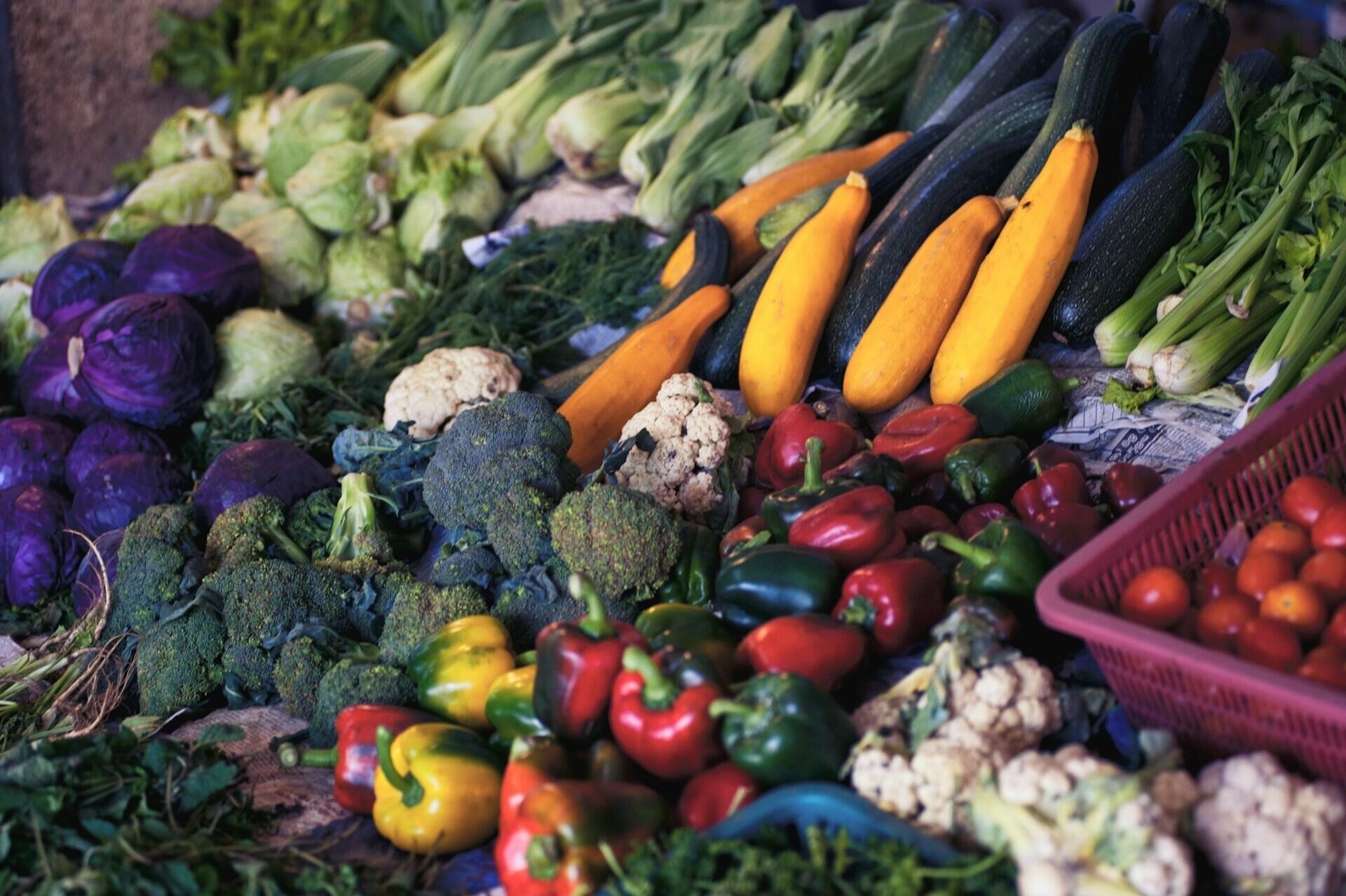
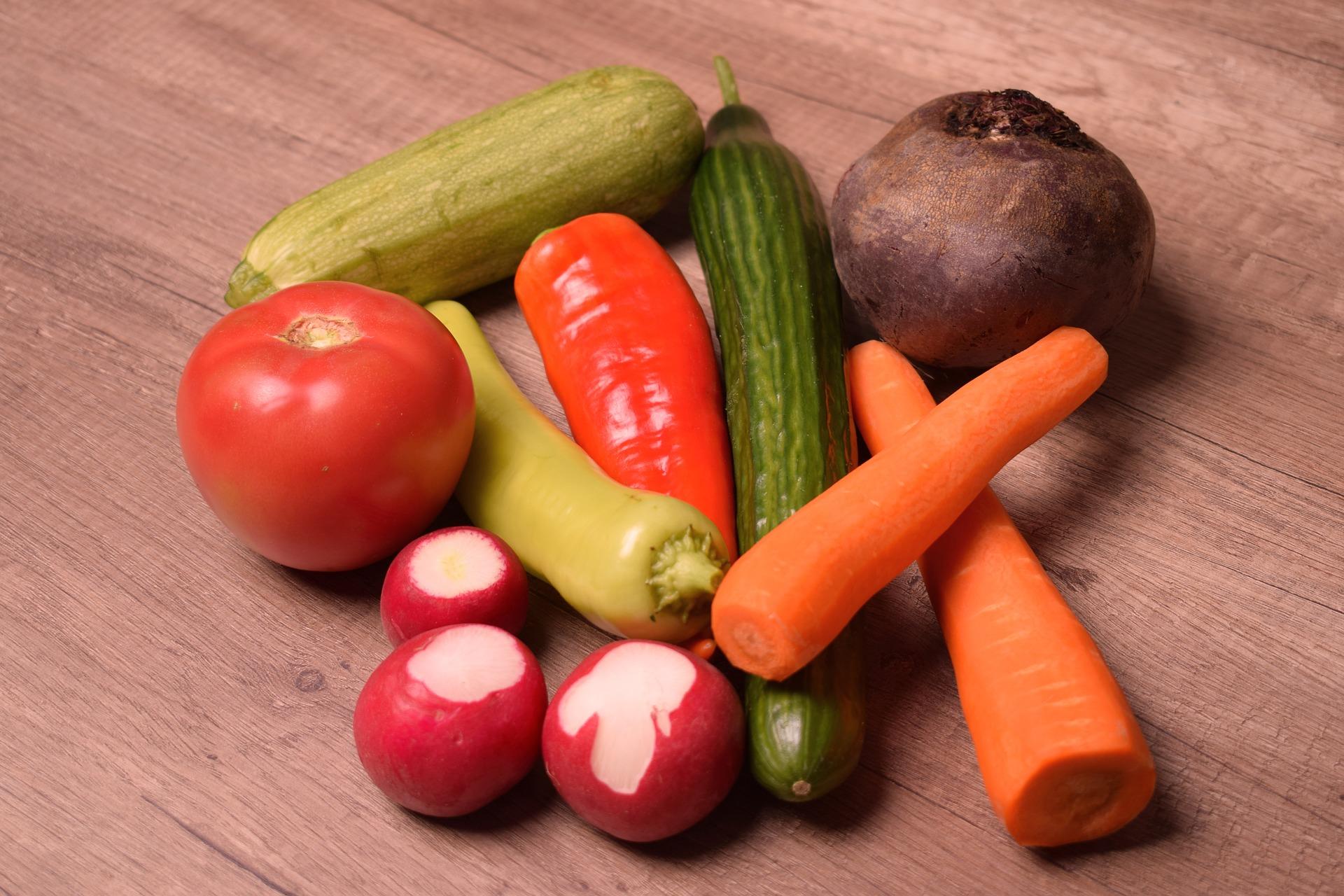
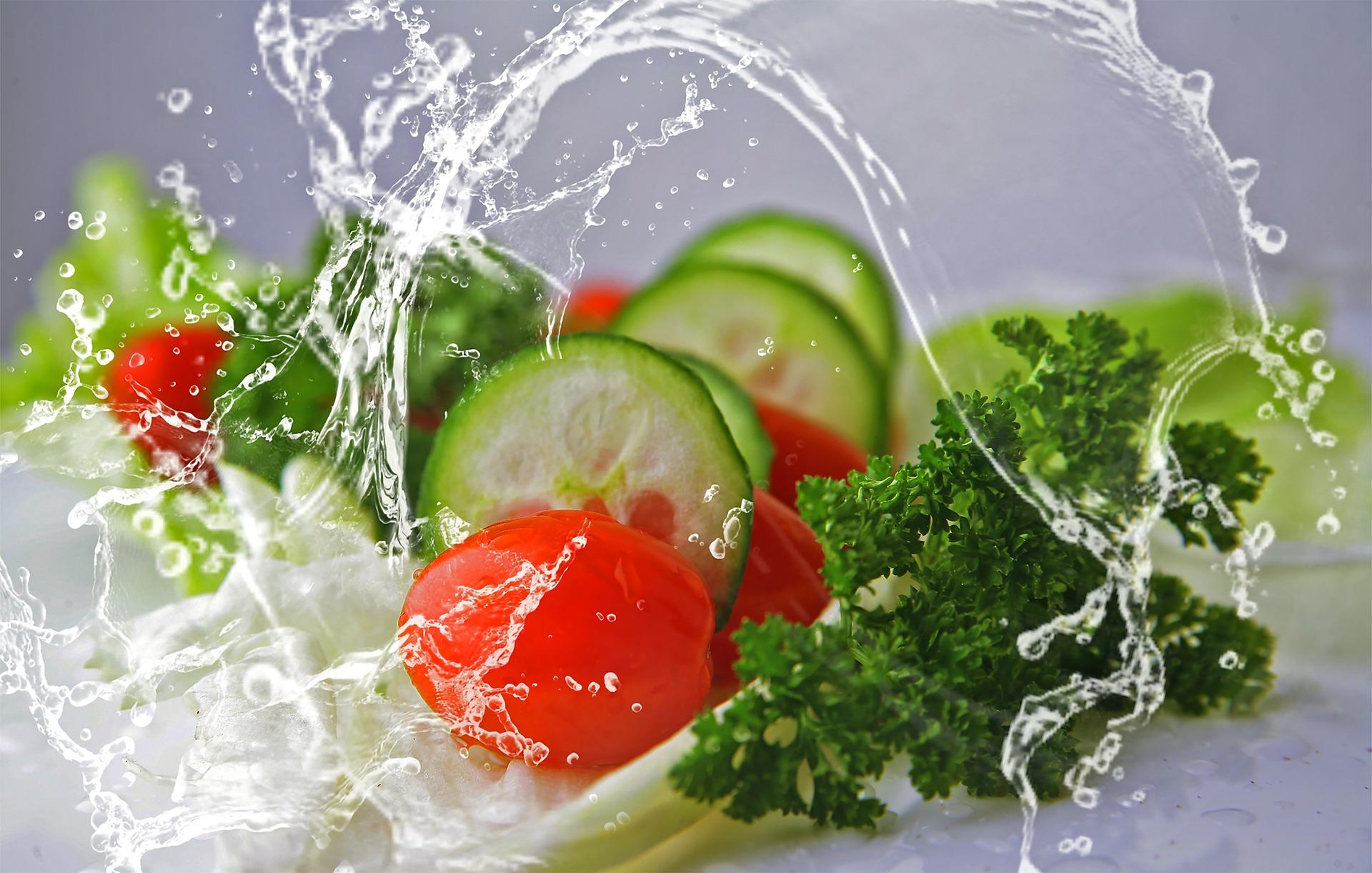
Cooking with high-quality ingredients elevates the taste and nutritional value of your dishes. Packed with essential minerals and vitamins, these ingredients are the stars of any good dish, adding a burst of flavour and nourishing the body.
4. Master Basic Cooking Techniques
To cook a dish well, you need to know and master different cooking techniques like roasting, sauteing, and boiling. These methods are essential for determining how your food develops in flavour, texture, and appearance. We will learn about them later in detail.
5. Taste and Adjust Seasonings as You Cook
The secret to great-tasting food is to keep tasting and adjusting the seasoning as you continue cooking. Great cooks know that food seasoned during preparation tastes a lot better than if you just sprinkle salt and pepper at the end. Using a variety of seasonings helps in achieving the desired flavour profile and transforms a dish from bland to wow.
Building Essential Cooking Skills
Understanding Cooking Methods
Sauteing
Sautéing is a cooking method that uses medium to high heat and a small amount of fat in a pan to cook food.
The word "saute" comes from French, meaning "jumped," derived from the verb sauter ("to jump")
- Forms the base of many classic French sauces
- Builds flavour by cooking aromatics like onions, garlic, or shallots first
- Best for thin cuts of meat, seafood, and quick-cooking vegetables
Roasting
Roasting is a cooking process that uses dry heat at high temperatures to cook ingredients. Roasting is ideal for food like meats, fish and certain types of vegetables.
Benefits of roasting:
- Uses no to minimal oil
- Preserves the nutrients in foods
- As there is no deep frying, you consume fewer calories
- Creates flavourful textures with crisp exterior and soft interior
Boiling
It is the simplest cooking technique that involves cooking food in a hot liquid at temperatures over 212°F. It is ideal for foods like rice, potatoes, eggs, and pasta that can withstand high heat.
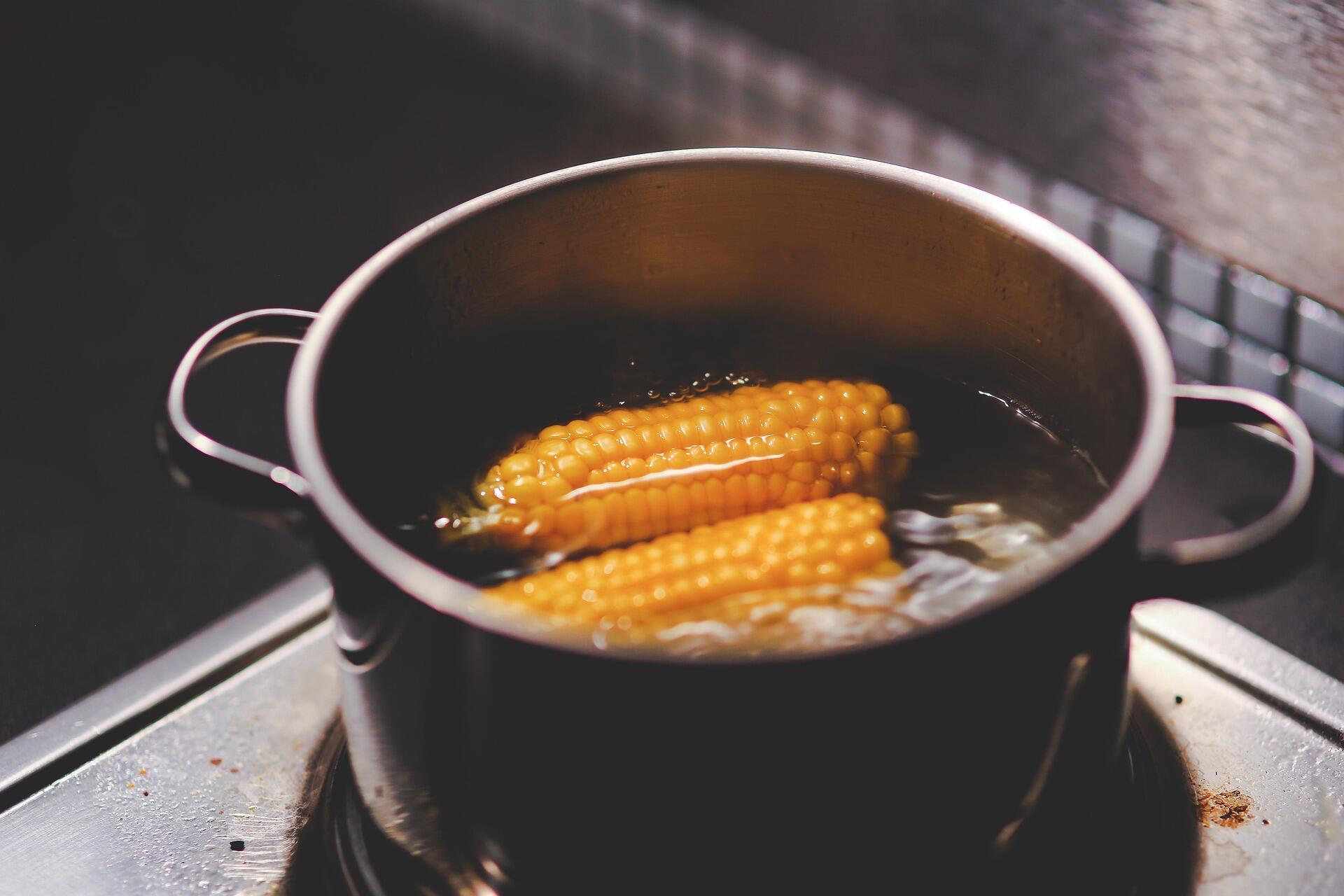
Tips for boiling perfectly
- Add salt to the water, allowing ingredients in the pot to absorb salt flavours
- Use a large pot with plenty of water—more than required to cover your food
- Immerse the food completely in the water to prevent uneven cooking
- Remember to reduce the heat to a simmer once the water has started boiling
Here is a video that clearly explains the difference between different cooking methods.
Time Management in the Kitchen
If you don’t want to spend your entire time in the kitchen, planning meals and prepping ingredients in advance is a must. Here is how you can make your time in the kitchen count.
- Plan by cooking sauces and chopping vegetables in advance
- Use the right equipment to speed up the cooking process
- Decide on your meals for the week in advance
Stocking a Beginner-Friendly Kitchen
Essential Tools and Equipment
There are certain must-have kitchen utensils that you need to have in the kitchen. These include:
- A non-stick pan, a stockpot, and a saucepan for daily cooking
- A spatula, a chef’s knife, and tongs to make cooking easier
- A cutting board for chopping ingredients
- Accurate measuring tools for consistent results
- Mixing bowls for combining ingredients
Pantry Staples for Everyday Cooking
A kitchen should have these core pantry staples for everyday cooking.
Grains are the foundation of most meals. Stock up on items like:
- Pasta
- Rice
- Oats
- Millets
- Lentils
Keep your pantry staples in airtight containers to extend their shelf life. Glass bottles or plastic containers with tight-fitting lids are ideal as they protect from pests and moisture.
Canned items have longer shelf lives, so you can buy them in advance to whip up quick meals.
- Beans
- Tuna
- Tomatoes
- Tomato paste
Keep a collection of spices and seasonings to enhance the flavours of your dish, such as salt, pepper, garlic powder and dried herbs. Remember to keep your spices in airtight, light-proof containers, away from heat.
A variety of oils and vinegars is essential in a functioning kitchen, including:
- Olive oil
- Extra virgin olive oil
- Vegetable oil
- Basic vinegars (white, balsamic)
Store oils in their original bottles in a cool, dark place.
To preserve the freshness of your pantry ingredients, follow these guidelines:
- Store your pantry items in a cupboard away from the heat.
- Implement the FIFO system, where you first use older items and items with shorter shelf lives.
- Buy airtight containers to prevent items from spoiling.
- To keep things organised, group your pantry items into categories and store them accordingly.
- Review your pantry items regularly to avoid overbuying or using expired items.
Healthy Cooking Practices
Congrats! You have taken an important step in learning how to cook. But remember, learning to cook healthy food is just as important.1 Also, eating healthy food doesn’t mean giving up your favourite food; it just means swapping your cooking techniques for a healthier cooking method.
Try some of these healthier cooking methods to make your meals more nutritious and healthier.
1. Choosing Healthier Cooking Methods
Grilling
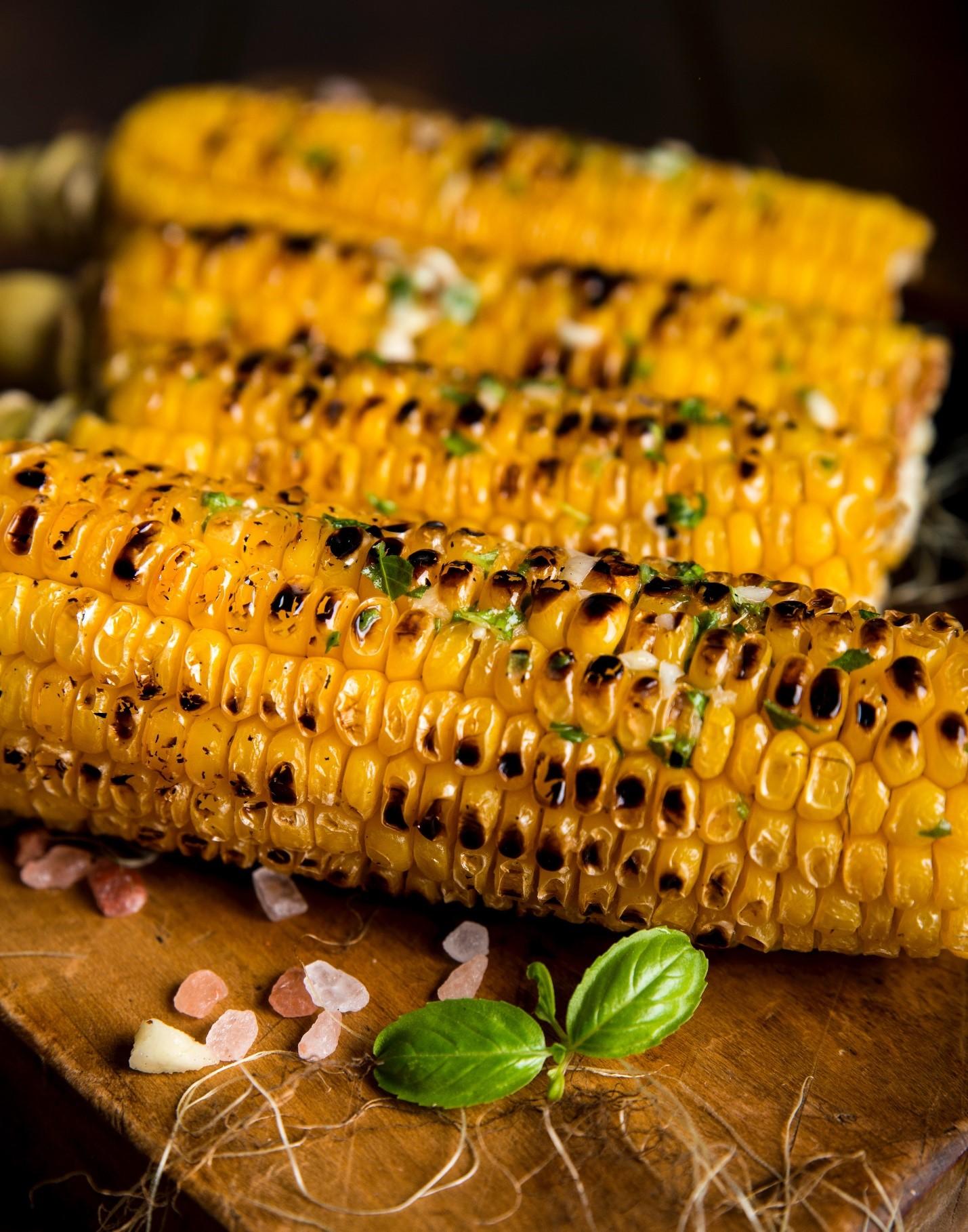
Grilling involves cooking food on a grill pan with intense direct heat from below to heat it. Foods that you can grill are:
Meat
Chicken breasts
Whole chicken
Seafood
Vegetables
Zucchini
Peppers
Tomatoes
Eggplant
Fruits
Peaches
Pineapples
Mangoes
Tips for good grilling:
- Marinate your food and season it in advance
- Ensure your grill grate is clean and free of impurities
- Preheat your grill
- Trim excess fat before putting it on the grill
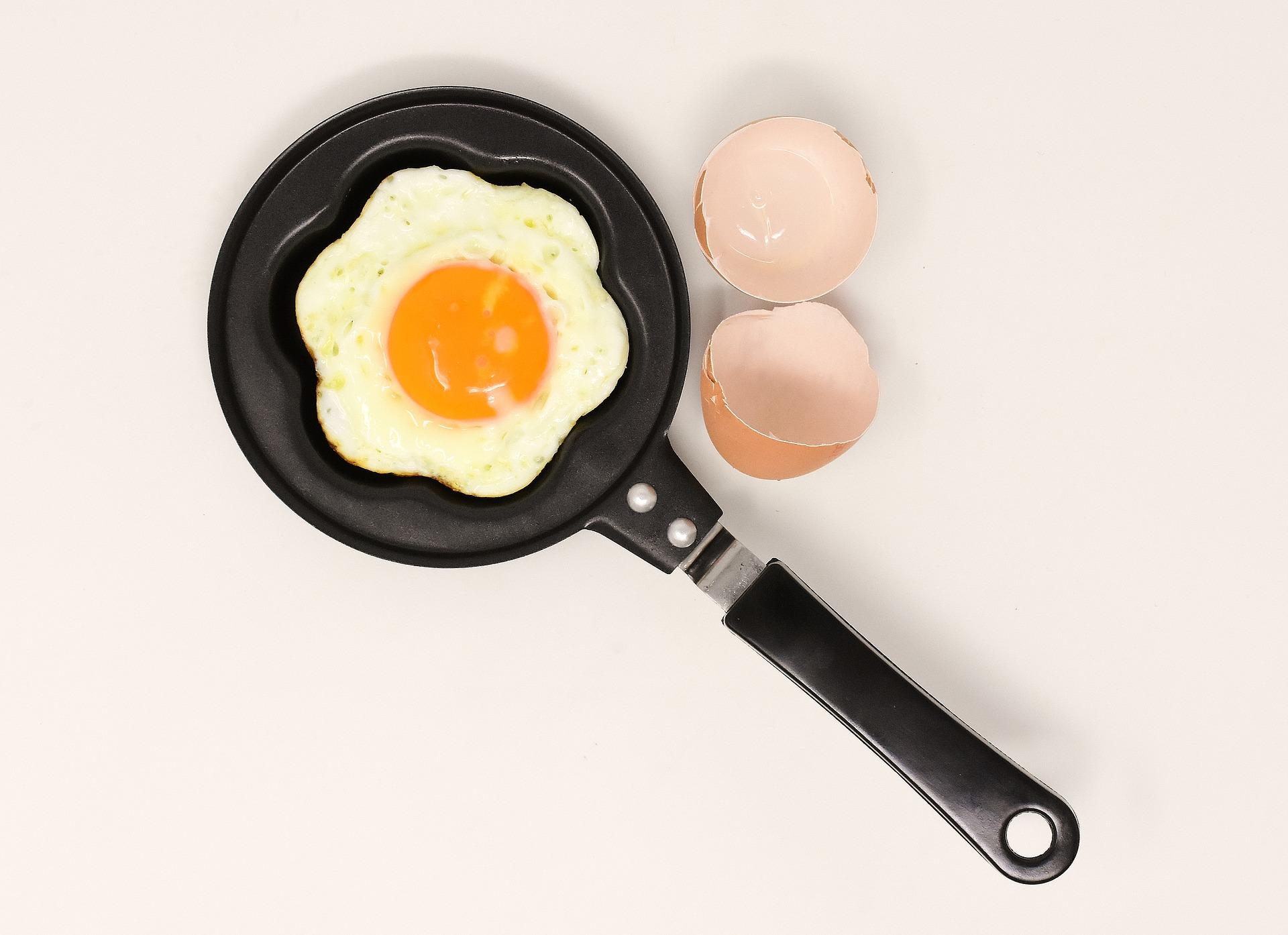
Steaming
Steaming is a healthy form of cooking where food is cooked in moist heat, while preserving its nutrients and colour. It is an indirect cooking method where food is placed on a basket, such that the food does not come in direct contact with water.
For steaming, you need a metal basket or a bamboo steamer, but even if you don’t have one, you can simply use a heat-safe insert placed over boiling water on a cooktop.
Baking
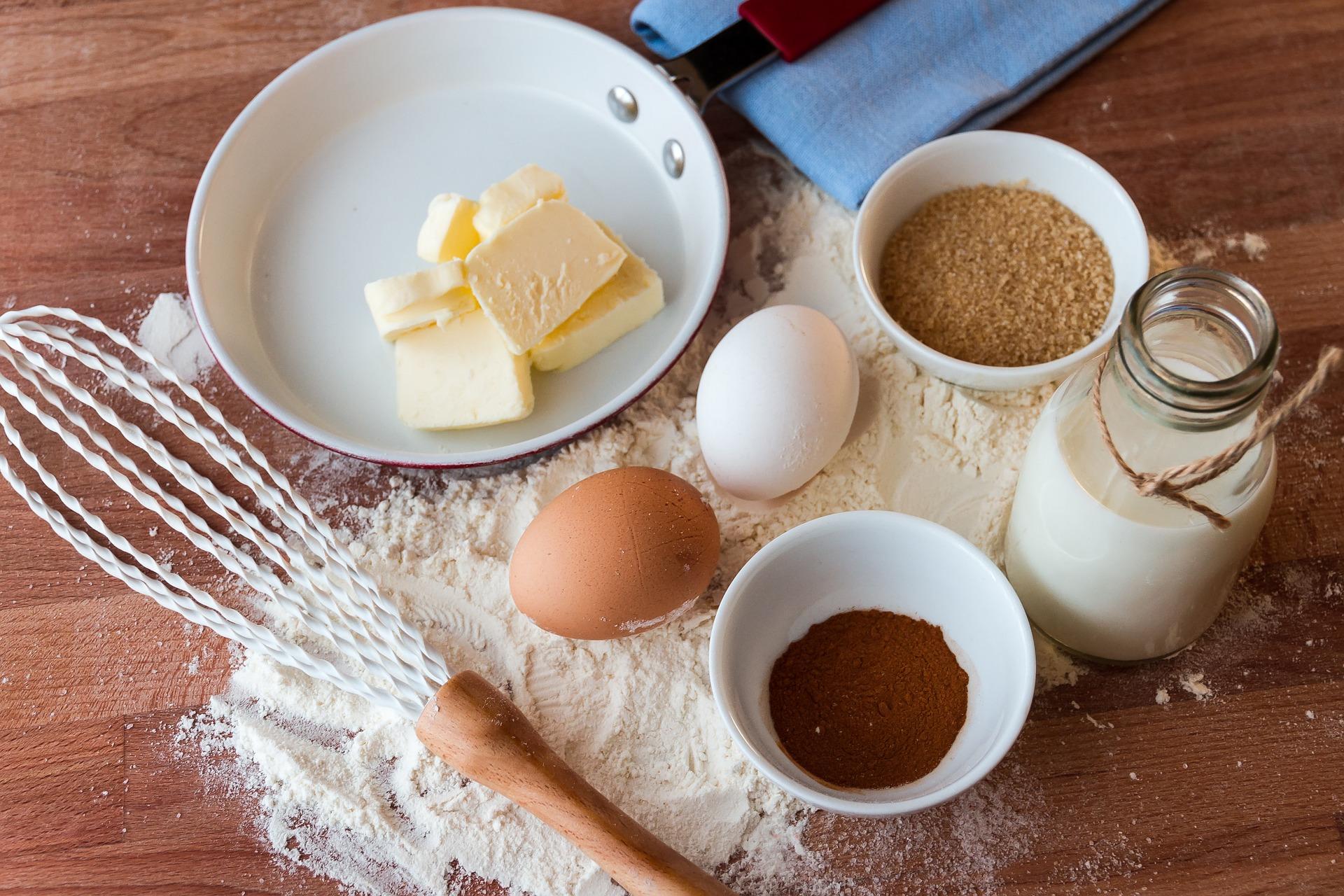
Baking is another healthy cooking method that uses dry heat to prepare food in an enclosed space, such as an oven. Along with steaming, baking is one of the oldest methods of cooking and is considered a healthy option because it generally requires little to no oil.
2. Using Less Salt and Oil
Salt and oil are other ingredients that can harm your health when taken in excess of the recommended dosage.
- Avoid eating too much processed food, as they contain extra salt and trans fats
- Add salt to your food only after tasting it
- Use iodised salt
- Cook at home, as you have better control over the ingredients
- Limit your use of tomato sauce, soy sauce, and processed powder, as they contain high amounts of salt
3. Incorporating More Vegetables and Whole Grains
Incorporating more veggies and whole grains into your diet is one of the most effective steps you can take toward better health.2 During the refining process, grains are stripped of the valuable nutrients and lose over half of the grain’s vitamins and almost all the fibre. This is why whole grains are recommended, as they maintain their full nutritional profile.
Given below is a list of whole grains that you can use instead of refined grains.
| Quinoa | Barley | Shorgum |
|---|---|---|
| Buckwheat | Millet | Wild Rice |
| Corn | Brown Rice | Amaranth |
| Rye | Oats | Bulgur |
Similarly, vegetables are rich in antioxidants and nutrients that protect the body against several diseases. Further, they also support weight loss as they are low in fat and rich in fibre. Here are some simple ways to add veggies to every meal and boost your nutritional score.
- Swap meat for veggies
- Shred veggies and add them to dishes
- Blend veggies and make smoothies
- Snack on raw veggies
- Add them to soups and curries
Common Mistakes to Avoid
All of us are guilty of committing certain small mistakes. From overcrowding the pan to not heating the pan enough, we have all been there. But the good news is that by learning from these mistakes, you can avoid them.
Overcrowding the Pan
Have you ever pulled out a tray of mushrooms, expecting a perfectly roasted tray, only to find a soggy mess? Well, the culprit could be overcrowding. Overcrowding the pan is one of the common mistakes that beginner cooks make.
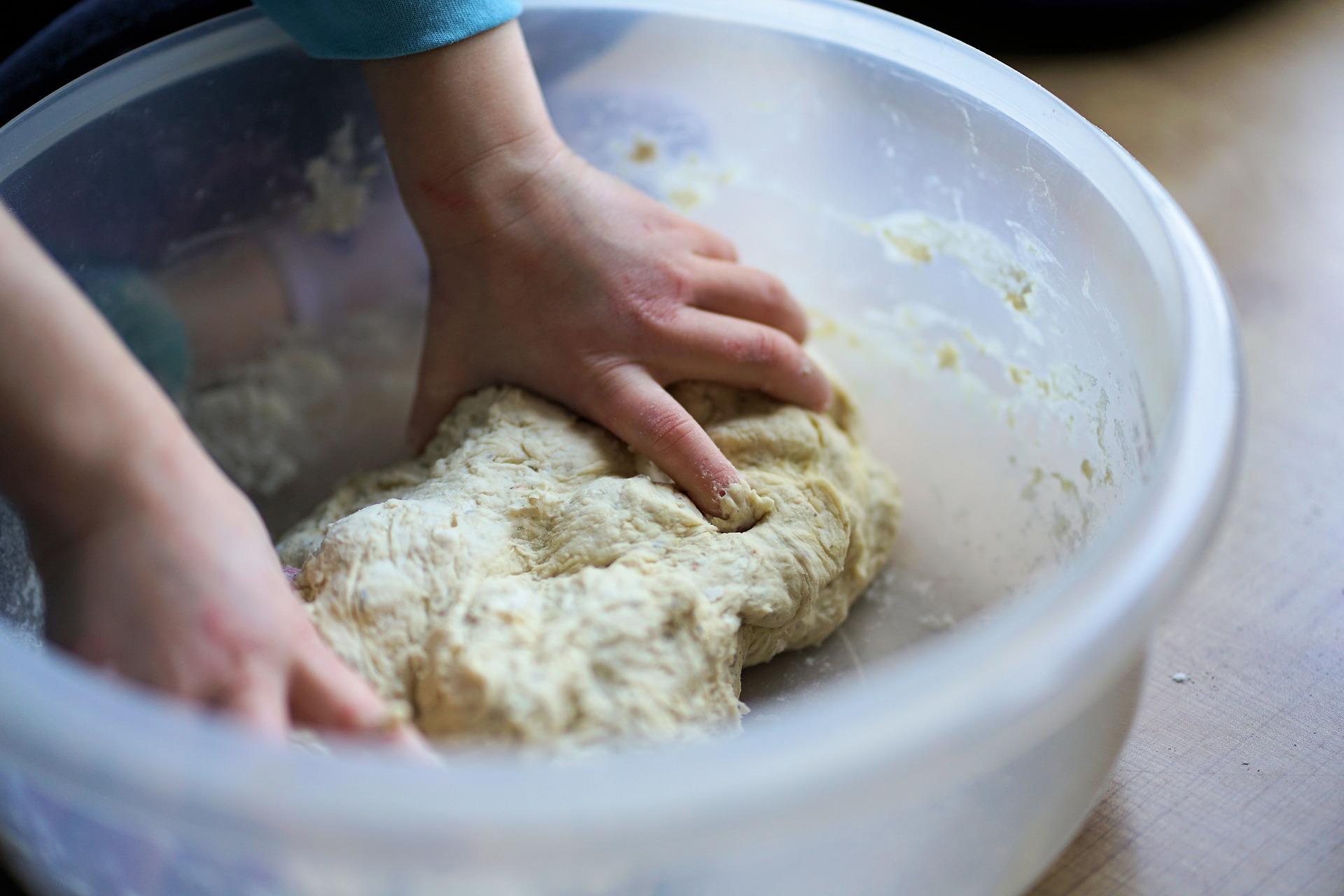
But when you overcrowd your pan and put a lot of stuff in it, the temperature drops, which disrupts the cooking process. And when the food isn’t hot enough, it doesn’t brown. It just steams, leaving you with a soggy pile of veggies.
To avoid overcrowding:
- Practice cooking in small batches.
- Use a large pan when possible
- When baking, spread out the vegetables evenly
Not Preheating the Oven
Skipping the preheating step is a common mistake that a lot of beginner cooks make. Preheating ensures that your oven reaches the appropriate cooking temperature that is necessary for good results. Without preheating, the heat is not distributed evenly, resulting in the dish not cooking properly.
Enhancing Flavour Profiles
Understanding flavour profiles is necessary to be a good cook, as an imbalance in flavours can significantly affect the taste of a dish. Too much of one flavour can overpower the rest, while a well-balanced dish results in a satisfying one.
One day, when Japanese scientist Kikunae Ikeda was tasting a bowl of kombu dashi, he noticed a flavour that was not sweet, sour, salty, or bitter. It had a distinct taste, and he named it "umami" from a combination of umai (うまい) "delicious" and mi (味) "taste" in Japanese.
Balancing the Five Tastes
Salt is not the only flavour to consider when cooking a dish. There are five basic tastes—sweetness, saltiness, sourness, bitterness, and umami—that work together to create a balanced dish. Each flavour adds to the overall taste of a dish, and achieving the right balance is essential to creating a well-rounded dish.
Sourness
- Sourness adds a tangy flavour that adds depth to dishes. Found in vinegar, lemon juice, tomatoes, and yoghurt, it balances rich or fatty foods and provides a refreshing taste.
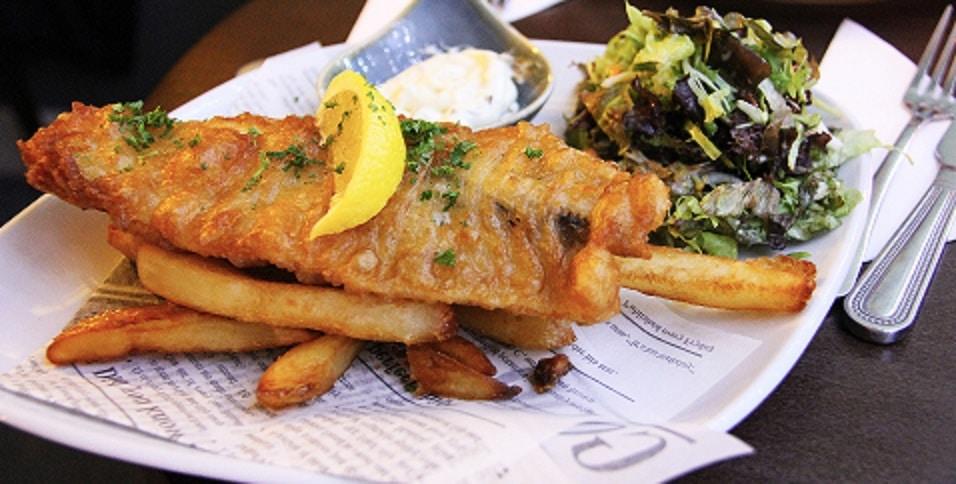
Tip: Lemon on grilled fish enhances its freshness.
Salty
- Salt is vital to bringing out the flavours of a dish. Too little salt makes a dish bland, and too much of it can make it inedible.
Sweetness
- Sweetness adds richness to a dish, and when balanced properly, it enhances the other flavours while softening bitterness. Fruits, honey, and sugar are naturally sweet.
Tip: Add a small amount of sugar to a spicy dish to balance the heat.
Bitterness
- Bitterness is an acquired taste, and many people don't like the taste, but when balanced correctly, it adds depth to a dish. Bitter flavours are naturally found in coffee, dark chocolate, and certain green vegetables.
Tip: Dark chocolate pairs well with sweet fruits.
Umami
- Umami flavours can be difficult to pin down. It is found in foods like soy sauce, anchovies, mushrooms, aged cheese, and meat.
What I always keep in mind when using umami in cooking is maintaining a balance with the other four tastes. Combining umami in a balanced way with other basic tastes such as sour and sweet gives flavors a well-rounded quality.
Nobuyuki Matsuhisa, owner/chef, Nobu Restaurant, Japan:
Tip: Adding fish sauce adds umami to a dish.
Using Herbs and Spices Effectively
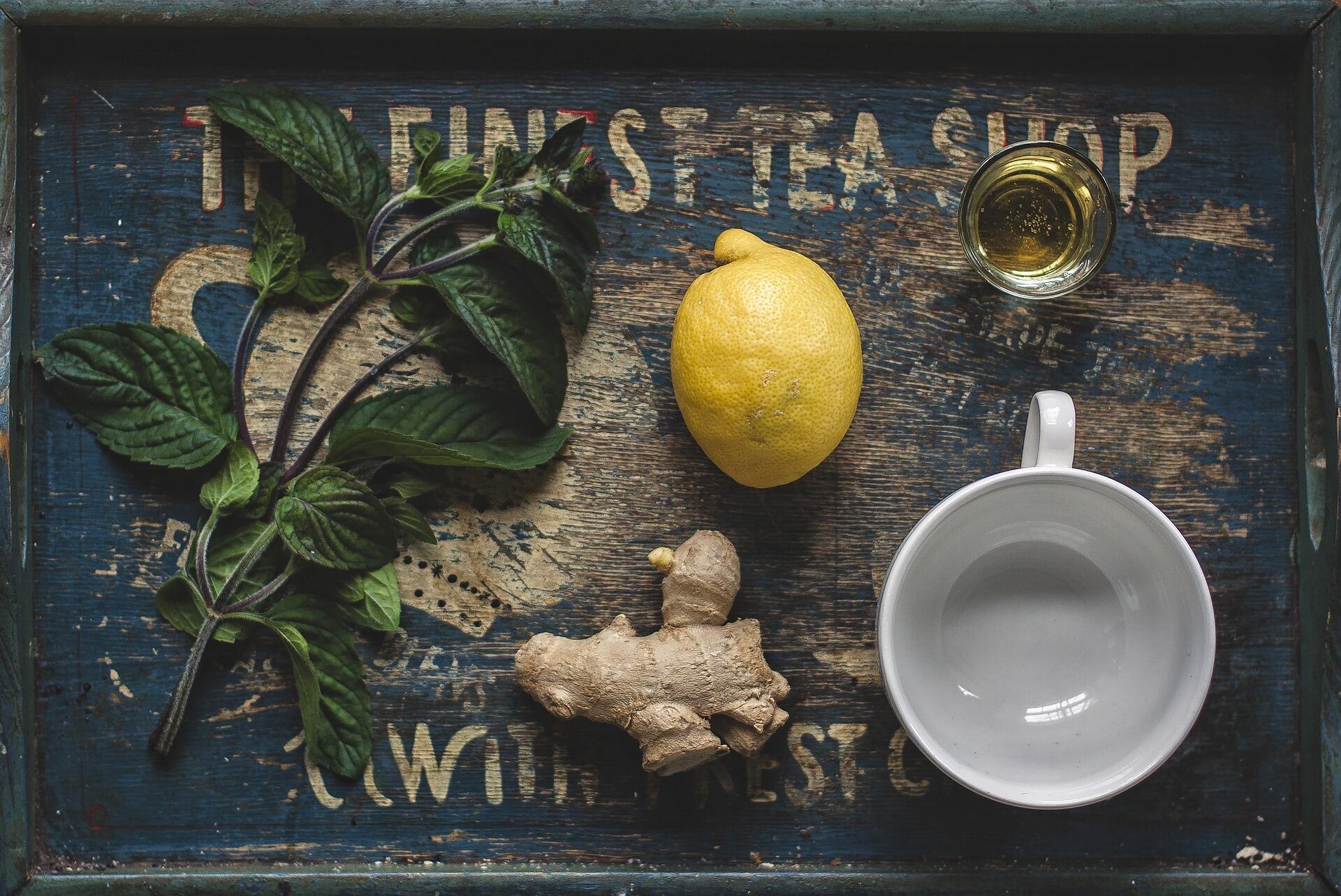
Ever tried making a chicken biryani without using onions or cooking a curry without ginger or garlic? The taste somehow feels off. That is where aromatics come into the picture. Aromatics are a combination of spices, herbs, and vegetables that add flavour to a dish.
Similarly, herbs add a lot of freshness to a dish and make it tastier. The result is a deep, concentrated and fresh taste that takes the dish to another level.
Pairing Herbs and Spices
Pairing herbs and spices well can transform your ordinary dishes into extraordinary ones. Herbs, like basil, rosemary, and cilantro, provide fresh and aromatic flavours that add flavour to dishes like pasta sauce, soup,s stews, and cooked chicken, while spices such as cumin, chilli, star anise, and cinnamon add warmth and depth to dishes when combined with olive oil.
You don’t have to cook fancy or complicated masterpieces — just good food from fresh ingredients.
Julia Child
When you read recipe instructions, you will understand that the key is in realising how these flavours complement each other. For example, thyme goes well with meats, while coriander creates a base for curries.
Knowing how to pair the right herbs with the right foods will make for a well-rounded dish.
Also, remember to add fresh herbs toward the end of the cooking process to preserve their brightness, whereas dried spices are typically incorporated earlier to allow the aromas to release well.
Herbs
Basil
Rosemary
Thyme
Cilantro
Oregano
Mint
Best Paired With
Chicken, fish, pasta
Potatoes, chicken, lamb
Chicken, mushrooms, beef
Fish, curries, rice
Beef, chicken, cheese
Peas, lamb, yoghurt
Learning from Mistakes
As a beginner cook, you will make mistakes, and there is nothing wrong with it. Even professional chefs sometimes make mistakes in the kitchen. Embracing trials and errors is part of the process, as every mistake made in the kitchen offers a valuable learning opportunity. The key is to recognise mistakes and learn from them, and continue with your cooking rather than giving it up altogether.
Maintaining a cooking journal is an effective technique to learn from mistakes made in the kitchen. A cooking journal allows you to record your mistakes so that you don’t repeat them in the future. Further, you can also take notes about recipes and techniques, helping you grow as a cook.
Additional Resources
Recommended Cookbooks for Beginners
Cookbooks are especially helpful for beginner cooks as they provide excellent cooking tips in the form of extensive recipes, excellent photography, and step-by-step detailed instructions that inspire beginner cooks to embark on their very own cooking journey.
Given below are three cookbooks that are widely regarded as the ultimate guides for beginner cooks, offering practical advice and providing a strong foundation for mastering home cooking.
- Samin Nosrat’s Salt, Fat, Acid, Heat breaks cooking down into four essential elements, and teaches us that good cooking depends more on intuition than strict measurements.
- Mark Bittman’s How to Cook Everything is a practical, all-purpose guide with helpful cooking tips, making home cooking accessible to one and all.
- Irma S. Rombauer’s Joy of Cooking is a timeless classic offering thousands of recipes. making it an excellent reference for both new and experienced cooks.
Online Platforms
In addition, beginner cooks can draw inspiration from several online platforms like YouTube channels and websites that offer step-by-step guides.
- Through shared recipes and discussions, beginner cooks learn cooking techniques
- Gain access to experienced chefs and food bloggers
- Get exposed to a variety of cuisines and cooking styles
- Watching cooking videos helps beginner cooks understand the techniques better and makes it easier for them to replicate
- Builds confidence by showing that mistakes are a normal part of learning to cook
References
- Studying cooking techniques and the nutritional quality of food. Available at https://www.sciencedirect.com/science/article/abs/pii/S1878450X21000809. Accessed on January 22, 2026
- Study on fruit and vegetable consumption and health outcomes https://pubmed.ncbi.nlm.nih.gov/30764679/. Accessed on January 22, 2026
Summarise with AI:
Did you like this article? Leave a rating!

 Loading...