
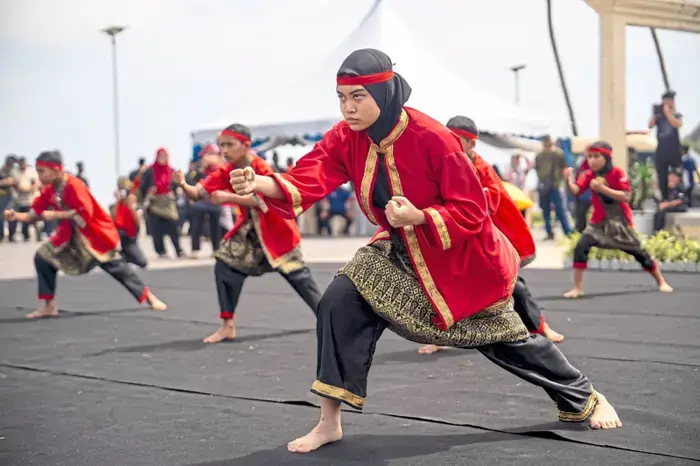

Across Malaysia, ancient martial arts have been practiced for centuries, shaped by local traditions and influenced by various cultures, such as the Chinese, Thai, Malay, and Indian. The indigenous combat arts of Sabah and Sarawak are also a national treasure.
While Malaysia’s martial arts provide a fascinating insight into its national identity and culture, the truth is these are gradually being pushed aside by other globally popular martial arts, like Jiu-Jitsu, Chinese martial arts, and Muay Thai. As a result, these art forms are dying a slow death.
Backed by national pride and institutional support, Malaysian martial arts are being reintroduced in schools, documented as national heritage, and showcased in cultural festivals worldwide. This resurgence is not only helping preserve ancient philosophies and techniques but also connecting Malaysians with their cultural roots.
In those days, you needed to defend your village and defend your land. But my grandfather would teach us moves, and teach us about the code and its ethics – it is not for starting fights, it is for defence.
Marcellinus, owner of Borneon Tiger Mixed Martial Arts to One Championship


Why Learn Martial Arts?
Learning martial arts is an excellent means to build up one’s fitness and self-discipline. Here is why you should learn martial arts.
- Martial arts boost confidence and instil the habit of self-discipline. It motivates them to show up even when they’re too tired to practice.
- Training improves overall physical fitness, brings down stress levels, and releases tension
- Teaches participants self-defence skills
- Fosters a sense of brotherhood among students
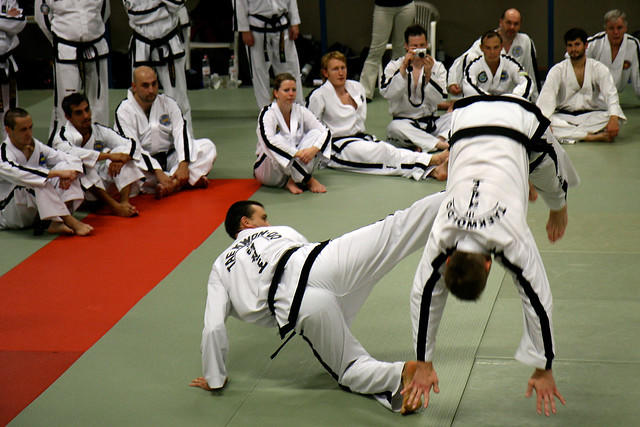
Interested in learning about Malaysian martial arts? Read Traditional Arts Beyond Silat to gain a comprehensive understanding of Malaysian martial arts.
Traditional Martial Arts Training—Then and Now
- Earlier, traditional martial arts training was highly ritualistic and held in a gelanggang—an open-air space reserved for training purposes.
- Before the beginning of training, the area was ritually cleansed with lime and prayers.
- Sessions often ran overnight, where emphasis was placed on cultivating patience and inner focus. Students trained rigorously, and through fasting and meditation, developed flexibility and control.
- Knowledge of the marital art history was passed down from pendekars (martial arts masters) to students, who were taught combat techniques and ways to preserve traditional culture.
During training, we must wear a traditional bengkung (waist sash). Different colours represent different ranks. Because knowledge of various Silat techniques is crucial in earning your next bengkung, I will need to master various forms of Silat before proceeding.
Akid Aly on Seni Gayung
In contrast:
- Modern training has largely moved indoors to dojos and gyms.
- These days, sessions concentrate on developing strength and self-defence skills.
- They have also become more performance-oriented now.
- Additionally, despite the decline in spiritual and ritual practices, practitioners remain committed to preserving the core values of traditional martial arts.
Superprof martial arts trainers are dedicated professionals who will teach you all the necessary skills to become a skilled practitioner.
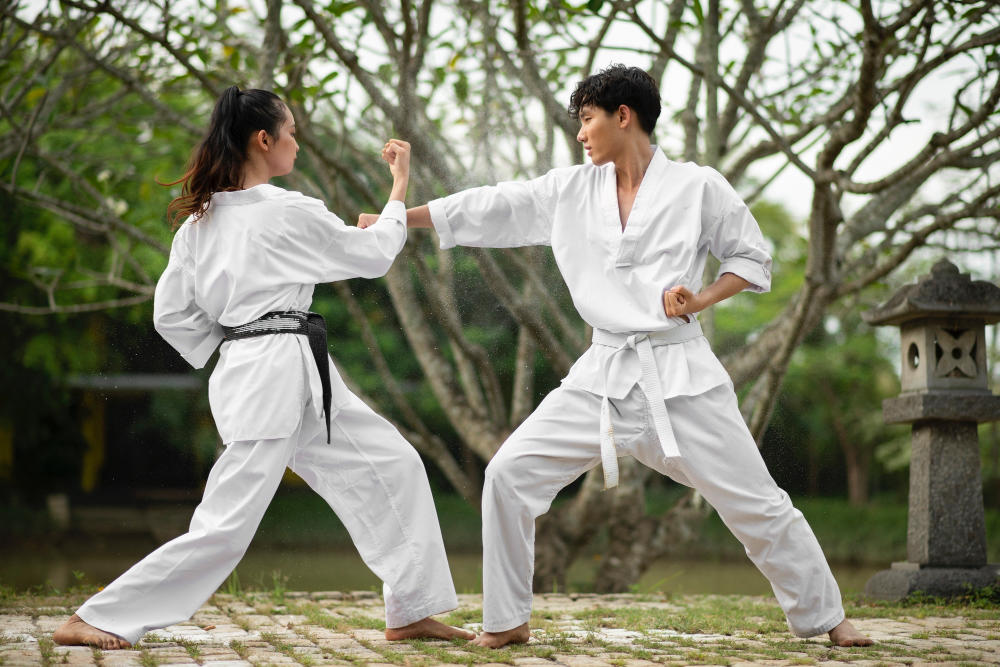
Here is a summary of how martial arts compare then and now.
| Aspect | Traditional Martial Arts | Modern Martial Arts |
|---|---|---|
| Training | Training was often passed down from teacher to students and was confined to a close-knit group | Is open to all and features more public demonstrations and competitions |
| Training venues | Training takes place in Gelanggangs — outdoor spaces prepared with ritualistic elements, praying, and lime-sprinkling before sessions | Fewer uses of gelanggangs and ritualistic elements |
| Focus | raditional martial arts focus on spiritual practices, agility, and balance built over the years | Focus more on practical self-defence applications and physical fitness |
| Training tools | Use of natural materials and a variety of weapons | Emphasis more on empty-handed combat and use of commercial equipment, gloves, and pads |
The Role of the Government in Promoting Silat
- When Malaysia gained independence, Anuar Abdul Wahab was tasked with developing the nation’s Silat curriculum. The 1970s saw the government supporting programs to revive interest in Silat in children.
- To promote Silat in Malaysia and beyond, the National Silat Federation of Malaysia (PESAKA) was established in 1983.
- The four founding masters of PESAKA each led a different style:
- Silat Seni Gayong by Datuk Meor Abdul Rahman Meor Hashim
- Seni Gayung Fatani by Guru Anwar Wahab
- Silat Lincah by Datuk Omardin Mauju
- Seni Silat Cekak by Ustaz Hanafi Haji Ahmad
- The Malaysian government recognised Silat as the official art of self-defence in 2006 and included it in the National Heritage Act (Akta Warisan Negara).
- In 2019, UNESCO included Silat in the Representative List of the Intangible Cultural Heritage of Humanity. This further reinforced its role as an important martial art.
Inspired to learn about martial arts. Discover about them in our interactive martial arts quiz.
Silat as a Co-Curricular Activity in Schools
Several Silat styles are practised in Malaysia. However, Seni Gayung Fatani is the only style that has actually originated from the Malay Peninsula, which means it is an original style whose techniques have not been borrowed from other martial arts.
That is the reason Seni Gayung Fatani has been recognised as a Malaysian heritage, and its curriculum is the basis on which Malaysian schools teach this martial art to students all over Malaysia.
In 1977, the Ministry of Education added Seni Silat as one of the subjects to the co-curriculum section. Students learn:
- Self-defence
- Seni techniques and combat styles
- Silat Olahraga—a sparring match where a Silat practitioner utilises techniques like kicks, punches, and throws to score points
Whether you are looking to stay in shape or learn about combat arts, learning silat is a great way to get started.
The Role of Other Institutions in Promoting Martial Arts
Besides the government, several institutions are also playing a major role in promoting martial arts in Malaysia.
- Established over 50 years ago, Persatuan Seni Silat Cekak Malaysia (PSSCM) is an NGO committed to preserving the authentic form and techniques of Seni Silat Cekak, ensuring its continuity for future generations.
- Seni Gayung Fatani is the most prominent silat association in Malaysia. Registered in 1976 by Grandmaster Anuar Abdul Wahabi, this style is noted for its versatility and a holistic approach to martial arts training.
- Silat Seni Gayong classes conducted by Mohammad Hafidzul bin Mohamad Azam in Ipoh are a huge hit. He provides martial arts training to over 200 members, ranging from school children to working adults.
- Currently, the team is busy preparing for a tournament in August—the aim is to develop silat champions who can compete on the world stage.
- Rumpun Silat Sarawak (RSS), a Sarawak-based NGO, is touted as the nation’s leading association. Established in 1987, RSS's goal is to introduce the association as an officially recognised body for silat activities in Sarawak and produce the highest number of silat practitioners.
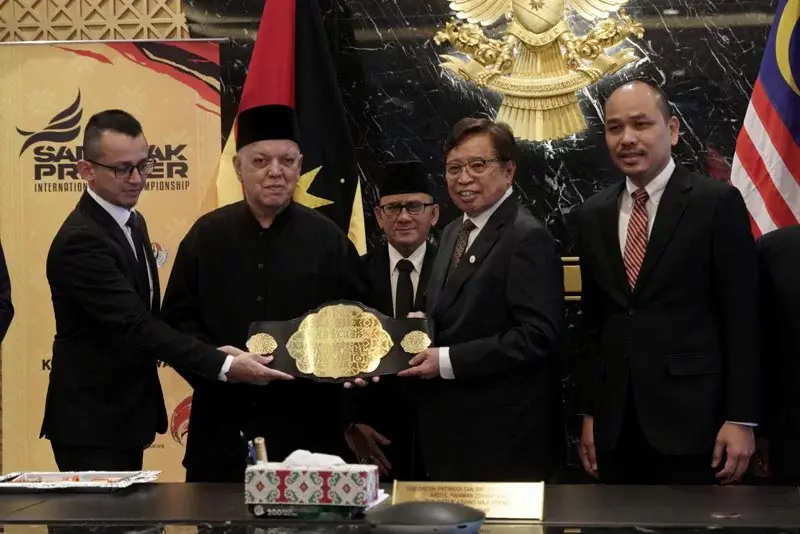
- Recently, RSS hosted the inaugural Sarawak Premier International Silat Championship (SPISC) 2023, which saw 500 participants from 11 countries and 10 local contingents.
- The Malaysian Silambam Porr Kalai Council was founded in 2014 by Grandmaster Mooralitharan Narayanan. He runs Silambam classes and trains students in this ancient martial art from India. Each year, they organise around 15 to 16 annual events and 4 major events to bring greater recognition to the art.
In order for this art to be passed down to the next generation, the current generation must be equipped with proper knowledge and experience. There are many techniques and aspects of Silambam that are not widely practised here, and this art should be fully embraced. My students should develop a deeper understanding of Silambam, including its history, and become well-trained masters capable of teaching others. That is my primary intention—only after that comes the competitions.
Grandmaster Mooralitharan to Varnam Malaysia
Ways to Preserve Malaysian Culture Through Martial Arts
As Malaysian martial arts fall off the radar, preserving them is essential to ensure future generations remember this aspect of their culture. Take Buah Pukul--for example. It is a lesser-known art from Johor. Knowing about Buah Pukul: Johor’s Art of Fast Combat can play an important role in preserving it better.
Here are a few suggestions for enthusiasts to promote and preserve traditional martial arts in Malaysia, namely:
- Maintain a systematic learning syllabus with clear instructions for practitioners, for all levels of students
- Organise cultural events, festivals, and community outreach events to promote and showcase the art to the general population
- Use social media to share information about traditional Malaysian martial arts to a wider global audience
- Take an active part in community development initiatives to preserve Malay culture and heritage
- Work with educational institutions to introduce martial arts as a subject to students
- Organise more competitions and provide clear technical regulations to compete at MMA events internationally
- Focus on developing effective systems for sharing martial arts history, its techniques, and philosophy
Challenges & The Path Forward
Traditional Malaysian martial arts are facing stiff competition from modern forms of entertainment. They need to adapt in order to survive. So, while deadly combat techniques are no longer in practice, practical elements like close-combat fighting skills are taught in classes. A great example of how a traditional sport has adapted to modern times is Tomoi in Kelantan.
If you are also interested in learning martial arts but are unsure where to turn to, then you have come to the right place. At Superprof, we have created an easy way for you to connect with experienced gurus. All you need to do is go through our website, set up an appointment with an experienced tutor, and discuss with them your interests and needs.
Don't wait! Connect with an expert today!
Summarise with AI:
Did you like this article? Leave a rating!

 Loading...