
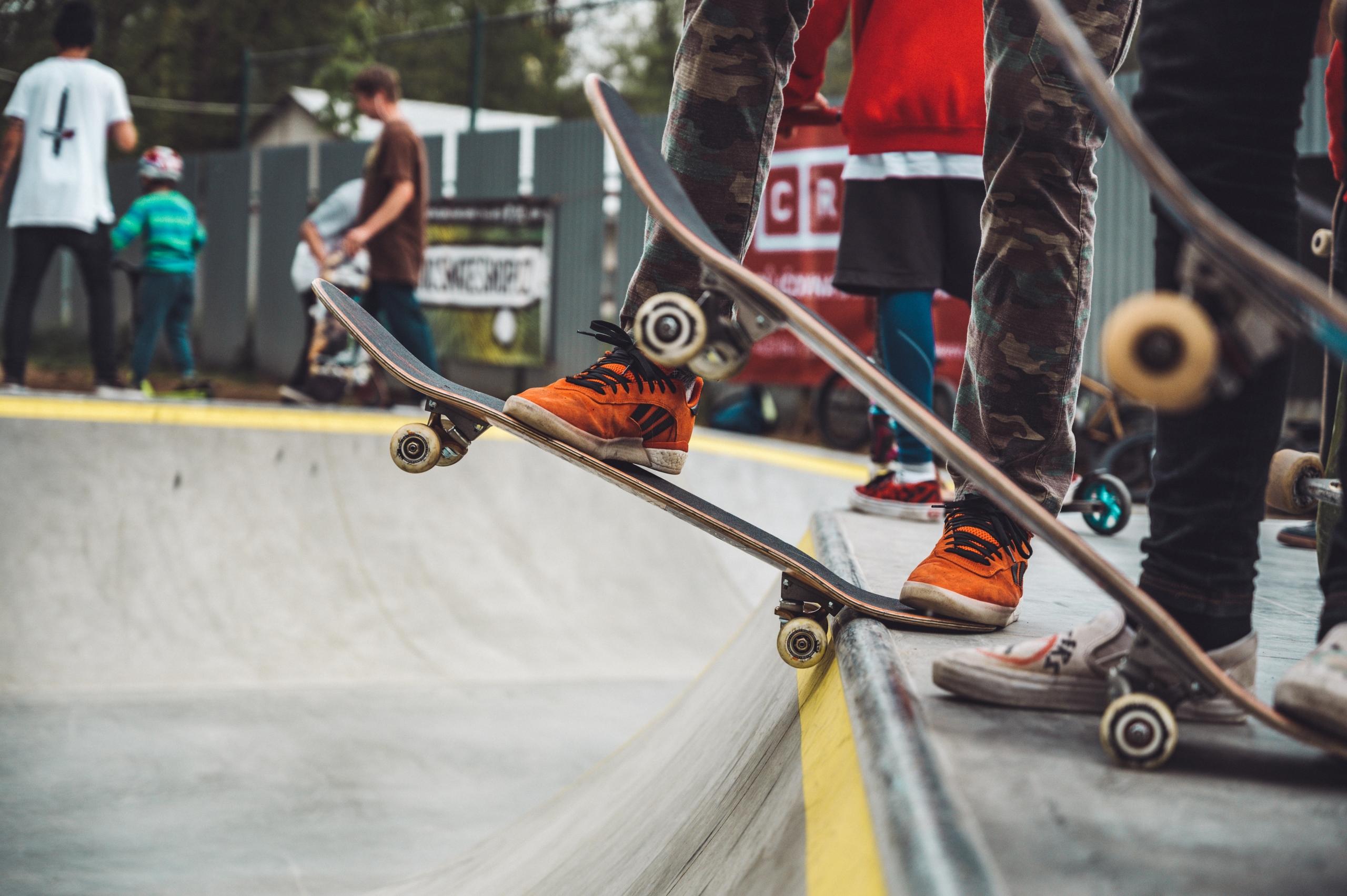

If you've never met a skater, it's easy to assume that those who are into the sport hang out at skate parks all the time and only ever communicate with words like "sick" or "rad".
Well, there's a lot more to skate culture than just slang and skate parks!
Did you know that those who skateboard are credited for their amazing use of critical thinking and problem-solving skills?
Let's explore the history of skateboarding together and how to get started on the skateboard. Who knows? You may develop a newfound respect for the sport!


Who invented the skateboard?
How skateboarding was invented remains a mystery.
It has been claimed that several people thought up the idea of the skateboard at the same time - so in truth, no one really knows who invented it. What we do know is that its origins trace back to around the 1950s when surfers wanted to try skating on the streets of California.
Here's something to imagine: take four wheels off some roller skates and then attach them to a wooden box or board. You're now looking at what's known as the first skateboard! Clearly, a lot of people got hurt when riding these homemade skateboards, so companies at the time made haste with its popularity and produced the first commercial skateboards.
With proper production in place, layers of wood were pressed into decks before having wheels attached to their sides, which helped to produce sturdier and longer-lasting skateboards. And yes, these decks that started production in the late 1950s to early 1960s are indeed similar to the skateboard decks you can see today.
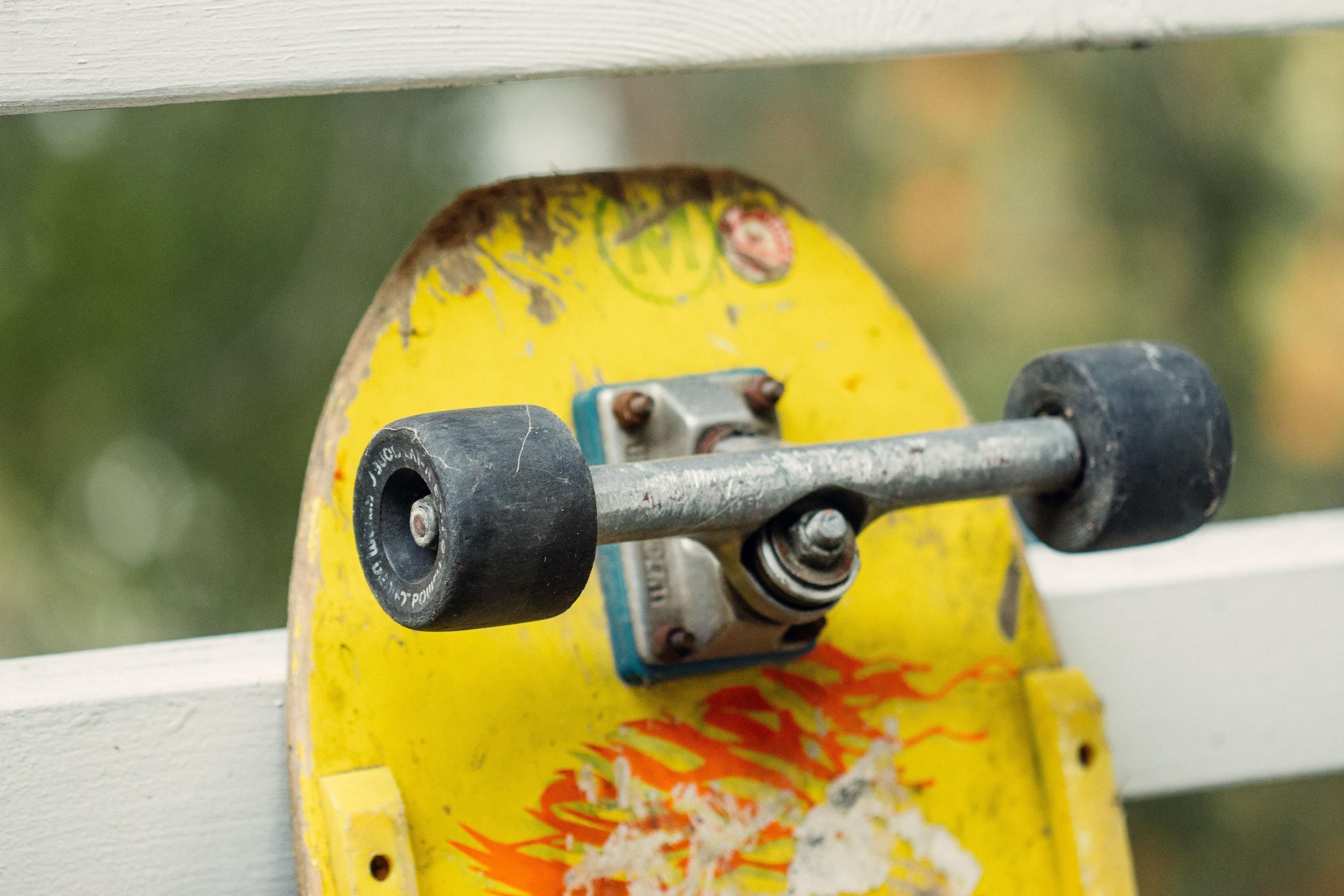
Early skaters also struggled to manoeuvre their skateboards due to the clay wheels that were difficult to control. Later in the early 1970s, this problem was solved by Frank Nasworthy who introduced polyurethane wheel technology. Known as Cadillac Wheels, skateboard wheels became not only durable, but you could enjoy more traction and flexibility when skateboarding.
Fast forward to the present day, you now have a variety of skateboards to choose from, be it a longboard, old-school or classic. Be sure to stick to the best resources for skateboarding in 2023 to get your hands on reliable skateboarding equipment.
What is the history of skateboarding?
There were times when skateboarding was not as popular as it is today.
Remember when skateboards were being produced in the early 1960s? Although there were freestyle skateboarding events happening, as well as the first professional skateboard team being formed by Makaha, enthusiasts at the time couldn't avoid the warnings about the activity being dangerous nor the limitations of the skateboard.
Thus, companies stopped producing skateboards and those who did want to continue skateboarding had to return to their DIY makeshift boards. Fortunately, the introduction of Cadillac Wheels once again sparked interest in skateboarding, mostly among young people and surfers. Other notable events which popularised the skateboard again were the Zephyr team's skateboarding showcase at the 1975 Ocean Festival in Del Mar and the invention of the ollie by Alan Gelfand in 1978.
At this time, skateboarding was still viewed as a dangerous activity, so towards the end of the 1970s, skate parks had to be closed down and people once again returned to their homes to skate. This turned skateboarding into more of an underground activity, and in the 1980s you could see DIY ramps and half-pipes being built in urban environments, turning the activity into what was called street style.
When the 1990s rolled around, the street style of skateboarding coincided with the rise of punk rock and thus painted the activity with daring and edgy vibes. This image continued to fuel the popularity of skateboarding, and in 1995, the first X Games were held in Rhode Island. The event pulled skateboarding closer to the mainstream and helped it become a sport accepted by the general population.
As the history of skateboarding made its way into the 21st century, more events and competitions centred around skateboarding, which led to further innovations in skateboarding equipment, new skate parks being built, and more and more people getting into the sport. You would wonder why video games like Skate It only came out in the late 2000s - after all, there are various benefits to being a skateboarder!
Is skateboarding a sport?
We've talked about how the history of skateboarding started from a simple wooden board ridden by surfers to a durable deck used for powering skaters in the X Games.
Is skateboarding recognised as an extreme sport, or is it more of a hobby?
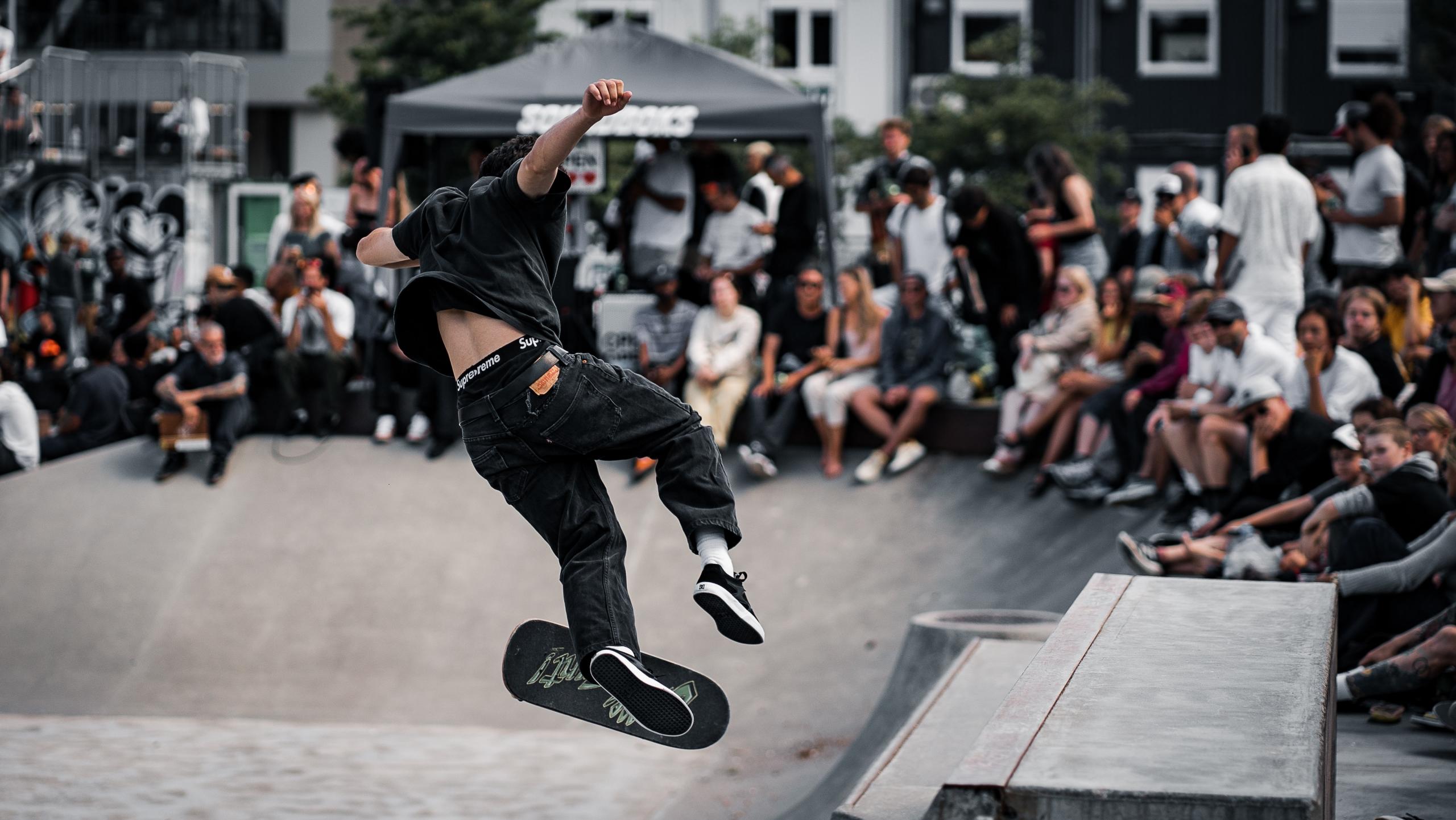
With the impactful growth of skateboarding, especially with its debut in the Tokyo 2020 Summer Olympics, we can confidently say that it is a professional sport that requires talent, skill and training. Not to forget that there have been other international events like the World Skateboarding Championships and Street League Skateboarding that popularised this sport in the 21st century.
Additionally, governing bodies such as World Skate ensure that athletes who compete in international skateboarding events abide by the necessary rules and regulations, maintaining the integrity of the sport. This has also improved the safety of the sport, and with professional skaters more aware of the risks and need for protective gear, you can now compete as a skater in safer environments.
However, you don't need to be an athlete if you want to try riding a skateboard. Skateboarding is just as popular as a recreational activity as it is in sports. You can easily purchase skateboarding equipment now without having to make your own board and practise at your nearby skate park. Don't be surprised to find both children and older folk who are into skateboarding - it's a hobby meant not just for teenagers!
Here are some places to learn skateboarding at any level in Malaysia.
How should a beginner learn to skateboard?
One thing that should be pointed out is that skateboarding is a very individual activity. Often, skaters find their own unique style of skateboarding from hours of practice and come up with their own solutions that help them get better at the skateboard. Here are some things you can do to get started.
Find some grass or rubber surface (like the ones at playgrounds) for practice!
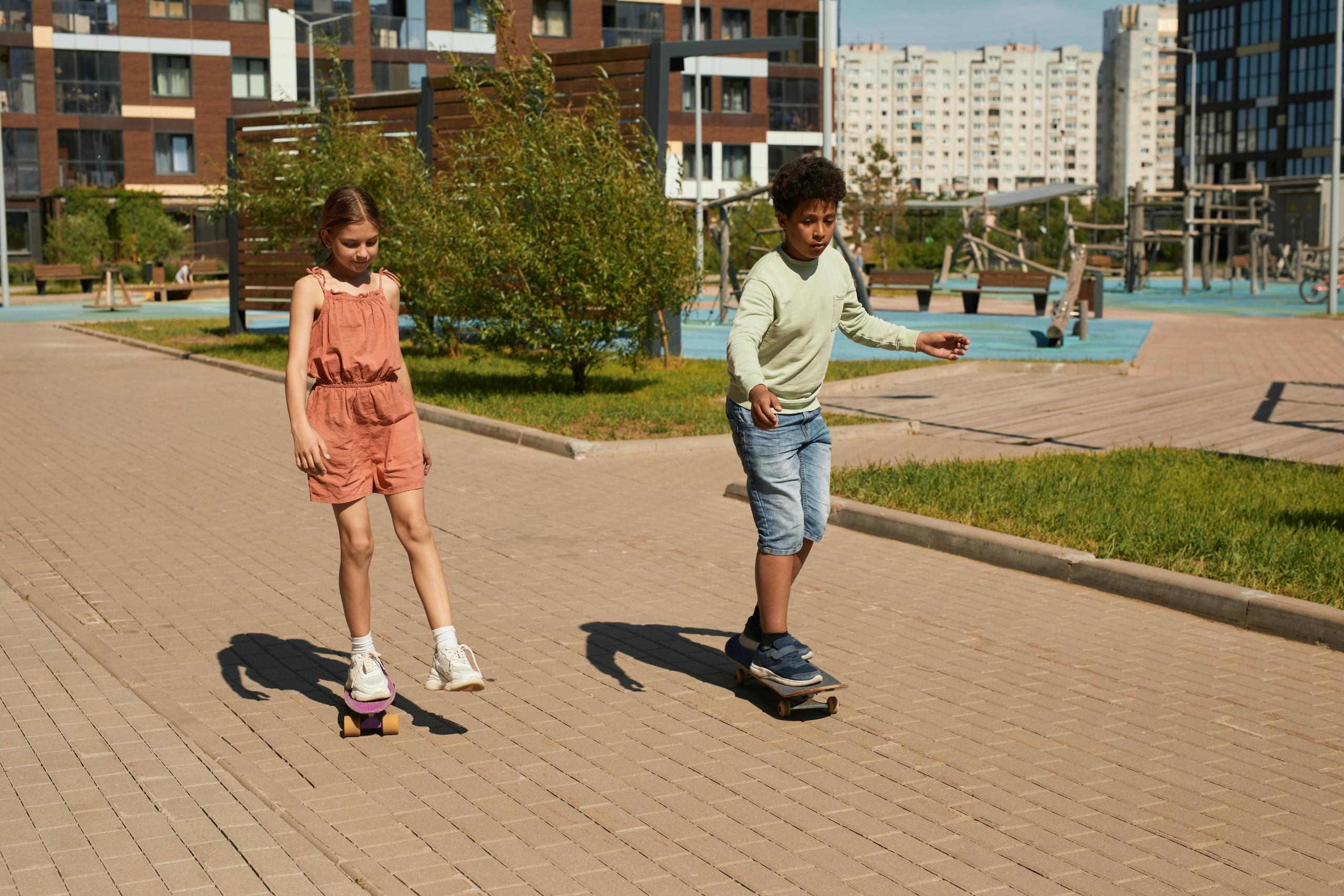
First, you need to familiarise yourself with getting on and off your skateboard. It's recommended that you put your front foot on first, followed by your back foot. If you find yourself wobbling before putting your back foot on the board, try bending your knees while your front foot is on, and practise lifting your back foot off the ground. When you're feeling confident in your balance, you can try putting your back foot on the skateboard again.
To get yourself moving, the idea is to push with your back foot while keeping your front foot on the board, which should propel you forward. Bend your knees and put your weight into your back foot, then push your back foot against the ground until your skateboard starts moving forward. You can practise by first dragging your back foot along the ground as you move, then bring your back foot on the board when you're ready.
As a beginner, you should keep both feet facing sideways and parallel to one another when riding your skateboard!
How can I practise skateboarding alone?
The above tips and suggested skills can be achieved through consistent practice every day and by keeping yourself challenged so that you can learn new tricks - while making improvements to your current ones. However, even getting on a skateboard for the first time can feel like a huge hurdle, so it would help to have someone around to encourage you when you practise.
If you want to become more confident when riding your skateboard, we highly suggest looking for a skateboarding tutor who is knowledgeable in the field and has experience with teaching students how to skateboard. You can find a skateboarding tutor like this and more when you visit the Superprof Tutors platform which is designed to connect private tutors to learners of all ages.
Here are other reasons you should learn with a skateboarding tutor on Superprof. You can choose to work with your skateboarding tutor either in person or online and learn from various pro skateboarders around the world. Additionally, you can get to know your skateboarding tutor before your lesson as details like lesson description, tutoring rates and coaching levels are provided on your tutor's profile.
Reviews and recommendations from previous students, which are also found on all tutors' profiles, also ensure the quality of your skateboarding lessons. And if you sign up today, you can get your first skateboarding lesson for free! That sounds like a great deal you shouldn't miss out on.
Summarise with AI:
Did you like this article? Leave a rating!

 Loading...
