

One of the core subjects in SPM for pure science stream students is Biology. Students will learn various topics as part of the biology syllabus over the two years in their secondary school, ranging from biodiversity and inheritance to variation and the human digestive system.
In this article, we will discuss one of the critical topics in the Form 4 SPM syllabus: Sexual reproduction, development and growth in humans.





Reproductive System in Humans
Human sexual reproduction happens when a person has reached sexual maturity and produces male or female gametes. A gamete is a reproductive cell. A female’s gamete is called an ova or an egg, while a male’s is called a sperm. When reproduction is successful, both of these gametes are fertilised.
Female Reproductive System
The female reproductive system produces and sustains female gametes, ova, or egg cells. It also transports the ova to an area where they can be fertilised by sperm and houses the fertilised gametes until birth. Additionally, the system produces sex hormones for females.
Uterus
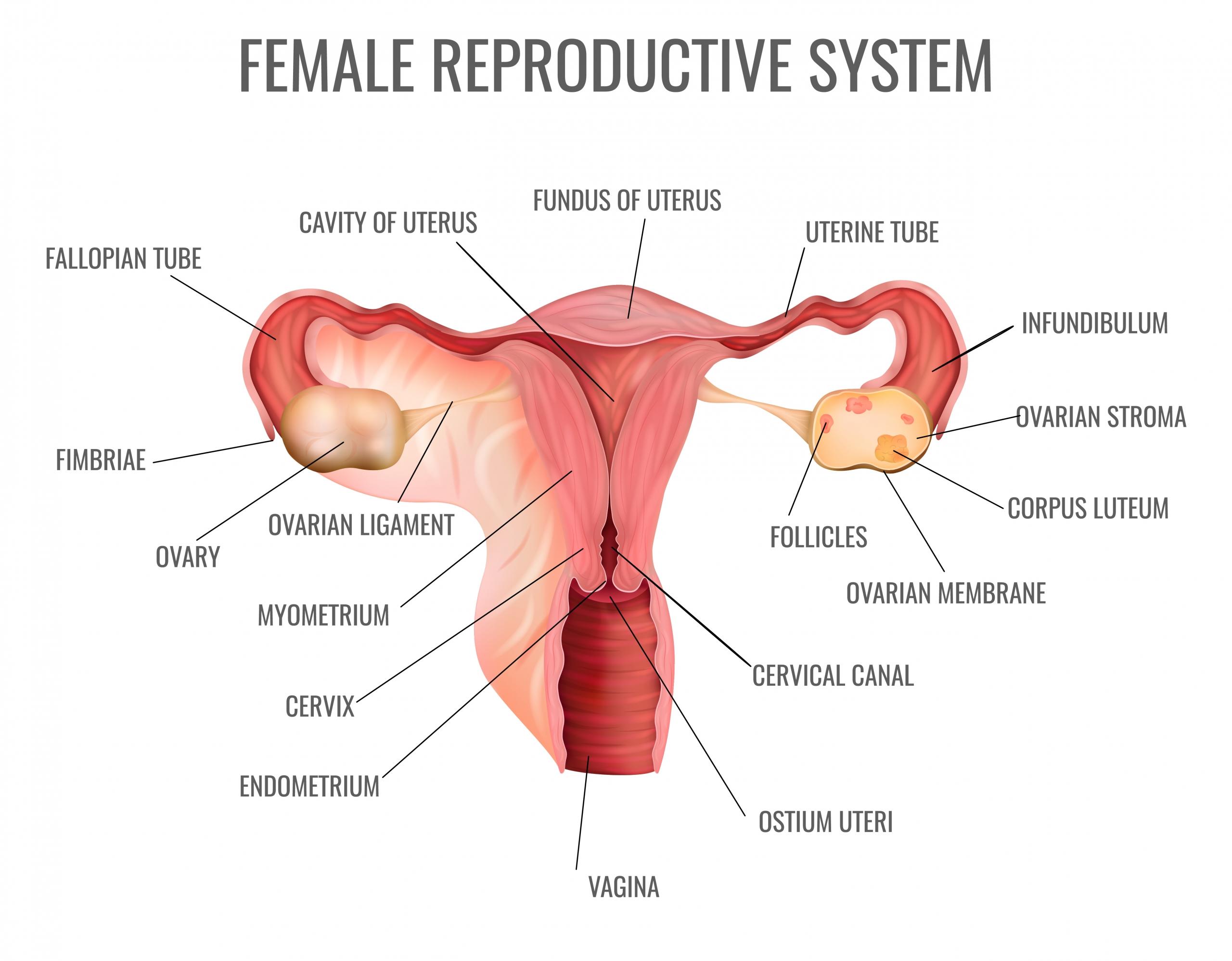
The uterus is a pear-shaped organ with thick muscular walls between a female’s bladder and rectum. Its function is to house fertilised gametes. The inner part of the uterus is lined by a moist mucous membrane tissue called endometrium. This inner part of the uterus is full of blood vessels as well. As mentioned earlier, this is where the embryo is implanted, and the uterus blood vessels supply nutrients and oxygen to the embryo.
Cervix
The cervix is a tunnel-like organ part of the female reproductive system. One of the primary roles of the cervix is to allow fluids to pass between the uterus and the vagina. This part also secretes mucus. This mucus and tube-like muscular part of the female reproductive system helps the sperm swim up the fallopian tubes, where fertilisation happens.
Vagina
The vagina is a tube that connects the uterus to the outer part of the body. It is a canal where sperm enters the uterus. Besides this, the vagina is also a passageway for childbirth and menstruation.
Ovaries
This is the primary female reproductive organ. Each female has two ovaries, approximately the size and shape of an almond. This part of the female reproductive organ produces the female gamete and sex hormones. There are two female sex hormones, which are called estrogen and progesterone.
Fallopian Tubes
Each female has two fallopian tubes. The fallopian tubes are thin and muscular tubes that serve as a pathway for the egg and sperm to meet. The inner wall of the fallopian tube is lined with cilia, which pick up and transport the eggs to the middle of the fallopian tube.
This is important for the fertilisation of the gametes. The cilia in the fallopian tubes also regulate sperm migration and transport early embryos to the uterus for implantation. The health of a female’s fallopian tubes directly impacts their fertility; therefore, blocked and damaged fallopian tubes can make fertilisation difficult.
Male Reproductive System
We will discuss seven parts of the male reproductive system in detail below.
Seminal Vesicle
A seminal vesicle, known as the seminal glands, is typically considered male. Each male has two glands in the pelvis between the bladder fundus and the rectum. These glands produce fluids that are nutritious for the sperm.
Sperm Duct
Each male has a sperm duct in each of their testicles. These sperm ducts are also known as vas deferens, and their central role is to move the sperm from its storage space, which is located in the testicles. The sperm ducts are very sensitive and can be affected by scar tissues and infections.
Prostate Gland
The location of the prostate gland in men is below the bladder. It is a small and rubbery gland approximately the size of a ping-pong ball. The location of the prostate gland is between the penis and the rectum. This part is crucial to the male reproductive system. This part supplies the seminal fluid that helps sperm travel in the female reproductive system.
Scrotum
The scrotum is a bag of skin that helps to protect the testis. Since the testis produces sperm and the temperature needs to be cooler than the temperature of the inside of the body, the testis is located at the outside of the male body.
Testes
Each male is born with two testes. The testis is two organs located inside the scrotum, which keeps the testis and sperm cooler than the body temperature. The testes’ primary function is to produce sperm and a male sex hormone called testosterone. Testosterone is vital for male development.
Penis
The penis is the external reproductive organ of a male. It consists of two parts, which are the shaft and the gland. The gland is located at the tip of the penis, while the shaft is a tube that helps drain the urethra. This part of the male organ consists of soft tissues and blood vessels. On top of helping with draining the urethra, it also aids in releasing the sperm into the vagina during copulation.
Urethra
The urethra is a tube that assists with the discharge of sperm and urine from the body. When the brain signals the bladder muscles to tighten, the sphincter muscle will relax to let the urine drain via the urethra.
What is Gametogenesis?
Gametogenesis refers to the process by which the body produces specialised cells, gametes, that play a crucial role in reproduction. These gametes, also known as reproductive cells or sex cells, are generated within the reproductive organs, or gonads, found in both males and females.
In males, the testes, singularly referred to as testis, are responsible for producing the male gametes called sperm. On the other hand, in females, the ovaries are responsible for generating the female gametes called ova. The production of gametes is essential in maintaining the chromosomal number from one generation to the next.
Spermatogenesis
Spermatogenesis is the remarkable process through which sperm is formed in males. This process typically commences during the stage of puberty in males. The seminiferous tubules within the testes serve as the primary location for this process. Spermatogenesis is stimulated by two essential hormones: follicle-stimulating hormone (FSH) and testosterone. Additionally, luteinising hormone (LH) secretion is vital in promoting testosterone production within the testes.
Puberty marks the beginning of a process consisting of three phases:
Multiplication Phase
In this phase, germ cells divide through mitosis to form diploid spermatogonium. Spermatogonium then expands to become primary spermatocytes (diploid)
Growth Phase
Each primary spermatocyte undergoes meiosis I in this phase, developing two haploid secondary spermatocytes.
Maturation Phase
Each secondary spermatocyte undergoes meiosis II to produce haploid spermatids, which differentiate into sperm.
Oogenesis
Oogenesis refers to producing secondary oocytes or female gametes in the ovaries. This process occurs in females and begins even before birth, unlike the male process of spermatogenesis.
The initial stage of meiosis is started by a primary oocyte cell. However, this cell is stopped during the first prophase stage. At birth, all future eggs are in this stage. In adolescence, hormones from the anterior pituitary gland cause multiple follicles to develop in one ovary. This allows the primary oocyte to complete the first division of meiosis. The cell splits unevenly, creating a secondary oocyte cell with most cellular material and organelles and a polar body cell with only one set of chromosomes and little cytoplasm. The polar body cell typically dies. The secondary oocyte cell is then halted at the metaphase II stage. During ovulation, the secondary oocyte is released and travels through the oviduct towards the uterus. If fertilised, the cell completes the second division of meiosis, resulting in a second polar body cell and a fertilised egg with all 46 chromosomes of a human being, half of which come from the sperm.
Menstrual Cycle
The menstrual cycle starts when a female sheds her uterus lining. When the endometrial wall thickens, it will become thick and soft. This will cause the wall to be full of blood vessels. This happens mainly to prepare the endometrium for embryo implantation. If fertilisation does not occur, the oocyte will die, and this will cause the endometrium wall to shed. This is the lining of the uterus. When the wall sheds, the female will bleed, and this is what is known as menstruation.
Premenstrual Syndrome
This syndrome appears around 7 to 15 days before menstruation. It happens because there is an imbalance between oestrogen and progesterone hormones. The symptoms are headaches, fatigue, breast tenderness and acne flare-ups.
Menopause
This generally happens to females above the age of 50 years old. This is when menstruation stops normally, and the body no longer produces as much oestrogen and progesterone. The low hormone count causes a female to start menopause. At this time, the ovaries stop producing ovaries, which in turn disables a woman from conceiving a child.
Development of the Human Fetus
Fertilisation happens when a single sperm out of millions penetrates the secondary oocyte. While travelling through the fallopian tube, the zygote will undergo multiple divisions via mitosis. This zygote will then implant in the endometrium and grow into an embryo. This entire process is called an implantation.
The placenta in the human body will produce Human Chorionic Gonadotropin, generally known as HCH. These HCH levels will increase in the female body during the early stages of pregnancy and can be detected via urine.
Did you know that the fetus and the mother do not share blood during pregnancy? There is a thin membrane that separates this, and it’s for the protection of the baby. Even though this membrane separates the mother and fetus during pregnancy, did you know other substances can be transferred to the fetus via the mother, such as drugs, cigarette smoke and alcohol?
Do you need help studying for the SPM biology exam? Hire a Superprof private tutor today to help you score an A+ in your biology subject!
Summarise with AI:
Did you like this article? Leave a rating!

 Loading...
