

Biology students studying for SPM are taught about the topic of variation. Chapter 11 in Form 5 covers this topic. To become an expert in this field, students must possess the following abilities: recalling knowledge and basic scientific skills related to variation, understanding and explaining variation, applying knowledge and skills about variation to complete simple tasks, analysing information about variation, and utilising scientific skills in the context of problem-solving.
Furthermore, students should be able to evaluate and judge variation, using science skills in problem-solving and decision-making to complete tasks. Finally, students must be capable of creating and innovating by using knowledge and scientific skills related to variation in the context of problem-solving and decision-making or completing an assignment in a new situation while considering the community’s social values, economy, and culture.
Let's learn together to gain a clear understanding of this topic.





What is Variation?
Variation is deviation. In Biology, variation is a deviation from the recognised norm. In a certain population or species, a set of characteristics are found. If there are certain deviations within the population, it is referred to as a deviation within the species.
Scientifically, no two organism is the same, and this even applies to a set of twins. Even though a set of twins might look the same, they have many differences. Generally, when someone refers to variation in Biology, they refer to the deviation in physical characteristics, referred to as phenotypic differences. This includes not only physical appearance but behaviour as well. Variation enables us to identify certain individuals within the larger population.
Click here to learn about the overall syllabus of SPM biology!
What Role Does Variation Play?
Were you aware that variation is essential for evolution and is the base for natural selection in a species? Variation allows a group within a population to adapt to its environment. Natural selection is a process mechanism in evolution that helps a species adapt to its environment and behaves as the engine that drives evolution.
An example of variation and natural selection is if a population is exposed to a new virus, there will be some within that population that will naturally evolve to be genetically resistant to that specific virus. In other words, some within that population will have genes that make them immune to that particular virus. This is why variation is significant to a species. If a species is unable to adapt to its environment, it will eventually go extinct.
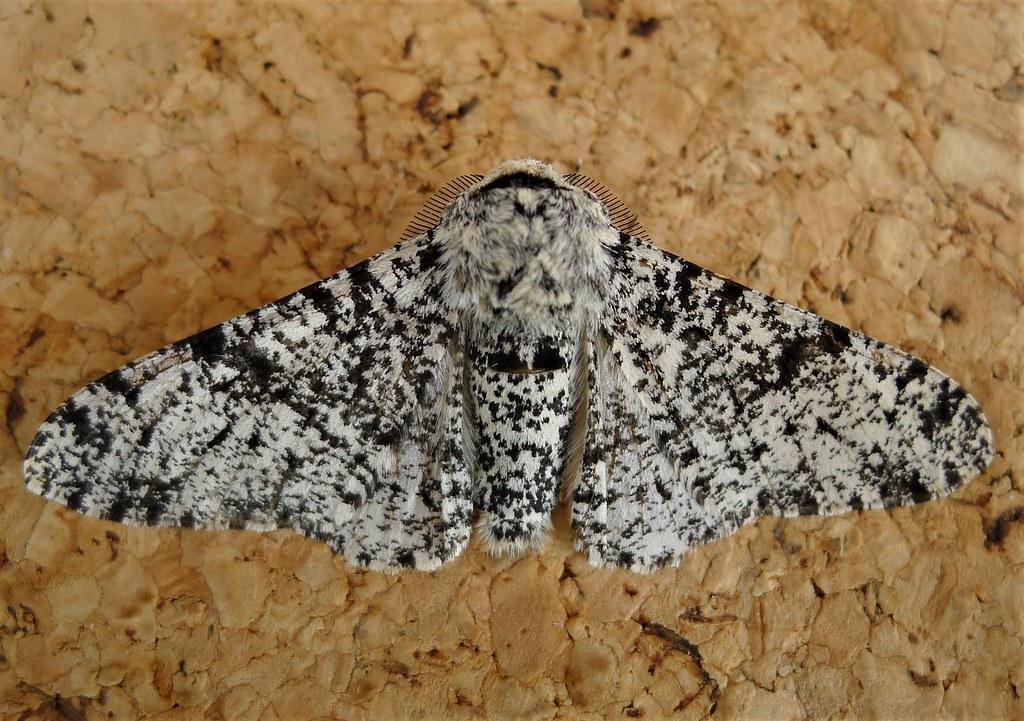
A very famous example of this is the peppered moth. This is a moth species that exists in Britain and is generally pale-coloured. They would spend their time on tree trunks during the daytime. This was their behaviour and characteristics prior to the industrialisation in Britain.
During the industrialisation era in Britain, there was pollution, and darker forms of the peppered moth appeared instead of the normal light-coloured ones. This coloured variation became the predominant one that appeared in Britain.
Now, why did this happen? With industrialisation, there were pollutants from factories that would cover surfaces. These were generally known as soot. When light-coloured moths are very visible to birds that prey on them when they rest on this soot and, therefore, are eaten, this meant that darker moths escaped being eaten by birds, and this contributed to darker-looking moths’ genes spread, making them the predominant coloured moths till today.
Variation in a population is necessary because it helps with the survival of a species. As mentioned before, variation helps a group of populations adapt to their environment and ensures the continuance of that species. Variation helps a population adjust to a new environment and removes characteristics that are not beneficial to that species.
Types of variation
Two types of variation are covered in the Form 5 syllabus for the SPM exam: continuous variation and discontinued variation.
The Continuous Variation
Continuous variation is the continuous change in phenotypes in a population. In this variation, the physical differences are not distinct. It is a gradual change over time from one extreme to another. If you populate the continuous variation in a graph, it will show a normal distribution. In statistics, a normal distribution is a bell-shaped curve.
Another characteristic of the continuous variation is that it can be measured. Thus, it is quantitative. You can grade the continuous variation as it changes from one extreme to another over time. Another characteristic of continuous variation is that it is always exclusively influenced by environmental factors. Environmental factors such as skin colour, height, and body weight influence continuous variations. The peppered moth example is a good reference for this type of variation.
Discontinuous Variation
Unlike continuous variation, discontinuous variation is not a gradual change over time but a clearly defined difference in the population. If a discontinuous variation is populated in a graph, it will be a graph bar. The reason for this is because there is no correlation between the changes.
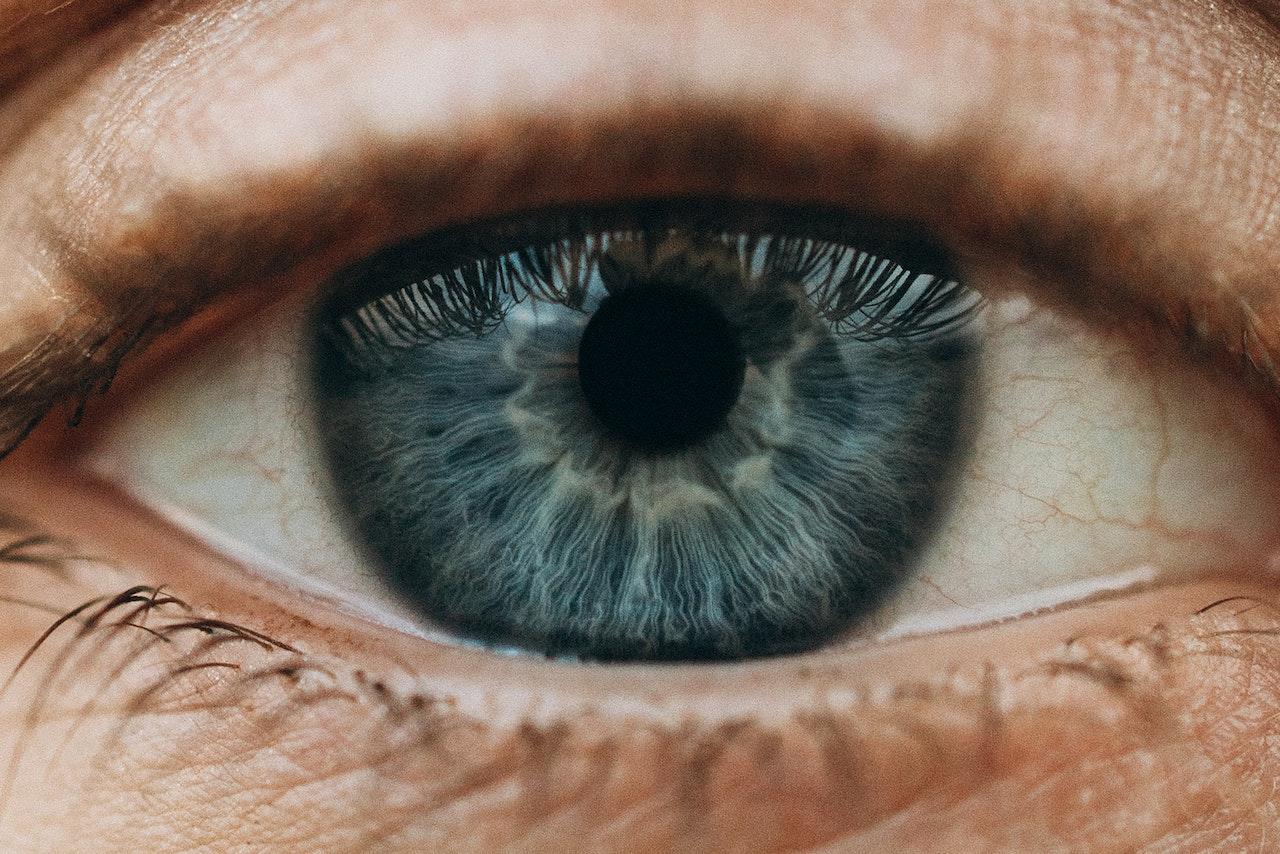
Unlike the continuous variation, the discontinuous variation is qualitative. This means it cannot be measured. This is because discontinuous variation can only be determined by genetic factors. Since this variation is determined by genetics, it is hereditary. For example, people from the same family generally have the same coloured eyes. If a family has brown eyes, which are the dominant coloured eyes, over blue eyes, it is highly unlikely that a child within that family is born with blue eyes.
This is not to say it is impossible, but it only carries a 25% possibility of a child with blue eyes. Are you able to roll your tongue? Did you know that only 60% to 80% of the population can roll their tongue? This is another example of discontinuous variation.
What Causes Variation Within the Same Population?
Genetic Factors
This happens mainly in 3 forms: crossing over, independent assortment of chromosomes, random fertilisation and mutation.
Crossing Over
The crossing over of genes happens when homologous chromosomes exchange non-sister chromatid segments. This crossing over occurs at chiasma and produces a new set of genes.
Independent Assortment of Chromosomes
A pair of maternal and paternal chromosomes are arranged randomly during metaphase I of meiosis. When this happens, different gametes will be produced with varying combinations of the paternal and maternal chromosomes. This will make each gamete’s genetic content different from the others.
Random Fertilisation
The fertilisation between a sperm and oocyte and the genetic recombination between the two is random. The fertilisation of the gametes produces a random and different genetic content from its parents. This is why a fetus is born with a completely different genetic combination than its parents.
Do you want to know more about Sexual Reproduction in Humans? Check out Conquering SPM Biology Chapter 15 (Form 4)!
Mutation
Mutation happens randomly spontaneously and creates new genotypes. The mutated materials can be hereditary if a mutation occurs in the gamete.
Environmental variation
When environmental factors cause a variation, it is known as environmental variation. The two factors that affect the environmental variation are pH, temperature and light.
pH
This can be seen most commonly in plants. Hydrangeas are known for their multi-colour flowers. Did you know that the pH of their soil plays a large part in what colours their flowers turn? When the soil is acidic, the plant produces blue-coloured flowers in hydrangeas. The plant’s flowers are pinkish when the soil is more alkaline.
Light
Did you know the sun affects skin colour? People who live in hotter, brighter climates tend to have tanned skin. People living in places with less sun tend to have lighter skin. This is also affected by a person’s job. Have you noticed that a construction worker tends to have tan skin compared to someone from the same population who works in, say, an office? This is because the sun gives out ultraviolet rays, destroying melanin pigment in exposed skin. The body will produce more melanin pigment To combat this, which, in turn, causes the skin to be darker.

Temperature
Do you know certain cats change colour due to the temperature surrounding them? Siamese cats are known to be a variety of colours, but what most people do not know is that the temperature determines their colour. This is a cool gene this cat breed has inherited. This gene produces dark pigment enzymes for their fur colour. The colouration happens in parts of their body that have a lower temperature than the rest of their bodies: their ears, face, tail and paws. In hotter climate, these parts of the Siamese cat darkens.
Do you want to know more about Inheritance? Check out The Key to Understanding Inheritance in SPM Biology
Variation is a crucial and challenging concept to grasp in the Biology SPM subject. If you encounter difficulties while studying topics like biodiversity and the human digestive system, it’s a great idea to reach out to a tutor for assistance. Superprof offers a wide range of experienced and knowledgeable private tutors in Malaysia ready to assist you in studying biology. They’ll ensure that you grasp the subject matter in the most effective manner possible.
Superprof offers lessons online and in-person, giving you the freedom and flexibility to learn biology. Superprof provides a diverse range of studying techniques as well. With online and in-person lesson options, Superprof offers you the freedom and flexibility to learn biology at your convenience. Don’t hesitate any longer! Take the opportunity to excel in SPM biology by enlisting the support of a dedicated Superprof private tutor.
Summarise with AI:
Did you like this article? Leave a rating!

 Loading...
