


The violin is a widely recognised and versatile orchestral string instrument used in various musical genres for centuries. While the modern version of the violin emerged 500 years ago, its ancestors can be traced back as far as 5000 BC. The sound of the violin is produced by the vibrating strings, which transmit their vibrations through the bridge and into the instrument’s body, resulting in amplified sound. You can create these vibrations by either plucking the strings or drawing the bow across them. Although the violin is commonly associated with orchestras, it is also widely found in other musical genres such as pop, folk, country, rock, and more.
The violin’s versatility contributes to its broad appeal among musicians, as it can be effectively utilised in various musical styles. Furthermore, the violin is highly sought after as a solo instrument, highlighting its popularity and significance in music.
Are you thinking of learning how to play the violin? Or are you thinking of sending your child for violin lessons? If you are feeling confused and unsure where to start, don’t worry! We at Superprof are happy to help you.
This article has everything you need to know about choosing the correct violin, taking care of your beloved violin, what you can expect to learn in violin lessons for beginners, and techniques taught in beginner lessons. Whether you’re a budding musician or a seasoned pro, this article is packed with exciting information to get you fired up to pick up your violin and start playing!


How to Choose the Perfect Violin for Your Music Needs
When faced with numerous choices in the market, it is crucial to make your purchase from a trustworthy violin store or maker. Renting a violin can be wise if you are uncertain about your or your child’s long-term interest in playing the instrument, as you may discover a preference for the viola or cello instead.
However, if you are an adult learner and have the means, it may be beneficial to invest in a high-quality instrument from the beginning, as this can provide a solid foundation for your musical journey and ongoing skill development.
When choosing a violin, it is crucial to consider the appropriate size, especially for children, as using the wrong size can affect their development. Typically, a child starting at age six would begin with a ¼ size violin for about two years, then progress to a ½ size for another two years, followed by a ¾ size for two more years. Somewhere between the ages of 11 and 13, they would transition to a full-size violin (4/4).
Adults typically play 4/4 violins unless they have significantly smaller fingers. In rare cases, an adult may need to use a ⅞ or ¾ size violin, but this is not very common.
How to Maintain Your Violin?
If you want your instrument to last long, maintaining it is vital. It would be best if you put in the effort to keep it clean to ensure a long playing life. Demonstrating attentiveness and consistently providing prompt care can ensure a long-lasting and harmonious relationship with your instrument while safeguarding your valuable investment.
A high-quality hard case is essential for safeguarding the instrument from potential harm. It is important to note that violins are sensitive to changes in temperature and humidity. If exposed to a high-humidity environment, the expansion of the top and bottom plates may lead to the collapse of the sound post.
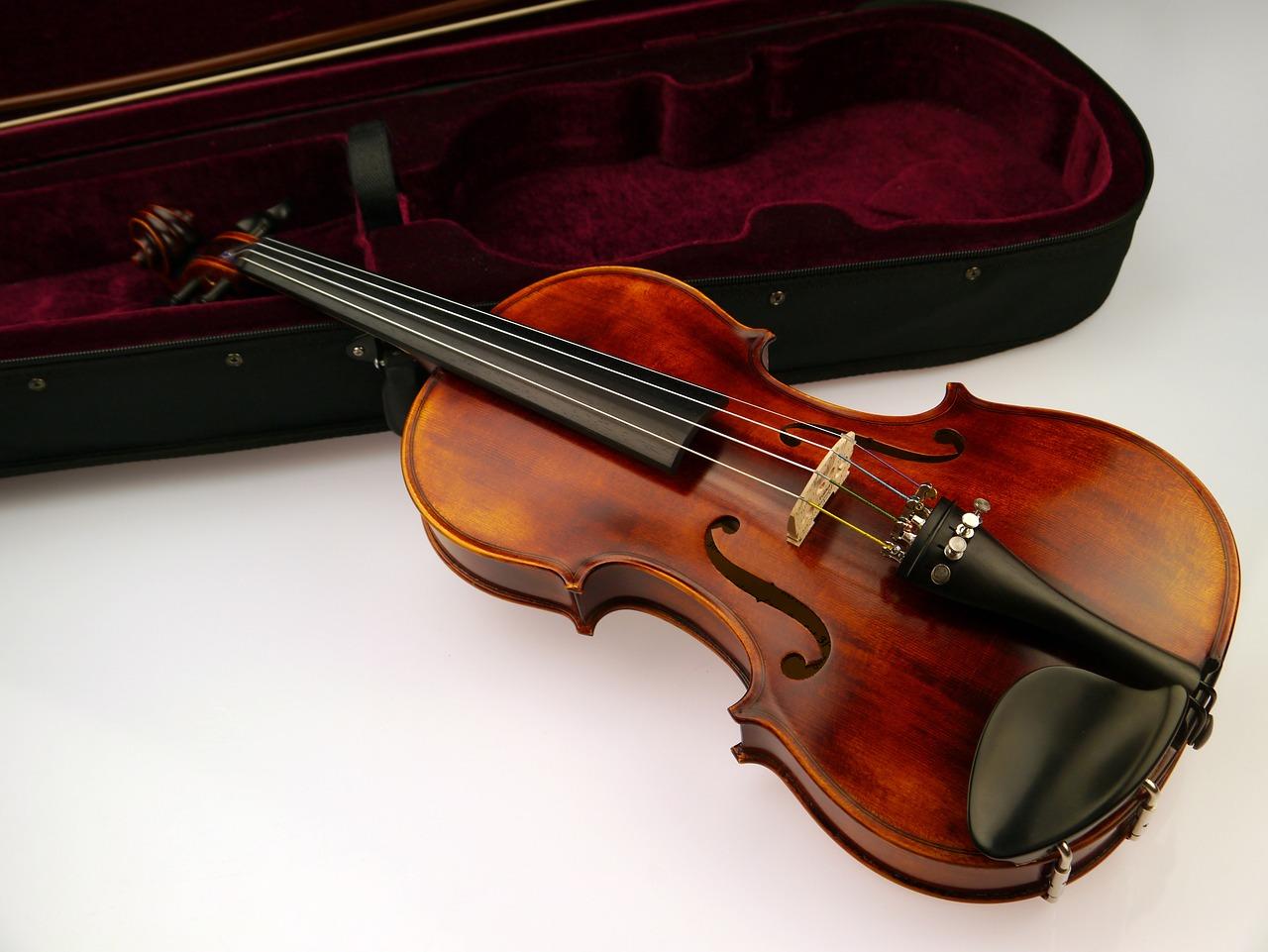
A few essential pieces of equipment are necessary to play the violin. A suitable shoulder rest is vital to prevent harm while playing the violin. Make sure to choose one that fits your violin and playing style. The material of the shoulder rest should be strong and can have more or less padding, depending on your preference. If the rest is too high, it can cause buzzing while playing and eventually lead to damage. Rosin is necessary for playing the violin and should be applied regularly. Depending on the humidity, you may need to use more or less rosin. Remember to check and adjust accordingly.
When cleaning a violin, using a soft, dry cloth is best. Avoid using cleaning products too often, as they can damage the varnish. The varnish is vital for the violin’s sound, so removing any excess rosin, dust, fingerprints, or natural oils from the skin after each use is necessary. You can use a string cleaner to remove dirt, dust, and other particles from the strings. It’s available in spray or liquid form. Cleaning the strings regularly will help them last longer.
Due to their delicate nature, it is advisable to refrain from using harsh chemicals or cleaners when caring for violins. Instead, it is recommended to employ a gentle approach by utilising a soft cotton cloth and carefully wiping the instrument with a mild soap-water solution. It is essential to regularly inspect the position of the violin bridge to ensure its stability and alignment.
What to Expect in Your First Violin Class?
As you prepare for your first violin lesson, it is essential to understand what you can expect to learn on the very first day. Your teacher will likely begin by asking questions to assess your experience level and get to know you better. One of the critical aspects of the lesson will be learning the proper way to hold the violin. If you are taking online classes, your teacher may demonstrate the correct technique using their violin or provide instructional videos to help you visualise and understand the proper positioning.
After learning how to hold the violin correctly, your instructor may explain the various components of the instrument, such as the scroll, tip, end button, and heel. In the initial stages, you will start by playing the violin without using the bow. This technique, known as plucking, allows beginners to familiarise themselves with the different pitches produced by each string and understand how they contribute to creating music. Your teacher may provide you with a music book or recommend purchasing one.
Towards the end of your first violin lesson, you will discuss with your teacher what areas to focus on for the next session. This helps establish a plan for your ongoing progress and ensures that you continue to build upon the skills learned in subsequent lessons.
Techniques Taught in Beginner Violin Lessons
Many individuals are uncertain about the level of difficulty involved in learning to play the violin until they begin taking lessons. Like any musical instrument, learning violin for beginners presents its own set of unique challenges. While the sound of a violin can be excellent and captivating, producing such melodic tones requires effort and practice.
Proper posture is of utmost importance in violin playing, and the positioning of the violin on the left collarbone and shoulder, with the jaw providing stability and the bow being held in the right hand, is crucial to achieving it. Every player should personalise their setup, including the chin and shoulder rest, to ensure comfort and prevent injuries while playing the violin. With the guidance of a violin teacher, mastering proper posture may take some time, but it is an essential aspect of playing the violin that cannot be overlooked.
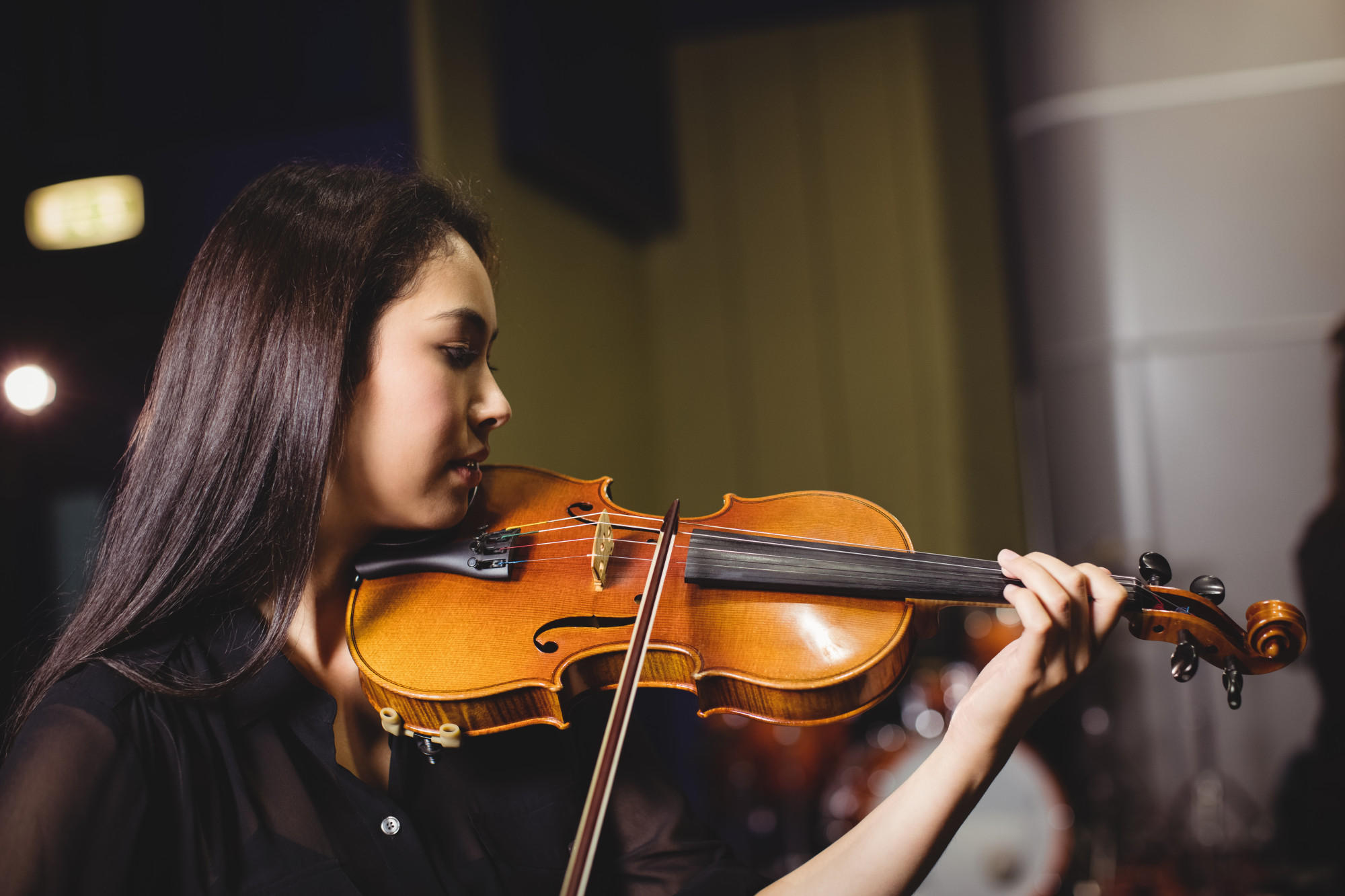
While students are learning how to hold the violin correctly, it is also an excellent opportunity to work on note-reading and listening skills, especially if they are unfamiliar with reading sheet music. This allows students to have multiple areas of focus during their practice sessions throughout the week.
Various methods can be employed to teach students the fundamental concepts of music, including worksheets, listening exercises, and age-appropriate games during lessons. They will understand the sheet music better as they progress and play simple pieces. When producing sound on bowed string instruments, we must master two primary techniques: plucking the string (pizzicato) or using the bow. While starting with pizzicato is easier, learning to use the bow involves mastering various details, such as holding it correctly, playing on the correct part of the string, and applying the right amount of pressure. Through consistent practice and unwavering dedication, anyone can confidently learn to play the bowed string instruments with impeccable finesse and grace.
Students will always start with simple violin notes and music for beginners during the first few months. Students often encounter squeaks and crunches as they experiment with the bow. These sounds are a normal part of the learning process.
Learning a new activity often requires developing physical coordination, and playing the violin is no exception. In addition to coordinating the elements mentioned earlier, violin players must synchronise their movements with specific rhythms, adjust the pitch by changing finger positions on the left hand, and musically interpret the music. There is a lot to coordinate, but with consistent practice and the guidance of a skilled violin teacher, it can be an enjoyable process.
To start, students typically begin with violin songs for beginners, which are shorter and simpler pieces like “Hot Cross Buns,” “Twinkle Twinkle Little Star,” and “Ode to Joy.” Lessons also prioritise teaching scales, as they are the foundation of music, and incorporate repertoire from books and other materials tailored to each student’s interests and needs. As you progress, you gradually move to more complex and longer pieces.
If you are searching for a private violin tutor in any city in Malaysia, Superprof is the ideal platform to find the perfect tutor for your needs. Superprof is an online platform that facilitates connections between students and tutors across Malaysia, allowing them to establish meaningful learning relationships and help each other reach their goals.
To make the most of your Superprof experience, follow these tips: carefully review the tutor’s profile, ask any questions before committing to lessons, establish a budget and plan, and read the tutor’s reviews on their profile. Having clear objectives and being open to different learning methods is crucial to understanding the cost of violin lessons.
Are you ready to begin your violin journey with Superprof? Find the right private tutor for your classes and start learning how to play the violin now!
Summarise with AI:
Did you like this article? Leave a rating!

 Loading...
