
Why should I learn chemistry?
If you’ve wondered this before, you’re not alone. This might be one of the universal questions that many students who don’t like chemistry or find it difficult may ask themselves.
Not everyone falls in love with the subject right away, and that includes Nobel Prize winner George A. Olah. Born in Hungary, Olah never imagined becoming a scientist, let alone a chemist. But after taking his first university chemistry course, he became fascinated by how atoms combine and react. His passion eventually led to a Nobel Prize in Chemistry in 1994 for discovering how carbocations, charged carbon atoms, behave in chemical reactions.
In his book “Proud to be a Chemist”, Olah wrote:
“I never imagined becoming a scientist, least of all a chemist, but this changed when I took my first chemistry course at the university.”
His story shows how a single experience can completely change our perception of a subject. Some students end up disliking it because of how it’s taught – perhaps the lessons felt too abstract or the exams too stressful. Others fall in love with it from day one. Often, it just takes the right time, the right teacher, or the right explanation to spark that interest.
At Superprof, we want to reignite that spark and help you discover the fascinating side of chemistry. Whether you once loved it but lost motivation or never quite understood its purpose, our tutors are here to make it meaningful and even exciting for you.
In this guide, we’ve rounded up the great reasons why you should learn chemistry, explored the role of the periodic table (and how to master it), and shared how it connects to everyday life to help you see why it can be one of the most interesting and rewarding subjects in school and beyond.
So buckle up – we’re about to dive into why the subject isn’t boring at all, and how it might just become your favourite subject.





1. Observe the World Around You
When you study the subject, you will uncover the reason everything around you happens. Why does chocolate taste so good, why does soap clean, or why is the sky blue?
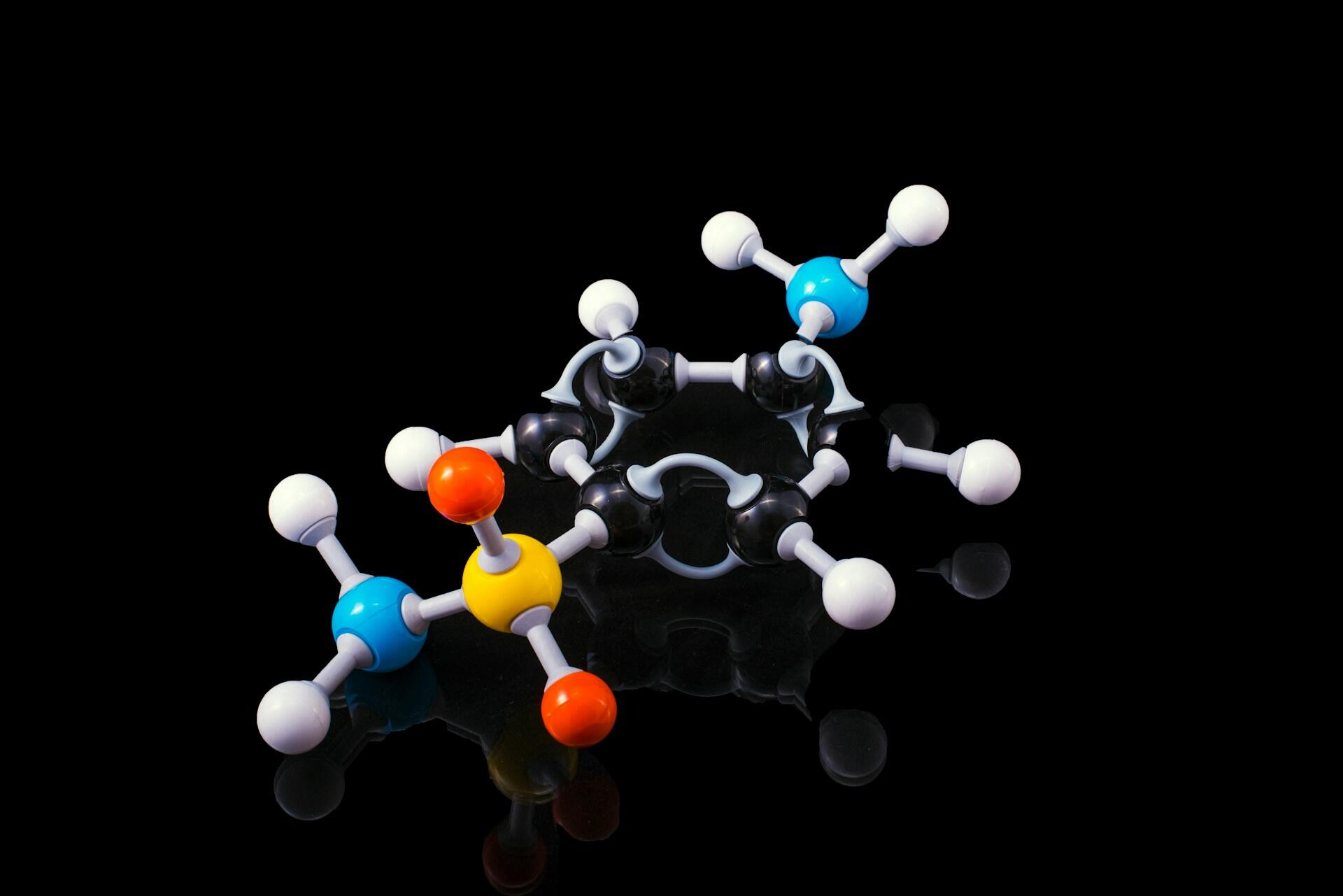
Comprehending the structure of matter, the electrochemistry of an acid-base solution or the stoichiometry of a molecule is critical to get a clear picture of everything in your environment, from the toothpaste you brush with every morning to the phone battery you charge every day.
Every reaction in nature is ruled by chemistry, from metal rusting to your digestion. For example, did you know that leaves change colour in autumn because chlorophyll production is regulated by light? As the day grows shorter, the amount of chlorophyll in leaves decreases, and the green chemical that is so prevalent during spring and summer days gives way to other materials present in the leaves.
Anthocyanin pigments production increases as sugar levels rise during autumn, giving leaves yellow colours. Carotenoids, whose production is not affected by sunlight, will provide the leaves with an orange and brown hue.
And why do we cry when we cut onions? Simply because sulfenic acids and enzymes contained in onion cells are released when you start slicing, and propanethial S-oxide, a volatile sulfur gas, is produced. The natural response for our eyes is to create tears to wash away the irritant, but as propanethial S-oxide mixes with the moisture in our tears, sulphuric acid is produced, making the whole cooking thing a messy crying experience.
2. Be Better Educated about What You Buy
Studying chemistry will also make you a more knowledgeable buyer. As most of the food we ingest is heavily processed, it has become more critical to know what we ingest. However, the more complicated food labels have grown, the harder it is to interpret the range of preservatives, sweeteners, food colouring agents, and stabilisers contained in our food. By recognising what food additives, such as Citric acid, Monosodium glutamate, Sodium benzoate, Sodium nitrite or Trans Fat are, you will know which ones are safe to eat and which ones you should keep out of your diet.
3. Be A Better Cook
Being a good chemist will make you a better cook. All food is made of chemical compounds, and cooking is merely changing molecular links, using the properties of matter and playing around with combustion, oxidation, reduction, solubility and transformations, to make ingredients as tasty as possible.
One of the primary processes involved in cooking is the Maillard reaction. It is the primary chemical reaction behind the deliciousness of cooked foods and happens when amino acids, the building blocks of all animal and vegetable proteins, react with reducing sugars contained in most foods. Most cooking techniques (frying, roasting, searing and baking and even very slow cooking) involve some level of the Maillard process.
Caramelisation is another excellent example of the chemistry behind cooking. Unlike the Maillard process, caramelisation involves what chemists refer to as pyrolysis, which you probably call burning. When sugars are heated above a certain temperature (between 110 °C and 180 °C, depending on the type), dozens of chemical reactions occur, releasing hundreds of unique compounds.

4. Easily Find A Job
Chemistry offers a lot of job opportunities, from nuclear to biological or analytical chemistry; you can easily specialise in a field that interests you. It is also very common for chemists to be involved in other scientific fields and to collaborate with biologists, physicists, doctors and engineers.
You could become a Materials Scientist and find ways to repurpose recyclable substances such as waste plastics, paper, cardboard, or food industry by-products. These innovations can produce advanced materials that better serve humanity’s needs and reduce the trash that ends up in landfills and pollutes our planet.
You could also become a nanotechnologist and engage with materials smaller than cells to design advanced surgical and diagnostic methods, as well as formulate more efficient drugs.
5. Explore both Physics And Biology
Chemistry is known as the “central science” because it connects physics and biology. Having a good grasp of chemistry helps you gain insight into how the body functions (biology) and how matter and energy behave (physics).
Fields like biochemistry and biophysics sit right at the intersection of these three. In biochemistry, you’ll explore how chemical processes happen inside living things. For example, how the body breaks down food or how DNA works. In biophysics, you’ll see how physical principles apply to biological systems, such as how muscles move or how cells generate energy.
People who pursue careers in these areas can build careers in biotechnology, healthcare, forensics, or research, often in hospitals, laboratories, or environmental organisations.
6. Engage Your Brain and Your Hands
Unlike physics and maths, which mainly rely on your brain to solve complicated equations and problems, chemistry is a very hands-on experience.
You’ll plan and conduct experiments, mix solutions, and handle laboratory equipment like chromatography machines, spectrometers, and distillation tools. Some materials can be hazardous, so you’ll also practise how to manage them safely and follow proper lab procedures.
This combination of thinking and experimenting makes this field fun and engaging – great for students who like finding out how things function through hands-on activities.
7. Have Fun
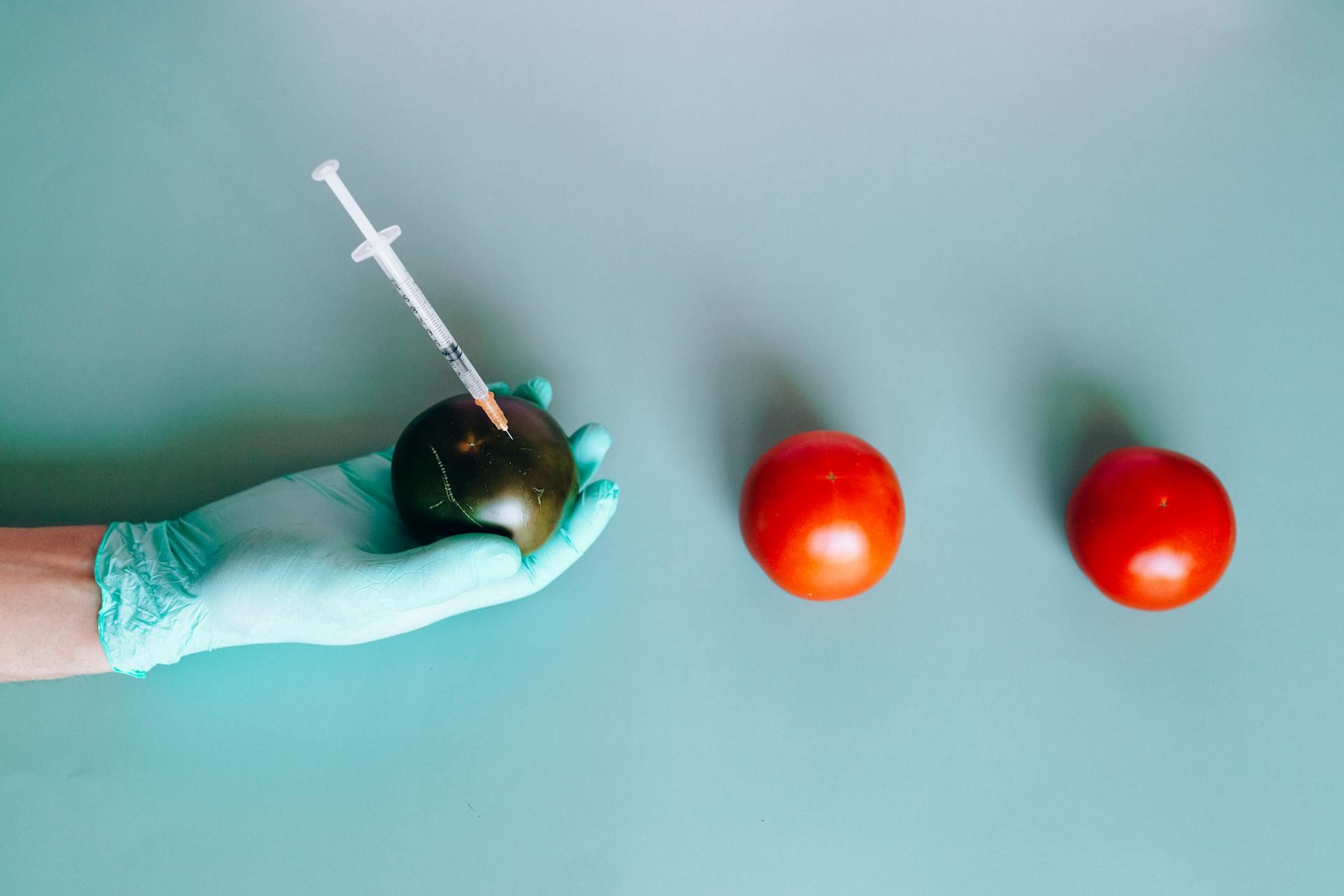
It can be a lot of fun, especially when you get to see processes happen right in front of you. You don’t need a lab to enjoy it because with simple items you can find at home, you can try easy experiments that show how it comes together.
For example, mix turmeric powder with baking soda and watch the colour shift – this simple demonstration shows how materials interact and change in a safe, hands-on way. Add a bit of food colouring to milk and touch it with a drop of dish soap – you’ll see colours swirl around as the soap breaks down fat molecules.
Many Malaysian students do these simple experiments during their school science week to discover how chemistry is relevant in everyday life – from soap cleaning grease on dishes to ice melting faster when sprinkled with salt. It can be exciting, safe, and full of surprises when you find out the processes behind what you see.
8. Understand the News
We read or hear news about pollution, contaminated rivers, or toxic leaks – but do we really get a clear picture of what’s happening behind these headlines?
For instance, Malaysia faced a serious industrial pollution incident in Pasir Gudang, Johor, in 2019, when chemical waste was illegally dumped into the Sungai Kim Kim. The illegal dump caused toxic air pollution that affected more than 2,000 people, and 111 schools in Pasir Gudang closed. Many residents experienced breathing difficulties, dizziness, and even long-term health effects. Incidents like this highlight the importance of recognising how toxic materials behave, their composition and their impact on both human health and the environment.
It also helps you gain insight into broader issues such as air pollution from open burning, river contamination, and waste management. These are all material processes happening around us. Chemistry knowledge helps you recognise the severity of these cases, the consequences and most importantly, play a part in pushing for safer environmental practices.
Knowing the reasons behind pollution and environmental change not only helps you grasp the news better but also makes you a more informed citizen and voter, capable of making sense of policies and actions that affect Malaysia’s future.
9. Make a Better World
Chemistry gives us the tools to solve some of the world’s biggest problems. Every discovery from developing renewable energy sources to designing biodegradable materials begins with recognising how atoms, molecules, and reactions work together.
It plays a key role in building a sustainable future. Researchers and students are using chemistry to develop cleaner fuels, convert palm oil waste into bioenergy, and improve water treatment systems to ensure safer drinking water. Everyday actions, like recycling plastics, reducing food waste, and choosing eco-friendly cleaning products, are rooted in scientific principles that support and promote a healthier environment.
By mastering this subject, you gain the knowledge to innovate responsibly. You can design safer industrial processes, reduce pollution, and develop materials that protect both people and the planet. Whether you become a scientist, engineer, teacher, or entrepreneur, knowing chemistry empowers you to make informed choices that contribute to a greener Malaysia.
It isn’t just about mixing substances in a lab – it’s about creating change. It helps us imagine what’s possible and apply science to make the world a better, cleaner, and safer place for every being.
Ever wondered what pursuing chemistry for higher studies in Malaysia is like? Read our detailed guide to find out everything you need to know.
What is the Study of Chemistry?
Chemistry is often called the “central science” because it connects fields like physics, biology, environmental science, and geology. Simply put, it's the study of how matter is formed, how it behaves, and how it can change. It looks at particles (atoms and ions), how they join to form molecules, and how these molecules interact in various processes.
You can see chemistry in everyday life, and it plays a role in medicine, agriculture, energy production, and environmental protection. Chemists play a vital role in developing life-saving medicines, designing eco-friendly materials, and finding alternative energy solutions.
Here’s what you explore when you study chemistry:
- Atomic types (like hydrogen, oxygen, and iron) and how particles join to form molecules and more complex materials.
- How matter and energy interact, and how energy is absorbed or released during these changes.
- Symbolic representations showing how materials transform, such as balanced equations that track what goes in and what comes out.
- Physical traits (like melting point, density, and state of matter) and behavioural traits (like how reactive or unreactive a substance is).
- How acids, bases, liquids, and gases behave under various conditions.
Think of chemistry as a bridge between what you can see and touch and what happens at the microscopic level. The particle model helps you imagine this, seeing matter as tiny particles that move and interact, even when you can’t see them.
Here’s a short video that gives a clear, beginner-friendly introduction: This video talks about the basics of atoms and material transformations visually. Take your time and watch this video.
If you enjoy the subject but struggle to study it efficiently, this guide will show you how to study the subject smartly and score better results.
The Role of the Periodic Table in Chemistry
The periodic table is more than just a chart – it’s the central and indispensable tool of modern chemistry. It organises all known elements in a logical way, based on their atomic number and repeating traits. The version we refer to today was inspired by Dmitri Mendeleev, who first developed its early model in 1869.
Why does it matter so much? It helps students and scientists see patterns in how atoms behave. For example, some are highly reactive, while others are very unreactive. By studying these patterns, you can even predict how unknown elements might behave and plan experiments more effectively.
The chart is arranged in rows called periods and columns called groups:
- Rows (periods): Show increasing atomic numbers.
- Columns (groups): Contain elements with similar traits, because they have the same number of outer electrons. For instance, sodium and potassium (Group 1) or chlorine and bromine (Group 17) behave similarly.
As you move down the chart, the electron energy levels increase, and additional sub-levels (like s, p, d, and f orbitals) appear. The first 94 elements occur naturally, while heavier ones (from plutonium onwards) are made in laboratories or nuclear reactors.
Here’s why it's so valuable:
- Quick reference: You can easily find important info like atomic number, symbol, and mass.
- Shows relationships: Patterns like electronegativity, ionisation energy, and size help you see clearly why certain elements behave similarly.
- Predictive power: Scientists can predict traits of elements that haven’t been discovered yet, just like Mendeleev did.
- Guides experiments: Knowing group and valency helps predict bonds, compounds, and the types of transformations elements can undergo.
- Drives innovation: It helps engineers and researchers design new alloys, materials, and other inventions.
In short, the chart is a map for exploring the building blocks of matter. It makes it easier to study molecular structure and track how elements interact and transform in countless processes.
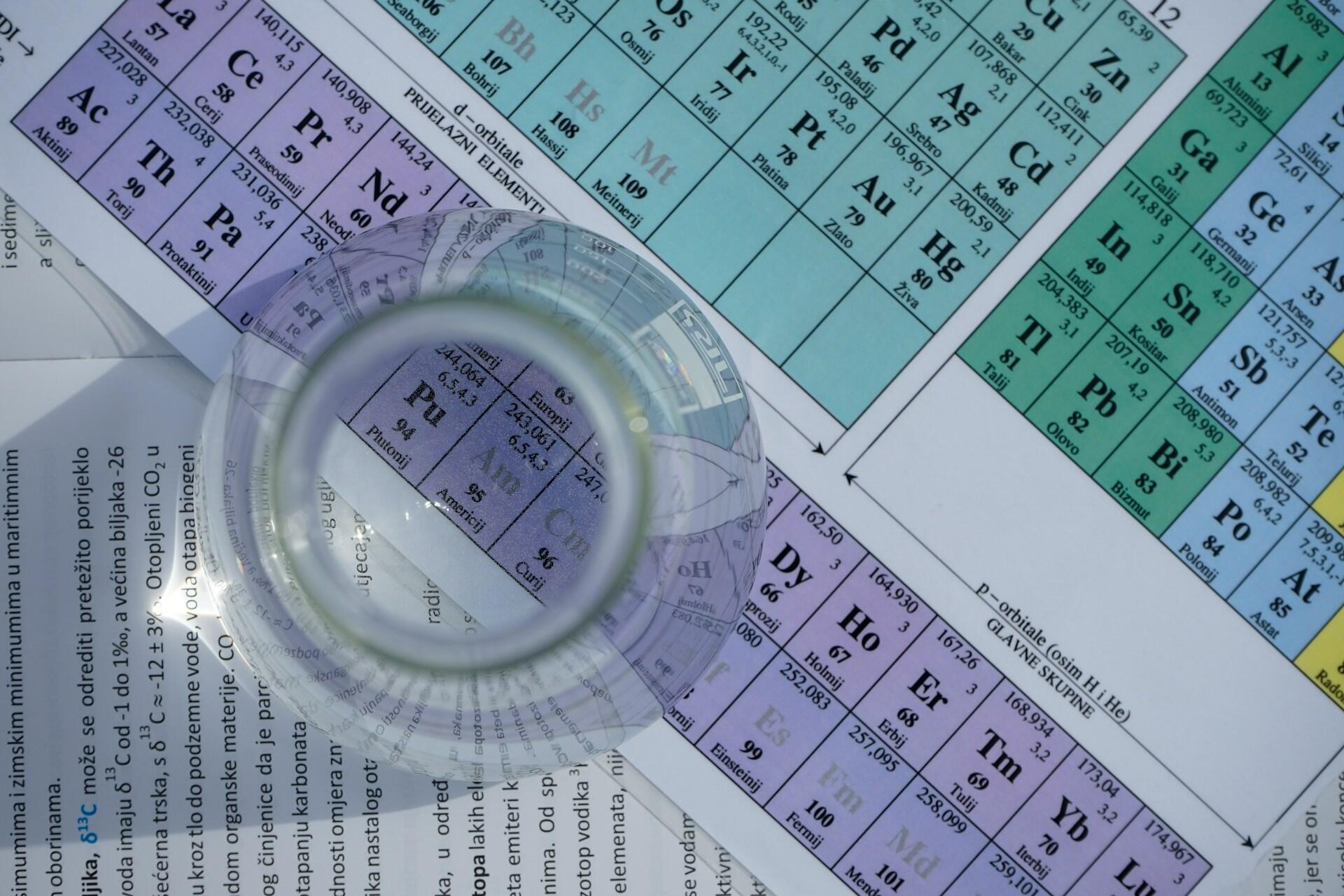
Chemistry Periodic Table: How to Master It
At first, the chart may look like a confusing wall of numbers and symbols. But once you see how it’s organised, it becomes a roadmap showing how elements behave and interact. You must realise that the key is seeing patterns, not just memorising blindly to pass exams.
Here’s how you can make it easier to make sense of and apply:
1. Recognise Group Trends
Elements in the same group share similar traits because they have the same number of outer (valence) electrons. This affects how they form ions, combine atoms, and interact with others. For example, components in Group 1 (alkali metals, like sodium and potassium) react easily with water, forming an alkaline solution and hydrogen gas.
If you find it challenging to connect these concepts, a tutor can guide you through them step-by-step and help you see how the chart connects to real-life science.
2. Incorporate Colour and Symbols
Colour-coding your chart can help you remember element categories and their behaviours. For instance, assign distinct colours for metals, nonmetals, metalloids, liquids, and gases. Adding visual cues can make memorising easier and more fun.
3. Recognise Patterns in Equations
It helps you comprehend why they behave the way they do in reactions. Knowing an element’s position can show whether it tends to gain, lose, or share electrons. This helps you predict reactions and check your calculations before experiments.
4. Connect to Daily Life
Relating them to the things around you makes studying more fun. For example, acids and bases in your cleaning products or metals in your smartphone battery. You can remember effectively when you relate it to things you rely on daily. For example, to recall, you could come up with a visual story: imagine a bear placing a board on a car – bear for Beryllium (Be), board for Boron (B), and car for Carbon (C).
Simple associations like these make studying the subject more fun and memorable. Check out the video below to discover how to form sentences like this.
5. Break it down
Trying to memorise the whole thing at once is a recipe for frustration. A better approach is to break it down into smaller sections and tackle them one at a time.
Start with one group, notice similarities, then move to the next. This helps you see patterns instead of memorising random symbols.
By following these steps, the chart becomes a powerful tool for exploring how matter behaves in the world around you.
Applied Chemistry in the Real World
Applied chemistry is all about taking scientific knowledge and putting it into practice in our everyday lives. From medicines to household products and food, applied chemistry turns theory into real-world solutions. But what’s the difference between these two?
Pure chemistry focuses on studying how matter behaves and its features without aiming to solve real-life problems. Applied chemistry, on the other hand, takes that knowledge and puts it into practice to solve problems, improve products, or invent practical items. For example, scientists may study the behaviour of surfactants in theory, while product developers apply this information to make a laundry detergent that cleans effectively.
Let’s find out the areas where theory meets real life:
Household cleaning agents
Detergents and soaps function because of molecules that have two sides: one that mixes well with water, and one that attracts oils and dirt. This allows dirt to be lifted from surfaces and washed away easily. Some cleaners rely on acidic or alkaline materials– acids tackle mineral deposits like limescale, while basic substances break down oily stains. That's why our moms turn to baking soda or ammonia-based products, because they are so effective in the kitchen.
Chemistry in Cooking
Cooking is more than following recipes – it’s a series of chemical reactions happening right in your kitchen. Flavours, aromas, and textures all come from how ingredients interact under heat.
Maillard Reaction, for instance. It’s what gives bread its golden crust, grilled meat its rich colour, and coffee beans their roasted aroma. This process occurs when amino acids meet reducing sugars under heat, forming hundreds of new flavour compounds that make food irresistible.
Acidic ingredients, such as lemon juice or vinegar, tenderise meat and brighten flavours, while mild alkaline substances, such as baking soda, make cookies rise and turn golden. Knowing how these things transform will make your dishes taste much better.
Cosmetics and personal care
Personal care products, from moisturiser to perfume, are the result of careful formulation.
Skincare products like toners and moisturisers rely on chemical formulations that balance pH and help retain moisture, keeping the skin healthy and hydrated.
In hair care, ingredients in shampoos, conditioners, and dyes are designed to clean, repair, or colour hair at the molecular level. Even perfumes are pure chemistry – fragrances are made of aromatic mixtures designed to interact with our olfactory receptors (a special type of protein in your nose that detects smells), creating scents that can energise or evoke memories.
A tutor can make it easier for you to connect what you study with real-life examples. The best part? Tutoring costs in Malaysia are more affordable than you might expect.

Environmental Studies and Daily Life
The world around us is constantly shaped by natural and human-made changes, and grasping these changes can help us protect our planet.
Air pollution and acid rain are examples of how industrial activities affect our surroundings. Knowing how these changes occur allows scientists to develop ways to reduce pollution and protect communities. In Malaysia, events like the 2019 Pasir Gudang pollution case showed the real-life consequences of toxic waste on health and the environment, highlighting why monitoring and prevention are so important.
Clean water is another area where environmental awareness matters. Experts test rivers and lakes for contaminants and design treatment systems to keep drinking supplies safe. Similarly, plastic waste is a major concern these days. Traditional plastics resist natural breakdown, but researchers have developed biodegradable alternatives that are now being adopted in Malaysia for packaging and food containers. Many Malaysians are bringing their reusable bags and containers to reduce disposable plastics.
Beyond pollution, these principles affect healthcare, food preservation, energy production, and transportation. The changes and interactions you study in textbooks, how materials transform and interact, are tools we apply every day to solve real-world problems.
By knowing environmental processes and the science behind them, we can make smarter decisions, reduce harm, and contribute to a cleaner, safer Malaysia.
Learn Chemistry with Superprof
By now, it’s clear that chemistry is a valuable and beneficial subject; one that will continue to be relevant long after your years of studying it if you do it the right way. What do we mean by that?
It’s about comprehending concepts instead of cramming the formulas and facts a day before the exam. What's great is, you don’t have to do it all on your own. That’s where Superprof comes in. With over 185,443 verified tutors across Malaysia, you can find someone who matches your goals, study style, and pace.
Browse through tutor profiles on our website, send them a message if you have any questions, and try their FREE first session before committing. You can choose between online and in-person classes, making it easy to take the class anywhere, anytime. It’s that simple!
Start your journey with our talented Superprof tutors!
Summarise with AI:
Enjoyed this article? Leave a rating!

 Loading...