What is feminism, and how did it start? Feminism is a global movement with different currents that have emerged throughout history to defend and advocate for women's rights and equality in society. Broadly speaking, the feminist movement refers to a series of social, economical and political movements and campaigns that relate to women's social conditions[…]
23 March 2022∙6 minutes to read
The Ultimate Guide to STPM Sejarah 2021 Now that vaccines are being rolled out to teenagers in Malaysia, STPM candidates can feel safer as they look forward to returning to their institutions and sitting for their upcoming examinations. While that worry is put aside, another worry still remains - the dreaded Sejarah subject. How on[…]
29 September 2021∙7 minutes to read
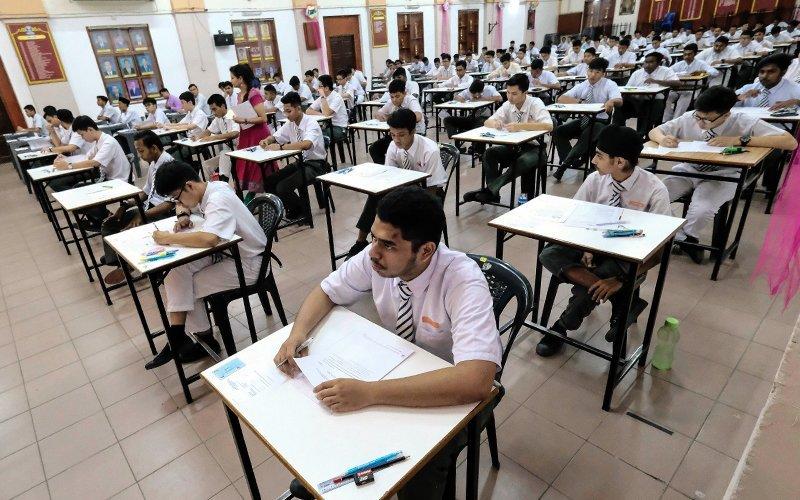
The guide to ace your SPM Sejarah Paper So you are now in your higher secondary school level (Form 4 of Form 5), congratulations! While some of you may be happy that you are closer to your days of not wearing school uniforms, some of you may not be that excited because you need to[…]
25 August 2021∙7 minutes to read
Get Help Learning History with our History Guides
As the saying goes, you can’t know where you’re going unless you know where you’ve come from. With that in mind, why not expand your historical knowledge with our informative articles.
Whether you’re studying for Matriculation, STPM, SPM, A-level or IB exams, taking History at university or just want to learn about a different period in time, we have thousands of experienced history tutors across Malaysia on our platform.
If you’re looking for online history tuition, look no further; our tutors also offer flexible history tuition online.
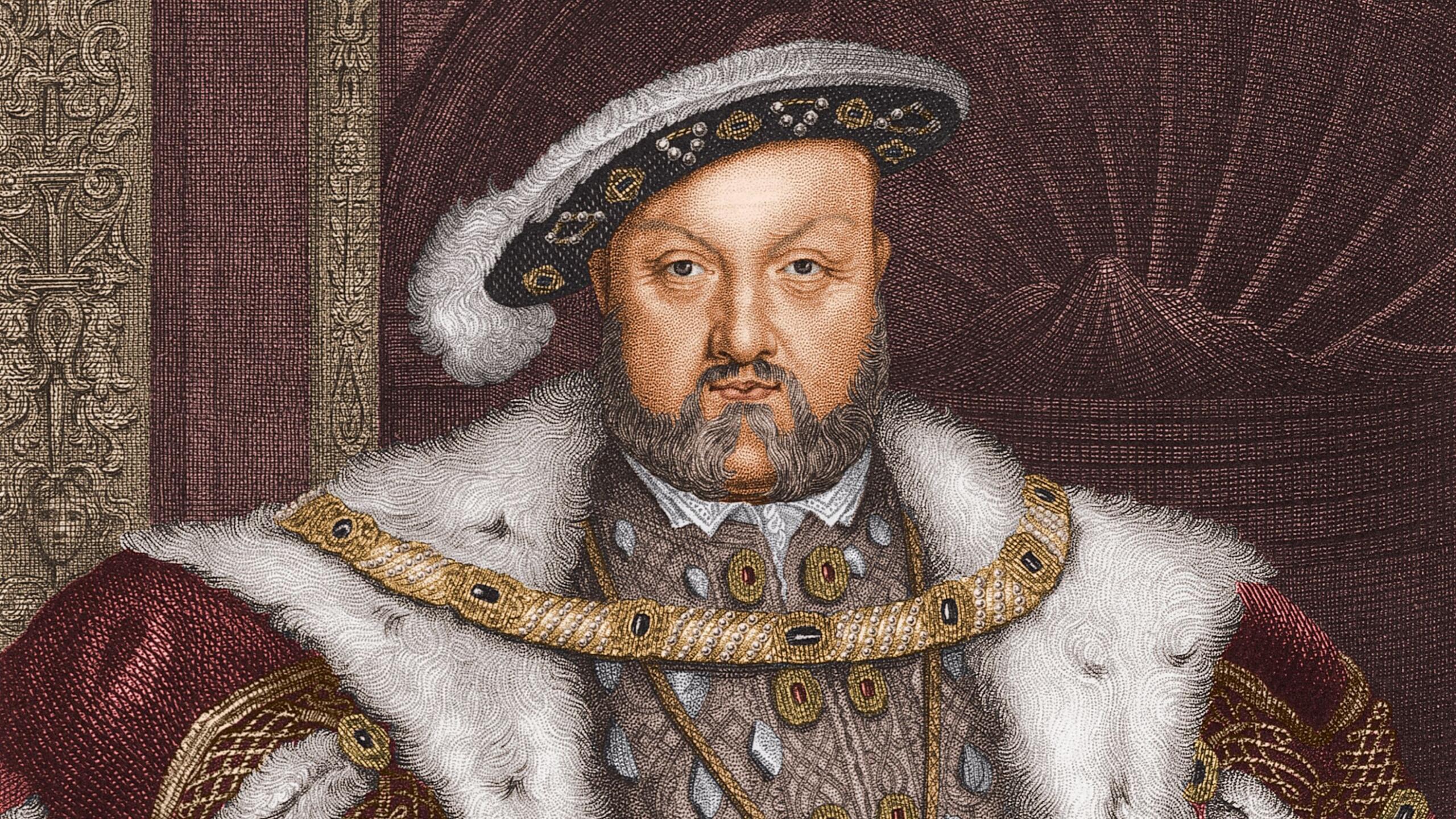
The Things You Always Wanted to Know About the Tudor Period We all know a little about the Tudors – whether we like it or not. The six wives are usually the first thing people mention – followed shortly by the strange aura that surrounds the figure of Anne Boleyn in particular. Then there is[…]
18 October 2019∙6 minutes to read
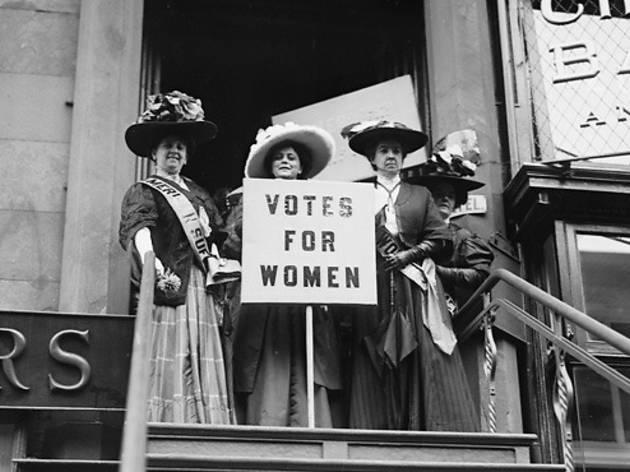
The Suffragettes and Suffragists "We too often bind ourselves by authorities rather than by truth." -Lucretia Mott To go against the grain, take a stand, be outspoken, and make a notable difference requires courage and confidence. The women who boldly fought during the suffrage movement had all of those characteristics. Learning about historical heroes such[…]
16 August 2019∙8 minutes to read
Taking a Look at the Earliest Civilisations When people think of ancient worlds, Egypt, Greece and Rome come quickly to mind. There are more... Humanoids have been wandering around the planet for nearly 2 million years. Our branch of the hominid tree, Homo Sapiens, has only been around for about 300,000 years but we learned[…]
12 August 2019∙12 minutes to read
A Brief History of World Religions "Religion is one tree with many branches. As branches, you may say, religions are many, but as a tree, religion is only one." -Mahatma Gandhi With more than 84% of the 7.3 billion inhabitants on planet earth claiming to identify with a religious group, people from all types of[…]
7 August 2019∙8 minutes to read
What Type of History Should You Study? Why study history and become a historian? Do you want to learn about past societies, pursue a Bachelor in European History, find out more about early modern philosophy? But though the history department of your local university’s humanities section may offer a simple history major, you will soon[…]
27 December 2018∙10 minutes to read
Which was the Biggest Empire Ever? If you spend ten minutes looking through history, you’ll certainly notice that this word ‘empire’ comes up an awful lot: the Roman Empire, the British Empire, etc. But what exactly do we mean when we say this? What does this word actually refer to? And, importantly, what is the[…]
21 December 2018∙7 minutes to read
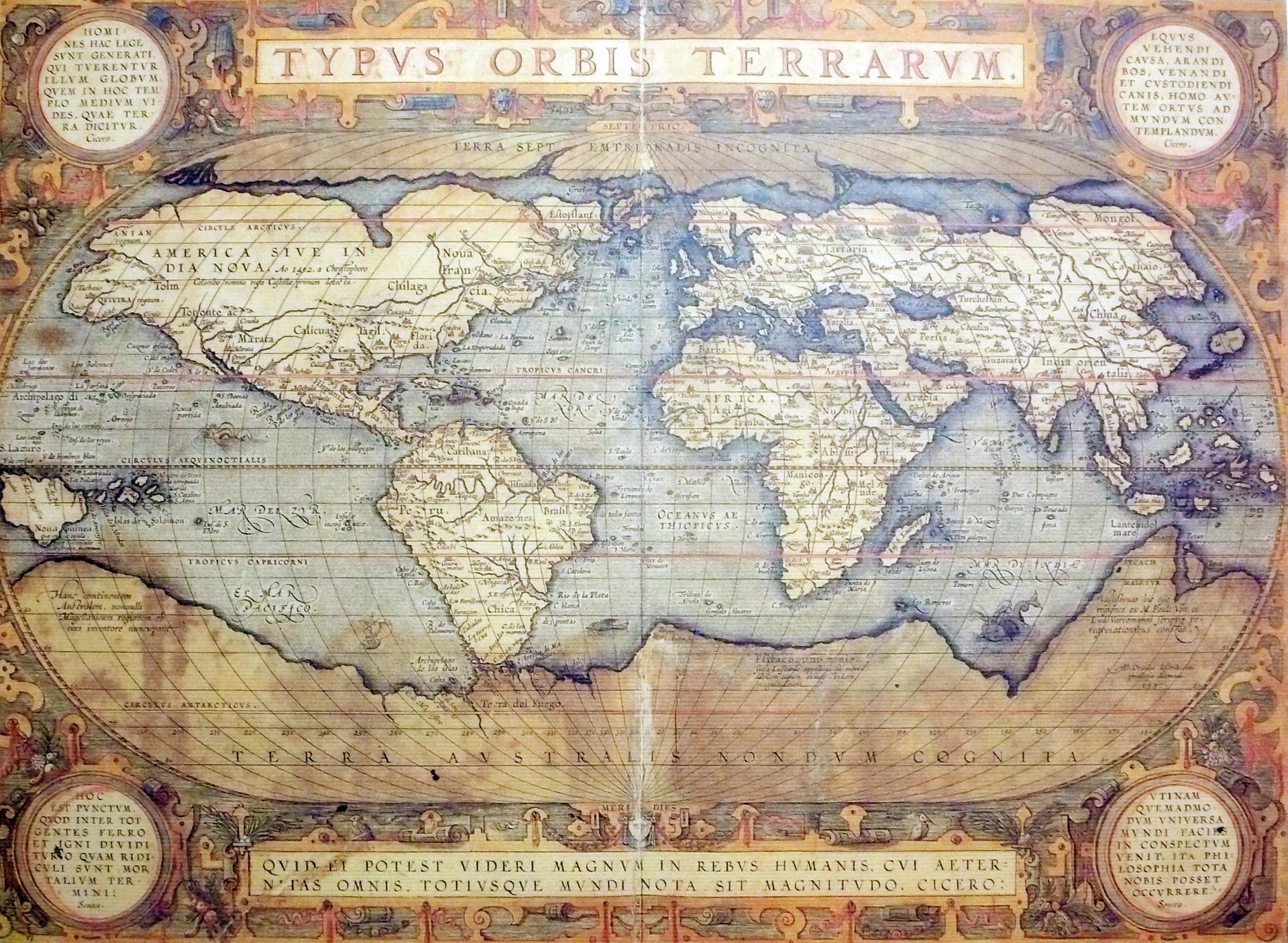
Significant Historical Events that Shaped Our World What do you mean, countries' borders move? They’ve always been there! Kevin O’Dell People in general, but especially in developed countries, tend to view the world as static; unchanged since the dawn of time. This is a postulate that supposes the world is indeed an elaborately dressed stage[…]
19 December 2018∙8 minutes to read
Why Study History? We live in the present and we plan for the future. It somehow goes against our human instincts to worry about the past. This is why History was invented: to study the past (not to dwell on it). Given all our daily worries about university, family, money and so on, why bother with[…]
13 December 2018∙9 minutes to read
History For Children: An Overview History is a very important subject, as it teaches us about the world, our country, our towns, and our communities and how these came to be what they are today. Not only is it relevant to those who want to study or work in an environment that requires historical knowledge, but[…]
6 December 2018∙9 minutes to read
The study of history is a profound exploration of humanity’s past, encompassing the examination of events, people, cultures, and societies that have shaped the world as we know it today. History is not just about memorising dates and facts; it is a dynamic field that encourages critical thinking, research skills, and an understanding of how the past continues to influence the present.
Why is learning history important?
🌱 Understanding Our Roots
History is the story of our collective past, tracing the origins of human civilisation, the rise and fall of empires, and the development of cultures and societies. It provides the foundation for understanding who we are and where we come from.
📖 Learning from Mistakes
History serves as a repository of lessons learned from past mistakes and successes. By studying history, we can avoid repeating errors and build upon the achievements of our predecessors.
⏳ Contextualising the Present
Historical knowledge enables us to contextualise contemporary events, politics, and social issues. It helps us appreciate the complexity of current affairs and recognise the historical forces at play.
💃 Cultural Enrichment
History exposes us to the rich tapestry of human cultures, traditions, and artistry. It fosters cultural appreciation and empathy by shedding light on the diversity of human experiences.
🤔 Critical Thinking
History promotes critical thinking skills, encouraging individuals to analyse sources, question assumptions, and form well-reasoned arguments. It nurtures intellectual curiosity and the ability to evaluate evidence.
What are the key fields of historical study?
- Ancient History: Ancient history focuses on civilisations that thrived thousands of years ago, such as Mesopotamia, Egypt, Greece, and Rome. It explores their contributions to art, literature, philosophy, and governance.
- Medieval History: Medieval history delves into the Middle Ages, covering topics like the feudal system, the Byzantine Empire, the Crusades, and the emergence of Europe’s medieval kingdoms.
- Modern History: Modern history encompasses the period from the Renaissance to the present day. It includes the Age of Exploration, the Enlightenment, the Industrial Revolution, and the world wars.
- Cultural History: Cultural history examines the evolution of cultural practices, beliefs, and values. It explores topics like art, literature, music, religion, and everyday life in different historical contexts.
- Social History: Social history focuses on the lives of ordinary people, their daily routines, and the impact of societal changes on their experiences. It examines issues like gender, class, and ethnicity.
- Political History: Political history analyses the development of political systems, ideologies, and the role of leaders and governments in shaping historical events.
What careers are there in the history field?
A degree in history opens doors to a wide range of career opportunities, as historical knowledge and skills are highly transferable and in demand:
- Historian: Historians conduct extensive research, analyse historical documents, and write books or articles to contribute to our understanding of the past. They may specialise in a particular time period, region, or topic.
- Archivist or Curator: Archivists and curators are responsible for preserving and managing historical records, artefacts, and collections in museums, libraries, and archives.
- Teacher or Professor: Educators at all levels teach history, nurturing the next generation’s appreciation for the subject and helping students develop critical thinking skills.
- Museum or Gallery Director: Directors oversee the operations, exhibitions, and collections of museums, historical sites, and cultural institutions.
- Librarian: Librarians with a background in history can work in research libraries, helping users access historical resources and conducting outreach programs.
- Historical Consultant: Historical consultants provide expertise to businesses, government agencies, and media organisations, ensuring accuracy and authenticity in historical representations.
- Archaeologist: Archaeologists excavate and study archaeological sites to uncover and analyse artefacts, providing insights into ancient civilisations and cultures.
- Genealogist: Genealogists trace family histories and lineages, helping individuals discover their roots and heritage.
- Writer or Journalist: Writers and journalists with a background in history can specialise in historical writing, including books, articles, and documentaries.
- Public Historian: Public historians work on projects that engage the public with history, such as historical reenactments, museum exhibits, and heritage tourism.
- Policy Analyst: Historians often work as policy analysts, using historical research to inform and influence public policy decisions.
- Researcher or Analyst: Researchers with expertise in history can find roles in various industries, including market research, cultural resource management, and public relations.
The study of history is not only a journey into the past but also a gateway to numerous rewarding careers. It fosters critical thinking, research skills, and a deep understanding of human societies and cultures. History’s significance lies in its ability to provide context, inform decision-making, and enrich our appreciation of the world’s complexities.
Whether you aspire to become a historian, a curator, an educator, or a consultant, a background in history equips you with valuable skills and knowledge that can be applied in a wide range of professional fields. It is a discipline that empowers individuals to explore the past, understand the present, and shape the future. And if you’re ready to pursue this academic discipline further, consider learning with a private history tutor on Superprof.