
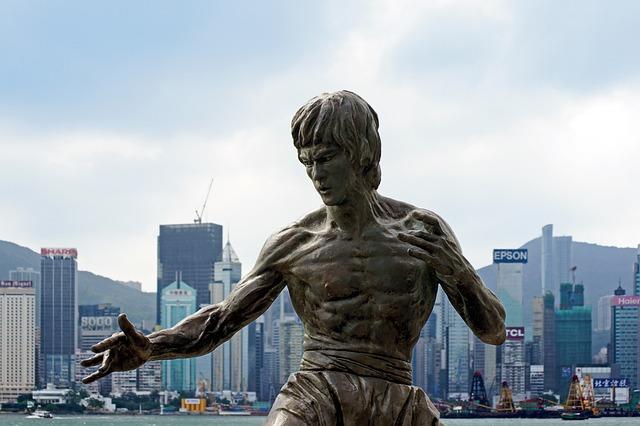

The history of martial arts is filled with remarkable practitioners whose skill, philosophy, and contributions have left a lasting mark on cultures around the world. Over the centuries, these traditions have evolved from ancient systems of self-defence into globally recognised disciplines practised in sport, education, and entertainment.
This article explores some of the most influential figures in martial arts history, examining their achievements, lasting contributions, and the impact they continue to have on how these disciplines are practised, taught, and appreciated across the world.
| Martial Artist | Martial Art | Why They Are Considered Among the Greatest |
|---|---|---|
| 🐉 Bruce Lee | Jeet Kune Do | Revolutionised martial arts philosophy and introduced Asian martial arts to global audiences. |
| 🎬 Jackie Chan | Kung Fu | Combined martial arts with innovative stunt work and comedy, making martial arts films globally popular. |
| ⚡ Jet Li | Wushu | Multiple-time national Wushu champion who promoted traditional Chinese martial arts worldwide. |
| 🥋 Jigoro Kano | Judo | Founded Judo and transformed traditional jujutsu into a modern educational martial art. |
| 🤼 Helio Gracie | Brazilian Jiu-Jitsu | Co-developed Brazilian Jiu-Jitsu and demonstrated the effectiveness of leverage over strength. |
| 🥊 Chuck Norris | Karate | Dominated competitive karate and helped popularise martial arts through film and television. |
| 🥋 Masahiko Kimura | Judo | One of the greatest Judoka ever, famous for the "Kimura" submission still used today. |
| 👨🏫 Yip Man (Ip Man) | Wing Chun | Preserved and popularised Wing Chun while mentoring Bruce Lee. |
| 🏆 Royce Gracie | Brazilian Jiu-Jitsu | Revolutionised modern MMA by proving the effectiveness of Brazilian Jiu-Jitsu in the early UFC. |
| 🎥 Donnie Yen | Wing Chun & Mixed Styles | Promoted traditional Chinese martial arts globally through acclaimed films and realistic choreography. |


Who Is the Greatest Martial Artist of All Time?
More than accomplished champions with exceptional physical abilities, the greatest martial artists are recognised for their technical expertise, enduring influence, philosophical insights, and role in shaping the evolution of their respective disciplines. Together, these qualities have inspired generations of practitioners across the globe.
🥋 Timeline: The Evolution of Martial Arts Legends
1882
Jigoro Kano
Founded Judo, transforming traditional jujutsu into a modern martial art and educational system.
1930s–1960s
Yip Man (Ip Man)
Preserved and popularised Wing Chun while mentoring future martial arts icons, including Bruce Lee.
1960s–1970s
Bruce Lee
Revolutionised martial arts philosophy through Jeet Kune Do and introduced Asian martial arts to mainstream Western audiences.
1970s–1980s
Jackie Chan
Redefined martial arts films by combining action, comedy, and innovative stunt choreography.
1980s–1990s
Jet Li
Promoted traditional Chinese Wushu worldwide through championship success and international cinema.
1990s
Royce Gracie
Demonstrated the effectiveness of Brazilian Jiu-Jitsu in the early UFC, transforming modern mixed martial arts.
2000s–Present
Donnie Yen
Continues to preserve and modernise martial arts through acclaimed films and realistic fight choreography.
Criteria for Evaluation
Technical excellence, innovation, influence, and enduring impact are the qualities that define true greatness. While every legendary practitioner has achieved success in different ways, the following criteria are widely used to assess their place among history's most respected figures.
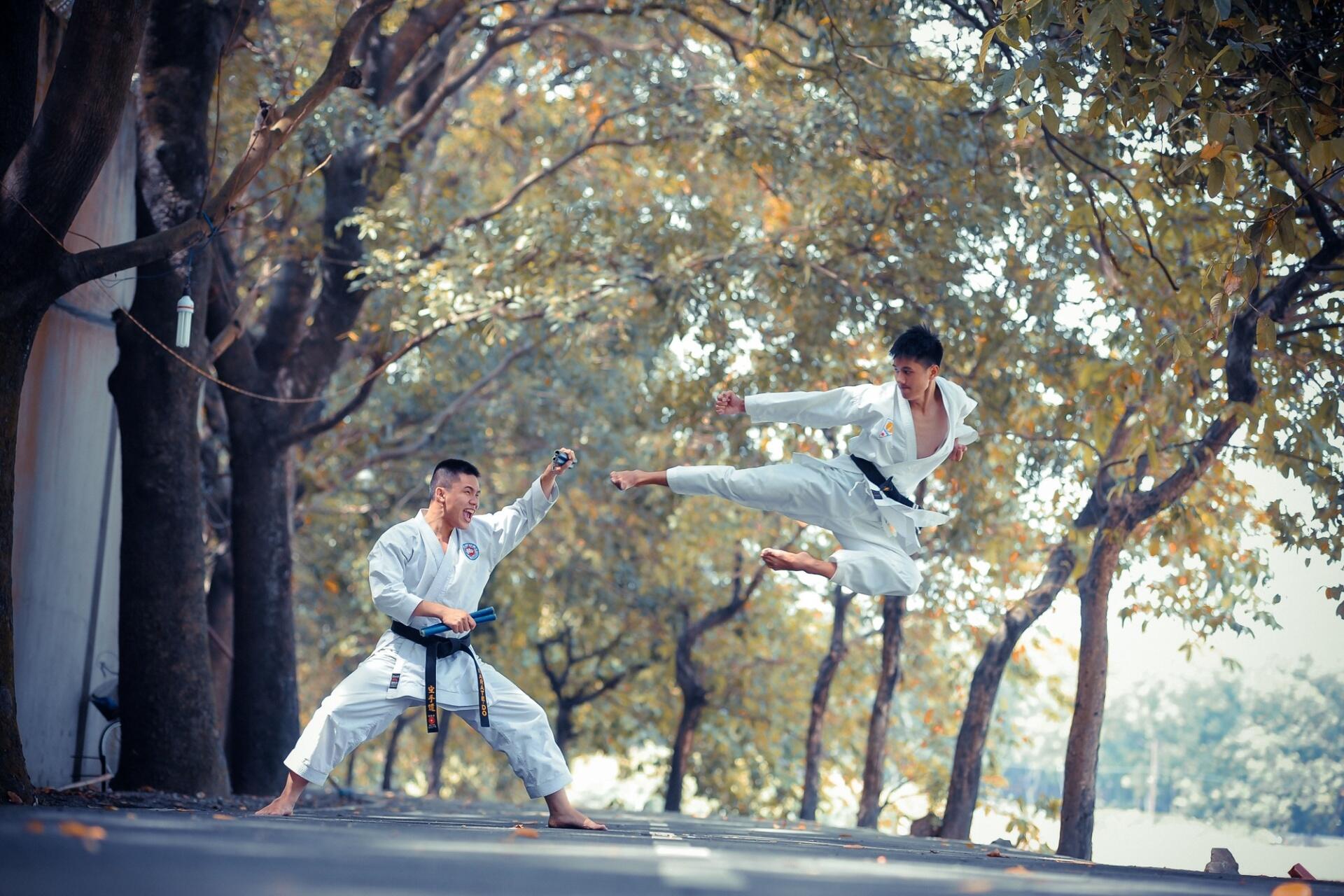
🥋 Skill and Technique
Outstanding practitioners demonstrate exceptional expertise in their chosen field through years of dedicated practice and continuous improvement. Their abilities often include:
🌍 Influence on Martial Arts and Popular Culture
Great martial artists inspire far beyond the training hall. Through teaching, competition, books, or films, they have helped martial arts reach global audiences by:
🧠 Philosophical Contributions
The greatest martial artists are remembered not only for their combat skills but also for the values they championed. Principles such as respect, perseverance, humility, self-improvement, and lifelong learning have become fundamental to martial arts, with many renowned figures developing philosophies that continue to inspire practitioners today.
Each generation of martial artists has advanced the discipline in unique ways—whether by creating new fighting systems, preserving traditional styles, excelling in competition, or inspiring millions through film and philosophy.
🏆 Legacy and Longevity
A martial artist's influence is ultimately measured by how long it lasts. Their legacy often extends well beyond their active career through:
- Founding or developing new martial arts systems.
- Training future champions and instructors.
- Preserving traditional martial arts for future generations.
- Leaving a lasting cultural and historical impact on the martial arts community.
Who Is the Best Martial Artist of All Time? Exploring Their Lasting Legacy
These top 10 martial artists in the world have earned their reputations through exceptional skill, innovation, and a lasting impact on their respective disciplines and global culture.
From pioneering new systems to inspiring millions through teaching, competition, and cinema, these legendary figures have shaped the evolution of combat traditions and continue to influence practitioners across generations.
🥋 1. Bruce Lee
Widely regarded as the greatest martial artist of all time, Bruce Lee founded Jeet Kune Do, a philosophy-based system that emphasises adaptability, efficiency, and self-expression.
Beyond his exceptional abilities, he revolutionised action cinema and played a pivotal role in introducing Eastern combat traditions to Western audiences, inspiring generations of practitioners, athletes, and filmmakers.
Throughout his life, Bruce only acted in four martial arts films, which were The Big Boss (1971), Fist of Fury (1972), Way of the Dragon (1972) and Enter the Dragon (1973). These four films made quite a big impact, especially changing the way Asians were portrayed in movies.
Bruce Lee's philosophy emphasised adaptability and personal expression in combat, encouraging practitioners to "absorb what is useful, discard what is useless, and add what is uniquely your own."
2. Jackie Chan
Jackie Chan is one of the greatest martial artists and action stars of all time. By combining comedy, acrobatics, and spectacular stunt work, he transformed action cinema and introduced traditional martial arts to audiences worldwide. His influence continues to shape both the film industry and generations of practitioners.
Some of Jackie Chan's greatest contributions include:
Jackie Chan has appeared in over 150 films since the 1960s, making him one of the most prolific and influential martial arts film stars in history.
We learn martial arts as helping weakness. You never fight for people to get hurt. You're always helping people.
-Jackie Chan (on the purpose of martial arts)
3. Jet Li
Jet Li is a world-renowned martial artist who first gained recognition as a Wushu champion, winning multiple national titles in China. Renowned for his speed and technical precision, he later achieved international fame through his successful film career.
Some of Jet Li's greatest contributions include:
Jet Li's achievements in competitive Wushu and international cinema have secured his place among the greatest martial artists of all time. His commitment to preserving traditional Chinese Wushu continues to inspire practitioners and audiences worldwide.
Jet Li began practising Wushu at the age of eight and became a national champion just a few years later.
4. Chuck Norris
Chuck Norris is a legendary martial artist who dominated professional karate in the 1960s before becoming an international action star.
Through films such as Way of the Dragon, Missing in Action, and Walker, Texas Ranger, he helped bring martial arts into mainstream entertainment and inspired millions to begin training.
Why Chuck Norris is considered one of the greatest martial artists:
Chuck Norris' achievements in both competitive karate and entertainment have made him a lasting icon in the martial arts world. His influence continues to inspire martial artists, athletes, and action film enthusiasts across generations.
Chuck Norris holds black belts in Tang Soo Do, Brazilian Jiu-Jitsu, and Judo, reflecting his extensive training across multiple martial arts disciplines.
5. Masahiko Kimura
Masahiko Kimura is considered one of the greatest judoka ever, known for his exceptional skill and dominance. He famously defeated Hélio Gracie in 1951 using a shoulder lock later called the “Kimura,” a technique still widely used in judo, Brazilian jiu-jitsu, and MMA today.
🏆 Legacy Highlights
Masahiko Kimura's technical brilliance and lasting influence on grappling have made him one of the most respected figures in martial arts history.
Kimura was promoted to yondan (fourth dan) at just 15 years old, reaching the rank after only six years of Judo training, an extraordinary accomplishment for his age.
6. Helio Gracie
Helio Gracie co-founded Brazilian Jiu-Jitsu and became one of the most influential figures in martial arts history. By focusing on leverage, timing, and technique over physical strength, he helped create a grappling system effective for practitioners of all sizes.
His innovations transformed BJJ into a leading discipline in self-defence, sport, and modern mixed martial arts.
🌍 Lasting Influence
Helio Gracie's innovative philosophy transformed the martial arts world, proving that skill and strategy are often more powerful than physical strength. If you would like to learn about the different types of martial arts in other parts of the world, check out What Are the Well-Known Martial Arts in Europe, South America & North America?
Helio Gracie adapted traditional Jiu-Jitsu techniques to suit his smaller frame, creating a system that relies on leverage and technique rather than brute force.
7. Yip Man (Ip Man)
Yip Man was a legendary Wing Chun grandmaster best known for teaching Bruce Lee and helping popularise Wing Chun worldwide. Through his dedication to teaching, he preserved the traditional martial art while inspiring generations of students to continue its practice.
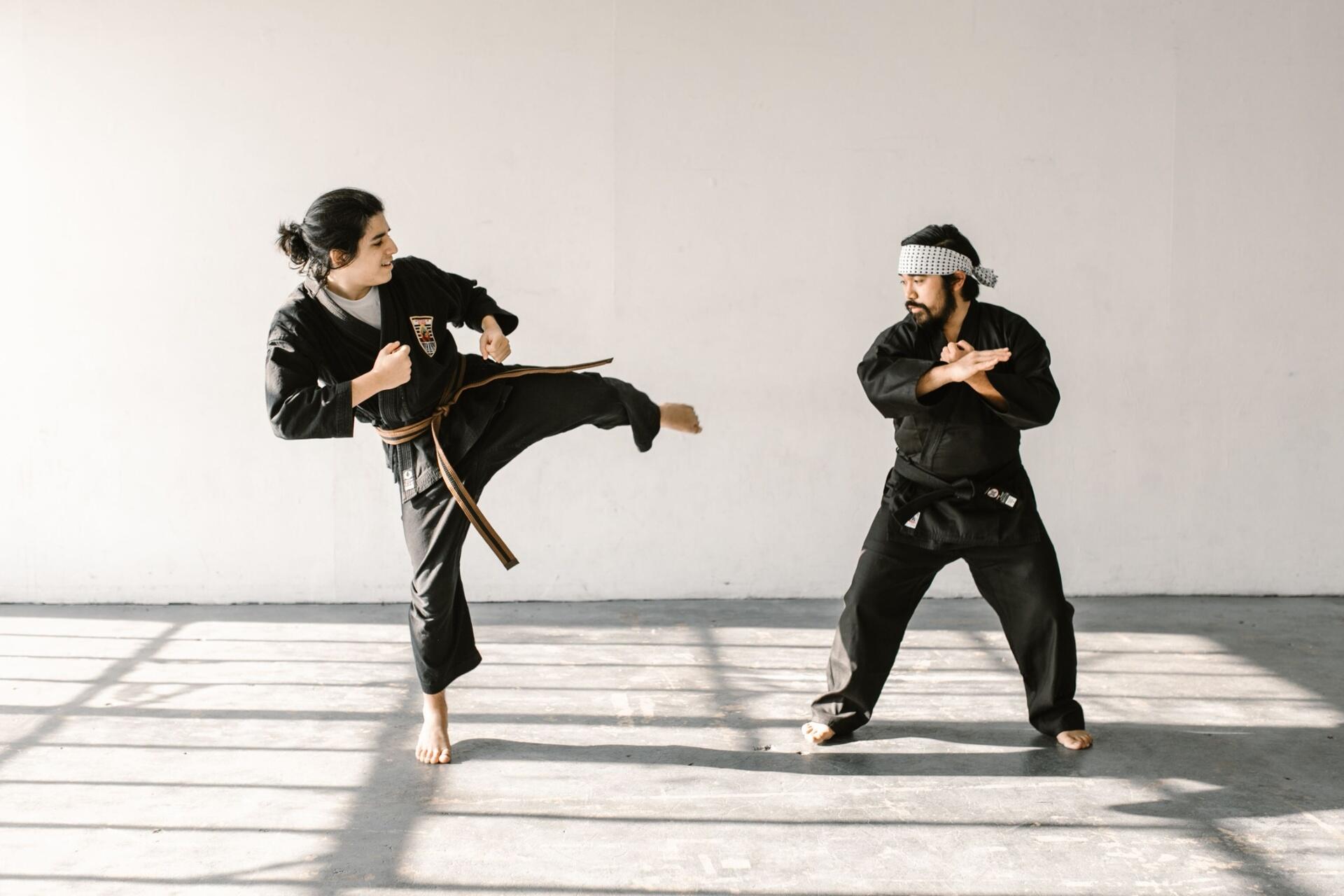
🏅 Why Yip Man Is Remembered
- 🥋 Preserved and popularised the traditional art of Wing Chun.
- 👨🏫 Mentored Bruce Lee, one of the most influential martial artists of all time.
- 🌍 Inspired the worldwide growth of Wing Chun through his students and teachings.
- 📚 Left a lasting legacy that continues to shape martial arts education today.
Although he was not known for competitive success, Yip Man's emphasis on efficiency, precision, and practical self-defence helped establish Wing Chun as one of the world's most respected styles.
Through his dedication to teaching and preserving Wing Chun, his legacy continues to inspire generations of practitioners worldwide.
Yip Man's remarkable life and martial arts legacy inspired the internationally acclaimed Ip Man film series, introducing his story to audiences worldwide.
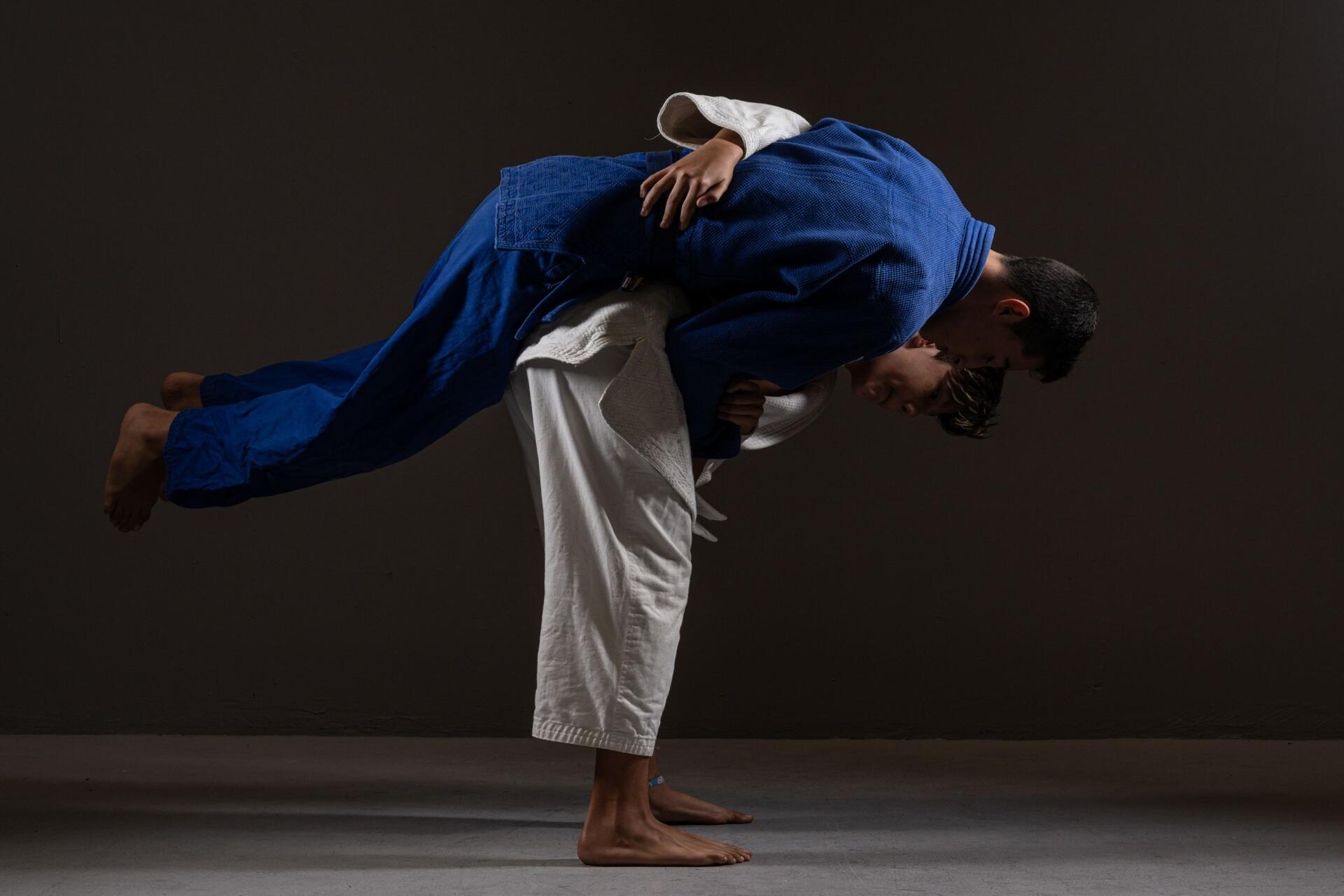
8. Jigoro Kano
Jigoro Kano founded Judo in 1882 by modernising traditional Japanese jujutsu 1. He believed martial arts should develop both physical ability and character, promoting the principles of maximum efficiency and mutual welfare.
His innovative approach transformed martial arts education, helping make Judo one of the world's most widely practised disciplines and an Olympic sport 3.
🏅 Jigoro Kano's Enduring Legacy
Jigoro Kano's vision transformed martial arts from traditional combat training into a discipline that promotes lifelong learning, respect, and personal growth.
Jigoro Kano introduced the kyū/dan belt ranking system, a structure later adopted by many martial arts around the world.
📸 Credit: Pexels / Tapas Das
9. Royce Gracie
Royce Gracie is best known for popularising Brazilian Jiu-Jitsu (BJJ) through his success in the early Ultimate Fighting Championship (UFC)2. By defeating much larger opponents, he proved that technique, leverage, and strategy could overcome size and strength.
His achievements transformed modern combat sports and established Brazilian Jiu-Jitsu as a cornerstone of contemporary mixed martial arts.
🌍 Defining Achievements
Royce Gracie's groundbreaking performances revolutionised combat sports and established Brazilian Jiu-Jitsu as one of the most respected martial arts in the world.
Royce Gracie won three of the first four UFC tournaments, helping introduce Brazilian Jiu-Jitsu to a global audience.
10. Donnie Yen
Donnie Yen is a renowned martial artist and actor, best known for portraying Ip Man and introducing Wing Chun to audiences worldwide. Through his films, he has showcased a variety of fighting styles while helping preserve and promote traditional Chinese martial arts.
His innovative fight choreography and commitment to realism have made him one of the most influential figures in
🎬 Donnie Yen's Career Highlights
Donnie Yen's contributions to both martial arts and film have helped preserve traditional fighting styles while redefining modern action cinema for audiences around the world.
Donnie Yen is trained in multiple martial arts, including Wing Chun, Tai Chi, Boxing, Kickboxing, and Brazilian Jiu-Jitsu, making him one of the most versatile martial artists in modern cinema.
The Evolution of Martial Arts Through These Legends
The greatest martial artists have influenced far more than competitive sport. Through innovation, teaching, and entertainment, they have shaped modern self-defence, combat sports, and training methods while inspiring practitioners and audiences worldwide, including in Malaysia.
Impact on Modern Martial Arts
The contributions of these legendary figures have transformed how martial arts are practised, taught, and applied today. Their ideas continue to shape athletes, coaches, and practitioners across a wide range of disciplines.
The rise of Mixed Martial Arts (MMA)
Modern Mixed Martial Arts (MMA) is built on the integration of multiple fighting systems rather than a single discipline. The philosophies and techniques introduced by several of these martial artists helped shape this evolution.
Today, professional MMA athletes typically combine striking, grappling, wrestling, submissions, and defensive techniques, reflecting the lasting influence of these pioneers.
Influence on self-defence and training methods
The teachings of these legendary figures have also shaped modern self-defence and training methods.
Their influence can be seen through:
🛡️ Greater emphasis on practical, real-world self-defence.
🧠 Training that develops both mental resilience and physical fitness.
🔄 Cross-training across multiple disciplines to create well-rounded practitioners.
👨🏫 Structured coaching methods suitable for beginners, competitors, and professionals.
Many training academies today continue to apply principles introduced by Bruce Lee, Jigoro Kano, Helio Gracie, and Yip Man.
On the Nature of Mastery: "I fear not the man who has practiced 10,000 kicks once, but I fear the man who has practiced one kick 10,000 times."
— Bruce Lee
Impact on Martial Arts Culture in Malaysia
Malaysia has embraced a wide range of martial arts, with traditional Silat thriving alongside popular international disciplines such as Karate, Taekwondo, Judo, Wing Chun, Muay Thai, Brazilian Jiu-Jitsu, and MMA.
Integration into Malaysian sports and culture
The legacy of these martial artists can be seen across Malaysia through:
Which of These Greatest Martial Artists of All Time Is Your Favourite?
Malaysian martial artists inspired by these legends
Several Malaysian athletes have credited international martial arts pioneers as inspirations for their careers, including:
If you are interested in knowing more about the different types of martial arts that exist around the world, you can check out Unique Martial Arts from Asia, Africa & Australia.
🌏 Cultural Influence
The influence of these legendary figures extends far beyond training halls and competitions. Their stories, philosophies, and achievements have become part of global culture, inspiring millions through entertainment, education, and personal growth.
Representation in movies, literature, and media
These pioneers have shaped popular culture through:
These portrayals have introduced martial arts to audiences who may never have stepped into a dojo, dojang, or gym. Also different movies have sparked an interest among many to find resources to learn martial arts such as Wing Chun.
Promoting martial arts philosophy worldwide
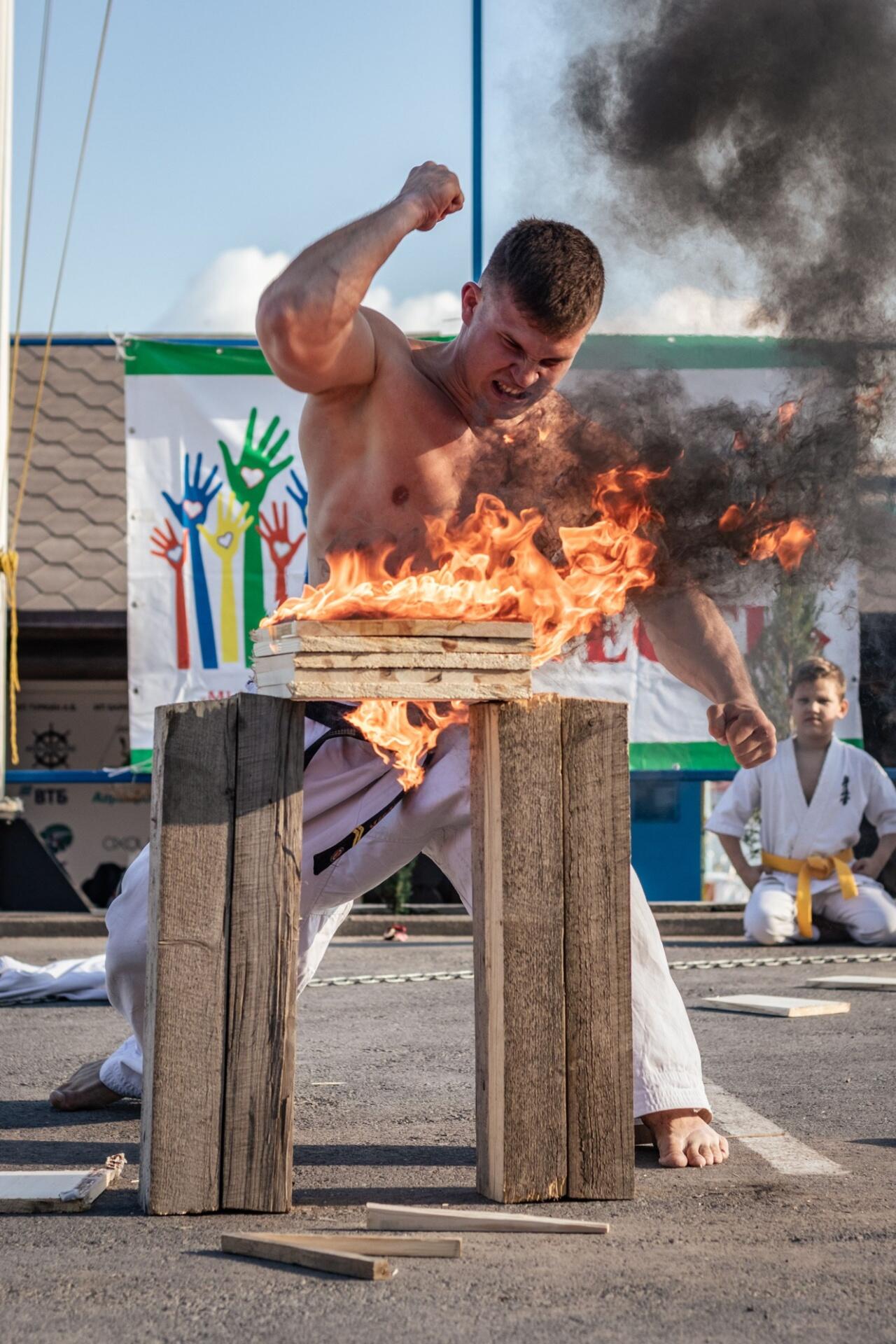
Beyond physical combat, these legends helped spread values that remain central to martial arts today, including:
- 🤝 Respect for opponents and instructors.
- 💪 Discipline, resilience, and perseverance.
- 🧘 Continuous self-improvement and lifelong learning.
- ⚖️ The balance between physical ability, mental strength, and ethical behaviour.
- 🌍 Promoting cultural understanding and unity through the shared practice of martial arts.
The greatest martial artists have left a lasting legacy through their skill, innovation, and philosophy. Their contributions continue to shape modern martial arts, inspire practitioners worldwide, and demonstrate that true martial arts are built on discipline, respect, and continuous self-improvement.
References
- International Judo Federation.History of Judo. International Judo Federation, https://www.ijf.org/history.
- Ultimate Fighting Championship.UFC Hall of Fame: Royce Gracie. Ultimate Fighting Championship, https://www.ufc.com/athlete/royce-gracie.
- International Olympic Committee.Judo. Olympics.com, https://olympics.com/en/sports/judo/.
Summarise with AI:
Did you like this article? Leave a rating!

 Loading...

