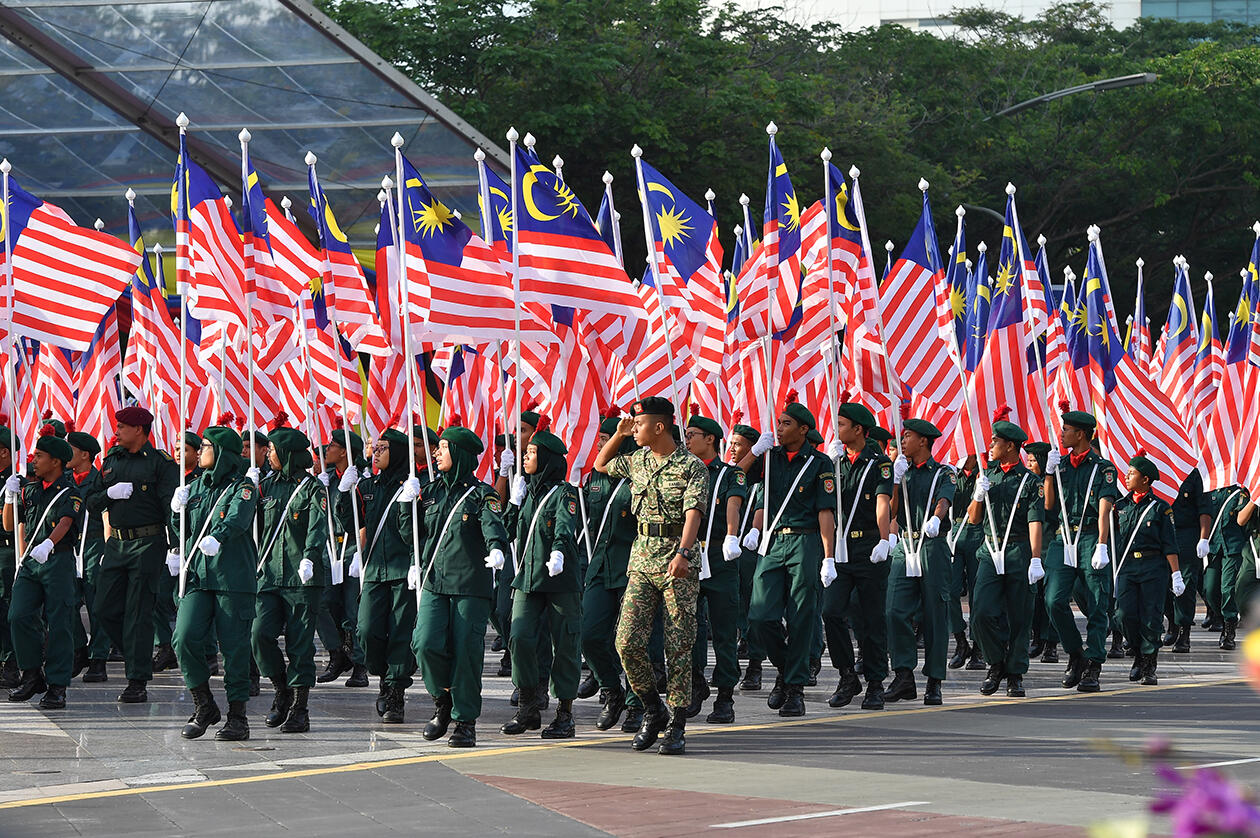

Have you ever wondered about the difference between Merdeka and Malaysia Day? Malaysia observes two important national holidays every year: Hari Merdeka on 31 August and Hari Malaysia on 16 September.
While both celebrations are linked to the nation’s history, they commemorate different historical events.
In simple terms, Merdeka Day celebrates the Federation of Malaya's independence from British colonial rule, while Malaysia Day commemorates the formation of Malaysia, bringing together Malaya, North Borneo (now Sabah), Sarawak, and Singapore into a new federation.
In this guide, we will explain the distinction between these two national holidays and explore their significance in shaping Malaysia's development and national identity.
| Feature | Merdeka Day | Malaysia Day |
|---|---|---|
| Date | 31 August | 16 September |
| Also Known As | Hari Merdeka, National Day | Hari Malaysia |
| First Celebrated | 1957 | 1963 |
| Commemorates | Independence of the Federation of Malaya | Formation of Malaysia |
| Historical Event | End of British colonial rule in Malaya | Union of Malaya, Sabah, Sarawak and Singapore |
| Significance | National independence | Nation-building and federation |
| Public Holiday | Yes | Yes |


History of Malaysia Independence
The Road to Independence1
To understand Malaysia's history of independence, it is important to look back.
Before independence, much of the Malay Peninsula was under British colonial rule and influence. Following the Second World War, as political awareness grew, local political leaders and communities began pushing for self-governance and constitutional reforms.
As the movement for independence gained momentum, leaders from different communities came together to form the Alliance party, made up of UMNO (led by Tunku himself), MCA (led by Tun Tan Cheng Lock) and MIC (led by Tun V.T Sambanthan).
This coalition played an important role in the path toward independence for Malaya.
The Federation of Malaya held its first federal election in 1955. As a result, the Alliance party won a landslide victory, securing 51 out of 52 seats. This demonstrated strong public support for Alliance’s leadership and its push for self-governance and political stability.
Following the victory, Tunku Abdul Rahman became Chief Minister and led the newly elected government in negotiations with the British for independence.
In 1956, a delegation led by Tunku Abdul Rahman travelled to London on a Merdeka mission for constitutional talks with the British government.
The talks were successful, and the British agreed to a peaceful transition of power.
Proclamation of Independence
Upon returning from London after successful negotiations, Tunku Abdul Rahman and the delegates arrived at Padang Banda Hilir, Melaka.
He was welcomed by a massive crowd, where he also announced that the British government had officially agreed to grant independence, and the chosen date for Merdeka would be 31 August 1957.
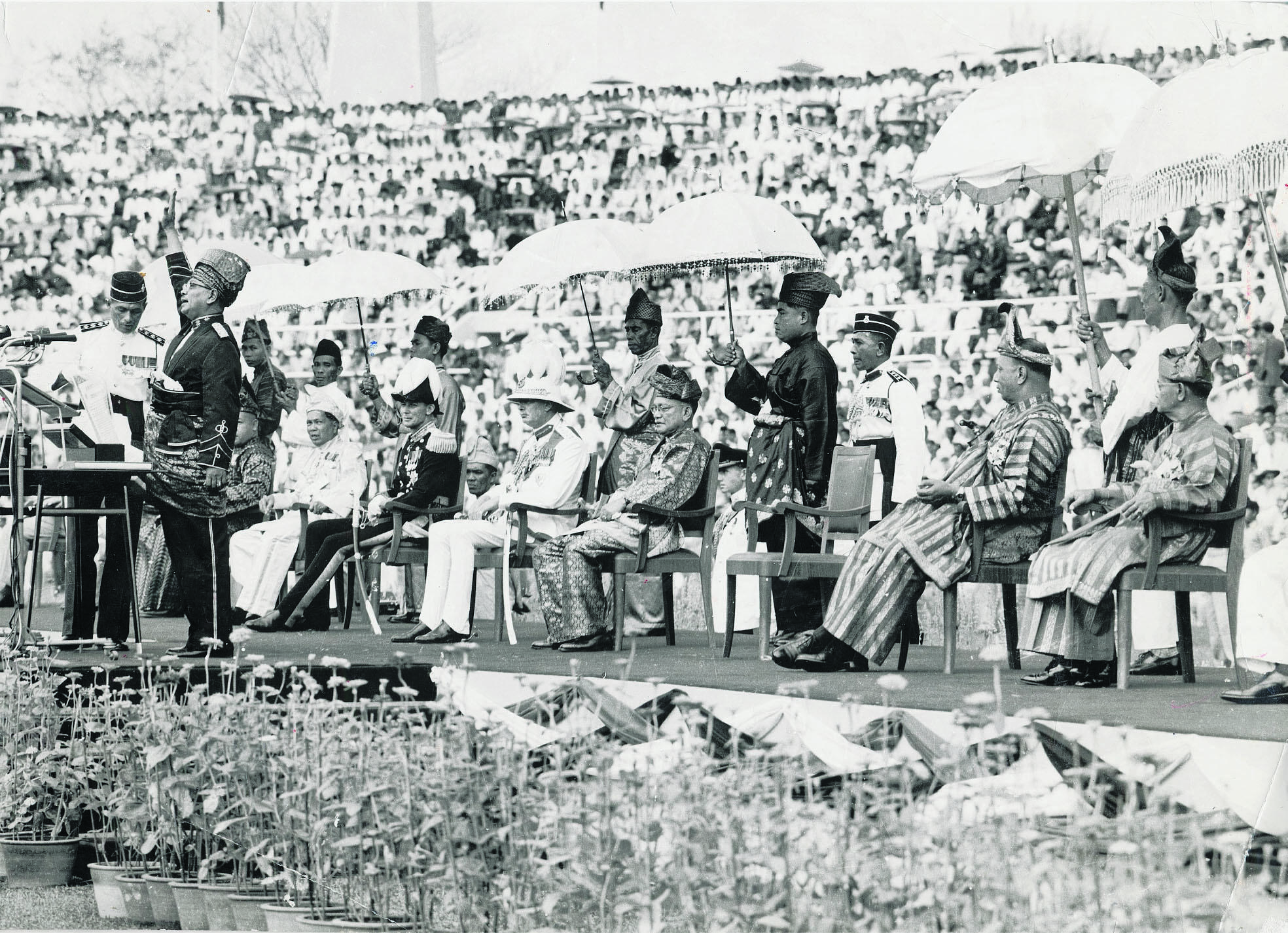
On 31 August 1957, thousands gathered at Stadium Merdeka in Kuala Lumpur to witness a historic moment in the nation's history. During the ceremony, Tunku Abdul Rahman Putra Al-Haj, the country's first Prime Minister, officially declared Malaya's independence.
"Merdeka! Merdeka! Merdeka!"
Tunku Abdul Rahman famously proclaimed "Merdeka" seven times before the crowd, symbolising the country's freedom and sovereignty.
The day is also an opportunity for Malaysians to reflect on the nation's journey through speeches and Merdeka quotes that honour the country's history and shared identity.
It was the day Malaya transitioned into a sovereign nation, and until today, it gives goosebumps to those watching it. It was truly an emotional moment.
Historical Background of Malaysia Day
Malaysia Formation History
While Merdeka Day Malaysia marks independence for the Federation of Malaya, Malaysia Day commemorates a different milestone altogether.
Tunku Abdul Rahman initially proposed this idea on 27 May 1961 during a meeting of foreign correspondents held in Singapore2. He proposed a unification plan comprising Malaya, Singapore, North Borneo (now Sabah), Brunei and Sarawak.
Ultimately, Brunei backed out of the merger after certain administrative and constitutional arrangements could not be mutually resolved.
In 1962, the Cobbold Commission, comprising five members with British and Malayan nominees, was established to gauge the public sentiment in North Borneo (Sabah) and Sarawak regarding their inclusion in the proposed Federation of Malaya.
Overall, the report suggested conditional majority support for the formation of Malaysia, provided certain safeguards were established to protect their rights and interests.
These safeguards were later formalised in the Inter-Governmental Committee (IGC) Report, including the 20-Point Agreement for Sabah and the 18-Point Agreement for Sarawak3. The agreement addressed key issues such as religion, language, education, immigration, and financial autonomy.
On the other hand, Singapore held a referendum that showed majority support for merger under one of the proposed options, although all options were structured around some form of joining Malaysia4.
Following these developments, the Malaysia Agreement (1963) was signed on 9 July 1963 in London by representatives of the British government, the Federation of Malaya, Singapore, North Borneo, and Sarawak.
The formation of Malaysia aimed to strengthen regional cooperation, promote economic development and support the transition from colonial rule to self-governance.
(Note: Singapore separated from Malaysia and became an independent nation on 9 August 1965.)
Our youth are like unpolished gemstones. They will inherit our nation and will determine its fortunes in the years ahead. They must possess intellectual capacity, knowledge and culture. They must possess physical well-being and strong morals. Our youth must be prepared to lead our nation to greater heights.
Former prime minister Tun Abdullah Badawi
Challenges and Delays
Interestingly, the formation of Malaysia was originally planned for 31 August 1963. However, the date was postponed to 16 September 19635.
This was due to regional geopolitical tensions and the need for a subsequent verification process from the United Nations.
Indonesia's President Sukarno opposed the formation of Malaysia, while the Philippines raised claims over Sabah based on historical ties.
To resolve these concerns peacefully, the involved nations signed the Manila Accord, requesting the United Nations to independently assess public sentiment in Sabah and Sarawak6.
The UN survey team was sent to the Borneo territories to conduct interviews and evaluate local views on the proposed federation.
Ultimately, the UN released a report confirming that the majority of the public supported the merger, contributing to the formation of Malaysia on 16 September 19637.
Key Differences Between Hari Malaysia vs Merdeka Day
Dates and Events Commemorated
The most significant difference between Merdeka and Malaysia Day lies in the historical events being commemorated.
- Merdeka Day (31 August 1957): Celebrates the independence of the Federation of Malaya from British rule.
- Malaysia Day (16 September 1963): Commemorates the formation of Malaysia through the union of Malaya, Sabah, Sarawak and Singapore.
Although the two events are connected, they represent different stages of the nation's development. Independence came first, while the formation of Malaysia followed several years later.
Significance to Different Regions
Both holidays are gazetted as nationwide public holidays, but their historical significance may be viewed differently across regions.
For many people in Peninsular Malaysia, Hari Merdeka represents the achievement of independence and self-governance. It is an historic day when the nation gained its independence from British colonial rule.
For the people in Sabah and Sarawak, Hari Malaysia holds particular significance because it commemorates their entry into the federation and their role in shaping modern Malaysia.
Together, both celebrations contribute to a shared understanding of Malaysian history and identity.
Malaysia Day was gazetted as a nationwide public holiday in 2010, thanks to our then Prime Minister Dato Sri Najib Tun Razak.
Celebrations and Traditions
Merdeka Day Celebrations
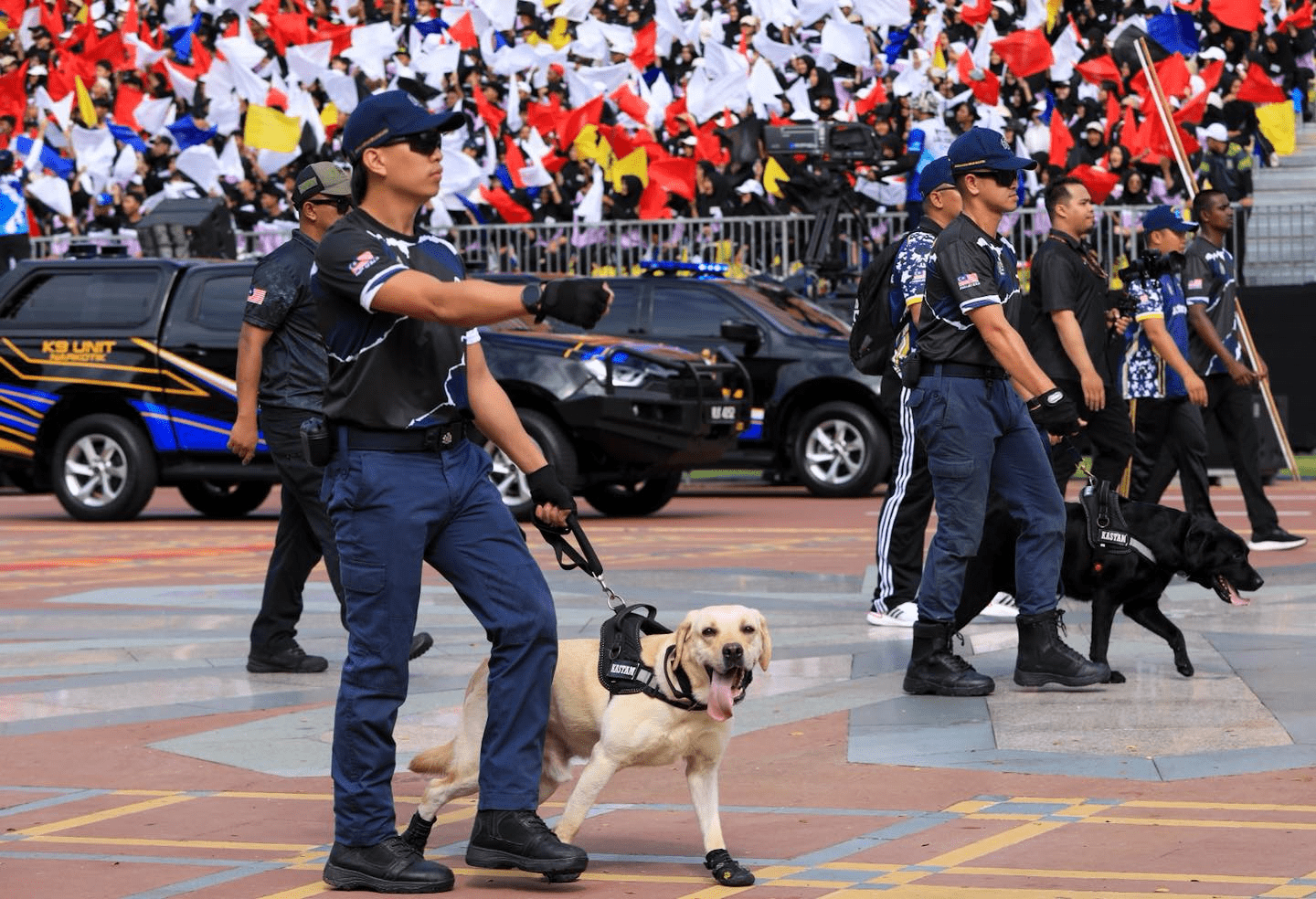
Every year, Merdeka Day celebrations feature parades, flag-raising ceremonies, and cultural performances across the country, often accompanied by patriotic music and widely recognised Merdeka songs.
The national parade is often attended by government officials, uniformed services, students and members of the public.
Buildings, homes and businesses are commonly decorated with the Jalur Gemilang as Malaysians appreciate and celebrate the country's independence.
Malaysia Forever was a song composed by Canadian folk singer Bobby Gimby in 1963 to celebrate the formation of Malaysia. The song became widely associated with early Malaysia Day celebrations and earned Gimby the nickname "The Pied Piper of Canada."
Malaysia Day Celebrations
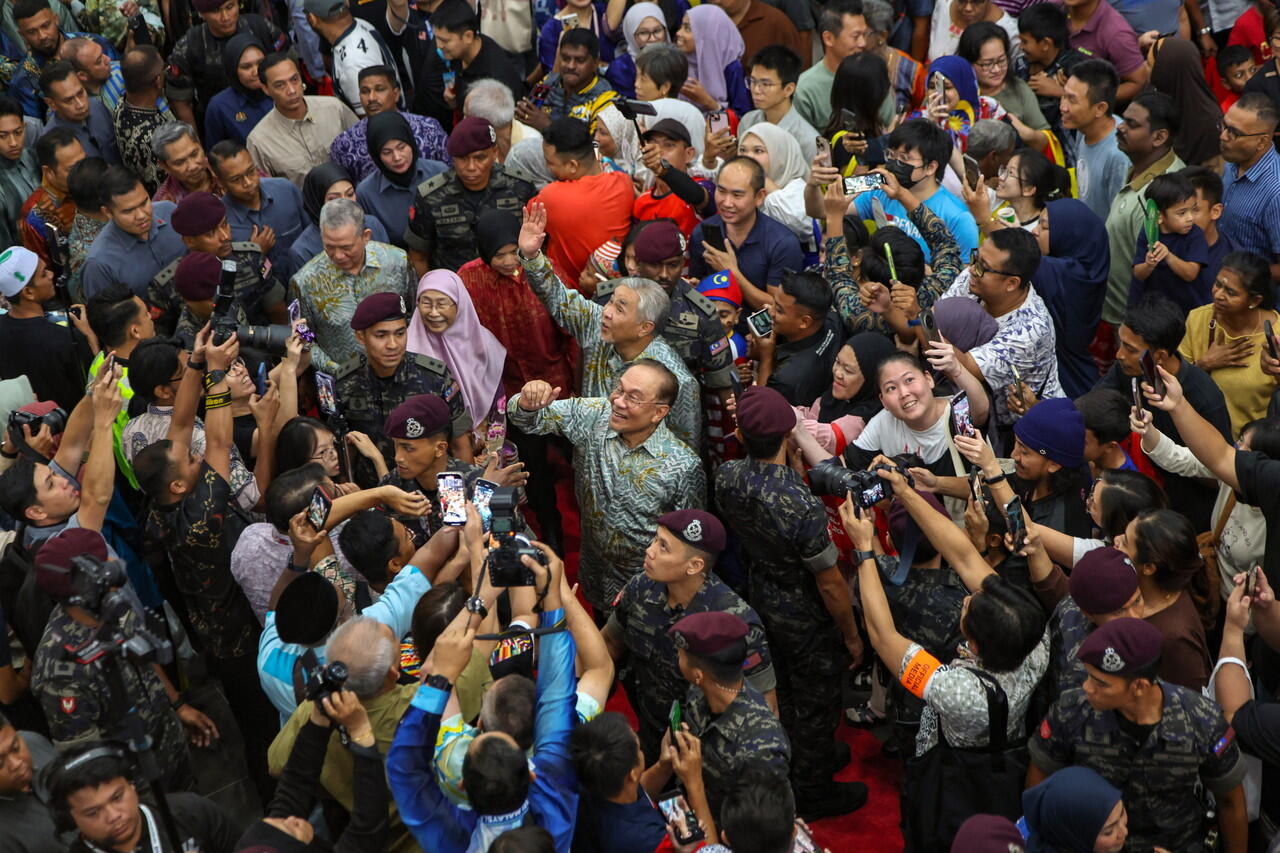
Malaysia Day celebrations often focus on promoting unity and appreciation of Malaysia's cultural diversity.
Official ceremonies, cultural showcases and community programmes are organised throughout the country. Every year, the celebration takes turns across East and West Malaysia.
Celebrations often place special emphasis on the contributions and heritage of Sabah and Sarawak, highlighting the diversity that forms part of Malaysia's national identity.
Common activities include cultural performances, exhibitions, community programmes, and showcases of traditional attire from Malaysia's various ethnic communities.
Compared to Merdeka Day, Malaysia Day celebrations often place greater emphasis on the formation of the federation and the shared contributions of Malaya, Sabah, and Sarawak to the nation.
Last year, the celebration took place at Arena Butterworth, Penang.
Common Misconceptions and Clarifications
Misunderstanding the Two Holidays
One reason people search for Malaysia Day vs National Day is that the two holidays are sometimes mistakenly treated as the same event.
| Common Misconception | Reality |
|---|---|
| Merdeka Day and Malaysia Day are the same holiday | They commemorate different historical events |
| Malaysia became independent in 1963 | Malaya became independent in 1957 |
| Merdeka Day marks the formation of Malaysia | It marks the independence of Malaya |
| Malaysia Day only matters in East Malaysia | It is a national celebration for all Malaysians |
| August 31 is Malaysia’s "birthday | Malaysia as a country did not exist in 1957. August 31 was strictly Independence Day for the Federation of Malaya. Malaysia was born on 16 September 1963. |
Importance of Both Days
The discussion around Hari Malaysia vs Merdeka should not be about choosing one celebration over the other.
Merdeka Day honours the achievement of independence and the end of colonial rule. It is a day to remember the struggles and sacrifices that led to independence and express gratitude for the freedom we enjoy today.
Malaysia Day commemorates the formation of Malaysia as a federation comprising Malaya, Sabah, and Sarawak in 1963.
Together, they tell the story of Malaysia's journey from independence to nationhood.
Understanding both events helps Malaysians appreciate the historical experiences that shaped the country and the contributions of all regions and communities within the federation.
This is also reflected in how people engage with national identity through Merdeka activities in schools and communities.
Two Dates, One National Story
Merdeka Day and Malaysia Day mark two defining moments in Malaysia’s history: independence in 1957 and federation in 1963.
Together, they remind Malaysians of the path to independence, the creation of the federation, and the shared history that continues to shape the country today.
References
- The Malayan Union and its impact - The Malaysian Bar. (n.d.). https://www.malaysianbar.org.my/article/news/legal-and-general-news/general-news/the-malayan-union-and-its-impact
- The National Library Board, Singapore. (n.d.). Retrieved June 17, 2026, from https://www.nlb.gov.sg/main/article-detail?cmsuuid=139cd6b7-7672-4163-9640-db47447e9399
- Perdana Digital • Pejabat Perdana Menteri. (1963). Perjanjian Malaysia. In Perdana Digital • Pejabat Perdana Menteri (Edisi September 2018, pp. 2–8).
- National Library Board Singapore. (n.d.). Retrieved June 17, 2026, from https://www.nlb.gov.sg/main/article-detail?cmsuuid=4df13c9f-e4f4-42ac-aae2-4d4245943927
- National Library Board Singapore. (n.d.-b). Retrieved June 20, 2026, from https://www.nlb.gov.sg/main/article-detail?cmsuuid=7fdd00ed-603e-47e0-8e08-f6499d385404
- UK Parliament, Malaysia (Federation) Volume 664: debated on Wednesday 1 August 1962. (n.d.). Retrieved June 17, 2026, from https://hansard.parliament.uk/commons/1962-08-01/debates/48ca525a-8852-4ace-bfe2-65aea42e5929/Malaysia(Federation)
- UNTC. (n.d.). https://treaties.un.org/pages/showDetails.aspx?objid=080000028012901b
Summarise with AI:
Did you like this article? Leave a rating!

 Loading...