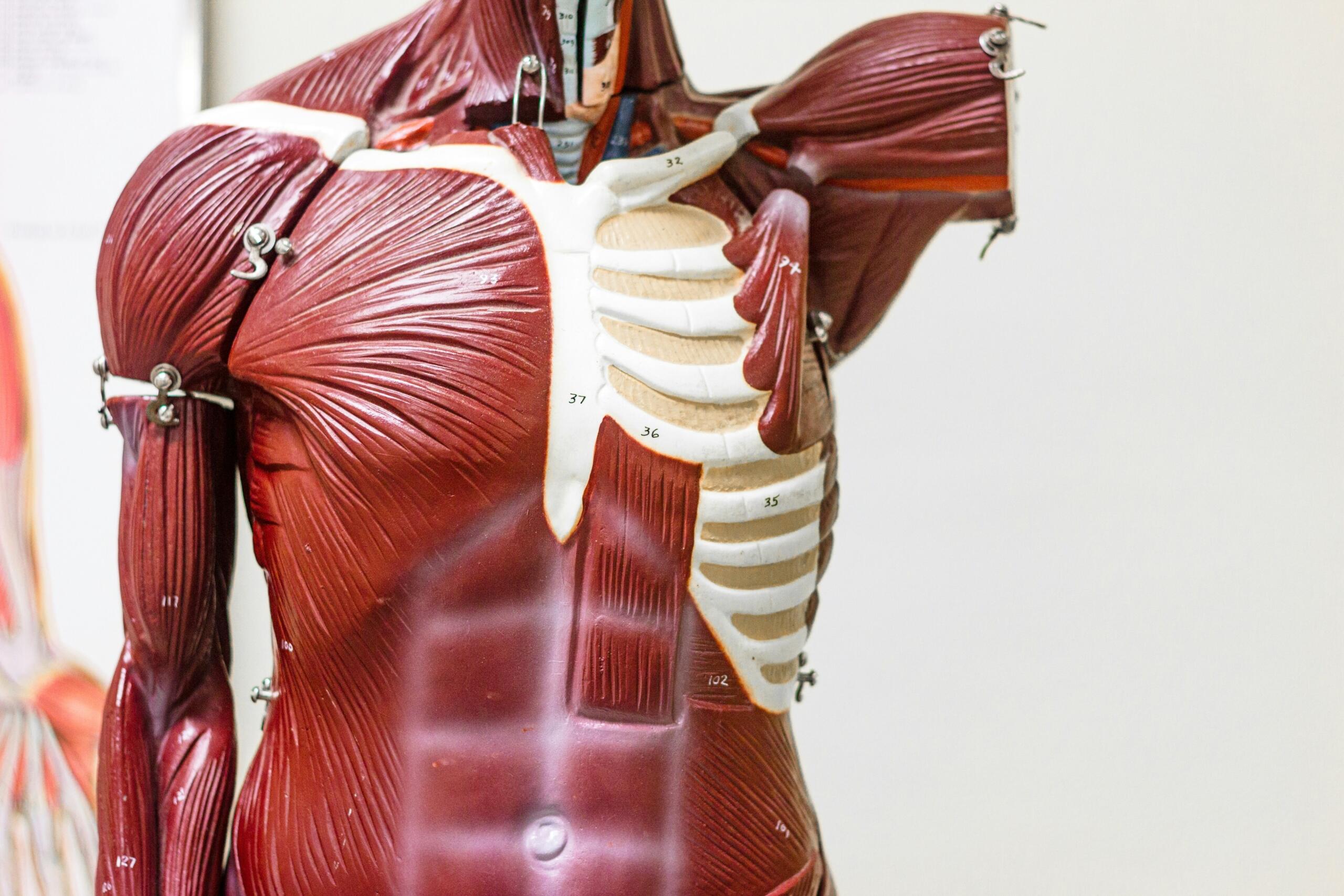

Studying human anatomy is one of the most effective ways to understand how our bodies work. Even for those who don't work in the healthcare field, understanding the human body helps us better comprehend movement, pain, injuries, posture, and even everyday habits — useful knowledge whether you're revising SPM Biology, preparing for a university exam, or simply someone who's always been curious about what's going on beneath the skin.
Among all the body's systems, the skeletal system is one of the most important, as it supports the body, protects vital organs, and enables mobility. In the quiz below, you'll be able to test your knowledge of the human skeleton. Shall we get started?
Quiz
Quiz :


📚Why Is It Important to Study Human Anatomy?
Human anatomy is the branch of science that studies the entire structure of the body: bones, muscles, organs, and systems. Understanding these structures isn't just about memorising names — it's a way to understand how the body works and how it responds to stimuli, physical exertion, and disease.
Human anatomy is directly linked to well-being: those who understand the body better tend to take better care of it. Understanding anatomy is essential because it:
- improves our understanding of movement and body posture — useful for anyone who spends long hours at a desk or hunched over a phone 🧘♀️
- helps prevent injuries and muscle or joint pain — think of recovering from a badminton, football or futsal game 🤕
- makes it easier to understand medical tests and diagnoses, from an X-ray at a local clinic to a physiotherapist's explanation of a sports injury 🩻
- is an essential foundation for fields such as medicine, nursing, physiotherapy, and physical education — all in-demand career paths in Malaysia 🩺
🦴The Skeletal System: The Body's Fundamental Structure
In human biology, the skeleton is perhaps one of the most important structures. The skeletal system is made up of bones, but also of cartilage, joints, and ligaments. It's considered the body's "framework," as it serves as physical support and the foundation for our movement.
bones in the human body, though this number can vary depending on certain factors like age. Babies are actually born with around 270 bones, many of which fuse together as they grow.
The bones of the adult human skeleton are strategically distributed to provide a balance between strength and flexibility. Although bones appear to be rigid, fixed structures, they're actually living tissues capable of regeneration and adaptation throughout life — a fact many students find surprising the first time they learn it.
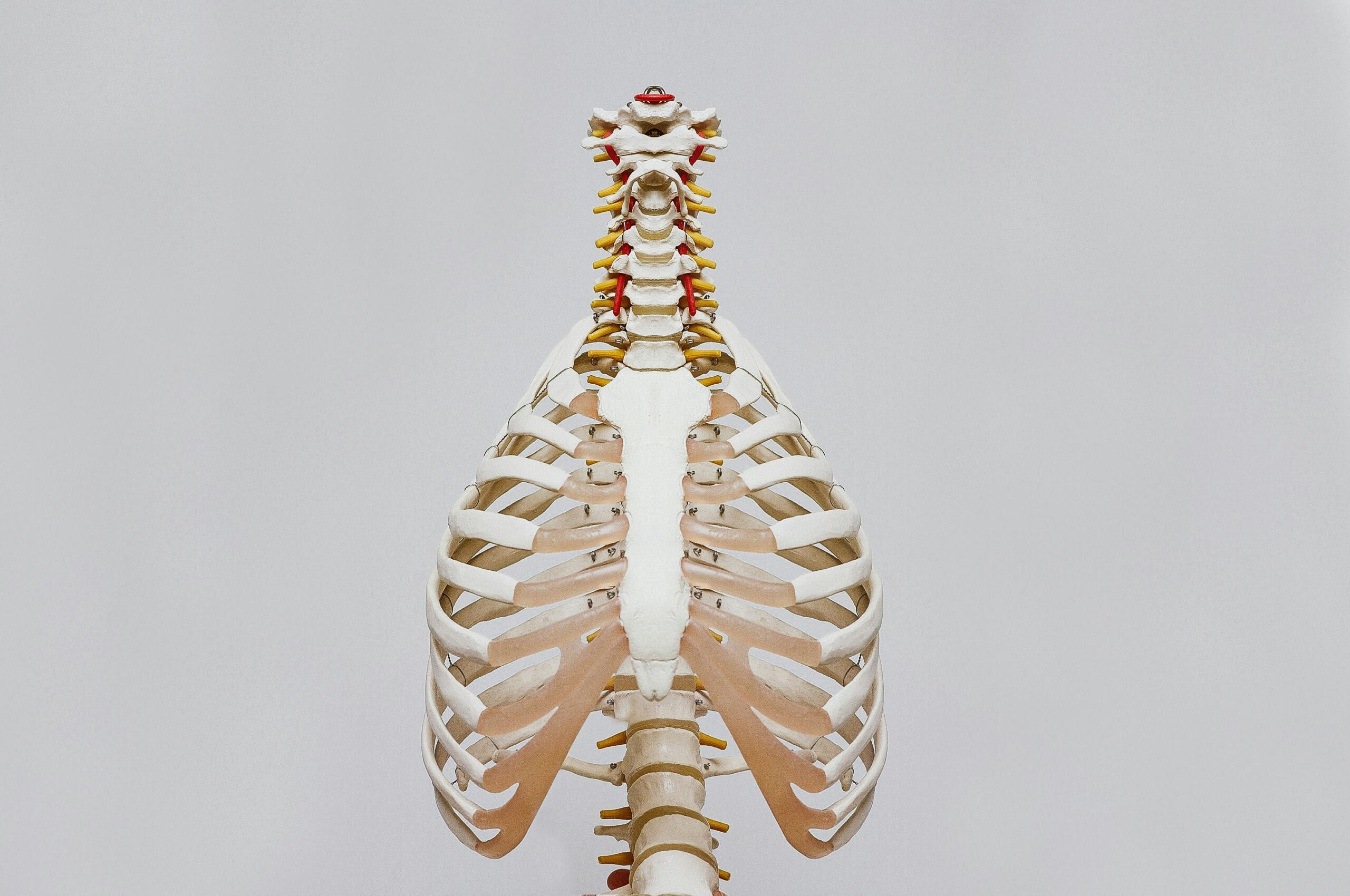
The human skeleton is traditionally divided into two main parts: the axial skeleton and the appendicular skeleton. As the name implies, the axial skeleton forms the central axis of the body — it's the part of the skeleton most closely associated with supporting and protecting vital organs, such as the skull, spine, and ribs. The appendicular skeleton, on the other hand, is primarily responsible for locomotion and movement, including the upper and lower limbs (arms, hands, legs, and feet), as well as the shoulder girdle and pelvic girdle (clavicle and scapula, pelvic bones).
⚙️Main Functions of the Human Skeleton
The human skeleton does more than just support the body. Its other essential functions include:
- Protecting vital organs 🧠
One of the most important functions of the skeletal system is protecting other vital structures. The skull protects the brain, the rib cage (ribs and sternum) protects the heart and lungs, and the spine protects the spinal cord. Many delicate organs rely directly on bones to prevent serious injury. - Movement and mobility 🏃♀️
The human body moves thanks to the interaction between bones, muscles, and joints. Bones act as levers, and muscles pull on the entire structure to produce movement. Without bones, there would be no locomotion. - Blood cell production 🩸
Inside some large bones is red bone marrow, responsible for producing blood cells: red blood cells, white blood cells, and platelets. This function is essential for immunity and oxygen transport. - Mineral storage 🦷
Bones also store important minerals, including calcium and phosphorus. When the body needs these minerals for other biological functions, it can draw on the reserves stored in bone tissue. That's one reason calcium-rich local foods like ikan bilis, tofu and dairy are often highlighted in Malaysian nutrition guidance.
Calcium helps to keep bones strong and dense. Roughly 99% of the body's calcium is stored in the bones and teeth, and inadequate calcium intake over time can lead to weaker bones and a higher risk of fractures or conditions like osteoporosis later in life.
🎓Studying Anatomy Is a Great Investment
The study of anatomy and the skeletal system goes far beyond simply memorising the names of each bone in the human skeleton. Learning how the skeletal system works helps you understand how the body is structured, how it moves, and how it protects itself — knowledge that pays off whether you're heading into a healthcare career or simply want to understand your own body a little better.
If you want to deepen your knowledge, don't hesitate to find a biology tutor on Superprof! On our platform, you'll find several options suited to your level and goals, whether you're preparing for SPM Biology or brushing up before a university programme.
And now that we've discussed the importance of this topic, feel free to share your results from our human anatomy quiz in the comments below!❤️
Summarise with AI:
Did you like this article? Leave a rating!

 Loading...