

Many people wonder whether is latin still spoken or does latin language still exist. The fact is, Latin is often considered a “dead” language, as no one speaks Latin today and it no longer has a community of native speakers.
The language did not just vanish overnight, but it changed over time. During the Late Republic and Early Empire, Latin spread across the Roman Empire, and different forms of spoken Latin developed in various regions. Over time, these regional variations developed into modern Romance languages such as Italian, French, Spanish, Portuguese and Romanian.
Latin also remains important in religion, science, law and education, and its influence lives on in languages spoken by millions today. The Roman Catholic Church uses it in religious contexts. Although it is no longer an ordinary spoken language, it is still studied in schools and universities.
Yes, Latin is usually classified as a dead language because no modern community speaks it as its first or native language. However, Latin has not disappeared: it is still used by the Roman Catholic Church, studied in schools and universities, and survives through the Romance languages, including French, Spanish, Italian, Portuguese and Romanian.


What Does “Dead Language” Mean?
A dead language is not the same as an extinct language
A dead language is a language that is no longer spoken by children within a natural speech community. This makes Latin a dead language, as it is no longer passed down from one generation to the next as an everyday native language.
So, is Latin still spoken? Yes, although Latin is no longer in popular use and is not used widely in everyday communication, it has not disappeared completely or lost its importance.
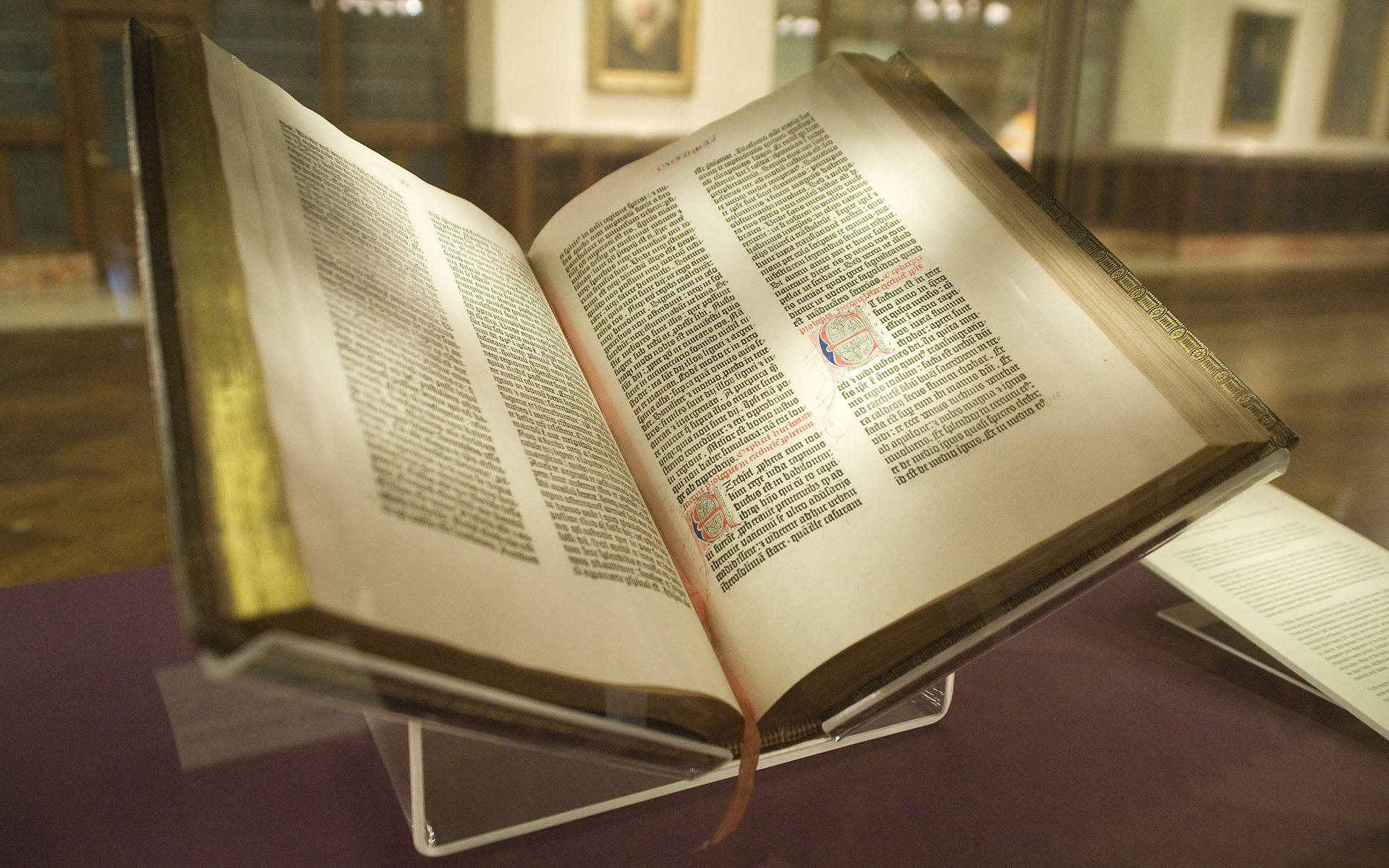
An extinct language, in contrast, has no speakers at all and is no longer used for communication. It may also have little or no continuing cultural or practical use.
If you wonder does Latin language still exist, Latin is a good example of a dead language that is not extinct. Although children no longer naturally study Latin as their first language, it continues to be taught in schools and universities, studied by historians and linguists, and used in religious and scholarly contexts. It also remains part of scientific terminology, law, medicine and modern vocabulary.
You may also wonder why anyone would study Latin.
Why Latin fits the definition
Fluency by itself does not make a language living. Priests, academics, students and enthusiasts may speak Latin fluently, but it still lacks a continuous native-speaking population. Latin therefore fits the definition of a dead language, as no natural speech community today raises children to speak it as their first language or everyday home language.
Dead languages versus living classical languages
Latin shares certain similarities with other classical languages, such as Ancient Greek and Sanskrit, which retain significant religious, literary and academic importance.
Latin
Latin as a dead language has not completely disappeared as a living language. It was used widely during the Roman Empire in religious traditions, education, science and scholarship.
Latin is still used today in the Catholic Church.
Ancient Greek
Its ancient form is no longer spoken natively, although Modern Greek remains a living language
Sanskrit
Continues to be studied and used in religious, ceremonial and scholarly settings.
| Term | Meaning | Example |
|---|---|---|
| Living language | Spoken natively by communities today | Malay, English, Mandarin |
| Dead language | No native-speaking community, but still used or studied | Latin |
| Extinct language | No known speakers and little continuing use | Many ancient regional languages |
Why Did Latin Stop Being Spoken as an Everyday Language?
To understand why the Latin language died, or why Latin is no longer in popular use, it is important to examine why Latin was abandoned as an everyday spoken language.
Latin did not disappear overnight

During the Middle Ages, Latin no longer remained a universal language. Because each dialect became autonomous and stood out as the lingua franca of each kingdom it was spoken in, Latin slowly faded and gave birth to the Romance languages that are still spoken today.
Historians commonly agree on three steps leading to the slow death of Latin:
Latin stopped being spoken in everyday life. However, its regional forms, particularly Vulgar Latin, developed into the Romance languages. In England, Old English replaced Latin entirely by the 7th century AD.
During the Renaissance, Latin ceased to be used in many of the fields it had held so far. Although Latin continued to be used in religious, academic and scholarly settings, it gradually lost its widespread practical use.
From the Renaissance movement, Latin slowly stopped being taught to the many but was only studied by the few. For instance, the Catholic Church preserved Ecclesiastical Latin for religious purposes.
The difference between Classical Latin and Vulgar Latin
Classical Latin was the prestigious and formal variety of Classical Latin used in literature, government, education and official writing. It was associated with educated elites and well-known writers such as Cicero and Virgil. Although the Latin language was widely used throughout the Roman Empire, Classical Latin was not the main form of everyday speech.
Classical Latin was the prestigious and formal variety of Latin used in literature, government, education and official writing. It was associated with educated elites and well-known writers such as Cicero and Virgil.
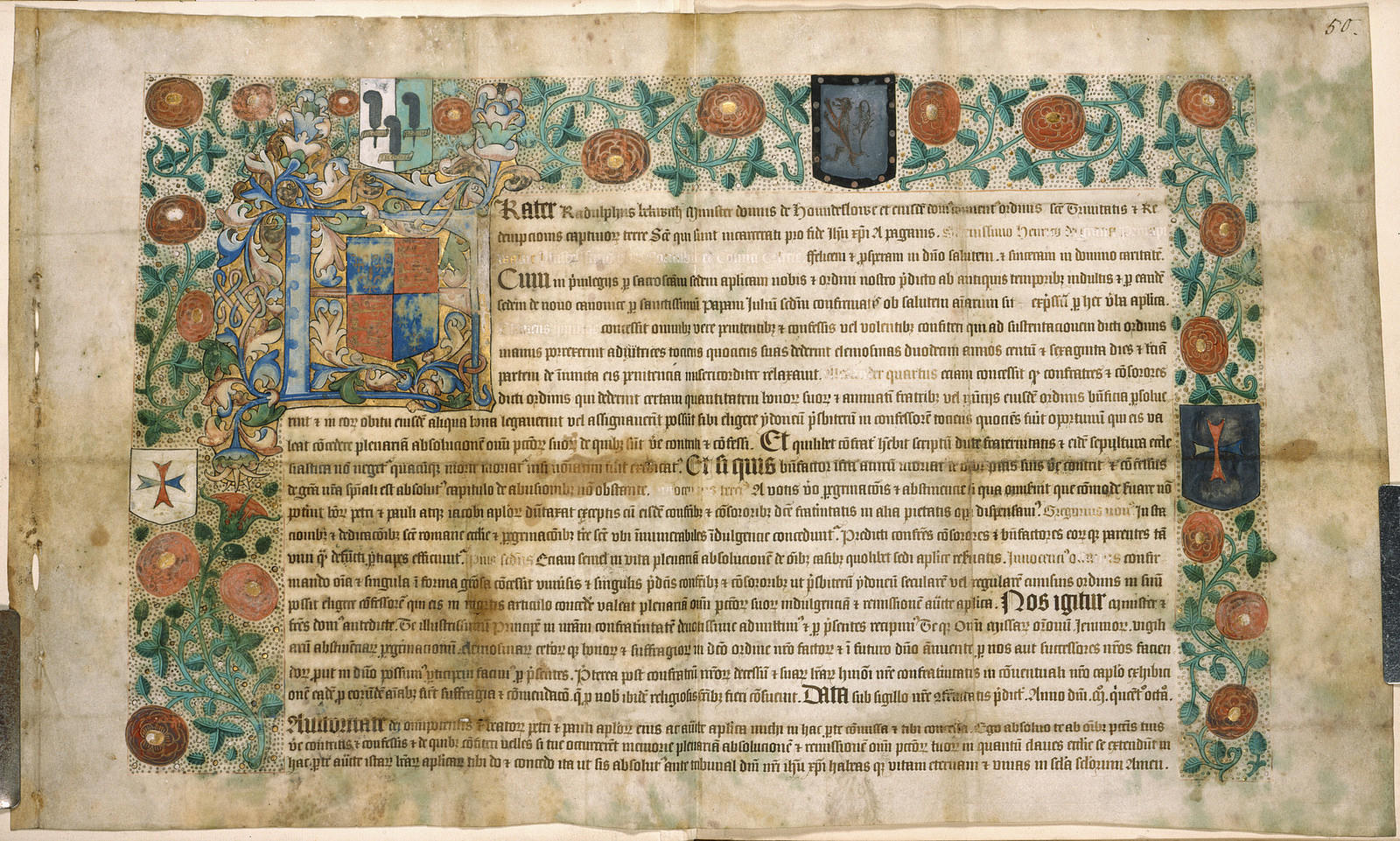
Although the Latin language was widely used throughout the Roman Empire, Classical Latin was not the main form of everyday speech.
Vulgar Latin, on the other hand, refers to the everyday spoken Latin used by ordinary people throughout the Roman Empire. The word vulgar means common or popular, not rude or offensive.
This distinction is important because most Romans did not speak in the formal style of Classical Latin found in literary texts. Instead, they used everyday varieties of spoken Latin, which gradually developed into the Romance languages spoken today, showing how Latin dead language varieties continued to influence modern languages.
These Romance languages are the native language of more than 690 million people on Earth.
How spoken Latin became new languages
The following table shows how Latin evolved into the modern Romance languages instead of simply dying. The similarities between French, Spanish, and Italian words reveal their shared origin, showing how these languages descended from a common Latin root.
| Latin | French | Spanish | Italian | English meaning |
|---|---|---|---|---|
| aqua | eau | agua | acqua | Water |
| mater | mère | madre | madre | Mother |
| bonus | bon | bueno | buono | Good |
| pater | père | padre | padre | Father |
| sol | soleil | sol | sole | Sun |
| luna | lune | luna | luna | Moon |
| terra | terre | tierra | terra | Earth / Land |
| rosa | rose | rosa | rosa | Rose |
| novus | nouveau | nuevo | nuovo | New |
Why Latin was no longer in popular use
c. 753 BCE
Traditional founding date of Rome
1st century BCE–1st century CE
Classical Latin literary period
5th century CE
Western Roman Empire declines
6th–9th centuries
Regional spoken Latin varieties become increasingly distinct
842 CE
Strasbourg Oaths, often cited among the earliest texts showing a clear move away from Latin towards early Romance vernaculars
Medieval period onwards
Latin remains important in religion, scholarship and law
Is Latin Still Spoken or Does the Latin Language Still Exist?
Latin in the Roman Catholic Church and Vatican City
Even today, Latin remains the official language of the Holy See, the central governing body of the Roman Catholic Church. It is used in some official Church documents, religious ceremonies, traditional prayers, mottos and liturgical contexts.
Vatican City, which is located within Italy, also provides an interesting example of Latin's continued presence. However, the Church’s use of Latin does not mean that Latin is commonly spoken as a daily native language.
Latin in science, medicine, law and education
Although you might wonder why Latin is no longer in popular use, it still continues to be used in several professional and academic fields.
Some common examples include:
- Scientific names for plants and animals often use Latin or Latinised words. For example, Hibiscus rosa-sinensis is the scientific name of the Chinese hibiscus.
- Medical terminology contains many Latin terms used to describe body parts, diseases and medical procedures.
- Legal expressions such as habeas corpus, bona fide and pro bono are still widely used in legal systems.
- Universities use Latin in traditional mottos, inscriptions, and academic expressions.
- Latin remains important for studying ancient Roman literature, Christian theology and classical texts.
In Malaysia, students may encounter Latin-based scientific names and terminology when studying biology, medicine, pharmacy, law and university research. English, which is widely used in Malaysian higher education and professional settings, also contains many words derived from Latin. This answers the question: Does the Latin language still exist?
Can people learn and speak Latin today?
Yes. Latin can still be learned and spoken today. Students, historians, classicists, clergy and language enthusiasts around the world continue to study it.
Some people go beyond reading traditional Latin texts and actively practise speaking the language. In fact, some communities attend conversational Latin sessions, spoken-Latin events and write in Latin. Others create Latin podcasts to actively propagate the language.
However, this does not imply that Latin is a native language transmitted from parents to children. And this is the reason why Latin is generally classified as a dead language or an extinct language, even though it remains a living subject of study and occasional communication.
Where have you seen Latin most often?
How Latin Lives On in Modern Languages and Malaysian Life
Romance languages are Latin’s modern descendants
Romance languages, including Italian, Spanish, French, Romanian, and Portuguese, are not “bad Latin” or merely dialects; they are fully developed languages that have evolved from spoken Latin over many generations, each with its own grammar and vocabulary.
English, however, is not a Romance language because it is primarily Germanic. Nevertheless, English has borrowed many words extensively from Latin, especially through French, religion, law, medicine and science.
Latin roots in English and Bahasa Melayu contexts
Latin examples can be found in Bahasa Melayu as well. Instead, Malay has its own rich linguistic history, with major influences from Sanskrit, Arabic, Portuguese, Dutch and English. You are more likely to encounter Latin in Malaysia through English-language education, medicine, legal terminology and scientific classification.
Video – Comes from the Latin word videre, meaning “to see”.
Data – Comes from the Latin word datum, meaning “something given”.
Campus – Comes from the Latin word campus, meaning “field”
Alumni – Comes from the Latin word alumnus, meaning “former students”
Curriculum – Comes from the Latin word curriculum, meaning “course of study”
Why learning Latin can still be useful
Why is Latin a dead language, and is Latin still spoken today? Although Latin has no native speakers, learning Latin can still be useful. Here is how it helps.
- Understanding the roots of English academic vocabulary
- Building awareness of how languages change
- Supporting the study of Romance languages
- Reading historical and religious texts
- Helping with terminology in medicine, law and biology
Where Malaysians may encounter Latin today
| Area | Examples |
|---|---|
| School and university | Latin terminology, university mottos and classical literature |
| Science and medicine | Scientific species names, anatomical terms and medical prescriptions |
| Law and public life | Latin legal expressions and institutional mottos |
| Travel and culture | Museums, churches, European history and Romance languages such as French, Spanish and Italian |
Common Misconceptions About Latin
There are several misconceptions regarding Latin: whether is latin still spoken, does latin language still exist, or why was latin abandoned. Let us look at some common misconceptions and the truth surrounding them.
Latin is an extinct language and still remains the official language of the Holy See (Vatican City). It is also actively spoken in academic and ecclesiastical contexts worldwide.
Latin did not become Italian alone. Italian is one among the Romance languages, like Spanish, Portuguese, and Romanian, that developed from spoken Latin.
Latin is considered a dead language as it no longer has a native speaking community. Yet, people still learn and use it today.
Latin remains the foundation of the Romance languages, provides terminology for scientific and legal disciplines, and contributes to English vocabulary.
Understanding why the Latin language died, and why Latin was abandoned, helps us recognise how languages change over time. In conclusion, although Latin is no longer spoken by native speakers, it continues to hold great importance as a studied, written, ceremonial, and influential language.
Its greatest legacy can be seen in the Romance languages, such as Italian, French, Spanish, Portuguese, and Romanian, which developed from Latin. Latin has also contributed many words to languages around the world, showing that its influence remains strong even though Latin is regarded as dead today.
References
- 1. Varvaro A. Latin and the making of the Romance languages1. In: Maiden M, Smith JC, Ledgeway A, eds. The Cambridge History of the Romance Languages. Cambridge University Press; 2013:6-56.
Summarise with AI:
Did you like this article? Leave a rating!

 Loading...