
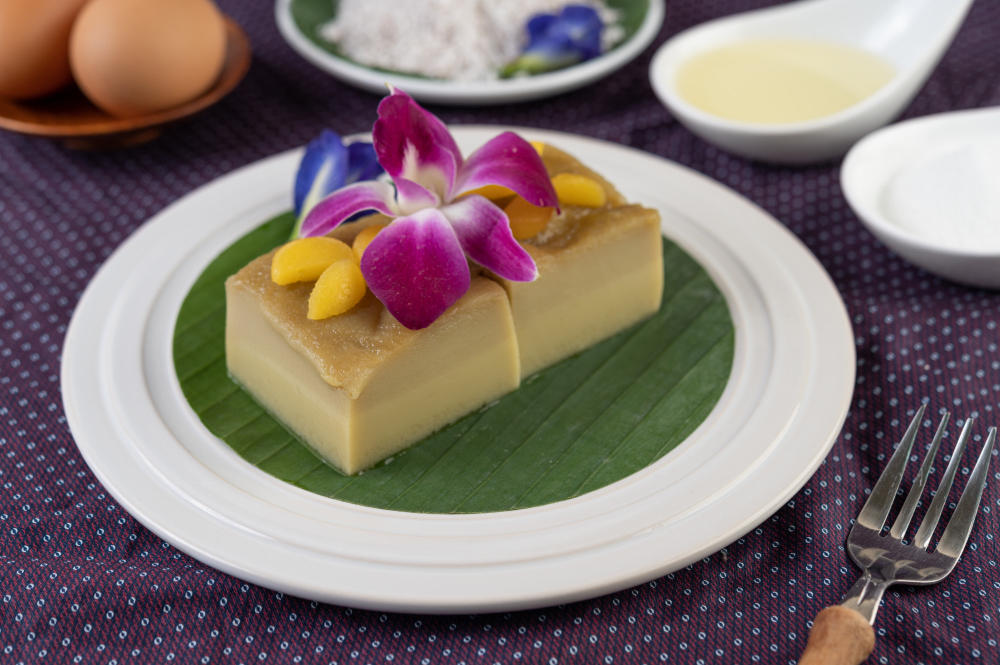

It's half past one. You've just finished a hearty meal for lunch.
But something still feels amiss. Ah, we're talking about desserts.
Instead of the usual ice cream or creamy cakes, you would prefer something lighter and more textured.
Hmmmm, maybe you should start looking/cooking for Malaysian kuihs for your tea break?
In this article, join us on a foodie expedition as we navigate the galaxy of Malaysian kuih muihs and pastries.


Malay Kuihs To Enjoy During Festive Celebrations
While Malay kuihs are typically steamed or fried, they do have a wide range of flavours and ingredients.
Not sure where to start? No worries. We've come out with a few Malay kuihs selections to cater to different tastebuds and cooking styles.
Steamed Coconut Delights
Let's start with the classics. Do you know coconut is the 4th largest industrial crop of Malaysia after oil palm, rubber and rice?
This explains why coconut is a main ingredient that is used for many Malaysian local desserts. Here are some examples:
- Kuih Koci
A Malay kuih that has palm sugar filling and is coated with grated coconut. It has a sticky and chewy texture thanks to its glutinous rice dough.
- Kuih Ketayap
Also known as dadar gulung, kuih ketayap is made of rice flour and consists of grated coconut and palm sugar filling.
- Kuih Seri Muka
Unlike the first two kuihs that use grated coconut as their main ingredient, kuih seri muka uses coconut milk (aka santan) to create a fragrant and smooth texture.
That's because kuih seri muka is a pudding-like kuih with two layers: A steamed glutinous rice layer for the bottom and coconut milk custard layer for the top.
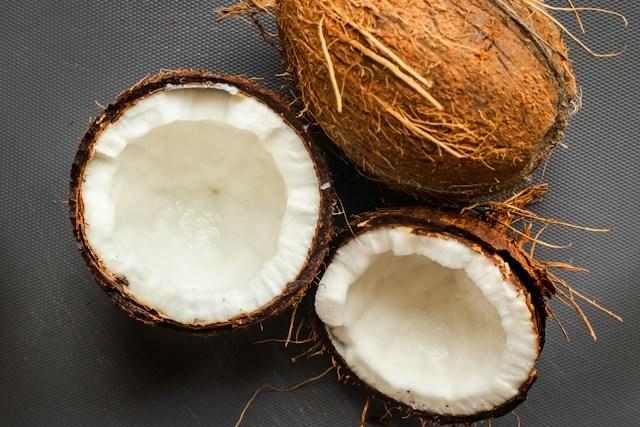
Photo by Louis Hansel on Unsplash
Fun fact: You would notice that these three kuihs mentioned are green in colour.
The reason behind that is due to another popular ingredient for deserts in Malaysia aka pandan juice.
Chewy Leafy Wraps
Malaysians love our food wrapped with leaves. Just take a look at nasi lemak, banana leaf rice and the rice dumplings eaten during the Duanwu festival.
Well, kuihs are not an exception too. Here are three examples to get the ball rolling:
- Lepat Pisang
A Minangkabau desert, lepat pisang is extremely easy to make. You need to prepare mashed bananas, plain flour and some grated coconut for the filling and batter.
Then you can wrap them in banana leaves and steam them for about 20 minutes.
- Tepung Pelita
A staple during the Ramadhan month, kuih tepung pelita is a double-layered custard dessert that caters to both savoury and sweet flavours.
It is named tepung pelita because it resembles the shape of an oil lamp when it's wrapped in a banana leave boat shape.
- Kelupis
Kelupis is a popular kuih that's eaten by the Malay community in East Malaysia (both in Sabah and Sarawak).
Instead of banana leaves, nyirik leaves are used to steam the previously cooked glutinous rice and coconut milk for a few hours. Once they're fully cooked, they can be served together with curry and even rendang.
Sizzling Fried Snacks
You're mistaken if you're only expecting steamed kuihs. There are many fried Malay kuihs that will satisfy your crispy cravings.
- Jemput-jemput
More commonly known as cekodok, jemput-jemput is usually a rounded kuih that is deep-fried with wheat flour. Some variations of jemput-jemput include bananas, or prawns and onions for those who prefer a savoury taste.
- Kuih Keria
Kuih Keria is basically our very own Malaysian sweet potato doughnuts. After deep frying, it is then glazed with syrup and coasted with sugar for a sweet finishing touch.
- Kuih Kasturi
At first glance, Kuih Kasturi is similar to jemput-jemput. But instead of banana or other ingredients, mung beans is used to mix with the batter before it's deep fried.
Explore the world of dessert making and baking as a beginner.
Authentic Nyonya Kuihs You Absolutely Cannot Resist
The beauty of living in Malaysia is the privilege of enjoying a multicultural cuisine.
Nyonya kuihs have had a long history in Malaysia, since the times of the birth Peranakan community. They are generally more colourful, smaller in size and mostly steamed.
If you're planning to introduce them to your friend who is visiting for the first time, you can refer to this recommendation list.
These are some of the most famous Nyonya kuihs that have conquered the hearts of foodies in Malaysia.
For the bean lover: Angku Kueh
Angku kueh is a traditional Nyonya with a tortoise shape pattern and it's usually red. The fillings angku kueh are usually mung beans or nuts.
According to Chinese beliefs, the tortoise is a symbol of longevity and good fortune. that's why it's usually served during big celebrations like a newborn's first month ( 满月) and the birthdays of seniors.
For the glutinous rice lover: Pulut Tai Tai
The glutinous rice is first cooked with santan and pandan leaves. Then the rice is pressed into a mould and served with kaya (coconut jam) or serunding (a spicy coconut side dish).
Pulut tai-tai gets its blue colour because it is also cooked with butterfly pea flower juice.
For the soft layers lover: Kuih Lapis Nyonya
Probably the most colourful Nyonya kuih ever, Kuih Lapis usually has nine layers. It's usually nicknamed Jiu Cheng Gao (九层糕) by the Chinese-speaking community.
It has a pudding-like texture and people usually eat it layer by layer. The flavour and colours are usually adapted from syrups, flowers or even pandan, depending on one's preferences.
Unique Chinese & Indian Kuihs That Make You Go Wow
There's more to discover when we're talking about kuihs from the Chinese and Indian communities.
Apam Balik
Not to be confused with kuih apam, Apam Balik is actually a kuih that originated from the Qing Dynasty in China. It's believed to be brought to South-East Asia by the Teochew and Hokkien immigrants.
It's a pancake-shaped kuih with assorted fillings like peanuts and sweet corn. It also has many names in Malaysia including Dai Gau Min and Jin Long Pau.
Adhirasam
Next is Adhirasam, an Indian doughnut-shaped pastry that is mainly made from rice flour, ghee and jaggery (a type of cane sugar).
It is deep-fried and usually served during Deepavali celebrations and religious ceremonies.
It looks similar to kuih peneram, which is a Malaysian favourite.
Unique Local Cakes & Pastry That You Should Try Out
After talking about Malaysian kuihs, it's now time to look at some unique local cakes.
White Sugar Sponge Cake (Bai Tang Gao)
Bai Tang Gao (白糖糕) is made with rice and milled into rice milk, and later added with flour and sugar.
The fermented rice mixture will then be steamed and it will be cut after cooling down.
Kek Lapis Sarawak
A Sarawak representative, this cake is usually baked with many layers of features a variety of motives and patterns.
In fact, the Kek Lapis Sarawak made waves in the UK baking show, Greatest British Bake Off in 2019 when it was introduced during the showstopper segment of the program.
The layers are cooked stage by stage with vivid colours and the layers are placed together with jam or a special sweet substance.
It is usually served during major cultural celebrations like Gawai, Christmas and even weddings in Sarawak.
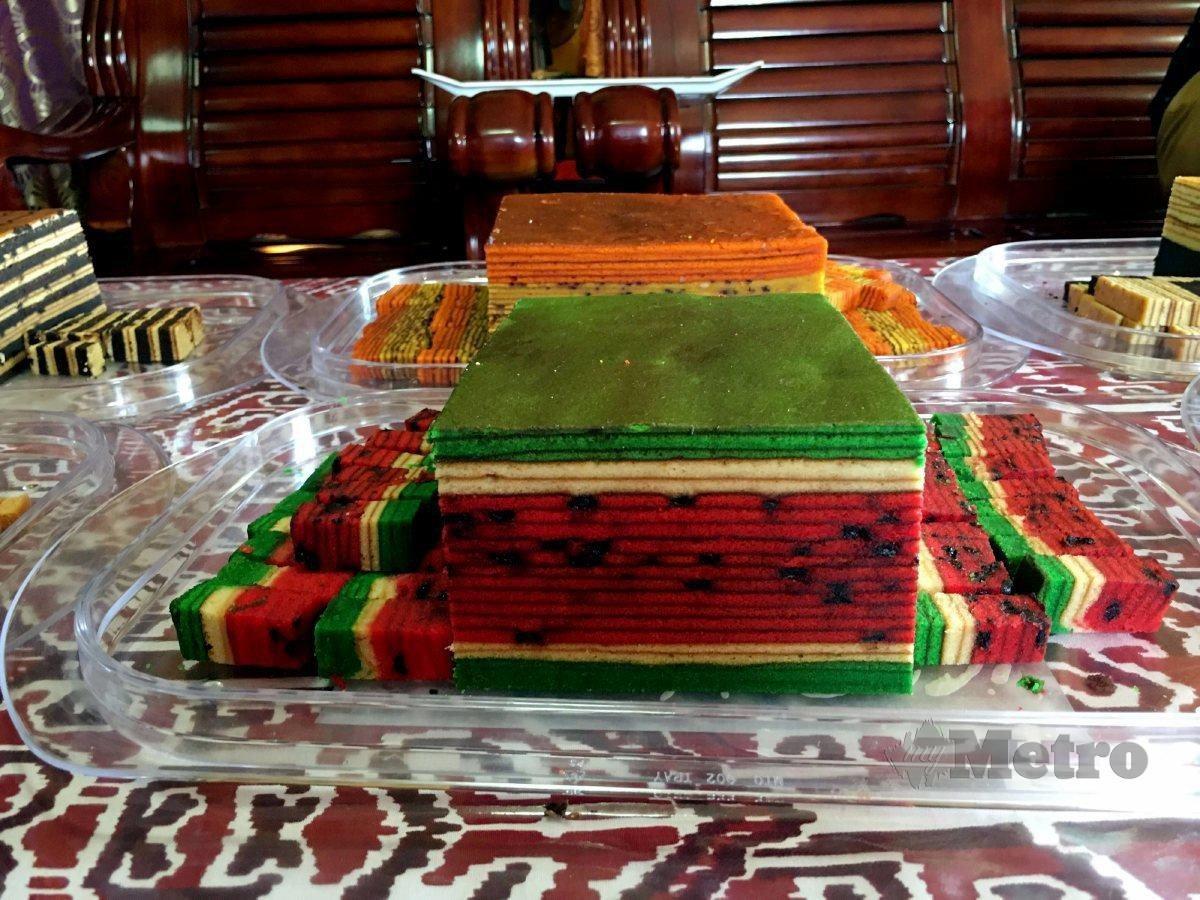
Source; Harian Metro
Fascinated by the Kek Lapis Sarawak?
Maybe this is a sign to try your hand at baking by enrolling yourself in a baking class near you.
We highly recommend you to find an experienced tutor to guide you in your baking learning journey if you are an absolute beginner.
At Superprof, you can learn baking at your own pace from a home tutor or online tutor.
You can access a wide selection of tutors' profiles with different baking experiences, baking specialisation, teaching rates and teaching locations via the Superprof Malaysia homepage.
Once you have reviewed their basic information, you can proceed to contact them via the messaging features on their profile in just a few clicks.
At Superprof, you can rest assured that you can find the perfect tutor according to your learning needs and learning preferences.
Finding a baking tutor has never been so easy!
Preserving & Promoting the Culture Of Malaysian Kuihs & Delicacies Abroad
Now that you have read so much about Malaysian kuihs and local pastries, you might wonder if it's only an exclusive thing in Malaysia.
Thanks to many Malaysians based abroad who remain passionate about kuih-making, the beauty legacy of Malaysian kuihs can be shared overseas too.
Here are three Malaysian kuih-based outlets that you can find in these respective locations.
Lady Wong Pastry & Cakes (New York, the United States)
Lady Wong offers a wide selection of traditional Malaysian pastry such as kuih talam pandan, kuih lapis rainbow, kuih serimuka pandan, Malay rose cake, angku kuih and many more.
This outlet is run by Seleste and Morgan, a husband and wife duo from Malaysia who are experienced cooks.
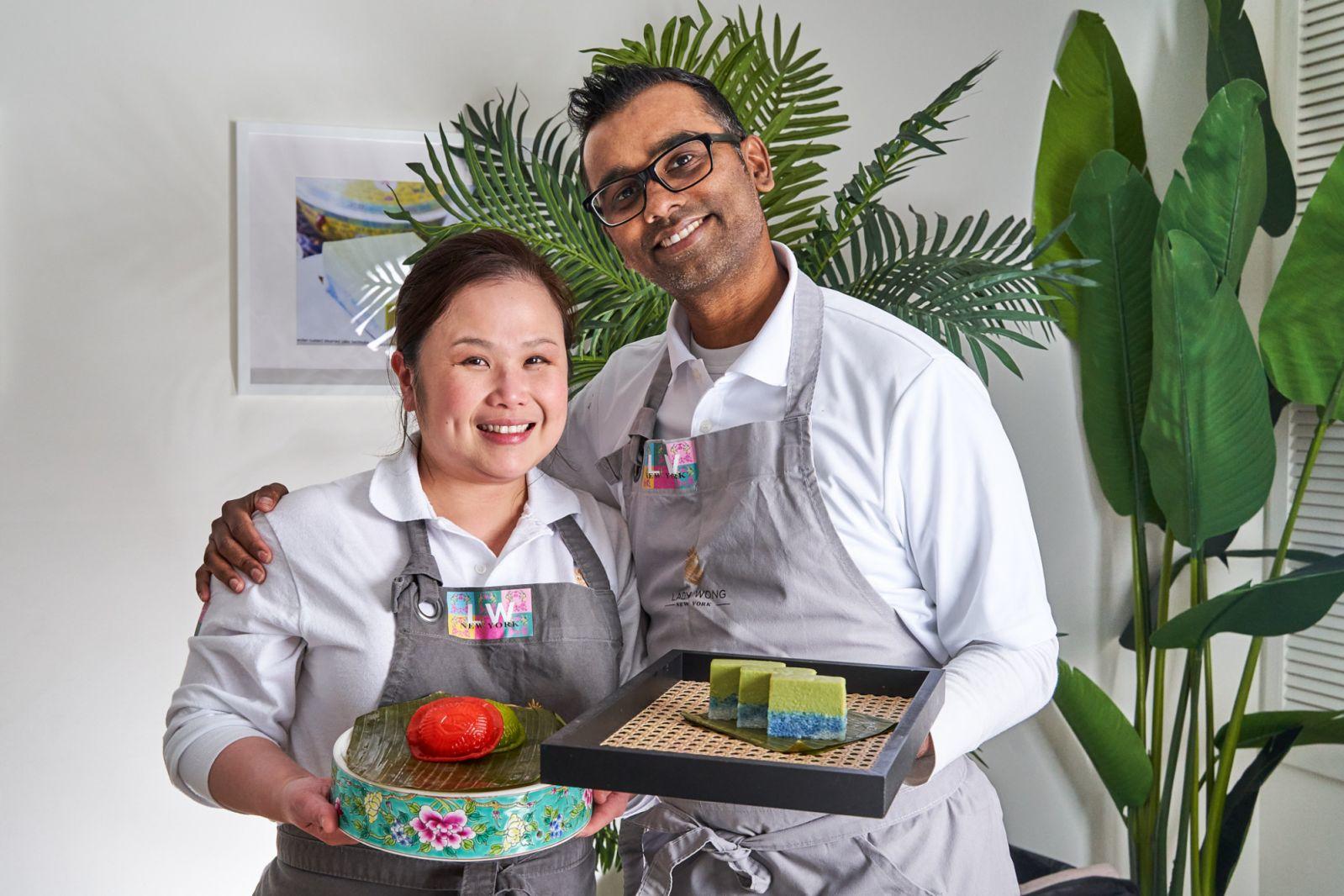
Source: Tatler Asia (Dan Ahn)
The Layers (Perth, Australia )
The Layers is a weekly pop-up outlet that sells weekly kuih box.
Their menu selection includes kuih puteri ayu, kuih bengka ubi, melaka sago kuih and many more.
The Layers is established by Connie Thame and born out of her inspiration of reminiscing the days when she missed Malaysian kuihs while was studying in Perth.
Pandan Bakery (London, United Kingdom)
Last but not least, we're not forgetting our fellow Malaysians in the UK.
A family business which started operating in 2012, Pandan Bakery initially specialises in chiffon cakes, before expanding its territories to kuih-making.
Some of the kuihs selection sold include angku kueh, kuih dadar, pulut inti and others.
They also sell several Malaysian-inspired chiffon cakes like Pandan Chiffon cakes and Ube (purple yam) Chiffon cakes.
We hope you get to try out all these mouthwatering delicacies and reap the harvest of mastering baking for local cakes and pastries too.
Bon appetit.
Summarise with AI:
Did you like this article? Leave a rating!

 Loading...
