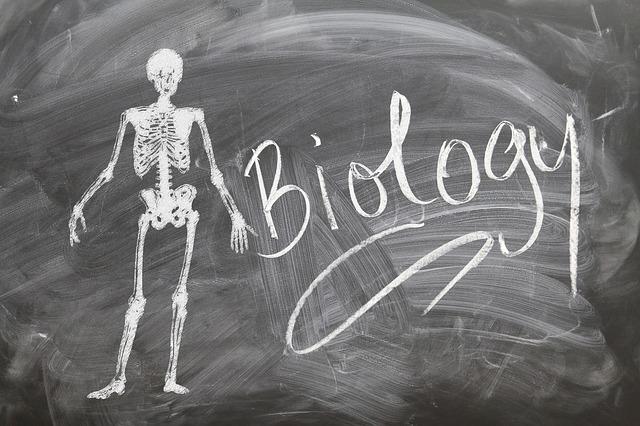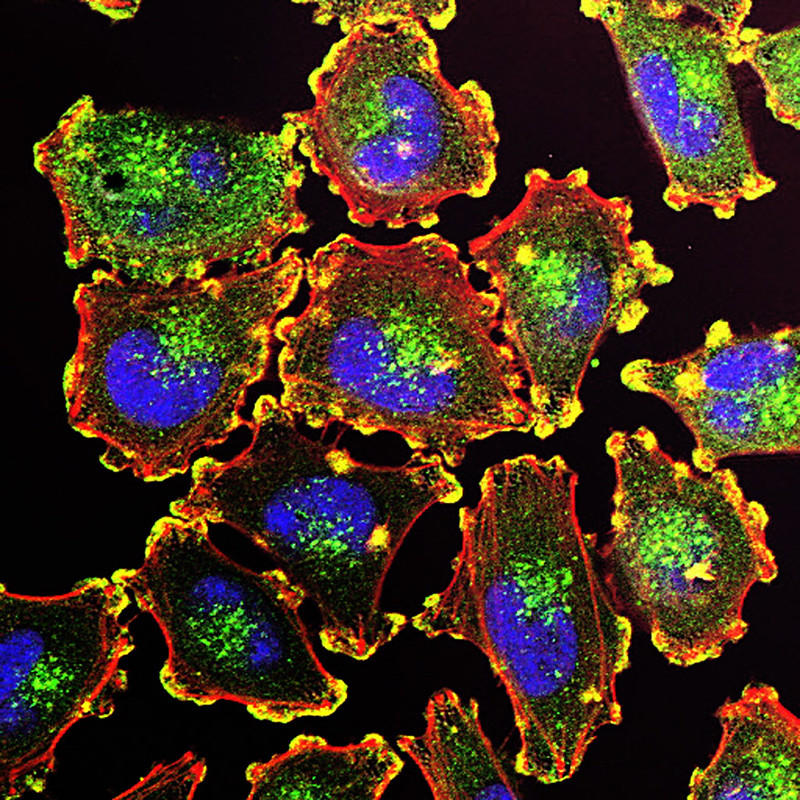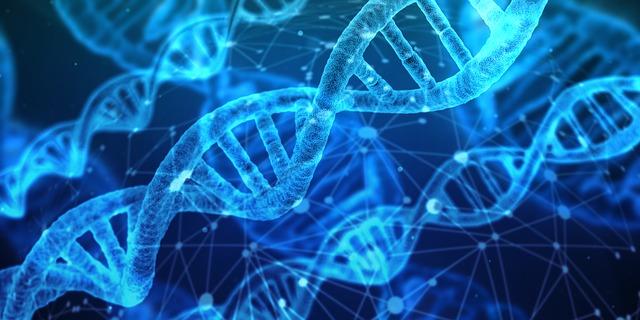

Biology is crucial in a well-rounded education as it provides knowledge about living organisms and their interactions while offering insights into the environment and fostering critical thinking skills.
Identifying, labelling, understanding, and discussing plants, animals, and life processes is essential because it helps individuals form positive environmental connections. Studying biology can also enhance their scientific knowledge and skills, like problem-solving, careful observation, and critical analysis.
Biology goes beyond simply studying facts from textbooks. Through exploration and experimentation, it allows us to gain insight into the “hows,” “whys,” and “whens” of life processes. It helps us understand the intricacies of living beings and how they interact with their surroundings.
Biology covers many topics, starting with the basics like cell biology and organisation and progressing to more complex concepts like variation and genetic technology. By studying biology, we understand life systems essential for safeguarding our environment for future generations.
As a student in the pure science stream following the national school syllabus, it is required that you take biology in both Form 4 and Form 5. At the end of Form 5, you must sit for the SPM biology exam. So, let’s explore the topics covered in the KSSM Biology syllabus, the SPM biology exam format, and some tips to help you ace this subject!





Form 4 KSSM Biology Syllabus
KSSM form 4 Biology focuses on cultivating well-versed students in science by providing engaging learning opportunities that enhance their understanding of biological concepts. Let’s take a look at the list of chapters covered in the syllabus below:
FUNDAMENTALS OF BIOLOGY
This theme aims to help you develop a fundamental understanding of biology through curiosity-driven and scientific exploration. This theme covers various aspects, such as familiarising yourself with different branches and career opportunities within biology. It also emphasises the cell, which is life’s building block. You’ll learn about the vital role of the plasma membrane in cell physiology, the chemical makeup of cells, and the processes of cell division and cellular respiration. Seven chapters fall under the fundamentals of biology theme:
- Introduction to Biology and Laboratory Rules
- Cell Biology and Organisation
- Movement of Substances across a Plasma Membrane
- Chemical Compositions in a Cell
- Metabolism and Enzymes
- Cell Division
- Cellular Respiration
PHYSIOLOGY OF HUMANS & ANIMALS
This theme aims to provide knowledge and comprehension of the physiological processes in humans and animals. These processes include vital functions such as respiration, nutrition, sensitivity, excretion, movement, reproduction, and growth. Throughout this theme, there will be a particular focus on understanding the functions of organs involved in each physiological process. Gaining a deeper understanding of this theme will contribute to personal care and aid in advancing science and technology. Eight chapters fall under the physiology of humans and animals theme:
- Respiratory Systems in Humans and Animals
- Nutrition and the Human Digestive System
- Transport in Humans and Animals
- Immunity in Humans
- Coordination and Response in Humans
- Homeostasis and the Human Urinary System
- Support and Movement in Humans and Animals
- Sexual Reproduction, Development and Growth in Humans and Animals

Form 5 KSSM Biology Syllabus
PHYSIOLOGY OF FLOWERING PLANTS
This theme aims to provide a foundational understanding of the physiological processes that occur in plants. This theme covers various aspects, including tissue organisation, growth patterns, the structure and function of leaves, plant nutrition, transport mechanisms, responses to stimuli, sexual reproduction in flowering plants, and the adaptations of plants to different habitats. Seven chapters fall under the physiology of flowering plants theme:
- Organisation of Plant Tissues and Growth
- Leaf Structure and Function
- Nutrition in Plants
- Transport in Plants
- Response in Plants
- Sexual Reproduction in Flowering Plants
- Adaptations of Plants in Different Habitats
ECOSYSTEM AND ENVIRONMENTAL SUSTAINABILITY
This theme aims to provide an understanding of biodiversity, ecosystems, and environmental sustainability. This theme covers various topics, including the study of biodiversity, population ecology, and practices aimed at preserving, conserving, and restoring ecosystems. Additionally, there is a strong emphasis on exploring the applications of green technology. Three chapters fall under the ecosystem and environmental sustainability theme:
- Biodiversity
- Ecosystem
- Environmental Sustainability
INHERITANCE AND GENETIC TECHNOLOGY
This theme fosters comprehension of inheritance, variation, and genetic technology. Genetic and environmental factors contribute significantly to a species’ creation of variation. This theme also strongly emphasises the practical applications of genetic knowledge in genetic engineering and biotechnology. Three chapters fall under the inheritance and genetic technology theme:
- Inheritance
- Variation
- Genetic Technology
Assessment Overview
To determine the final grade for SPM biology, students must take three papers assessing their knowledge and understanding of the subject. It is crucial to clearly understand the format of these papers and the number of marks allocated to each paper to perform well in the exams. Hence, let’s look closely at each paper’s format and marking scheme.
Paper 1 - 4551/1
- 40 multiple choice questions
- 40 marks
- Duration: 1 hour 15 minutes
Paper 2 - 4551/2
- Three sections in this paper contain structured, limited response and open response types of questions
- 100 marks
- Duration: 2 hours 30 minutes
Section A
- Eight structured subjective questions
- 60 marks
Section B
- Two closed-response essay questions (choose one)
- 20 marks
Section C
- One open-response essay question
- 20 marks
Paper 3
- One question
- 15 marks
- Duration: 45 minutes
To obtain a comprehensive understanding of a particular SPM subject’s format, it is highly recommended to visit the official website of the Examination Board. From there, you can download the complete format and obtain all the necessary information to help you become well-versed in the subject matter.
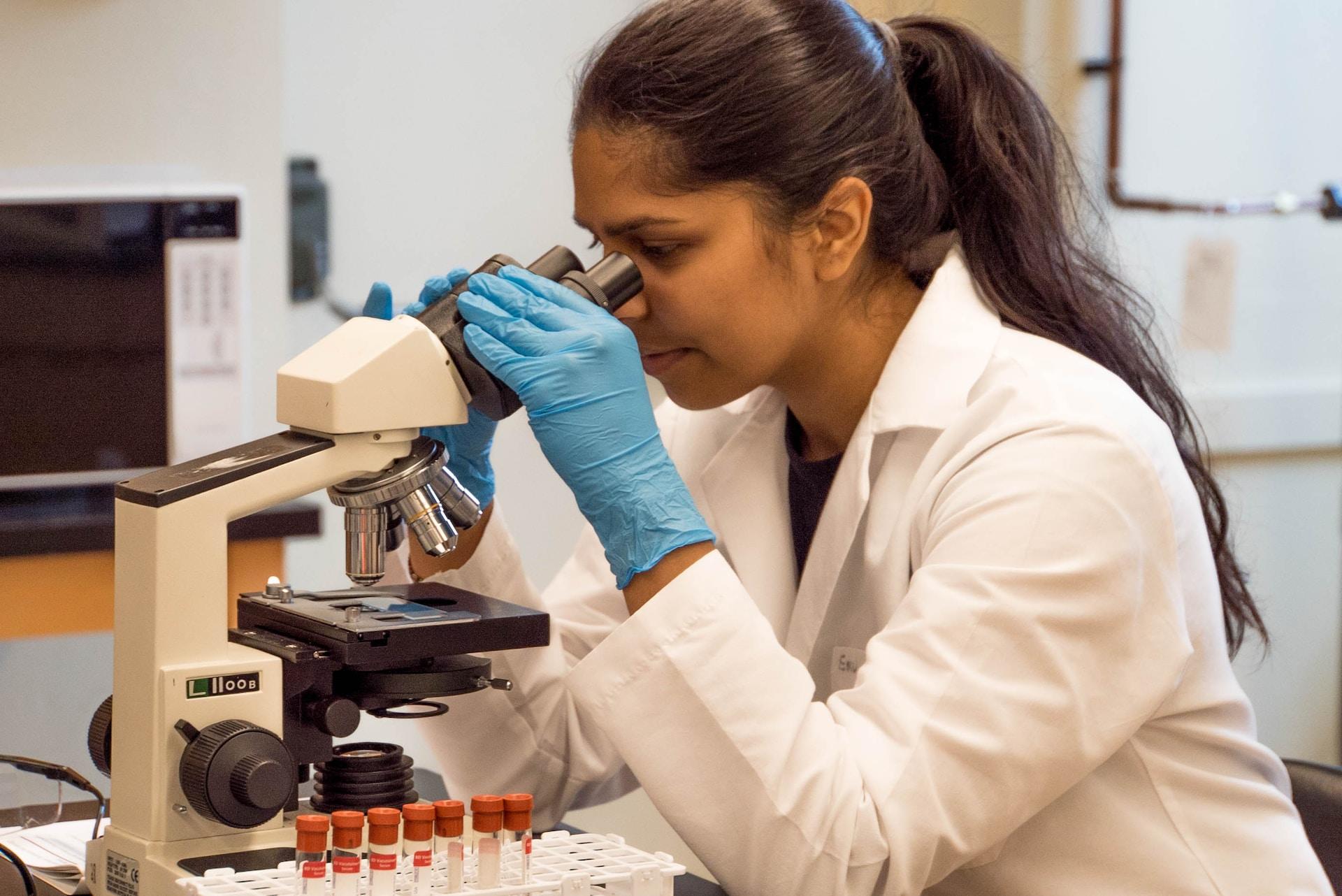
Tips to Ace SPM Biology
As you prepare for the SPM Biology exam, one of the main challenges you’ll face is acquiring a comprehensive understanding of the vast amount of information and concepts involved. While certain areas may pose conceptual difficulties, the most crucial aspect is efficiently learning and retaining a significant amount of content using effective study methods.
Here are some helpful tips to ace your SPM Biology exam:
Find a Study Method that Suits Your Needs
Learning vast amounts of information in a short time can be challenging for our brains. Relying solely on reading biology textbooks and highlighting key details might not be the most effective approach. Instead, a combination of passive and active learning techniques could yield better results as they engage different areas of the brain.
For instance, you can integrate reading and note-taking, but not just in plain text. A visually engaging method like flow diagrams, tables, process schematics, or mind maps can be more advantageous. These methods can help you assess your memory retention and make it easier for you to remember the information. You can challenge yourself periodically to recreate these visuals from memory without referring to them, which can be an excellent way to test your recall.
Attempt Past Year SPM Biology Question Papers
Past exam papers are valuable in familiarising yourself with the questions commonly asked in your upcoming exam. This entails understanding the topics covered and the various question formats, such as structured, short answer and essay questions.
Preparing for your assessment becomes significantly more manageable when you know what to anticipate. Attempting many past papers to enhance your recall skills is highly recommended.
Using past year SPM biology questions as practice is also beneficial, enhancing your comprehension of concepts. After completing a paper, refer to your textbook to review your correct and incorrect responses. Utilise the mark scheme to identify areas where you may have missed valuable points. This way, you can ensure you don’t overlook crucial information during the final exam.
Good Time Management
As a student, mastering the art of time management is a crucial skill that cannot be overlooked, especially when completing your studies and preparing for exams such as SPM Biology. The exam is demanding and requires a proactive approach to planning and efficient time allocation. To optimise your time management, consider dividing your learning into smaller, more manageable sections and setting aside a specific amount of time each day to study topics related to living organisms and living things. It’s helpful to allocate at least an hour daily for your studies, which will help you stay organised, remain on schedule, and confidently approach the exam. Following these suggestions allows you to manage your time more efficiently and complete your studies.
Are you struggling to grasp the complex concepts of biology and looking for an effective way to score an A+ in your upcoming SPM biology exam? Superprof allows you to hire a private tutor who can guide you through the subject matter and help you excel in your studies. Our website lists profiles of experienced and qualified biology tutors who can tailor their teaching approach to your learning style and pace. Take a step towards your academic success and choose a Superprof private tutor that meets your unique requirements today!
Summarise with AI:
Did you like this article? Leave a rating!

 Loading...