
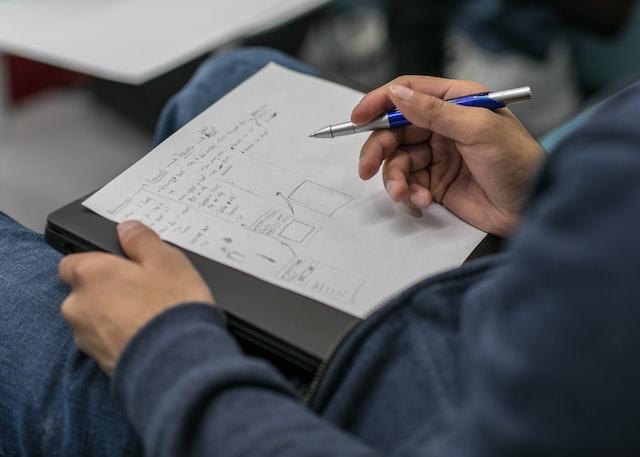

A student who understands the arrangement of the SPM Physics exam will have a tremendous advantage when preparing for success in this exam. The SPM Physics exam is designed to measure students' understanding of both theoretical aspects of the subject matter as well as their ability to solve problems, think analytically and apply scientific principles practically. Here's a brief overview of the Physics SPM format.
| Paper | Type of Questions | Duration | Marks | Key Focus |
|---|---|---|---|---|
| Paper 1 | Objective (Multiple Choice) | ~1 hour 15 minutes | 40 marks | Concepts, definitions, quick problem-solving |
| Paper 2 | Structured & Subjective | ~2 hours 30 minutes | 100 marks | Calculations, explanations, application of concepts |
| Paper 3 | Practical / Experiment-based | ~1 hour 30 minutes | 50 marks | Experimental skills, data analysis, interpretation |


Overview of SPM Physics Examination Structure 📄
The SPM Physics Exam design uses 3 papers. Every single paper assesses some understanding or application skills. A well-designed Physics Exam will address concept recall, critical thinking and applying those concepts via experimentation. By understanding how each paper of the SPM Physics Exam is structured, a student can prepare for each paper strategically based on their studies and ultimately maximise their mark potential using the revision notes.
SPM Physics Paper 1 Format: Objective Questions 🎯
In Paper 1, you'll be tested on your ability to quickly retrieve and correctly apply basic concepts of physics. All questions are of the multiple-choice type, where speed and accuracy are critical. Paper 1 focuses on testing students’ ability to recall and apply fundamental physics concepts quickly and accurately.
- Number of questions: 50 multiple-choice questions
- Total marks: 50
- Duration: 1 hour 15 minutes
- Skills assessed: Recall, understanding, and basic application

Physics Paper 2 SPM Format: Subjective Questions 📝
Paper 2 is more thorough (larger amount of content), more heavily weighted (more important), and usually contains material that the student has a greater depth of understanding of, and also contains more systemic (layered) types of questions. It consists of three distinct sections, each targeting a different skill level.
- Section A: 8 structured questions (60 marks)
- Section B: Answer 1 of 2 essay-style questions (20 marks)
- Section C: 1 essay-style question (20 marks)
- Total marks for the paper = 100 marks
- Duration of the paper: 2 hours 30 minutes
- Skills tested: Higher-order types of thinking skills (analysis/evaluation).
For this paper, you'll be tested on both the SPM Physics Form 4 topics and Form 5 topics, so be prepared!
Physics SPM Paper 3 Format: Practical Test 🥼
Paper 3 assesses the student’s capability to apply the principles of physics to real-life scenarios. The assessment is designed to test the practical skills of students as well as their ability to record the results of their experiments and interpret the data collected.
- Section A: 2 compulsory questions (28 marks)
- Section B: 2 questions; answer 1 (12 marks)
- Total marks: 40
- Duration: 1 hour 30 minutes
- Skills assessed: Scientific process skills and practical application
Step-by-Step Analysis of Each Paper 🔍
Once we have an understanding of the structure of each SPM physics paper, a thorough review of each paper can give us insight into the types of questions to expect, and how each paper evaluates students' abilities so that proper answering methods and preparation strategies can be developed.
SPM Physics Paper 1: Objective Questions 🎯
Paper 1 contains objective questions, covering many different topics in the field of physics, including simple definitions and calculations. Students must choose the appropriate response based on the selections provided, and you must read and review the objective questions thoroughly to reduce the likelihood of an incorrect answer.
Multiple-Choice Questions covering multiple physics topics
"What is considered a base quantity of measurement?"
👉Success in this paper depends on strong conceptual clarity and the ability to respond quickly under time pressure. At the same time, you should have thorough knowledge of the Form 4 and Form 5 topics in SPM Physics.
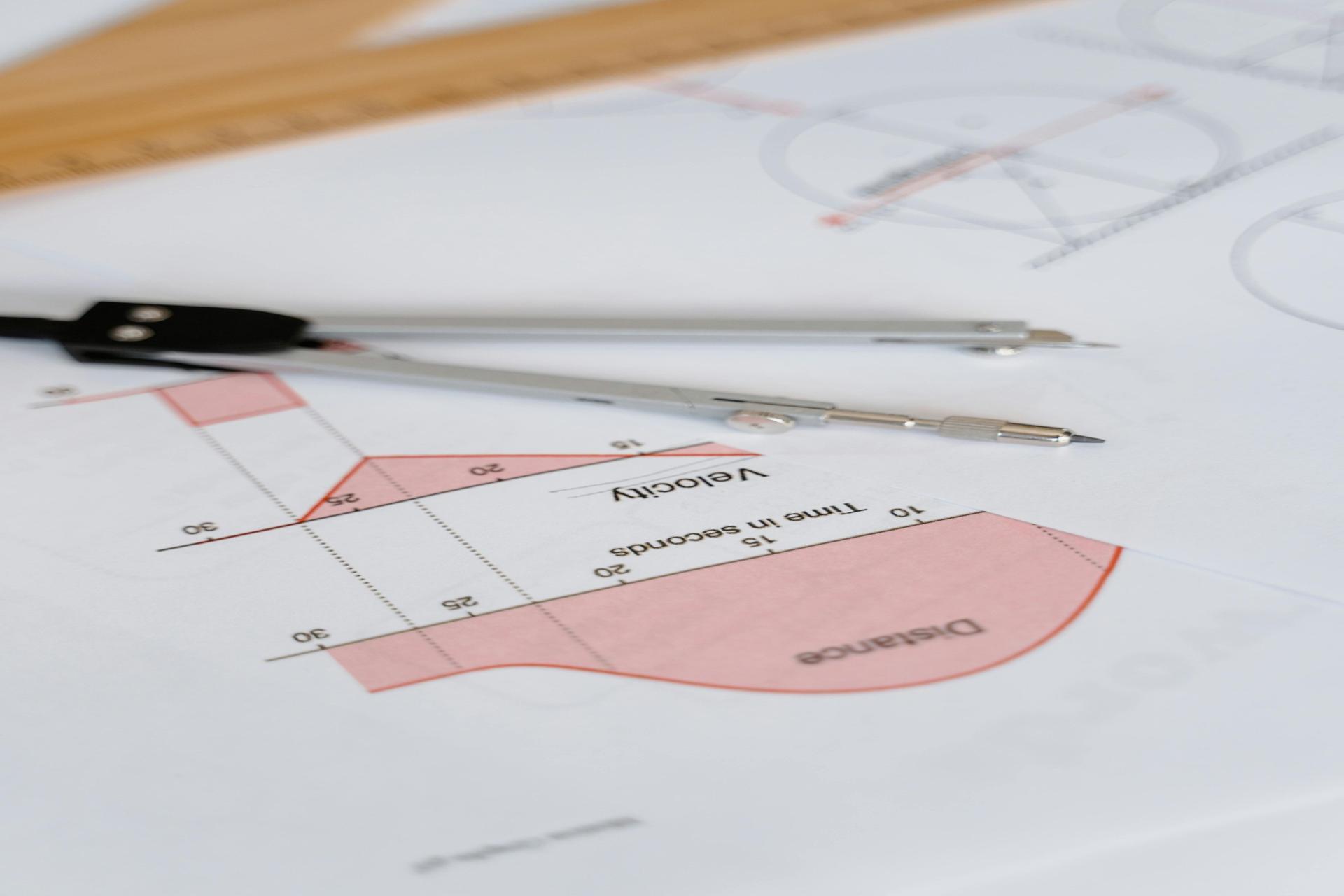
SPM Physics Paper 1 Strategy
- Covers multiple physics topics (definitions + calculations)
- Requires careful reading of each question
- Focus on selecting the most accurate answer
- Avoid careless mistakes through quick review
SPM Physics Paper 2: Subjective/ Essay Questions 📝
Paper 2 requires candidates to provide detailed responses to subjective questions and essay questions. There will be a variety of sections testing different levels of physics understanding, containing structured questions which evaluate both the understanding/application of the content.
Focus: Structured questions testing the understanding/application of the content.
Example: "Give an example of how you could demonstrate conservation of energy."
Focus: Examines the topic with essay format, using a detailed explanation and analysis.
Example: "Discuss what factors influence transformer efficiency."
Focus: Requires problem-solving (evaluation) type of essay-style questions.
Example: "Evaluate the effect of renewable energy on our planet."
👉 This paper relies heavily on logical reasoning, clear explanation and systematic approach to problem solving; Making sure to complete all steps necessary to arrive at a conclusion.
SPM Physics combines speed, accuracy, logical reasoning, and practical application—where precise answers, clear workings, and accurate observations are essential for maximising your score across all three papers.
SPM Physics Paper 3: Practical Exam 🥼
This paper includes practical and investigatory skills where you will be applying what you have learned through theory. This paper will look at you executing practical experiments and reporting on what you have done.
You should be able to do primary data and data collection. For example, measuring the focal length of a convex lens using the appropriate formula for the calculation.
You should be able to design an experiment and then outline how this experiment will take place, e.g., designing an experiment to measure the relationship between current and voltage in your resistor.
👉To perform well in Paper 3, you will need to have: strong observational skills; the ability to record your data accurately; and good planning of your experimental hands-on activity.
The three papers provide a comprehensive approach to SPM Physics through an evaluation system which looks at different aspects of testing phases, including students' comprehension abilities and their ability to apply knowledge practically. If students are proficient in all phases of these assessments, they will have a more thorough foundation for pursuing SPM Physics, therefore improving their scores for SPM Physics overall!
“Understanding the SPM Physics exam format helped me focus on what really matters. With guided practice and past papers, I improved both my accuracy and confidence before the exam.”
- John, SPM Student
Effective Study Strategies for SPM Physics 🎯
A balanced approach incorporating both a solid foundation of the basic concepts and practice with effective exam techniques should provide you with a better opportunity of succeeding in your preparation for SPM Physics. Use the strategies detailed below to enhance your performance and level of confidence across the three papers:
Understanding the Structure of the Exam 🧠
To be effective in preparing for the exam and performing effectively, you must understand the structure of the exam. Each of the three papers is designed to assess different skill sets. Understanding what to expect is therefore important in performing at your best.
After understanding the structure of the exam, you will be much more capable of performing on all three papers. This will give you the right frame of mind and strategy for taking the exam.
| Aspect | Paper 1 | Paper 2 | Paper 3 |
|---|---|---|---|
| 📄 Design & Marking | Objective paper; each correct answer earns full marks (no partial marking) | Subjective paper; marks awarded for method, reasoning, and final answer | Practical paper; marks based on procedure, accuracy, and data presentation |
| 🧠 Question Types | Multiple-choice questions | Structured questions and essay questions | Practical tasks, experiments, and planning questions |
| 🎯 Emphasis | Speed and accuracy; quick recall and application of concepts | Logical reasoning, calculations, and detailed explanations | Application of theory, experimental skills, and analytical thinking |
| ⏱️ Time & Marks | ~1 hour 15 minutes; 50 marks | ~2 hours 30 minutes; 100 marks | ~1 hour 30 minutes; 40 marks |
Mastering Key Concepts 🔑
The science of physics requires an understanding of basic ideas rather than memorising facts. If you develop solid conceptual foundations, you will be able to answer easy and hard questions alike with confidence.
📘 Types of basic concepts to focus on include forces, energy, electricity, and waves
🔄 Appreciate how the concepts work in real life
🧩 Simplify difficult-to-understand concepts by using different steps
✍️ Explain all concepts in your own words so you can understand them
👉 A strong understanding of concepts and methodology review allows for easier answers to unknown problems when taking exams.
Practising Past Papers 📜
Practising past year's papers can significantly help in preparing for the SPM Physics exam. Past year's papers will enable you to apply your knowledge, as well as help you become familiar with the style of exam questions.
📄 Practice past year questions regularly.
🔍 Identify the areas you struggle with, as well as the areas that are most common in exams.
🔁 After you have studied and revised, try to redo any difficult questions that you attempted previously.
📊 Monitor and keep records of your performance and improvements over time.
👉 Past year papers will help you turn your knowledge into exam-ready skills.
Time Management ⏱️
To complete all portions of your exam and receive the best possible scores, managing your time effectively during an examination is vital.
⏱️ Use mark allocation to create your timings for each question
✔️ Answer all the easier questions first
🔄 Skip over the harder questions and come back to them later
🧾 Allow time at the end to review your answers
👉 Proper time management allows you to have time to check for correct answers and not be rushed.
Knowing concepts alone is not enough to achieve success in SPM Physics - understanding how the exam works and preparing accordingly is also essential. Students will enhance their performance on this subject by understanding the layout of the 3 different papers - Paper 1, Paper 2 and Paper 3, doing regular practice using previous years' questions, and managing their time effectively. Overall, mastery of the physical concepts combined with sufficient practice and the right kind of examination technique will provide students with a greater chance of achieving excellent results in their SPM Physics papers.
Summarise with AI:
Did you like this article? Leave a rating!

 Loading...

