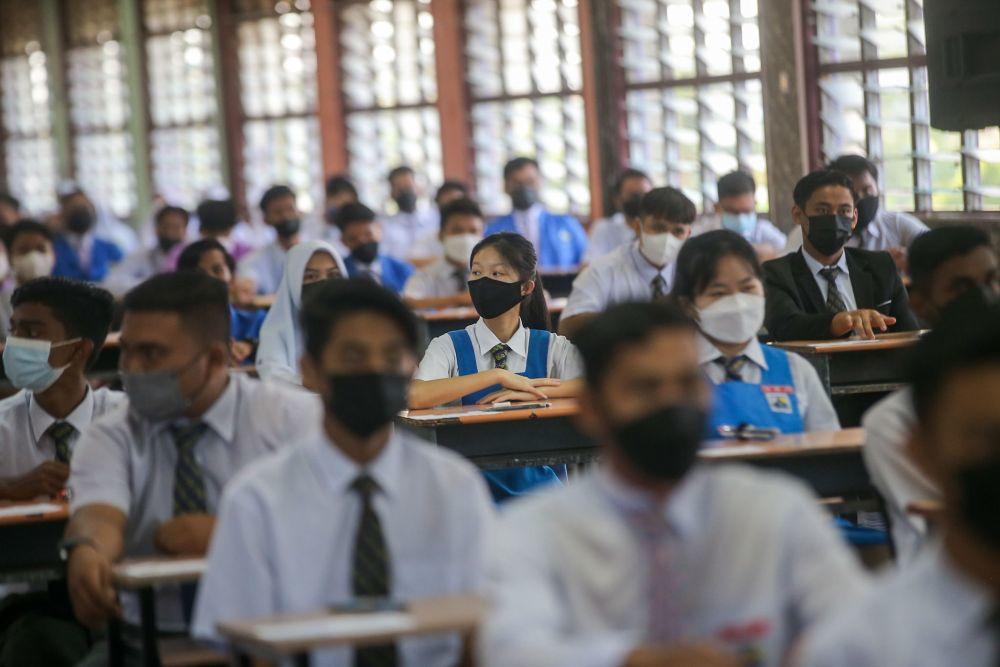

The transition to university life is a major milestone that brings with it new challenges and opportunities. For many students, this period can be stressful. To navigate this period successfully, students should prepare a university survival guide that will guide them through fresher’s week and help them adjust well to the early stages of university in the months of September, October, and November, which are often the most important months in university.
The key university survival guide tips for first-year uni students include staying organised with a planner, managing deadlines, attending classes regularly, and budgeting their finances carefully to avoid unnecessary stress. It is also important to seek help from academic services when needed in university and maintain a healthy work-life balance between studies and extracurricular activities in university.





Preparing for University: A Comprehensive Checklist
Preparing for university is much more than packing a bag and heading off to college. Right from preparing for your course to taking care of essentials before term begins, proper preparation will ensure you have a smooth transition to university.
🧠Academic Preparation
Academic review is essential for success at university. Before the semester begins, students should carefully go through the syllabus and course material to understand the course requirements and expectations.
Keeping up with coursework is challenging. To support students in their academic journey, universities in Malaysia provide students with a wide range of academic resources and support services to improve in their studies.
✅Libraries & Research Resources – Access physical and digital libraries, research papers, reference journals and computer workstations to support your learning journey.
✅Academic Advising & Tutoring – Contact your college tutors to learn more about the coursework.
✅Study Skills Workshops – Improve your academic performance by learning effective note-taking strategies, academic writing methods and general tips on exam preparation.

🏨Practical Arrangements
Create a packing checklist that covers essential items, like bedding, clothing, kitchenware, toiletries, electronics, and other important documents that you will need for your college admission. Don’t forget to update internet access and your banking information, and set up online banking services if required.
Before moving into your dorm and rented accommodation, check for the following.
- See if everything is clearly explained in the lease/rental agreement, including the move-in date, security deposit, and payment schedule.
- Confirm in advance what is included in your accommodation, like furniture, appliances, utilities, etc.)
- Understand the move-in procedures like key collection, check-in times, and building rules.
- Note essential services like grocery stores, pharmacies, hospitals, and public transportation.
Important: Document any existing damages with photos, so your landlord doesn't charge you for it later, especially if you are staying in a rented house.
| Category | Essentials |
|---|---|
| Documents | ID/passport, admission letter, student ID, bank cards, insurance documents |
| Clothing | Everyday clothes, sleepwear, underwear, socks, jacket, shoes, formal outfit |
| Bedding | Bedsheets, pillow, duvet/blanket (if not provided) |
| Toiletries | Toothbrush, toothpaste, shampoo, soap, deodorant, towel, medications |
| Electronics | Laptop, phone, chargers, headphones, power bank, extension lead |
| Study Supplies | Notebooks, pens, folders, calculator (if needed), backpack |
| Kitchen (if self-catered) | Plate, bowl, mug, cutlery, water bottle, basic cookware |
| Laundry | Laundry bag, detergent, hangers |
| Room Items | Desk lamp, storage boxes, reusable shopping bag, small first-aid kit |
| Optional | Photos, decorations, umbrella, sports gear, snacks for move-in day |
💵Financial Planning
Financial planning is a must for university survival, as higher education is costly. Careful financial planning and practical tips are therefore necessary if you are to complete your studies successfully without incurring a heavy debt.
Most students, like myself, are funded with a loan and/or grant. Others receive funds from elsewhere. Regardless of the source of income, once you have received confirmation of your income you can begin to budget and quickly put your financial worries to rest.
Katrina Eastwood, university student
One of the best ways to manage educational costs is by exploring funding opportunities like scholarships and grants. Scholarships are financial awards given to students based on merit or specific criteria, without consideration of returning.
Similarly, grants also do not require repayment. If your savings, grants and scholarships are not covering your expenses, then you can opt for loans. A student financial guide helps you understand the financial options available to prevent you from falling into a debt trap.
Unlike scholarships, a loan is borrowed money that you have to pay back with interest. But before choosing a loan, it is essential to understand the different loan options, interest rates, and repayment timelines, as these can vary considerably. Failing to do so can get you stuck in debt for a long time.
The average student spends around RM 1,500 to RM 3,000 per month on living expenses. Major expenses include accommodation costs, transport, food and study materials.
Students should learn to budget properly, set aside an emergency fund and track their spending diligently.
To better manage your expenses and reduce debt in college, it's important that you follow a structured financial plan and budget that helps you stay on top of your loans and daily expenses.
To begin with, first estimate your expenses. Your major expenses will include:
✅Tuition fees
✅Rent
✅Course supplies ( books, stationery, etc)
✅Groceries
✅Travel
✅Internet and phone bills
✅Membership fees
✅Discretionary spending ( outings, coffee runs, eating out, etc)
Now that you know where your money is going, you can compare it to your savings and plan better financial management so you stay within your limits.
👉Don’t overspend
👉Keep tabs on discretionary spending
👉Maintain an emergency fund
👉Try to pay off your loans as early as possible
👉Cook instead of frequently dining out
👉Share accommodation with friends
💡Essential Tips for First-Year University Students
1️⃣Academic Success
Attend all lectures regularly
Among the university tips for first years, one of the most important skills to learn as a student is to attend classes regularly. No one will take your attendance in university, but that does not mean you can attend classes as and when you like. If you don’t meet the minimum attendance requirement, you will be barred from sitting the exam. Further, these frequent absences will affect your learning and defeat the very purpose of why you joined university in the first place.
Participate in study groups
Don’t be afraid to participate actively in class in college and university. Be it asking questions or joining discussions, don’t shy away from interacting with your professors and new people in university. You might feel intimidated sometimes when interacting with new people, but remember that learning to speak is the best way to build your confidence and practice your communication skills.
You can utilise office hours to seek clarification from professors.
Stay up-to-date with work
In college, you will be on your own, so it is important to manage your time well and take charge of your own learning. Develop good study habits like taking notes, creating concept maps and using the library for your research work. Avoid leaving assignments and reports until the last minute as that will cause unnecessary stress during exam time.
2️⃣Social Integration
Apart from providing you with a degree, university is also a place where you build meaningful connections with new people. By joining student spaces and clubs, you get to interact with like-minded students and feel connected to the campus and your college community.
As first-year university students, attend orientation programs and icebreaker events organised by your university. These student spaces will mentally prepare you for university and make the transition to university life smoother and less overwhelming.

3️⃣Health and Well-being
Given their busy schedules and academic pressures, most students neglect their health and rely on quick fixes like consuming high caffeine and erratic sleep schedules to stay abreast of their studies. However, while these habits might seem ok, they are not sustainable in the long run.
Some practical tips that students can follow to maintain their health in university are:
Eat a balanced diet
Having a balanced diet is good for both physical and mental health.1 Having a nutritious, balanced diet will improve your energy and attention span, while eating lots of junk food will contribute to anxiety. Pairing a balanced diet with physical activity is the key to overall well-being.
Sleep well
According to the National Sleep Foundation, young adults need at least seven to nine hours of sleep. Unfortunately, not all college students actually get that much sleep. Sleep deprivation reduces energy levels and affects productivity. Maintaining a good sleep schedule is essential to maintaining focus and emotional well-being.
Take care of your mental health
Taking care of your body also means taking care of your mental health. Check out the mental health resources available at your college or university and seek real advice and practical tips from mental support networks whenever required.
What's your biggest concern when starting university?
🎯Mental Preparation for University Life
Managing Expectations
Choosing a new university course and adjusting to an alien academic environment is going to throw up new challenges. Therefore, set realistic goals and focus on gradual progress instead of immediate success. In fact, the setbacks you will face along the way will prepare you more to face challenges. This approach will reduce stress and help you transition smoothly into university life.
Building Resilience
Stress is going to be an inevitable part of student life, what with academic pressures and societal expectations that are going to be thrust upon you. However, developing resilience, maintaining a positive attitude and implementing effective stress-busting techniques can vastly improve your well-being and academic performance.
To build resilience during your university journey:
- Replace your self-doubt and negative thoughts, and focus on how you can find solutions to them
- Celebrate every achievement of yours and reward yourself even with small wins
- Keep a gratitude journal and write down things you are grateful for to remind yourself of the good things in your life
Embracing Independence
One of the important skills that university teaches students invariably is the quality of independence, along with the ability to analyse decisions and act on them responsibly. However, when embracing an independent life, it is important to take responsibility for one’s actions as well.
To succeed in leading an independent life, you need to learn effective time management. Students should stay organised, prioritise their tasks, and consistently meet deadlines. This will not only reduce stress but also improve your productivity.
🙋Additional Resources and Support
University Services
Student support services help students by providing them with academic, personal, and career guidance support. For additional resources and support during your initial university days, consider doing the following:
Talk to siblings, friends, or ex-students about their university experience.
Before you join, your uni is going to send a lot of information about academics, campus life and the support services available at the university. Reading and reviewing these materials can help you prepare better for university.
Student associations offer mentorship programs and peer-led orientations to help you transition to university life better.
Universities host open days and icebreaker events, which are great opportunities to interact with new students and seniors and to check out university facilities like the campus, library and other student resources.
Despite this, if you still have any concerns, don’t hesitate to contact your tutors, who will guide you properly and help you adjust to university.

External Support Networks
External support networks also play a vital role in helping students manage their academic goals and day-to-day challenges. When you are in university, you may be far from home, and during such times, these online forums and communities provide precious support to students.2
Students connect with peers and seniors, share experiences and ask questions in real time. This reduces the feeling of isolation and helps students feel more connected.
In addition, local organisations like NGOs and mental health support groups offer mentoring advice and emotional support, helping students cope better with challenges that come their way.
Starting university is an exciting new chapter in the life of a student. This journey brings with it new responsibilities, a sense of adulthood, and a mix of joy and trepidation about what the future holds. Undoubtedly, the initial months might seem challenging, but staying organised, managing your money wisely, and making use of student support services can help you adapt more confidently to university life.
Remember to make the most of your university life, while remaining safe, healthy and eager to try out all the new experiences that university has to offer.
References
- Yadav, M. (2022). Diet, sleep and exercise: the keystones of healthy lifestyle for medical students. Journal of Nepal Medical Association, 60(253), 841–843. https://doi.org/10.31729/jnma.7355
- Zander, L., Brouwer, J., Jansen, E., Crayen, C., & Hannover, B. (2018). Academic self-efficacy, growth mindsets, and university students’ integration in academic and social support networks. Learning and Individual Differences, 62, 98–107. https://doi.org/10.1016/j.lindif.2018.01.012
Summarise with AI:
Did you like this article? Leave a rating!

 Loading...