


Have you ever wondered how a language can survive for thousands of years and still remain a vibrant part of everyday life?
Tamil is one of the oldest living languages in the world, with an extensive literature behind it (more than two millennia). Now it is one of the eight classical languages of India. Millions of people speak Tamil as a first language today; it is the official language in Tamil Nadu, Puducherry, Sri Lanka and Singapore.
It has also been part of the multilingual cultural heritage in Malaysia for years, where it continues to be spoken in homes, taught in educational institutions, used in media, and celebrated through cultural and religious traditions.
So, what makes Tamil so special? It is not just its age, but the depth of its literary heritage, distinct writing system, philosophical works, poetry, and continued modern relevance that make it truly remarkable.
Whether you are curious about the origins of Tamil, its alphabet, famous writers, cultural traditions, interesting facts, or how to start learning it as a beginner, this Tamil language overview will walk you through everything in a simple and engaging way.
| Topic | What You'll Learn |
|---|---|
| Tamil Language Origins | Discover where Tamil comes from, its Proto-Dravidian roots, and how it evolved from ancient inscriptions into a modern global language. |
| Historical Development | Explore key milestones in Tamil’s journey, from the Sangam era to its recognition as a Classical Language and its continued global presence today. |
| Tamil Writing System & Alphabet | Understand how Tamil script developed, how the alphabet is structured, and why the language uses 247 traditional characters. |
| Grammar & Linguistic Features | Learn how Tamil pronunciation works, why it is considered an agglutinative language, and how sentence structure differs from English and Malay. |
| Tamil Literature & Writers | Explore classical works such as Tolkāppiyam and Tirukkural, along with influential modern Tamil writers and literary contributions. |
| Tamil Culture & Traditions | See how Tamil shapes music, dance, festivals, religious traditions, and community identity, especially in Malaysia. |
| Famous Proverbs & Quotes | Discover meaningful Tamil sayings, proverbs, and literary quotes that reflect wisdom, values, and cultural perspectives. |
| Fun Facts About Tamil | Find interesting and surprising facts about Tamil’s sounds, writing system, global reach, and modern cultural influence. |
| Learning Tamil for Beginners | Get beginner-friendly guidance, useful learning tips, and practical Tamil phrases to help you start confidently. |


🏛️Tamil Language Origin: Exploring Its Ancient Roots and Historical Development
Where did the Tamil language originate?
What led to its evolution?
Tamil's story starts at the very beginning of our recorded history. Linguists have come to the conclusion that Tamil is descended from the 'Dravidian' Family of Languages, with hundreds of roots and categories that connect linguistically back to 'Proto-Dravidian' (the common ancestral language thought to have existed long ago in the Indian Subcontinent).
Although linguists cannot give you the exact date that Tamil, the spoken language, appeared on Earth, there is enough archaeological and epigraphic evidence that supports that Tamil is one of the top two oldest, continuously spoken languages in the world today.
If you are interested in learning how to start speaking and understanding this ancient language, you can explore this beginner-friendly guide on how to learn Tamil.
🕰️Key Milestones in Tamil Language History
c. Proto-Dravidian Era (before written records)
Tamil’s linguistic roots are traced by scholars to Proto-Dravidian, the reconstructed ancestral language of the Dravidian family.
c. 3rd Century BCE
The earliest confirmed Tamil-Brahmi inscriptions appear, providing the oldest direct written evidence of the Tamil language.
c. 300 BCE–300 CE (Sangam Age)
Tamil’s earliest major literary tradition flourishes, producing poetry that documents ancient society, governance, trade, and culture.
1st Century BCE–3rd Century CE
Tamil inscriptions and artefacts linked to overseas trade appear in places such as Egypt and Thailand, showing Tamil’s early international commercial reach.
c. 700 CE
The transition from Old Tamil to Middle Tamil begins with noticeable developments in grammar, vocabulary, and script usage.
7th–12th Centuries CE
Tamil devotional literature expands significantly through Bhakti poetry, strengthening the language’s religious and literary influence.
c. 1600 CE
Modern Tamil begins to emerge through continued linguistic standardisation and evolving literary conventions.
19th–20th Centuries
Printing, formal education, newspapers, and modern publishing help standardise written Tamil and expand its public use.
2004
Tamil becomes the first language officially recognised as a Classical Language by the Government of India, acknowledging its antiquity and independent literary heritage.
Present Day
Tamil remains a globally spoken living language used in education, governance, literature, media, and daily life across countries, including Malaysia, Singapore, Sri Lanka, and India.
🌱Early Development: From Proto-Dravidian Roots to Modern-Day Tamil
Tamil was not created in its current state; it took a long time to get to this point. Just like any other spoken language, Tamil has been developed over many years via continuous changes to its pronunciation, spelling, punctuation, and syllable structure/tone.
Early forms of Tamil emerged from Proto-Dravidian linguistic roots, eventually developing into a distinct language with its own literary and grammatical identity. One of the most remarkable features of Tamil is its continuity, despite centuries of cultural exchange, political change, and linguistic evolution; its grammatical foundation has remained notably stable.
While over time, many neighbouring languages that developed around Tamil adopted a large amount of Sanskrit vocabulary, Tamil has continued to preserve its own distinct literary identity. This strong literary tradition is one of the reasons Tamil was officially recognised as one of the Classical Languages of India by the Government of India.
To better understand how Tamil differs from other major Indian languages in terms of script, grammar, vocabulary, and linguistic origins, you can also explore this detailed comparison of Hindi and Tamil differences.
A Classical Language is defined as one with an extensive history, a rich heritage, and a written literature that is distinct from any other form of written literature.
📜Historical Periods: From Old Tamil to Modern Tamil
Linguists have broken down Tamil's chronological history into three distinct periods:
Old Tamil (300 BCE-700 CE)
The Old Tamil Phase is the earliest documented time frame of Tamil's history, with the only documentation in the form of scriptures (Tamil-Brahmi script) and literature (Sangam literature) that still exist today.
Some of the earliest surviving poetic and literary works emerged. Sangam texts give us valuable insight into the beginning of civilisation, the economic, political, military and daily living conditions.
Middle Tamil (700-1600 CE)
During the Middle Tamil Period, there were many Tamil-speaking kingdoms that were established due to trade and cultural interaction. As Tamil-speaking kingdoms expanded and cultural interactions increased, the language underwent noticeable changes in vocabulary, syntax, and literary style.
Script usage evolved further, with forms such as Vatteluttu and later adaptations influenced by the Grantha script, especially when writing sounds used in Sanskrit loanwords. Major devotional literature flourished during this period, particularly Hindu Bhakti poetry.
Modern Tamil (1600 CE-Present)
Modern Tamil began with the standardisation of written Tamil, via print media, reform of education and new forms of mass communication that were being created. Spoken Tamil differs between regions and communities; however, the actual written language has retained its ties to its Classical roots.
Tamil remains active not only in India and Sri Lanka but also in countries such as Malaysia and Singapore, where it continues to evolve in multilingual societies.
Tamil became established in Malaysia through early regional trade and later expanded significantly during the British colonial period, when Tamil-speaking communities migrated to Malaya for work, education, and settlement.
✍️Tamil Writing System and Alphabet
Though Tamil script may seem complicated at first, its organisation is actually fairly sensible once you understand how it's structured. Instead of having an alphabet arranged from A-Z like English, Tamil script uses a sound-based writing system in which combinations of letters are formed into predictable patterns to create syllables. This is what makes Tamil highly phonetic, meaning words are usually pronounced much closer to how they are written. To better understand how the Tamil script, literature, and language evolved across centuries, you can also explore this detailed history of the Tamil language.
✍️The Development of Tamil Script Over Time
Like spoken languages, writing systems also change over time to become more practical and easier to use. Tamil’s script did not always look the way it does today.
Tamil-Brahmi: The Earliest Written Form
The earliest evidence of Tamil being written was Tamil Brahmi inscriptions dating from approximately the 3rd century BCE.1 The way that the characters were written at this time was more angular and very basic than the modern form of written Tamil that exists now. The inscriptions are important to us today, as they represent some of the earliest direct sources of evidence for written Tamil.
Vatteluttu: The Rounded Script Era
As writing became more widely used, the script gradually changed into Vatteluttu, which means “rounded script”. This style developed curved shapes because writing was commonly done on palm leaves, and straight lines could tear the writing surface. The rounded appearance was therefore a practical adaptation rather than simply a stylistic choice.
Grantha Influence and Expanded Writing Needs
As Tamil literature, administration, and religious writing expanded, the script adapted further. Additional letter forms influenced by the Grantha script were introduced to represent sounds found in Sanskrit loanwords, especially in scholarly and religious texts.
The Modern Tamil Script
Over time, the Tamil writing system has been standardised into what we currently refer to as the modern Tamil script that is printed in encyclopedias, newspapers, schools/colleges/universities, websites, and at all levels of digital communication today. The basic structure of the letters has changed significantly over centuries, but has allowed Tamils to retain their very unique and distinguishable form of language.
This evolution shows that Tamil is not simply an ancient language frozen in time—it is a living language that has adapted to changing materials, technologies, and communication needs while retaining its unique character.
🔤How Is the Tamil Alphabet Structured?
The Tamil writing system is built from carefully classified groups of characters rather than a single flat alphabet list.
The Core Building Blocks
At its foundation are:
The word uyir means “life”, as vowels give voice to pronunciation. Malaysian learners may compare these to huruf vokal in Malay or 元音 (yuán yīn) in Mandarin.
The word mei means “body”, reflecting the idea that consonants provide structure while vowels bring sound. These are similar in concept to huruf konsonan in Malay or 辅音 (fǔ yīn) in Mandarin.
These are formed by combining vowels and consonants into syllabic units.
A unique auxiliary character used in limited phonetic contexts.
Together, these form the traditional total of 247 Tamil characters.
🔡Tamil Consonant Groups Explained Simply
One feature that makes Tamil especially systematic is how consonants are grouped according to pronunciation rather than listed randomly.
Idayinam (இடையினம்) – intermediate sounds that fall between the two
This grouping helps beginners understand pronunciation patterns more naturally instead of relying purely on memorisation.
🔢Tamil Numerals and Traditional Symbols
Numerals represent quantities. An example of this is the Tamil character '௧' for '1', ௨' for '2',௩ for '3',௪'for 4', and௫ ' for '5'. While the common use of numbers in Tamil today is the same as in most places in the world (0-9), traditional numbers such as these still exist in Tamil's cultural literature, temple contexts and ceremonial writing.
In Malaysia’s Sekolah Jenis Kebangsaan Tamil (SJKT), primary pupils learn through the national curriculum, with Tamil serving as the medium of instruction while also developing literacy skills such as reading, writing, grammar, vocabulary, and communication in Tamil alongside compulsory subjects like Bahasa Melayu and English.3
✍️Tamil Linguistic Features and Grammar
People often think Tamil seems complex, but once you learn more about the sounds of Tamil, the patterns of words, and the structure of sentences in the language, it all becomes much easier to understand. The Tamil sound system follows a highly organised structure, and the language uses an extensive system of suffixes to create new verbs and modify meanings depending on how words are used in context. As learners gradually become more comfortable with these language patterns, they can also experience many personal, cultural, and cognitive advantages, which you can explore further in this article on the benefits of learning Tamil.
Official Tamil learning material from Tamil Virtual Academy explains Tamil phonemes, vowels, consonants, and traditional sound classifications, while linguistic sources also describe Tamil as a verb-final language with regional and spoken-written variation.
🔊Phonology: The Sound System of Tamil
Phonology simply means the way sounds work in a language. One important feature of Tamil is its use of retroflex consonants, where the tongue curls slightly backwards towards the roof of the mouth. This sound may feel new to learners who are more familiar with Malay or English.
| Tamil Word | Pronunciation | English Meaning | Malay Meaning | Audio |
|---|---|---|---|---|
| தமிழ் | Tamiḻ | Tamil | Bahasa Tamil | |
| பழம் | Paḻam | Fruit | Buah | |
| மண் | Maṇ | Soil / Earth | Tanah | |
| நாள் | Nāḷ | Day | Hari |
The letter ழ (ḻ) in தமிழ் (Tamiḻ) is especially famous because it has a distinct Tamil sound that does not have an exact equivalent in Malay or English.
🗣️Morphology: How Tamil Builds Words
Tamil is an agglutinative language, which means it builds meaning by adding suffixes to a root word. Instead of using many separate words, Tamil often adds endings to show tense, case, number, or relationship.
| Tamil | Pronunciation | English Meaning | Malay Comparison | Audio |
|---|---|---|---|---|
| வீடு | Vīdu | House | Rumah | |
| வீட்டில் | Vīttil | In the house | Di rumah | |
| வீட்டுக்கு | Vīttukku | To the house | Ke rumah |
So, where Malay often uses separate words like di or ke, Tamil often attaches the meaning directly to the word.
🧩Syntax: Tamil Sentence Structure
Tamil usually follows a Subject–Object–Verb sentence pattern. This means the verb often comes at the end of the sentence.
| Language | Sentence | Word Order |
|---|---|---|
| English | I eat rice. | Subject + Verb + Object |
| Malay | Saya makan nasi. | Subject + Verb + Object |
| Tamil | நான் சோறு சாப்பிடுகிறேன் (Nāṉ sōṟu sāppiṭukiṟēṉ) | Subject + Object + Verb |
In Tamil, நான் (Nāṉ) means “I”, சோறு (sōṟu) means “rice/meal”, and சாப்பிடுகிறேன் (sāppiṭukiṟēṉ) means “eat/am eating”. So the literal order is: I rice eat.
🌏Dialects and Diglossia in Tamil
Tamil also has many spoken varieties depending on region and community. The Tamil spoken in Tamil Nadu, Sri Lanka, Singapore, and Malaysia may differ in pronunciation, vocabulary, and everyday expressions. This does not make one form “better” than another; it simply shows how Tamil adapts to different communities.
By regularly practising with different accents, conversations, and media sources, learners can gradually become more confident in understanding these variations, which you can explore further in this guide on how to enhance your Tamil skills.
Tamil is also known for diglossia, which means there is a noticeable difference between formal Tamil and spoken Tamil.7 Formal Tamil is often used in textbooks, news, speeches, and official writing, while spoken Tamil is used in casual conversations.
| Type | Tamil Phrase | Pronunciation | English Meaning | Malay Meaning | Audio |
|---|---|---|---|---|---|
| Formal Tamil | நீங்கள் எப்படி இருக்கிறீர்கள்? | Nīṅkaḷ eppaṭi irukkiṟīrkaḷ? | How are you? | Apa khabar? | |
| Spoken Tamil | நீங்க எப்படி இருக்கீங்க? | Nīṅga eppaṭi irukkīṅga? | How are you? | Apa khabar? |
This is similar to the difference between formal Malay used in school writing and everyday spoken Malay used with friends and family.
🎭Tamil Literature and Writers: A Legacy of Storytelling and Scholarship
The history of Tamil literature goes back to the Sangam era, which occurred around 3rd century B.C. and 3rd century A.D. It is strongly influenced by the social, cultural and political history of the Tamil Nation.The
The Sangam age is divided into the first sangam, the second sangam and the third sangam. All literary works from the first sangam have been lost. The earliest work that exists is from the second sangam, Tholkapiyam written by Tholkapiyar. Materials from the third sangam is what is referred to as Sangam literature today, which consists of Ettuthogai (eight anthologies) and Pathupattu (10 long poems). The Sangam age was known to be the golden era of Tamil literature!
As the Sangam era started to decline, the post-Sangam period occurred. During this period, Pathinenkilkanakku or eighteen works dealing with ethics and morals, was written. Some noteworthy mentions from this period are the two epics: Silappathikaram by Elango Adigal and Manimegalai by Sittalai Sattanar.
There is a debate on the exact period of one of the prominent materials: Thirukkural, written by Thiruvalluvar, who is a well-known poet and philosopher. Some sources claim it to be from the third sangam period, while others claim that it was from the post-Sangam period. Either way, it is considered a masterpiece of ethics and morality.
Contemporary or modern Tamil literature is work from the 18th century to the current time. Some of the noteworthy mentions from this era are Kannan Pattu and Panchali Sapatham by Subramania Bharathi, Thamilukum Amudenru per and Sanke Mulangu by Bharathidasan and Ponniyin Selvan by Kalki Krishnamurthy.
📖Classical Texts Which Formed the Basis of Tamil Literature
Tamil’s literary foundations are remarkably rich, with classical texts covering everything from grammar and ethics to epic storytelling and human relationships.
Tolkāppiyam: One of Tamil’s earliest surviving scholarly works
Tirukkural: A timeless guide to ethics and human values
Silappatikaram: A literary epic of justice and consequence
Manimekalai: Literature with philosophical depth
📚Modern Tamil Writers and Literary Contributions
Tamil literary expression continued evolving with social change, political movements, and modern publishing.
Subramania Bharati: The voice of reform and literary modernity
Bharathidasan: Literature as a tool for social change
Kalki Krishnamurthy: Bringing history to life through fiction
Contemporary Tamil voices across the world6
🌺Tamil Culture and Traditions: Why the Language Means More Than Words
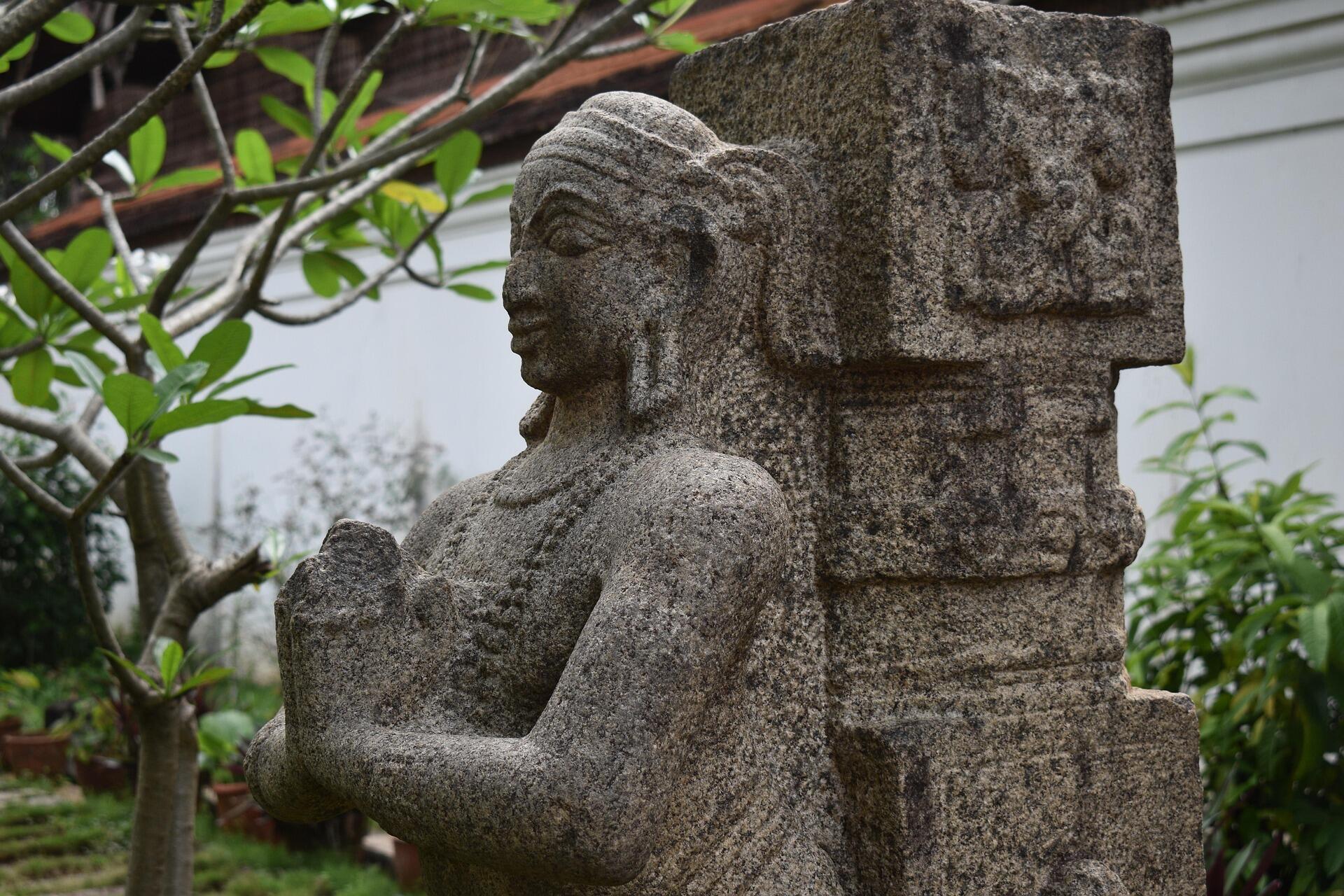
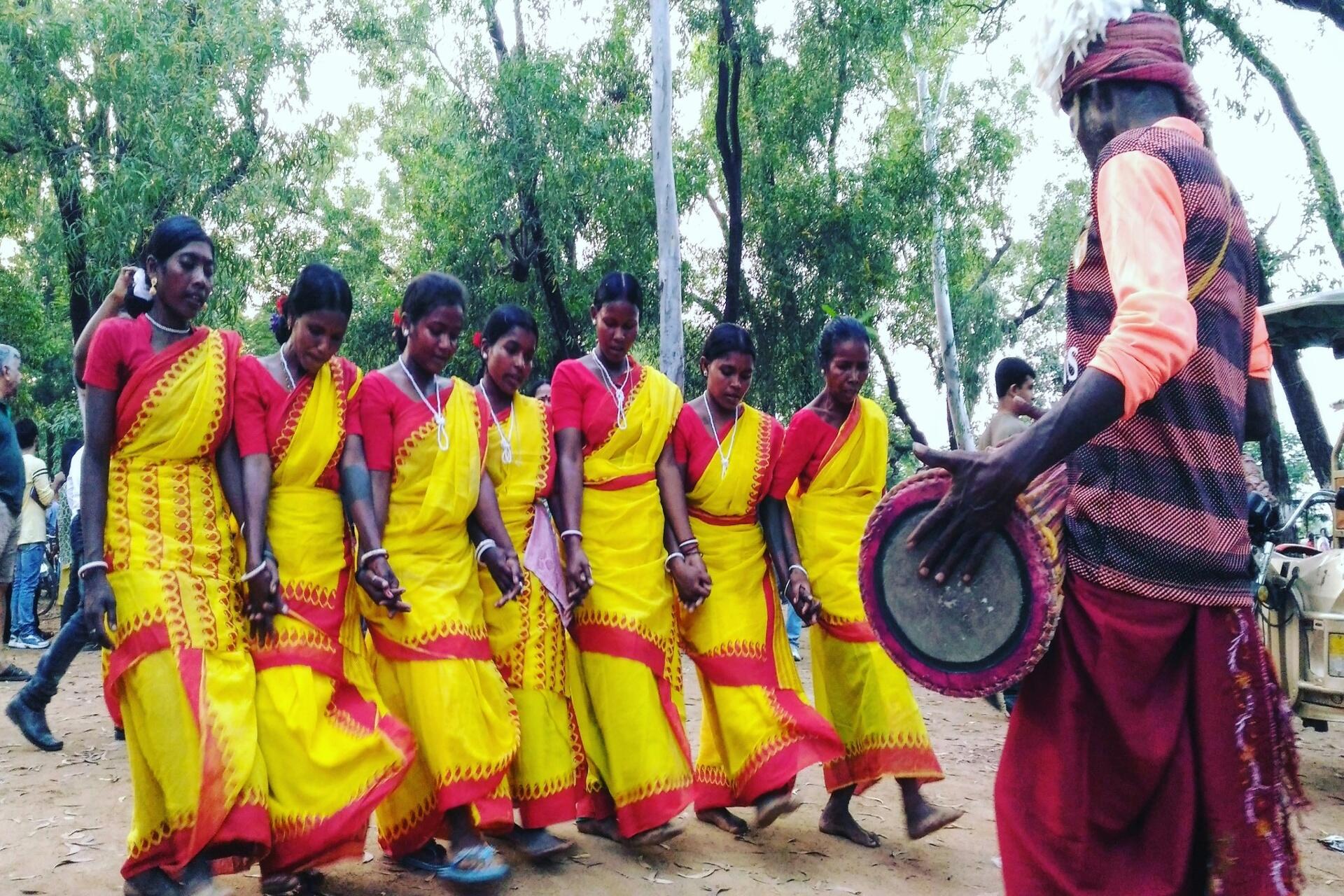
The culture of the Tamil people is strongly associated with their expressions of identity, faith, family values, and artistic heritage. In Malaysia, Tamil culture is expressed through an extensive array of means, including cultural education, traditional temple activities, the celebration of various festivals, classical dance forms such as Bharatanatyam, music, and community-based events, where Tamil is used not only for communication but also for preserving memory and belonging. For learners who wish to explore the language more deeply while connecting with these cultural traditions, you can also discover useful resources and study methods in this guide on the best tools for learning Tamil.
💃Tamil in Performing Arts
Tamil cultural influence is visible in classical arts such as Bharatanatyam, a South Indian classical dance form documented by Malaysia’s National Department for Culture and Arts through its cultural mapping platform. Bharatanatyam uses music, rhythm, gestures, facial expressions, and storytelling to present religious, cultural, and moral themes, making language and performance work together.5
🎶Tamil in Music and Devotional Traditions
In terms of Tamil devotional music, the Tamil language is commonly found in devotional songs, temple readings, cultural performances held at festivals, etc., as a way for Tamil students to see that Tamil is more than just an academic subject but rather a language that represents an artistic way to pray, create musical memory, and participate within a community.
🇲🇾 Tamil traditions in Malaysia
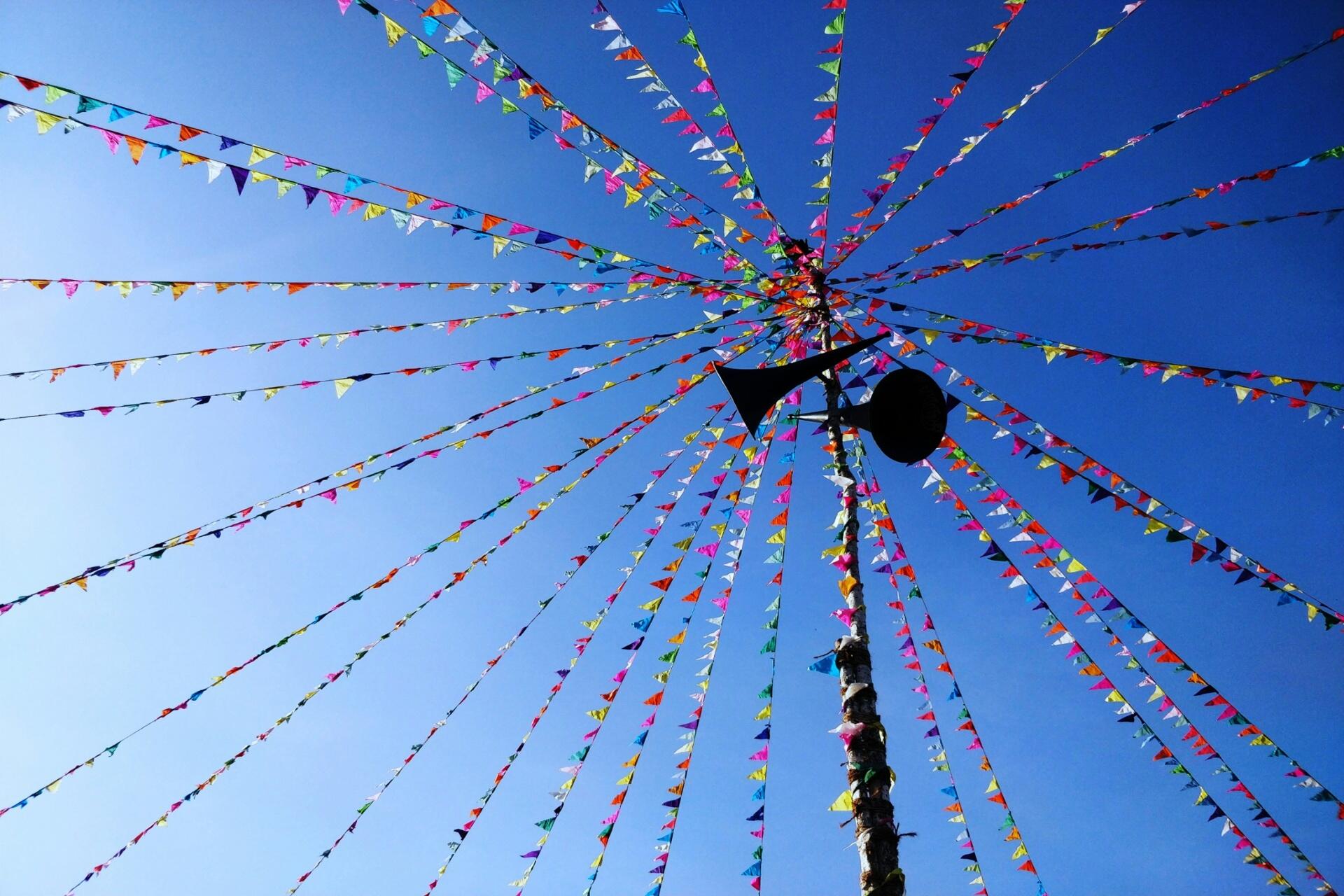
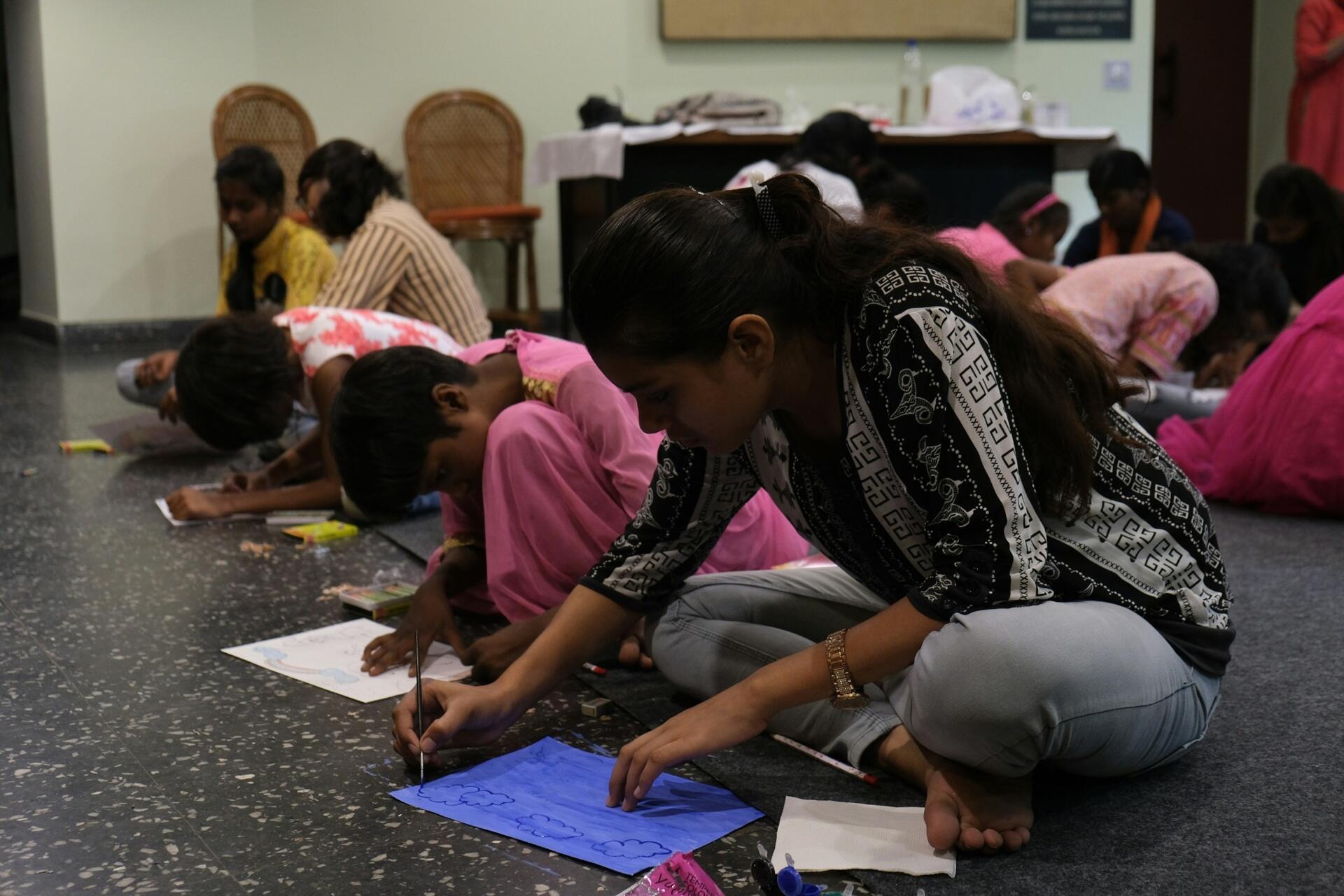
In Malaysia, Tamil cultural practices are especially visible during festivals, temple activities, arts performances, and Tamil-medium education. Tamil also has a formal place in the education system through Sekolah Jenis Kebangsaan Tamil (SJKT), where pupils follow the national curriculum while learning through Tamil as a medium of instruction.4
🌉Tamil as a Cultural Bridge
For Malaysian students who learn Tamil, there is an inherent connection between their acquisition of the Tamil language and their lived experience of Tamil culture. Every time a student learns a Tamil word, song, story, greeting or expression, they also learn about the values, respect, familial connections, and traditions that Tamil communities have passed down from generation to generation.
Overall, the impact of Tamil on Malaysian society can be found both within the context of everyday life as well as in the context of formal expressions of Tamil culture. Examples of where Tamil language is present within the community include: in educational institutions, homes, during celebrations of various festivals, when viewing live performances on stage, in religious institutions, and at community events, indicating that the Tamil language continues to have significance beyond the written word and can therefore serve as an important cultural link between Tamil communities both in Malaysia and around the world.
📜Famous Tamil Proverbs and Quotes
Tamil proverbs and quotations offer insight into values such as perseverance, character, humility, and wisdom. These expressions have been passed down through generations and continue to be quoted in everyday conversations, literature, and educational contexts.
Famous Tamil Proverbs and Their Meanings
| Tamil Proverb | Transliteration | Meaning in English |
|---|---|---|
| ஐந்தில் வளையாதது ஐம்பதில் வளையாது | Ainthil Valayaathathu Aimbathil Valayaathu | It is difficult to change habits or character later in life; early learning matters. |
| அகத்தின் அழகு முகத்தில் தெரியும் | Agathin Alagu Mugathil Theriyum | A person’s inner goodness is reflected in their face and actions. |
| புலி பசித்தாலும் புல்லைத் தின்னாது | Puli Pasitthalum Pullai Thinnadhu | A person’s true nature does not easily change, even under pressure. |
| நாய் வாலை நிமிர்த்த முடியாது | Naai Vaalai Nimirtha Mudiyathu | Some deeply ingrained traits are difficult to alter. |
| அடி மேல் அடி வைத்தால் அம்மியும் நகரும் | Adi Mel Adi Vaithal Ammium Nagarum | Consistent effort can move even the most difficult obstacles. |
| நிழலின் அருமை வெயிலில் தான் தெரியும் | Nilalin Arumai Veyilil Thaan Theriyum | We often appreciate comfort or blessings only when they are absent. |
Famous Tamil Quotes and Their Meanings
| Author | Tamil Quote | Transliteration | Meaning / Message |
|---|---|---|---|
| Thiruvalluvar | வில் நேராக இருந்தாலும் கொடியது; யாழ் வளைந்திருந்தாலும் இனிமையானது. ஆகையால் மனிதரை தோற்றத்தால் அல்ல, செயலால் மதிப்பிடு. | Vil nērāga irundālum kodiyaadhu; yāḻ valaindhirundālum inimaiyaanadhu. Āgaiyāl manidharai thotraththāl alla, seyalāl madhippidu. | Judge people by their actions, not their outward appearance. |
| Subramania Bharati | கவிதை எழுதுபவன் கவிஞன் அல்ல; கவிதையை வாழ்வாகவும், வாழ்வை கவிதையாகவும் ஆக்குபவனே கவிஞன். | Kavidhai ezhuthubavan kavignan alla; kavidhaiyai vāzhvāgavum, vāzhvai kavidhaiyāgavum aakkubavanē kavignan. | True poetry comes from lived experience, not simply writing words. |
| A.P.J. Abdul Kalam | தன்னை அறியாமை உடையவன் என உணரும் தருணத்தில் முட்டாள் அறிவாளியாகிறான்; தன்னை அறிவாளி என பெருமைபேசும் போது அறிவாளி முட்டாளாகிறான். | Thannai ariyāmai udaiyavan ena uṇarum tharunaththil muttāl arivāḷiyāgiraan; thannai arivāḷi ena perumaipēsumpōdhu arivāḷi muttāḷāgiraan. | Humility is a sign of wisdom; arrogance weakens intelligence. |
| K. Kamaraj | சுயமாக வாழ்வது எதையும் எதிர்பாராமல் வாழ்வதைக் குறிக்கும். | Suyamāga vāzhvathu edhaiyum edhirpārāmal vāzhvathaik kurikkum. | Independence also means selflessness and responsibility. |
| Swami Vivekananda | உயர்ந்த எண்ணங்களால் மனதை நிரப்புங்கள்; நல்ல செயல்கள் அதிலிருந்து பிறக்கும். | Uyarntha eṇṇangaḷāl manadhai nirappungaḷ; nalla seyalgaḷ athilirundhu pirakkum. | Noble thoughts often lead to meaningful action. |
✨Tamil Language Facts and Fun Facts About Tamil Language
Tamil is full of fascinating linguistic and cultural features that make it stand out globally. Beyond its literary history and structured writing system, Tamil continues to remain relevant in modern education, media, governance, entertainment, and international communities. For Malaysian students, this makes Tamil especially interesting because it is not simply a heritage language—it is also part of the country’s multilingual cultural landscape.
🌟Unique Aspects of Tamil
Here are some interesting facts that make Tamil unique:
- Tamil has a strong digital presence in the modern world: Tamil is one of the Indian languages widely supported in digital technology, including Unicode computing, mobile keyboards, educational apps, digital publishing, and online media. This shows how an ancient language has successfully adapted to modern communication.
- Tamil has an official presence in education in Malaysia: In Malaysia, Tamil continues to be taught through Sekolah Jenis Kebangsaan Tamil (SJKT) under the national education framework, making it one of the established languages in the country’s school system. This gives younger generations opportunities to formally learn the language while preserving cultural continuity.
- Tamil cinema has helped spread the language globally: Tamil-language films, music, and media have introduced Tamil expressions, storytelling styles, and cultural references to audiences far beyond traditional Tamil-speaking regions. For many younger learners, entertainment becomes an informal way of engaging with the language.
- Tamil uses a highly phonetic writing system: Compared with languages where spelling and pronunciation can differ significantly, Tamil generally follows predictable sound patterns, making pronunciation more systematic once learners understand the script.
- Tamil has formal and conversational forms used differently in real life: One distinctive feature is the difference between formal written Tamil and everyday spoken Tamil, which reflects how the language adapts depending on context, audience, and social setting.
🤔Tamil Trivia: Did You Know?
The Tamil language is native to Tamil Nadu (India), Puducherry (India) and Sri Lanka, where most of the native Tamil-speaking population is highly concentrated.
📖Learning Tamil for Beginners: Where to Start?
Starting a new language can feel overwhelming, especially when you are unsure whether to begin with speaking, reading, writing, or pronunciation. The best starting point depends on your personal goal. Are you learning Tamil to communicate with family members, connect with Tamil-speaking communities in Malaysia, prepare for travel, or develop full literacy in the language? Your answer shapes the most effective learning path.
🎯Choose Your Learning Goal First
Before memorising vocabulary lists, it helps to decide what success looks like for you.
- If your goal is everyday conversation: focus first on greetings, simple phrases, pronunciation, listening practice, and commonly used spoken expressions. Since conversational Tamil can differ noticeably from formal written Tamil, this practical approach helps beginners communicate faster.
- If your goal is reading and writing: Begin with the Tamil alphabet, pronunciation patterns, character combinations, and common vocabulary. Building a strong script foundation makes future learning far easier.
- If your goal is cultural understanding: Learning songs, proverbs, films, and common expressions can make the language feel more engaging and less intimidating.
🧠Find the Learning Style That Works for You
Every learner progresses differently. Some students enjoy independent learning through videos, apps, audio tools, and online resources, while others benefit from guided teaching with personalised feedback.
If you prefer structured support, Superprof offers a practical way to connect with experienced Tamil tutors based on your goals and preferred learning style. With more than 36 million tutors worldwide across 50+ countries, learners can choose between online lessons or in-home tutoring, depending on what suits them best. Tutor profiles include reviews from previous students, helping learners make informed choices, and many tutors also offer a free first lesson, making it easier to explore teaching styles, experience levels, and lesson compatibility before committing.
📈Start Small and Build Confidence
The key is not trying to master everything at once. Learning a few useful phrases, recognising common sounds, and practising regularly often creates stronger long-term progress than attempting to memorise too much too quickly. Like any language, Tamil becomes much less intimidating once learners start using it consistently.
📑Basic Tamil Phrases for Beginners
One of the fastest ways to feel comfortable with a new language is by learning phrases you can actually use in everyday life. Whether you are greeting someone, introducing yourself, asking simple questions, or expressing gratitude, these practical Tamil phrases can help beginners start communicating with confidence.
| English Phrase | Tamil Script | Transliteration | Malay Meaning | Audio |
|---|---|---|---|---|
| Hello | வணக்கம் | Vanakkam | Helo | |
| How are you? | எப்படி இருக்கிறீர்கள்? | Eppadi irukkireergal? | Apa khabar? | |
| I am fine | நான் நலமாக இருக்கிறேன் | Naan nalamaga irukkiren | Saya sihat | |
| What is your name? | உங்கள் பெயர் என்ன? | Ungal peyar enna? | Siapa nama anda? | |
| My name is... | என் பெயர்... | En peyar... | Nama saya... | |
| Thank you | நன்றி | Nandri | Terima kasih | |
| Please | தயவு செய்து | Dayavu seithu | Sila | |
| Sorry | மன்னிக்கவும் | Mannikkavum | Maaf | |
| Yes | ஆம் | Aam | Ya | |
| No | இல்லை | Illai | Tidak | |
| I don’t understand | எனக்கு புரியவில்லை | Enakku puriyavillai | Saya tidak faham | |
| Can you help me? | நீங்கள் உதவ முடியுமா? | Neengal udhava mudiyuma? | Boleh tolong saya? | |
| How much is this? | இது எவ்வளவு? | Idhu evvalavu? | Berapa harga ini? | |
| Where is the toilet? | கழிவறை எங்கே? | Kazhipparai enge? | Tandas di mana? |
Tamil is far more than a means of communication—it is a language shaped by centuries of knowledge, creativity, cultural expression, and living tradition. From its structured writing system and rich literary heritage to its continued presence in education, media, and multicultural communities such as Malaysia, Tamil remains both historically significant and deeply relevant today. Whether you are exploring Tamil out of curiosity, cultural connection, academic interest, or practical communication, learning even a small part of the language opens the door to a remarkable world of stories, ideas, and human expression.
References
- Tamil Nadu Department of Archaeology. Tamil-Brahmi Script. Government of Tamil Nadu, https://www.tnarch.gov.in/tamil-brahmi-script. Accessed 26 May 2026.
- Tamil Nadu Department of Archaeology. Inscriptions in Thamizhi (Tamil-Brahmi) Script. Government of Tamil Nadu, https://www.tnarch.gov.in/epigraphy/inscriptions-thamizhi-tamil-brahmi-script. Accessed 26 May 2026.
- Government of Malaysia. Primary School. Malaysia Government Portal, https://www.malaysia.gov.my/en/categories/school--education/primary-school. Accessed 26 May 2026.
- Government of Malaysia. National School. Malaysia Government Portal, https://www.malaysia.gov.my/en/categories/school--education/primary-school/national-school. Accessed 26 May 2026.
- National Department for Culture and Arts Malaysia. Bharatanatyam. Ministry of Tourism, Arts and Culture Malaysia, https://pemetaanbudaya.jkkn.gov.my/senibudaya/detail/719. Accessed 26 May 2026.
- National Library Board Singapore. Digital Archives: Singapore Tamil Literature. National Library Board, https://reference.nlb.gov.sg/guides/arts/lit-arts/digital-archives-singapore-tamil-literature/. Accessed 26 May 2026.
Summarise with AI:
Did you like this article? Leave a rating!

 Loading...


