
The Asian Games 2026, also known as the 20th Asian Games, will be hosted jointly by the City of Nagoya and Aichi Prefecture in Japan. This will be the third time Japan will be hosting the prestigious event, having hosted it earlier in Tokyo in 1958 and Hiroshima in 1994.
Featuring athletes from 45 nations, the Games aim to bring together players from various countries participating in a wide range of sporting activities. Guided by the theme “IMAGINE ONE ASIA,” the Games are going to celebrate the continent’s sporting talent and cultural diversity while encouraging unity and friendship among nations.
The 2026 Asian Games are scheduled to take place from September 19 to October 4, 2026, in Aichi Prefecture and Nagoya, Japan.
The opening ceremony is going to be held at the Mizuho Athletic Stadium (Paloma Mizuho Stadium).


Overview of the 2026 Asian Games
Host City
The Asian Games will be hosted by Japan in 2026, with Nagoya and the surrounding Aichi Prefecture serving as the primary host region, with games being held in 53 different venues. The opening ceremony is going to be held in Paloma Mizuho Stadium in Nagoya, but several competitions will be held before the opening ceremony.
The Aichi Prefecture, with Nagoya as its capital, was chosen as the venue for the Asian Games as this is one of Japan’s strongest industrial and transportation hubs.
Key reasons for selecting Nagoya are:
✅A well-developed transport network (high-speed Shinkansen, excellent road connectivity and the Chubu Centrair international airport nearby)
✅Existing sports facilities from past national and international events
✅Strong government and private sector support for large-scale events
✅Capacity to handle large numbers of athletes and visitors
The fierce competition between the world's top athletes will not only raise the profile of sport among the local population, but also improve the quality of athletes and coaches, which in turn will help to promote sport in the region. Hosting the Asian Games will create an atmosphere in which local residents can enjoy sport together, making Aichi-Nagoya the top region for sport in Japan.
Takashi Kawamura, Mayor of Nagoya City
Main Venues
The 2026 Asian Games are going to be hosted primarily across Aichi Prefecture and Nagoya City, Japan, totalling 53 venues. The competition venues comprise mainly existing venues, with a few being constructed. The aim is to keep costs under control and also to be as environmentally friendly as possible.
The primary venues are going to be:
1️⃣New Paloma Mizuho Stadium, Nagoya
- Capacity 35,000
- Will be used for ceremonies and athletics
2️⃣Aichi International Arena
- Capacity around 17,000
- Basketball
- Judo
- Opened in 2025 with a modern multi-purpose design by Kengo Kuma.
3️⃣Nippon Gaishi Hall
- Gymnastics
- Water polo
- One of Nagoya’s major indoor arenas
4️⃣Tokyo Equestrian Park
Venue for equestrian competitions
5️⃣Toyohashi Municipal Baseball Stadium
- Baseball
- Capacity around 16,000
👉Paloma Mizuho Stadium: The main centre for Athletics and Ceremonies.
👉Nippon Gaishi Hall: Indoor sports, polo, and gymnastics.
👉Nagoya City Gymnasium: Hosting various ball games.
👉Tokyo Equestrian Park: Equestrian events.
👉Aichi International Arena: Judo and Basketball.
Accomodation
With an aim to be environmentally sustainable, the Games organisers have decided not to construct any Games Village. Instead, a cruise ship will be used as an athletic village, with the rest of the athletes being accommodated in hotels.
This year, instead of constructing a Games Village, the organisers of the 2026 Asian Games have decided to use the Italian cruise ship "Costa Serena" for athlete accommodation.
This cruise ship, which has approximately 1,500 cabins, will be docked for 20 days at the Kinjo Wharf of Nagoya Port. It is expected that it will accommodate around 4,000 athletes and related personnel.
Here is a video on the same:
Dates and Schedule
Official dates: September 19 to October 4, 2026.
Early September
Players start arriving in early to mid-September
Preliminary round begins
Preliminary rounds for several sports begin before the Opening Ceremony
Official Ceremony
Official beginning of the Games on Sat 19 September, 2026
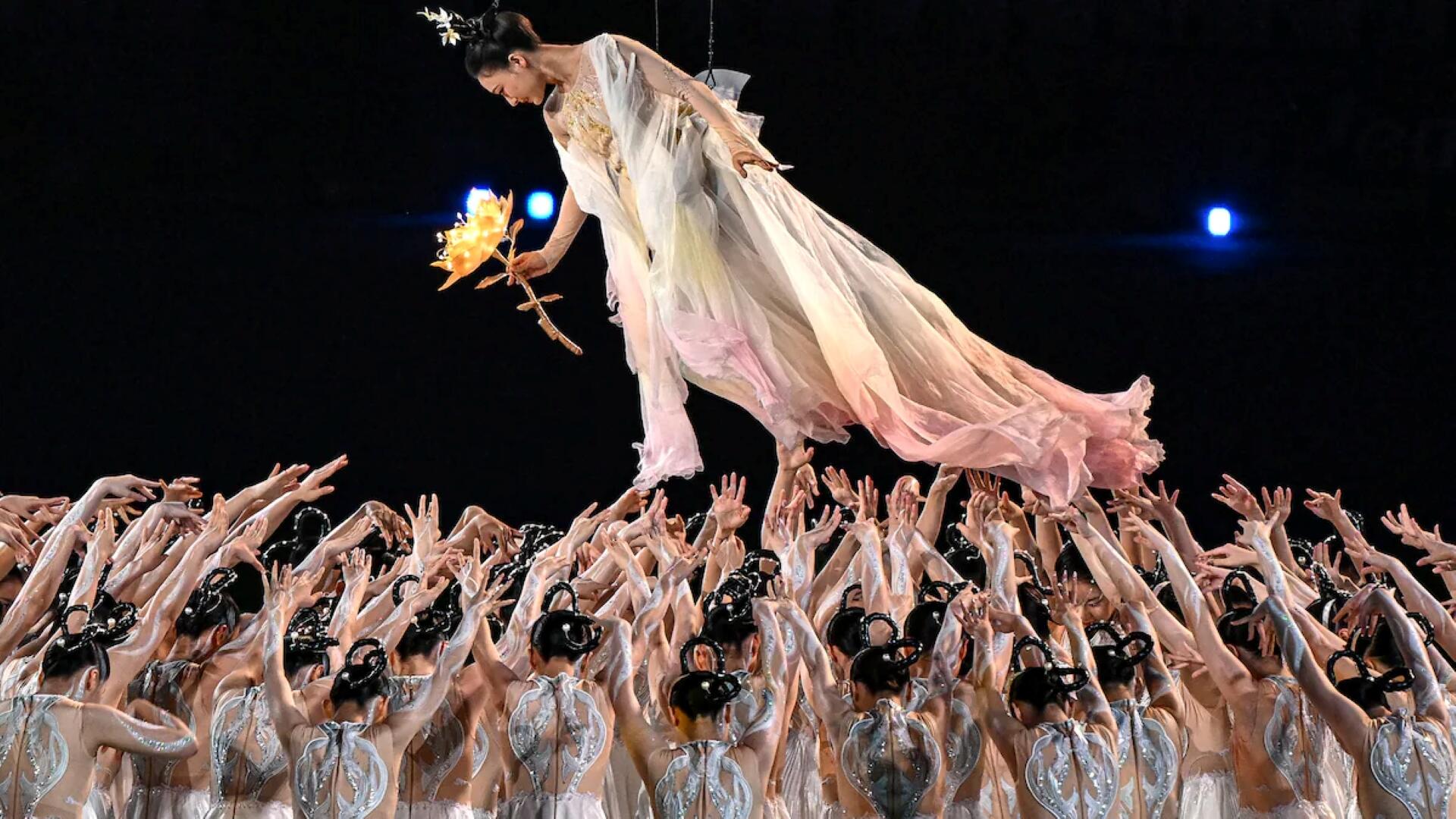
It features the parade of the nations, the lighting of the torch and cultural performances by the host country
Main Competition phase
Athletes participate in multiple sporting events and disciplines
This year, the competition will feature a total of 43 sports, covering 68 disciplines and a total of 460 events.
Closing ceremony
The Games end with a grand closing ceremony
You may be wondering what are the Asian Games and how it all started?
👉Boost tourism in Japan and Aichi Prefecture in particular
👉Promote sports in the region
👉Encourage stadium modernisation and overall urban redevelopment
Sports and Events
Core Sports
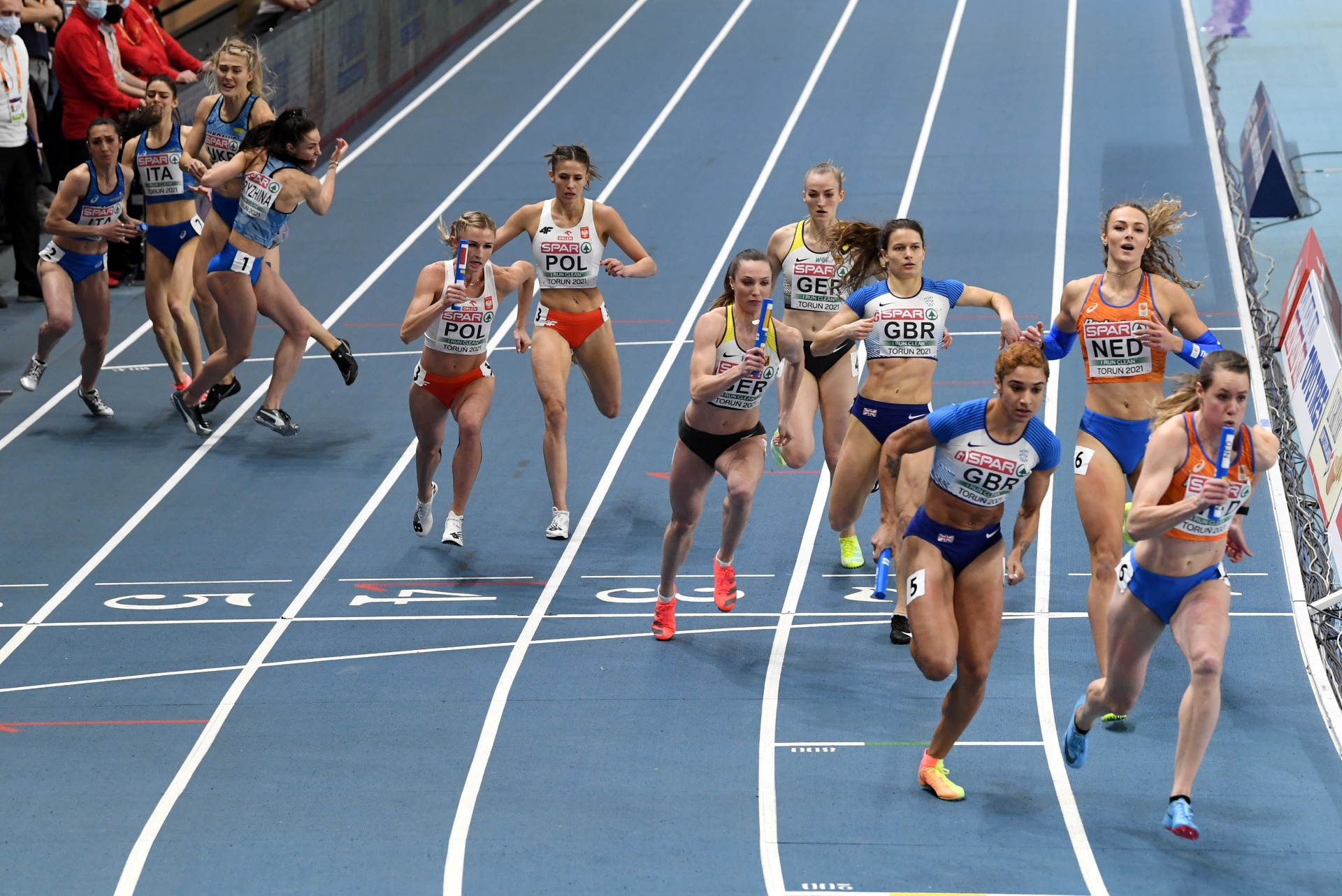
- Athletics – Athletics is one of the most widely followed sports at the Asian Games. It includes a broad range of competitions like track races, field events, marathons, and combined events. China, Japan, and India have traditionally captured a large share of the medals.
- Swimming – Swimming has always been a core sport at the Asian Games. Both men and women swimmers are graded on freestyle, butterfly, breaststroke, backstroke, and relay races.
- Badminton – Badminton has been included as a medal event since 1962. The competition consists of singles, doubles, and mixed doubles categories for both men and women.
- Gymnastics – Gymnastics includes artistic gymnastics, rhythmic gymnastics, and trampoline events, each demanding exceptional flexibility, strength, balance, and coordination. Athletes perform highly skilled routines that captivate audiences and judges alike.
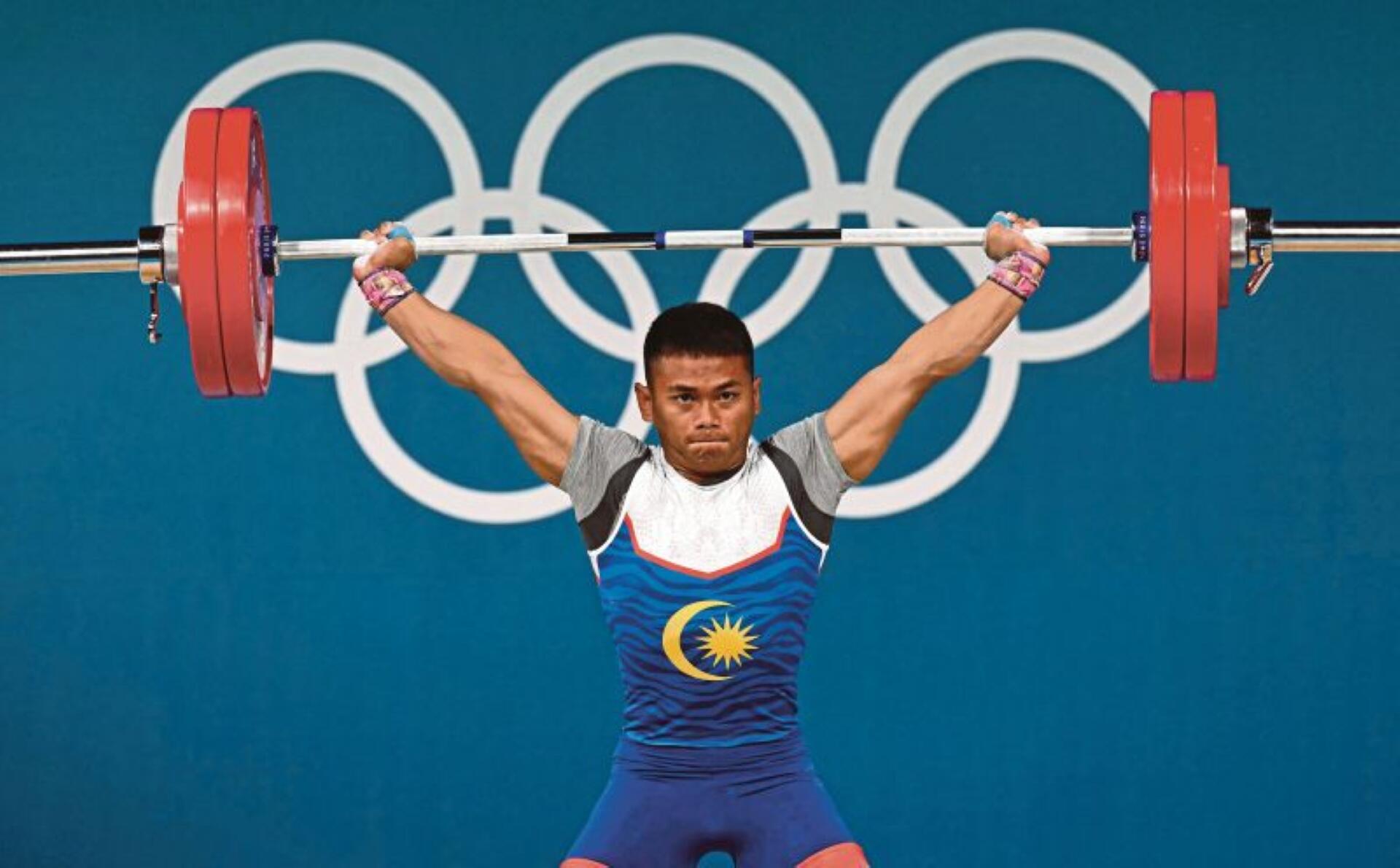
- Weightlifting – Weightlifting is a competitive sport where athletes participate in different weight divisions aligned to the International Weightlifting Federation (IWF) and Olympic standards. Weightlifters perform two main lifts: clean and jerk and the snatch. Countries such as Kazakhstan and China have consistently excelled in this sport.
Traditional Sports
- Sepak Takraw – Sepak Takraw is famous for its acrobatic moves, lightning-fast gameplay, and impressive aerial kicks. Players are allowed to use all parts of their bodies except their hands to keep the ball and send it across the net.
- Kabaddi – Kabaddi is a traditional contact sport originating in the Indian subcontinent. In the game, a raider invades the opposite team’s pitch to tag defenders, all the while chanting “kabaddi.”
- Wushu – Wushu is a modern competitive form of traditional Chinese martial arts that became part of the Asian Games in 1990. The sport is divided into two main categories: Taolu (choreographed routines combining martial arts movements with gymnastics) and Sanda (blending martial arts techniques with boxing and wrestling-style movements).
- Kurash – Kurash is an ancient wrestling style originating in Central Asia. Competitors wear traditional green and blue jackets and aim to throw their opponents onto the mat using skilful techniques and balance. The sport uses a unique scoring system consisting of three levels: Halal, Yonbosh, and Chala.
New Additions in 2026
This year's Asian Games will see the addition of new sports like:
Freestyle BMX- Freestyle BMX is an extreme action sport that will debut at the Asian Games and be part of the Asian Games 2026 schedule. It has five primary disciplines: Vert, Street, Park, Flatland, and Dirt. Earlier, freestyle BMX debuted at the 2020 Tokyo Olympics.
Mixed Martial Arts (MMA) - MMA is going to debut in the 2026 Asian Games. It will feature six medal events – four for men and two for women. It will be classified as a combat sport alongside kurash and jiu-jitsu.
Padel – Padel is a fast-paced game that is a mix of both squash and tennis. It is played in doubles and has a scoring system similar to tennis but with different rules. The smaller court size makes padel a high-intensity game and one that involves quick reflexes.
It is with great enthusiasm and pride that we welcome the news that the OCA has unanimously decided to recognize Padel as an official sport of the Asian Games. The timing of this announcement, coinciding with the FIP World Cup Pairs in Kuwait, is perfect — a testament to how padel is increasingly becoming a global sport and a major presence both in Asia and around the world.
Luigi Carraro, FIP President
Surfing – This year, surfing is making its debut at the Asian Games and is scheduled from Sept 19 to Oct 4. Taking advantage of Japan's excellent coastline and world-class infrastructure, surfing will be held at Pacific Long Beach in Tahara, Aichi, a venue built especially for high-performance shortboard competition.
👉Surfing
👉Padel
👉Teqball
👉Mixed Martial Arts (MMA)
👉Freestyle BMX
Esports Inclusion
Games that have been included this season include:
- Competitive Martial Arts: Street Fighter, Tekken and King of Fighters Series - These 3 sports have been clubbed
- Pokémon Unite
- Honor of Kings
- League of Legends
- PUBG Mobile (Asian Games Version)
- Mobile Legends: Bang Bang
- Identity V (Asian Games Version)
- Naraka: Bladepoint
- Gran Turismo 7
- eFootball Series
- Puyo Puyo Champions
AESF does welcome the decision and announcement from both OCA and AINAGOC, and we offer our full support for Esports. We are committed to working closely with AINAGOC to ensure that the wonderful game of Esports continues to be presented as one of the medal events at the 20th Asian Games following the 2022 Hangzhou Asian Games.
Asian Electronic Sports Federation (AESF) President, Kenneth Fok
Participation and Teams
Participating Nations
The 2026 Asian Games are going to see participation from 45 nations. The competition will feature a total of 43 sports, covering 68 disciplines and a total of 460 events. There will be 217 men's events, 204 women's events and 39 mixed-gender competitions.1
The 41 sports lineup at the Asian Games includes:
🏀Ball Sports
- Baseball/softball
- Breaking
- Badminton
- Football
- Basketball (also 3x3)
- Golf
- Hockey
- Handball
- Squash
- Table tennis
- Sepak takraw
- Tennis
- Volleyball
🏋️Athletics
- Athletics (Track and field, marathon, race walk)
- Triathlon
- Modern Pentathlon
🤼♂️Combat Sports
- Jiu-jitsu
- Kurash
- MMA
- Boxing
- Wushu
- Judo
- Karate
- Taekwondo
- Wrestling
🏊Water Sports
- Swimming
- Canoe/kayaking
- Rowing
- Sailing
- Surfing
National swimmer Khiew Hoe Yean is a famous Malaysian sportsman who aims to break the men’s 400m freestyle national record at this year’s Asian Games and Commonwealth Games. In an interview with Bernama, he said:
If I can clock 3 minutes 46 seconds or 3:45s, it means I am a world-class swimmer, as that timing should even be good enough for a spot in a World Championship final. That is my goal for this year. I am in good condition to chase that target; I just need to stay disciplined and consistent in my training.
Khiew Hoe Yean to Bernama
🏅Other Sports
- Archery
- Cycling
- Cricket (T20)
- Equestrian
- Esports
- Fencing
- Gymnastics
- Rugby (7s)
- Shooting
- Sport climbing
- Weightlifting
- Kabaddi
- Skateboarding
The following table highlights some of the core sports categories in the 2026 Asian Games, along with their respective disciplines.
| Sport Category | Disciplines |
|---|---|
| Aquatics | Swimming, Diving, Artistic Swimming, Water Polo |
| Athletics | Track & Field, Marathon, Race Walking |
| Combat Sports | Jiu-jitsu, Kurash, MMA |
| Cycling | Road, Track, BMX, Mountain Bike |
| Gymnastics | Artistic, Rhythmic, Trampoline |
| Basketball | Basketball, 3x3 Basketball |
| Canoe/Kayak | Sprint, Slalom |
| Rugby | Rugby Sevens |
| Volleyball | Indoor Volleyball, Beach Volleyball |
Malaysia's Involvement
Malaysia has been invested in the Asian Games from the beginning, having participated since the second edition, which was held in 1954 in Manila. It won its first gold medal in 1962, and since then, it has established itself as one of Southeast Asia’s stronger sporting nations, particularly in badminton, squash, and diving.
Here is an overview of the players who we hope will participate in the 2026 Asian Games and win medals for Malaysia.
| Sport | Anticipated Malaysian Athletes / Teams | Why They’re Anticipated for 2026 Asian Games |
|---|---|---|
| Badminton | Leong Jun Hao; Justin Hoh; Wan Arif Wan Junaidi; Yap Roy King; Man Wei Chong | Malaysia is focusing on younger singles players and strong doubles pairs as part of its long-term rebuild strategy. |
| Sepak Takraw | Farhan Adam; Syahir Rosdi; Azlan Alias; Noraizat Mohd Nordin; Muhammad Haziq Hairul Nizam | Core national squad players forming Malaysia’s strongest medal-contending takraw team. |
| Squash | S. Sivasangari; Ng Eain Yow | Official SRAM gold-medal targets; both are defending Asian Games champions and central to Malaysia’s medal hopes. |
| Track Cycling | Muhammad Shah Firdaus Sahrom (nicknamed “The Terminator”); Nurul Izzah Izzati Mohd Asri (The Pocket Rocketwoman) | Malaysia targets sprint and keirin medals through its elite men’s and women’s sprint cyclists. |
| Diving | Yong Rui Jie; Elvis Priestly Clement; Anilrian Normatrud Abdullah | These athletes are emerging as Malaysia’s current top diving performers based on recent competition scores, forming part of the next-generation national squad being shaped for 2026. |
| Archery | Khairul Anuar Mohamad; Syaqiera Mashayikh | Experienced recurve archers expected to lead Malaysia’s medal challenge. |
| Karate | C. Shahmalarani; Arif Afifuddin | Part of Malaysia’s structured elite martial arts development program. |
| Wushu | Wong Weng Son; Tan Cheong Min | Strong international performers and consistent medal contenders for Malaysia. |
Key Highlights and Expectations
Opening and Closing Ceremonies
Opening Ceremony: Sat 19 September 2026 at the Mizuho Athletic Stadium (Paloma Mizuho Stadium)
Closing Ceremony: Sun 4 October, 2026
Cultural Significance
The Asian Games are much more than sporting events. They are a minuscule representation of Asian identity. After the Second World War, the idea of the Asian Games was conceived in an effort to bring together nations in peace and harmony. That spirit still holds today.
✅The Games successfully balance tradition and modernity. For instance, while they feature Olympic, traditional sports like sepak takraw, wushu and kabaddi are also included, reflecting on Asia’s deep cultural roots.
✅In addition, each host nation gets to showcase its national culture, be it music, dance, or art. This not only promotes tourism in the host country but also brings a sense of pride to the people of the host nation.
✅For smaller countries, the Games provide visibility. Winning a medal brings national pride. It inspires future generations.
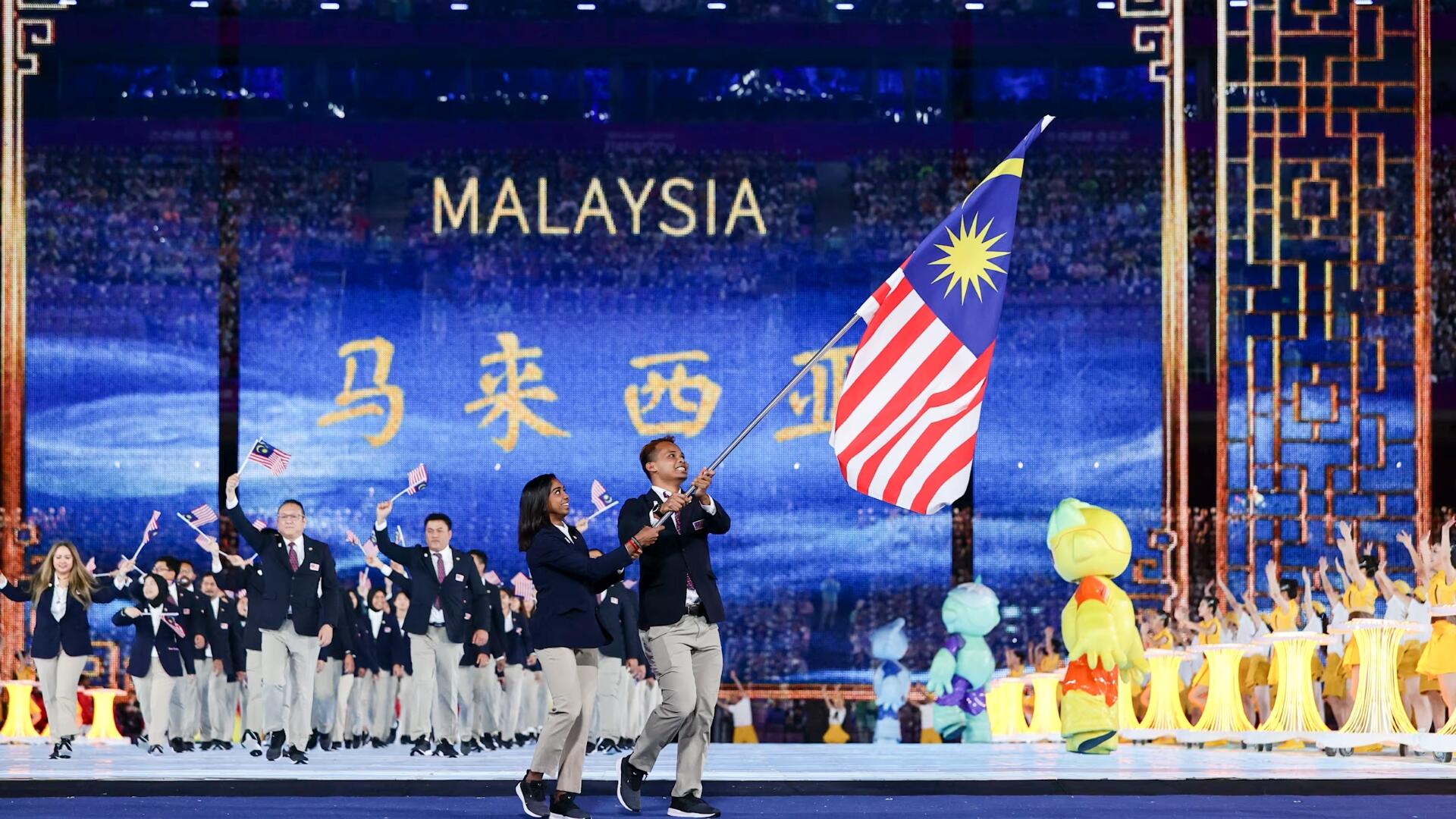
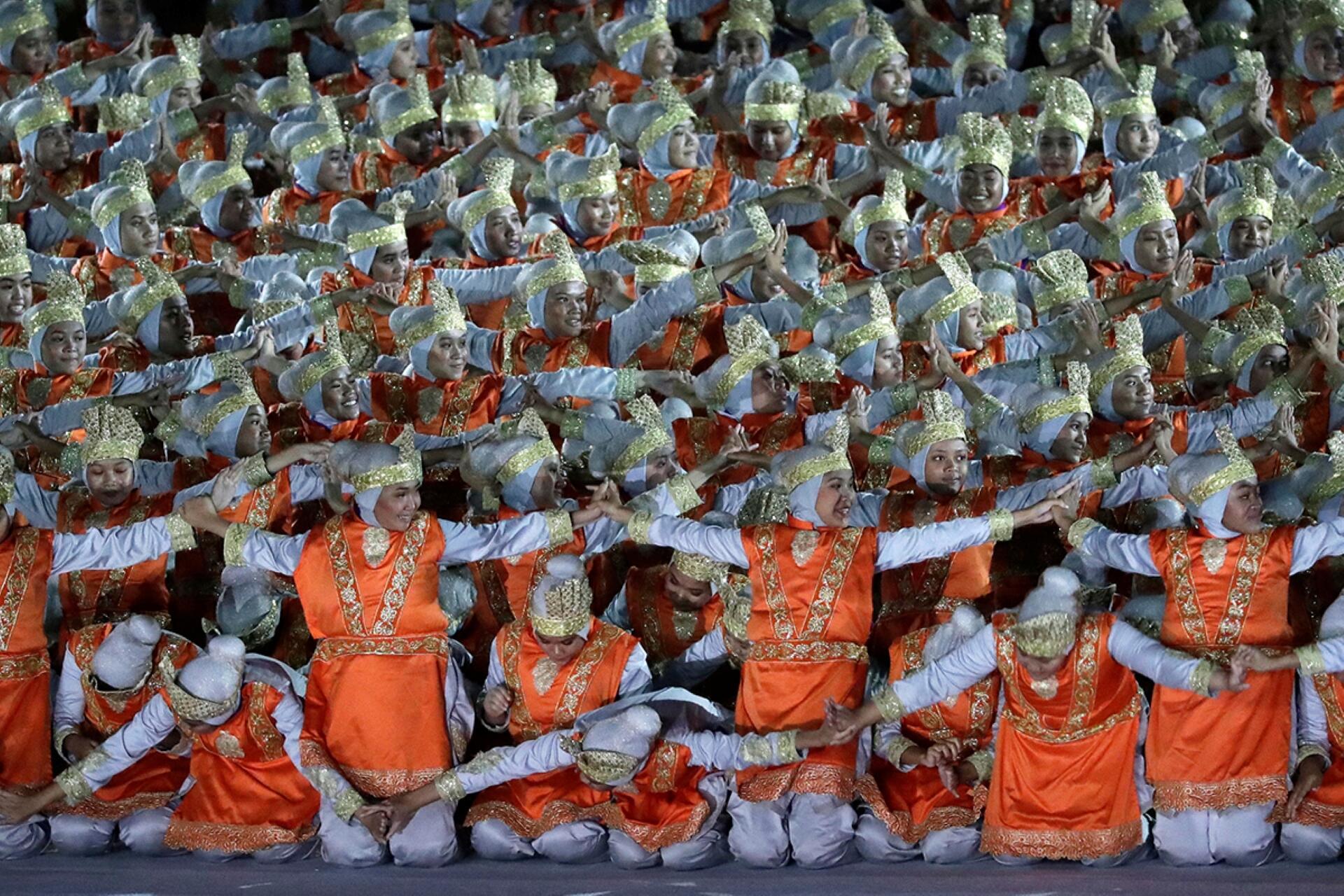
Japan has hosted both Olympic Games and Asian Games on several occasions. In our preparations, we are building on that experience while integrating modern solutions. The slogan of the upcoming Asian Games is Imagine One Asia. Our goal is to unite the continent, showcase Japanese hospitality, and present the cultural heritage of both the nation and the host region.
Acting CEO of the Aichi–Nagoya 2026 Organising Committee Yasuhiro Nakamori
Take this as your sign to learn more about the top icons of Malaysian sports.
Practical Information for Attendees
Ticketing and Accommodation
✅Advance tickets for the Asian Games 2026 are available at all ticket outlets from 10:00 AM on Monday, April 27, to 11:59 PM on Friday, June 19 (JST)
✅General ticket sales on the official website are scheduled to begin in late June.
✅To purchase tickets on the official Aichi/Nagoya 2026 ticket sales website, users must first create a Support ID, which serves as a personal account for ticket registration and management.
✅For the opening Ceremony and the Closing Ceremony, ticket holders are required to submit attendees' details in advance, including accompanying persons.
Transportation and Logistics
Fans can rely on Japan’s world-famous transportation system to reach the 20th Asian Games venues.2
- JR Central & Meitetsu Lines: These are ideal for venues in Toyota City or the Sky Expo.
- Nagoya Municipal Subway: Higashiyama, Meijo, and Sakura-dori lines on the Nagoya Municipal Subway connect most major stadiums.
- Chubu Centrair International Airport (NGO): This is the primary international airport located near the Sky Expo venue.
- Nagoya Airfield (Komaki): This is for attendees who want to take domestic flights.
Discover the key sports that Malaysia excels in at the Asian Games.
The 2026 Asian Games are Asia’s biggest sporting events, bringing together athletes from 45 nations to participate in over 500 events in Nagoya and Aichi, Japan. As the 2026 Asian Games dates near, the stage is set for electrifying performances, nail-biting finishes and elite athletic rivalries.
Showcasing both traditional favourites alongside newer additions like asian games 2026 esports, the Games highlight Asia’s growing sporting diversity and cultural richness. For Asian Games Malaysia team at the Asian Games 2026, the event offers Malaysian athletes yet another opportunity to compete on the continental stage and win laurels for the nation.
References
- Aichi-Nagoya Asian Games Organizing Committee, & Ohmura, H. (2019). Master Plan of the 20th Asian Games Aichi-Nagoya 2026. https://www.aichi-nagoya2026.org/cn/assets/file/tournament/plan1.pdf
- Olympic Council of Asia. (n.d.). Ticketing guide. In 20th Asian Games Aichi–Nagoya 2026. https://lp-ag.tickets-aichi-nagoya2026.org/pdf/guide_en-6.pdf
Summarise with AI:
Did you like this article? Leave a rating!

 Loading...