
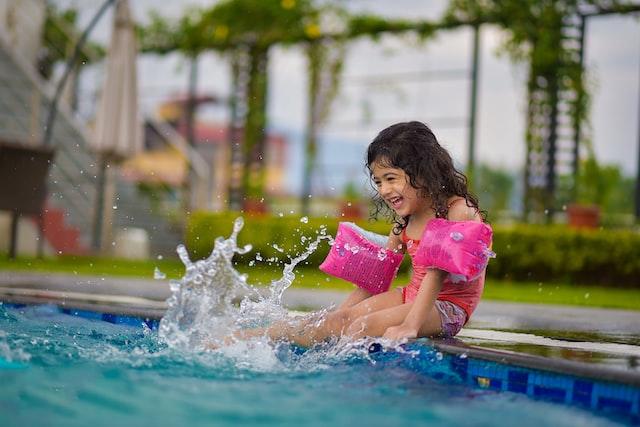

It's no surprise that famous beaches in Malaysia like Port Dickson, Batu Feringghi and Juara Beach on Tioman Island get crowded during school holidays. Let's also not forget international tourists who are now returning for their tropical getaway.
Lucky for us Malaysians, we have "summer" all year long, so it's a common view to see people relaxing in their swimsuits while enjoying a good swimming routine with their family and friends whenever we hit a beach.
Fun Fact!
Did you know that Malaysia has approximately 878 islands?
In this article, we will take a look at the increased popularity of swimming in Malaysia, other water sports that you can try apart from swimming, where to take swimming classes in Penang, as well as how to have an optimum swimming experience in terms of warming up routines and practical skincare.
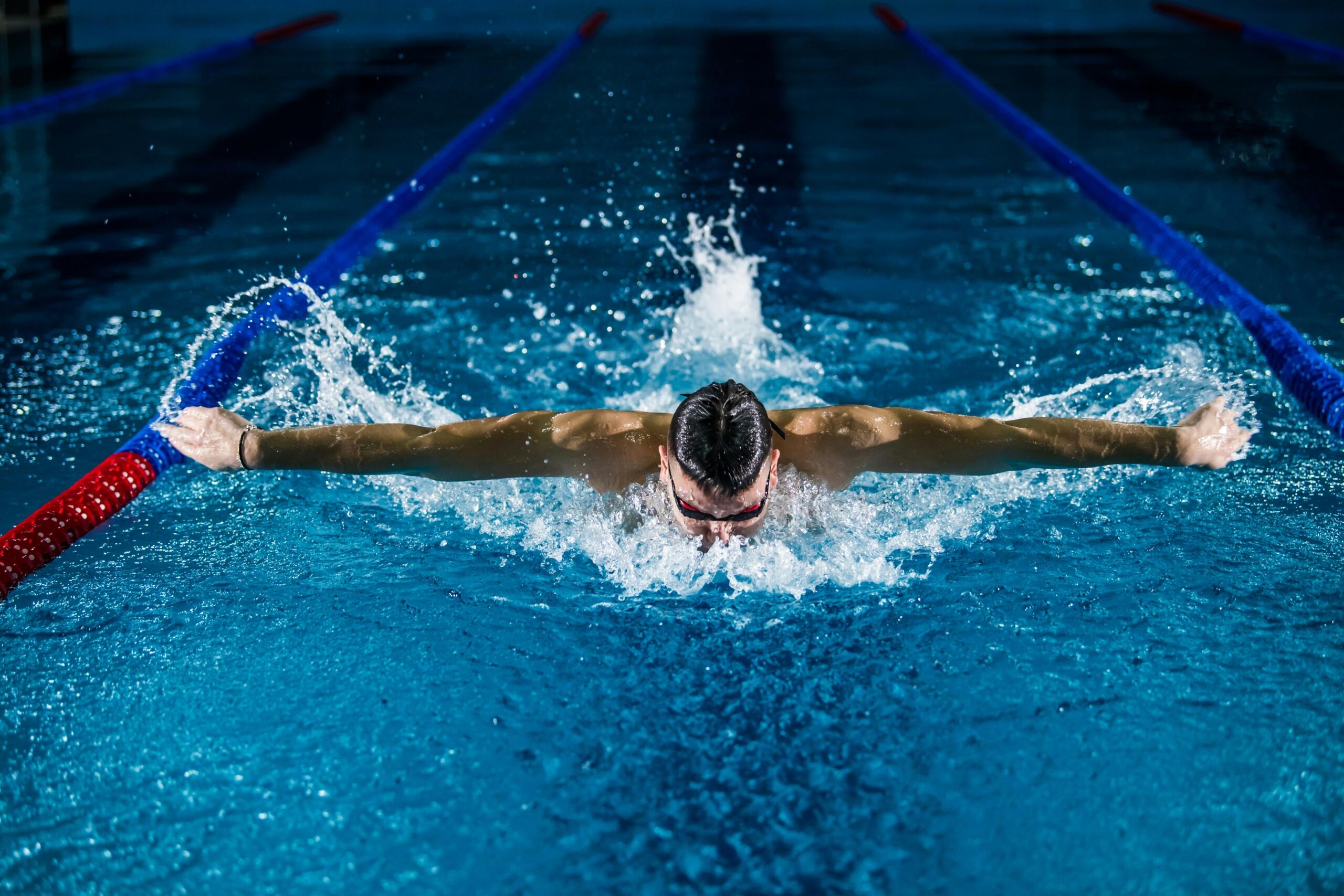


How to Swim for Beginners: Simple Techniques Anyone Can Learn
Learning how to swim is one of the most useful and joyful skills you can pick up, whether you’re practising in a pool, dipping at Batu Feringghi, or enjoying a family day by the sea in Penang. Follow these steps progressively, practice regularly, and you’ll be swimming with ease on your next tropical vacation.
1. Start with water safety and the right gear
Why it matters: Safety is step one, especially when you move from a pool to beaches around Penang (Batu Feringghi, Tanjung Bungah, Teluk areas).
Step-by-step:
- Choose supervised locations: begin in a public pool or a calm, lifeguarded beach. Pools give predictable depth for learning.
- Wear appropriate gear: a snug swimsuit, goggles to see underwater, and a swim cap if you want. Use a flotation aid only as a temporary confidence tool, not a permanent prop.
- Check conditions: at the beach, check tide, currents and whether the area is marked safe for swimming (ask locals or lifeguards). Use Grab or local transport to reach safer spots if needed.
- Buddy up: never practise alone. If you’re on vacation, plan a swim session after you’ve had food digestion time and before a long trek or hike.
2. Master breathing and floating first
Why it matters: Holding breath, relaxed breathing, and floating are the foundations. Once you’re comfortable floating, strokes are easier.
Step-by-step:
- Face-in breathing practice: in shallow water, put your face in, blow bubbles out through your nose and mouth, lift to inhale. Repeat until breath control feels normal.
- Back float drill: tilt your head back, keep your hips high, arms out like a star; breathe slowly and let the water support you. Practice until floating feels restful.
- Front float drill: take a deep breath, lie face down, use a flotation aid if needed, and relax your limbs so the body stays horizontal.
- Combine with breathing: alternate 5–10 seconds front float with 10–15 seconds back float so you learn to control both breathing and buoyancy.
3. Develop an efficient kick (propulsion)
Why it matters: A steady kick moves you forward and keeps your body level, key for all basic strokes.
Step-by-step:
- Holding the pool edge or a kickboard: extend your legs and practice small, fast flutter kicks from the hips (not the knees).
- Keep ankles loose: imagine flicking water with your toes; pointed toes reduce drag.
- Sets and rest: do 4 × 25m (or as much as comfortable) with rest in between, gradually increasing distance.
- Apply in open water: once comfortable, practice kicks in calm beach shallows (watch for rocks or waves) to get used to the sea’s feel.
4. Learn one basic stroke at a time (front crawl, then backstroke)
Why it matters: The front crawl (freestyle) is the fastest and most useful; backstroke is great for breathing and relaxed swims.
Step-by-step (front crawl):
- Combine breathing, floating and kicking: practice side breathing: every 3rd arm stroke, turn head to the side to inhale.
- Arm cycle: reach forward, pull under the body in an “S” motion, exit at the hip and recover over water. Keep elbows higher than hands during the pull.
- Coordinate: match one full arm cycle to several steady kicks; start slow, build rhythm.
- Practice laps: in a pool, do short intervals (e.g., 10–25m) and focus on form, not speed.
Step-by-step (backstroke): - Lie on your back: keep your body flat and your hips up, steady flutter kick.
- Arms alternate in straight, circular motion: reach overhead, enter pinky-first, pull down and past the hip.
- Head position: keep ears submerged, eyes to the sky to stay relaxed.
- Use backstroke on days you want a relaxed swim with easy breathing, perfect for family outings.
5. Practice in the pool, then progress to beaches and island spots
Why it matters: Pools provide controlled practice; beaches and islands (Penang has many beaches and small islands nearby) add waves and currents, a natural progression for confidence.
Step-by-step:
- Start in calm pools: focus on drills: kickboard laps, breathing drills, and stroke technique. Public pools in town are great training grounds.
- Practice endurance: slowly increase lap length and continuous swim time.
- Move to calm beach days: choose sheltered beaches like sections of Batu Feringghi or Tanjung Bungah on calm days. Avoid rocky areas and check for jellyfish or other hazards.
- Respect sea conditions: if waves or rip currents are present, stay shallow and seek lifeguard advice. Don’t attempt long open-water swims until you’re strong and confident.
6. Take lessons and use local attractions to keep motivation high
Why it matters: Professional coaching accelerates progress; Penang’s attractions make practice fun on vacation.
Step-by-step:
- Find a coach or class: group lessons are social and cost-effective; private lessons speed technique improvement.
- Set small goals: e.g., “25m front crawl without stopping” or “float for 30 seconds relaxed.” Celebrate wins with local food or a visit to George Town’s murals.
- Mix training with fun: after practice, enjoy Penang highlights: stroll George Town, enjoy local spice-rich food, visit Entopia, or relax at the beach. This keeps learning tied to pleasurable experiences.
- Family days: involve family members, so swimming becomes a shared activity on holiday.
7. Local practical tips: packing, timing, and enjoying Penang safely
Why it matters: Practicalities help you enjoy the whole trip and a full day by the water.
Step-by-step:
- Pack smart: towel, sunscreen, water, snacks, goggles, and a light change of clothes.
- Choose the best time: early morning or late afternoon for cooler water and fewer crowds.
- Respect local rules: some beaches have designated swimming zones; follow lifeguard instructions.
- Combine with other activities: plan a beach day with local food stops, a bus trip to scenic viewpoints, or a short trek to a garden or national spot for varied vacation memories.
Focus on breathing, floating and a steady kick, then add strokes and endurance. Use pools in town to build basics and graduate to Penang’s beautiful beaches when you’re ready. Mix lessons with local fun, visit George Town, sample the food, and reward your progress with a family beach day or a trip to Entopia. With steady practice and attention to safety, swimming becomes a natural, enjoyable part of your Penang adventure.
Why Is Swimming Gaining Popularity As A Workout/Sports In Malaysia?
Before we dive deep into where to take swimming classes, it's essential to identify our motivation to start learning this sport. After all, you need to continuously train in water for some time to fully master the basic swimming techniques before you move on to other swimming strokes.
Here are three solid reasons why many Malaysians (regardless of age and gender) are keener to learn how to swim these days.
Reason 1: More access to swimming pools (public and private) and beaches
As mentioned in the introduction, Malaysia is blessed with an abundance of islands and beaches. You don't have to travel far to swim near the beach. Apart from regular water splashing fun times at the beach, many people are opting to swim in the comfort of their homes.
Having said that, we are seeing this trend growing among private residential areas in the city, especially apartments and condominiums, where they provide swimming pools as exclusive facilities for their residents. If you’re curious about how swimming fits into a healthy lifestyle, you can also explore this guide on swimming as a fitness sport in Malaysia.
Reason 2: The rise of Malaysian swimming athletes in recent years
With the rise of social media and wide media coverage these days, more Malaysian athletes are getting recognised regularly. Some of them are even celebrity ambassadors for many brands, and they often appear in many televised and online interview programmes.
Young Malaysian swimmers like Welson Sim and Phee Jinq En have done us proud by qualifying for the Olympics twice in 2016 and 2021, and have had their fair share of winning many medals throughout their careers as swimmers. They also actively engage with their supporters via various social media platforms. As a result, more youngsters and the general public are more aware of the competitive swimming scene in Malaysia.
Reason 3: A practical life survival skill
In 2019, the World Health Organisation (WHO) reported that drowning is the main cause of death among young children in many countries.
This leads many parents to send their children to swimming classes at a young age so that they can learn to protect themselves while they're in the water.
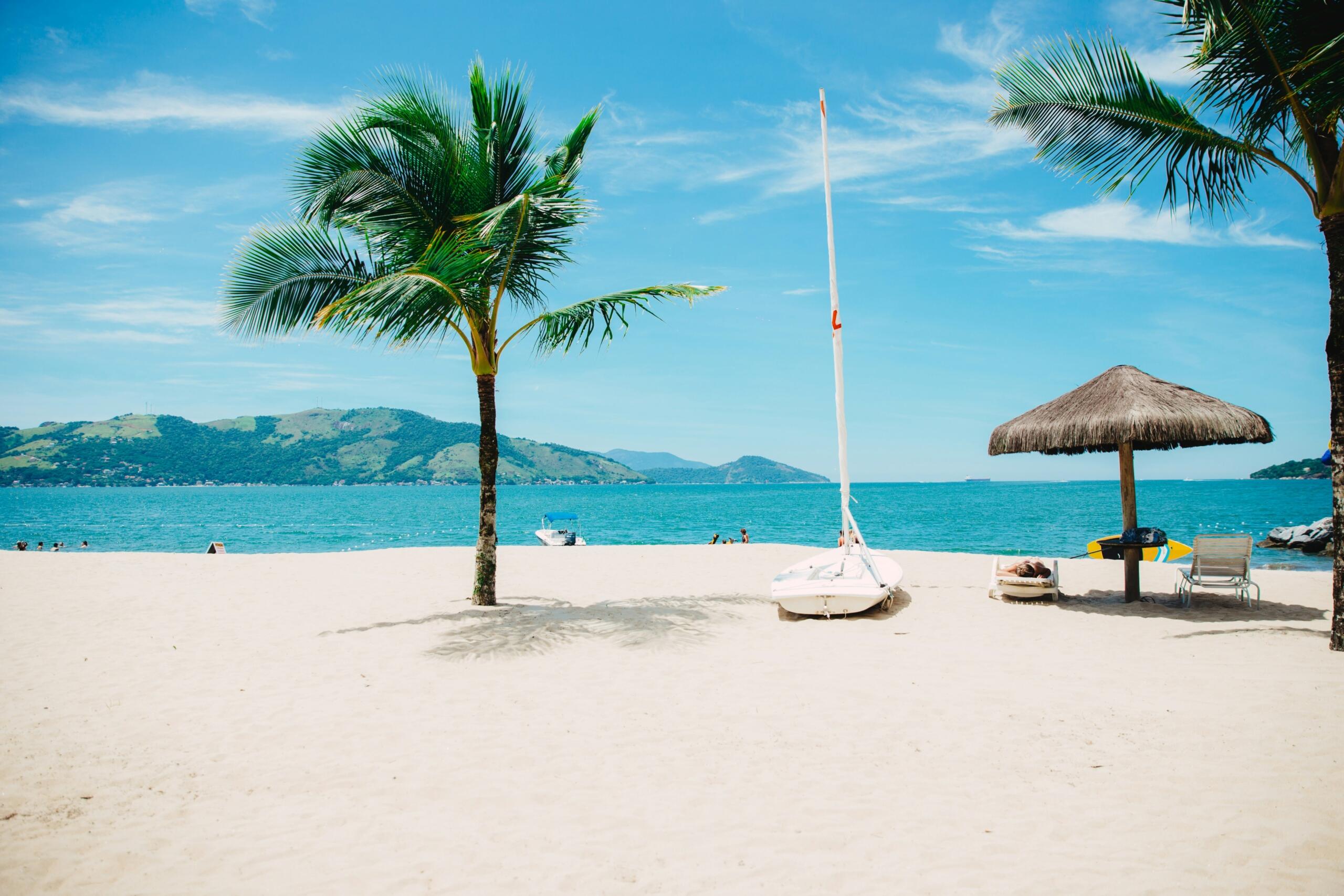
Top 5 Beaches in Penang You Must Visit
Penang is home to some of Malaysia’s most beautiful coastal spots, each offering soft sand, clear waters, and stunning tropical views. Whether you’re planning a quiet seaside escape, a fun family outing, or a day of swimming and water activities, these beaches deliver unforgettable experiences. Here are the Top 5 Beaches in Penang you must visit for relaxation, scenery, and that perfect island atmosphere:
- Batu Feringghi Beach – Famous for its long stretch of golden sand, water sports, and lively night market. Ideal for tourists and families looking for a classic beach day.
- Tanjung Bungah Beach – A calmer alternative with gentle waves, perfect for swimming and enjoying peaceful seaside moments.
- Teluk Bahang Beach – Located near Penang National Park, this quiet spot offers a more natural feel with greenery, rocks, and scenic views.
- Monkey Beach (Teluk Duyung) – A beautiful, secluded beach accessible by boat or jungle trek. Great for those who love adventure and nature.
- Pantai Kerachut – Known for its unique meromictic lake and untouched landscape. Remote, stunning, and perfect for travellers who want something truly special.
Where Can You Take Swimming Classes For Beginners In Penang?
If you are currently based in Penang and looking for a swimming class for beginners, we've got four recommendations on our list.
1. Active Swim
Active Swim is a solid choice for learners who want structured, level-based programmes in a formal setting. Their wide range of beginner classes, including adults, ladies-only, kids, corporate groups, artistic swimming, autism-friendly lessons, triathlon training, and school holiday sessions, makes the academy versatile for different needs. With group sizes capped at six and consistent 60-minute lessons, beginners get ample practice time.
Pros:
- Very diverse lesson options for all ages and needs
- Small group size ensures decent attention
- Multiple pool locations: Century Bay, Relau Sports Complex, and USM Swimming Pool
- Includes specialised lessons such as artistic swimming and autism-supported programmes
Cons:
- Fixed schedules make it less flexible for busy learners
- Travel between different training locations may be inconvenient
- Focus is mainly on structured classes rather than personalised progression
Best For: Learners who thrive in structured, syllabus-based classes and don’t mind set timetables.
2. Chinese Swimming Club, Penang
If you're looking for a traditional sports club environment with a strong swimming legacy, the Chinese Swimming Club (CSC) in Tanjung Bungah is a respected option. Their Learn to Swim Programme is built on decades of experience, supported by male and female instructors who guide learners through foundational strokes. Beyond swimming, CSC stands out for offering additional water-based sports such as water polo, sailing, windsurfing, and lifesaving.
Pros:
- Long-standing institution with a reputable swimming programme
- Access to multiple water sports beyond swimming
- Suitable for both casual and competitive learners
- Classes open to both members and non-members
Cons:
- The membership structure may be confusing or costly for some learners
- Lessons may feel less personalised due to larger class sizes
- Club-based setting may not appeal to students who prefer a private, quieter learning environment
Best For: Learners who want to immerse themselves in a classic sports club environment with access to diverse aquatic activities.
3. RNJ Swimming Academy – Georgetown Branch
RNJ Swimming Academy is known for its modern approach and multi-state presence across Malaysia. Founded in 2016, this academy uses indoor heated pools, which is a valuable advantage for year-round lessons. Their curriculum is well-designed and focuses strongly on technique refinement. Beyond swimming, RNJ also offers diving trips and open water training, which attract adventurous learners.
Pros:
- Lessons conducted in indoor heated pools — weather-proof and comfortable
- Technique-focused curriculum with professional instructors
- Opportunities for diving and open-water learning
- Presence across 10 states means standardised teaching quality
It may be more expensive than smaller local academies
Cons:
- Less tailored to complete beginners who prefer one-on-one attention
- Limited schedule flexibility depending on location
Best For: Learners who want consistent, structured instruction with the comfort of indoor facilities and access to adventure-based training.
4. Private Tutoring via Superprof (Recommended)
If flexibility, personalisation, and convenience are your top priorities, Superprof clearly stands out as the superior option. Instead of adjusting your schedule to a school, Superprof allows you to choose your own tutor, learning style, schedule, and lesson location, including your condo pool, public pool, or private facility.
Unlike fixed academies that follow one syllabus, Superprof gives you access to tutors with diverse backgrounds—former athletes, competitive swimmers, triathletes, lifesaving instructors, or patient beginner-focused coaches. You can compare reviews, teaching styles, and hourly rates instantly.
Pros:
- 100% flexible scheduling (ideal for busy adults and parents)
- One-on-one lessons tailored entirely to your pace
- Choose the type of instructor that fits your goals
- Transparent tutor profiles with reviews and teaching methods
- Ability to compare hourly rates and locations easily
- Great for beginners who need personal attention
- Most tutors offer a free first lesson
Best For: Anyone who wants personalised, progress-driven learning without being tied to fixed schedules or crowded classes.
Which Option Is Truly the Best?
Each academy in Penang has its strengths:
- Active Swim is best for structured group learning.
- Chinese Swimming Club is ideal for those wanting a club environment and multiple aquatic sports.
- RNJ Academy suits learners who prefer indoor heated pools and more technical training.
But if your goal is to learn fast, stay consistent, and enjoy complete flexibility, Superprof is the best choice. You simply get more control over timing, tutor selection, pace, and the type of learning environment. Beginners also benefit greatly from one-to-one corrections, which help avoid developing bad habits early on.
Tips to Make the Most Out of Your Swimming Lessons
Here are some additional ways to deepen the article and help readers maximise their lessons:
- Set clear goals: Whether it's floating confidently, swimming 25 metres, or mastering breaststroke, knowing what you want makes lessons more effective.
- Practise between classes: Even 10–15 minutes of floating or kicking practice accelerates progress dramatically.
- Be consistent: Learning to swim is about muscle memory; weekly lessons lead to quicker improvement.
- Ask for feedback: Private tutors on Superprof provide personalised corrections that make a huge difference.
- Prepare the right gear: Goggles, a snug swimsuit, and a swim cap help you focus on technique instead of discomfort.
- Track your progress: Celebrate each milestone—your first float, first lap, or first deep-water experience.
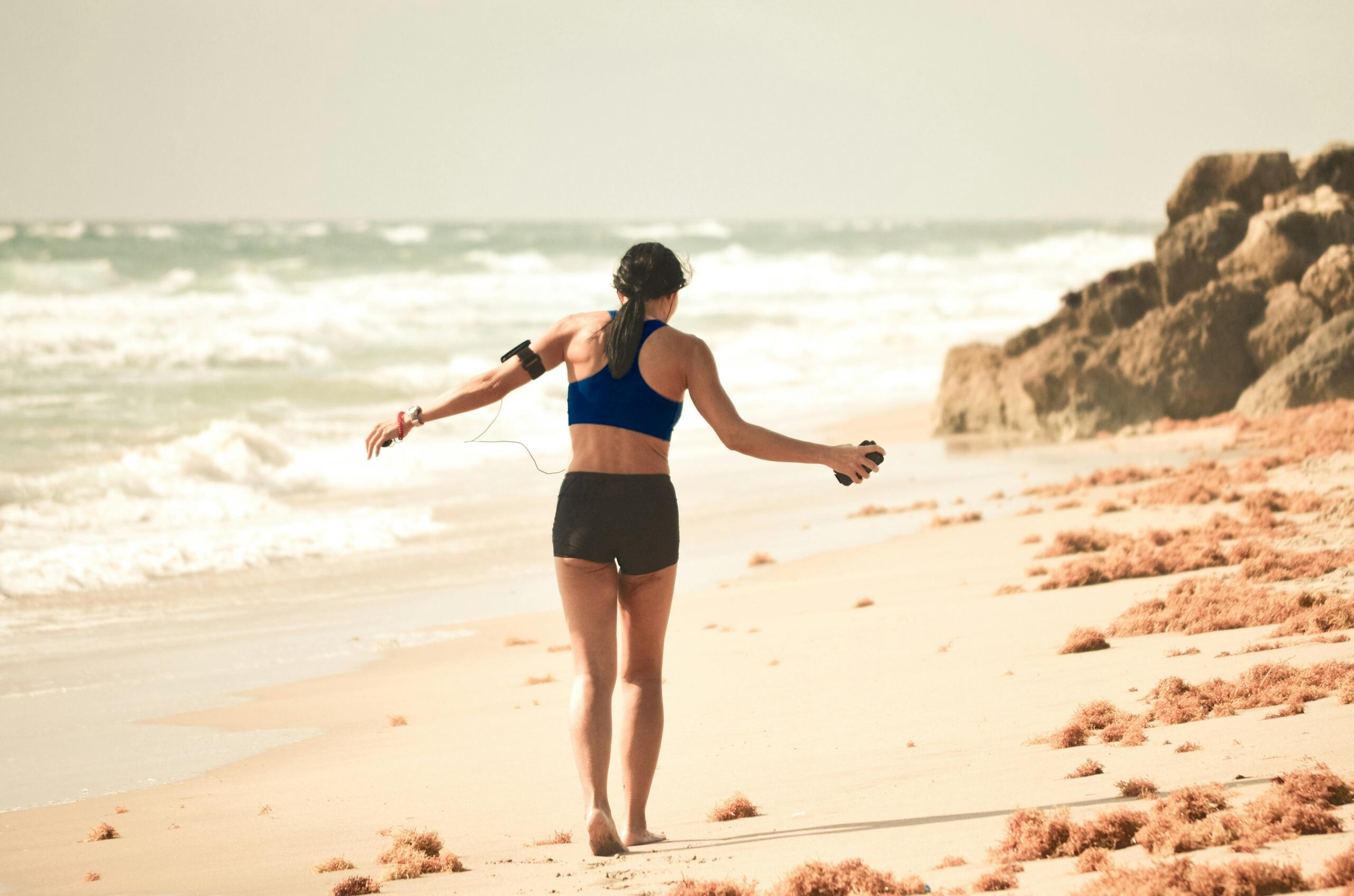
Why It's Important To Do Warm Up/ Cool Down Exercises Before And After Your Swimming Sessions?
Remember those stretching exercises and breathing routines you have before you get ready for a run during your Physical Education classes, and after you have completed them?
Warming up and cooling down routines are essential for you to have the best and safest workout, including swimming. Let's look at three main reasons why.
Acts as a signal to your body for the upcoming activity
Whether it is stretching or a slow pace jog on the spot, it helps your body to gradually increase your heartbeat and overall temperature to pump sufficient blood to your muscles.
This is to prepare your body to face the intensity of the workout that you are about to do. For instance, if you are planning to swim for 100m, your muscles need to be stretched in advance to execute power and flexibility throughout the session.
Reduce any risk of injury
This is perhaps the most important reason why warm-up routines are mandatory. It helps to reduce muscle soreness and prevents your muscles and joints from over-straining.
Regulates your blood flow and breathing to a normal level after a vigorous activity
Last but not least, cooling down routines after an intensive sports workout help to progressively bring down your blood flow, body temperature and breathing back to normal. Breathing in and out helps in the recovery process to clear out the accumulation of lactic acid during your workout.
Discover these swimming academies that are located in Kuala Lumpur.
What Are Some Other Popular Water Sports or Activities That You Can Try If You Love Swimming or Want to Learn Swimming?
If you are looking to explore other swimming-related activities after mastering swimming, here are two suggested water activities that you can try out.
Water polo
This is an ideal water sport for those who love a good group activity which combines speed, endurance and strategy. You'll be swimming, kicking in the water and passing the ball throughout the whole session. It's an ideal water sport for those who are competitive and athletic.
Snorkelling
If you are someone who enjoys a slower-paced water moment while exploring marine life, then you should opt for snorkelling. You'll be swimming with a mask and tube as you float underwater near the shallow areas.
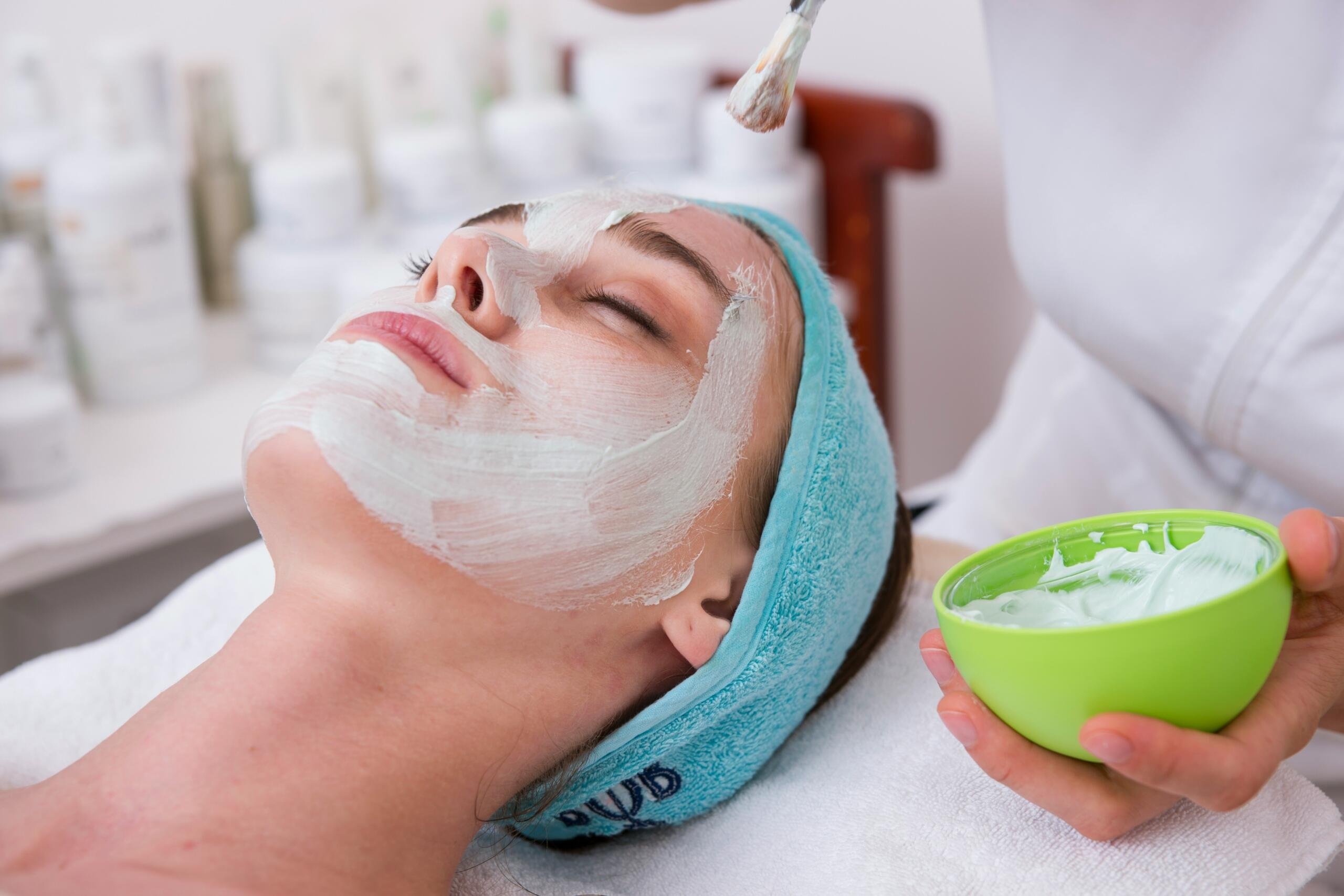
How Are Some Practical Skincare Tips If You Are An Active Swimmer?
If you are in contact with water for long hours and occasionally experience direct sun exposure when you visit the beach, there's a high chance that you might encounter irritations on your face and skin.
Here are four important tips that you can practice to maintain the health of your skin while you are swimming.
Tip 1: Stay hydrated (drink lots of water throughout the day)
Do you know that we sweat while swimming? Swimming is, after all, an intensive aerobic activity that uses a lot of your energy throughout the session. Hence, it's important to drink an adequate amount of water before and after your swimming sessions to avoid dehydration.
Tip 2: Use a waterproof sunblock if you are heading outdoors
If you are heading to an outdoor swimming pool or the beach, it's ideal to apply waterproof sunblock on your skin to protect yourself from UV rays and avoid tanning.
Tip 3: Shower as soon as you finish swimming
Granted that swimming pools contain chlorine, it's best to quickly take a shower to thoroughly clean your face and body to prevent your skin from turning dry or developing any rashes.
Tip 4: Remember to moisturise your skin after a shower
After coming out of the pool and showering, continue to apply a decent amount of lotion to moisturise and hydrate your skin.
Don't forget to check out these swimming lessons that are offered in Selangor.
Final Thought
Exploring Penang’s beaches is more than just a day in the sun; it’s an invitation to enjoy the sea, learn new skills, and build confidence in the water. From the island’s top coastal spots like Batu Feringghi and Teluk Bahang to the many swimming classes and academies available, Penang offers something for every type of swimmer, whether you’re just beginning or refining your technique.
With the right steps, simple drills, and a bit of patience, learning to swim becomes an enjoyable journey rather than a challenge. And while you soak up the sun and spend more time in the water, taking care of your skin ensures you stay protected and comfortable for every beach day ahead. Altogether, these tips, places and techniques help you enjoy Penang to the fullest, safely, confidently, and with a whole new appreciation for the sea.
Summarise with AI:
Did you like this article? Leave a rating!

 Loading...

Hi I am looking for a spingboard diving academy in penang for professional diving for my daughter who can get trained in an academy, she is 20yrs old from india, currently she is a national level diver, also represented in singapore national diving championship and won a bronze medal in 3mt spring board diving. I am looking a atleast 15days program. kindly help me with some details.