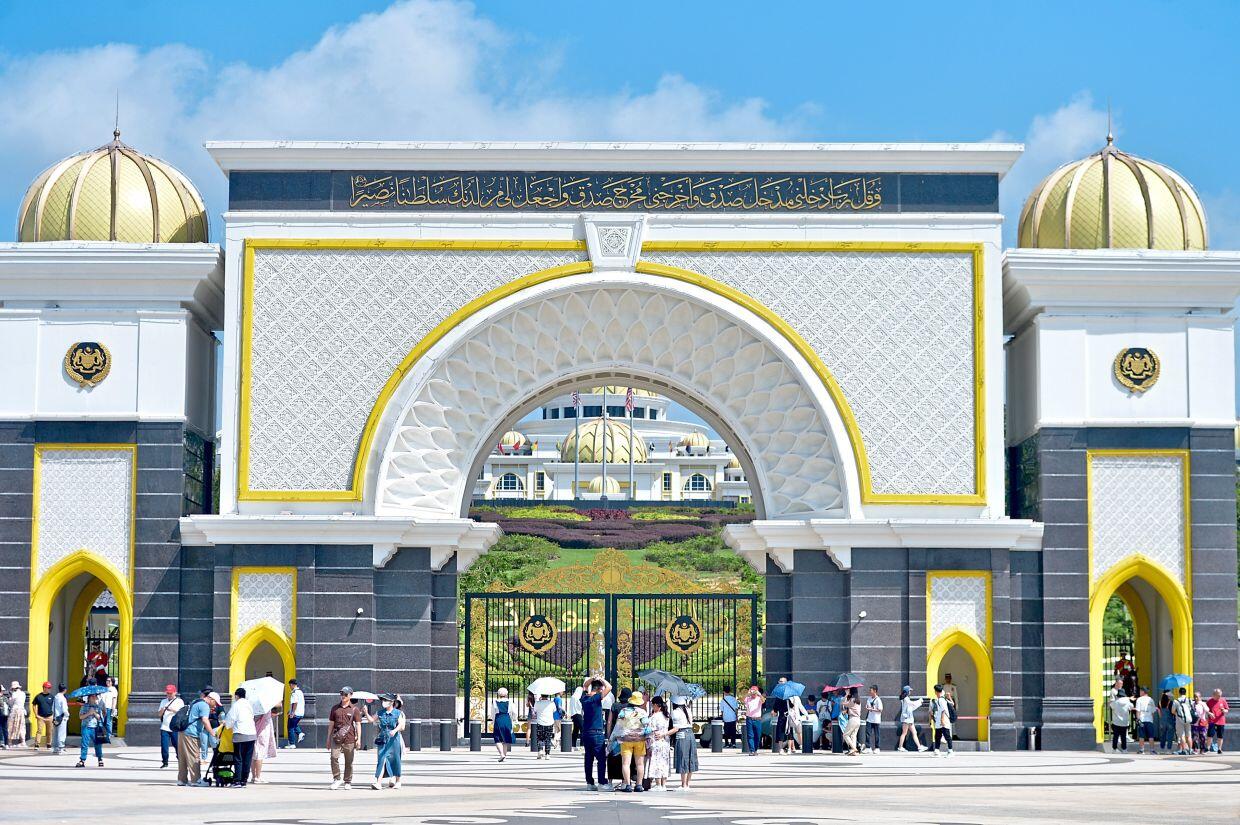

The King of Malaysia, officially known as the Yang di-Pertuan Agong, is a central figure in Malaysia’s political and cultural system. As the Malaysian King, he plays a vital role in upholding the nation’s political system, royal traditions, and national unity.
Unlike traditional monarchies, the King of Malaysia is elected every five years by the Conference of Rulers from among the nine Malay rulers, rather than inheriting the throne through a single lineage.
This distinctive rotational monarchy system ensures that each Sultan takes turns serving as King according to an established order.
The current Yang Di-Pertuan Agong Malaysia, Sultan Ibrahim Iskandar, the Sultan of Johor, began his reign on 31 January 2024, marking the latest rotation in the country’s unique monarchy system.
This article provides a comprehensive overview of the roles of the Yang di-Pertuan Agong, including the duties of YDPA and the function of YDPA in Malaysia, as well as insights into his appointment, background, and the significance of the Yang di-Pertuan Agong’s birthday.
Function of YDPA in Malaysia
- The King of Malaysia is a constitutional monarch elected every five years.
- Malaysia’s royal system is unique due to its rotating system among nine Malay rulers.
- The current Yang Di-Pertuan Agong Malaysia is Sultan Ibrahim Iskandar (since 2024).
- The King’s core roles include appointing the prime minister, safeguarding Islam, and symbolising national unity.


Historical Background of the Malaysian Monarchy
Formation of the Role
Before independence in 1957, the states were under British colonisation. Malaysia’s monarchy used to be a collection of independent states with powerful rulers, not a single centralised monarchy like we see today.
The role of the Yang di-Pertuan Agong (the King of Malaysia) was established in 1957 when the Federation of Malaya gained independence from the British. The position was created to serve as a head of state for the newly formed nation and to unite all nine hereditary rulers under a single constitutional monarchy1.
At the same time, it aims to ensure that the traditional sultanate system is adapting to a modern constitutional monarchy, allowing all Malay rulers to remain central to the new sovereign nation.
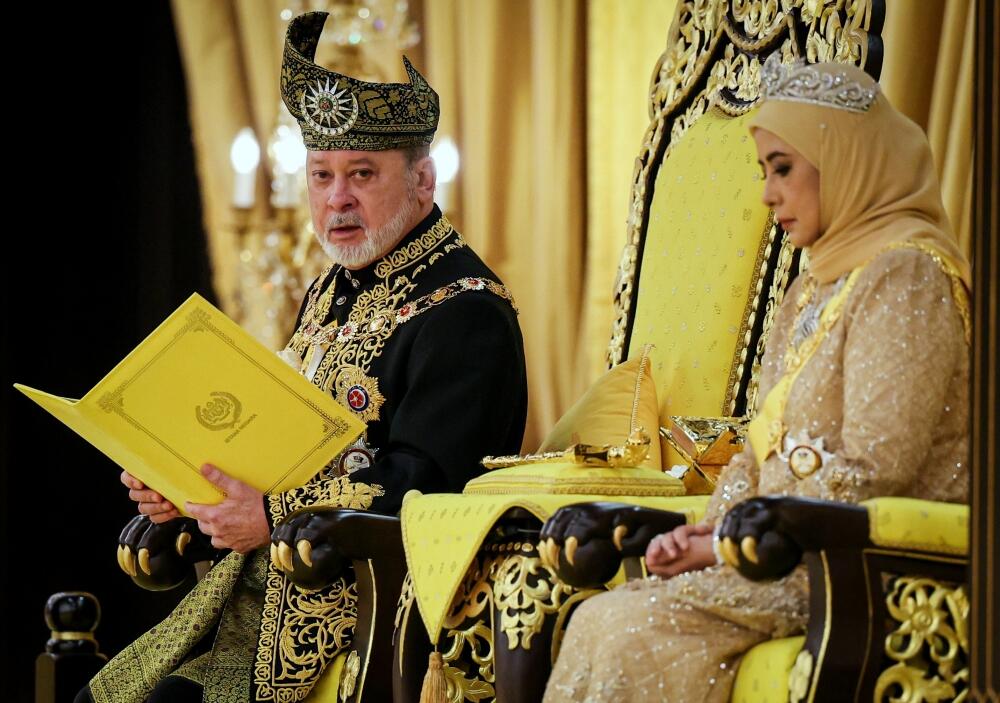
The Yang di-Pertuan Agong shall be the Supreme Head of the Federation.
Federal Constitution of Malaysia, Article 32
Evolution Over Time
The monarchy has evolved into a constitutional system where the King acts on advice from the Cabinet, particularly the Prime Minister, while retaining certain discretionary powers.
Here’s a timeline of the Malay state rulers who served as the Malaysian King over the years since independence:
3 August 1957 - 1 April 1960
Tuanku Abdul Rahman of Negeri Sembilan
14 April 1960 - 1 September 1960
Sultan Hisamuddin of Selangor
21 September 1960 - 20 September 1965
Tuanku Putra of Perlis
21 September 1965 - 20 September 1970
Sultan Ismail Nasiruddin of Terengganu
21 September 1970 - 20 September 1975
Sultan Abdul Halim of Kedah
1st term
21 September 1975 - 29 Mac 1979
Sultan Yahya Petra of Kelantan
29 March 1979 - 25 April 1984
Sultan Ahmad Shah of Pahang
26 April 1984 - 25 April 1989
Sultan Iskandar of Johor
26 April 1989 - 25 April 1994
Sultan Azlan Shah of Perak
26 April 1994 - 25 April 1999
Tuanku Ja'afar of Negeri Sembilan
26 April 1999 - 21 November 2001
Sultan Salahuddin of Selangor
13 Disember 2001 - 12 Disember 2006
Tuanku Sirajuddin of Perlis
13 December 2006 - 12 December 2011
Sultan Mizan Zainal Abidin of Terengganu
13 December 2011 - 12 December 2016
Sultan Abdul Halim of Kedah
2nd term
13 December 2016 - 6 January 2019
Sultan Muhammad V of Kelantan
31 January 2019 - 30 January 2024
Sultan Abdullah of Pahang
31 January 2024 - Present
Sultan Ibrahim Iskandar of Johor
The Unique Rotational Election Process
Conference of Rulers
The Conference of Rulers (Majlis Raja-Raja) originated from the 1897 Durbar, a council for the Federated Malay States (Perak, Selangor, Negeri Sembilan, Pahang). Its modern structure was officially established on 18 February 1948, replacing the earlier Council of Rulers2.
Today, it operates under Article 38 of the Malaysian Constitution, the Conference of Rulers now comprises the nine hereditary Malay Sultans and the four Yang di-Pertua Negeri (Governors) of the states without hereditary monarchies.
This body is responsible for electing the Yang di-Pertuan Agong (King of Malaysia) every five years, following a unique rotational system.
While the Sultans vote for the next King, the four state governors (Yang di-Pertua Negeri) participate in the Conference of Rulers meetings but cannot be elected as King.
Selection Criteria
- Only the nine hereditary Malay rulers are eligible to serve as the Yang di-Pertuan Agong (King of Malaysia). The four state Governors (Yang di-Pertua Negeri) participate in the Conference of Rulers but cannot vote or be elected.
- A Ruler must consent to be elected; those who decline are moved to the end of the rotation list.
- A Ruler is ineligible if he is a minor, or if the Conference of Rulers determines by secret ballot that he is unsuitable due to health, incapacity, or other reasons (requires at least five votes).
- The election is conducted by secret ballot, and a nominee must secure a majority of five votes to be appointed.
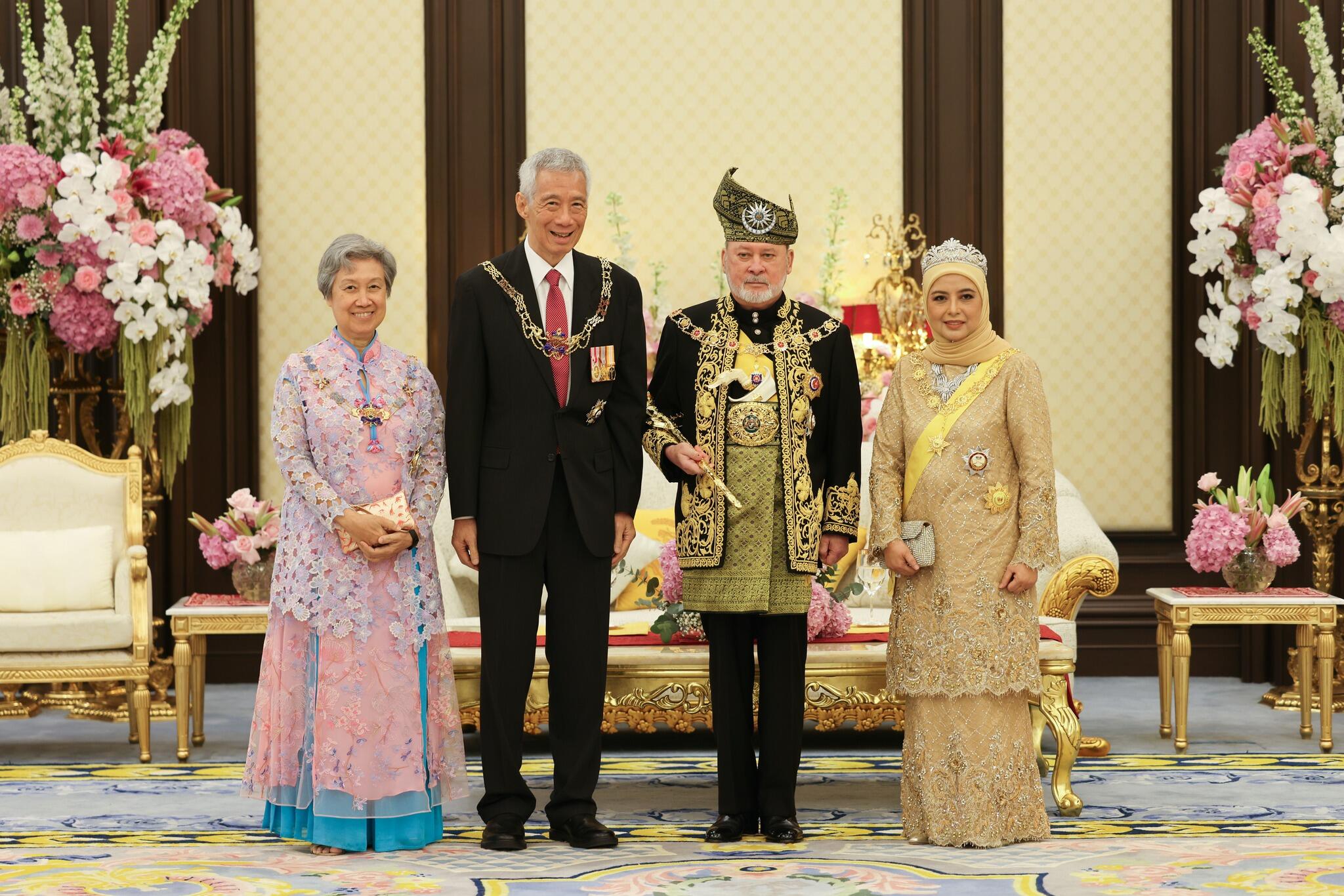
Roles of the Yang Di-Pertuan Agong
The Yang di-Pertuan Agong serves as a constitutional monarch, meaning his authority is defined and limited by the Federal Constitution of Malaysia. The Constitution outlines his powers as the head of state, which fall into two main categories:
- Powers exercised on the advice of the government – These include most day-to-day functions, carried out based on recommendations from the Cabinet or the Prime Minister.
- Discretionary powers – These are powers the King can use independently, without Cabinet advice, in specific situations provided by the Constitution.
While the Constitution gives the King authority over the federal government, in practice, the Cabinet handles the daily administration of the country, and the King’s role is largely ceremonial and constitutional.
| Category | Key responsibilities |
|---|---|
Ceremonial Duties | - Leads national celebrations and important state events, such as the Hari Malaysia and Hari Kemerdekaan. - Give out awards, honours, and royal titles. - Represents Malaysia at official events in other countries. |
| Constitutional Powers | - Appoints the Prime Minister (must have majority support in Parliament) - Approves the Cabinet ministers suggested by the Prime Minister - Appoints federal judges with advice from the Prime Minister and Chief Justice - Selects some Senators in the Dewan Negara (Senate) - Appoints State Governors for states without Sultans - Appoints heads of key commissions and committees, usually on government advice - Can dissolve Parliament to trigger elections, usually on the Prime Minister’s advice - Serves as Commander-in-Chief of the Armed Forces |
| Law-Making Role | - Approves new laws passed by Parliament - Makes sure laws follow the Constitution |
| Religious Role | - Head of Islam in his home state, the federal territories, and other states without a ruler - Looks after Islamic institutions and matters - Protects the position of Islam in the country |
Sultan Ibrahim Iskandar: The 17th Yang di-Pertuan Agong
Current Yang Di-Pertuan Agong Malaysia: Background
Born on 22 November 1958, Sultan Ibrahim Iskandar became the Sultan of Johor in 2010. He is a key figure in the Johor royal family. He assumed the role of King of Malaysia in January 2024 following the rotational system.
Notable Contributions
- People’s Welfare: Actively supports charitable causes, including leading the Kembara Mahkota Johor motorcycle convoy to help underprivileged communities.
- Anti-Corruption: Maintains a zero-tolerance policy on corruption and speaks out against mismanagement in public administration.
- Military Leadership: Trained with elite US Green Berets and a former military pilot, bringing discipline, strategic thinking, and structure to his leadership.
- Economic & Development Focus: Promotes investments and infrastructure projects in Johor to support regional growth.
- Symbol of Unity: Strengthens national identity, unity, and patriotism while upholding and defending the constitutional monarchy.
Sultan Ibrahim is known for his hands-on approach to the constitutional monarchy, emphasising national unity and active leadership rather than being a ceremonial or “puppet” King.
Yang Di-Pertuan Agong's Birthday
Significance
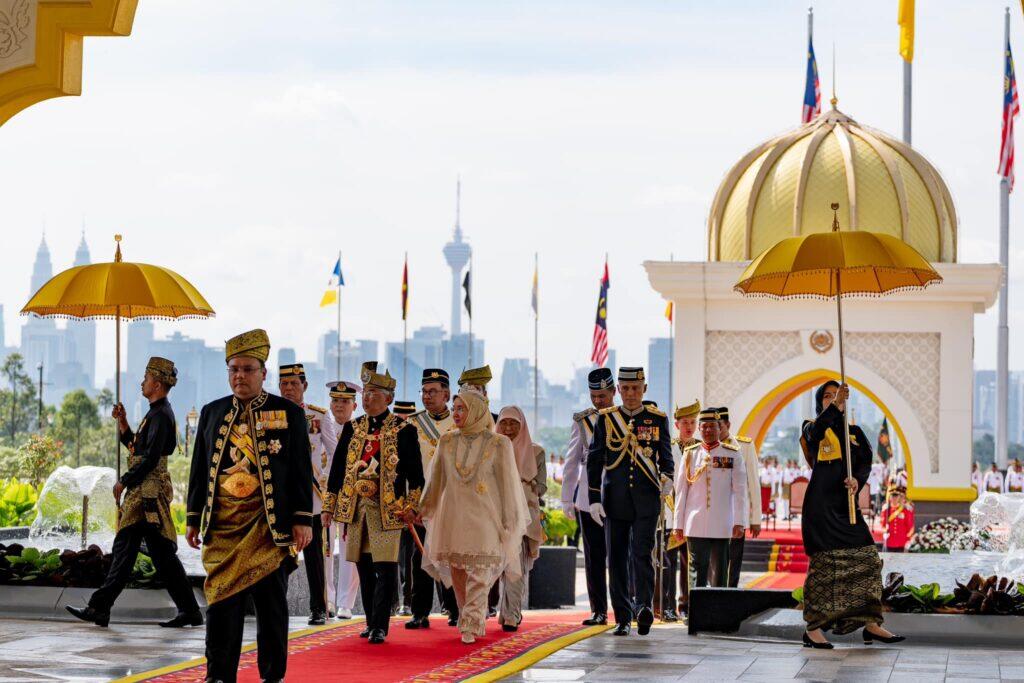
The official birthday of the Yang di-Pertuan Agong is a national public holiday that celebrates the monarchy, national unity, and Malaysia’s traditions. It is not the King’s actual birthday, but a fixed day set to honour the institution itself, currently observed on the first Monday of June.
The celebration often features the “Trooping the Colour” parade at Dataran Merdeka in Kuala Lumpur. Another key highlight is the conferral of federal awards, medals, and honours to citizens who have made outstanding contributions or exemplary services to the nation.
You can watch the royal ceremony of the monarch on TV as the Yang di-Pertuan Agong's Birthday is observed on Monday, June 1, 2026, in Kuala Lumpur.
The Impact of the Monarchy on Malaysian Society
Symbol of Unity
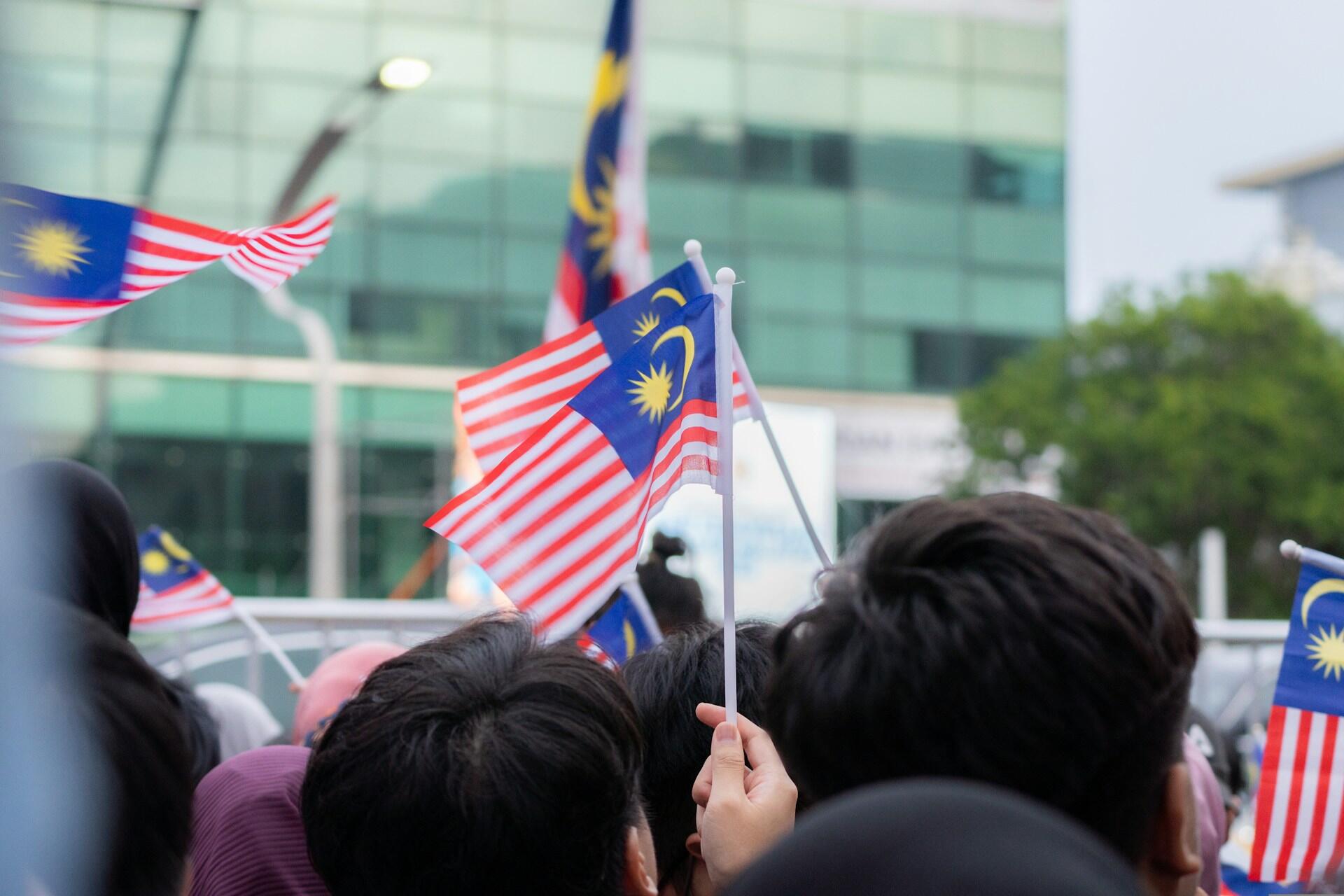
The Yang di-Pertuan Agong acts as a unifying figure in a multi-ethnic society, bridging different ethnic and religious groups. As a paramount ruler, he promotes 3Rs (Race, Religion, and Royalty) as key pillars of national stability, using his influence to help maintain unity and support harmony during political or social challenges.
Cultural Influence
The Agong plays a central role in preserving Malaysia’s culture and heritage, acting as the guardian of Malay traditions and the Islamic religion. He also serves as a non-partisan figure, helping to uphold national identity, cultural cohesion, and Malaysia’s shared heritage
The Deputy Yang di-Pertuan Agong (or Deputy King) is currently Sultan Nazrin Muizzuddin Shah of Perak. He serves as the King’s deputy and will act as the Yang di-Pertuan Agong whenever the Agong is unable to perform his duties, such as during travel, illness, or temporary absence.
Conclusion
The King of Malaysia is not just a ceremonial figure, but a constitutional pillar that embodies the country’s history, unity and identity. Through his roles in government, religion, culture, and society, the Yang di-Pertuan Agong helps maintain national harmony, preserves traditions, and strengthens Malaysia’s cultural identity.
References
- The official portal of Parliament of Malaysia. (n.d.). Retrieved March 25, 2026, from https://parlimen.gov.my/pengenalan.html?&view=235&uweb=web&lang=en#:~:text=Each%20state%20involved%20has%20surrendered,each%20state%20administers%20those%20matters.&text=As%20a%20country%20with%20a,advice%20of%20their%20Menteri%20Besar.&text=is%20the%20Supreme%20Commander%20of%20the%20Malaysian%20Armed%20Forces
- Laman web rasmi Pejabat Penyimpan Mohor Besar Raja-Raja. (n.d.). Retrieved March 25, 2026, from https://www.majlisraja-raja.gov.my/ms/component/content/article/conference-of-rulers-information-4?catid=2&highlight=WyJzYXJhd2FrIiwidGVybSIsInN0cm9uZyJd&Itemid=101
Summarise with AI:
Did you like this article? Leave a rating!

 Loading...