
What is a constitutional monarchy in Malaysia?
Malaysia is a parliamentary democracy influenced by its rich historical traditions. At the heart of its political system lies a distinctive constitutional monarchy, a structure that uniquely blends centuries-old traditions with parliamentary government.
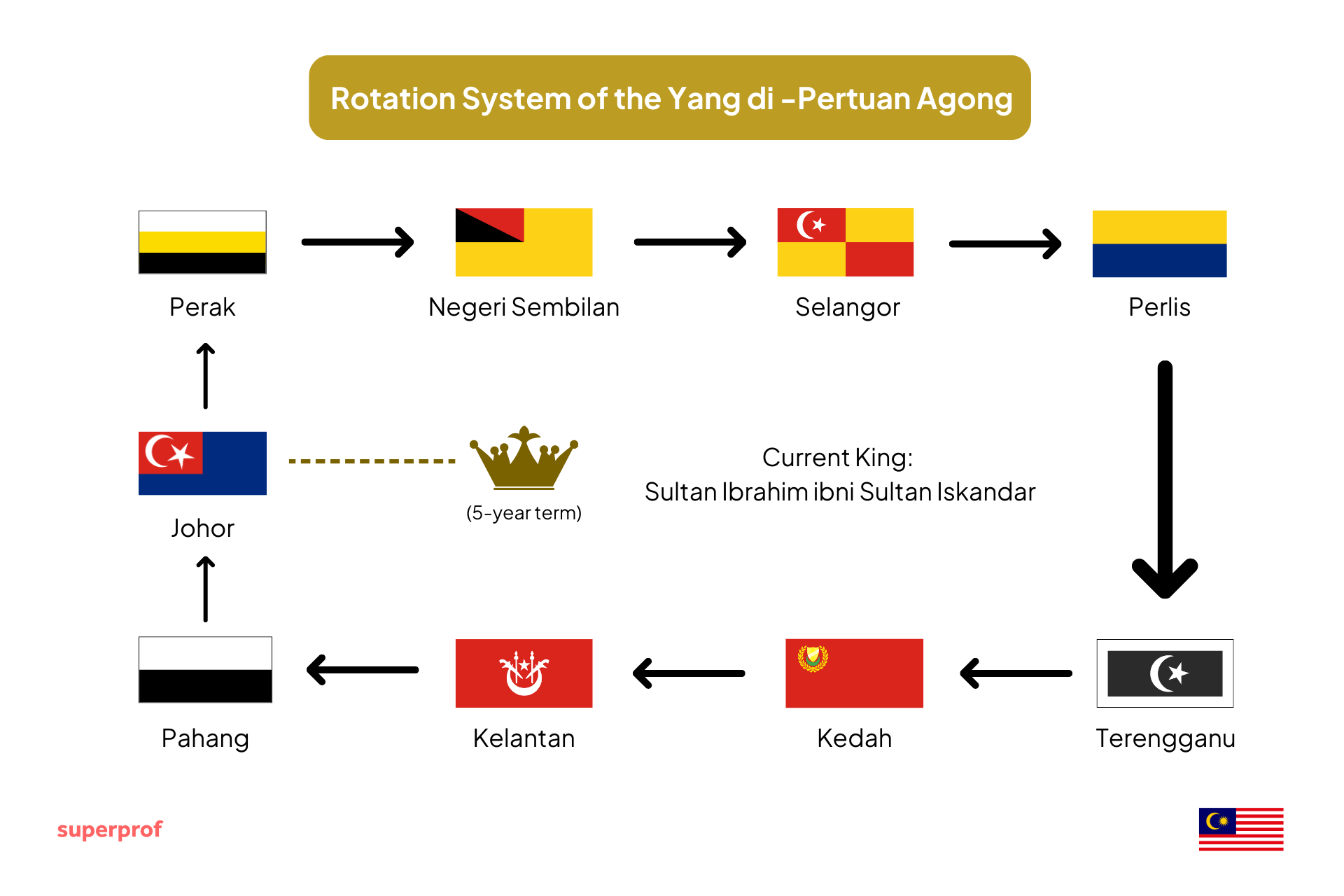
Unlike most monarchies in the world, the Malaysian monarchy is not hereditary at the national level. Instead, nine hereditary Malay rulers, known as the sultans, take turns electing one among themselves to serve as the Yang di-Pertuan Agong, the King and head of state, for a five-year term1. This rotational system ensures that no single royal family dominates the national throne, while also honouring Malaysia’s rich royal heritage.
Beyond tradition, the King acts as a symbol of national unity, custodian of Islam and Malay customs, and a stabilising force in politics during times of uncertainty, making Malaysia’s system truly unique in Southeast Asia.
Key Takeaways: What is Constitutional Monarchy in Malaysia 🏛️
- Unique System: Nine Malay rulers elect the Yang di-Pertuan Agong for a five-year term under the Malaysian Constitution.
- Constitutional Role: The King serves as Head of State and plays a central role in the constitutional monarchy, while the Prime Minister and the federal government carry out executive power.
- Discretionary Powers: The monarch exercises limited powers during political uncertainty, like appointing a Prime Minister when no party holds a clear majority in parliament.
- Ceremonial Influence: Represents the nation at official events and preserves cultural traditions.
- Tradition + Democracy: Balances centuries-old monarchy with a modern federal parliamentary system.


Malaysia Monarchy System: Historical Foundations
Historical Background2
c. 1400 AD - Founding of the Malacca Sultanate
Parameswara (Iskandar Shah) establishes the Malacca Sultanate. Marks the transition from Hindu-Buddhist-influenced rulership to an Islamic Malay sultanate.
1511 – Fall of Malacca to the Portuguese
The Portuguese invasion ended the Malacca Sultanate’s dominance. Sultan Mahmud Shah retreats south, with descendants founding new dynasties in Johor.
Early 17th Century – Johor Sultanate Consolidates Power
Founded by Sultan Mahmud Shah’s descendants to continue Malay royal traditions and uphold Islamic practices.
1641 – Dutch Takeover
The Dutch replaced the Portuguese, maintaining colonial influence over Malacca while allowing sultanates to continue in name.
1786 – The British Acquire Penang
The British East India Company acquired Penang from the Sultan of Kedah, who requested protection against the Siamese and Burmese armies.
1795 – British Take Malacca
Britain expands control to Malacca, consolidating influence over the Malay states during a colonial competition.
1874 – Pangkor Treaty
The British formalise political control over the peninsula. In states like Perak, Selangor, Negeri Sembilan, and Pahang, the sultans retain their ceremonial roles, but British Residents control administration.
1942–1945 – Japanese Occupation
During World War II, Japanese forces occupied Malaya, disrupting colonial administration and traditional sultanate structures, fuelling post-war nationalistic movements.
1957 – Independence and Federal Constitution
The Federation of Malaya gained independence. The Federal Constitution of Malaysia recognises each sultan as the head of state of their state. The Yang di-Pertuan Agong is introduced as a rotational federal monarch, elected by the Conference of Rulers.
The Yang di-Pertuan Agong (Supreme Head of the Federation) is the head of state, granting them precedence over all persons in the country
Article 32 of the Federal Constitution of Malaysia
The Federal Constitution and the Monarchy
The Federal Constitution of Malaysia enshrines the monarchy’s role while maintaining the nation’s democratic structure. Under Part IV of the 1957 Constitution, the Yang di-Pertuan Agong is recognised as the Head of State, Supreme Commander of the Malaysian Armed Forces, and a key constitutional figure within the nation’s parliamentary system.
Although executive authority is primarily exercised by the Prime Minister and the elected federal government, the King performs important constitutional and ceremonial functions. In most cases, the Yang di-Pertuan Agong acts on the advice of the Prime Minister or Cabinet, in line with the principles of a constitutional monarchy.
Malaysia’s system differs from other constitutional monarchies in Southeast Asia and globally. Rather than hereditary succession at the national level, the elective Yang di-Pertuan Agong preserves the autonomy of individual Malay states while creating a unifying federal structure. In combination with a parliament, state legislative assemblies, and a federal prime minister, this system allows Malaysia to respect centuries of royal tradition while ensuring democratic legitimacy at the federal level.
Inside Malaysia’s Rotational Monarchy
The Conference of Rulers
The Conference of Rulers (Majlis Raja-Raja) is a unique constitutional council in the country comprising the nine hereditary Malay Sultans and four state Governors (Yang di-Pertua Negeri). The Conference plays a central role in electing the Yang di‑Pertuan Agong (King) and the Timbalan Yang di‑Pertuan Agong (Deputy King) every five years or when a vacancy occurs.
It also has constitutional responsibilities regarding religious matters, consent to certain federal laws and appointments, and deliberation on questions of national policy as established under Article 38 of the Federal Constitution of Malaysia.
Raja Kita (Our King) is enshrined in the Rukun Negara, meaning that loyalty to the king is a fundamental duty, symbolising Malaysia’s dignity and heritage.
The 9 Royal Families of Malaysia
Malaysia has 9 royal families, each heading one of the Malay states:
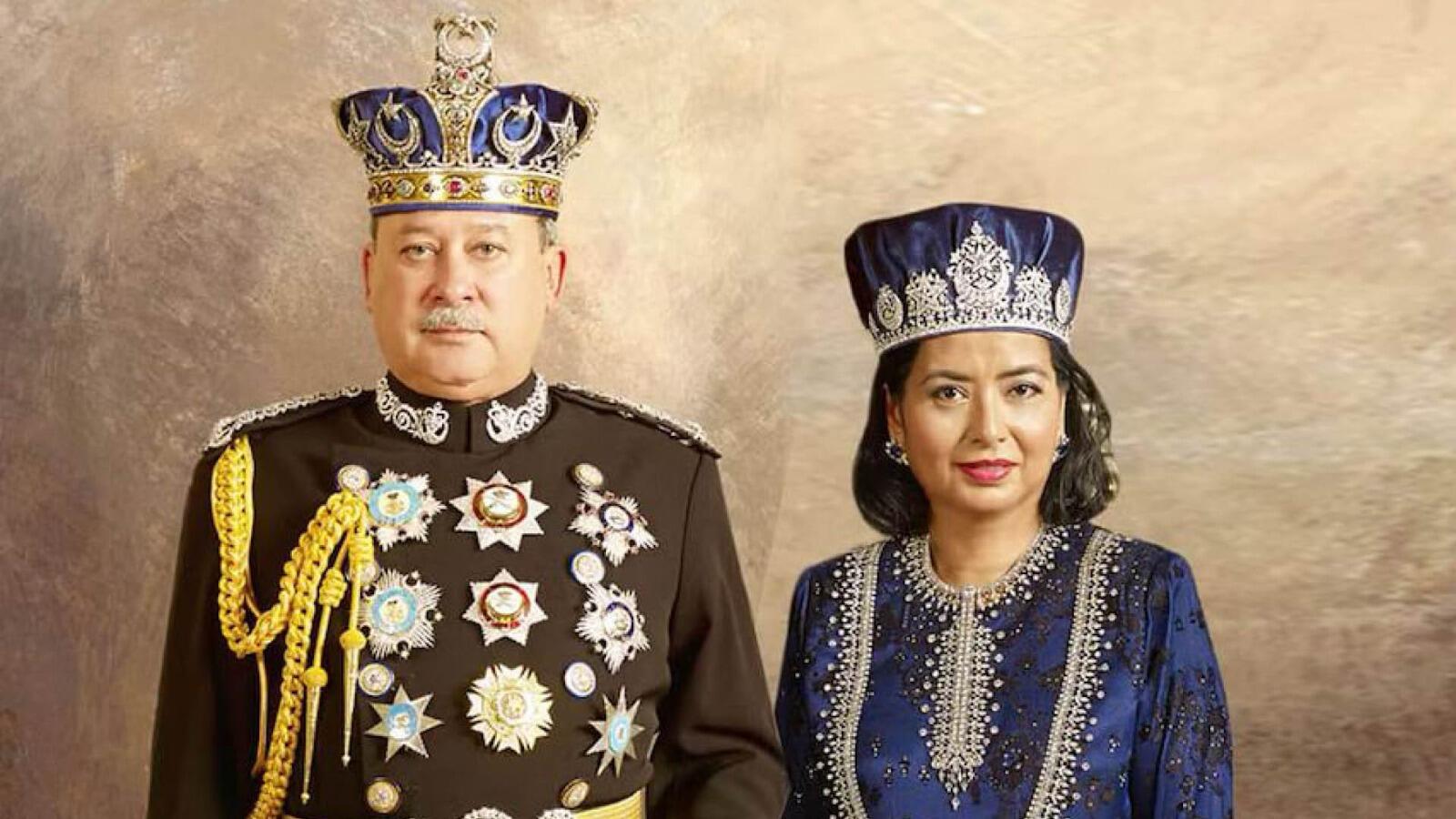
- Johor - Notable for the royal family’s billionaire wealth, estimated at over US$5.7 billion3, making it the wealthiest among Malaysia’s royal households.
Kedah - Malaysia’s oldest sultanate, with a lineage tracing back over 1,000 years.
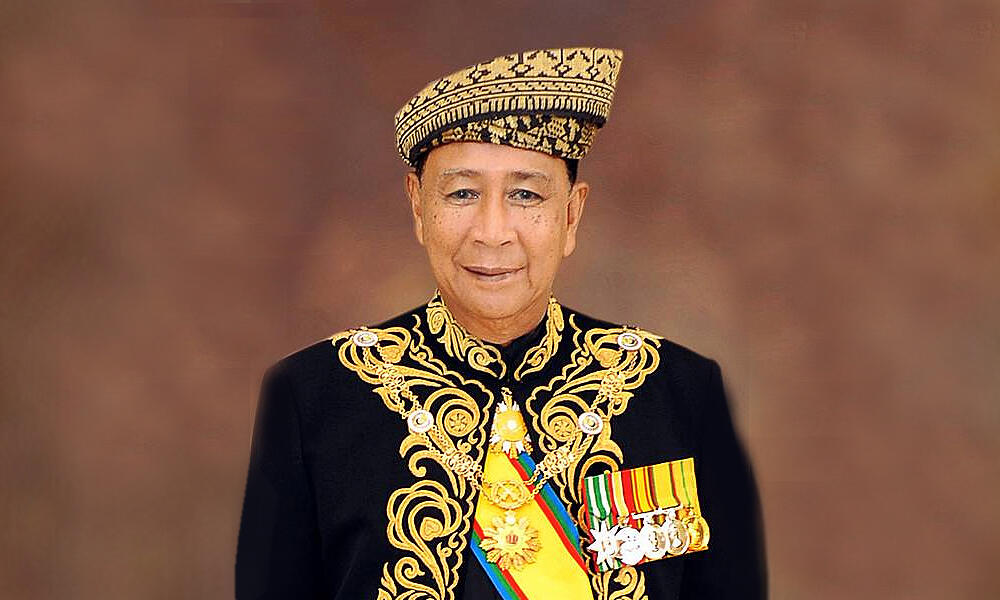
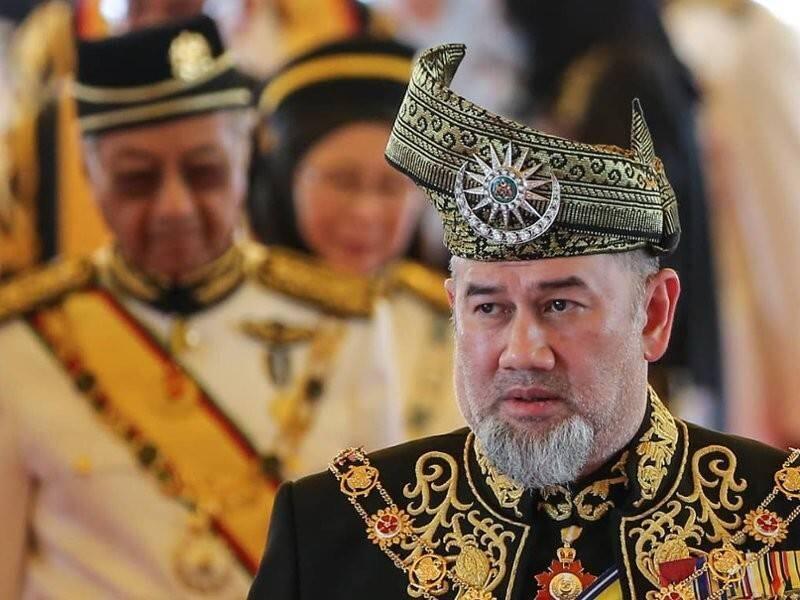
Kelantan - Maintains strong Islamic traditions and plays a symbolic role in upholding Malay culture. The state is often referred to as the "cradle of Malay culture".
- Negeri Sembilan - Unique for practising Adat Perpatih, a matrilineal system where inheritance, land, and leadership follow the female line through a democratic hierarchy of local chiefs.
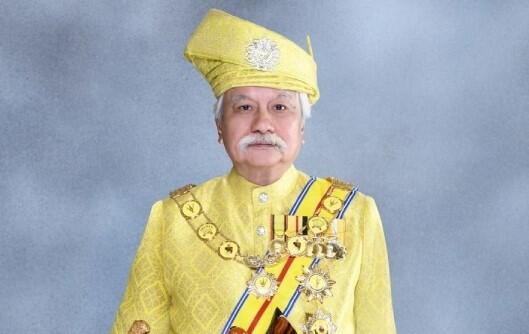
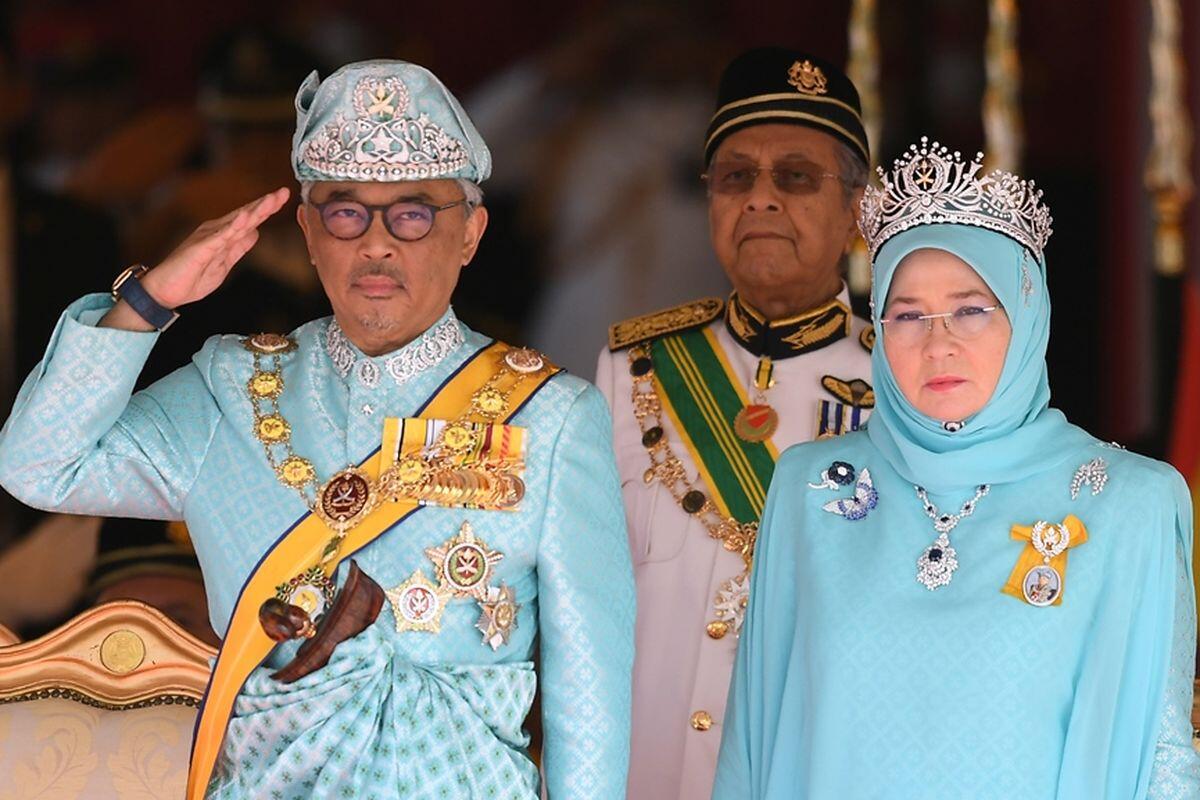
- Pahang - One of Malaysia’s largest and resource-rich states, giving the sultanate significant influence in agriculture, mining, and tourism
- Perak - Perak’s throne rotates among three royal branches instead of passing automatically to the Sultan’s son.
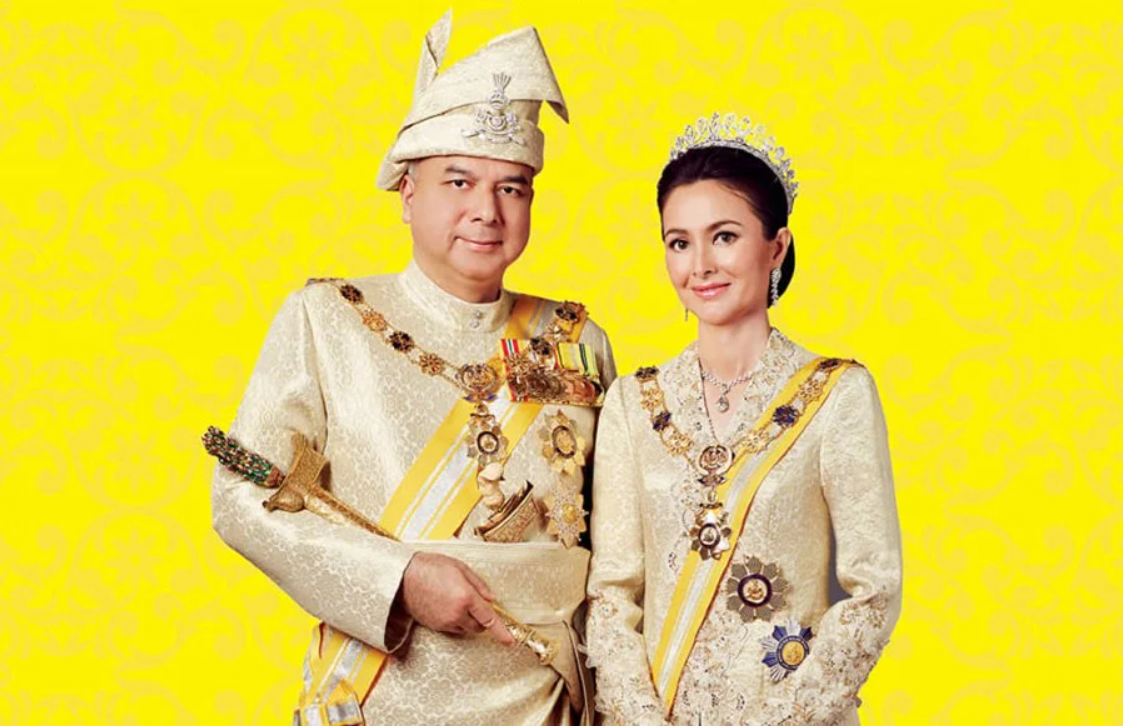
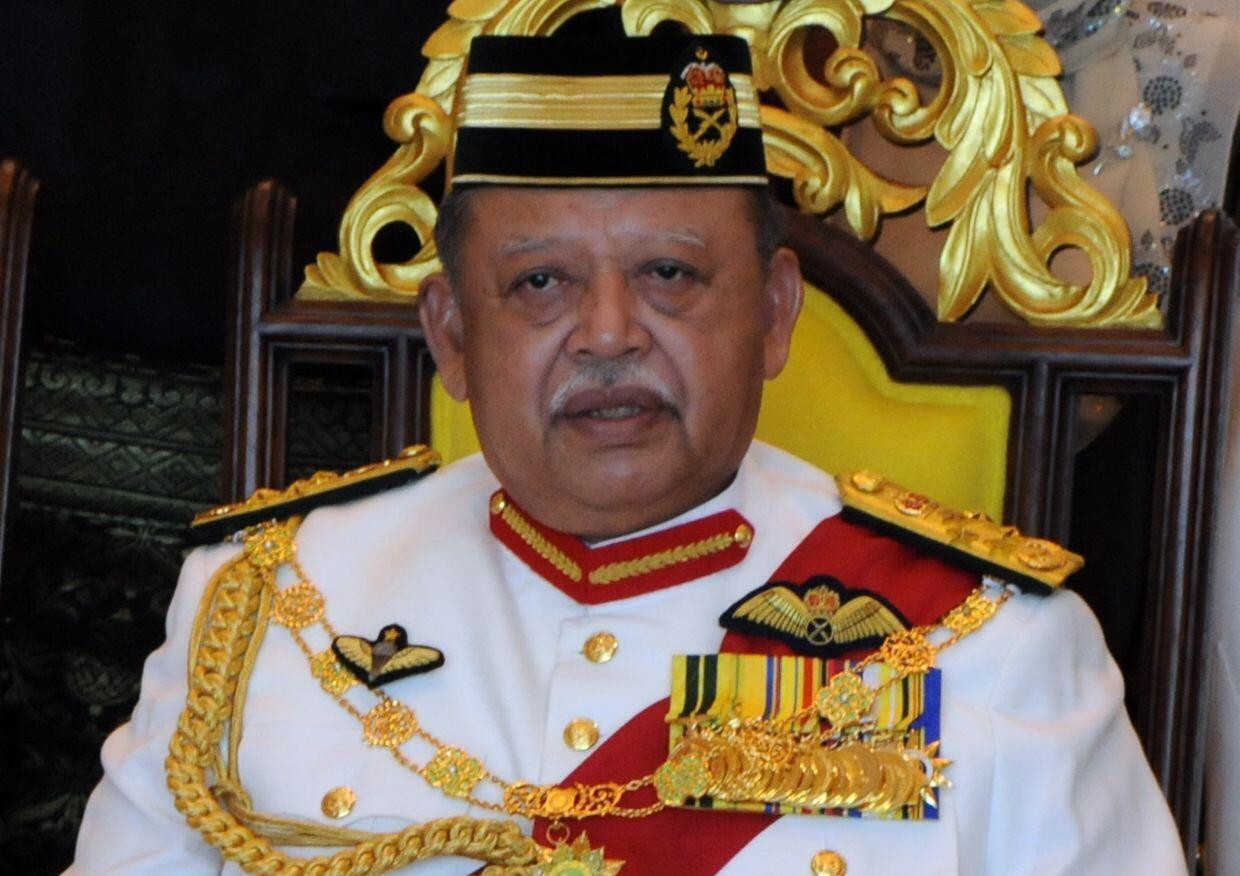
- Perlis - Malaysia’s smallest state, led by a Raja rather than a Sultan, with a close-knit royal presence.
- Selangor - Selangor’s royal family is heavily involved in modern philanthropy and development projects, including hospitals, schools, and cultural initiatives.
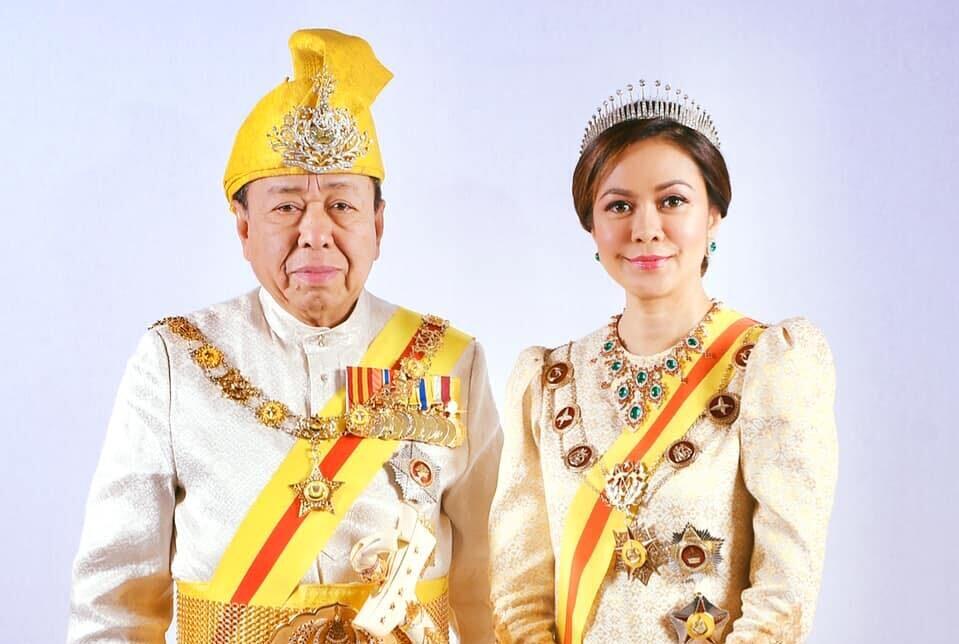
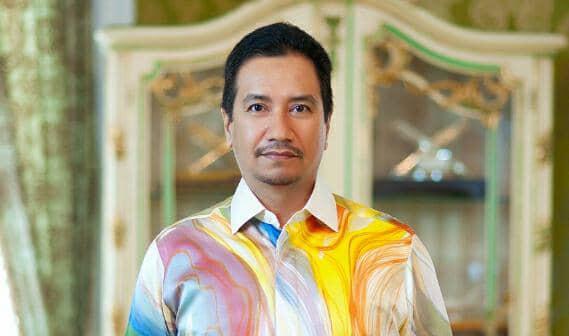
- Terengganu - Sultan Mizan is passionate about equestrian endurance riding. He represented Malaysia at the 2017 SEA Games and won two gold medals.
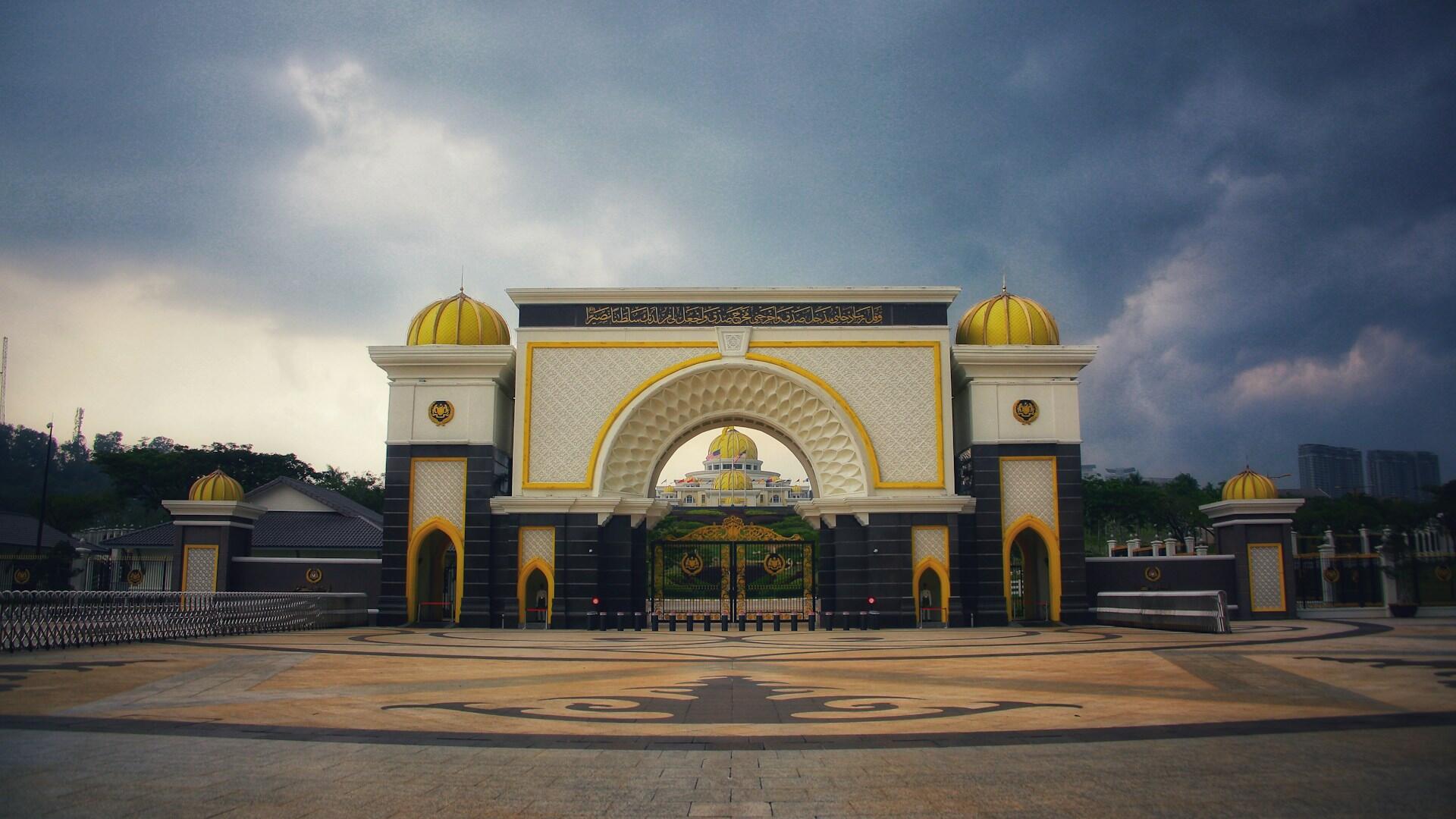
Collectively, these nine royal families uphold centuries-old Malay traditions and maintain ceremonial and cultural influence in their states. Each royal house has its own traditions, palaces, and lineage. Iconic sites like Istana Negara in Kuala Lumpur symbolise the monarchy’s presence at the federal level.
Roles and Responsibilities of the Yang di-Pertuan Agong ⚖️
| Category | Roles and Responsibilities |
|---|---|
| Ceremonial Duties | The Yang di-Pertuan Agong is more than a figurehead; he’s the face of Malaysia at big national events. From Hari Merdeka and Malaysia Day to award ceremonies and royal functions, he represents the country and brings people together. He also performs diplomatic duties, including appointing and receiving ambassadors, while serving as the head of state, embodying Malaysia’s unity and tradition. |
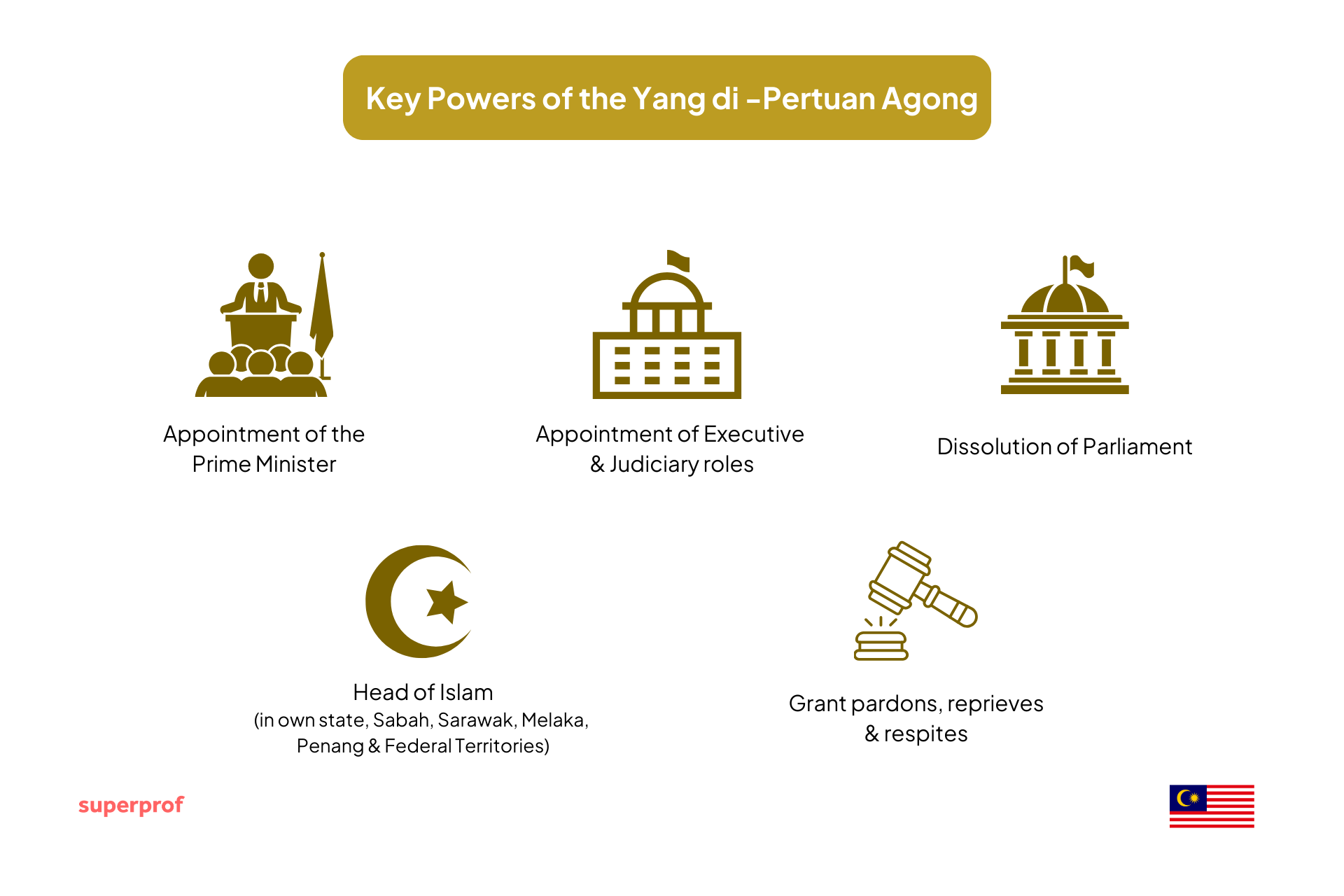
| Constitutional Functions | Most of the time, King follows the advice of the Prime Minister and Cabinet. But he also has a few powers of his own, especially during political uncertainty. He serves as a formal link between the executive, legislature, and judiciary, helping the government to run smoothly. He appoints the Prime Minister and federal ministers, gives royal assent to parliamentary bills, and can summon or dissolve Parliament when required. He also grants pardons, reprieves, and respites through the Pardons Board, balancing both his legal and ceremonial duties. |
| Religious Leadership | As the head of Islam in his home state, federal territories, and other states without a ruler, he oversees Islamic affairs in accordance with the constitutional provisions. |
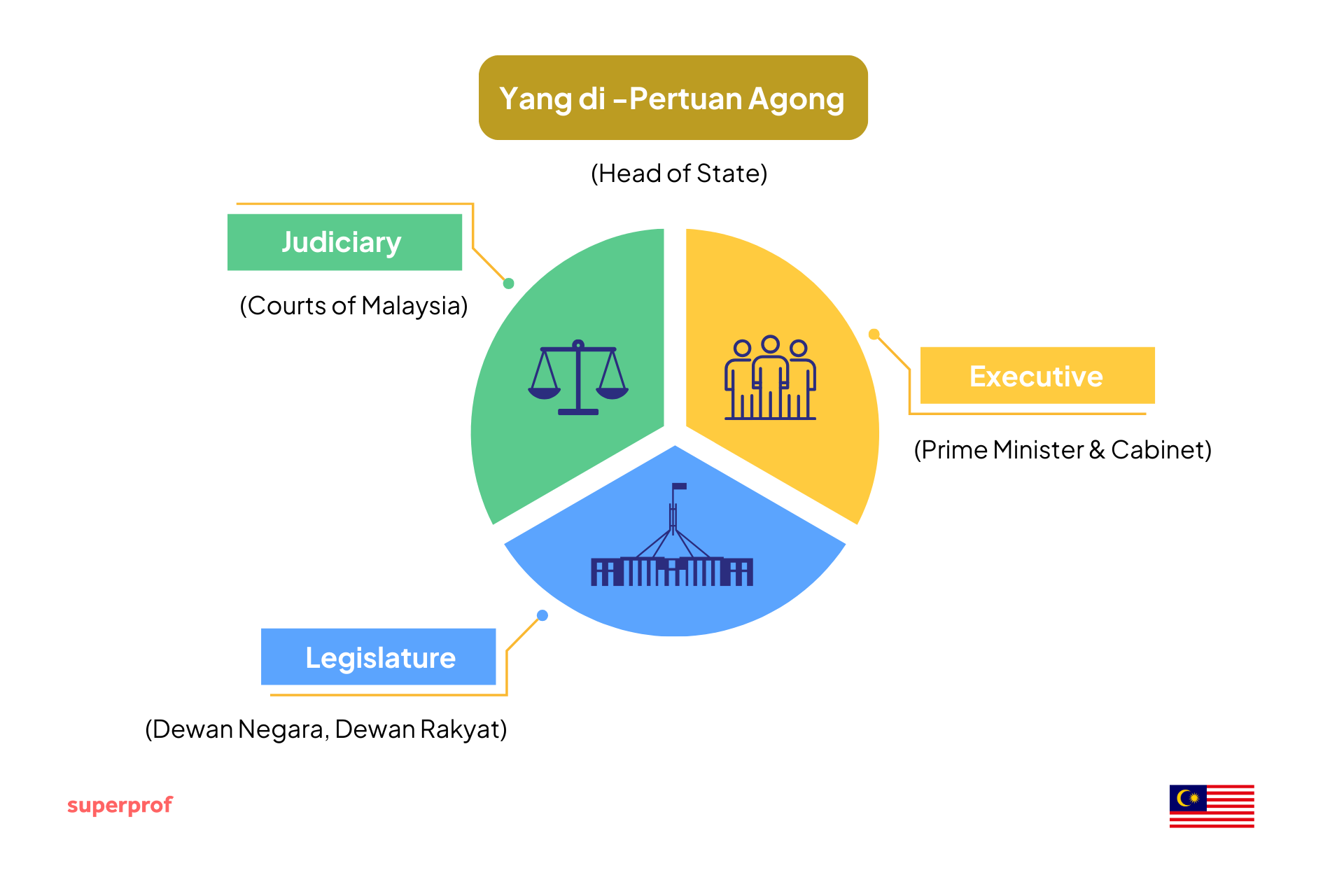
Watch the video below to understand the roles and structure of Malaysia’s monarchy.
The Monarchy System in Malaysia Today
Political Influence
While largely ceremonial, the monarchy holds significant, increasingly active political influence, particularly during times of political instability. For example, in late 2022, following a hung parliament, the King appointed Dato’ Sri Anwar Ibrahim as Prime Minister.
However, the current King Sultan Ibrahim has expressed that he will maintain a hands-on approach, focusing on national unity rather than being a “puppet King.”
Cultural Significance
The Malaysian monarchy plays a key role in preserving the nation’s culture and traditions. The Malay Sultans uphold Islamic practices and adat, maintain royal regalia and ceremonies, and preserve the Jawi script, while the Raja Permaisuri Agong promotes traditional arts and crafts.
Beyond Malay-Islamic heritage, the monarchy serves as a unifying symbol, fostering national identity and harmony in Malaysia’s multicultural society.
Malaysia is the only country in the world where the king (the Yang di-Pertuan Agong) is elected every five years from among nine royal rulers, instead of inheriting the throne.
The Monarchy in the 21st Century
In the 21st century, the monarchy has evolved from a primarily ceremonial institution into a crucial role in the nation’s political landscape, especially following intense political instability between 2018 and 2022.
The Yang di-Pertuan Agong (the King) has exercised discretionary powers, particularly in the appointment of Prime Ministers and the handling of emergency rule during the COVID-19 pandemic, where the role of the monarchy was seen as pivotal.
Conclusion
The constitutional monarchy in Malaysia is more than ceremonial; it is a living institution rooted in the Malaysian constitution that upholds the nation’s history, governance, and culture. Working alongside the government and parliament, the monarch plays a vital role in ensuring that power is exercised within the framework of law while maintaining the authority of each state ruler.
Understanding what a constitutional monarchy in Malaysia entails helps citizens and observers to appreciate the delicate balance between royal heritage and modern parliamentary government, making Malaysia truly one-of-a-kind.
References
- Tew, Y., Johanna Mintz, Hana Kassem, Austin Lowe, Ginsburg, T., Malaysiakini, BBC, Tew, Y., Cambridge Core, Cambridge Core, Malaysiakini, BBC, Shadi Hamid, The Atlantic, Larry Diamond, & American Interest. (n.d.). Monarchy and democracy in modern Malaysia.
- Mohamad Akhir, N. S., Universiti Teknologi Mara, Ismail, S., Universiti Teknologi Mara, Aziz, A., Universiti Teknologi Mara, Ismail, M. S. I., & Universiti Teknologi Mara. (2022). KEDAH TUA SEBAGAI PELABUHAN KUNO PERDAGANGAN ANTARABANGSA ANTARA ABAD KE-2M SEHINGGA 13M: LAMBANG KETAMADUNAN BANGSA MELAYU. In Jurnal Melayu: Vol. Vol. 21 (2) (pp. 115–117). https://journalarticle.ukm.my/20521/1/59267-196105-1-SM.pdf
- Friel, M. (2024, February 2). Malaysia’s new king has a $5.7B family fortune. Here’s how he spends his money. Business Insider. https://www.businessinsider.com/malaysia-king-billionaire-vintage-cars-jets-sultan-iskandar-johor-ibrahim-2024-2
Summarise with AI:
Did you like this article? Leave a rating!

 Loading...