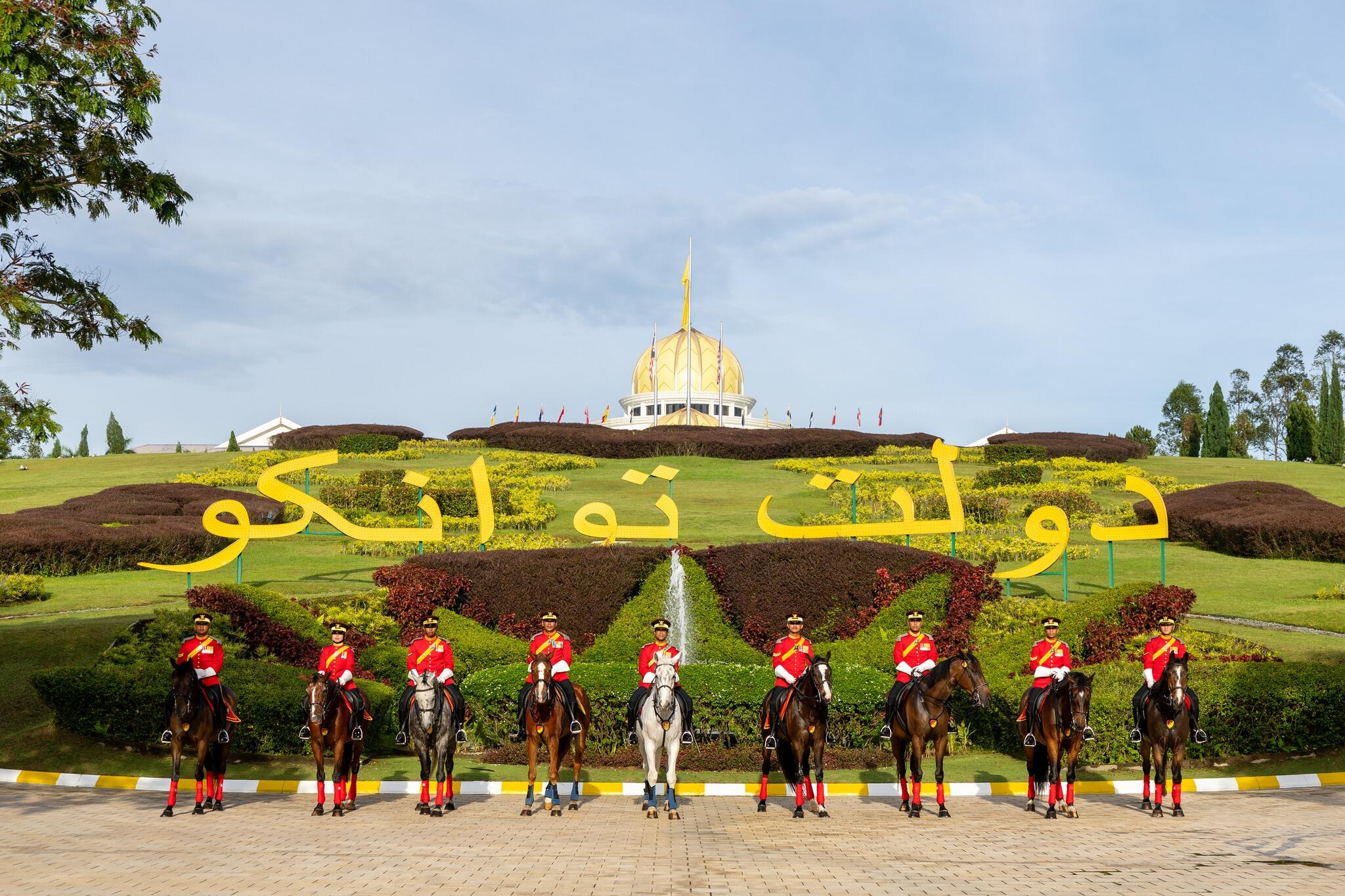

What is the history of Malaysia's monarchy system, and how did it evolve into one of the world’s most unique constitutional monarchies?
Many of us first learned about the roles of the Raja-Raja Melayu during our History lessons in school, where we were introduced to who they were and why they played such a significant role in the early governance of the Malay states.
Over centuries, the Malaysian monarchy's history evolved through British colonial rule, independence, and constitutional reform. Today, Malaysia practices a constitutional monarchy, where nine Malay rulers elect the Yang di-Pertuan Agong, the King of Malaysia and head of state of the federation.
In this article, we’ll dive deeper into the history of Malaysia's monarchy system, explore its roles within the constitutional government, and understand why the monarchy continues to play an integral role in Malaysia’s democratic governance, helping maintain national stability, peace, and unity.
Sultanate of Malaysia
1136
Early formation of the Sultanate of Kedah, among the oldest Malaysian sultanate systems
1400
Establishment of the Malacca Sultanate, a major centre of trade and Islamic governance
1511
Portuguese conquest of Malacca
1874
Signing of the Pangkor Treaty marking stronger British colonial rule over the Malay states
1948
Formation of the Federation of Malaya
1957
Independence from Britain and creation of the constitutional monarchy system, & Installation of the first Yang di-Pertuan Agong
Present
Rotational monarchy governed by the Federal Constitution


Origins of the Malaysian Sultanate
Early Establishment and Influence
The origins of Malay sultanate governance can be traced back to early kingdoms which grew along important trade routes. In the process, these kingdoms shaped how people were ruled and influenced local culture1.
The Sultanate of Kedah was one of the oldest sultanates of Malaysia, and developed strong trading relationships with regional traders from India, China, and the Middle East. However, the most influential early state was the Malacca Sultanate, founded in the early 15th century by Parameswara.
Malacca quickly became a powerful trading hub connecting East Asia, India, and the Middle East. Later rulers adopted Islamic governance traditions, making the sultan both a political authority and a guardian of customs.
This influenced many other Malay states, where the monarch was seen not only as a ruler but also as a guardian of Islamic traditions, Malay customs (adat), while maintaining political stability.
The Malacca Sultanate helped establish the political and cultural foundations of the country's monarchy history, influencing the structure of many later sultanates.
Prominent Sultanates and Their Legacies
Following the fall of Malacca in 1511 due to the Portuguese invasion, several new Malay states emerged, continuing the tradition of royal rule. Among the most prominent were the Sultanate of Johor and Perak.
Johor and Perak sultanates were established by the descendants of Sultan Mahmud Shah from Malacca, who fled the invasion and continued the royal system.
These states maintained hereditary leadership under a system where the ruler held authority over law, trade, and religion. Each one of them governed their own state, supported by traditional chiefs and administrators.
Even today, the influence of these early Malay sultanate structures in governance, trade, and royal traditions still shapes the modern monarchy.
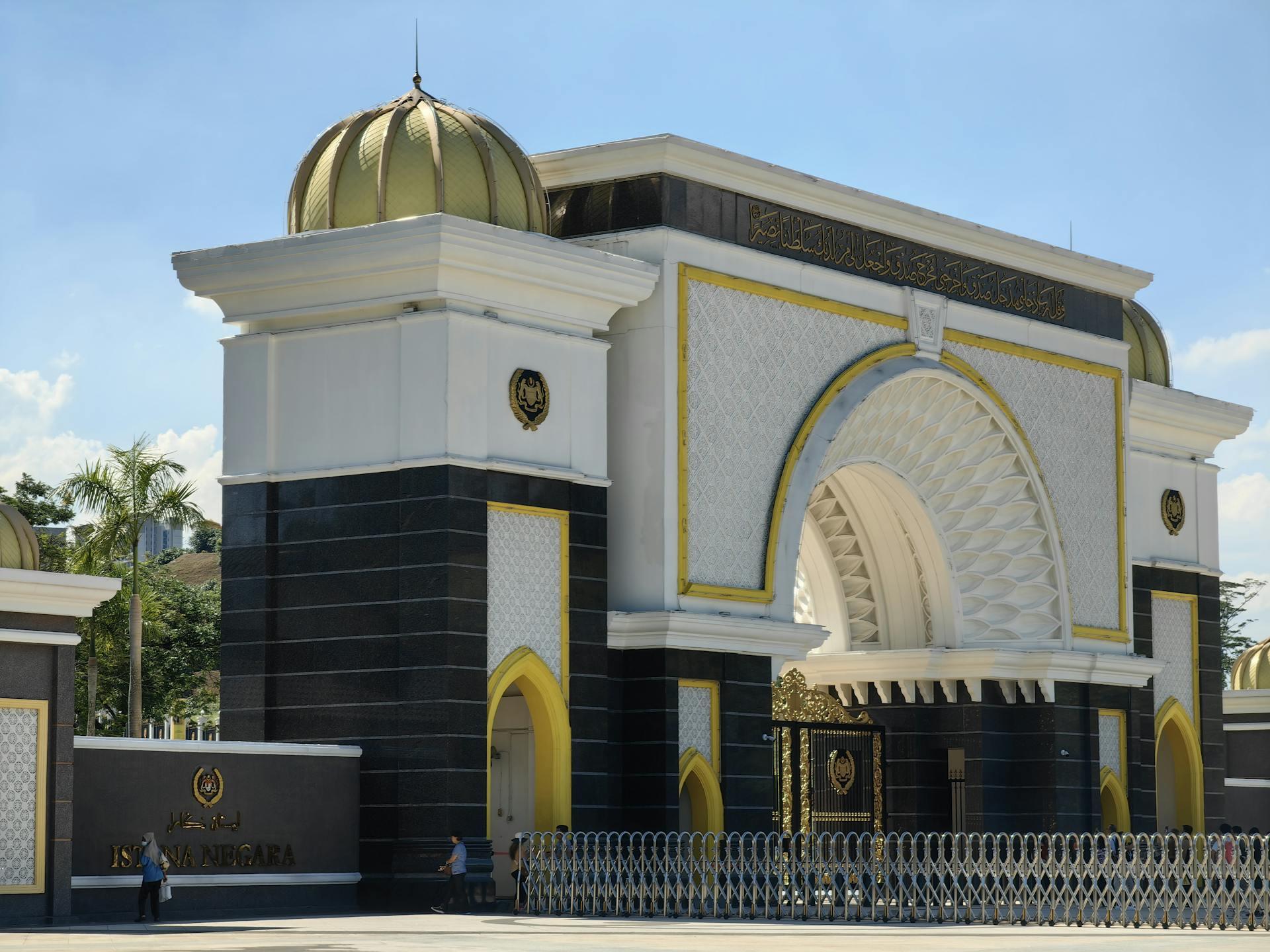
Impact of British Colonisation on Malaysian Monarchy
Treaties and Power Dynamics
The impact of British colonisation on the country's monarchy helped shape the system we see today. Before the colonisation, it used to be a collection of independent states with powerful rulers, not a single centralised monarchy like today.
During the 19th century, Britain expanded its influence across the peninsula through treaties with local sultans.
A major turning point came with the Pangkor Treaty of 1874. Under this agreement, the Sultan of Perak, Raja Abdullah, accepted a British Resident whose advice had to be followed in most administrative matters, granting the British effective control over the state’s governance, finances, and security.
Although the sultan remained the symbolic head of state, real political power increasingly shifted to the colonial Residents.
However, the sultans retained authority over Islam and Malay customs, which helped preserve royal legitimacy among local communities.
Not every state in the country has a Sultan. Malacca and Penang don’t have one because they used to be under direct British rule, so their royal systems didn’t continue like in other states.
Transition to Constitutional Monarchy
Post World War 2, the British proposed the Malayan Union, which would turn the Malay states into a British Crown Colony, effectively reducing the Sultans’ sovereignty. This sparked massive protests from the Malays, which made the British abandon the plan and instead sign the Federation of Malaya Agreement in 1948.
The agreement restored the symbolic powers of the Rulers but formally established them as constitutional heads of their states within a federal structure.
When Malaya gained independence in 1957, the newly formed federal constitution created the unique system of constitutional monarchy seen today, combining democratic governance with traditional royal leadership.
Formation of the Modern Malaysian Monarchy
Post-Independence Developments
After independence from Britain in 1957, the Federation of Malaya introduced a new system where the Conference of Rulers collectively elected a national king known as the Yang di-Pertuan Agong.
This is why Malaysia is said to have an unusual or unique monarchy system. Instead of a hereditary king passing power along a single royal lineage, the nine rulers take turns serving as king for a five-year term, ensuring no single royal family holds the monarchy permanently.
The Agong serves as the constitutional monarch, performing duties such as appointing the prime minister in certain cases, approving legislation, summoning or dissolving parliament, granting pardons, declaring emergencies, and serving as head of Islam in certain states.
Most decisions are made following the advice of the Prime Minister and the elected government.
The First King of Malaysia
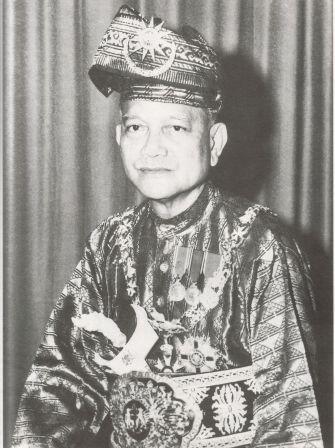
The first Yang di-Pertuan Agong after independence was Tuanku Abdul Rahman, from Negeri Sembilan. Don’t be confused with the first Prime Minister of Malaysia, Tunku Abdul Rahman; these are two different individuals.
His coronation in 1957 marked the beginning of the modern monarchy in Malaysia. As the Yang di-Pertuan Agong, he helped establish the ceremonial traditions and constitutional practices that continue today.
The Contemporary Monarchy System
Current Sultans of Malaysia
Today, nine states maintain hereditary sultan rulers. These leaders form the Conference of Rulers, which plays an important role in Malaysia’s constitutional framework.
The current Sultans of the country represent the royal households of:
- Sultan Ibrahim Iskandar – Johor ruler & Current King
- Sultan Sallehuddin – Kedah ruler
- Sultan Muhammad V – Kelantan ruler
- Tuanku Muhriz – Yang di‑Pertuan Besar of Negeri Sembilan
- Al‑Sultan Abdullah Ri’ayatuddin Al‑Mustafa Billah Shah – Pahang ruler
- Sultan Nazrin Muizzuddin Shah – Perak ruler
- Tuanku Syed Sirajuddin – Raja of Perlis
- Sultan Sharafuddin Idris Shah – Selangor ruler
- Sultan Mizan Zainal Abidin – Terengganu ruler
Each Malay ruler holds hereditary authority in their state under the state constitution and is a member of the Conference of Rulers, along with the four Yang di-Pertua Negeri (Governors) of states without royalty. (However, only the nine Malay rulers participate in the election of the Yang di-Pertuan Agong.)
In addition, the State Sultans serve as both the political leaders and the guardians of Islam, performing their responsibilities within the discretionary powers2.
In a hereditary monarchy, like the United Kingdom, the position of king or queen is passed down within a single royal family, usually from parent to child.
The Monarchy's Influence in Modern Governance
Although Malaysia is a parliamentary democracy, the monarchy still plays an important constitutional role.
The King ensures that the government operates according to the federal constitution. During periods of political instability, the Yang di-Pertuan Agong may need to determine which political leader is most likely to command a confidence majority in parliament.
This happened during Malaysia’s political changes in 2020 involving leaders such as Tun Mahathir Mohamad and Tan Sri Muhyiddin Yassin. When the former resigned, the King met with all lawmakers to determine who could command a majority, resulting in the appointment of Tan Sri Muhyiddin Yassin to form a government.
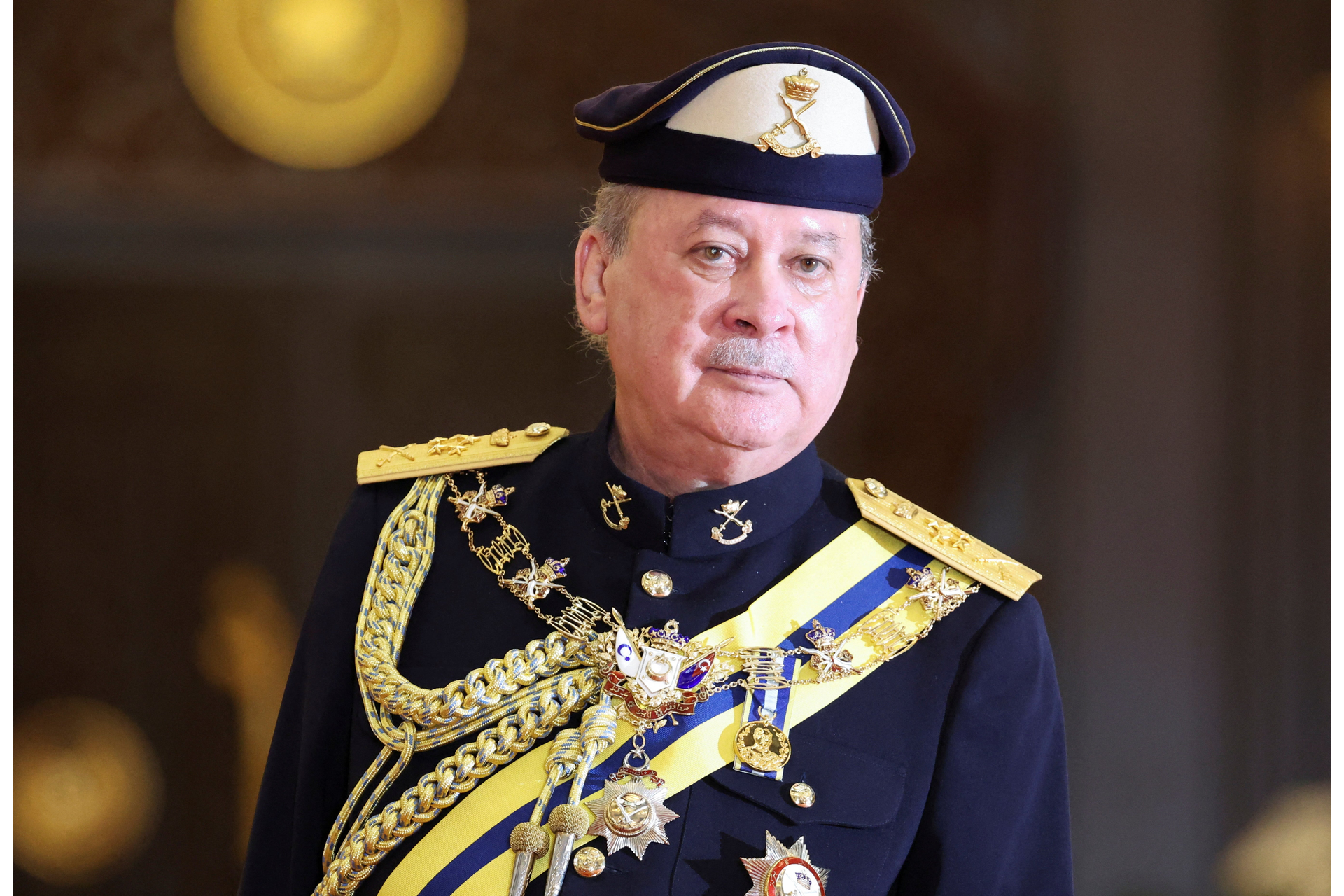
Cultural and Social Impact of the Monarchy
Preserving Malay Traditions and Fostering National Unity
Beyond politics, the monarchy of Malaysia plays a vital role in preserving customary practices (adat), royal ceremonies, and cultural symbols.
As heads of Islam in their states, they are also responsible for overseeing religious matters and preserving the historical records, literature, and the Malay language for future generations.
They help foster national unity and harmony in Malaysia’s multicultural society. During celebrations such as Hari Merdeka and Malaysia Day, the Yang di-Pertuan Agong represents the nation’s shared identity.
Today, the monarchy continues to serve as a symbol of national unity and constitutional authority, adapting to contemporary society while maintaining its historical traditions.
Conclusion
The history of Malaysia's monarchy system spans centuries, beginning with early Malaysian sultanate kingdoms and evolving through colonial rule, independence, and constitutional reform.
As you reflect on its history and evolving role, it’s clear that the monarchy continues to shape Malaysia’s identity while adapting to the expectations of a modern democratic society.
The nation requires leaders who embrace inclusivity, showing determination and wisdom in uniting the diverse elements into a strong and harmonious whole.
Sultan Nazrin Shah of Perak
References
- Mohamad Akhir, N. S., Universiti Teknologi Mara, Ismail, S., Universiti Teknologi Mara, Aziz, A., Universiti Teknologi Mara, Ismail, M. S. I., & Universiti Teknologi Mara. (2022). KEDAH TUA SEBAGAI PELABUHAN KUNO PERDAGANGAN ANTARABANGSA ANTARA ABAD KE-2M SEHINGGA 13M: LAMBANG KETAMADUNAN BANGSA MELAYU. In Jurnal Melayu: Vol. Vol. 21 (2) (pp. 115–117). https://journalarticle.ukm.my/20521/1/59267-196105-1-SM.pdf
- Powers and functions of state rulers - The Malaysian Bar. (n.d.). https://www.malaysianbar.org.my/article/news/legal-and-general-news/legal-news/powers-and-functions-of-state-rulers#:~:text=The%20constitutions%20of%20the%20various%20states%20and,request%20for%20convening%20the%20Conference%20of%20Rulers
Summarise with AI:
Did you like this article? Leave a rating!


 Loading...