
SUKMA 2026 is heading to Selangor from August 15 to 24, and across Malaysia, a new generation of young athletes is dreaming of stepping onto that prestigious stage.
But the reality is that many young athletes learn too late that talent alone is not enough to earn a place at SUKMA. The Games require you to meet strict eligibility rules and earn your place through a selection process managed by your State Sports Council.
And if you miss a deadline, like Penang's men's football team did for SUKMA 2026, your years of preparation can vanish overnight. This guide will walk you through exactly how to join SUKMA, step by step. Let's get started.
| Step | What You Need to Do | Key Requirement |
|---|---|---|
| 1 | Pick a sport | Choose early, build technique and competition experience |
| 2 | Compete in MSSM, district, and state events | Active competition record with verifiable results |
| 3 | Get on the state longlist | Medals, coach recommendations, performance benchmarks |
| 4 | Attend SUKMA trials | Pass physical, skill, and match evaluations |
| 5 | Get selected for state squad | Final shortlist issued by state sports council |


Who Can Join SUKMA?
Not every talented young athlete can make it to SUKMA. Let's break down exactly who can join.
- Age limit: Generally under-21
- Open to Malaysian citizens
- Must represent birth/residence/school state
- Amateur status required
- Age limit: 12–40 years old (2026)
- Open to athletes with disabilities
- Same state representation rules apply
- Recently lowered from 45; monitor for updates
SUKMA Age Requirement
In many SUKMA sports, athletes are generally required to be 21 years old or under on the first day of the Games, though age requirements can vary depending on the sport and edition of the Games.
Some sports, especially gymnastics, aquatics, or martial arts, can have lower maximum age limits due to the physical demands and development cycles of those events. So it’s a good idea to confirm the specific age limit for your sport before investing years in training.
The rules are different for Para SUKMA.
The age limit for Para SUKMA 2026 has been set at 12 to 40 years old (recently lowered from 45). This change has sparked discussion among state representatives, so if you’re a para athlete, you should monitor official announcements for any final adjustments.
State Representation
To join SUKMA, you have to be a Malaysian citizen. Beyond that, you will compete for the state you are representing.
You can represent only the state where you were born, where you currently live, or where you attend school. Some states require a minimum residency period before you are eligible to wear their jersey.
Active Competition Record
You can’t walk into SUKMA trials as a complete unknown. State selectors need evidence that you can compete at a high level.
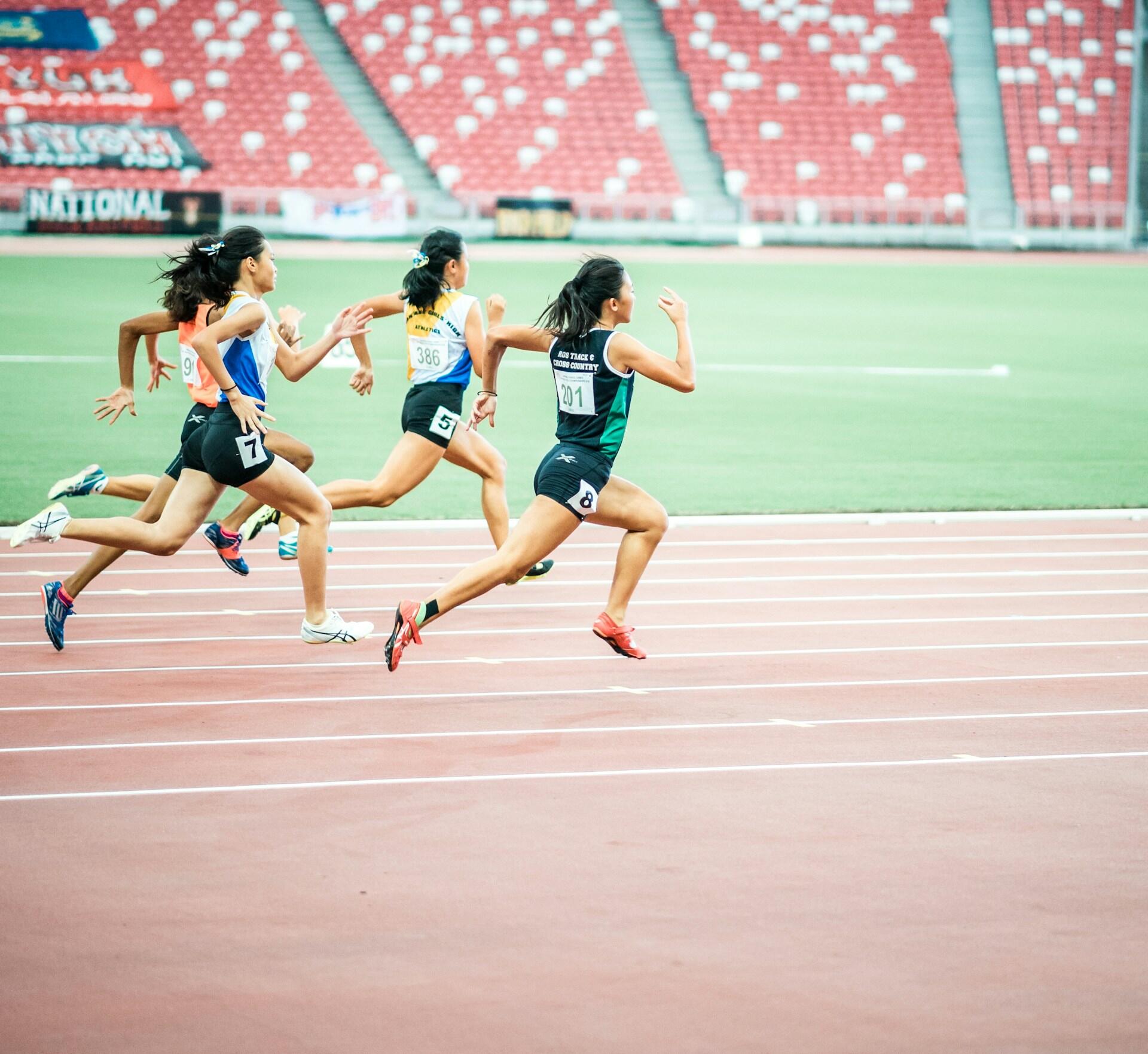
This is why most successful SUKMA athletes have:
- An active competition record in recognised school, district, or club tournaments
- Coach recommendations from verified coaches or academies
- Performance standards that meet state qualifying benchmarks
- Participation in recognised tournaments, like MSSMs, state championships, and national circuit events
Some states also maintain longlists, like a pool of 30 to 50 athletes per sport who are monitored over months or even years before final selections are made.
How to Become an Athlete in SUKMA
Now let's walk through the exact steps you need to take to go from dreaming about competing in SUKMA to actually representing your state at the Games.
1. Pick a Sport
If you want to compete in SUKMA, the first step is choosing your sport early. State selectors want athletes who have spent time building technique, discipline, and competition experience instead of trying several sports for a short period.
SUKMA features dozens of sports events contested across the Games, which means there are many pathways to compete. For SUKMA 2026 in Selangor, there will be 474 events across 37 sports, including 10 Para SUKMA events.
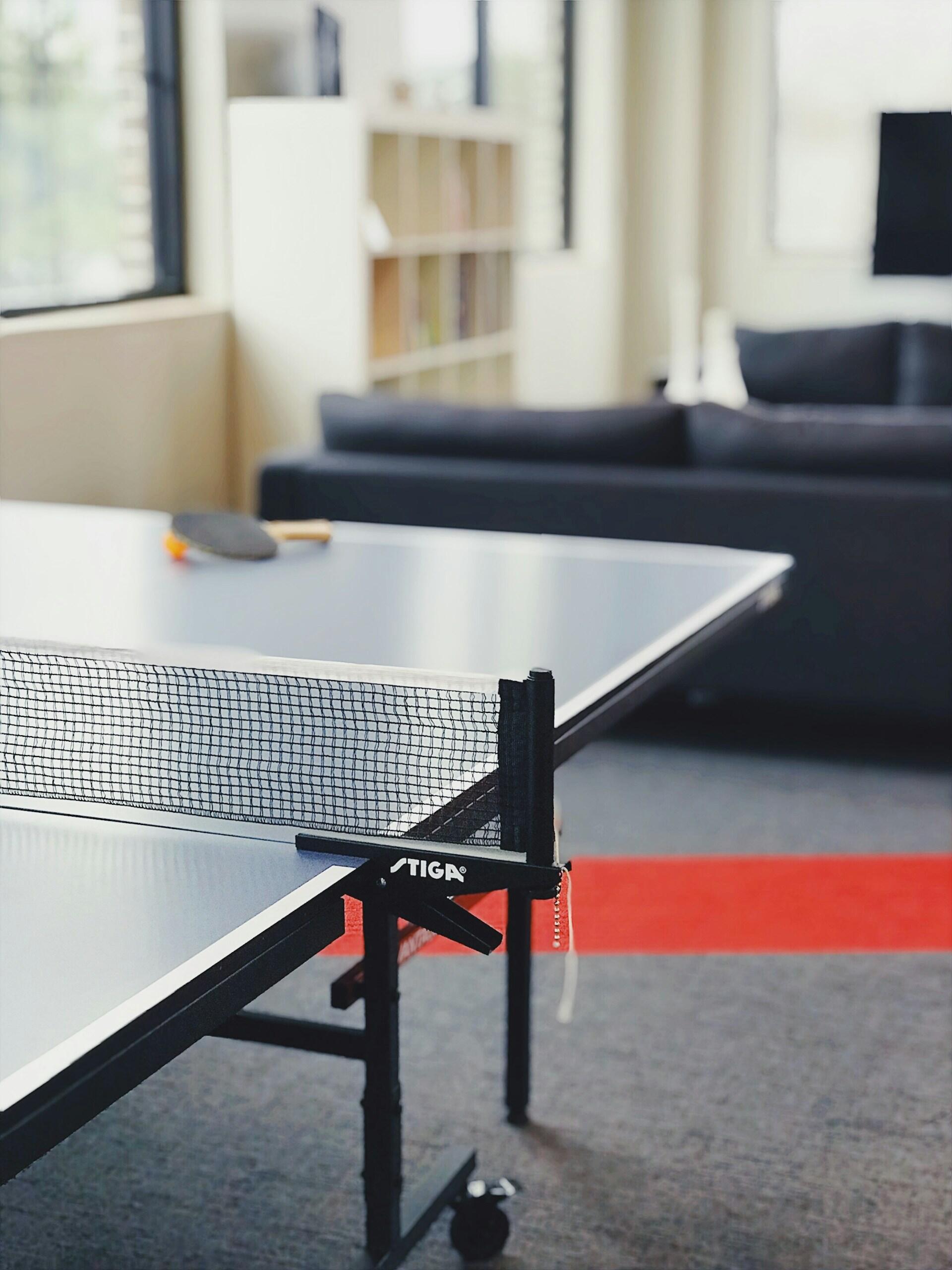
Some of the sports Malaysians love to watch and compete in include:
- Chess
- Badminton
- Football
- Athletics
- Silat
- Bowling
- Table tennis
Other popular SUKMA sports include aquatics, gymnastics, hockey, archery, cycling, sepak takraw, rugby, and weightlifting.
2. Compete in School, District, and State-Level Events
Selectors can’t pick you if they have never seen you compete. So once you’ve chosen your sport and started training seriously, here’s where to catch attention:
MSSM
The Majlis Sukan Sekolah-Sekolah Malaysia/Malaysian Schools Sports Council (MSSM) is where new youth sports talent is first seen. They’re held annually at the zone, district, state, and national levels.
Most state selectors begin their athlete identification process at MSSM championships. A medal here is often the first entry on a future SUKMA athlete's resume. So if you are a student athlete, these tournaments are your most visible stage.
State Sports Programmes
Every state has a Majlis Sukan Negeri (state sports council). These councils run development programmes, talent identification initiatives, and high-performance training camps. If you have a consistent track record in athletics, here’s what to do:
- Visit your state sports council website, like MSN Selangor or MSN Kuala Lumpur
- Find out which sports are prioritised in your state
- Ask about junior development programmes or talent scouting schedules
- Register your name and competition results with your sports council contact person
Longlist Scouting
Ahead of SUKMA 2026 in Selangor, states have already begun longlist scouting, meaning they are looking for, selecting, and monitoring potential athletes months or even years before final selections.
While every state and sport has different criteria, common ways to earn longlist consideration include:
- Earning medals at the MSSM level
- Winning or placing high in state-level championships
- Being recommended by a verified coach or sports association
- Showing performance benchmarks, like specific race times, competition rankings, and technical scores
- Attending open trials announced by your state sports council
For example, the Kuala Lumpur Chess Association (KLCA) announced its SUKMA 2026 longlist selection process in October 2025.1 To be considered, athletes needed specific tournament results, ELO ratings, or outstanding performances in MSSM or KLCA-sanctioned events.
Even if you haven't won a major medal yet, you can still earn longlist consideration. Consistent performances at district and school-level competitions, combined with a coach recommendation, can put you on selectors' radars. The trick is to compete regularly and make your results visible.
What this means for you is that even if SUKMA 2026 feels far away, state selectors are already watching.
3. Attend SUKMA Trials in Your State
Once you are on the longlist, or even if you are still trying to get noticed, the next milestone is attending official SUKMA qualification trials. This is where the SUKMA selection happens.
Trials are your opportunity to prove through physical performance, skill execution, and competitive mindset that you deserve to wear your state's jersey at the Malaysia Games. Here’s what you can expect:
- Physical assessments. Before you ever touch a ball, racket, or mat, selectors will evaluate your baseline fitness. These may include endurance tests, speed and agility drills, strength assessments, and flexibility and mobility screens.
- Skill evaluation. Depending on your sport, skill evaluation might include technical execution, tactical understanding, and sport-specific drills to test core skills. Selectors will be looking for athletes who show consistent, repeatable skill under pressure.
- Match performance. Match performance is where selectors observe competitive temperament (how do you handle pressure, mistakes, or a stronger opponent?), work rate and effort, teamwork and communication, and adaptability.
Talent wins games, but teamwork and intelligence win championships.
Michael Jordan
Throughout the trial process, state coaches and selectors will watch everything to evaluate your:
- Coachability, such as if you take instructions well
- Body language, checking if you’re positive and focused or negative and distracted
- Consistency, like if you perform at the same level in drill 1 and drill 10
- Potential, even if raw now, they’ll check if you have room to grow
After trials, the selection committee will issue a shortlist of athletes who have earned a place in the state squad.
Athletes are normally selected through their state sports council in collaboration with state sports associations for each specific sport. The state sports council oversees the overall contingent, while each sport's association manages the technical trials for its discipline.
For example, the selection process has entered its final phase as of April 2026 for Selangor, with the final athlete list expected to be finalised in the month leading up to the Games. More than 1,000 athletes will represent Selangor at SUKMA 2026.
What to Expect After SUKMA Trial Selection
Once you are selected, your state will organise centralised or decentralised training camps. In Selangor, for example, preparations for SUKMA 2026 have entered their final phase as of April 2026. Training schedules have been intensified, and athletes are expected to commit fully.
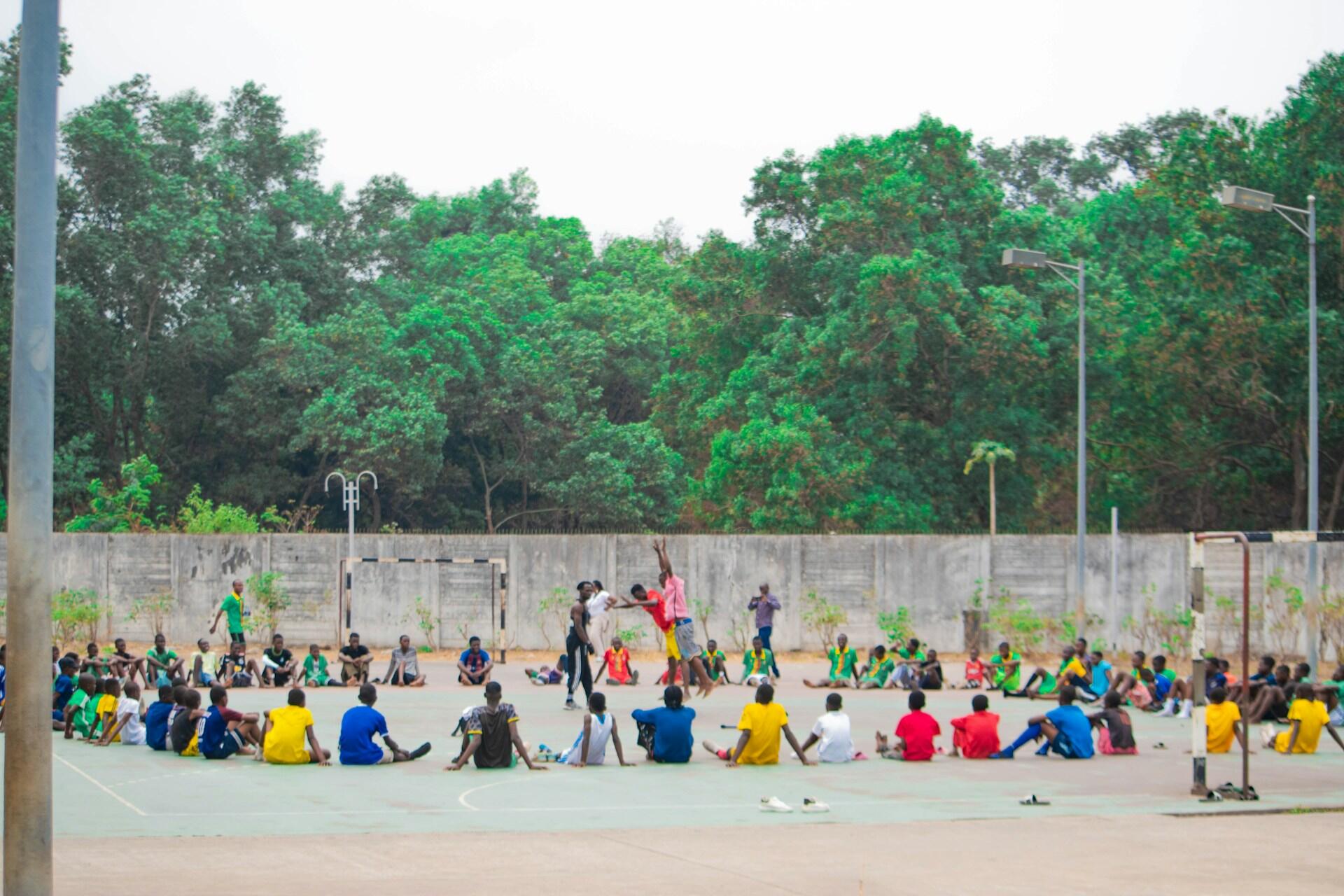
Valdhy Mbemba on Unsplash
Here’s what to expect at training camps:
- Daily structured sessions
- Sport-specific drills at competition intensity
- Scrimmages and practice matches against teammates or other states
- Video analysis of your technique and tactics
- Recovery protocols (ice baths, stretching, rest periods)
At the state level, you will work with experienced coaches who have prepared athletes for national competitions before. Some may have even represented Malaysia themselves.
Work With a Superprof Coach to Prepare for SUKMA
At the SUKMA level, talent is non-negotiable, but preparation matters just as much. The difference between making the longlist and earning a spot on your state team often comes down to training, better technique, and having someone experienced to guide your progress.
A coach can identify weaknesses in your technique, build a structured training plan for you, and help you prepare mentally and physically for trials. This extra support can be very helpful if you’re preparing for competitive sports like football, silat, or other high-performance events.
So if you’re looking for extra guidance outside school or club training, Superprof Malaysia can help you connect with experienced sports coaches across Malaysia for one-to-one training tailored to your goals.
Many coaches offer a free first lesson, so you can find someone who fits your sport, location, experience level, and training goals.
References
- KLCA Webmaster. (2025, October 14). SUKMA 2026 – Longlist Selection – Kuala Lumpur Chess Association. Klca.my. https://klca.my/2025/10/14/sukma-2026-longlist-selection/
Summarise with AI:
Did you like this article? Leave a rating!

 Loading...