
With Sultan Sharafuddin granting his royal consent and Selangor actively recruiting 5,000 volunteers ahead of August 2026, the buzz around SUKMA 2026 is near its peak. But what is SUKMA, and why does it matter to every Malaysian?
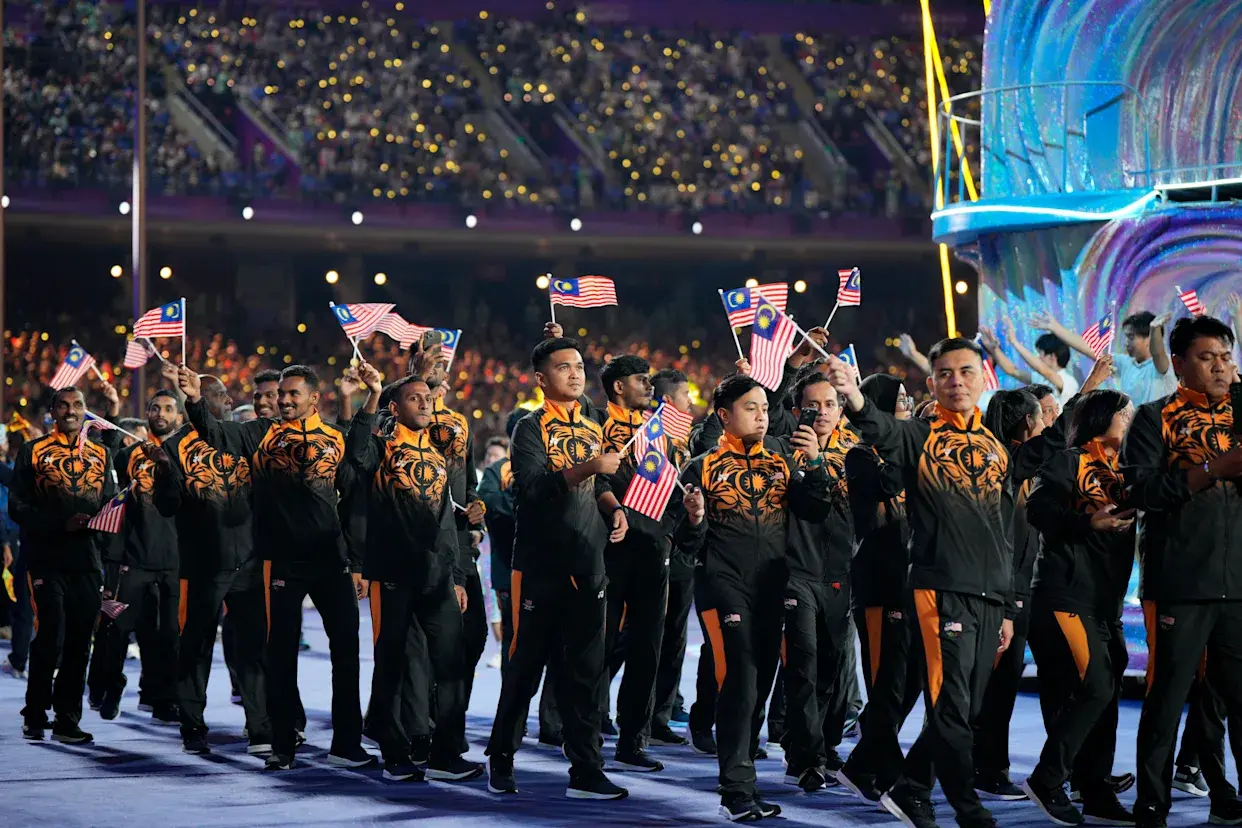
SUKMA is Malaysia's premier biennial multi-sport event for amateur and youth athletes. Often called the country's "mini-Olympics," it is the stage where future national sports athletes are born.
If you have ever watched young Malaysian athletes compete and wondered where they first rose to prominence, the answer is almost always SUKMA Malaysia in action.
In this guide, we'll cover what SUKMA Malaysia is, its history, the sports contested, which states compete, and how young Malaysians can get involved.


What Is SUKMA in Malaysia?
SUKMA stands for Sukan Malaysia, which translates directly to "Malaysia Games" in English. It’s a national multi-sport tournament for amateur athletes, students, and youth competitors under strict age-category limits, usually under-21, though some sports may vary.
The tournament is jointly organized by the host state's sports council and the National Sports Council (NSC). The NSC sets the rules for SUKMA, monitors eligibility, and ensures standardized officiating. The host handles logistics, venues, and ceremonies.
The tournament is held every two years (biennially), and each edition is hosted on a rotational basis by a different Malaysian state. This makes sure that every region gets a turn in the national spotlight.
However, SUKMA 2028 in Kelantan is expected to mark the final Games in the original hosting rotation cycle.1 After that, the Ministry of Youth and Sports (KBS) is thinking of transitioning hosting duties to Putrajaya or the NSC.
SUKMA History and Purpose
The first SUKMA Games were held in 1986 in Kuala Lumpur, with just a handful of sports and a fraction of the athletes you see today.
Now, SUKMA has expanded from core athletics and football to over 30 sports. Along the way, Para SUKMA was added to give athletes with disabilities the same pathway to national recognition.
Before SUKMA, young Malaysian athletes didn’t really have a national platform to show their talent. State-level competitions didn’t bring national attention to promising athletes, so many went unnoticed. That's exactly why Sukan Malaysia SUKMA was created.
Now SUKMA helps:
- Identify and nurture sporting talent at the state level before funneling the best athletes into national squads. Without SUKMA, many of today's national heroes might never have been discovered
- Provide a direct pipeline for athletes to get into SEA Games, Asian Games, and Olympic qualification pathways
For instance, Lee Zii Jia represented Kedah at SUKMA 2016 and won bronze in men's singles. Within two years, he won gold at the 2018 SEA Games. In 2021, he became All England champion, Malaysia's first since 2017. Now, he's a two-time Olympian.
How Does SUKMA Work?
SUKMA follows a standard Olympic-format medal system:
Gold for first place
Silver for second place
Bronze for third place
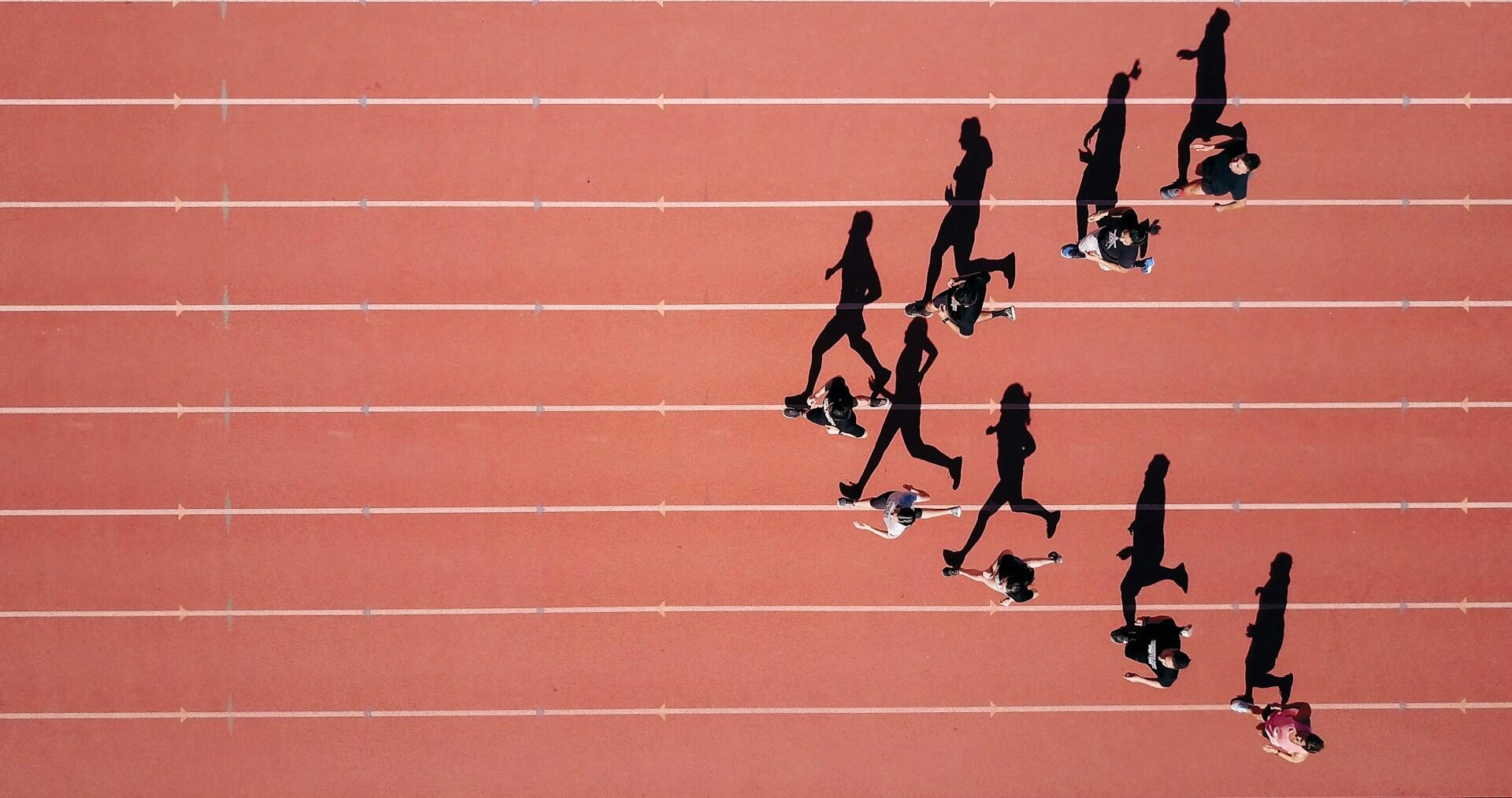
Every event, like the 100m sprint and the badminton mixed doubles final, awards all three. States are then ranked based on their total medal count (gold first, then silver, then bronze). The state with the most golds at the end of the Games takes home the overall champion title.
The Games usually run for one to two weeks, depending on the number of sports hosted. A smaller edition with fewer sports can usually end within eight days, but a full-scale SUKMA with 30+ sports can stretch closer to 14 days.
For instance, SUKMA 2026 will take place from August 15 to 24, with Para SUKMA following from September 5 to 10. A total of 474 events across 30 compulsory sports and seven optional sports will be contested in nine districts involving 53 venues.
SUKMA events are spread across multiple venues within the host state, with:
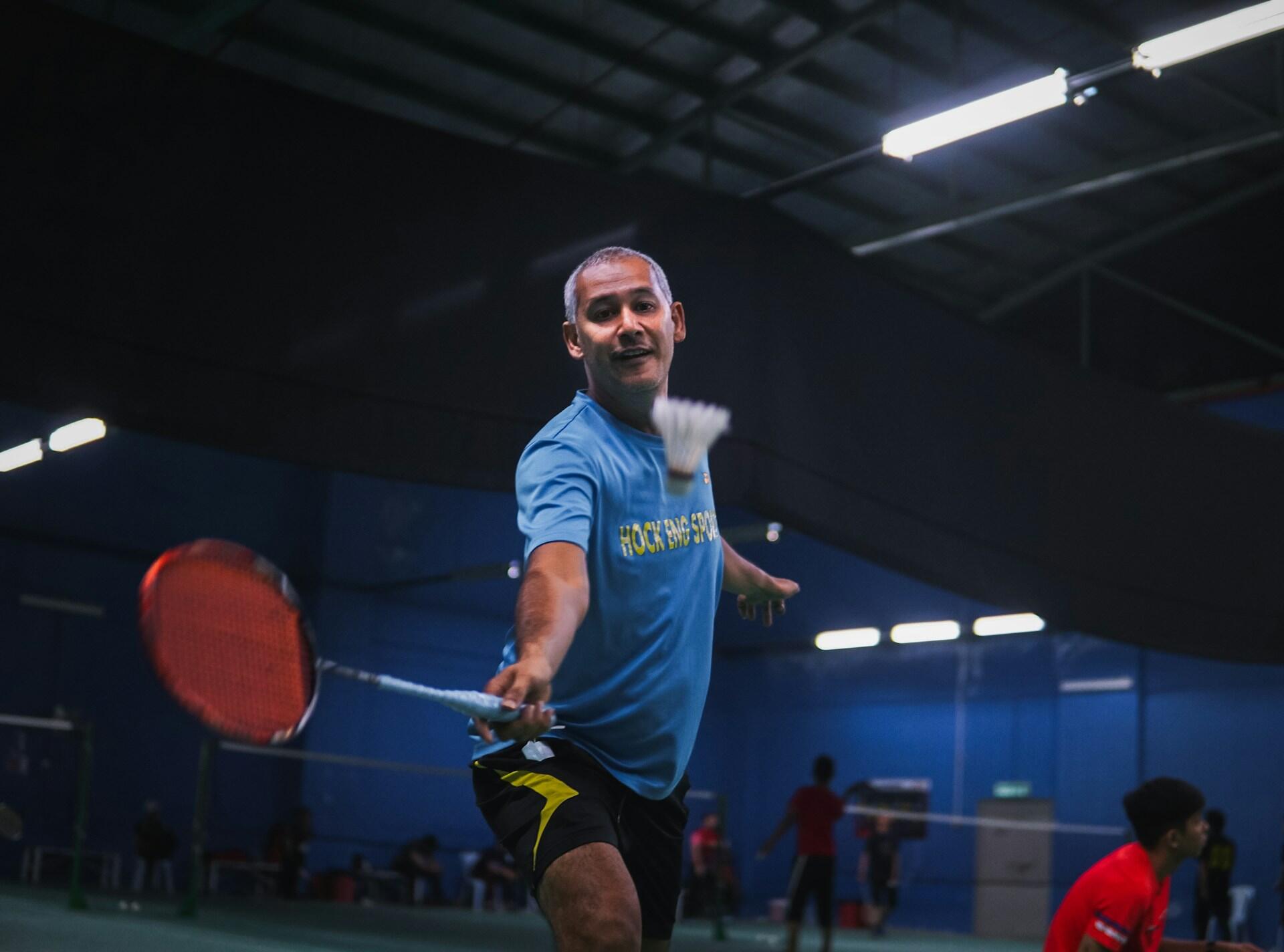
- Indoor stadiums for badminton, gymnastics, taekwondo, and silat
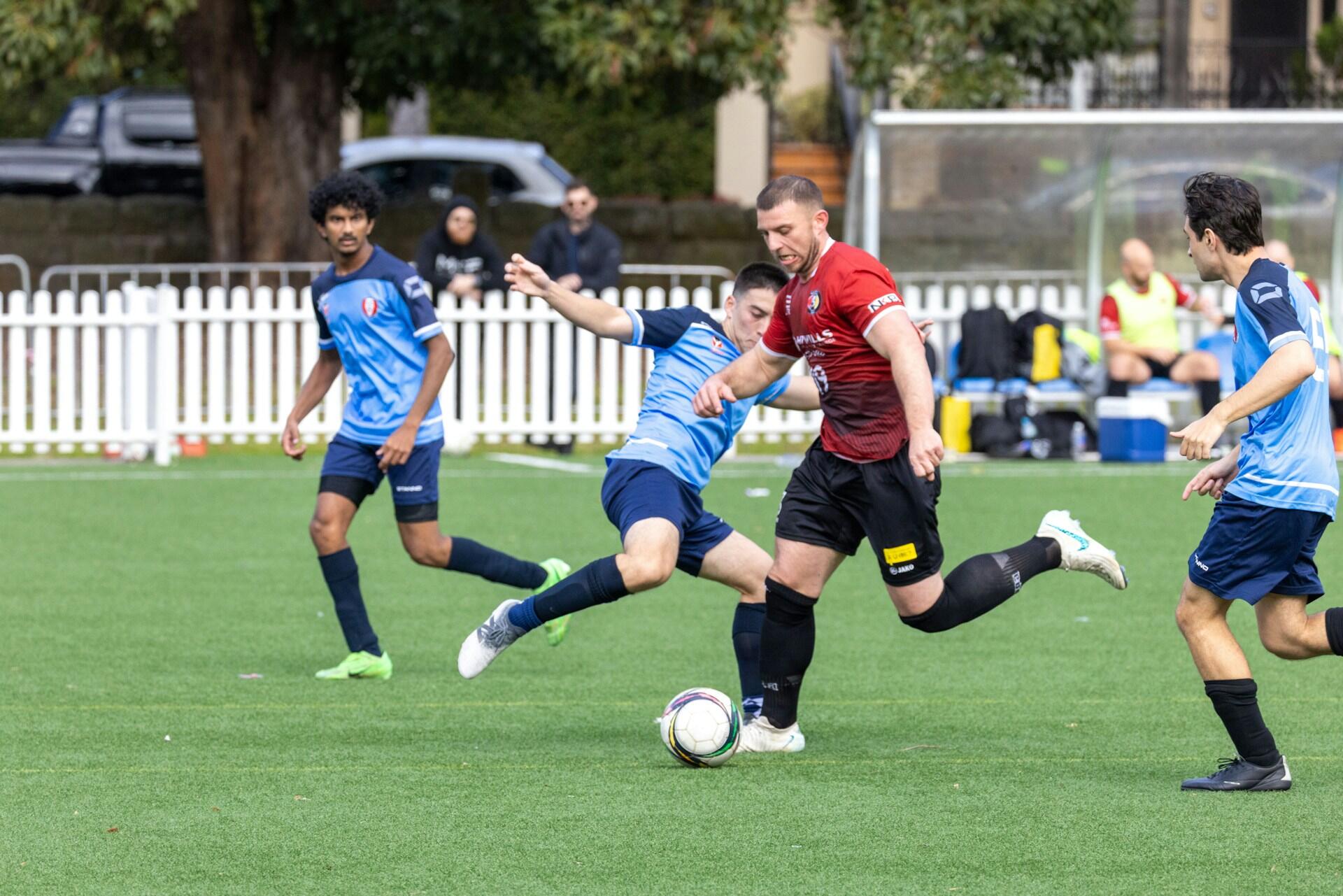
- Outdoor fields for football, athletics, and hockey
- Specialised facilities for bowling (bowling alleys), swimming (aquatic centres), and shooting (ranges)
In SUKMA 2026 Selangor, you'll see events at the upgraded Darul Ehsan Aquatic Centre, Shah Alam Stadium, and other venues across the state. The final list of Selangor athletes will be confirmed by July, with some sports finalising their squads by June.
Who Can Participate in SUKMA?
SUKMA is a closed competition for Malaysia's most promising young sporting talent. So participation is strictly limited to athletes who meet amateur status requirements.
This means participants can’t be professional athletes:
- Under contract with commercial leagues or foreign clubs
- Earning a living from their sport, such as through sponsorships or prize money
What Is the Age Limit for SUKMA Malaysia?
There's no single "SUKMA age" across all events. Each sport sets its own age categories, usually because different sports peak at different stages of physical development.
The most common limits are:
| Sport Category | Age Limit |
|---|---|
| Most core sports (athletics, swimming, badminton) | Under-21 (U-21) |
| Gymnastics, diving | Under-18 or Under-16 |
| Bowling, silat, taekwondo | Under-19 to Under-21 |
| Football | Under-20 (men's), under-18 (women's) |
How Are Athletes Selected for SUKMA?
Here’s how athletes join SUKMA:
1. State-Level Meets and Trials
Every state runs its own qualifying competitions throughout the year. These are often called Majlis Sukan Sekolah Malaysia (MSSM) events or state sports council trials. If you perform well here, usually by finishing in the top 2–3 positions, you become eligible for state selection.
2. State Contingent Selection
States are allocated a fixed number of athletes per sport by the NSC and the host state. So to make the most of their team, each state's sports council chooses its final contingent based on trial results, past performance, and quota limits.
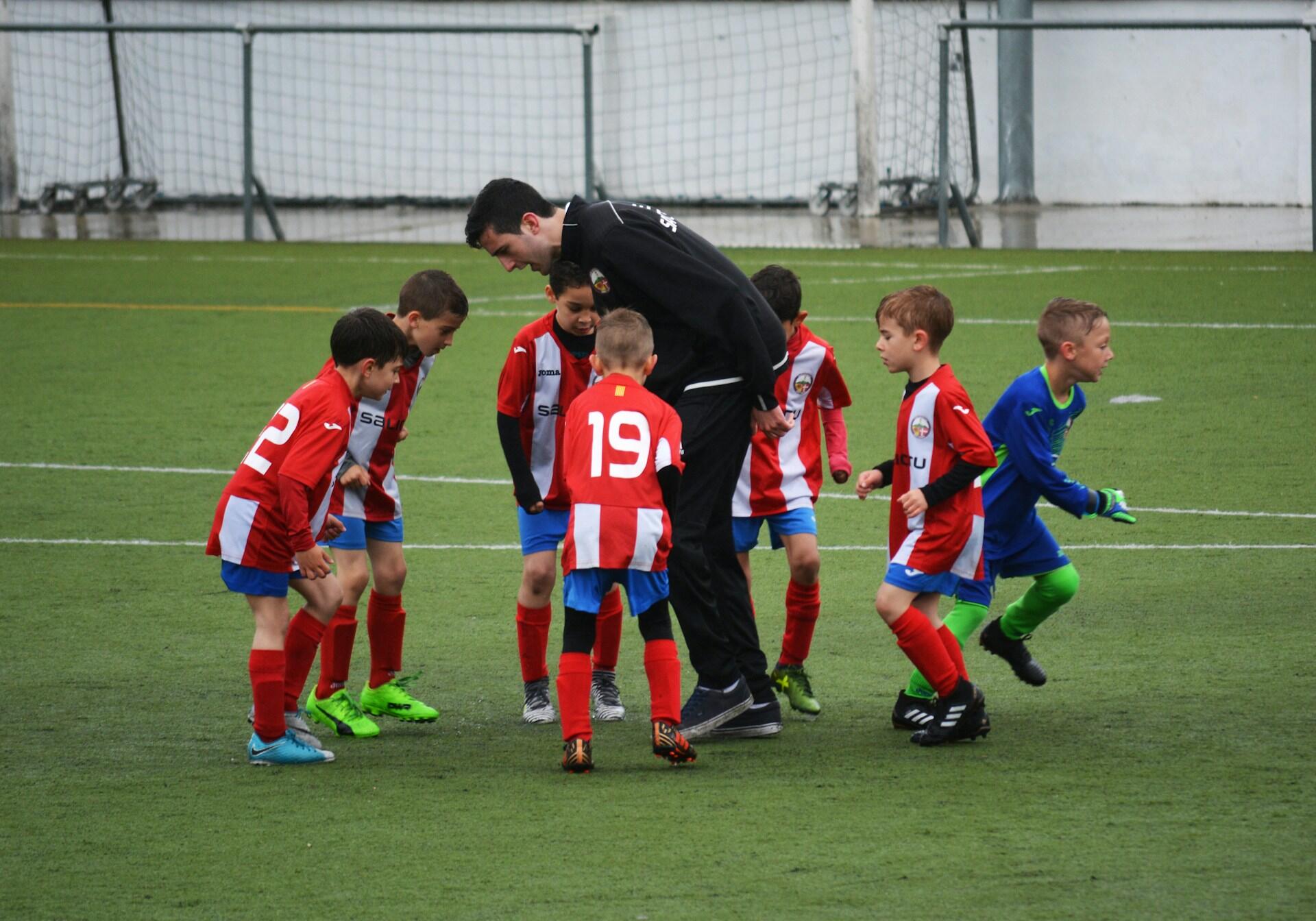
Coaches and selectors look for:
- Age eligibility (you cannot "age out" mid-cycle)
- Medal potential
- Consistency under pressure
3. Registration by State
Once selected, your state submits your name to the NSC. You compete under your state's flag, not as an individual. That's why you'll hear "Selangor athlete" or "Sabah representative" during broadcasts.
So, if you're a Malaysian student athlete, competing at the state level, and still an amateur, you have a path to SUKMA. But the first step isn't the Games themselves; you need to start by winning at your state trials.
Which States Compete in SUKMA?
SUKMA brings together contingents from all 13 Malaysian states, plus the federal territories:
- Johor
- Selangor
- Penang
- Sabah
- Sarawak
- Kelantan
- Terengganu
- Perak
- Kedah
- Pahang
- Negeri Sembilan
- Malacca
- Perlis
- Kuala Lumpur
- Labuan
- Putrajaya
No state sits out, and every region fields its best young athletes across dozens of sports. In 2026, Selangor will host, with the Darul Ehsan Aquatic Centre and other venues being upgraded specifically for the Games.
What Sports Are Played at the SUKMA Games?
The SUKMA Games feature over 30 sports, including:
- Football
- Badminton
- Bowling
- Athletics
- Swimming
- Hockey
- Gymnastics
- Taekwondo
- Pencak silat
- Sepak takraw
- Squash
- E-sports
The SUKMA games feature over 30 sports
The exact SUKMA sports lineup can vary slightly depending on the host state's facilities and proposals. In SUKMA 2026, Selangor proposed adding petanque, muay thai, and silambam to the lineup, which the SUKMA Supreme Committee approved in August 2025.
Start Training for SUKMA With Superprof Today
SUKMA is Malaysia's clearest path from state-level talent to national sports recognition. It's how selectors find future SEA Games athletes, how universities find sports scholarship candidates, and how dreams become medals.
Not every athlete who competes at SUKMA will become a national star. But many national stars started at SUKMA. So if you're a student athlete with medals in your sights, train hard, compete at your state trials, and earn that state jersey.
The journey from district meets to national spotlight is long, but SUKMA proves it is possible, and it starts with the decision to show up. As the famous Malaysian proverb goes:
Alah bisa tegal biasa (Trouble is overcome by habit)
Malaysian Proverb
If you're looking for structured coaching to sharpen your performance before trials, consider working with a personal sports coach in Malaysia. It can help you train smarter and build the consistency selectors look for.
Superprof connects you with experienced sports coaches in Malaysia across a wide range of disciplines. Many coaches offer a free first lesson, so you can find the right fit before committing to a training plan.
References
- BERNAMA. (2025, July 8). Kelantan Last State To Host SUKMA Under Existing Rotation Model - Hannah. BERNAMA. https://www.bernama.com/en/news.php?id=2454260
Summarise with AI:
Did you like this article? Leave a rating!

 Loading...