
Since 1986, the Sukan Malaysia (SUKMA) has grown far beyond a simple competition. Today, it stands as Malaysia's biggest youth sports platform, where future Olympians, SEA Games medalists, and professional athletes show what they’re made of.
In this guide, we'll understand the history of the Malaysia Games, break down the full SUKMA sports list, and learn which sports in SUKMA produce the most medals. Here are some key facts:
| Aspect | Detail |
|---|---|
| First held | 1986, Kuala Lumpur |
| Frequency | Every 2 years (biennial) |
| Next edition | SUKMA 2026, Selangor (Aug 15–24) |
| Total sports (2026) | 37 (30 compulsory + 7 host-selected) |
| Total events (2026) | 469 |
| Biggest medal sports | Athletics, swimming, shooting, cycling, gymnastics |
| All-time leader | Selangor (887 gold, 2,784 total medals) |


The History of SUKMA Sports in Malaysia
The story of the Malaysia Games (SUKMA)started in 1983, when the then Minister of Culture, Youth and Sports, Anwar Ibrahim, first proposed the idea of a national multi-sport event.
1983
The Idea is Born
Then-Minister of Culture, Youth and Sports Anwar Ibrahim proposes a national multi-sport event to discover young talent, raise sports quality, and strengthen national unity.
1986
Inaugural SUKMA in Kuala Lumpur
The first Sukan Malaysia is held from 19–26 April. A total of 3,849 athletes from 13 states, the Federal Territory, MASUM, Royal Malaysian Police, and the Armed Forces compete across 17 sports.
1990
SUKMA Crosses to East Malaysia
Sarawak becomes the first East Malaysian state to host the Games, establishing the biennial state-rotation model that continues today.
2026
SUKMA XXII in Selangor
The largest edition yet, with 37 sports, 469 events across 53 venues in nine districts. Para SUKMA follows from September 5–10.
2028
A Potential Turning Point
Kelantan will be the last state to host under the current rotation. The Ministry is considering transitioning to a permanent host format after this edition.
Ibrahim wanted to improve sports quality across the country, find young talent at the state level, and improve national integration through friendly competition. After two years of planning, the inaugural Games were finally held in Kuala Lumpur from 19 to 26 April 1986.
More than 3,849 athletes from 13 states, the Federal Territory, Malaysian Universities Sports Council (MASUM), Royal Malaysian Police, and the Malaysian Armed Forces competed across 17 sports.
But the games truly became a national event in the third edition in 1990, when Sarawak became the first state in East Malaysia to host the SUKMA games. This started off the biennial rotation among Malaysia’s member states, with each state hosting the Games over the years.
The years also brought more changes for the better. The number of sporting events expanded from just 17 in 1986 to a massive 37 sports with 474 events for the upcoming Selangor 2026 edition.
Every state has now hosted the Games except Kelantan, which will take the reins in 2028. Youth and Sports Minister Hannah Yeoh has suggested that Kelantan 2028 may be the last SUKMA hosted under the existing rotation model.1
After the 2028 edition, the Ministry is considering appointing Putrajaya or the National Sports Council (NSC) as the permanent host. According to Yeoh, the current model creates inconsistency.
Every host state tends to select sports that offer them a better chance of winning medals. That's why some sports are dropped while others are included in every SUKMA edition.
Sports Minister Hannah Yeoh
This inconsistency makes it difficult for athletes in “non-favoured” sports to plan their development pathways. The new modular format, expected to launch after 2028, will ensure continuity in contested sports and provide clearer career roadmaps for young athletes.
What Sports Are Played in the Games?
One of the most exciting things about the SUKMA sports list is that it's never completely static. While 30 core sports events appear every edition, host states can add or prioritise seven others based on local strengths and facilities.
For SUKMA XXII Selangor 2026, the lineup is bigger than ever. But here are the sports you can usually expect to see across most Games:
| Category | Sports |
|---|---|
| Aquatics | Swimming, diving, water polo, synchronised swimming |
| Athletics | Track and field, marathon, race walking |
| Racquet sports | Badminton, squash, table tennis, tennis |
| Team ball sports | Football, hockey, basketball, volleyball (indoor and beach), handball, netball |
| Martial arts | Silat, taekwondo, karate, wushu, muay thai, silambam, judo, boxing |
| Precision sports | Archery, shooting, bowling, chess, petanque |
| Cycling | Track, road, mountain bike, BMX |
| Gymnastics | Artistic, rhythmic |
| Weight sports | Weightlifting, powerlifting |
| Other | E-sports, cricket, kabaddi, softball, rugby, fencing, sailing, golf, lawn bowls |
The 2026 SUKMA will feature 37 sports with 469 events, down slightly from the original 474 after artistic swimming was dropped due to low participation. Of these, 30 are sports that every host state has to include, but the remaining seven were selected by Selangor to show its unique athletic disciplines.
If your sport isn't on the list for a SUKMA edition, you'll need to wait or move to a different discipline. But with 37 sports available in 2026, there's room for almost every talent.
Which SUKMA Sports Produce the Most Medals?
Not all SUKMA sports contribute equally to a state's final standing. While SUKMA football and badminton attract the biggest crowds, championship titles are often decided in medal-dense sports like the following:
Athletics (40+ golds per edition)
Swimming (30+ golds per edition)
Shooting (20+ golds per edition)
Cycling (multiple formats, high medal count)
Gymnastics (12–14 golds from small squads)
Football (2 golds total, but highest prestige)
Badminton (~18 medals, most-watched sport)
Silat (cultural significance, strong following)
1. Athletics 👟
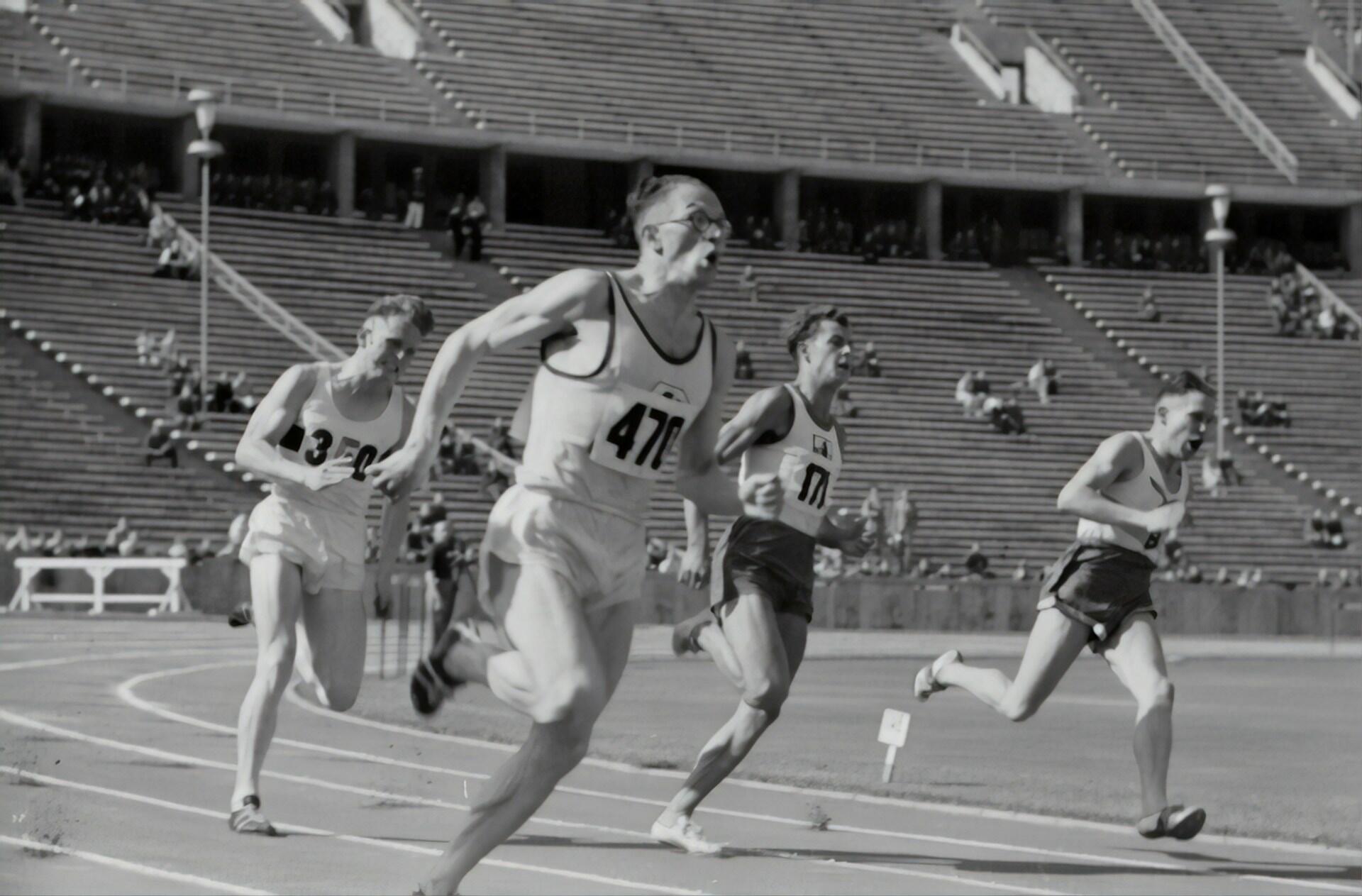
Athletics is the single biggest medal contributor at every SUKMA edition because of the massive selection of events contested:
- Sprints (100m, 200m, 400m)
- Hurdles (110m, 400m)
- Middle and long distance (800m, 1500m, 5000m, 10,000m)
- Relays (4x100m, 4x400m)
- Jumps (long jump, high jump, triple jump, pole vault)
- Throws (shot put, discus, javelin, hammer)
- Combined events (decathlon for men, heptathlon for women)
Each discipline awards separate gold medals for men and women. That's over 40 gold medals up for grabs in a single Games.
2. SUKMA Swimming 🏊♀️
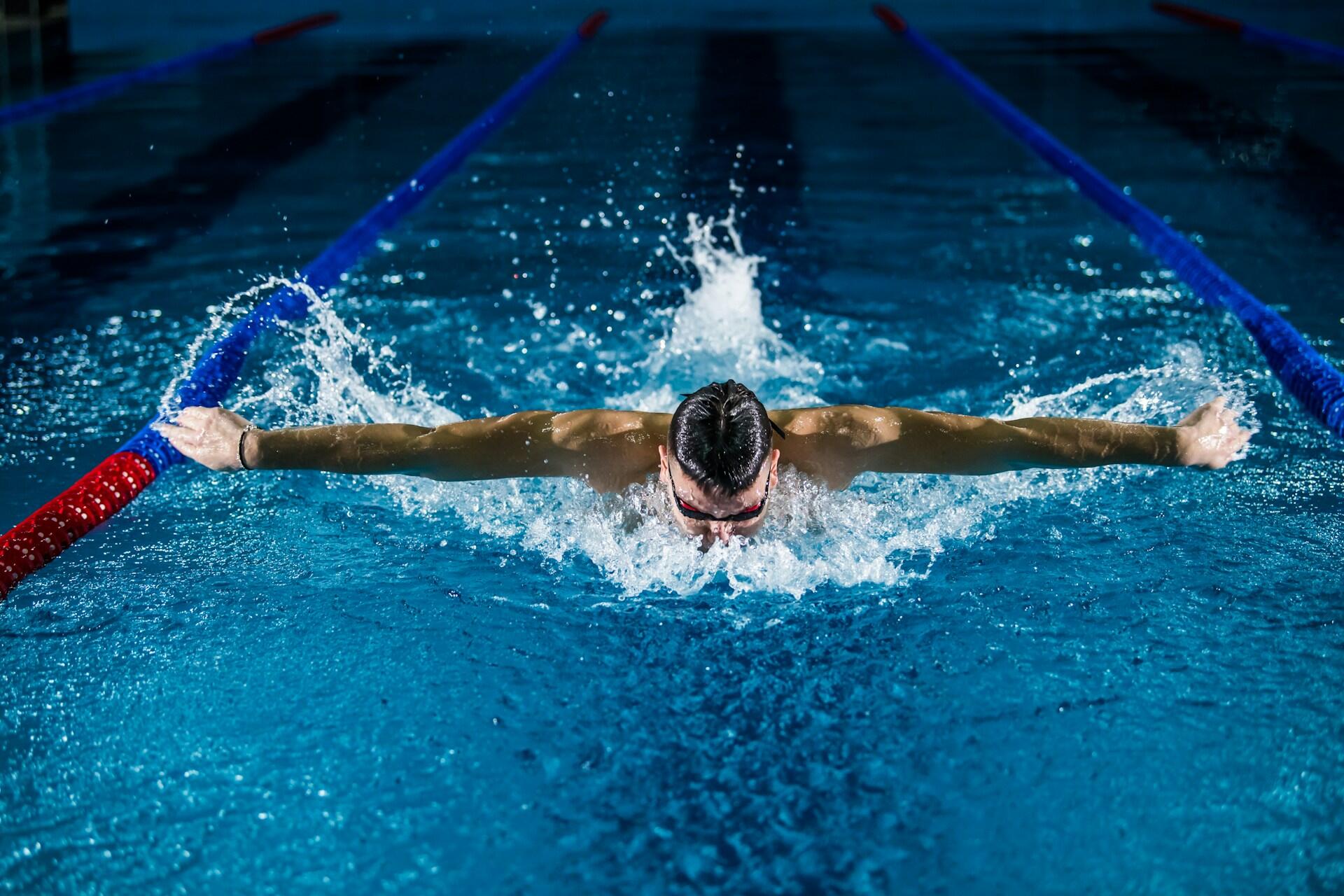
Swimming is one of the biggest medal multipliers at SUKMA because one talented swimmer can win multiple golds across different events:
- Freestyle (50m, 100m, 200m, 400m, 800m, 1500m)
- Backstroke (50m, 100m, 200m)
- Breaststroke (50m, 100m, 200m)
- Butterfly (50m, 100m, 200m)
- Individual medley (200m, 400m)
- Relays (4x100m free, 4x200m free, 4x100m medley)
This is why states like Selangor, Sarawak, and Federal Territories invest heavily in aquatic development centres. The investment has produced international finalists like Welson Sim and Phee Jinq En.
The appointment of Michael Kinross as Malaysia Aquatics National Head Coach in May 2026 shows even more focus ahead of the Games. This means that a strong SUKMA swimming programme is non-negotiable for any state if they want to top the medal table.
3. Shooting 🔫
Shooting is a major medal producer at SUKMA, with categories like rifle (10m air rifle, 50m rifle prone, and 50m 3 positions), pistol (10m air pistol, 25m pistol, and 50m pistol), and shotgun (trap and skeet).
Each event has individual, team, and mixed team categories. That's easily 20+ gold medals per edition. And because shooting is more about precision and consistency instead of physical size or speed, states with specialist training facilities often dominate these events year after year.
4. Cycling 🚴♂️
Cycling awards medals across track, road, BMX, and mountain biking disciplines, making it another high-value sport at SUKMA. Because athletes can compete in multiple formats, strong cycling programmes often mean large medal hauls.
And that’s exactly why cycling is a priority sport for Sarawak, with events contested at SUKSAR 2026 in Betong as preparation for SUKMA Selangor.
5. Gymnastics 🤸♂️
Gymnastics punches above its weight in medal density compared to the number of athletes. Artistic gymnastics alone can mean 12 to 14 gold medals from individual apparatus, all-around, and team events.
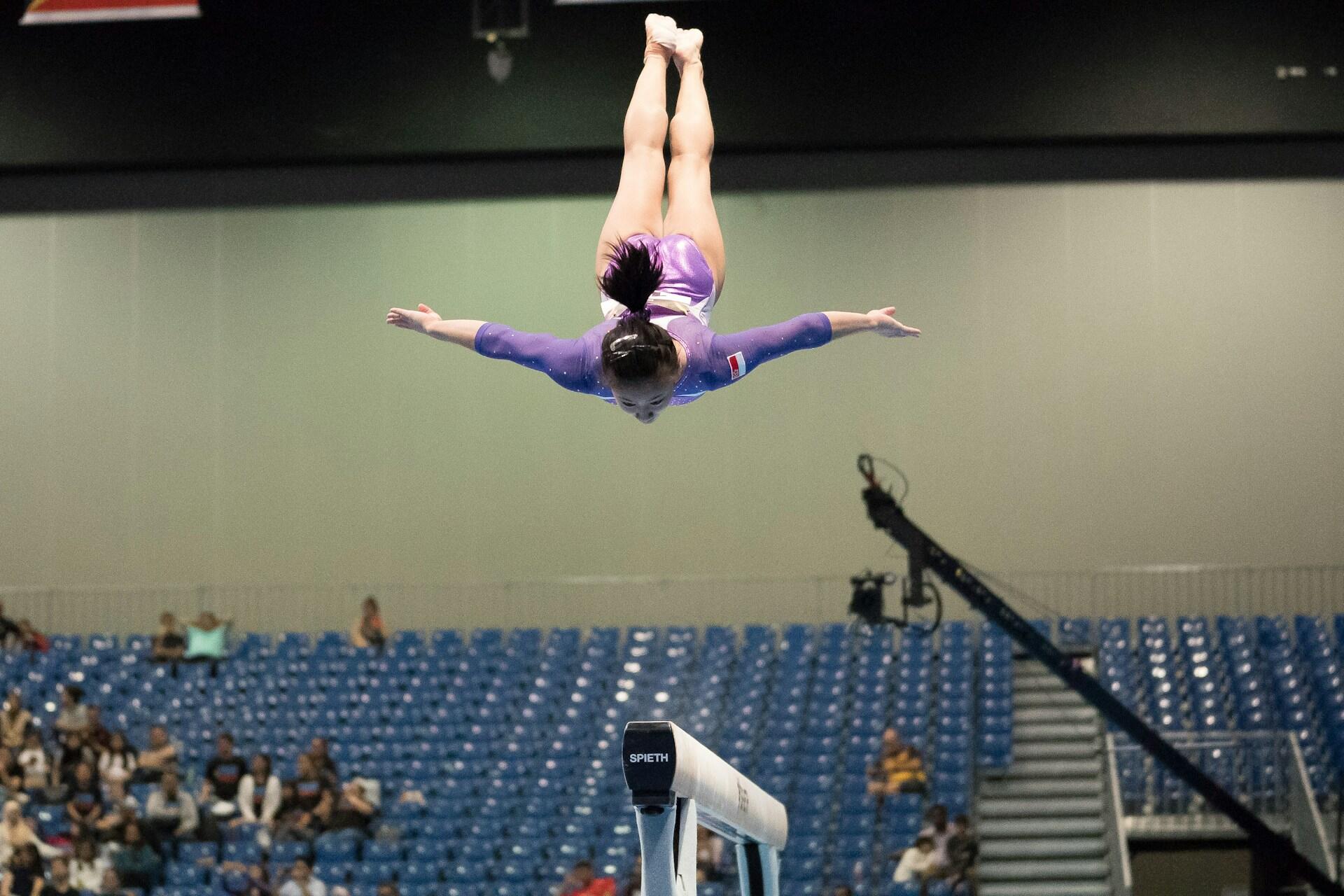
Rhythmic gymnastics also adds medals for:
- Group apparatus finals
- Individual all-around
- Individual apparatus finals (ball, hoop, ribbon, clubs)
- Group all-around
So while gymnastics has smaller participation than athletics or swimming, its high medal density means a small but well-trained squad can mean a huge medal haul for their state.
6. SUKMA Badminton 🏸
While badminton brings in fewer medals (around 18) than athletics or swimming, it is arguably Malaysia's most-watched SUKMA sport. The sport is woven into Malaysian life; nearly every school and kampung has a court, and the MSSM-school-to-state pipeline is well-oiled.
Sarawak recently held a selection tournament, drawing 113 players to finalise their shuttlers by June, which shows the fierce competition for spots.
SUKMA badminton also consistently produces the next generation of national reps because the pressure of state-versus-state rivalry mirrors the intensity of Thomas Cup viewing parties nationwide.
7. SUKMA Football ⚽
Football draws the biggest crowds and the hottest debates. It is the sport every Malaysian state wants to win. But from a medal perspective, football is actually one of the least efficient sports for building a state's overall tally.
Unlike athletics or swimming, which provide dozens of medal opportunities, football awards just two gold medals in total. A state could dominate football and still be outscored by an elite swimmer or athletics squad across multiple events.
But because the prestige outweighs the medal count, a football gold often carries the same weight as 10 swimming golds in terms of public perception.
The recent controversy surrounding Penang’s men’s team missing the SUKMA 2026 registration deadline, which reportedly triggered an internal probe, shows how seriously states take participation in SUKMA football, even when the medal reward is relatively small.
Which State Performs Best in SUKMA Sports?
According to official SUKMA records covering 1986 to 2024, here are the five best-performing states:
| Rank | State | Gold | Silver | Bronze | Total |
|---|---|---|---|---|---|
| 1 | Selangor | 887 | 905 | 992 | 2,784 |
| 2 | Sarawak | 819 | 747 | 827 | 2,393 |
| 3 | Terengganu | 543 | 531 | 676 | 1,750 |
| 4 | Perak | 543 | 533 | 719 | 1,757 |
| 5 | Penang | 486 | 498 | 645 | 1,629 |
Selangor sits at the top of the all-time leaderboard with nearly 3,000 medals. This is the result of decades of investment in training facilities like the Darul Ehsan Aquatic Centre, training programmes for athletes, and the best coaching in the country.
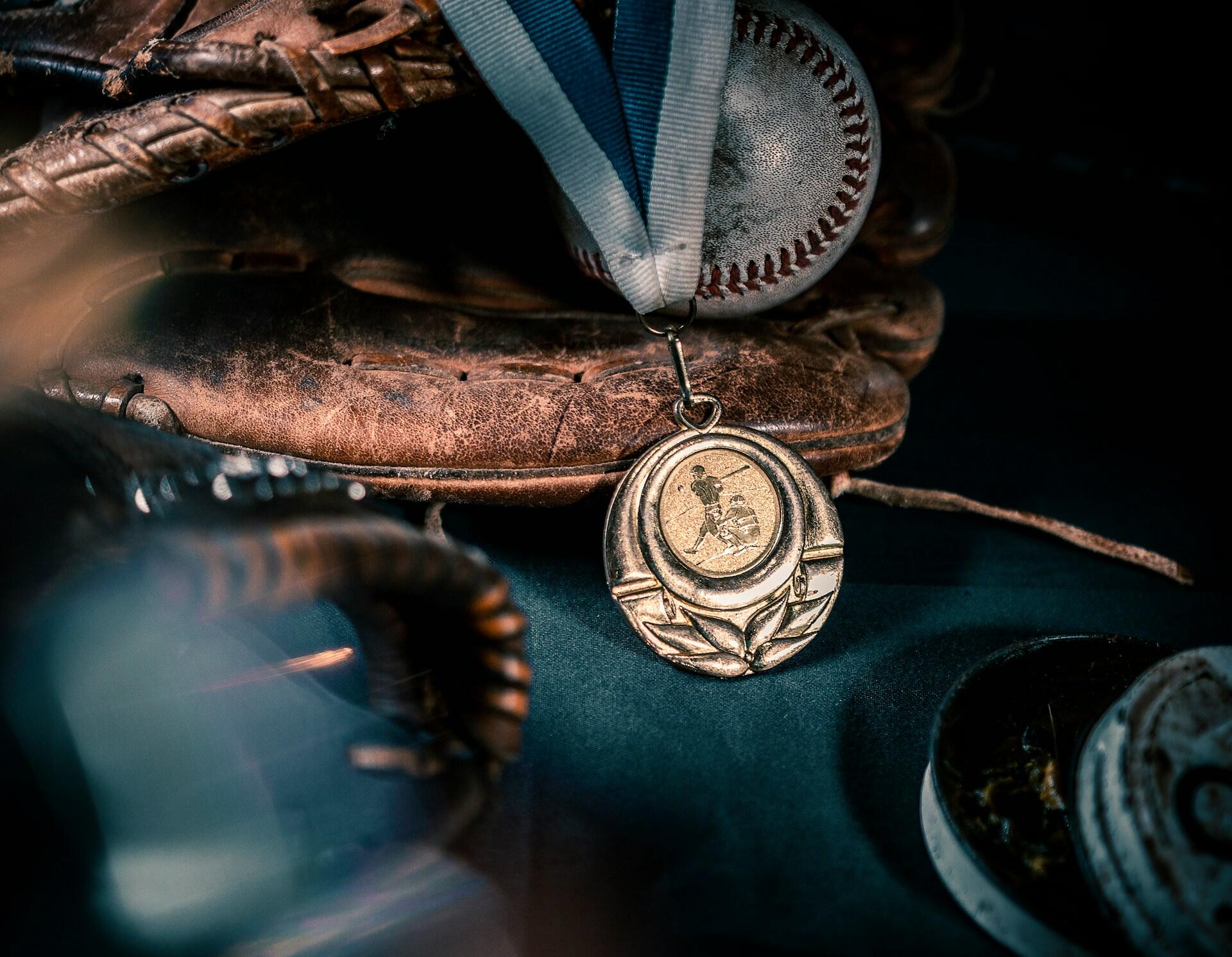
As host state for SUKMA 2026, Selangor is reportedly targeting 80 more gold medals and looking to reclaim the overall title it last won in 2016.
Swimming, athletics, shooting, and cycling are expected to be the state’s biggest medal contributors, but Sarawak and Terengganu will likely challenge hard for the top spots.
Find the SUKMA Coach You Need With Superprof
If you’re a young athlete looking to join SUKMA, success is never accidental. Behind every podium finish is years of training, discipline, and skilled coaching.
On Superprof, you can find experienced coaches who specialise in badminton footwork, swimming turn techniques, football tactical awareness, and SUKMA boxing conditioning. They understand what competitive training requires and help you prepare for state-level selection trials.
The athletes stepping onto the podium in Selangor this August are already putting in the work. Now it is your turn. Use Superprof to find a coach who can help you take the next step in your sporting journey.
References
- BERNAMA. (2025, July 8). Kelantan Last State To Host SUKMA Under Existing Rotation Model - Hannah. BERNAMA. https://www.bernama.com/en/news.php/world/politics/news.php?id=2454260
Summarise with AI:
Did you like this article? Leave a rating!

 Loading...