
Chemistry plays an important role in the Malaysian education system as one of the core science subjects assessed in the SPM test. Performing well in this subject can significantly expand your future academic and career opportunities, opening pathways to programmes such as medicine, pharmacy, chemical engineering, biotechnology, environmental science, forensic science, food science, nursing, and other health and scientific disciplines
To achieve excellence in SPM Chemistry, it is essential to understand the assessment structure, master key principles, and apply effective preparation strategies. This guide provides a comprehensive roadmap to assist you in achieving an A+ in your SPM Chemistry assessment.







📚 Understanding the SPM Chemistry Examination Structure
Before creating a revision plan, learners should familiarise themselves with the SPM Chemistry format and structure. Knowing the task format, types of tasks, and how you will be evaluated will enable you to prepare more efficiently and manage your duration during the SPM Chemistry test.
📝 What is SPM in Chemistry: Overview of SPM Chemistry Paper
The SPM Chemistry examination is divided into three papers, each assessing different knowledge and skills. Together, these papers evaluate a student's understanding of Chemistry concepts, problem-solving abilities, and practical laboratory skills.
| Paper | Question Type | Number of Questions | Duration | Main Skills Assessed |
|---|---|---|---|---|
| Paper 1 | Multiple-Choice Questions (MCQ) | 40 Questions | 1 Hour 15 Minutes | Knowledge, understanding, and application of Chemistry concepts |
| Paper 2 | Structured and Essay Questions | Multiple structured questions and essays | 2 Hours 30 Minutes | Problem-solving, calculations, explanations, and higher-order thinking |
| Paper 3 | Practical Assessment | Practical tasks and experiments | 1 Hour 45 Minutes | Laboratory skills, observations, data analysis, and scientific reasoning |
📝 Paper 1 – Multiple Choice Questions
✍️ Paper 2 – Structured and Essay Questions
| Section | Question Format | Marks | Requirement |
|---|---|---|---|
| 📝 Section A | 8 Structured Questions | 60 marks | Compulsory – Answer all questions. |
| ✍️ Section B | 2 Essay Questions | 20 marks | Choose and answer 1 question only. |
| 📖 Section C | 1 Extended Essay Question | 20 marks | Compulsory – Answer the question provided. |
What the Questions Assess:
🧪 Paper 3 – Practical Assessment
Students often lose marks by forgetting units, skipping calculation steps, using incorrect terminology, or misreading graphs and tables. To avoid this, read each question carefully, show your working clearly, and check your answers before moving on.
⚛️ Key Topics Covered in the SPM Chemistry Syllabus
The SPM Chemistry syllabus covers a broad range of topics from Form 4 and Form 5. While all topics are important, some appear more frequently in examinations and require particular attention during revision.
| Topic | What Students Learn |
|---|---|
| Atomic Structure | Atoms, subatomic particles, isotopes, and atomic models. |
| Chemical Bonding | Ionic, covalent, and metallic bonds and their properties. |
| Periodic Table | Element classification, groups, periods, and periodic trends. |
| Acids, Bases, and Salts | pH, neutralisation, indicators, and salt preparation. |
| Chemical Equations and Calculations | Balancing equations, mole concept, and stoichiometry. |
| Electrochemistry | Electrolysis, voltaic cells, and redox reactions. |
| Rate of Reaction | Factors affecting reaction speed and collision theory. |
| Thermochemistry | Energy changes in chemical reactions. |
| Carbon Compounds and Organic Chemistry | Hydrocarbons, alcohols, polymers, and organic reactions. |
| Industrial and Environmental Chemistry | Chemical manufacturing, sustainability, and environmental issues. |
Topics Frequently Tested in SPM Chemistry
Students who build a strong understanding of these high-priority topics often find it easier to answer questions across all three Chemistry papers.
📚 Effective Study Strategies for Chemistry SPM Paper
Success in SPM Chemistry depends not only on memorising facts and equations but also on using quality resources, building skills consistently, and gaining practical experience to strengthen understanding and performance.
📖 Utilising Quality Study Materials
Effective revision relies on high-quality, syllabus-aligned resources with clear explanations, step-by-step examples, and ample practice. Using up-to-date materials that match the SPM Chemistry syllabus ensures more focused and efficient exam preparation.
Recommended Learning Resources
- SUCCESS Chemistry SPM (Oxford Fajar) – Comprehensive notes, worked examples, and exam-style questions.
- Masterclass SPM Chemistry (Sasbadi) – Detailed explanations and structured revision exercises.
- SPM Chemistry Past Year Papers & Answers – Useful for familiarising students with actual examination formats and question trends.
📊 Comparing SPM Chemistry Study Materials
| Resource Type | Best For | Main Benefit |
|---|---|---|
| 📖 Textbooks | Learning new topics and building foundational knowledge | Comprehensive syllabus coverage with detailed explanations and examples |
| 📝 Revision Guides | Quick revision before tests and examinations | Concise summaries, key formulas, and exam-focused content |
| 📊 Past Year Papers | Familiarising yourself with actual exam questions | Improves exam techniques and understanding of question patterns |
| 🎯 Trial Examination Papers | Advanced revision and self-assessment | Exposes students to challenging questions from different schools and states |
| 🌐 Online Learning Platforms | Flexible and independent learning | Provides additional notes, quizzes, and interactive learning resources |
| 🎥 Video Tutorials | Understanding difficult concepts visually | Simplifies complex topics through demonstrations and step-by-step explanations |
| 🃏 Flashcards and Study Apps | Memorisation and quick review sessions | Strengthens recall of formulas, definitions, and key |
📝 Practising with Past Year Papers and Trial Exams
Using past-year papers or trial tests is an effective strategy for reviewing SPM Chemistry. By practising previous papers or mock assessments, learners can enhance their ability to respond to various types of tasks, recognise frequently tested topics, and improve their time management during evaluations.
Consistently practising past-year papers and trial assessments will assist learners in identifying areas of the syllabus that require additional focus before the assessment date.
Start by completing questions topic by topic before attempting full examination papers under timed conditions. After each practice session, review your mistakes carefully and focus revision on weaker areas rather than simply repeating questions you already know how to answer.
Trusted Resources for SPM Chemistry Past Year Papers and Trial Papers
- Lembaga Peperiksaan Malaysia (LP) – Access official SPM examination information, assessment guidelines, timetables, and examiner resources directly from the Ministry of Education.
- Kupasan Mutu Jawapan (KMJ) – Review official examiner reports that explain marking schemes, common mistakes, and tips for improving SPM Chemistry answers.
- SPMPaper.com – Practise with free SPM Chemistry trial papers, revision materials, and worked solutions from various states.
- ChemQuest by Cikgu Adura – Explore free Chemistry revision notes, topical exercises, and collections of SPM and trial examination questions.
- Daniel Lim Chemistry – Access comprehensive Chemistry revision notes, study tips, and practice questions tailored for SPM students.
- EduKaji – Register for a free account to download SPM Chemistry trial papers, revision resources, and video explanations.
🧠 Engaging in Active Learning Techniques
Active learning helps students retain information more effectively than passive reading alone1. Instead of repeatedly reviewing notes, students should engage with the content through discussion, practice, and self-testing.
Effective Active Learning Strategies:
- Summarise key concepts in your own words to improve understanding.
- Create mind maps and flowcharts to connect related Chemistry topics visually.
- Teach concepts to friends or family members to reinforce your knowledge.
- Use flashcards and self-quizzes to test memory and recall.
- Review mistakes regularly and identify patterns in errors.
📝 Answering Techniques for SPM Chemistry Paper
To attain success in Chemistry, you need not only to comprehend the concepts but also to answer examination questions effectively. The SPM Chemistry examination comprises three separate papers; each paper evaluates a different set of skills, and therefore, each must be approached with a distinct strategy.
Understanding the SPM grading system is also essential to help you target your performance and maximise your overall score.
🎯 Strategies for Paper 1 (Multiple Choice)
The multiple-choice section consists of numerous questions covering a wide range of Chemistry topics. Each question carries equal marks, and there is no penalty for incorrect responses. Therefore, you should attempt every question.
Time Management Tips:
Using the Elimination Method
- Remove answer options that are clearly incorrect.
- Compare the remaining choices carefully before selecting an answer.
- Focus on scientific reasoning rather than guessing randomly.
- Pay attention to keywords such as not, most likely, and best describes.
Students commonly lose marks by misreading questions, overlooking important keywords and instructions, rushing through calculations without checking their work, or leaving questions unanswered. Taking the time to read carefully, verify calculations, and attempt every question can help prevent avoidable mistakes and maximise marks.
✍️ Approaches for Paper 2 (Structured and Essay Questions)
Paper 2 requires learners to provide detailed responses, perform calculations, and explain scientific concepts clearly. Examiners award marks not only for correct answers but also for the quality of explanations and working steps shown.
📝 Strategies for Answering Structured Chemistry Questions:
- Read every part of the question carefully before answering.
- Show all calculation steps clearly.
- Include appropriate units where required 3.
- Use precise scientific terminology in explanations.
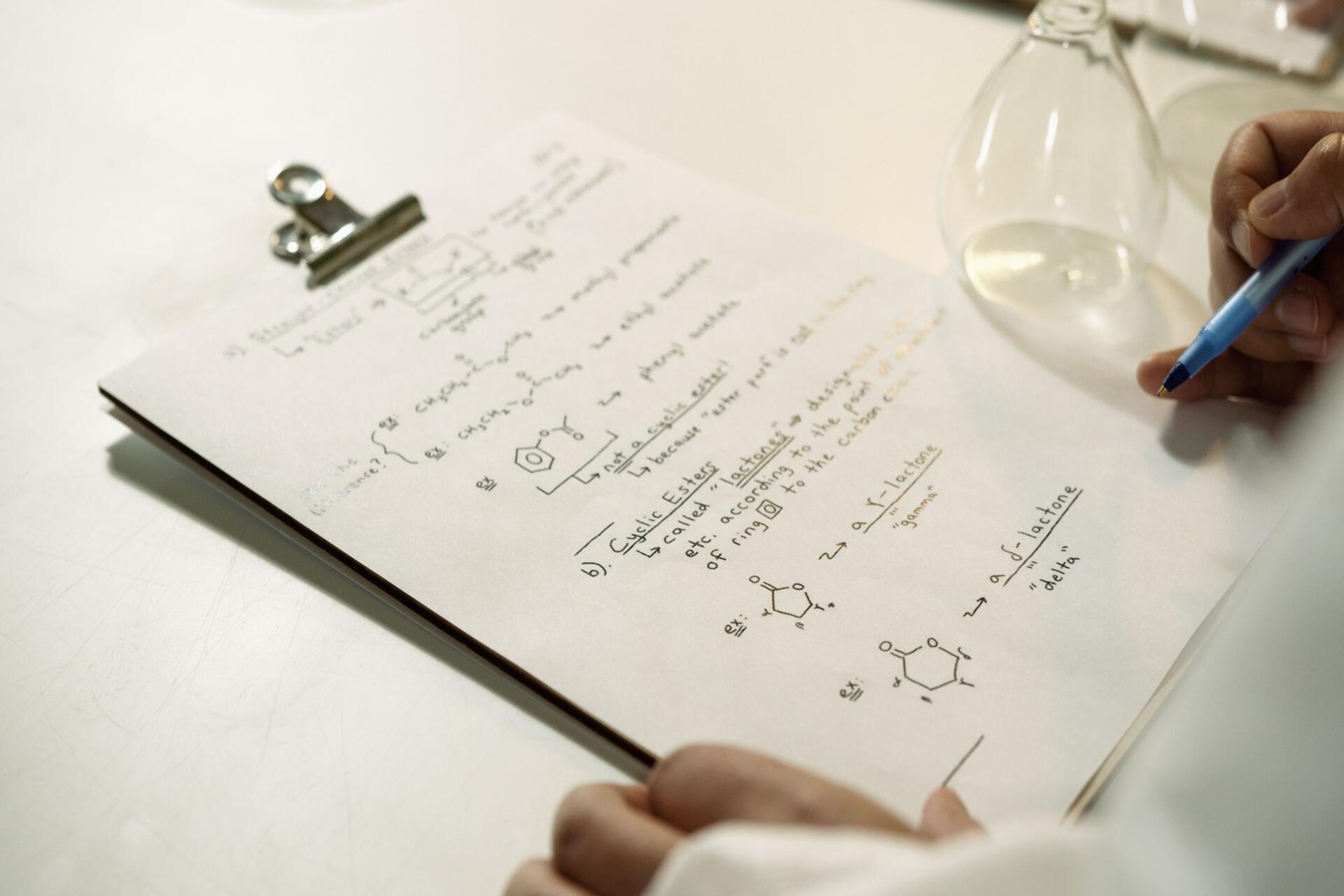
Writing High-Quality Essay Responses:
- Identify the key points required before you begin writing.
- Organise ideas in a logical order.
- Use Chemistry terminology accurately and consistently.
- Support explanations with relevant examples where appropriate.
Characteristics of High-Scoring Responses:
What Is Your Biggest Challenge in SPM Chemistry?
🧪 Preparation for Paper 3 (Practical Test)
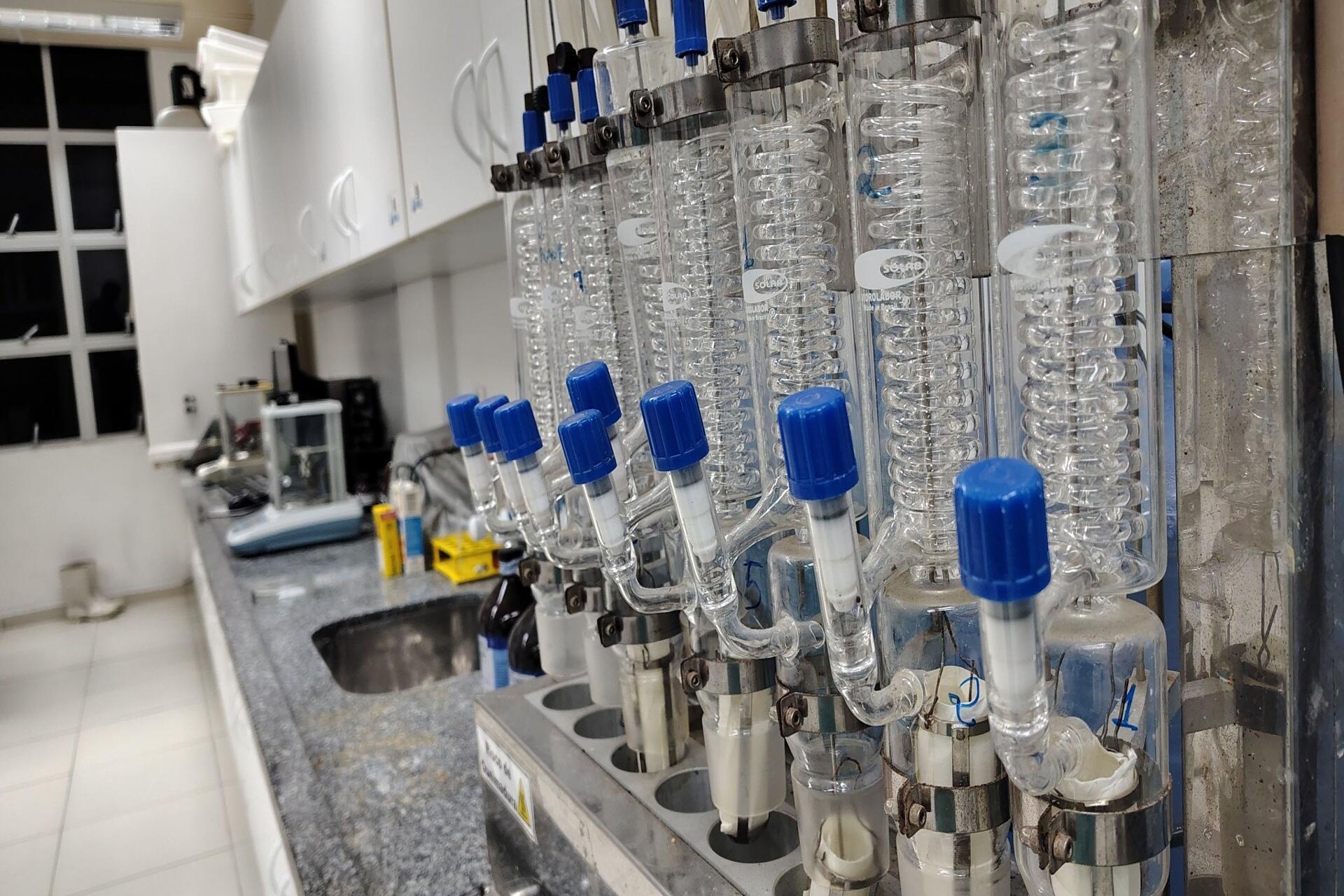
Paper 3 evaluates learners’ practical abilities, capability to carry out experiments, and interpretation of scientific observations. Familiarity with laboratory procedures and experimental techniques is essential for success.
Common Experiments and Skills:
Strong examination performance comes from combining subject knowledge with effective answering techniques. Regular practice with past year papers, structured questions, essays, and practical tasks can help students develop the confidence and skills needed to perform well across all three SPM Chemistry papers
Safety Precautions and Proper Handling of Apparatus:
- Follow all laboratory instructions carefully.
- Wear appropriate safety equipment when required.
- Handle chemicals responsibly and avoid contamination.
- Use laboratory apparatus correctly and according to guidelines.
- Record observations accurately and neatly.
- Dispose of chemicals and materials using approved procedures.
🤝 Additional Resources and Support
Textbooks and past papers are useful for review, but additional learning resources can make Chemistry easier to understand by offering varied learning approaches.
🎥 Online Tutorials and Video Lessons
Online tutorials and video lessons offer flexible learning opportunities for learners who need extra explanations beyond the classroom. These resources often include visual demonstrations, worked examples, and step-by-step explanations to simplify complex Chemistry concepts.
Recommended Online Learning Platforms :
- Khan Academy Chemistry – Free video lessons covering fundamental Chemistry concepts.
- Chemguide – Detailed explanations of chemical theories, calculations, and reactions.
- YouTube Chemistry Channels (Sick Science!) – Educational videos covering syllabus topics and exam techniques.
- ChemQuest by Cikgu Adura (SPM Soalan) – SPM-focused notes, revision materials, and practice resources.
👥 Study Groups and Peer Discussions
Studying with peers can help students reinforce their concept learning through discussion and collaboration2. Explaining ideas to others often strengthens learning and reveals areas that require further revision.
👨🏫 Seeking Help from Teachers and Tutors
Students should not hesitate to seek help when they encounter difficulties with Chemistry topics. Teachers and tutors can provide additional explanations, identify misconceptions, and offer targeted support based on individual learning needs.
How Teachers and Tutors Can Help:
- Explain challenging Chemistry concepts using different teaching approaches.
- Provide personalised feedback on assignments and practice papers.
- Recommend revision strategies and high-quality study resources.
- Improve exam techniques, time management, and answer presentation.
- Support students in identifying and strengthening weaker topics through targeted practice.
To achieve an A+ in SPM Chemistry, you need strong subject understanding, effective revision strategies, and consistent practice techniques. Boosting confidence and performance involves understanding the assessment structure, focusing on key areas of the syllabus, using high-quality learning resources, and applying proper answering methods. With proper preparation, disciplined study habits, and a willingness to seek guidance when needed, you can succeed in SPM Chemistry.
🎯 What This Guide Covered
| Key Area | What It Means for You |
|---|---|
| 📚 Understand the Exam and Syllabus | Familiarise yourself with the structure of all three papers and focus on the topics that are frequently tested in SPM Chemistry. |
| 📝 Revise Strategically | Use syllabus-aligned textbooks, revision guides, online resources, and past year papers to build both knowledge and exam confidence. |
| 🧠 Learn Actively | Strengthen understanding through summaries, mind maps, self-testing, and discussions with peers rather than relying solely on passive reading. |
| 🎯 Develop Strong Exam Skills | Practise effective answering techniques, show clear working, use correct scientific terminology, and manage your time wisely during examinations. |
| 🧪 Seek Support and Stay Consistent | Make use of teachers, tutors, study groups, and regular revision sessions to address weaknesses and maintain steady progress throughout the year. |
References:
- American Psychological Association.Learning and Memory. American Psychological Association, https://www.apa.org/topics/learning-memory
- UNESCO.Education for Sustainable Development Goals: Learning Objectives. UNESCO, https://unesdoc.unesco.org/ark:/48223/pf0000247444
- National Institute of Standards and Technology.Special Publication 811: Guide for the Use of the International System of Units (SI). U.S. Department of Commerce, https://www.nist.gov/pml/special-publication-811
- SPM Chemistry Reference Book. AnyFlip, https://anyflip.com/mbkyq/nkev/basic/.
- SASBADI Digital Flipbook. Sasbadi, https://flipbook.sasbadisb.com/bookpage/34.
- Clark, Jim.Chemguide: Helping You to Understand Chemistry. Chemguide, https://www.chemguide.co.uk/.
- Khan Academy.Chemistry. Khan Academy, https://www.khanacademy.org/science/chemistry.
- Sick Science!YouTube, created by Steve Spangler, https://www.youtube.com/@sickscience.
- SPM Soalan.SPM Soalan. WordPress.com, https://spmsoalan.wordpress.com/.
- Lembaga Peperiksaan, Kementerian Pendidikan Malaysia. Lembaga Peperiksaan Malaysia. Ministry of Education Malaysia, https://lp.moe.gov.my. Accessed 8 July 2026.
- Lembaga Peperiksaan, Kementerian Pendidikan Malaysia. Kupasan Mutu Jawapan (KMJ) SPM. Ministry of Education Malaysia, https://lp.moe.gov.my. Accessed 8 July 2026.
- SPMPaper. SPM Trial Papers and Past Year Papers. SPMPaper, https://spmpaper.com. Accessed 8 July 2026.
- Cikgu Adura. ChemQuest: SPM Soalan. WordPress, https://spmsoalan.wordpress.com. Accessed 8 July 2026.
- Lim, Daniel J. J. Daniel Lim Chemistry. https://www.daniellimjj.com. Accessed 8 July 2026.
- EduKaji. SPM Trial Paper Download. EduKaji, https://edukaji.my/spm-trial-paper-download. Accessed 8 July 2026.
Summarise with AI:
Did you like this article? Leave a rating!

 Loading...