


The SPM Chemistry examination assesses a student's understanding of chemical concepts, practical skills, and ability to apply scientific knowledge in different contexts. Understanding the exam format is an important part of effective preparation, as it helps students become familiar with the structure of the assessment, the types of questions they will encounter, and the skills required for each paper.
The SPM Chemistry exam consists of three components: Paper 1 (Multiple Choice Questions), Paper 2 (Structured and Essay Questions), and Paper 3 (Practical Assessment). By understanding the format and requirements of each paper, students can develop targeted revision strategies, manage their time more effectively, and improve their overall exam performance.







📊Chemistry SPM Paper Format Overview
By being aware of the SPM Chemistry examination structure before preparing, students can plan and prepare accordingly. The SPM Chemistry examination has three parts: a theoretical knowledge examination, a problem-solving examination, and a practical lab examination.
| Paper | Format | Duration | Marks | Main Focus |
|---|---|---|---|---|
| Paper 1 | 40 Multiple Choice Questions | 1 hour 15 minutes | 40 | Knowledge and understanding of Chemistry concepts |
| Paper 2 | Structured and Essay Questions | 2 hours 30 minutes | 100 | Application, analysis, and evaluation of Chemistry concepts |
| Paper 3 | Practical Assessment | 1 hour 45 minutes | 30 | Scientific process and manipulative skills |
📝Detailed Breakdown of Each Paper
The SPM Chemistry exam contains different components that test different skill sets - from knowledge of facts to a problem-solving approach, as well as laboratory techniques. Understanding what each exam paper looks like allows students to prepare appropriately for the exam. To build confidence, one should have a complete guide for the SPM Chemistry exam
🎯 What to Expect in the SPM Chemistry Paper 1 Format
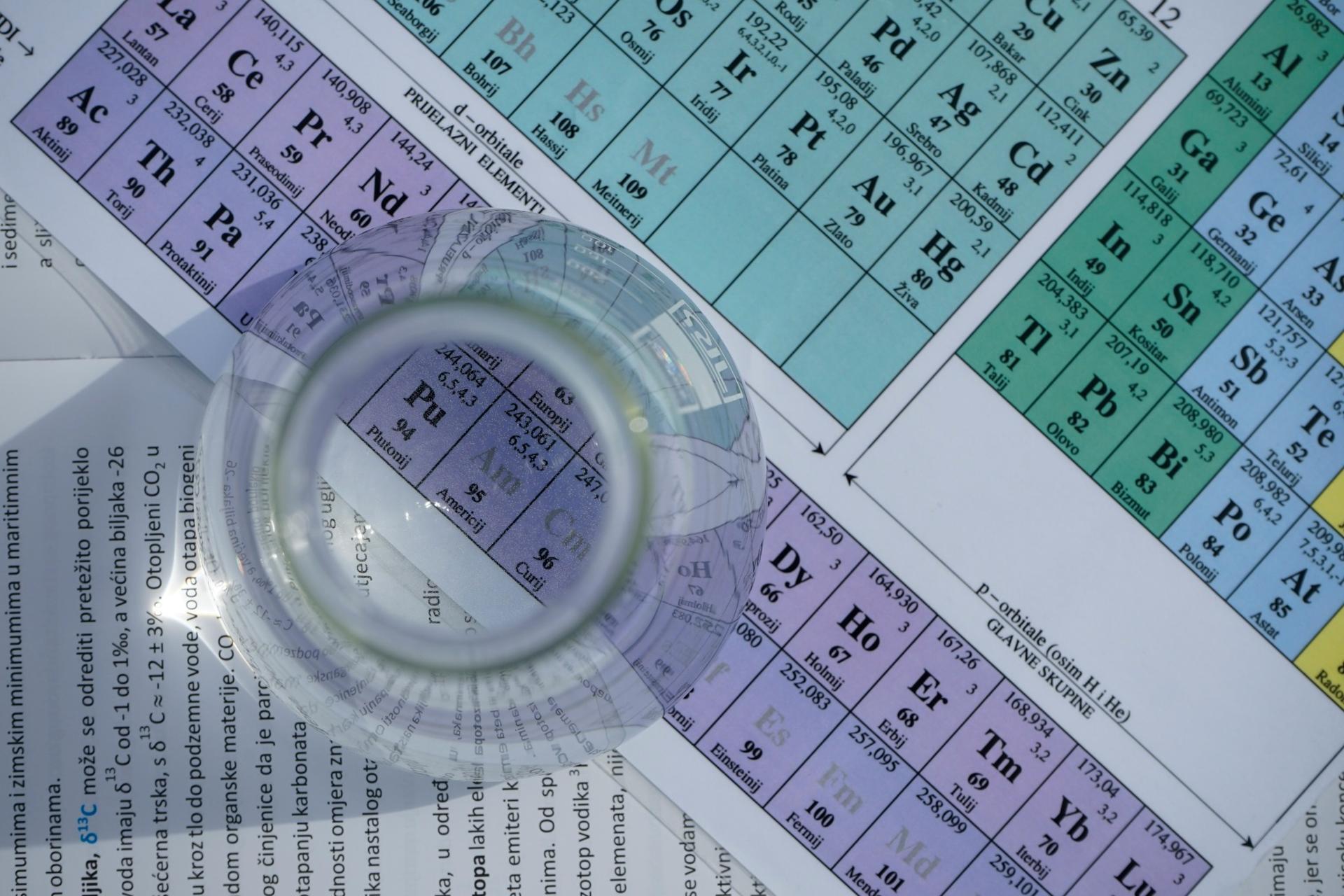
Paper 1 is designed to assess a student's knowledge and understanding of key Chemistry concepts through multiple-choice questions. Covering topics from across the syllabus, this paper requires students to apply scientific principles, interpret information, and select the most accurate answer from the options provided.
Strong conceptual understanding and effective time management are essential for success in this component.
📝 Understanding the Chemistry Paper 2 SPM Format
Paper 2 evaluates a student's ability to apply, analyse, and explain Chemistry concepts through structured and essay-based questions. Students are expected to perform calculations, interpret data, solve problems, and provide detailed scientific explanations using appropriate terminology.
This paper places greater emphasis on critical thinking and the ability to communicate scientific ideas clearly and accurately.
📊 Chemistry Paper 3 SPM Format and Question Structure
Paper 3 focuses on practical and laboratory-based skills that are fundamental to scientific investigation. Students are assessed on their ability to conduct experiments, make accurate observations, record and analyse data, and draw evidence-based conclusions.
A solid understanding of laboratory procedures and scientific methods is important for performing well in this practical assessment. You should also know in detail what you'll be tested on when you sit for the SPM Chemistry exam.
Paper 3 often includes practical tasks involving acids and bases, salts, electrochemistry, rate of reaction, qualitative analysis, and laboratory techniques, with a focus on observations, data analysis, and conclusions.
📖Study Tips for SPM Chemistry
Preparing for SPM Chemistry requires more than simply reading notes or memorising facts. Students need a balanced study approach that combines concept understanding, regular practice, and effective exam preparation techniques. By developing good study habits and avoiding common revision mistakes, students can improve their confidence and perform more effectively in the examination.
🎯 Effective Study Techniques
Using the right study methods can make revision more productive and help students retain information for longer periods.
📝 Utilising Past Year Papers and Trial Exams
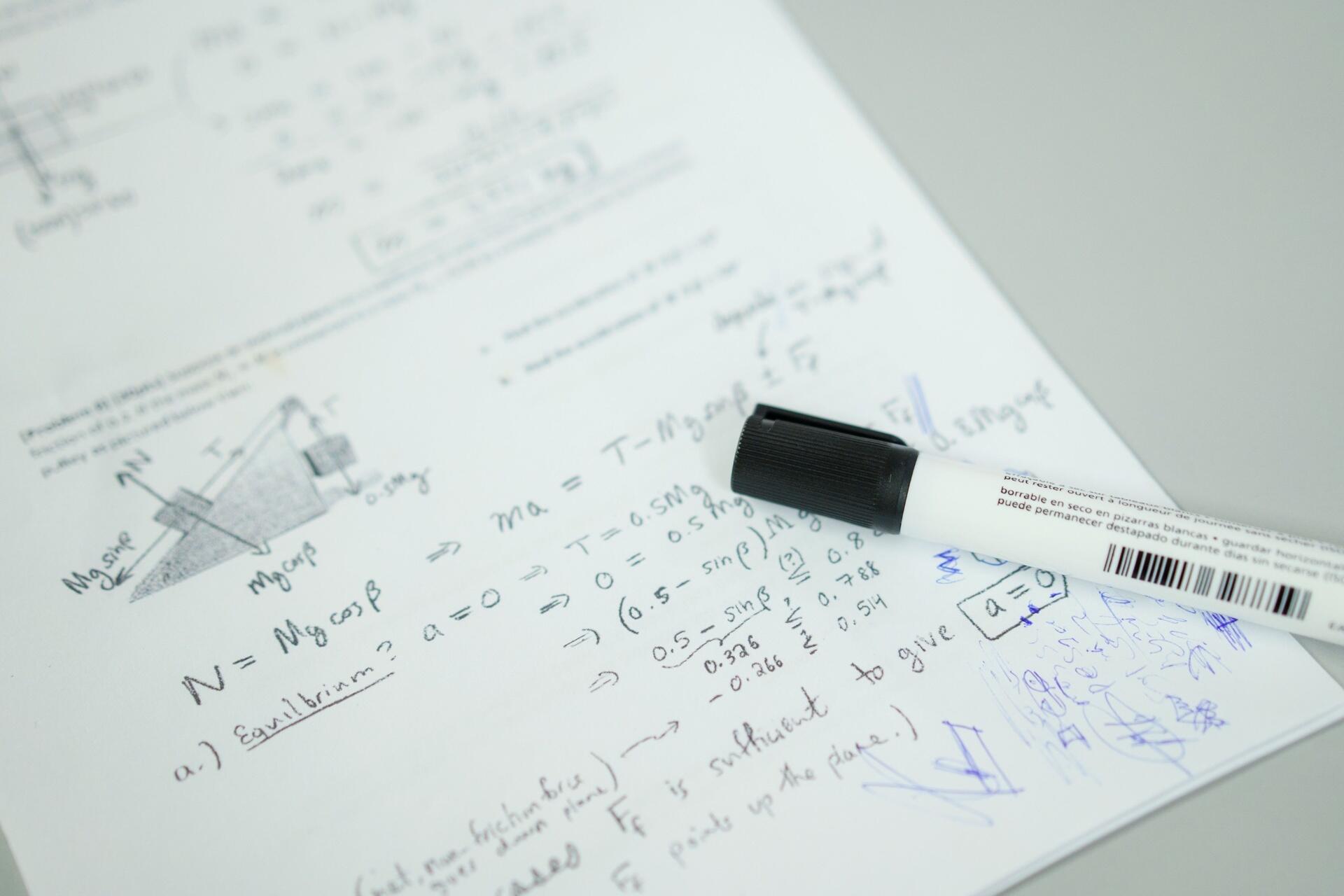
Past year papers and trial examinations are among the most valuable revision tools for SPM Chemistry. They help students become familiar with exam formats, question styles, and marking requirements while providing opportunities to practise under timed conditions. Reviewing mistakes after each paper can also help identify weak topics that require additional attention.
🧠 Creating Concise Notes and Mind Maps
Summarising information into short notes, diagrams, or mind maps can make complex Chemistry topics easier to understand and remember. This technique encourages active learning by helping students organise information visually and identify relationships between concepts such as chemical reactions, periodic trends, and laboratory processes.
⏰ Time Management Strategies
Effective time management can reduce stress and ensure that all topics receive sufficient attention before the examination.
📅 Developing a Realistic Study Schedule
A well-planned study schedule helps students divide their revision into manageable sessions rather than relying on last-minute cramming. Setting specific goals for each study session and allocating time to different topics can improve consistency and make revision more structured.
⚖️ Balancing Revision with Practice Questions
While reviewing notes is important, students should dedicate a significant portion of their study time to solving questions. Combining concept revision with topical exercises, past year papers, and trial exams allows students to apply what they have learned and strengthen their exam techniques.
⚠️ Common Mistakes to Avoid:
- ❌ Misinterpreting Question Requirements: Rushing through questions can cause students to miss important keywords, instructions, or mark allocations, leading to avoidable mistakes.
- 🚫 Neglecting Certain Topics or Sections: Focusing only on easier topics can create gaps in knowledge. Students should revise the entire syllabus to prepare for a wide range of questions.
Consistent practice, frequent correction of errors in practice questions, and a good understanding of the latest marking scheme for the Chemistry SPM exam will improve not just confidence but also competency in the subject area.
Aim for balanced revision across the entire syllabus and practise a variety of question types to reduce the risk of unexpected challenges on exam day.
📚 Additional Resources for SPM Chemistry Preparation
The foundation of SPM Chemistry revision is provided by textbooks and past-year papers; however, other resources will help an individual develop their knowledge, enable them to clarify difficult themes or concepts, and give them access to alternative approaches to learning.
📖 Recommended Textbooks and Reference Materials
High-quality textbooks and reference materials provide detailed explanations, worked examples, and syllabus-aligned content that support long-term learning.
🌐 Online Platforms and Tutorials
Online resources can supplement classroom learning through interactive lessons, videos, and additional practice materials.
How Do You Prefer to Learn Chemistry Online?
👥 Tuition Centres and Study Groups
Collaborative learning environments can provide additional support and motivation throughout the revision process.
While textbooks and past-year papers form the foundation of SPM Chemistry revision, extra resources are available which enable students to clarify their struggles with various concepts and provide them with a variety of ways to learn and comprehend the material. Learning about the best resources for SPM Chemistry will result in a better overall study experience for students.
"Success is the sum of small efforts, repeated day in and day out."
- Robert Collier
Success in SPM Chemistry comes from understanding the exam format, revising consistently, and practising regularly with past year papers and trial examinations. With the right study strategies, resources, and dedication, students can build confidence, improve their performance, and approach the examination with greater assurance.
📌 Key Takeaways from This SPM Chemistry Exam Guide
| Topic | Key Takeaway |
|---|---|
| 📄 Exam Structure | The SPM Chemistry examination consists of Paper 1 (MCQ), Paper 2 (Structured & Essay Questions), and Paper 3 (Practical Assessment). |
| 📝 Past Year Papers | Regular practice with past year papers helps students understand exam formats, question styles, and examiner expectations. |
| 🧪 Practical Skills | Laboratory techniques, observations, and data analysis are essential for success in Paper 3. |
| 📚 Revision Resources | Combine textbooks, workbooks, trial papers, and online learning resources for comprehensive preparation. |
| ⏰ Study Strategies | Use a realistic study schedule and balance content revision with question practice. |
| ⚠️ Common Mistakes | Avoid rushing through questions and neglecting difficult topics during revision. |
| 🎯 Exam Success | Consistent practice, effective time management, and strong conceptual understanding are key to achieving better results in SPM Chemistry. |
Summarise with AI:
Did you like this article? Leave a rating!

 Loading...

