


When you're preparing for your SPM Chemistry exam, you'll need to do much more than just learn facts and formulas. To help you study effectively, one excellent method is to practise with SPM Chemistry past-year papers, which is a proven strategy to familiarise yourself with exam formats, identify key topics, and enhance time management skills, ultimately boosting your confidence and performance.
This guide will show you how to get the most out of your exam preparation while also making use of past-year exam papers as a resource for the current academic year.







Why Are Chemistry Past Year Papers SPM Essential for Exam Success?
First of all, you should know that SPM is known for always repeating questions that have come out in previous exams! SPM Chemistry consists of both a theoretical base and aptitude for taking exams. The inclusion of past papers provides insight into how the questions are asked and also provides students with an idea of what types of responses the examiners deem optimum for scoring well on an exam.
Understand the SPM Chemistry Exam Format📝
An important benefit of using past years' papers is that it allows students to become accustomed to the actual format of their exams. Past years' papers show how each section of an exam is laid out, what types of questions will normally be asked, and how much detail needs to be included in each answer.
Don't forget that you should get familiar with the updated format of SPM Chemistry 2022.
Identify Frequently Tested Chemistry Topics🔬
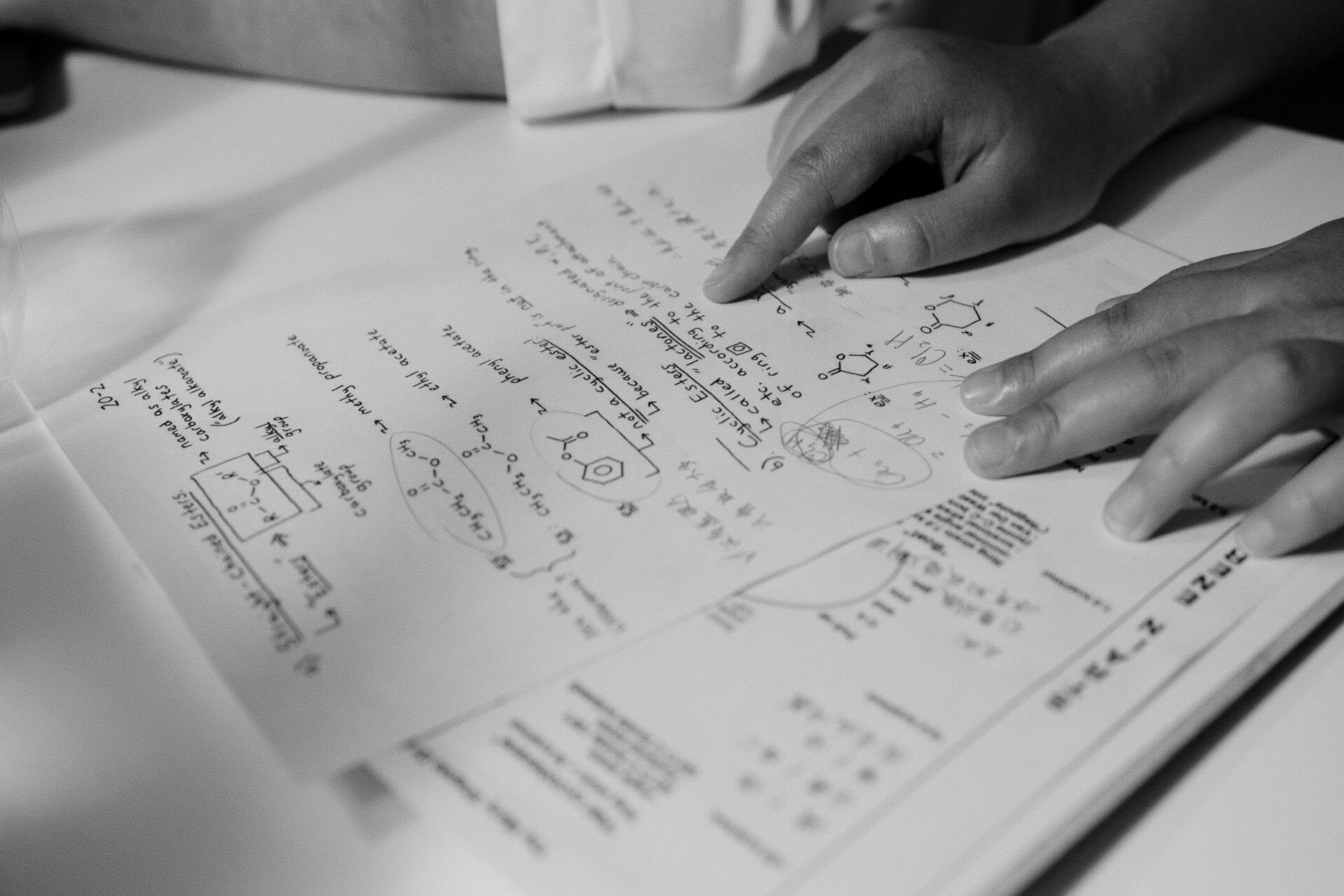
SPM Chemistry exams use previous year's papers to determine common themes and topics that appear every year. Atomic structure, chemical bonds, acids/alkalis, and electrochemistry are all examples of significant themes that appear on a number of different year’s papers in different forms.
These patterns help students to use time more wisely when they are preparing for the exam.
Improve Time Management and Exam Technique⏱️
Many students lose marks not because they lack knowledge, but because they struggle to manage their time effectively. To gain practice at managing time well, previous examination papers must be completed within the allotted time while learning about the marking scheme for Chemistry SPM.
Doing this helps the pupil with his/her ability to prioritise questions, pace themselves, and develop efficient means of answering.
Build Confidence Before Exam Day🎯
By practising regularly, students can gain a greater familiarity with both the format and difficulty of SPM chemistry questions. As students improve in speed and accuracy, their confidence grows, reducing exam-related stress and allowing for a positive outlook when they take the exam.
Past year papers help bridge the gap between learning chemistry concepts and applying them successfully in examinations. They allow students to identify weaknesses, refine exam techniques, and build the confidence needed to perform at their best.
Where to Find Chemistry SPM Past Year Question and Answer Materials?
Here is the list of reliable resources that students can use to access these papers.
Official Educational Resources 🏛️
The Malaysian education system remains the most reliable source of examination-related materials. Students can refer to:
Educational Blogs and Learning Websites 🌐
Several educational websites provide access to SPM Chemistry revision materials and past papers:
Online Marketplaces and Revision Books 🛒
Students who prefer printed materials can find past year paper compilations through online marketplaces:
Digital Learning Platforms 📱
Online learning platforms can complement traditional past year papers through interactive learning tools:
Using a combination of official resources, educational websites, printed revision books, and digital learning platforms can help students build a comprehensive and effective SPM Chemistry revision plan. You can also read our guide on tackling SPM Chemistry to know where to shop for useful SPM Chemistry resources.
Recommended Books for Chemistry Form 4 and Form 5
Selecting the right study materials can make SPM Chemistry revision more effective and organised. A combination of quality reference books, practice workbooks, and past-year papers can help students strengthen their understanding of key concepts, improve exam techniques, and prepare confidently for the SPM Chemistry examination.
What to Look for in an SPM Chemistry Revision Book
Before purchasing a revision guide, consider whether it includes :
- Comprehensive syllabus coverage for Form 4 and Form 5 Chemistry.
- Exam-style questions and worked solutions.
- Topical exercises for targeted revision.
- Practical experiment and laboratory-based questions.
- Higher-order thinking skills (HOTS) questions.
- Model answers and examiner tips.
🎯 Top Books and Question Banks for SPM Chemistry
- Reference Book: SUCCESS Chemistry SPM (Oxford Fajar), Masterclass SPM Chemistry (Sasbadi)
- Topical Workbooks: Level Up SPM Chemistry, Topical Mastery SPM Chemistry
- Past Year Paper Compilation: SPM Chemistry Past Year Papers & Answers, Koleksi Kertas Soalan SPM Chemistry
- Trial Paper Collections: SPM Trial Papers Chemistry Collection, State Trial Paper Compilation Books
- Question Banks: SPM Chemistry Question Bank Series, Exam Drill Chemistry SPM
Choosing the right study materials can make your SPM Chemistry revision more structured and effective. By combining these resources strategically, students can develop both the subject knowledge and examination skills needed to perform confidently in the SPM Chemistry examination.
Comparison of SPM Chemistry Study Materials
| Study Material | Main Purpose | Key Features | Best Time to Use | Ideal For |
|---|---|---|---|---|
| Textbook | Building foundational knowledge | Complete syllabus coverage, explanations, diagrams, and examples | Throughout Form 4 and Form 5 | All students |
| Reference Book | Strengthening concept understanding | Simplified notes, summaries, and exam tips | During topic revision | Students who need clearer explanations |
| Topical Workbook | Reinforcing individual topics | Chapter-by-chapter exercises and worked examples | After completing each topic | Regular practice |
| Past Year Paper Book | Familiarising with actual exam questions | Real SPM questions and answer schemes | Final months before SPM | Exam preparation |
| Trial Paper Collection | Testing exam readiness | State and school trial papers with varying difficulty levels | 2–6 months before SPM | Intermediate and advanced students |
| All-in-One Revision Guide | Comprehensive revision | Notes, practice questions, model answers, and exam strategies | Throughout the year | Independent learners |
| Flashcards and Quick Notes | Memorisation and recall | Key formulas, definitions, and concepts | Last-minute revision | Students preparing for exams |
| Digital Learning Platform | Interactive learning | Quizzes, videos, question banks, and instant feedback | Alongside regular study | Students who prefer online learning |
Complete a full SPM Chemistry paper in one sitting under timed, distraction-free conditions without using notes or online resources to accurately assess your exam readiness
Effective Study Strategies for SPM Chemistry🧠
Success in SPM Chemistry depends on more than simply reading notes. Students who actively engage with concepts, practise regularly, and review mistakes consistently tend to perform better than those who rely solely on memorisation.
Focus on Understanding Before Memorising🔬
Chemistry concepts are often interconnected. Rather than memorising facts in isolation one should focus on understanding the scientific principles behind reactions, calculations, and processes. This approach makes it easier to apply knowledge when faced with unfamiliar questions.
Practise Questions Regularly✍️
The more Chemistry questions you solve, the more comfortable you will become with examination-style wording and mark allocation. Aim to complete a mixture of topical questions, trial papers, and past year papers throughout your revision period.
Create Summary Notes and Mind Maps 🗂️
Condensing information into concise notes or visual mind maps can help reinforce important concepts. This technique is particularly useful for topics involving classifications, chemical processes, and reaction pathways.
Use Spaced Revision 📅
Instead of cramming before the examination, review topics at regular intervals over several weeks or months. Spaced revision helps improve long-term retention and reduces the likelihood of forgetting important information.
What Helps You Improve Your Chemistry Grades the Most?
Using Chemistry SPM Trial Paper for Enhanced Preparation📄
Trial exam papers are an essential revision resource for SPM students. They have been created by schools as well as state education departments, and are designed to reflect the difficulty and format of the actual exam, whilst providing students with alternative means of applying the knowledge they have learned.
Trial exam papers typically contain questions requiring higher order thinking skills (HOTS), which means using HOTS questions to prepare for the exam situation will give students the opportunity to experience an increased range of question types from those available in standard revision books.
Trial papers are more than just additional practice questions; they are valuable tools for assessing exam readiness and refining examination skills. By regularly completing trial papers under realistic conditions, students can identify areas for improvement, strengthen their understanding of key concepts, and develop the confidence needed to perform effectively in the SPM Chemistry examination.
Trial papers and past-year questions exposed me to different question styles, which made the actual SPM Chemistry exam feel much more familiar and manageable.
-Top-Performing Student
Analysing Trends in SPM Chemistry Questions 📈
Examination paper questions vary between years; however, a few Chemistry topics are commonly assessed because they comprise core components of the syllabus. Analysing past papers can help students identify commonly assessed areas and allocate revision time more effectively.
Common Question Types
Across many past papers and trial examinations, students can expect:
- Multiple-choice questions testing conceptual understanding.
- Structured questions requiring calculations and explanations.
- Data interpretation and graph analysis.
- Application-based HOTS questions involving real-world scenarios.

Frequently Tested Chemistry Topics
Students often encounter questions related to:
- Atomic structure and the periodic table.
- Chemical bonding.
- Acids, bases, and salts.
- Electrochemistry.
- Carbon compounds and organic chemistry.
- Rate of reaction.
- Chemical equilibrium.
- Redox reactions.
Past Year Chemistry SPM Analysis: Common Topics and Question Formats🔍
| Chemistry Topic | Common Question Types | What Students Should Focus On |
|---|---|---|
| Atomic Structure and the Periodic Table | Multiple-choice, structured questions | Electron arrangements, atomic properties, and periodic trends |
| Chemical Bonding | Structured explanations, diagram-based questions | Ionic, covalent, and metallic bonding properties |
| Acids, Bases, and Salts | Calculations, experiments, application questions | pH, neutralisation reactions, and salt preparation methods |
| Electrochemistry | Structured questions, HOTS questions | Electrolysis, voltaic cells, and redox processes |
| Carbon Compounds and Organic Chemistry | Multiple-choice, structured questions | Properties, reactions, and applications of organic compounds |
| Rate of Reaction | Graph analysis, data interpretation, experiments | Factors affecting reaction rates and interpreting results |
| Chemical Equilibrium | Application-based and structured questions | Equilibrium shifts and Le Chatelier’s Principle |
| Redox Reactions | Calculations, structured explanations | Identifying oxidation and reduction processes |
| Practical and Experimental Skills | Experimental design, observation-based questions | Laboratory techniques, variables, and data analysis |
| Higher-Order Thinking Skills (HOTS) | Real-world scenarios, problem-solving questions | Applying Chemistry concepts to unfamiliar situations and contexts |
Use Trends as a Guide, Not a Shortcut
While recognising common themes can help prioritise revision, students should avoid focusing exclusively on predicted topics. The best approach is to develop a thorough understanding of the entire syllabus while using past paper trends to identify areas that deserve extra attention.
Online Resources and Communities for SPM Chemistry Students 🌐
Preparing for SPM Chemistry does not need to be done alone! Students have access to various types of resources including textbooks, past year papers, and revision books, as well as access to online communities and educational websites where they can find study materials, mentors, peers, and opportunities to learn together.
🏛️Official Educational Resources
- Lembaga Peperiksaan (LP) – Access examiner reports such as Kupasan Mutu Jawapan (KMJ) to understand common mistakes and examiner expectations.
- Ministry of Education Malaysia (KPM) – Refer to official curriculum documents and assessment information aligned with the current syllabus.

👥Student Communities and Online Study Groups
- Reddit Education Communities – Seek advice, revision strategies, and explanations for challenging Chemistry concepts.
- Facebook Study Groups – Connect with fellow SPM students to share notes, discuss questions, and exchange revision tips.
- Discord Study Communities – Participate in real-time discussions, group study sessions, and peer support networks.
📚Educational Websites and Revision Platforms
- Chemguide – Provides detailed explanations of Chemistry topics commonly studied at secondary and pre-university levels.
- Daniel Lim's Blogspot – Provides collections of SPM Chemistry past year papers and revision materials.
- ChemQuest by Cikgu Adura (SPM Soalan) – Offers Chemistry past papers, trial papers, and subject-specific revision resources.
- Khan Academy Chemistry – Features free lessons, videos, and practice exercises covering fundamental Chemistry concepts.
🎥 Educational Video Platforms
- Royal Society of Chemistry (RSC) Education Resources – Access videos, classroom activities, and Chemistry learning guides developed by a professional scientific organisation.
- YouTube Educational Channels – Watch demonstrations, experiment explanations, and step-by-step solutions to Chemistry questions.
- MIT OpenCourseWare – Explore free academic Chemistry lectures and supplementary learning materials.
👨🏫 Online Tutoring and Expert Support
- Virtual Study Sessions – Collaborate with tutors and peers to improve understanding and accountability during revision.
- Private Chemistry Tutors – Receive personalised guidance on difficult topics and examination techniques.
- Online Tutoring Platforms – Access one-to-one lessons, customised study plans, and targeted exam preparation support.
📌 Final Thoughts: Key Takeaways from This SPM Chemistry Guide
| Key Area | What You'll Learn |
|---|---|
| Past Year Papers | Benefits of practising SPM Chemistry past papers effectively. |
| Study Resources | Where to find reliable papers, answers, and revision materials. |
| Revision Strategies | Techniques to improve understanding and exam performance. |
| Recommended Books | Useful Chemistry books and practice materials for Form 4 and Form 5. |
| Trial Papers | How trial exams help build confidence and exam readiness. |
| Exam Trends | Frequently tested topics and common question formats. |
| Online Support | Helpful websites, communities, and learning resources. |
Summarise with AI:
Did you like this article? Leave a rating!

 Loading...
