


Studying English Literature for the Sijil Pelajaran Malaysia (SPM) exam can be both rewarding and challenging at the same time. “English Literature SPM” refers to Literature in English, a subject where students are introduced to literary works and learn to interpret literature. Through the study of drama, poetry and prose, students explore ideas like themes, characters, settings, and literary techniques.
To prepare effectively for the examination, check your cohort’s official syllabus and prescribed texts first, understand the current English Literature SPM paper format, and then practise writing evidence-based answers using quotations, themes, characters and literary techniques.
However, students should be aware that prescribed texts, assessment arrangements and examination paper details may change between examination cohorts. Therefore, they should always confirm the latest syllabus, assessment documents and prescribed texts with the Lembaga Peperiksaan (LP), Ministry of Education Malaysia, and their school.
Always verify your year’s prescribed texts and assessment format with your teacher or the latest Lembaga Peperiksaan documentation. Older online guides may refer to previous SPM cohorts.


What is the English Literature SPM Questions Format?
The aim of the study is to reach 3 standards encompassed in the Content Standards, Learning Standards and Performance Standards through assessment and pedagogical approaches. At the end of Form 5, the students will have to achieve Content Standards.
Meanwhile, a Learning Standard is the expected learning outcome that the students get in their secondary education and Performance Standard can be determined through assessments to track student’s progress in the form of formative assessments. Pedagogical approaches are important for learning and teaching experiences to stay in line with the current practices.
SPM English Literature: Which area is most challenging?
Here is the Overall Performance Levels in the Standard Document for Curriculum and Assessment drafted by the Examination Boards of Malaysia.
PERFORMANCE LEVEL OVERALL PERFORMANCE LEVEL DESCRIPTORS 1 Pupils show poor knowledge of the text, require full guidance when reading and interpreting the texts. Pupils provide irrelevant or hardly any personal responses and produce works which demonstrate very little creativity and originality. 2 Pupils show limited knowledge and understanding of the content and language of the texts. Pupils provide limited personal responses and produce works which demonstrate limited creativity and originality. 3 Pupils show some knowledge and understanding of the content and language of the texts. Pupils provide relevant personal responses and produce works which demonstrate some creativity and originality. 4 Pupils show good knowledge and understanding of the content and language of the texts. 5 Pupils display some maturity in thought in personal responses and produce works which demonstrate a commendable level of creativity, originality and independence. 6 Pupils show in depth knowledge and understanding of the content and language of the texts. Pupils demonstrate insight, sensitivity, individuality and flair in personal responses and produce works with a high level of creativity, originality and independence.
(Source: Malaysian Ministry of Education, MOE)
English Language
- Focus is on the practical use of English
- It develops reading, writing, speaking and listening skills
- Covers grammar, vocabulary and language use
- Students learn to communicate effectively in English
- Tasks include essay writing, comprehension, and communication
Literature in English
- Study and appreciation of literature
- It develops literary analysis, interpretation and critical thinking
- Covers poetry, short stories, novels and drama
- Students analyse themes, characters, and literary techniques
- Tasks focus on analysing literary texts
Literature allows students to explore relationships, ideas, places, time and events. Whereby, students will have a better understanding of human nature, being able to express themselves, learn about the people around them and the world at large (being able to empathize). The study of literature can forge cultural understanding and prepare students for the real world situations.
There are three learning genres in English Literature,
- prose (short stories and novels)
- poetry (poem)
- drama.
Basically, there are six short stories, two novels, three dramas and a list of poems that you’ll study in the English Literature. Here is the list of texts that are recommended for you to learn in Form 4 and Form 5.
| Texts | Form 4 | Form 5 |
|---|---|---|
| Prose (Short Stories and Novels) | Either learn six stories or one novels | - |
| Drama | One play written for the stage (not a film scripts) from a selections | - |
| Poetry | - | 10 poems from a selection |
The questions will make you choose from EITHER the six short stories OR answer EITHER one of the novels, ‘The Clay Marble’ OR ‘The Lost King’, one of the three dramas listed, and all of the poems which are compulsory.
What will You Learn in Novel for SPM English Literature?
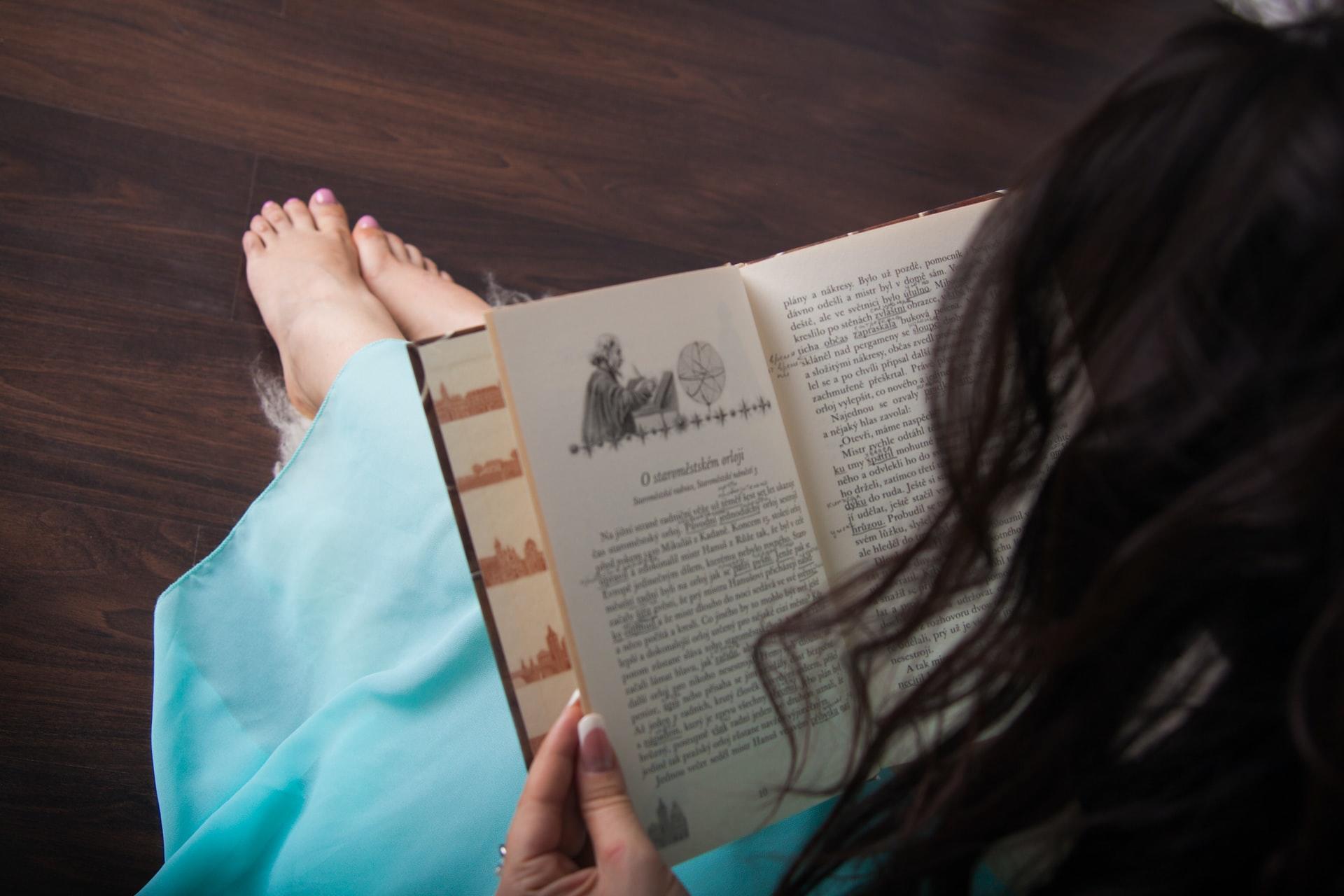
Novel is one of the genres in English Literature under Prose. You’ll need to answer only one over four questions in Section A which allows you to choose between 2 novels that you’ve learnt or either one of 6 short stories.
Part A will get you a total of 35 marks. Each question will be divided into 2 parts of questions and you’ll need to answer them all.
There are 2 novels that you may study at school which are ‘The Clay Marble’ by Minfong Ho or ‘The Lost King’ by Scot Gardner. You’ll only learn 1 novel depending on your school. However, you can learn both novels by yourself.
The literary or poetic devices for prose which consist of both novels and short stories are diction, flashback, foreshadow and cliff hanger. You’ll learn more on How to Tackle English Literature SPM Novel Questions.
What will You Learn in Short Stories for SPM English Literature?
Short stories are similar to novels, only that the length of the story is shorter. The genre is prose. You can either choose 1 novel or 1 short stories for Section A. You cannot answer both. Part A will carry 35 marks over 100.
There are 6 short stories for English Literature:
- Sambal with Anchovies
- Embracing Your Shadow
- Thieving Daughter
- The Winter Hibiscus
- Turning Thirty
- Birds of Paradise
The literary or poetic devices for short stories are the same with the novels which are diction, flashback, foreshadow and cliff hanger. You’ll learn more on Understanding the Format for Short Stories in SPM English Literature.
What will You Learn in Drama for SPM English Literature?
Drama questions lie in Section B. You will need to choose 1 out of 3 questions which is the one drama that you have learnt. Remember, you’ll need to answer part A and part B of the questions. The weightage for section B is 35 marks.
There are 3 choices of drama in SPM English Literature 2021. Among these are:
- Flower for Algernon adapted by Bert Coules
- Hope Springs by Richard Conlon
- The Merchant of Venice by William Shakespeare
The literary or poetic devices for poetry are monologue, soliloquy, dramatic irony, comedy and symbolism. You’ll learn more on What You Should Know About Drama Questions in SPM English Literature 2021.
What will You Learn in Poetry for SPM English Literature?

Section C is a section for you to answer Poetry questions. Here you need to learn all 10 poems and understand better. It is stated that ‘Address to a Child During a Boisterous Winter Evening’ won’t be coming out in SPM 2021. Therefore you can exclude that in your spot questions.
You will need to answer only one of two questions. There will be 2 parts in each question. You will need to answer both parts to get a total mark of 30.
There are 10 titles to learn in SPM English Literature 2021 which are:
- The Passionate Shepherd to His Love
- Daffodils
- To Autumn
- Address to a Child During a Boisterous Winter Evening
- The Tyger
- London
- Half-Term
- The Little Black Boy
- If
- Miners
The literary or poetic devices for poetry are metaphors, simile, personification and imagery. You’ll learn more on Answering Tips for SPM English Poetry 2021.
Use a Clear Essay Paragraph Method
Common Mistakes to Avoid
Don’t just narrate the story. Instead, analyse why an event is important and what it tells about the character and theme of the story.
A memorised essay might have good ideas, but it may not address the question.
Don’t just list the literary devices used in the text. Instead, explain what each literary device communicates about the poem’s theme and meaning.
Pay close attention to key words like how, why, importance, character or theme. Your answer should directly respond to these words rather than simply describing the text.
Simply writing a quotation is not enough. Explain what they mean and how they are relevant and contribute to the text.
Summaries can help, but they cannot replace the original prescribed text. Reading the original text will help you understand specific details, context and theme that most summaries miss.
Where to Find the Best SPM English Literature’s References to study?

In short, English literature is a very interesting subject that allows you to understand more on human behaviors, feelings and expression. Since the literature elements have been separated from the English subjects, therefore, you wouldn't be able to learn English literature at school unless there are teachers available to teach you.
Fret not, you can always take English literature as one of your elective subjects because you can find a broad range of resources available. There are a lot of poetry websites where you can easily get your hand on references without paying a cent!
Moreover, you can also find literature exercise books at any bookstore and MOE has an official version of texts that can be found everywhere including online stores. Besides that, you can learn from Youtube and online tv channels. The best site you can go to is DidikTV.
To answer literature questions, there are 3 main things you need to analyse in detail in order for you to be able to explain and interpret the literary texts.
- Identify the literary elements used
- How the character, plot, setting and theme resonate with each other
- Explain the evidence that you get from the literary texts to support your arguments
As you may know English literature doesn't have any specific answers to the questions because human is unpredictable. Therefore, the most important part for you to be able to get a good mark is by providing relevant evidence/s to back up your answer.
Sounds easy right?
Don't revise based on an old paper format alone. Confirm the latest requirements before building your revision timetable.
If you are still thinking on whether to take literature as an elective, read here to find out more where to find The Best SPM English Literature Learning Resources for SPM 2021.
If you are still not confident to do self-revision, you can seek help from any available tuition centre or online tutors. Superprof is one of the best reputable education platforms that have a line of great and experienced literature teachers.
Aside from the fact that Superprof is a global online platform, the tutor is able to do physical class too!
What is the best thing besides doing some learning and studying from the comfort of your own couch?
Begin with a clear statement that answers the text. Identify the theme, setting, characters and plot and make your argument specific instead of just summarising the topic.
Support your point with relevant evidence from the text. It could be a quotation, an important event or any important detail.
Identify the literary method used by the writer. Identify how literary techniques like imagery, symbolism, repetition, or dialogue have been used in the text.
Explain the effect of the technique on the reader and what it reveals about the character or theme of the story.
Link back your interpretation to the main theme or question and show what the evidence tells us about the text's message.
Build a Realistic Six-week Revision Plan
Use the timetable below and adapt it to suit your school schedules and individual learning needs.
| Week | Revision priority | Output |
|---|---|---|
| 1 | Confirm the exam format and set texts; reread or review the plot | Text overview notes |
| 2 | Characters and relationships | Character maps |
| 3 | Themes, context and key scenes | Theme and quotation bank |
| 4 | Poetry and language techniques | Annotated poems |
| 5 | Timed question practice | Two marked responses |
| 6 | Weak areas and full-paper practice | Error log and final revision cards |
Revise in short, regular sessions rather than trying to memorise an entire novel the night before the exam. A focused session of 20 to 30 minutes every day will be more effective than studying at a stretch for hours.
Summarise with AI:
Did you like this article? Leave a rating!


 Loading...



Hi , am intersted in knowing more about English Lit for. Am in Form 4.