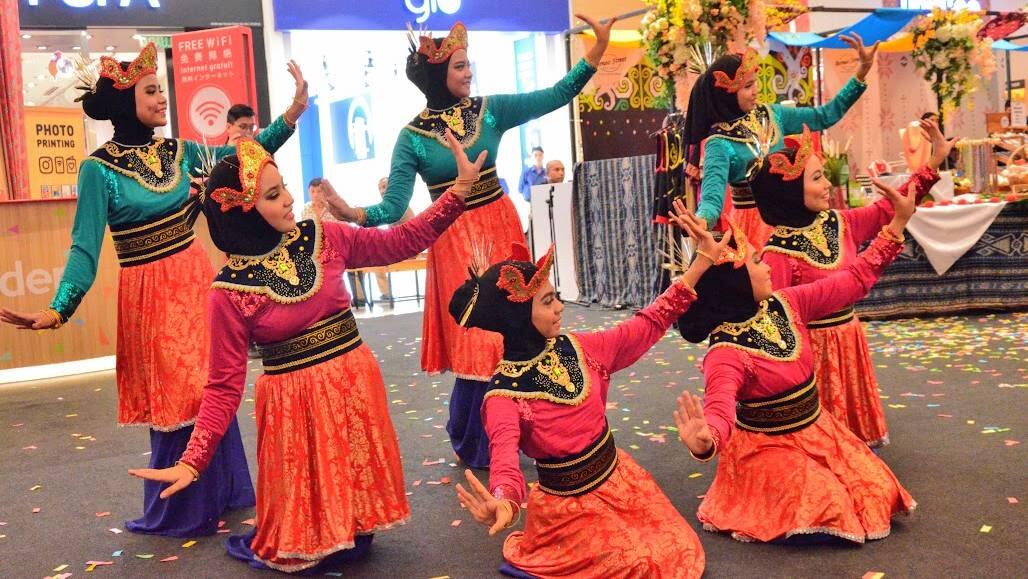

Malay traditional dance is a captivating expression of Malaysia’s rich heritage, blending storytelling, rhythm, and graceful movements rooted in the Malay Archipelago.
Malay traditional dance encompasses a wide range of performance forms that have evolved over centuries through a blend of indigenous practices and external cultural influences from regions such as the Malay Archipelago, India, China, and Europe.
These dance forms are deeply tied to Malaysia’s identity and are presented during festivals, ceremonies, and social gatherings as a means of storytelling, expression, and cultural preservation.
This article focuses specifically on Malay traditional dance, but you can also explore a broader overview of traditional dances covering Malaysia’s full dance heritage.
| Dance | Cultural Origin | Key Characteristics | Occasion/Meaning |
|---|---|---|---|
| Joget | Portuguese-influenced Malay society | Fast-paced footwork, playful partner interaction | Celebrations, weddings, and social gatherings represent joy and community in Malay cultural dance |
| Zapin | Middle Eastern influence in Malay culture | Rhythmic, synchronised steps with structured movements | Religious and cultural events reflect discipline in traditional Malay dance |
| Mak Inang (Inang Dance) | Malay royal court traditions | Graceful gestures and elegant tempo | Ceremonies and formal events symbolise refinement in Malay dance |
| Asli (Original) Dance | Classical Malay court traditions | Slow, refined dance form with controlled, flowing movements | Formal performances express elegance and emotional depth in Malay traditional dance |
| Silat Dance | Malay martial arts heritage | Strong, dramatic movements inspired by combat | Demonstrations and performances represent strength in dance in Malaysia |
| Mak Yong | Kelantan traditional theatre | Combines acting, singing, and dance | Rituals and storytelling preserve cultural heritage |


🕰️Origins and Evolution of Malay Cultural Dance in Malaysia
Historical Influences1
Malay traditional dance is a vibrant art form that reflects the cultural, social, and historical evolution of the Malay Archipelago. Its origins are deeply rooted in indigenous animistic beliefs and rural life, later evolving through the influences of Hindu-Buddhist kingdoms, the arrival of Islam, foreign trade, and colonisation.
Later, external influences played a major role:
This civilisation was established in the Malay Archipelago through great kingdoms such as Srivijaya and Majapahit. Beyond shaping administration and social systems, it also influenced traditional dance development.
Court dances such as Mak Yong contain dramatic and ritual elements linked to Hindu-Buddhist beliefs. Similarly, Joget Gamelan shows clear traces of this influence, especially in its graceful and structured choreography inspired by Javanese court dances.
The arrival of Islam in the Malay Archipelago brought major cultural transformation, including in dance. Court and folk dances gradually shifted towards movements that emphasised refinement, modesty, and controlled expression.
A key example is Zapin, introduced through Arab and Persian traders, which was later adapted into Malay culture. In its local form, the movements became more structured and aligned with Islamic values.
Colonial powers such as the Portuguese, Dutch, and British played a role in shaping local dance traditions. Portuguese influence is evident in Branyo, a dance form that blends partner-style movements with local traditions and lively musical rhythms.
Under British rule, folk dances such as Joget and Inang were influenced by Western musical and dance elements such as the waltz and polka, making them more suitable for social and formal performances.
Over the years, Malay dance transitioned from being part of ritual and spiritual traditions to becoming organised court performances. Today, you can see these performances during community events, national festivities such as Merdeka Day, as well as celebrations like Hari Raya.
These performances keep evolving through contemporary influences and modernisation, ensuring they remain relevant to new generations, all while maintaining their original symbolic and historical significance.
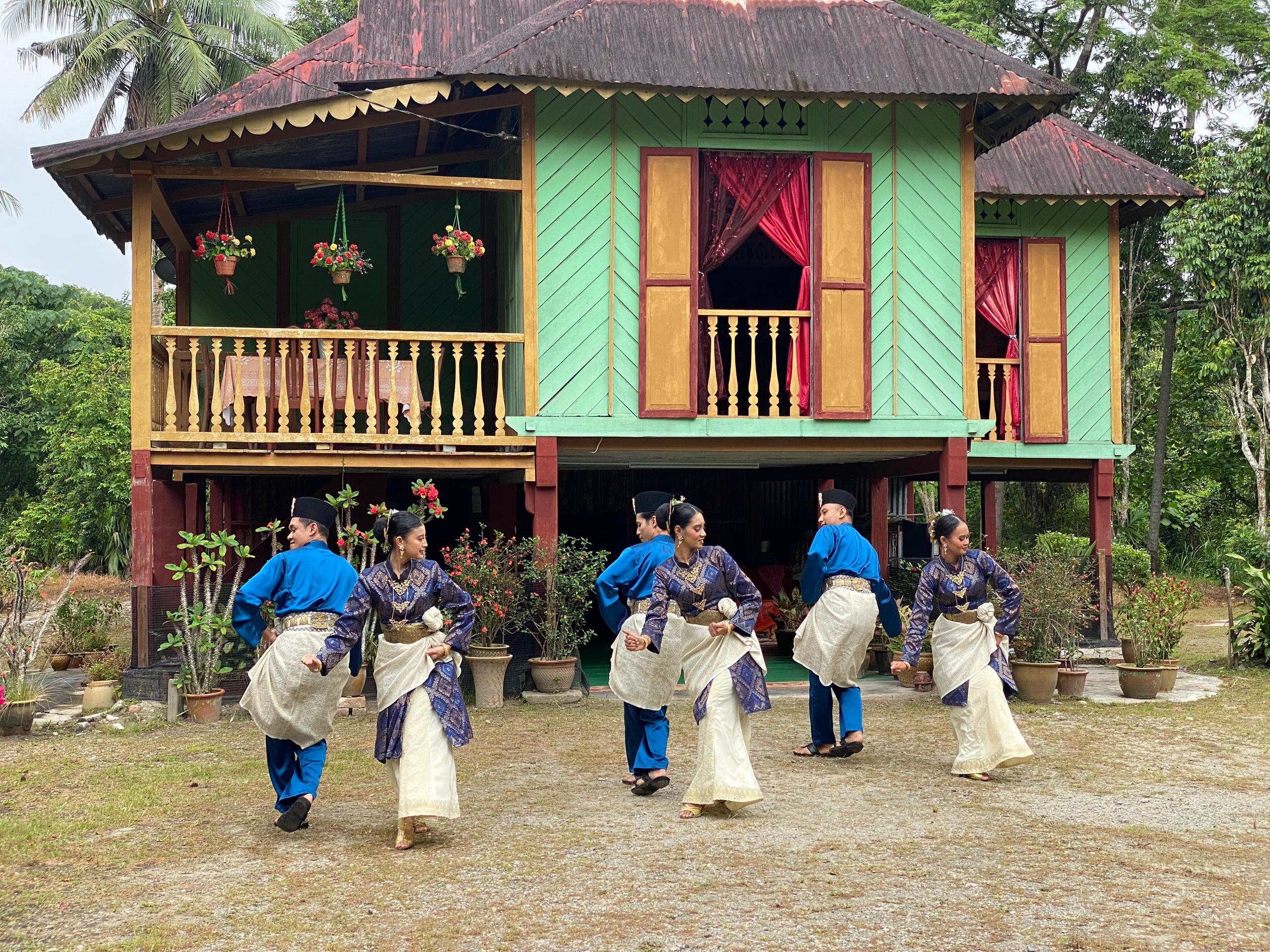
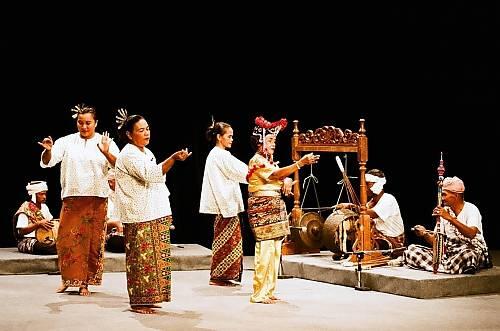
UNESCO Intangible Cultural Heritage.
💃Major Styles of Malay Cultural Dance
Joget Dance2
Origins: It originated from Portuguese folk dance, which was brought to Melaka when the region was under Portuguese colonisation. Over time, the form developed into a localised Malay expression with strong Portuguese roots.
Description: It's a lively and easy-to-follow dance that requires no formal training. It features fast-paced footwork and playful interactions with partners. It is usually accompanied by traditional music using instruments such as the gendang (drum), rebab (fiddle), and seruling (flute), creating a rhythmic and festive atmosphere.
Cultural Significance: It is a social dance commonly showcased by communities and remains a popular feature at weddings and festive gatherings. It represents joy, togetherness and celebration while still maintaining Malay societal identity.
In a similar festive context, Sabah dance traditions are also showcased during festivals and community events in East Malaysia.
It is believed to come from a word meaning “to move or dance lightly,” reflecting its playful and energetic style that encourages spontaneous participation
Zapin Dance3
Origins: The dance was introduced by Arab and Persian traders, and was later adapted to be more aligned with local Malay culture and values. Zapin in Johor previously had more fluid movements, which were later structured to emphasise refinement, discipline, and modesty, reflecting Islamic societal values. Today, it is a popular dance in Pahang and Johor.
Description: The dance is known for its intricate and fast-paced footwork combined with graceful upper body movements. It is accompanied by distinctive instruments such as gambus (short-neck lute), marwas (small drums), viola, accordion and rebana.
Cultural Significance: Zapin is a symbol of Malay-Islamic heritage. It represents community bonding, Islamic preaching and traditional storytelling. It is often performed at weddings, royal events, and community celebrations.
Mastering the art can take months or even years, as dancers must develop rhythm, coordination, and discipline. However, the time required depends on the individual, training intensity, and the specific style or variation of the dance.
Mak Inang Dance4
Origins: Also known as Si Kembang Cina, Mak Inang dance blends Malay and Chinese cultural influences. It reportedly originated from Malay royal courts, presented to entertain royalty and distinguished guests.
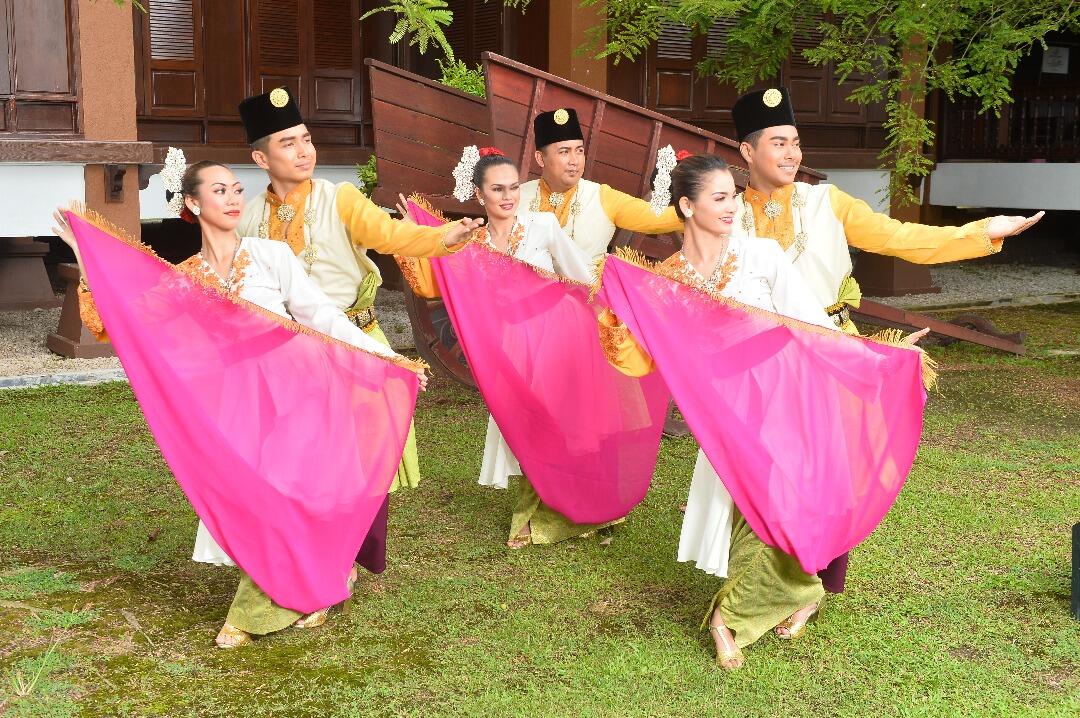
Description: The dance features graceful, controlled movements often performed in pairs. It is accompanied by lively traditional music using instruments such as the violin, rebana, and gongs. Dancers often use a scarf as a prop, adding elegance to the choreography. Movements like Gemulai (soft hand gestures) and Petik Bunga (flower-picking gesture) highlight its refined style.
Cultural Significance: Mak Inang symbolises grace, courtship, and social harmony. Today, it is commonly performed at weddings and public heritage events.
🌸Other Notable Dances
Asli (Original) Dance
Origin: Rooted in early Malay court and folk traditions. It is considered the most "original" dance form alongside Inang, Joget, and Zapin.
Description: Slow, graceful dance with soft and flowing movements that emphasise control and expression.
Cultural Significance: A traditional Malay dance-drama from Kelantan, rooted in royal court performance traditions.
Silat Dance
Origin: Based on traditional martial arts practices originating from Indonesia.
Description: A performance combining martial arts movements and rhythmic choreography, often accompanied by traditional music.
Cultural Significance: A blend of acting, singing, storytelling, and dance, performed with expressive movements and traditional musical accompaniment.
In East Malaysia, Sarawak dance traditions such as the Ngajat also reflect warrior legacy, celebrating bravery and cultural identity through ceremonial performance.
Mak Yong5
Origin: A traditional Malay dance-drama from Kelantan, rooted in royal court performance traditions.
Description: Represents bravery, discipline, and the Malay warrior legacy, and is often performed during community ceremonies and celebrations.
Cultural Significance: Recognised as a UNESCO Intangible Cultural Heritage. Mak Yong was banned in Kelantan for 28-years. In 2019, they lifted the ban, allowing performances under specific conditions.
🌏Cultural Significance and Modern Adaptations
Role in Festivals and Ceremonies
Malay traditional dance plays a vital role in preserving culture and tradition, and is commonly performed during:
- Weddings and family celebrations
- National events like Malaysia Day & tourism events
- Religious festivals such as Hari Raya
They help preserve cultural heritage, strengthening community bonds while safeguarding the culture, history and tradition.
Contemporary Performances
Today, Malay dance continues to evolve from traditional, gender-segregated and palace-based forms into contemporary, mixed-gender performances that merge with modern aesthetics and global dance styles.
While preserving core values, this evolution keeps the tradition relevant for younger audiences while respecting its roots. It continues to inspire younger people, alongside other ethnic dance traditions that form the nation's diverse multiethnic dance landscape.
Preservation Efforts
Efforts to sustain traditional Malay dance include:
- Motion Capture Technology (MoCap): Researchers are using MoCap to digitally record the movements of performers, preserving the detailed choreography of dances like Mak Yong and Zapin6.
- School and University Curriculum: Incorporating dance into education helps students learn both the history and techniques of Malay traditional dance.
- Cultural Centres: The National Department for Culture & Arts (JKKN) operates arts complexes across the nation, providing spaces for training and performances.
- International Recognition: Recognition by organisations like UNESCO (e.g., Mak Yong) helps raise global awareness and protect these cultural traditions.
Without active teaching and performance, traditional performances risk fading. Preservation ensures future generations continue to appreciate and practise them.
🎓Learning and Experiencing Malay Dance
Dance Academies and Workshops
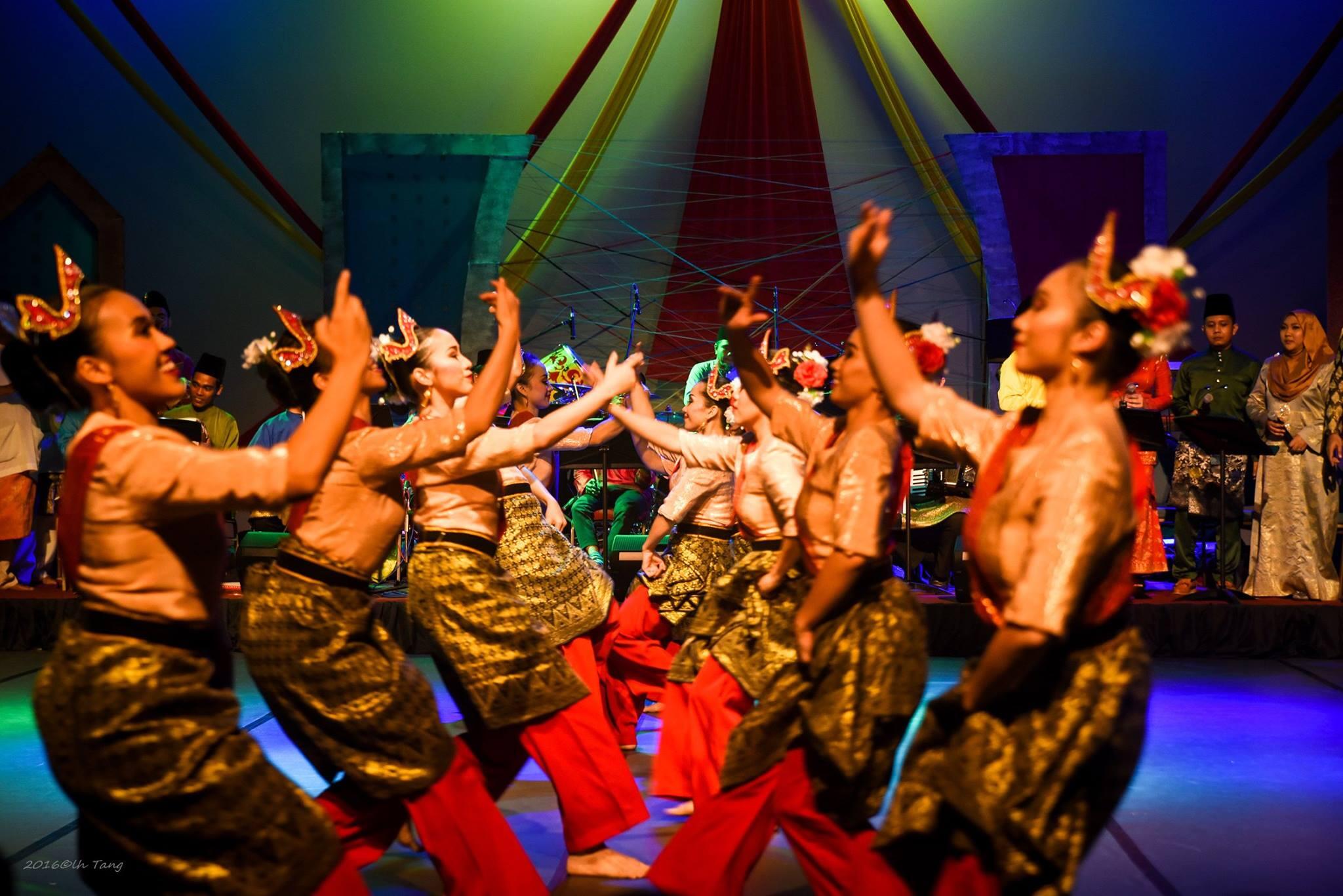
Many institutions across the nation offer opportunities to learn Malay traditional dance, including:
- ASK Dance Company
- Pusat Kreatif Kanak-kanak Tuanku Bainun
- ASWARA (Akademi Seni Budaya dan Warisan Kebangsaan)
- University of Malaya (KESUMA Ensemble)
These institutions play a crucial role in keeping these arts alive and remain relevant in this modern age. Additionally, private platforms like Superprof offer one-on-one classes from RM 68 onwards.
Cultural Festivals and Performances
You can experience watching these dances at:
- Malaysia Tourism Centre (MaTIC) – Open-access performances on selected days
- Central Market, KL – Regular performance showcases
- KL Tower cultural shows – Traditional dance performances for visitors
- Tourism and cultural events – Especially during festivals like CNY, Gawai, Kaamatan, and other heritage celebrations
- State-level cultural events and festivals
🌺Conclusion
Malay traditional dance remains a crucial part of Malaysia’s identity. From the lively rhythms of asli to the graceful movements of Mak Inang and the martial precision of Silat, each dance tells a story of heritage, community and artistic expression.
As these dances continue to adapt to modern audiences, they remain deeply rooted in culture and tradition. This ensures that the history of traditional Malay dance will be appreciated for generations to come.
I believe that dance always contains four arts: music, choreography, painting and literature.
George de Las Cuevas
References
- Taim, M. A., Amat, A., & Tamring, B. a. M. (2025b). Integration of civilization elements in dance choreography: A study of traditional Malaysian dances. Imaji Jurnal Seni Dan Pendidikan Seni, 23(1), 1–12. https://doi.org/10.21831/imaji.v23i1.84611
- Arts and cultural information. (n.d.-b). National Department for Culture and Arts (JKKN). https://pemetaanbudaya.jkkn.gov.my/en/senibudaya/detail/981
- Arts and cultural information. (n.d.-b). National Department for Culture and Arts (JKKN). https://pemetaanbudaya.jkkn.gov.my/en/senibudaya/detail/1254
- Arts and cultural information. (n.d.-b). National Department for Culture and Arts (JKKN). https://pemetaanbudaya.jkkn.gov.my/en/senibudaya/detail/1211
- Arts and cultural information. (n.d.-b). National Department for Culture and Arts (JKKN). https://pemetaanbudaya.jkkn.gov.my/en/senibudaya/detail/836
- Mustaffa, N., Idris, M. Z., Universiti Sains Islam Malaysia, & Universiti Pendidikan Sultan Idris. (n.d.). DIGITAL HERITAGE PRESERVATION ON MALAY FOLK DANCE AND HOW IT COMMUNICATES IN THE DIGITAL AGE.
Summarise with AI:
Did you like this article? Leave a rating!

 Loading...