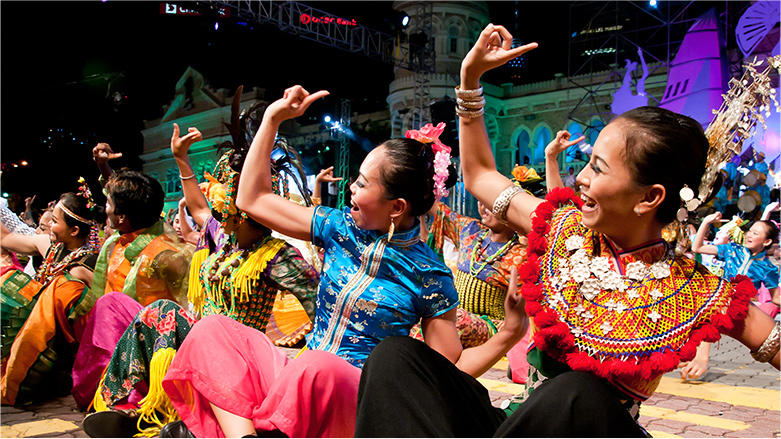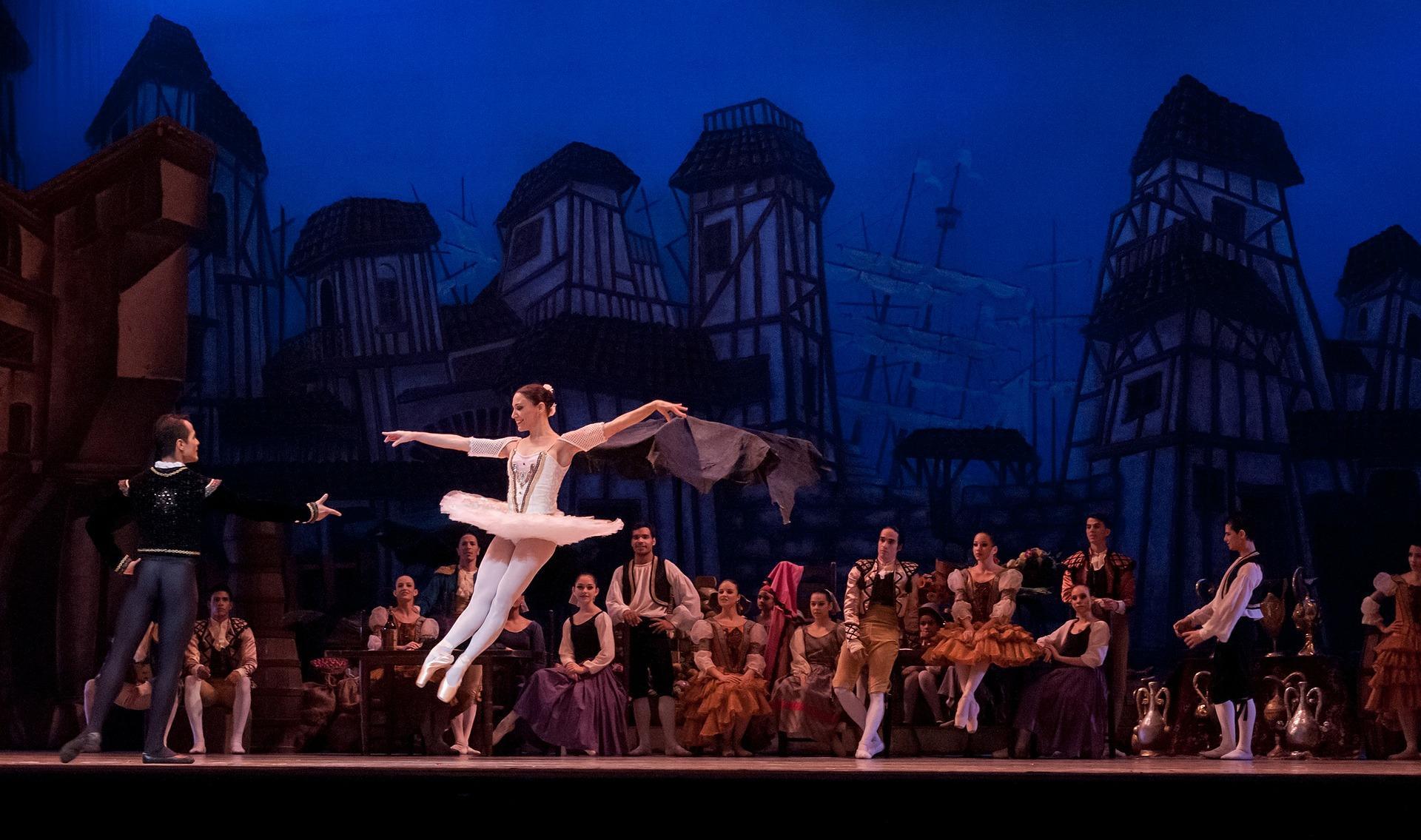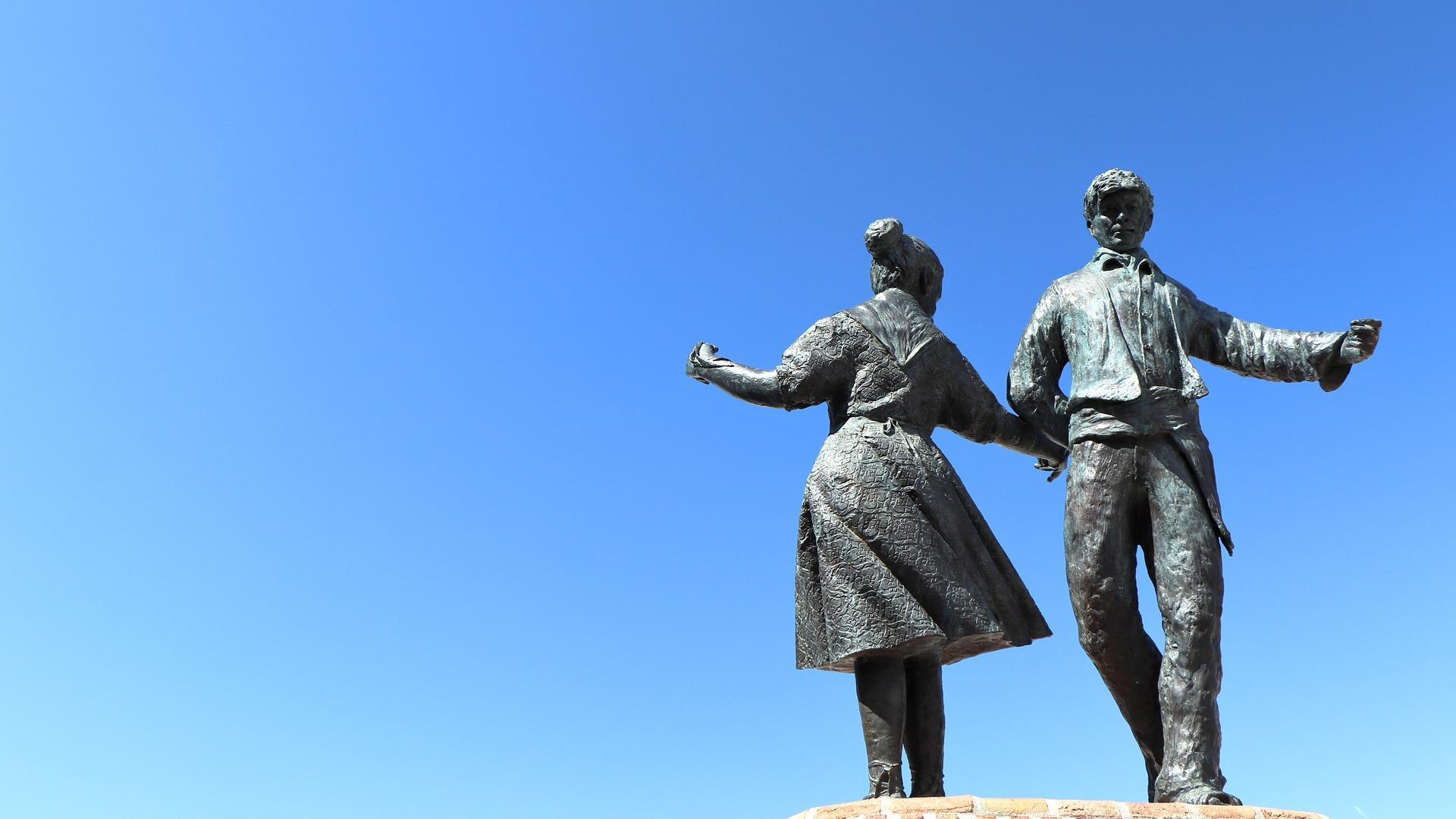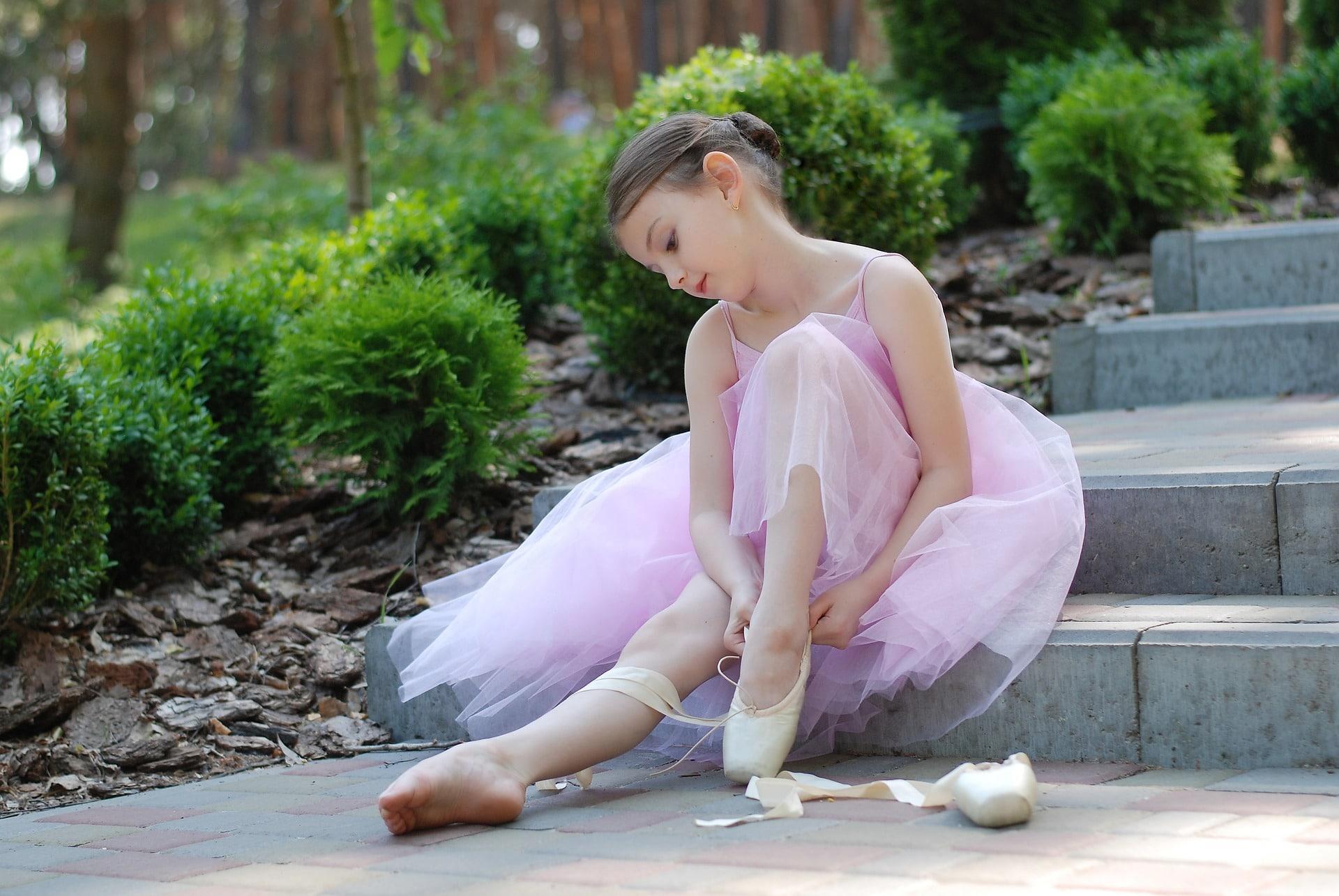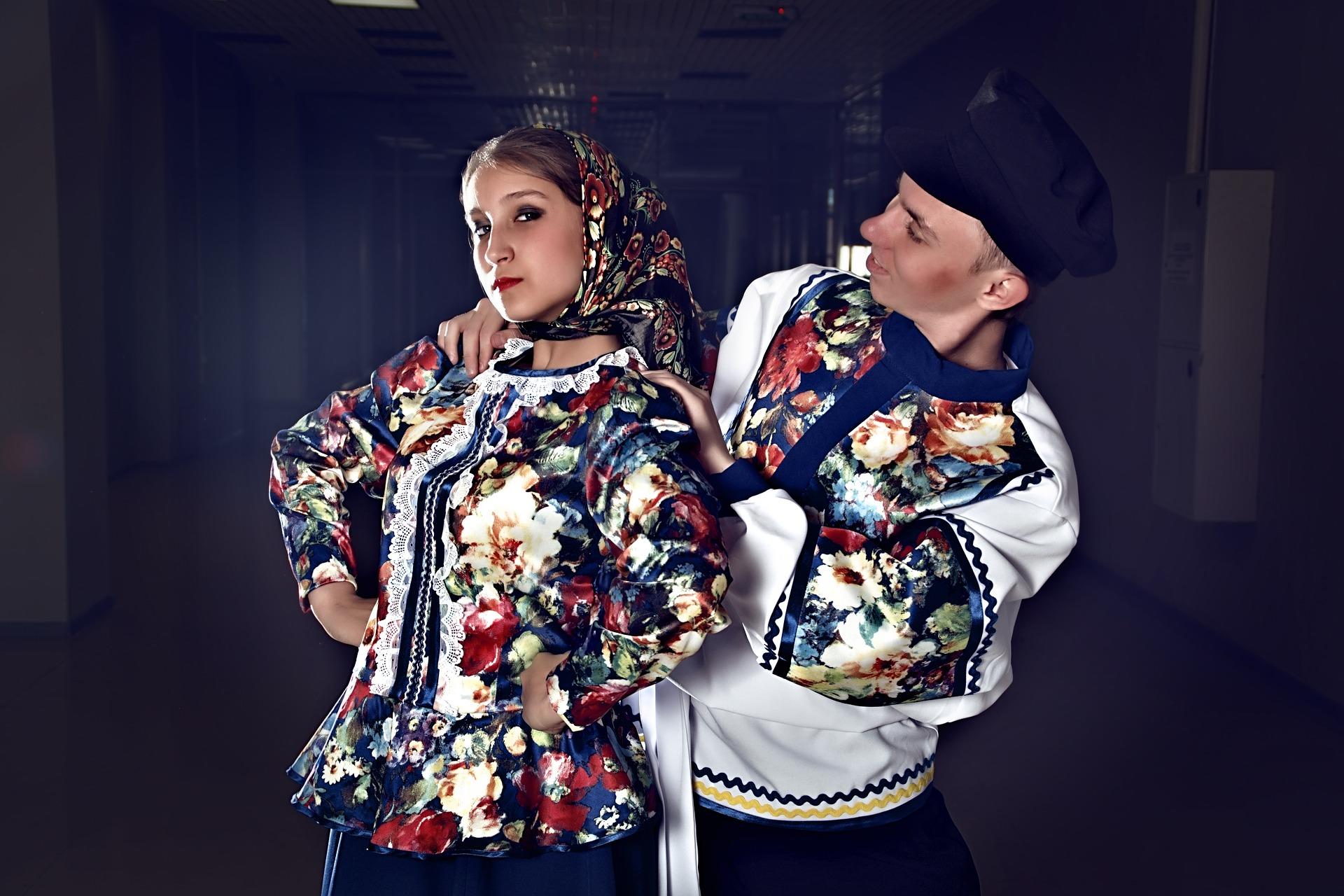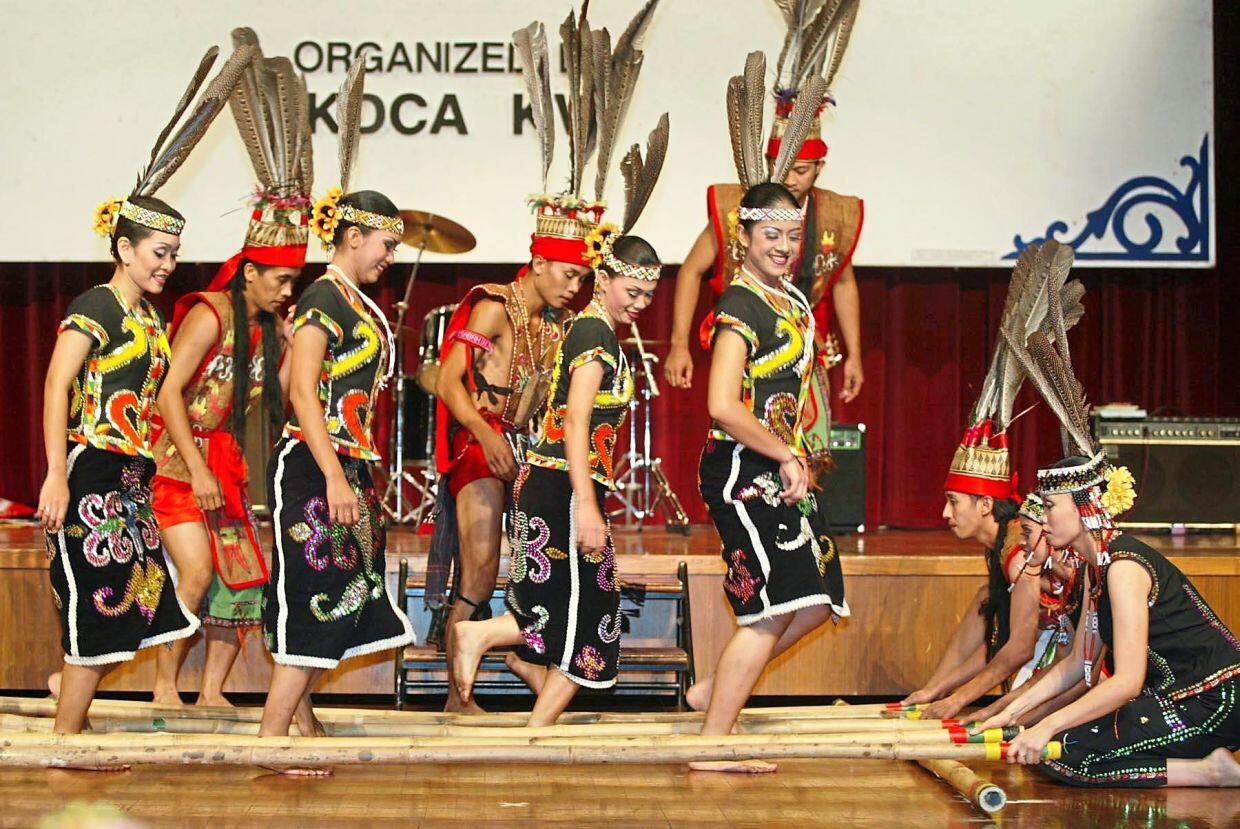

Malaysia’s traditional dance is a captivating expression of the nation’s diverse heritage, where rhythm, storytelling, and symbolism come together to reflect it.
From the graceful movements of Malay court performances like Joget to the rhythmic footwork to the sculpture-like poses of Bharatnatyam, and the expressive forms found in Sabah, such as Sumazau and Magunatip, these performances reflect the nation’s rich and diverse heritage.
Accompanied by traditional musical instruments, these popular dance forms are more than just performances – they tell stories, celebrate festivals, and preserve centuries-old customs.
In this guide, we explore the most renowned traditional dances Malaysia celebrates, their unique forms, and how they continue to shape the country’s identity while keeping heritage alive.
| Dance | Cultural Origin | Key Characteristics | Occasion/Meaning |
|---|---|---|---|
| Inang | Malay with strong Chinese and royal court influences | Graceful, soft hand movements with moderate tempo; refined court style | Royal courts, cultural performances, weddings |
| Joget Gamelan | Malay (Terengganu–Pahang courts) with Javanese (Indonesian) influence | Elegant, highly synchronized movements; accompanied by gamelan orchestra | Royal ceremonies, classical performances |
| Joget | Malay with Portuguese (Eurasian) influence | Fast-paced, lively partner dance; playful and social interaction | Weddings, festivals, social celebrations |
| Zapin | Malay with Middle Eastern (Arab/Yemeni) influence | Intricate footwork, structured formations; often spiritually inspired | Religious events, cultural festivals |
| Sewang | Orang Asli (Indigenous) | Circular group dance; rhythmic chanting; deeply spiritual and nature-connected | Healing rituals, ceremonies, community gatherings |
| Ngajat | Iban (Sarawak, Dayak culture) | Warrior-like movements; dramatic poses symbolising bravery and heroism | Gawai Dayak Festival, cultural celebrations |
| Sumazau | Kadazan-Dusun (Sabah) | Slow, graceful arm movements inspired by birds (e.g., eagles) | Kaamatan (Harvest Festival), cultural events |
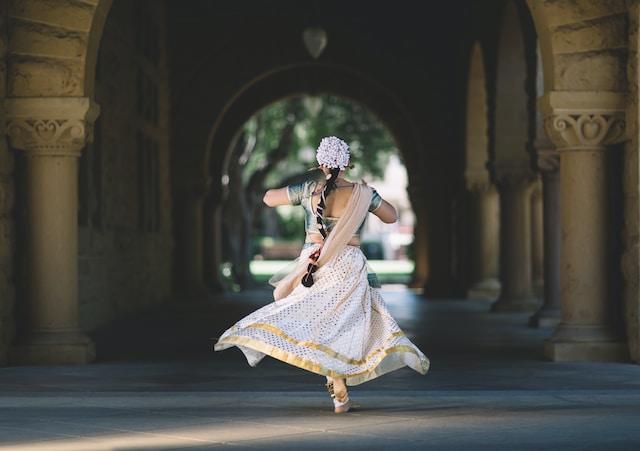
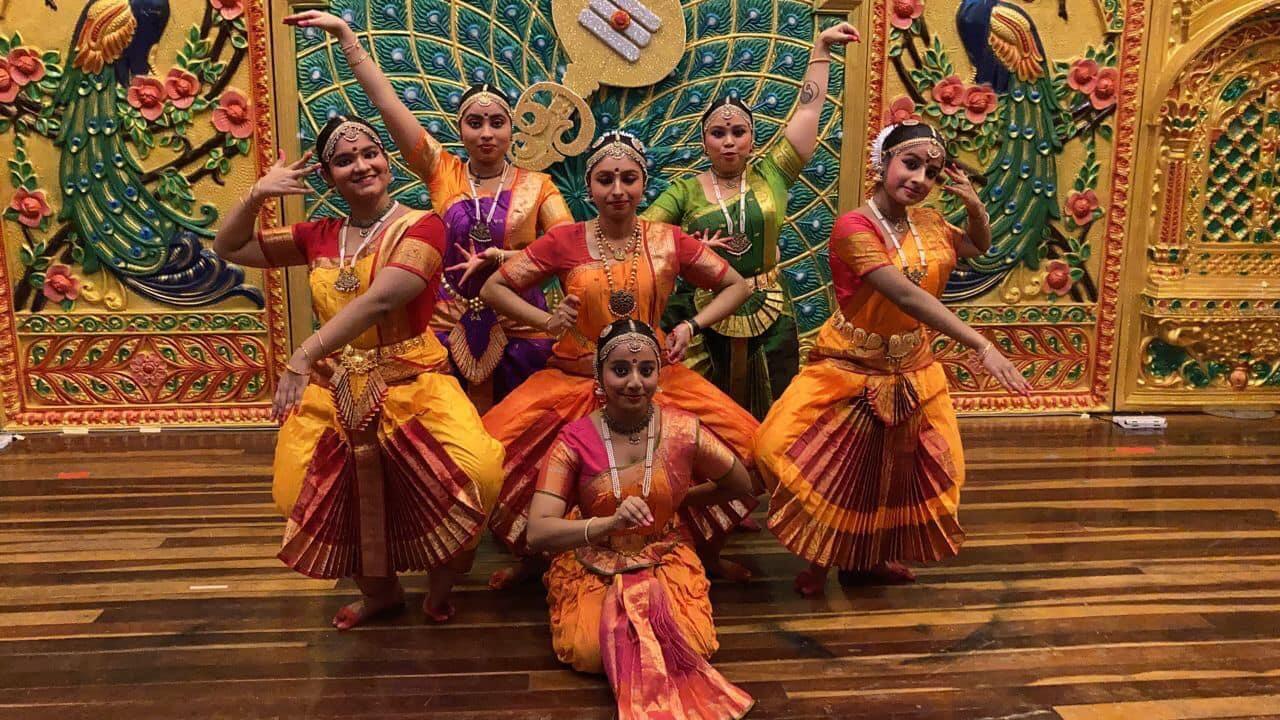
| Bharatanatyam | Indian (South Indian Tamil tradition) | Precise footwork, expressive hand gestures (mudras), storytelling through facial expressions | Religious rituals, temple and cultural festivals |
| Odissi | Indian (Odisha tradition) | Fluid, lyrical movements; sculptural poses inspired by temple art | Temple dances, classical performances |
| Lion Dance | Chinese | Energetic jumps and tricks, with drums; movements that bring good luck and prosperity. | Chinese New Year, festivals, business openings |
| Fan Dance | Chinese | Graceful choreography using fans to enhance visual rhythm and elegance | Cultural performances, celebrations |


🎭The Essence of Cultural Dance in Malaysia
One of the earliest pieces of evidence of dance in India comes from prehistoric times, including the 9,000-year-old Bhimbetka rock paintings and the beautiful bronze dancing girl sculptures from the Indus Valley Civilisation1. Similarly, there are ancient Egyptian tomb paintings from 3300 BC depicting dancing figures2.
These findings suggest that dance played an important role in ritual, social gatherings, and oral communication long before written language existed. In Malaysia, traditional dance evolved through a rich migration process, cultural exchange, trade, and colonial history.
Early dance forms are rooted in animistic beliefs and indigenous rituals, often serving as a medium for storytelling, religious expression, and social cohesion.
🕰️Timeline: The Evolution of Malaysian Cultural Dance
Early Context – Dance as Ritual and Spiritual Expression
Dance was deeply rooted in animistic rituals, healing, and courtly entertainment, serving as a bridge between the physical world and the spirit realm. These early dances were performed for protection, to secure a good harvest, and for ancestral communication, rather than primarily for entertainment3.
🛕 Hindu-Buddhist Influence
In the early history of the Malay Archipelago, many Malay court dances from the early Malay Sultanate era were influenced by Indian and Javanese performing arts. Court and ritual dances, such as Mak Yong and Joget Gamelan, incorporate dramatic and ritual elements from Hindu-Buddhist beliefs. Their graceful movements and use of mudras (hand gestures) resemble classical Indian performances, such as Bharatanatyam and Odissi.
🕌 Islamic Influences in Dance
Performances adapt to Islamic values, emphasising modesty, refinement, and structure. For example, Zapin was introduced by Arab and Persian traders. Originally, it incorporated Sufi elements and was later assimilated into local Malay culture.
⚓ Colonial & Cultural Exchange
Portuguese, Dutch, and British brought in western culture, which influenced the local performing arts. For example, Branyo, a folk dance from Portugal, helped shape Joget in Melaka.
🌏 Globalisation & Modern Adaptation
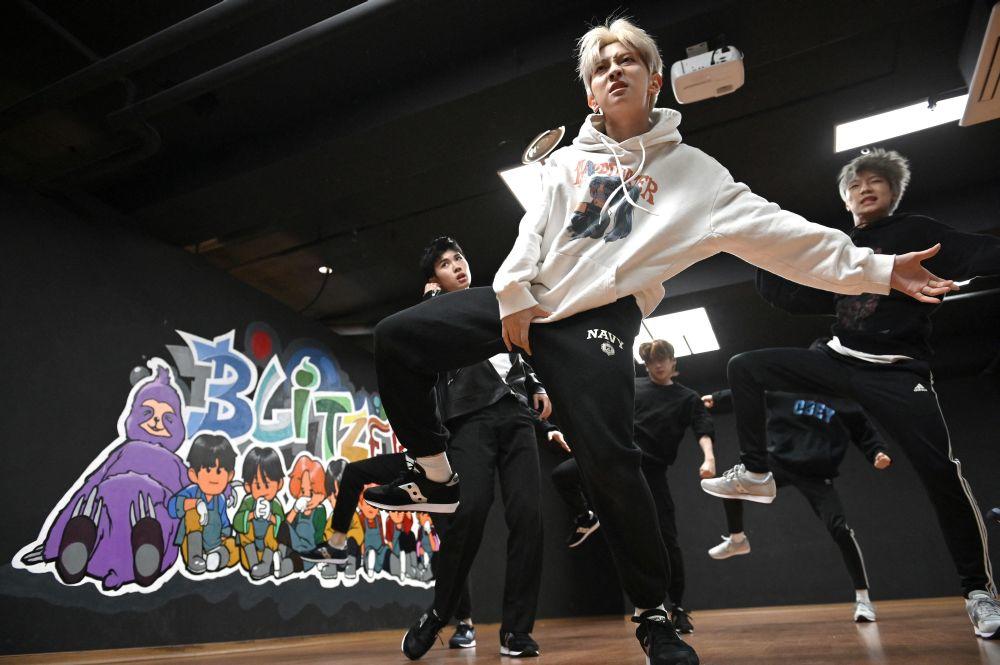
Traditional dances merge with modern styles, such as ballet, hip-hop, and contemporary dance. Performances incorporate technology, multimedia, and global influences. Dance becomes both a preserved legacy and modern performance art.
🇲🇾 Diverse Types of Traditional Dances in Malaysia
Malaysia’s artistic landscape reflects its diverse society. Its stage presentations range from elegant court performances to energetic community celebrations, each representing a unique heritage background.
Malay Dance Forms
Court Dances
Malay court performances are characterised by elegance and refined gestures. These performances were once reserved for royal audiences and are deeply rooted in tradition.
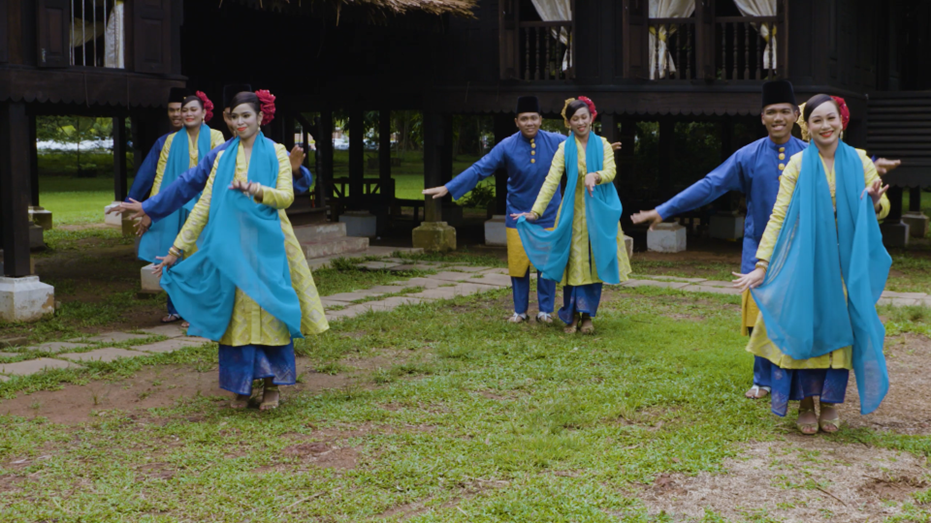
- Mak Inang
Mak Inang (also called Tarian Inang or Si Kembang Cina) is a Malay court dance from the Malacca Sultanate, and is inspired by Chinese dance styles. It features slow, graceful motions, often with scarves or fans as props.
- Joget Gamelan
Joget Gamelan is a classical Malay court dance that originated from the Riau-Lingga Sultanate in the 19th century and was later introduced to Pahang for a royal wedding4.
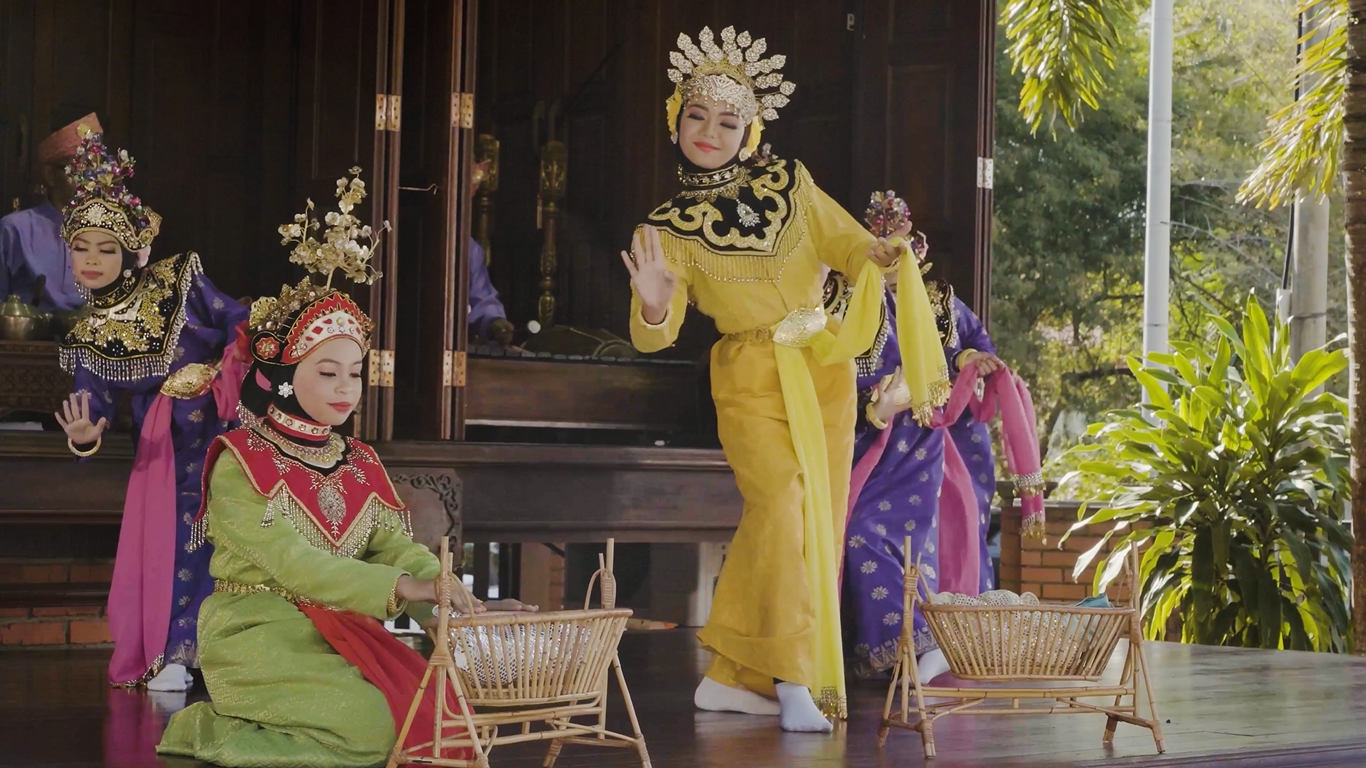
It is performed by a group of women and is recognised for its graceful, slow, and refined motions, including gentle sways and delicate hand gestures.
Folk Dances
Malay folk performances are lively and often performed in group settings during celebrations.
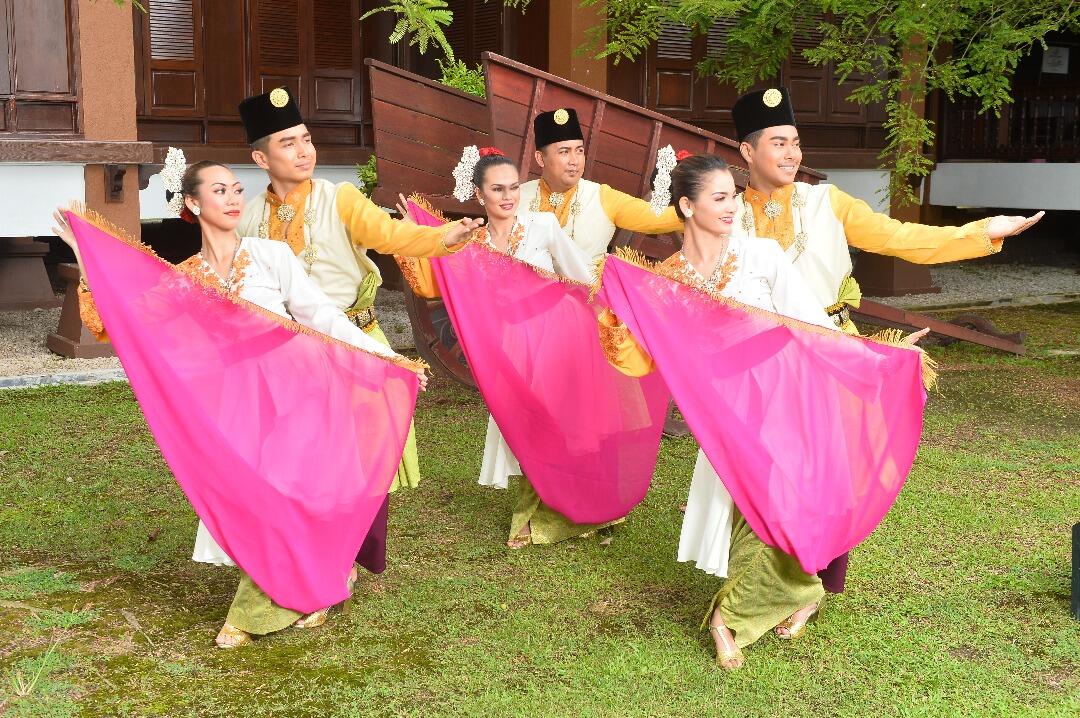
- Joget
This performance was influenced by the Portuguese culture and is believed to have evolved from the folk style Branyo5. It is a cheerful, fast-paced performance commonly seen at weddings and community gatherings, featuring quick footwork and graceful hand gestures.
- Zapin
Also known as Zaffin, it was introduced to the Malay Archipelago by Arab traders from Yemen. Popular in Johor, it features rhythmic footwork and graceful motions, often influenced by Islamic religious elements6.
What's the difference between Joget and Zapin?
Joget
Origin: Influenced by Branyo
Style: Fast-paced, lively, and playful
Music: Upbeat rhythm with violin, gong, and drums
Zapin
Origin: Influenced by Arab and Persian traders through Islamic culture
Style: Structured, rhythmic, and graceful
Music: Classic instruments, such as gambus and marwas (hand drums)
Indigenous and Ethnic Dances
Malaysia’s indigenous communities preserve some of the oldest dance traditions in the country.
Sewang (Orang Asli)
Sewang is a classic dance practised by Orang Asli communities (indigenous people) in Peninsular Malaysia, particularly the Mah Meri, Bateq, Semai, and Temiar tribes in Perak7. It is often performed for healing rituals, ceremonies, and celebrations, reflecting a strong connection to nature and the spiritual realm.
The performance involves group formations, rhythmic motion, and chanting, accompanied by simple instruments such as bamboo percussion.
Sewang is not just for celebration but also a healing ritual. Communities would gather in a circle, sing and move rhythmically for hours, as the performance is believed to drive away negative spirits and restore balance to those who are unwell.
East Malaysian Dances
Sabah and Sarawak are also rich in indigenous traditions.
- Ngajat (Iban): This legendary warrior dance of the Iban community is performed during festivals, such as Gawai. The performance features precise, rhythmic turns and energetic leaps, reflecting a warrior’s strength and readiness for battle.
- Sumazau (Kadazan-Dusun): Another legendary dance from Sabah, inspired by the movements of birds, especially the eagle. It is commonly performed during Kaamatan (harvest festival) and other celebrations, featuring graceful arm gestures and gentle footwork.
Influences from Other Cultures
Indian and Chinese performances reflect distinct traditions, beliefs, and storytelling forms, with several well-known styles outlined below.
Indian Dances
- Bharatanatyam: Originating from Tamil Nadu, Bharatanatyam is a classical performance style famous for its structured movements, intricate footwork, expressive hand gestures (mudras), and storytelling through facial expressions. The performance engages the entire body, with detailed facial expressions and mudras to convey emotions and stories.
- Odissi: Originating from Odisha, Odissi is renowned for its fluid, graceful movements, intricate footwork and expressive gestures. Similar to Bharatanatyam, it uses the entire body to convey emotions and tell stories, often depicting episodes from Hindu mythology.
The Lion Dance isn’t just for show. Skilled performers often jump on tall poles or platforms during competitions, demonstrating incredible acrobatic ability. Some teams can even perform flips and lifts, making the dance as much a sport as a cultural tradition!
Chinese Dances
- Lion dance: A vibrant performance combining acrobatics and rhythm, commonly seen during the Chinese New Year. It originated as a ritual to ward off evil spirits and bring good fortune and positive energy, with performers mimicking a lion’s movements under a colourful costume.
- Fan Dance: With a history spanning over 2,000 years, the Chinese Fan performance is a graceful traditional art that blends dance, music, and visual storytelling. Performers use fans to create fluid, swirling patterns, focusing on wrist and arm coordination.
🌏The Role of Traditional Dances of Malaysia in Modern Culture
Today, these performances continue to play a vital role in preserving the heritage while adapting to contemporary contexts.
Heritage institutions, dance academies, and government initiatives actively promote these art forms through workshops, festivals, and national performances, ensuring that younger generations learn and appreciate them.
To ensure these performances survive, initiatives by communities and the government are crucial.
- ASWARA (Akademi Seni Budaya dan Warisan Kebangsaan) encourages young people to study dance, culture, and heritage.
- Mak Yong, recognised by UNESCO in 2005 as a Masterpiece of the Oral and Intangible Heritage of Humanity, highlights the importance of preserving traditional performances.
- Promotion through events: National celebrations, such asHari Kebangsaan and Malaysia Day, festivals such as Gawai Dayak and Kaamatan, and school or university performances help keep these practices visible, appreciated, and passed on to younger generations.
At the same time, traditional performances have found a place in contemporary performances. They are often combined with modern choreography, music or theatrical presentations to appeal to wider audiences.
They are also an important part of tourism. Performances at heritage sites, festivals, and official events allow both locals and visitors to experience the beauty and artistry of the nation’s diverse traditions.
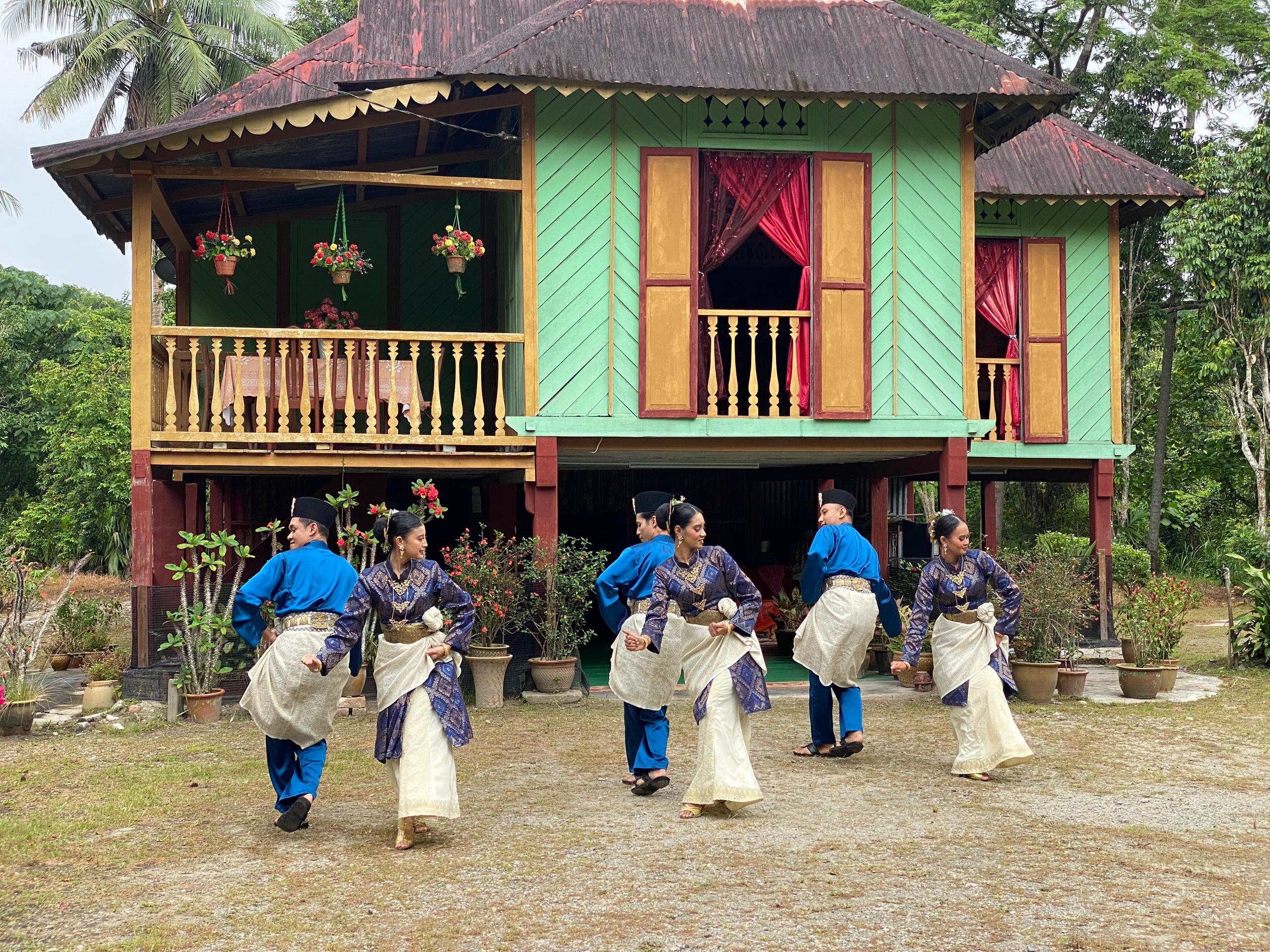
📍Experiencing Malaysia’s Famous Traditional Dances: Where to Watch and Learn
If you’re interested in experiencing or learning traditional dances, there are plenty of opportunities available.
You can watch performances at:
- Malaysia Tourism Centre (MaTic) – Free entry on selected days from 3 pm to 4 pm.
- Central Market, KL – Offers cultural performances
- KL Tower Cultural Shows – Traditional Malay dances are performed as part of visitor experiences.
- Tourism & cultural events – Look out for any events around you during festivals, such as CNY, Gawai, Kaamatan, and heritage celebrations.
You can learn the dance of your choice at:
- Workshops and Dance Academies – Many institutions offer beginner-friendly classes in various styles, including Zapin, Joget, and Inang.
- Superprof – Learn from professional instructors online or in-person, with classes starting from RM 68.
- Dance Institutions – Private schools and institutions provide structured training for those who want to go deeper.
🌺Conclusion
Malaysia’s traditional dances are more than art – they are living stories of our history, values and heritage. Each performance carries stories, values, and artistry that connect us to our roots. Living in a country where such a rich cultural heritage is not only preserved but celebrated is truly a privilege. It allows locals and tourists to witness, participate in, learn and carry forward these timeless dances.
Dance is the hidden language of the soul
Martha Graham
References
- History of dance in India - UrbanPro. (n.d.). UrbanPro.com. https://www.urbanpro.com/dance/history-of-dance-in-india#:~:text=EARLIEST%20PERIOD:%2D,known%20as%20the%20Supreme%20Dancer
- Libretexts. (2020, November 17). 13.10: Dance. Social Sci LibreTexts. https://socialsci.libretexts.org/Bookshelves/Anthropology/Cultural_Anthropology/Cultural_Anthropology_(Evans)/13%3A_Art/13.10%3A_Dance#:~:text=Archaeological%20evidence%20for%20early%20dance,down%20from%20generation%20to%20generation
- Taim, M. A., Amat, A., & Tamring, B. a. M. (2025). Integration of civilization elements in dance choreography: A study of traditional Malaysian dances. Imaji Jurnal Seni Dan Pendidikan Seni, 23(1), 1–12. https://doi.org/10.21831/imaji.v23i1.84611
- Norsafini, J., & Premalatha, T. (2023). Performing Joget Gamelan through archives and social memory. Cogent Arts & Humanities, 10, 2254043. https://doi.org/10.1080/23311983.2023.2254043
- National Department for Culture and Arts (JKKN). (n.d.). Retrieved April 20, 2026, from https://pemetaanbudaya.jkkn.gov.my/en/senibudaya/detail/981
- National Department for Culture and Arts (JKKN). (n.d.-b). Retrieved April 20, 2026, from https://pemetaanbudaya.jkkn.gov.my/en/senibudaya/detail/1036
- National Department for Culture and Arts (JKKN). (n.d.-c). Retrieved April 20, 2026, from https://pemetaanbudaya.jkkn.gov.my/en/senibudaya/detail/823
Summarise with AI:
Did you like this article? Leave a rating!

 Loading...