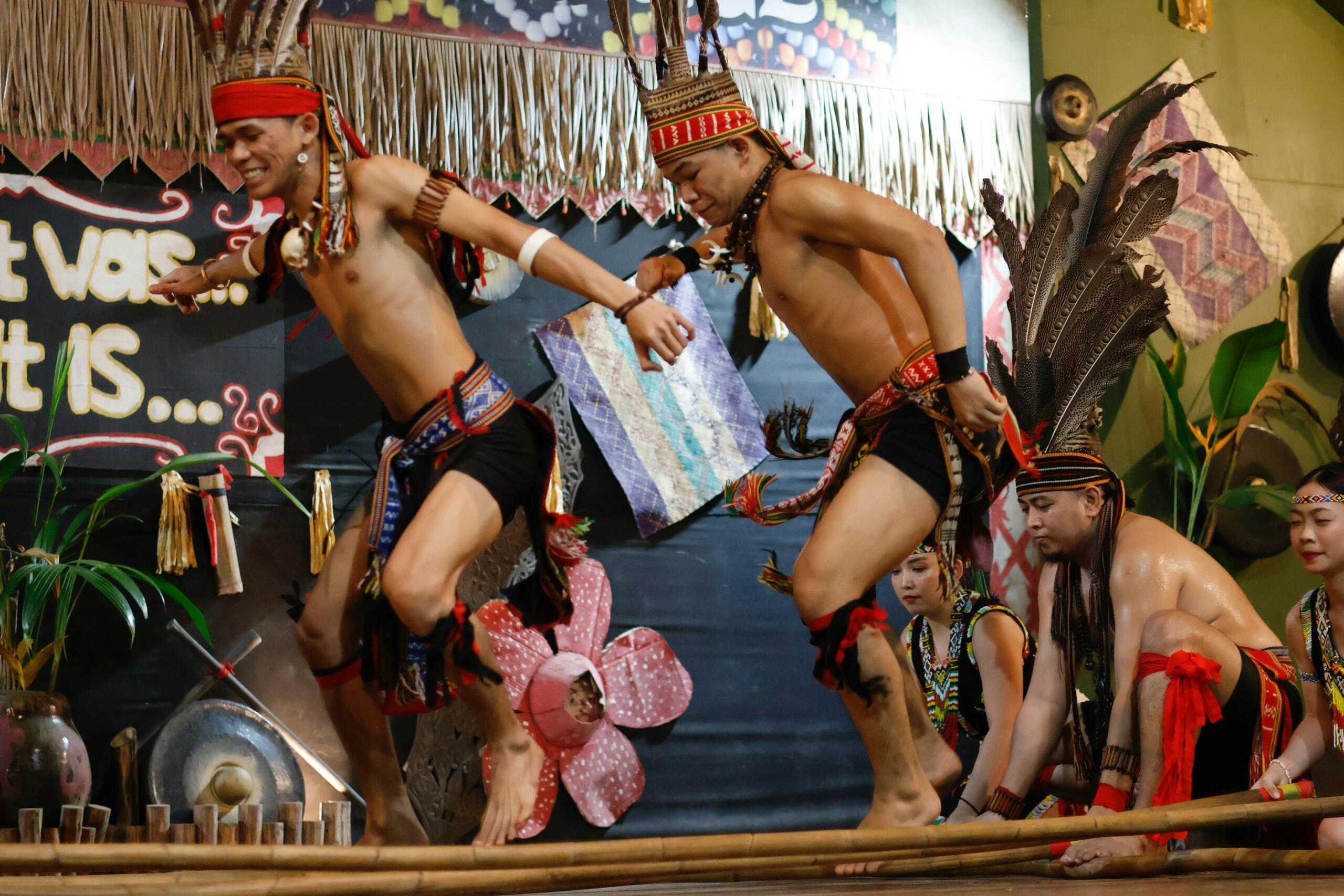

If you’re looking for the best Malaysian traditional dance performances to experience the country’s rich cultural heritage, you’re in the right place. From the rhythmic Iban Ngajat, the graceful Bharatanatyam, the elegant Malay Zapin, to the soulful Sewang of the Orang Asli, these performances showcase Malaysia’s diverse cultural mosaic in powerful and unforgettable ways.
These traditional dances represent a living archive of Malaysia’s history, preserving the diverse cultural heritage and social values passed down through generations. Whether you're a curious traveller, a local reconnecting with your heritage, or an aspiring performer, Malaysia offers vibrant dance opportunities year-round.
| Festival | Who Celebrates / Performs | When | Location |
|---|---|---|---|
| MaTiC Cultural Shows | Malaysia Tourism Centre performers | Weekly (selected days) | Kuala Lumpur |
| Sarawak Cultural Village | Sarawak ethnic communities (Bidayuh, Iban, Orang Ulu, etc.) | Daily | Kuching, Sarawak |
| Mari Mari Cultural Village | Sabah indigenous communities (Kadazan-Dusun, Bajau, Murut, etc.) | Daily | Kota Kinabalu, Sabah |
| Mah Meri Cultural Village | Mah Meri Orang Asli community | By schedule / booking-based | Carey Island, Selangor |
| Gawai Dayak | Sarawak indigenous communities (Iban, Bidayuh, Orang Ulu, etc.) | June | Sarawak |
| Kaamatan Festival | Kadazan-Dusun community | May | Sabah |
| Sarawak International Festival of Music and Arts (SIFMA) | Local & international performers | Annual | Sarawak |
| Malaysia Day Celebrations | All Malaysians | 16 September | Nationwide |
| Merdeka Day Celebrations | All Malaysians | 31 August | Nationwide |
| Citrawarna Malaysia | Ministry of Tourism, Arts and Culture (MOTAC) & cultural troupes | Annual | Kuala Lumpur |
| George Town Festival | Arts & cultural communities | Annual | Penang |
| Melaka River Festival | Melaka state cultural organisations | Annual (school holiday period) | Melaka |
| Rainforest World Music Festival | International & local performers | June | Sarawak |


🌍Experiencing Traditional Dance Performances in Malaysia
If you’re looking to experience a Malaysian cultural performance firsthand, several venues and festivals across the country offer authentic and engaging shows. These experiences give visitors a deeper view and understanding of Malaysia’s rich cultural traditions and living heritage.
Here are some recommendations:
Sarawak Cultural Village Performance
The Sarawak Cultural Village is one of the most immersive ways to experience Sarawak’s diverse indigenous cultures. Located in Kuching, this award-winning living museum showcases the traditional lifestyles of the main ethnic groups: Bidayuh, Iban, Orang Ulu, Penan, Melanau, Malay & Chinese. It features authentic house replicas, cultural demonstrations, and live performances that bring these traditions to life.
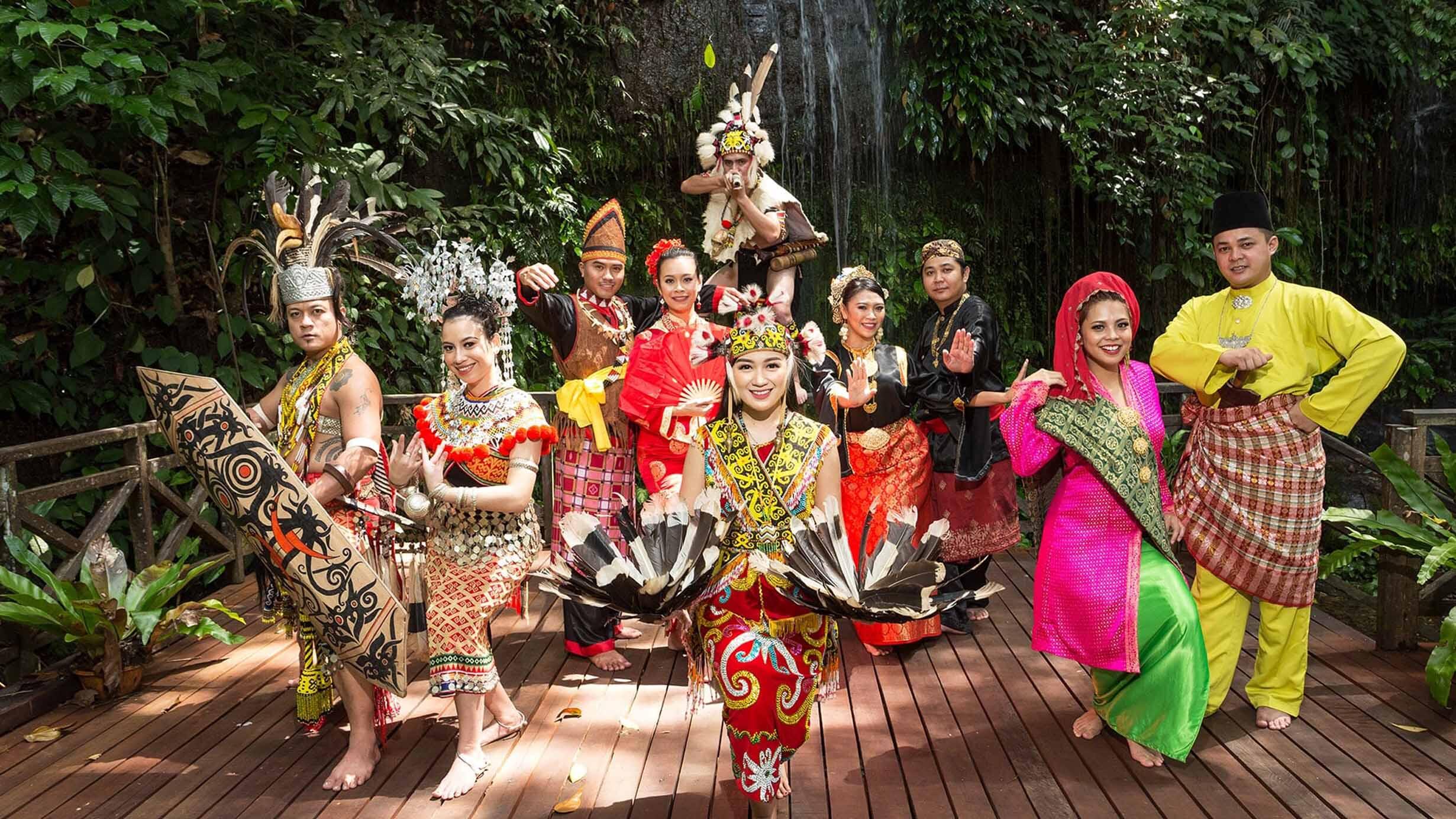
Visitors can observe the traditional dances alongside other activities that reflect the daily village life. Ticket prices typically start from around RM95, with different rates for Malaysians and international visitors.
Various packages are available, and pre-booking is required. Check their official website for updated schedules, activities, and pricing.
At places like the Sarawak Cultural Village performance, dancers don’t just perform; they often double as cultural ambassadors. Many are trained to explain the meaning behind each dance, costume, and movement, giving visitors a deeper and more interactive cultural experience.
Mari Mari Cultural Village
Similar to Sarawak, Sabah also has a living cultural museum located just outside Kota Kinabalu. It was created to preserve and showcase the traditional lifestyle of Sabah’s indigenous communities in an immersive, hands-on environment.
Visitors can explore the authentic traditional homes of Sabah’s main ethnic groups, the Kadazan-Dusun, Rungus, Lundayeh, Bajau, and Muru.
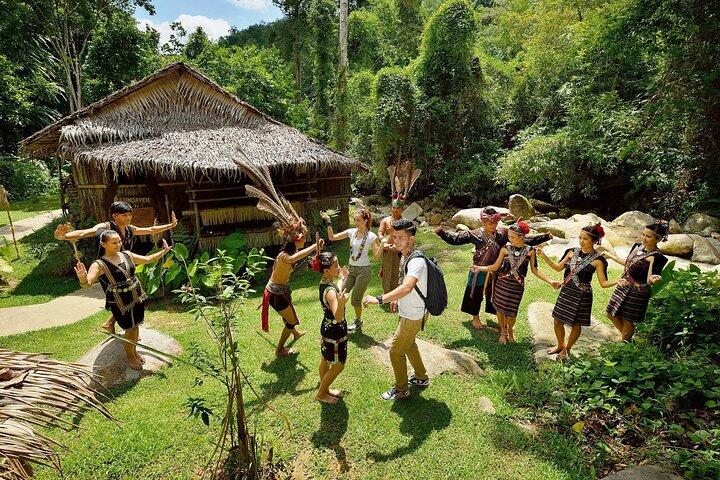
Beyond that, guests can experience cultural demonstrations such as fire starting, blowpipe making, bamboo cooking and tree bark craft. Guided tours also include cultural storytelling and performances that bring Sabah’s heritage to life.
It’s open daily, and ticket prices generally start from around RM110, with different rates for Malaysians and international visitors. It is recommended to check their official website for booking and updated details.
Mah Meri Cultural Village
The Mah Meri Cultural Village, located on Carey Island, Selangor, showcases the heritage of the indigenous (Orang Asli) group, called Mah Meri, known for their intricate woodcarving and traditional masked dance performances.
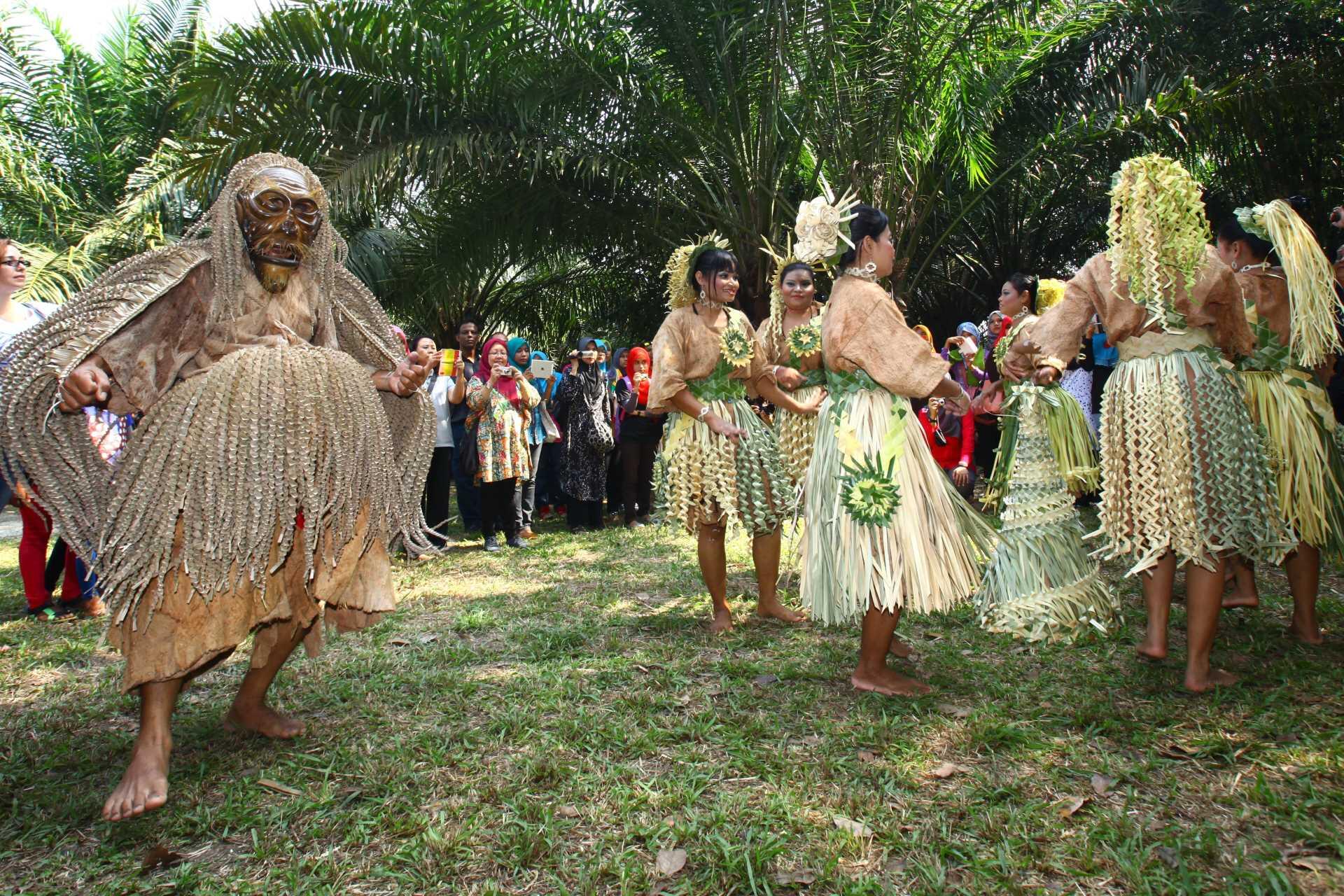
Visitors can explore a recreated traditional village setting and learn about Mah Meri customs, beliefs, and craftsmanship. One of the highlights is their expressive traditional dance performances, which are often linked to spiritual rituals and cultural storytelling.
Tour packages include guided cultural experiences and hands-on activities. Prices typically start from around RM70, with price variations for adults and students. For more details, visitors should refer to their official website for booking and other updated details.
🎭Malaysia Tourism Centre (MaTiC) Cultural Shows
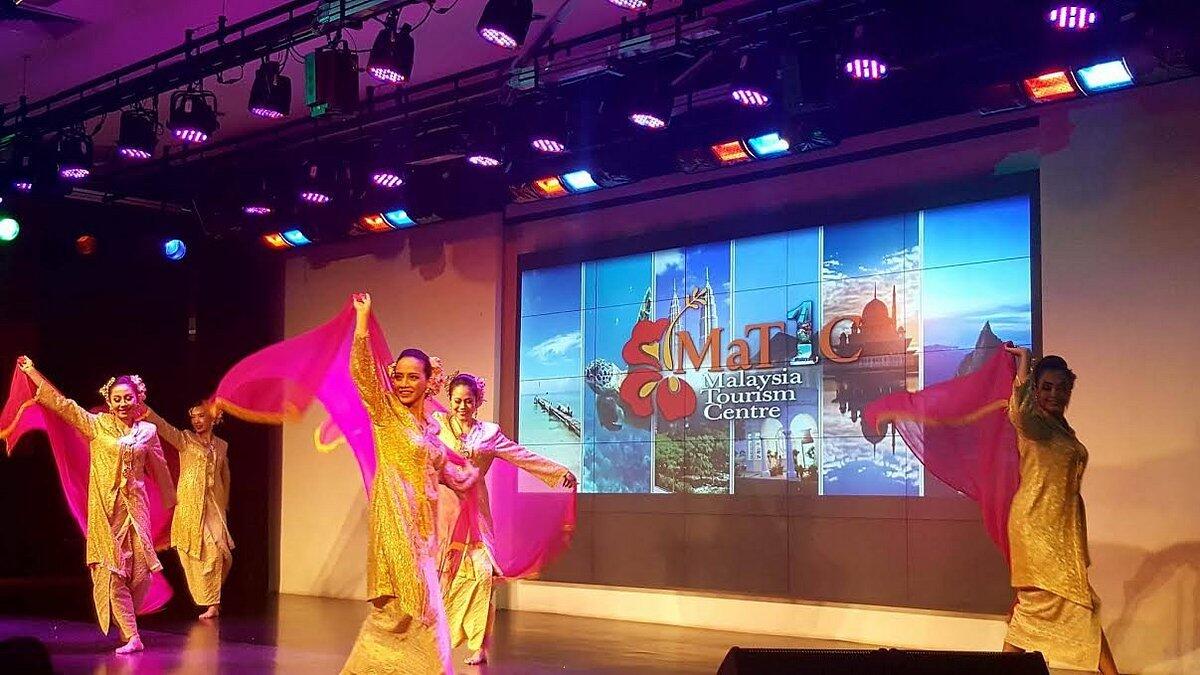
Located in Kuala Lumpur, MaTiC1 offers regular Malaysian cultural show performances that highlight the country’s diversity. These shows typically feature a vibrant mix of Malay, Chinese, Indian, and indigenous dances.
If you’re in KL, this is a perfect chance to witness the full spectrum of Malaysian cultural performances in one place.
Live cultural shows are usually held at the Mini Auditorium on selected days, often including weekends and certain weekdays, from 3:00 PM to 4:00 PM. These shows are generally open to the public at no charge.
However, schedules may vary from month to month, so it is recommended to check MaTiC’s official updates for the latest performance calendar.
🎉Malaysian Cultural Shows & Festivals Celebrating Traditional Dances
Malaysia’s multiethnic profile makes its cultural calendar filled with festivals that celebrate traditional dance as part of its living heritage. These events bring together local and international performers, offering visitors a chance to experience a wide variety of styles in one setting.
Some of the festivals and celebrations are:
- Gawai Dayak (June, Sarawak): A colourful celebration featuring Ngajat and other tribal dances. Visitors can experience curated performances at the Sarawak Cultural Village. Check their official website for details.
- Kaamatan Festival (May, Sabah): A traditional harvest festival celebrated by the Kadazan-Dusun people. Known for Sumazau dance performances and other cultural performances. Check out Koisaan Cultural Village at KDCA’s website to enquire about the festival, ticket prices and other details.
- Sarawak International Festival of Music and Arts (SIFMA): Annual, multi-day cultural event featuring both international and local performances, including music, dance, and arts.
- Malaysia Day (16 September) & Merdeka Celebrations (31 August): During these national celebrations, beyond the national parade, visitors can also witness traditional dance performances, cultural showcases, and displays of traditional attire from Malaysia’s diverse communities.
- Citrawarna: An annual tourism event in Malaysia organised by the Ministry of Tourism, Arts, and Culture to promote Malaysia’s arts, heritage, and culture. During this event, visitors could witness street performances, dance, light shows, music and fireworks.
- George Town Festival (Penang): An annual festival celebrating George Town’s UNESCO World Heritage status, featuring a mix of traditional and contemporary dance, music, theatre, and visual arts.
- Melaka River Festival: A lively annual event featuring a decorated boat parade, cultural performances, and night bazaars along the riverbanks, often held during school holiday periods.
- Rainforest World Music Festival (June, Sarawak): An internationally recognised festival featuring global music acts alongside traditional dance performances and cultural activities. The whole event is set within the Sarawak Cultural Village, surrounded by rainforest and traditional longhouses.2
With so many options available year-round, it’s easy to find a performance that fits your travel plan. It’s recommended to always check the respective event’s official websites to get the latest updates on the dates, venue, ticket pricing, and programme details.
💃The Role of Traditional Dance in Malaysian Society
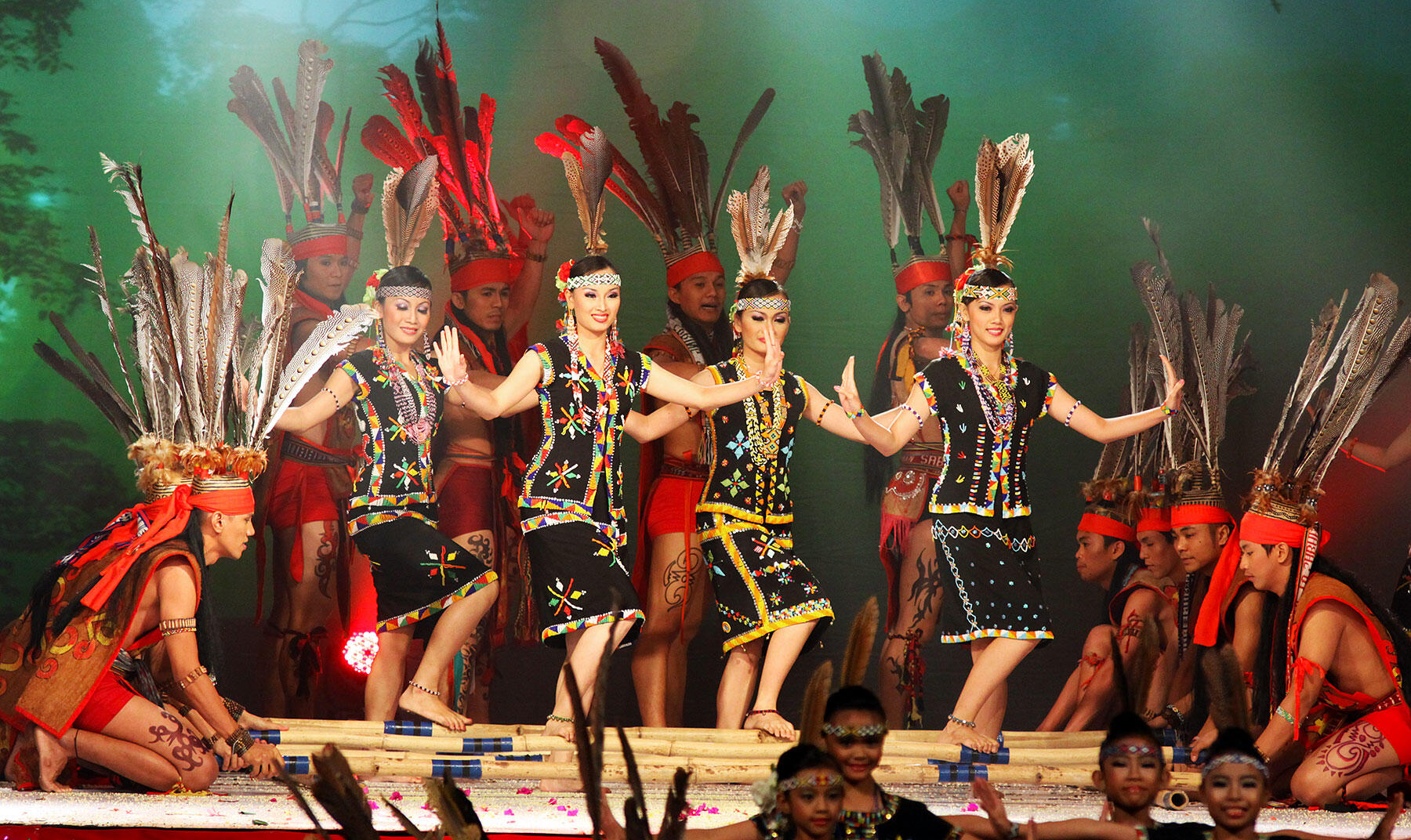
Traditional dance in Malaysia plays a vital role in preserving the country’s rich cultural heritage image. These dances reflect the history, beliefs, and values of diverse communities, ensuring that traditions remain relevant in modern society.
Cultural Preservation & Identity
Traditional dances are living archives of Malaysia’s cultural heritage, customs, traditions, and beliefs unique to each ethnic group. From Malay court dances to indigenous rituals, these performances help maintain cultural identity across generations. They serve as the symbol of identity, passed down through generations over the years.
Community Bonding & Social Connection
Traditionally, these dances are often performed during communal gatherings, ceremonies and festivals, bringing people together. They strengthen relationships within communities while also fostering connections with those outside the community. Today, it is common to see people from different ethnic backgrounds showing interest in learning traditional dances beyond their own culture.
National Identity & Cultural Representation
Traditional dance also plays a role in shaping Malaysia’s national identity. It is often featured in tourism campaigns, international events, and national celebrations, representing the country’s cultural richness on a global stage.
In some Malaysian cultural performance shows, live musicians play a crucial role alongside the dancers. Traditional instruments like gong and gendang aren’t just background music; they actually guide the timing and rhythm of the dance, meaning performers often move in direct response to the musicians rather than a fixed routine.
🎓Learning and Participating in Cultural Performance in Malaysia
For those interested in going beyond watching these performances, there are various opportunities to learn and participate in traditional dances. Cultural centres, tourism organisations, and local communities often organise workshops and classes that cater to both beginners and more experienced learners.
We have already covered where you can specifically experience watching these traditional dances and the festivals to look out for earlier. Now, let’s look into where you can learn them.
How to Find Free Workshops Near You
- The Malaysia Tourism Centre (MaTiC) occasionally runs workshops like Bengkel Asas Seni Tari, which are beginner-friendly and sometimes free or subsidised
- Check cultural centres such as JKKN (National Department for Culture and Arts) in your state. They also offer apprentice programmes to Malaysians in 9 states3.
- Explore community festivals and heritage events
- Follow state cultural organisations on social media for announcements
While these sessions are usually short-term and beginner-friendly, they are a great way to get introduced to traditional dance. For those looking to learn long-term or pursue dance more seriously, there are also paid classes and structured programmes available.
Where to Learn Traditional Dance in Malaysia
- Superprof: An online platform connecting students with dance teachers. You can learn a variety of styles, including Bharatanatyam, Kathak, ballet, and more, from experienced instructors.
- Temple of Fine Arts and Sutra Foundation: Two well-established institutions for Indian classical dance, offering structured training, performances, and workshops for all levels.
- ASK Dance Company: Offers classes in various dance styles, including Bharatanatyam and contemporary forms such as K-pop.
- ASWARA (Akademi Seni Budaya dan Warisan Kebangsaan): Though it’s a public higher education institution dedicated to arts, culture and heritage, there are some dance workshops and courses available for beginners.
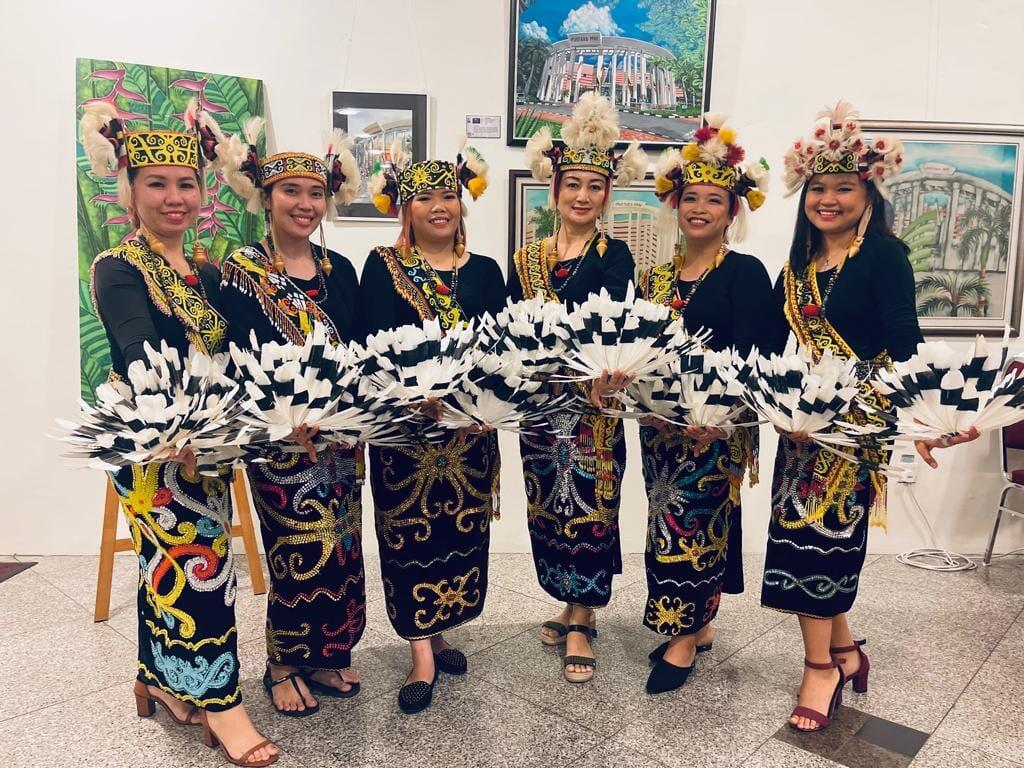
- Pusar Kreatif Kanak-Kanak Tuanku Bainun: Provides dance programmes for children, including traditional dances such as fan dance and Silat Tari.
Participating in traditional dance offers more than just learning new movements; it provides a deeper appreciation for the culture, improves physical coordination, and creates meaningful connections.
🌺Conclusion
Every Malaysian traditional dance performance offers a unique view into the nation’s diverse heritage. These traditional dances are more than just performances – they are a reflection of the rich cultural heritage, history and social values of the community, acting as a bridge between past and present.
Whether you’re attending a cultural show in Malaysia, exploring a cultural village, or joining a festival, these experiences go beyond simple entertainment – they bring you closer to the heart of Malaysia.
If you’re planning your next outing across the country, don’t forget to include a Malaysian cultural performance in your itinerary or plan your trip around one of these cultural experiences!
Dance is one of the most perfect forms of communication with infinite intelligence.
Paulo Coelho
References
- Malaysia Tourism Centre (MATIC) Official Portal - Cultural Show 2025. (n.d.). https://www.matic.gov.my/en/imedia/cultural-show
- (Rainforest World Music Festival, n.d.) https://rwmf.net/
- Cdp. (n.d.). Apprenticeship programme. https://portal.jkkn.gov.my/en/program-perantisan-2
Summarise with AI:
Did you like this article? Leave a rating!

 Loading...