
Sabah, also known as “The Land Below the Wind”, is located on the northern tip of Borneo, the world’s third-largest island. It’s famous for the towering Mount Kinabalu, the highest peak in Southeast Asia’s island region, and for its top-tier, world-class diving at Sipadan Island.
Beyond that, Sabah is also a hotspot for vibrant indigenous culture, much like its neighbour, Sarawak. The state is made up of many indigenous communities, including the Kadazan-Dusun, Bajau, and Murut. Each community contributes to a rich legacy of cultural dances that reflect their identity, beliefs, and heritage.
From the graceful movements of the Sumazau dance to the rhythmic intensity of the Magunatip dance, each Sabah traditional dance reflects a deep connection between people, nature, and spirituality.
| Dance | Cultural Origin | Key Characteristics | Occasion/Meaning |
|---|---|---|---|
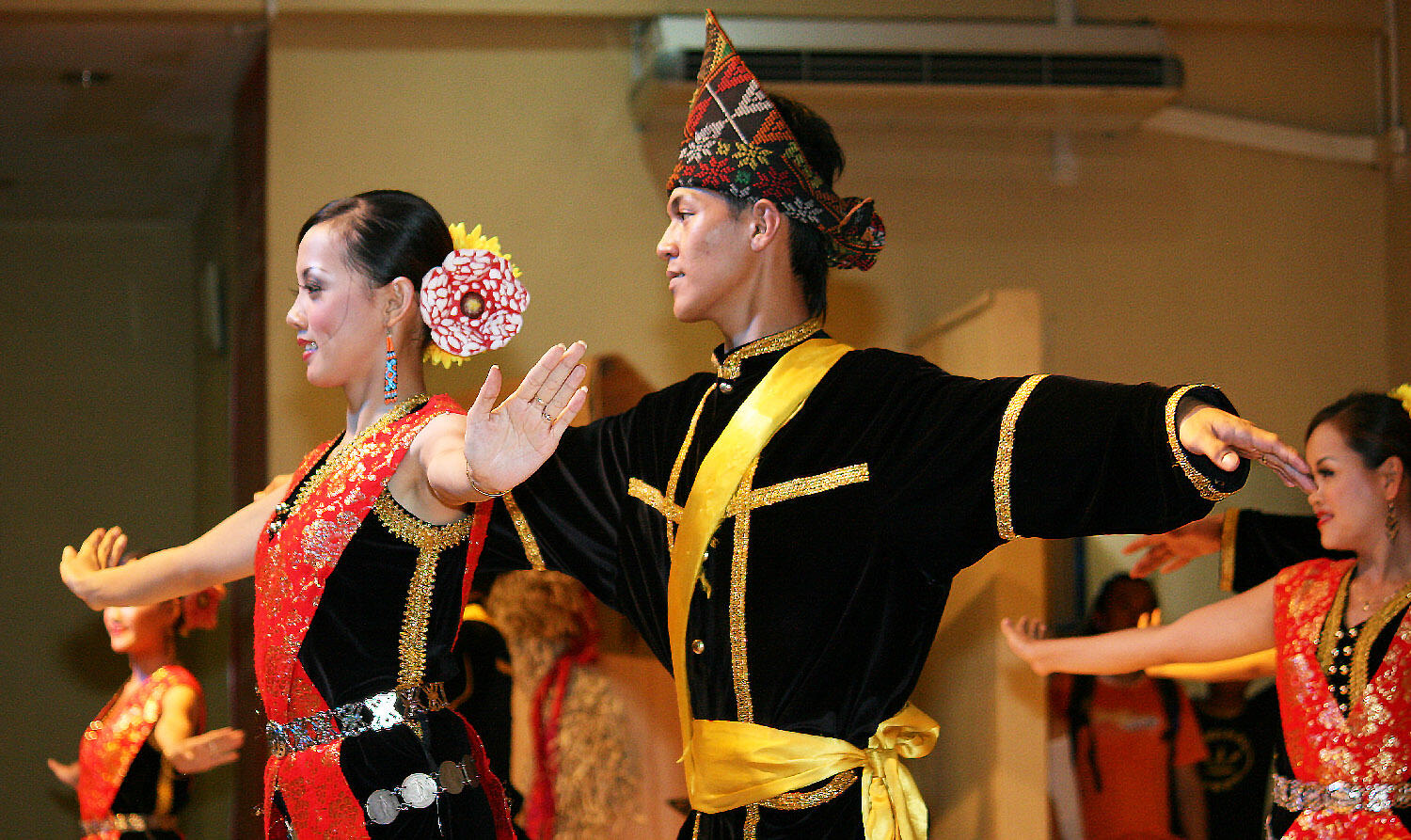
| Sumazau Dance | Kadazan-Dusun | Graceful arm movements mimicking birds; slow and rhythmic | Kaamatan Festival, cultural performances |
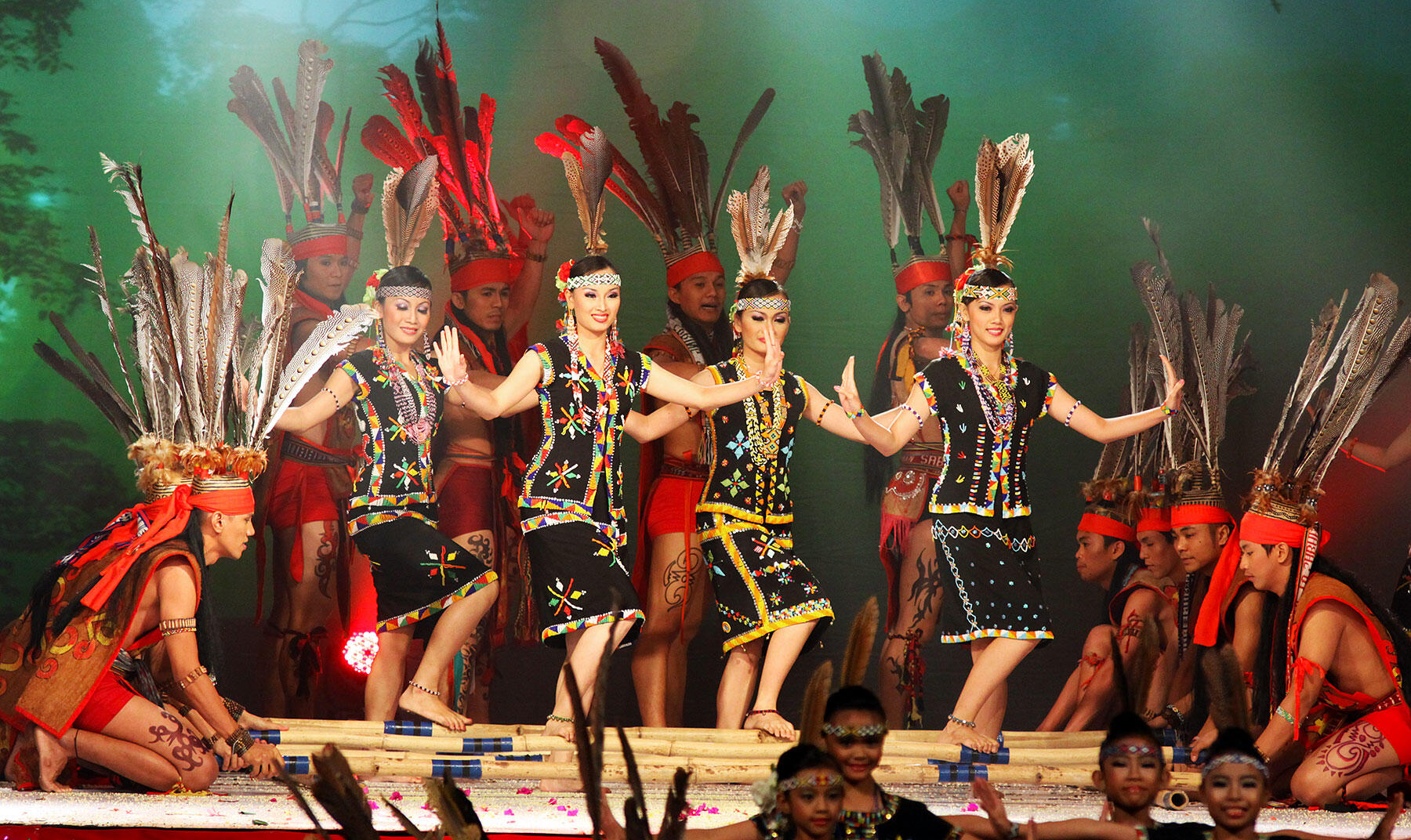
| Magunatip Dance | Murut | Fast-paced bamboo pole clapping requires precise footwork | Ceremonies, celebrations, cultural shows |
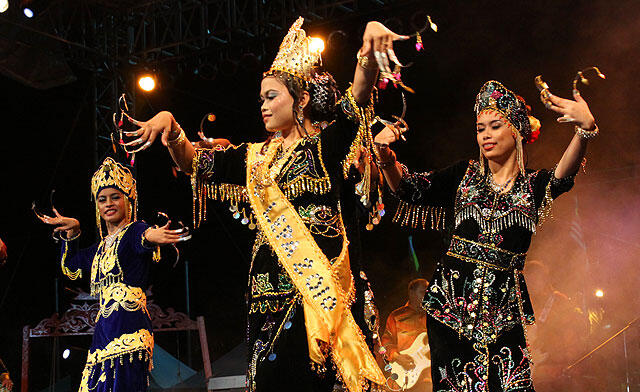
| Igal-Igal Dance | Bajau | Elegant hand movements with Janggay (metal fingernails); bird-like motions | Regatta Lepa Festival, community celebrations |


🎭The Significance of Sabahan Dance Traditions
Cultural Expression
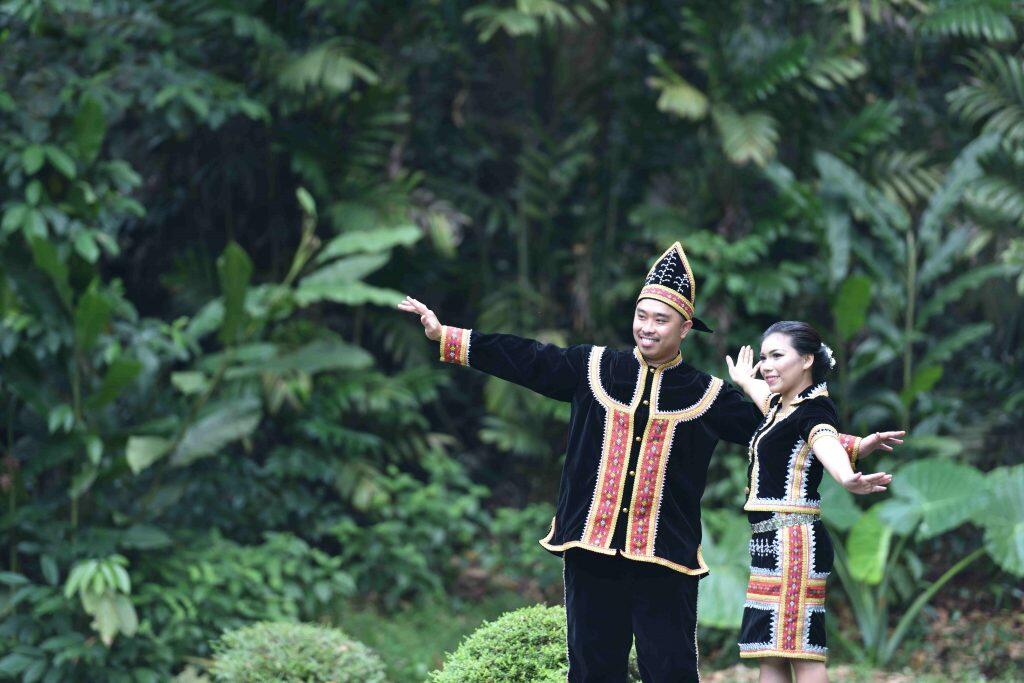
Traditional dances in Sabah express the beliefs, identity, and heritage of its indigenous communities. Through movement, rhythm, and costume, each dance reflects stories inspired by nature, daily agricultural activities, indigenous rituals, and folklore.
They serve as a living form of cultural expression for ethnic groups such as the Kadazan-Dusun, Bajau, and Murut, allowing traditions and identities to be safeguarded and shared across generations during festivals and ceremonies.
Ritualistic Importance
Many traditional dances in Sabah were originally performed in a ritual context, often linked to healing practices, spiritual ceremonies, or the belief in warding off evil spirits.
In many indigenous communities, music, sound and movement are often seen as a bridge between the physical and spiritual realms, particularly in traditional ceremonies. These dances were also performed during important life events such as weddings and communal rituals.
Social Cohesion
Music and dance play a fundamental and indispensable role in the culture of indigenous communities in Sabah. Beyond entertainment, they function as a form of social engagement that brings different communities together.
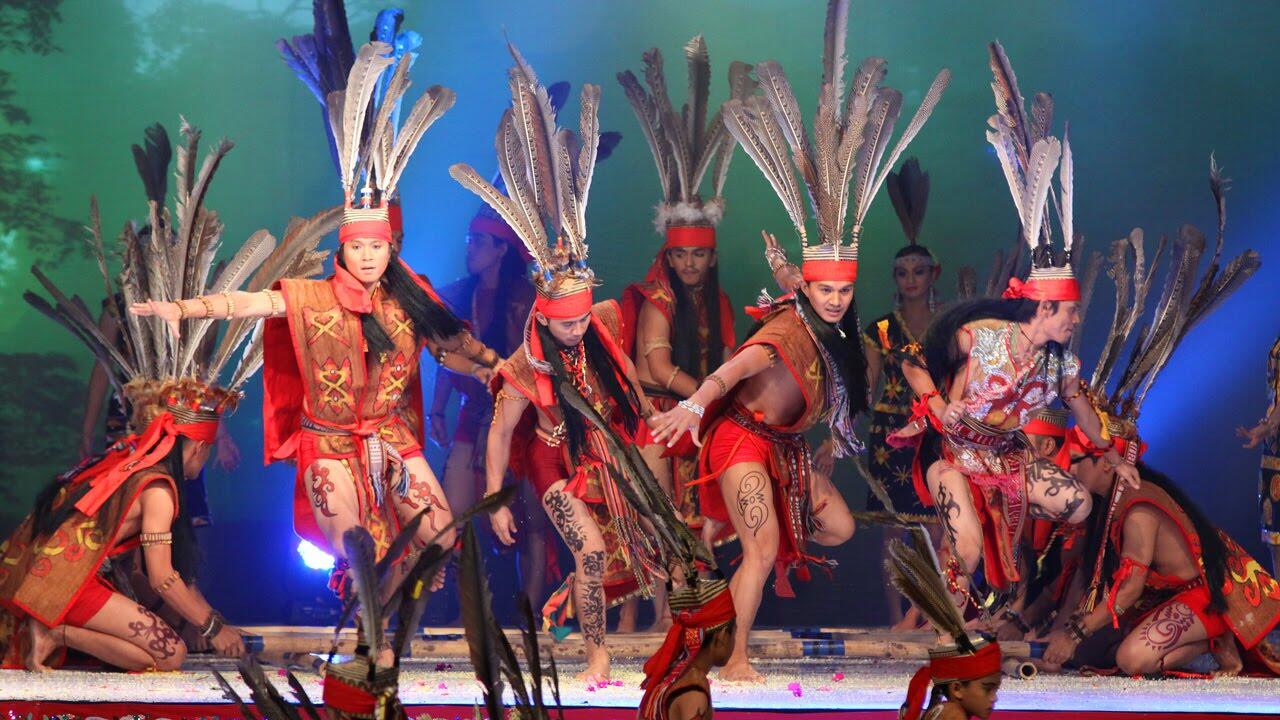
They help strengthen community bonds and serve as a key form of socialisation, while also contributing to emotional and physical development.
In certain contexts, music and dance also deepen social relationships in ways that few other cultural mediums can, and they have been shown to support inter-ethnic interaction and understanding.
💃Prominent Sabah Dance Styles and Traditions
Sumazau Dance1
The sumazau dance is an iconic Kadazan traditional dance of the Kadazan-Dusun community in Sabah. While it exists in several variations, it is most commonly associated with the Kadazan Penampang sub-ethnic group, one of the Kadazandusun communities on the west coast of Sabah.
Originally, this dance had a spiritual function; it was performed to honour the rice spirit, Bambaazon, through the Magavau (or Maga’au) ritual. This ceremony was traditionally held during the Kaamatan Festival, as an expression of gratitude after the rice harvest.
Today, while the spiritual meaning is still respected, it has evolved into an important heritage symbol and is performed at weddings, festivals, schools, and official state events.
👗Performance, Attire & Music
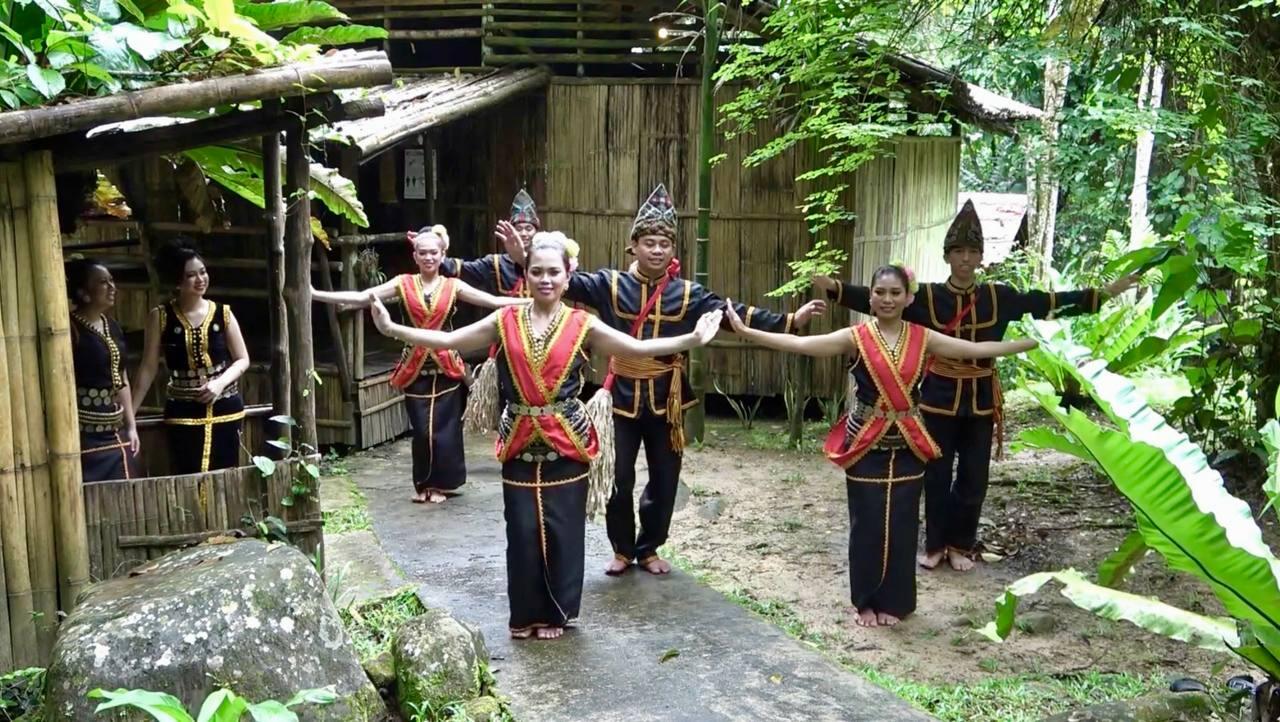
The Sumazau dance is known for its slow, graceful movements that imitate a bird in flight, often associated with the eagle. Performers usually perform in pairs or groups, gently swaying their arms up and down in a wing-like motion while moving in time with the rhythm of the music, often barefoot.
The steps are often small, controlled movements, with performers frequently shifting weight from one foot to another or rising onto their tiptoes.
Traditional attire typically consists of black clothing with gold and red accents. Men wear a siga (traditional handwoven headgear), while women wear accessories such as the himpogot (silver belt) and tangkong (coin belt).
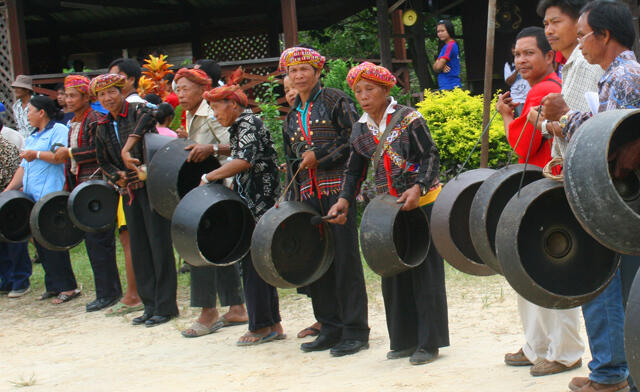
The music is performed using the sompogogungan (a set of gongs), accompanied by the gandang (drum). Similar rhythmic principles can also be observed in other Malaysian traditional dance forms across different communities, where music guides the movement.
The rice spirit, known as Bambarayon, is believed to be the guardian of rice. Honouring it through dance and ritual ensures the fertility of the land and community prosperity.
Magunatip Dance2
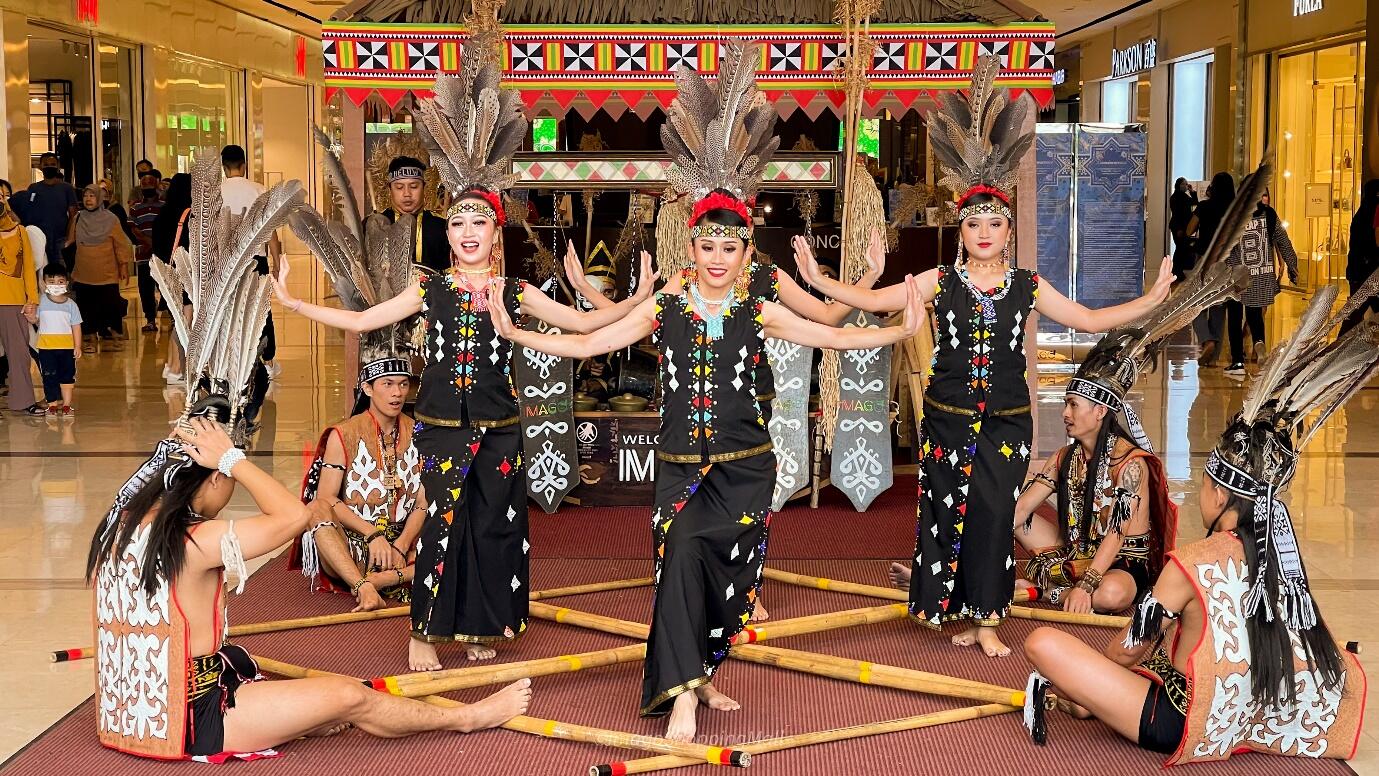
The magunatip dance, also known as the bamboo performance murut, originates from the Murut ethnic communities living in the interior regions of Sabah.
Traditionally, it is believed to have been performed as a warrior dance to celebrate victory and symbolise bravery, strength, and protection of the community. In some contexts, it was also associated with healing ceremonies, rice spirit worship, community celebrations, and protection rites.
Today, it is recognised as a National Heritage of Malaysia and is commonly showcased during festivals, weddings, and the Kaamatan Festival, as well as official state events.
👗Performance, Attire & Music
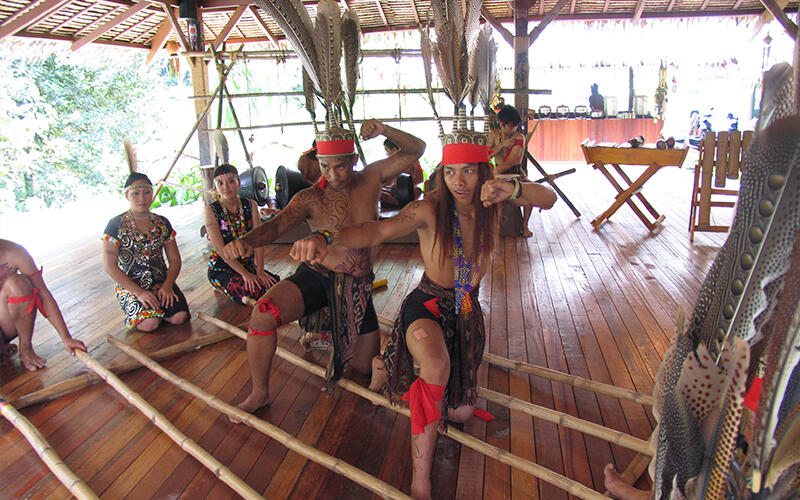
Magunatip is performed with performers stepping in and out between fast-clapping bamboo poles, requiring precise timing, agility, and coordination. The bamboo serves both as a musical instrument and a performance prop.
The rhythmic beat is created by bamboo poles clapped together, often accompanied by traditional gongs and drums, depending on the community variation.
Traditional attire reflects Murut heritage, often featuring woven fabrics and warrior-inspired themes. Men traditionally wore a jacket made from tree bark (Babaru puputul) and loinclothes, though these days they are opting for short tights under the loinclothes.
Female attire includes traditional dress such as pinongkolo, often decorated with beadwork and embroidery.
In contemporary performances, the dance may include stylised male-led energetic movements (often referred to as Mahihialang) and more graceful female movements (Anggalang), depending on local interpretation.
Igal-Igal Dance3
The Igal-Igal dance originates from the Bajau Laut (Sea Bajau) community of coastal Sabah, particularly Semporna. The word igal is believed to be associated with the graceful movements of eagles (hence the name igal igal) observed by the Bajau Laut community living on boats (lepa), which is believed to have inspired the dance.
Another local story suggests that Igal-Igal was influenced by the Bajau Ubian community from Tabawan Island (Tawi-Tawi, Philippines), who migrated to Sabah and contributed to the development of the dance within local Bajau culture.
Even though it has been closely tied to the maritime lifestyle, Igal-Igal has traditionally been performed for social gatherings, weddings, and ceremonial occasions.
Today, it is widely showcased in festivals and tourism performances, such as the Regatta Lepa Festival, celebrating the maritime heritage of the Bajau Laut.
👗Performance, Attire & Music
The dance emphasises fluid hand gestures, shoulder movement, and controlled footwork, mimicking ocean waves and eagle-like movements.
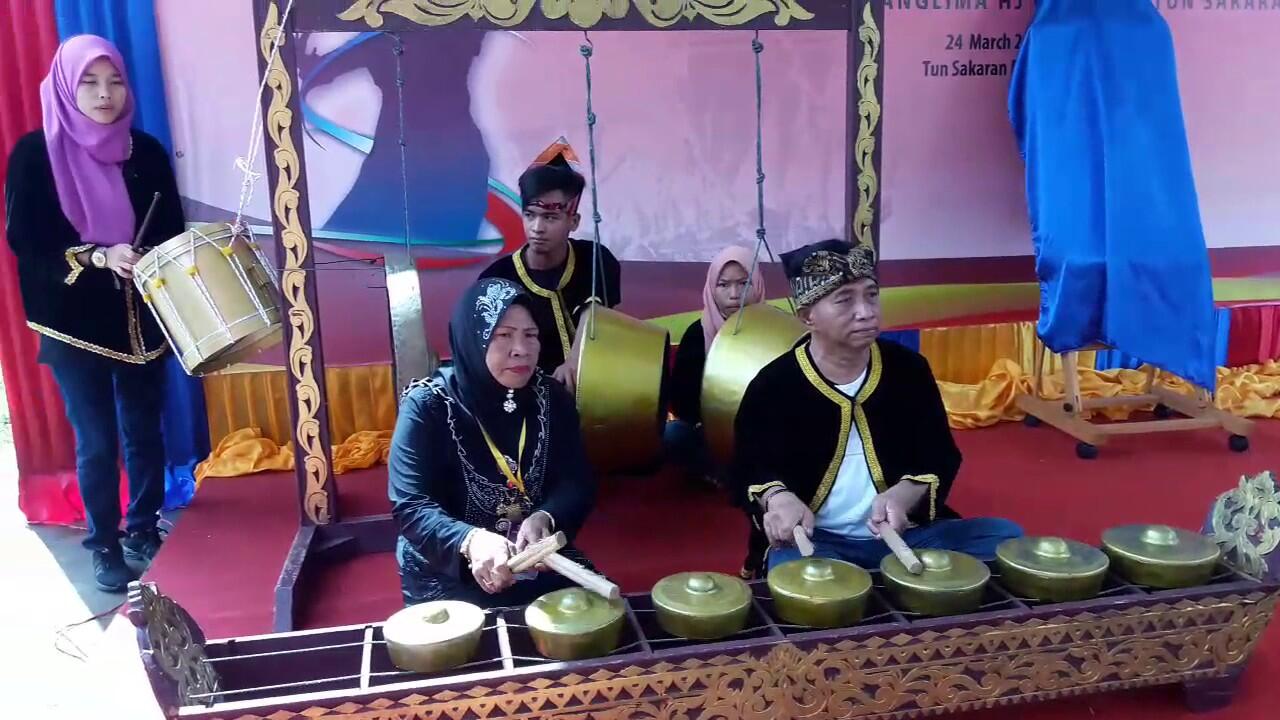
The music is played by a tagungguk ensemble, which includes small kettle gongs (kulintangan), hanging gongs, and drums.
Men wear badju ala bimbang (traditional embroidered blouse), paired with skirts or loose skirt-like pants (sawwal kinantiyu), along with belts, headpieces, and decorative finger extensions (janggay).
Women typically wear badju tangguh (traditional high-collared Bajau men’s shirt), paired with trousers and a waist wrap (kandit), often completed with a traditional headpiece such as a tanjak or regional variation.
🎶The Role of Music and Instruments in Sabah's Traditional Dances
Music and traditional instruments have always been the backbone of the Sabahan dance, setting the rhythm and enhancing the storytelling. This is also a feature found in Malay traditional dances such as joget, zapin, inang, and asli.
🥁 Gongs and Drums
These are the backbone of most performances, especially in the sumazau dance and other traditional dance forms, to create unique and rhythmic sounds.
🎼 Sompoton
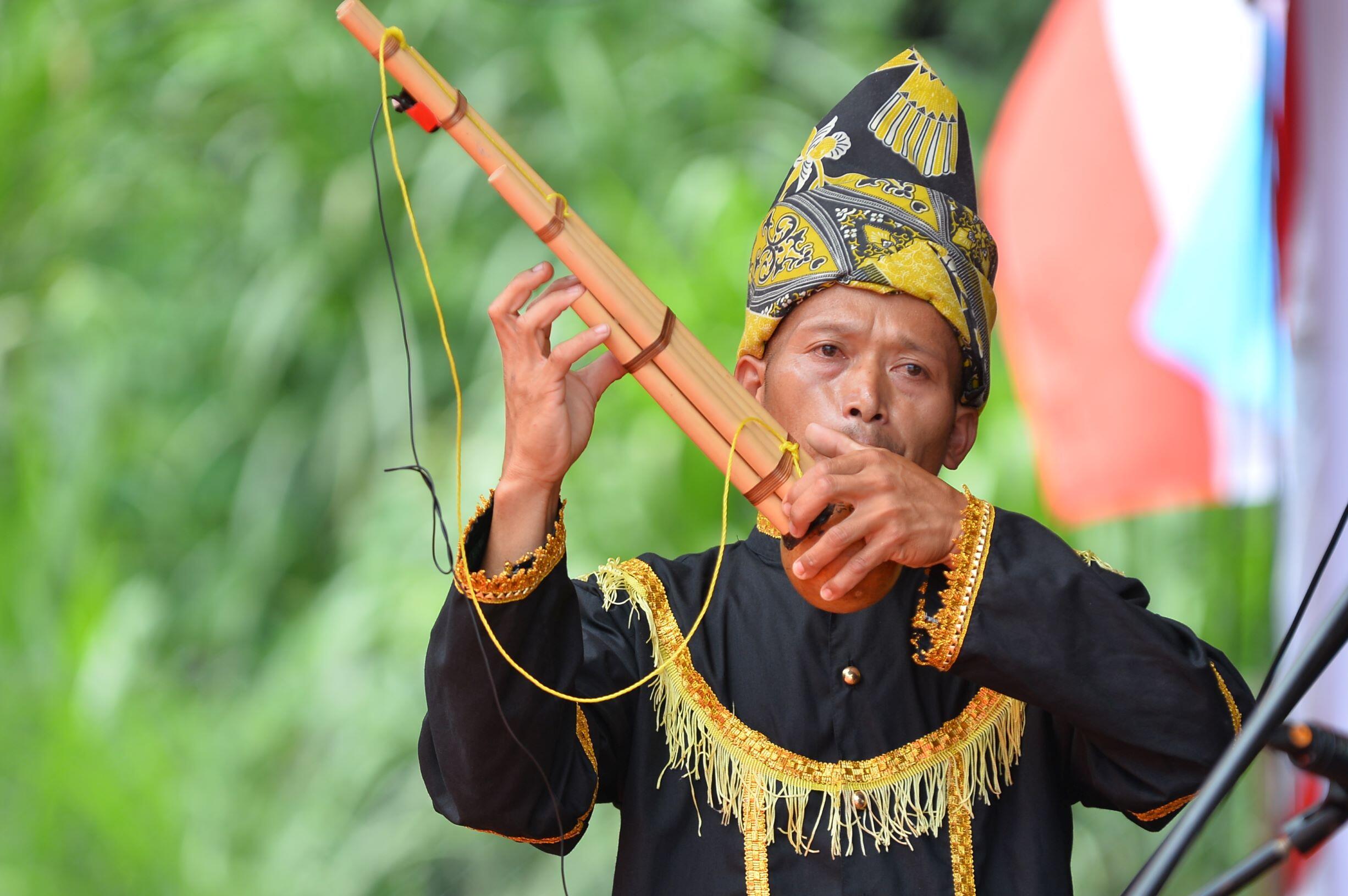
A unique mouth organ made from a gourd and bamboo pipes, commonly used by the Kadazan-Dusun community during cultural performances and festivals, especially during the Kaamatan harvest festival.
🎋 Bamboo Instruments
In the magunatip bamboo dance, bamboo itself becomes both instrument and prop, producing rhythm while guiding the performers’ movements.
Janggay are traditionally handcrafted from brass or metal, carefully shaped and polished before being attached to a finger cap or ring base, allowing smooth hand movement during performance.
🏡Experiencing Sabah's Traditional Dances
Cultural Villages
The Monsopiad Cultural Village, Mari Mari Cultural Village, and Sabah Cultural Board offer visitors the opportunity to witness authentic dances performed by local communities.
Festivals
Plan your visit during major celebrations in Sabah to experience dances in their natural setting. Some of the major cultural events include:
- Kaamatan Festival (30–31 May)
- Sabah Fest (usually held in May or June)
- Regatta Lepa Festival (April or May, depending on year)
May and June are ideal, as they coincide with Kaamatan and other cultural events.
Preservation Efforts & Programmes
Events like the Kaamatan Festival and Regatta Lepa Festival play a crucial role in keeping these traditions alive and relevant. These preservation efforts are often overseen by local and state organisations, such as the Sabah Cultural Board, that promote performances and organise cultural showcases for both locals and tourists.
In the education sector4, Universiti Malaysia Sabah (UMS) actively preserves and promotes Sabah’s cultural heritage through research, museums, galleries, and academic documentation of indigenous culture.
Workshops
Some cultural centres and local communities offer hands-on workshops where visitors can learn basic steps of the sumazau dance or even try the magunatip bamboo rhythm. Some options include:
- Sabah Cultural Board workshops and outreach programmes
- KDCA (Kadazandusun Cultural Association) cultural workshops
- Kaamatan Festival cultural demonstrations and interactive sessions
- Selected cultural villages, such as Mari Mari Cultural Village
🌺Conclusion
Sabah dances are more than just performances – they are living archives of identity, culture, indigenous heritage and history. Each movement carries stories passed down through generations, reflecting the deep connection between people and tradition.
Exploring the traditional dances in Sabah offers a richer appreciation of Malaysia’s diverse cultural heritage. It reminds us how fortunate we are to witness, learn from, and participate in these living traditions that continue to thrive today.
Great dancers are not great because of their technique; they are great because of their passion.
Martha Graham
References
- Arts and cultural information. (n.d.). National Department for Culture and Arts (JKKN). https://pemetaanbudaya.jkkn.gov.my/en/senibudaya/detail/1129
- Arts and cultural information. (n.d.). National Department for Culture and Arts (JKKN). https://pemetaanbudaya.jkkn.gov.my/en/senibudaya/detail/1132
- Arts and cultural information. (n.d.). National Department for Culture and Arts (JKKN). https://pemetaanbudaya.jkkn.gov.my/en/senibudaya/detail/1135
- Miwil, O. (2025, August 9). UMS and Sabah Cultural Board Use Augmented Reality to showcase culture. NST Online. https://www.nst.com.my/news/nation/2023/05/914918/ums-and-sabah-cultural-board-use-augmented-reality-showcase-culture
Summarise with AI:
Did you like this article? Leave a rating!

 Loading...